

Optimizing Electrodynamic Tether Shape for Maximum Electrical Efficiency
MAY 11, 20269 MIN READ
Generate Your Research Report Instantly with AI Agent
Patsnap Eureka helps you evaluate technical feasibility & market potential.
Electrodynamic Tether Technology Background and Objectives
Electrodynamic tether (EDT) technology represents a revolutionary approach to spacecraft propulsion and power generation that harnesses the interaction between conductive tethers and planetary magnetic fields. This concept emerged from fundamental electromagnetic principles discovered in the 19th century, where moving conductors through magnetic fields generate electrical currents according to Faraday's law of electromagnetic induction.
The historical development of EDT technology traces back to the 1960s when Italian physicist Giuseppe Colombo first proposed using long conductive cables in space for orbital mechanics applications. Early theoretical work by Drell, Foley, and Rudakov in the 1960s established the foundational physics of current collection in space plasmas. The concept gained significant momentum during the 1970s and 1980s as space agencies recognized its potential for propellantless propulsion and orbital energy harvesting.
Modern EDT systems operate by deploying kilometers-long conductive tethers that cut through planetary magnetic field lines as spacecraft orbit. This motion induces electromotive force along the tether length, enabling current flow through the space plasma environment. The resulting Lorentz force can either boost or drag the spacecraft, depending on current direction, while simultaneously generating electrical power for onboard systems.
The evolution of EDT technology has progressed through several distinct phases. Initial focus centered on bare wire concepts where exposed conductors directly contact ambient plasma. Subsequent developments explored insulated tethers with specialized current collection devices, followed by advanced geometries including tape-like configurations and multi-strand architectures designed to optimize electromagnetic performance while minimizing space debris risks.
Contemporary research emphasizes shape optimization as a critical factor determining electrical efficiency. Traditional cylindrical tethers suffer from non-uniform current distribution and suboptimal electromagnetic coupling. Advanced geometries, including tapered profiles, helical configurations, and variable cross-sectional designs, promise significant performance improvements through enhanced current collection and reduced ohmic losses.
The primary objective of current EDT shape optimization research focuses on maximizing electrical power generation and propulsive efficiency while maintaining structural integrity and operational reliability. This involves developing mathematical models that account for complex plasma physics, electromagnetic field interactions, and orbital dynamics to identify optimal tether geometries for specific mission profiles and operational environments.
The historical development of EDT technology traces back to the 1960s when Italian physicist Giuseppe Colombo first proposed using long conductive cables in space for orbital mechanics applications. Early theoretical work by Drell, Foley, and Rudakov in the 1960s established the foundational physics of current collection in space plasmas. The concept gained significant momentum during the 1970s and 1980s as space agencies recognized its potential for propellantless propulsion and orbital energy harvesting.
Modern EDT systems operate by deploying kilometers-long conductive tethers that cut through planetary magnetic field lines as spacecraft orbit. This motion induces electromotive force along the tether length, enabling current flow through the space plasma environment. The resulting Lorentz force can either boost or drag the spacecraft, depending on current direction, while simultaneously generating electrical power for onboard systems.
The evolution of EDT technology has progressed through several distinct phases. Initial focus centered on bare wire concepts where exposed conductors directly contact ambient plasma. Subsequent developments explored insulated tethers with specialized current collection devices, followed by advanced geometries including tape-like configurations and multi-strand architectures designed to optimize electromagnetic performance while minimizing space debris risks.
Contemporary research emphasizes shape optimization as a critical factor determining electrical efficiency. Traditional cylindrical tethers suffer from non-uniform current distribution and suboptimal electromagnetic coupling. Advanced geometries, including tapered profiles, helical configurations, and variable cross-sectional designs, promise significant performance improvements through enhanced current collection and reduced ohmic losses.
The primary objective of current EDT shape optimization research focuses on maximizing electrical power generation and propulsive efficiency while maintaining structural integrity and operational reliability. This involves developing mathematical models that account for complex plasma physics, electromagnetic field interactions, and orbital dynamics to identify optimal tether geometries for specific mission profiles and operational environments.
Market Demand for Space Debris Removal and Satellite Propulsion
The global space debris removal market is experiencing unprecedented growth driven by the escalating orbital debris crisis. With over 34,000 tracked objects larger than 10 centimeters currently orbiting Earth, and millions of smaller fragments posing collision risks, the demand for active debris removal solutions has reached critical levels. Government space agencies and commercial satellite operators are increasingly recognizing that passive mitigation measures alone are insufficient to address the growing threat to operational spacecraft and future space missions.
Electrodynamic tether technology represents a particularly promising solution for debris removal applications. Unlike traditional propulsion systems that require fuel, electrodynamic tethers can generate thrust by interacting with Earth's magnetic field and ionospheric plasma. This fuel-free operation makes them ideal for long-duration debris removal missions where conventional propulsion would be prohibitively expensive or impractical. The market demand is further amplified by regulatory pressures, as space agencies worldwide are implementing stricter guidelines for post-mission disposal and debris mitigation.
The satellite propulsion market segment presents equally compelling opportunities for optimized electrodynamic tether systems. Small satellite constellations, particularly in low Earth orbit, require cost-effective propulsion solutions for orbit maintenance, collision avoidance, and end-of-life disposal. Traditional chemical propulsion systems add significant mass, complexity, and cost to small satellites, creating strong market pull for alternative technologies.
Commercial satellite operators are increasingly focused on operational efficiency and mission economics. Electrodynamic tethers offer the potential for extended mission lifetimes without fuel consumption, enabling more flexible orbital operations and reduced operational costs. The technology is particularly attractive for constellation operators who must manage hundreds or thousands of satellites simultaneously, where fuel-free propulsion could provide substantial economic advantages.
The convergence of regulatory requirements, economic pressures, and technological maturity is creating a robust market environment for electrodynamic tether applications. International space agencies are actively funding research and demonstration missions, while commercial entities are exploring partnerships to integrate these systems into operational spacecraft. The market demand is expected to accelerate as successful demonstrations prove the technology's reliability and cost-effectiveness for both debris removal and satellite propulsion applications.
Electrodynamic tether technology represents a particularly promising solution for debris removal applications. Unlike traditional propulsion systems that require fuel, electrodynamic tethers can generate thrust by interacting with Earth's magnetic field and ionospheric plasma. This fuel-free operation makes them ideal for long-duration debris removal missions where conventional propulsion would be prohibitively expensive or impractical. The market demand is further amplified by regulatory pressures, as space agencies worldwide are implementing stricter guidelines for post-mission disposal and debris mitigation.
The satellite propulsion market segment presents equally compelling opportunities for optimized electrodynamic tether systems. Small satellite constellations, particularly in low Earth orbit, require cost-effective propulsion solutions for orbit maintenance, collision avoidance, and end-of-life disposal. Traditional chemical propulsion systems add significant mass, complexity, and cost to small satellites, creating strong market pull for alternative technologies.
Commercial satellite operators are increasingly focused on operational efficiency and mission economics. Electrodynamic tethers offer the potential for extended mission lifetimes without fuel consumption, enabling more flexible orbital operations and reduced operational costs. The technology is particularly attractive for constellation operators who must manage hundreds or thousands of satellites simultaneously, where fuel-free propulsion could provide substantial economic advantages.
The convergence of regulatory requirements, economic pressures, and technological maturity is creating a robust market environment for electrodynamic tether applications. International space agencies are actively funding research and demonstration missions, while commercial entities are exploring partnerships to integrate these systems into operational spacecraft. The market demand is expected to accelerate as successful demonstrations prove the technology's reliability and cost-effectiveness for both debris removal and satellite propulsion applications.
Current EDT Shape Design Limitations and Technical Challenges
Current electrodynamic tether (EDT) shape design faces significant limitations rooted in the complex interplay between electromagnetic physics, material constraints, and orbital mechanics. Traditional EDT configurations predominantly employ simple geometries such as cylindrical wires or flat tape structures, which represent compromises rather than optimized solutions for electrical efficiency maximization.
The fundamental challenge lies in the non-uniform current distribution along the tether length, creating substantial efficiency losses. In conventional designs, current density varies dramatically from the anodic to cathodic ends, resulting in regions of suboptimal electromagnetic interaction with the planetary magnetic field. This non-uniformity stems from the basic physics of plasma collection and electron emission processes, which current shape designs inadequately address.
Material property limitations impose severe constraints on achievable geometries. Conductive materials suitable for space applications, primarily aluminum and copper alloys, exhibit fixed conductivity characteristics that cannot be spatially varied to compensate for current distribution irregularities. The inability to create materials with gradient conductivity properties forces designers to rely on geometric modifications alone, significantly limiting optimization potential.
Structural integrity requirements create additional design conflicts. EDTs must withstand substantial electromagnetic forces, thermal cycling, and potential micrometeorite impacts while maintaining electrical continuity. These mechanical demands often necessitate cross-sectional areas and structural reinforcements that compromise electrical efficiency. The trade-off between mechanical robustness and electrical performance remains a persistent challenge in current design methodologies.
Manufacturing and deployment constraints further restrict shape optimization possibilities. Complex geometries that might theoretically offer superior electrical performance often prove impractical for space-based manufacturing or deployment systems. Current fabrication techniques limit achievable precision in shape control, particularly for kilometer-scale tether systems where even minor geometric variations can significantly impact overall performance.
Plasma interaction modeling presents another critical limitation. Existing computational models inadequately predict the complex plasma sheath dynamics around non-standard tether geometries, making it difficult to optimize shapes for specific orbital environments. This modeling gap forces designers to rely on conservative, well-understood configurations rather than pursuing potentially superior but less predictable alternatives.
The lack of comprehensive multi-physics optimization frameworks represents a systemic challenge. Current design approaches typically optimize individual parameters sequentially rather than simultaneously addressing electromagnetic, thermal, mechanical, and plasma physics considerations. This fragmented methodology prevents identification of globally optimal shape solutions that balance all relevant performance criteria effectively.
The fundamental challenge lies in the non-uniform current distribution along the tether length, creating substantial efficiency losses. In conventional designs, current density varies dramatically from the anodic to cathodic ends, resulting in regions of suboptimal electromagnetic interaction with the planetary magnetic field. This non-uniformity stems from the basic physics of plasma collection and electron emission processes, which current shape designs inadequately address.
Material property limitations impose severe constraints on achievable geometries. Conductive materials suitable for space applications, primarily aluminum and copper alloys, exhibit fixed conductivity characteristics that cannot be spatially varied to compensate for current distribution irregularities. The inability to create materials with gradient conductivity properties forces designers to rely on geometric modifications alone, significantly limiting optimization potential.
Structural integrity requirements create additional design conflicts. EDTs must withstand substantial electromagnetic forces, thermal cycling, and potential micrometeorite impacts while maintaining electrical continuity. These mechanical demands often necessitate cross-sectional areas and structural reinforcements that compromise electrical efficiency. The trade-off between mechanical robustness and electrical performance remains a persistent challenge in current design methodologies.
Manufacturing and deployment constraints further restrict shape optimization possibilities. Complex geometries that might theoretically offer superior electrical performance often prove impractical for space-based manufacturing or deployment systems. Current fabrication techniques limit achievable precision in shape control, particularly for kilometer-scale tether systems where even minor geometric variations can significantly impact overall performance.
Plasma interaction modeling presents another critical limitation. Existing computational models inadequately predict the complex plasma sheath dynamics around non-standard tether geometries, making it difficult to optimize shapes for specific orbital environments. This modeling gap forces designers to rely on conservative, well-understood configurations rather than pursuing potentially superior but less predictable alternatives.
The lack of comprehensive multi-physics optimization frameworks represents a systemic challenge. Current design approaches typically optimize individual parameters sequentially rather than simultaneously addressing electromagnetic, thermal, mechanical, and plasma physics considerations. This fragmented methodology prevents identification of globally optimal shape solutions that balance all relevant performance criteria effectively.
Existing EDT Shape Optimization Solutions and Methods
01 Tether material composition and conductivity optimization
The electrical efficiency of electrodynamic tethers can be enhanced through the selection and optimization of conductive materials. Advanced conductor materials with high electrical conductivity and low resistance properties are utilized to minimize power losses during current flow. The tether design incorporates specific material compositions that maintain conductivity while providing mechanical strength and durability in space environments.- Tether material composition and conductivity optimization: The electrical efficiency of electrodynamic tethers can be enhanced through the selection and optimization of conductive materials. Advanced conductor materials with high electrical conductivity and low resistance properties are utilized to minimize power losses during current flow. The tether design incorporates specific material compositions that maintain conductivity while providing mechanical strength and durability in space environments.
- Current collection and electron emission systems: Efficient current collection mechanisms are essential for maximizing the electrical performance of electrodynamic tethers. These systems include electron collectors and emitters that facilitate the flow of current between the tether and the surrounding plasma environment. The design focuses on optimizing the contact area and collection efficiency to enhance overall system performance.
- Power generation and energy harvesting optimization: Electrodynamic tethers can be optimized for power generation by maximizing the conversion of orbital kinetic energy into electrical energy. The system design incorporates methods to enhance the electromagnetic induction process and improve energy harvesting efficiency. Various configurations and operational parameters are adjusted to achieve optimal power output while maintaining system stability.
- Control systems and operational efficiency management: Advanced control systems are implemented to manage the operational efficiency of electrodynamic tethers. These systems monitor and adjust various parameters such as current flow, voltage levels, and tether orientation to maintain optimal performance. The control mechanisms ensure stable operation and prevent system failures while maximizing electrical efficiency throughout the mission duration.
- Deployment mechanisms and structural integrity: The deployment and structural design of electrodynamic tethers significantly impact their electrical efficiency. Proper deployment mechanisms ensure optimal tether configuration and maintain structural integrity during operation. The design considerations include deployment speed, tether tension, and mechanical stability to prevent degradation of electrical performance due to structural issues or improper positioning.
02 Current collection and electron emission systems
Efficient current collection mechanisms are critical for maximizing the electrical performance of electrodynamic tethers. These systems include electron collectors and emitters that facilitate the flow of current between the tether and the surrounding plasma environment. The design focuses on optimizing the contact area and collection efficiency to enhance overall system performance.Expand Specific Solutions03 Power generation and energy harvesting optimization
Electrodynamic tethers can be optimized for power generation by maximizing the conversion of orbital kinetic energy into electrical energy. The system design incorporates methods to enhance the electromagnetic induction process and improve energy harvesting efficiency. Various configurations and operational parameters are adjusted to achieve optimal power output while maintaining system stability.Expand Specific Solutions04 Plasma interaction and environmental factors
The efficiency of electrodynamic tethers is significantly influenced by their interaction with the space plasma environment. Understanding and optimizing these interactions involves controlling factors such as plasma density, magnetic field variations, and ionospheric conditions. The tether system design accounts for environmental variables to maintain consistent electrical performance across different orbital conditions.Expand Specific Solutions05 Control systems and operational management
Advanced control systems are implemented to manage the electrical efficiency of electrodynamic tethers during operation. These systems monitor and adjust various parameters such as current flow, voltage levels, and tether deployment to optimize performance. The control mechanisms ensure stable operation and prevent system failures while maximizing electrical efficiency throughout the mission duration.Expand Specific Solutions
Key Players in Space Tether and Orbital Systems Industry
The electrodynamic tether optimization field represents an emerging space technology sector in its early development stage, characterized by limited market size but significant growth potential driven by increasing satellite deployment and space debris mitigation needs. The competitive landscape features a diverse mix of established electronics manufacturers, research institutions, and specialized technology companies. Technology maturity varies considerably across participants, with traditional electronics giants like Murata Manufacturing, Furukawa Electric, and General Electric leveraging their materials expertise, while semiconductor leaders including Wolfspeed and Semiconductor Manufacturing International contribute advanced power electronics capabilities. Research institutions such as Beijing Institute of Technology, Northwestern University, and Industrial Technology Research Institute drive fundamental innovation, alongside emerging players like Skeleton Technologies focusing on energy storage solutions. The fragmented nature suggests the technology remains in experimental phases, with no dominant market leaders yet established, indicating substantial opportunities for breakthrough innovations in tether design and electrical efficiency optimization.
Furukawa Electric Co., Ltd.
Technical Solution: Furukawa Electric has developed specialized conductive materials and cable technologies applicable to electrodynamic tether systems. Their approach focuses on ultra-high conductivity copper alloys and advanced wire drawing techniques to create tethers with optimized electrical properties. The company has researched hollow conductor designs and multi-core configurations that maximize surface area while maintaining structural integrity. Their tether designs incorporate proprietary insulation materials that can withstand space environment conditions while minimizing electrical losses. Furukawa's manufacturing processes enable precise control over tether cross-sectional geometry and surface characteristics to enhance plasma interaction efficiency.
Strengths: Extensive experience in high-performance conductor manufacturing and materials science expertise. Weaknesses: Limited experience in space applications and plasma physics, primarily terrestrial cable focus.
International Business Machines Corp.
Technical Solution: IBM has developed computational optimization algorithms and AI-driven design methodologies for electrodynamic tether shape optimization. Their approach leverages machine learning models trained on electromagnetic field simulations to predict optimal tether geometries for maximum electrical efficiency. The system incorporates quantum computing algorithms for complex multi-parameter optimization problems, considering factors such as plasma density variations, orbital mechanics, and material properties. IBM's solution includes real-time adaptive control systems that can continuously adjust tether configuration based on environmental conditions and performance metrics, utilizing advanced sensor networks and edge computing capabilities for autonomous optimization.
Strengths: Advanced computational capabilities and AI/ML expertise, quantum computing integration for complex optimization. Weaknesses: Limited direct experience in space hardware and tether manufacturing, primarily software-focused solutions.
Core Patents in Tether Geometry and Electrical Efficiency
Electrodynamic tether control
PatentInactiveUS6419191B1
Innovation
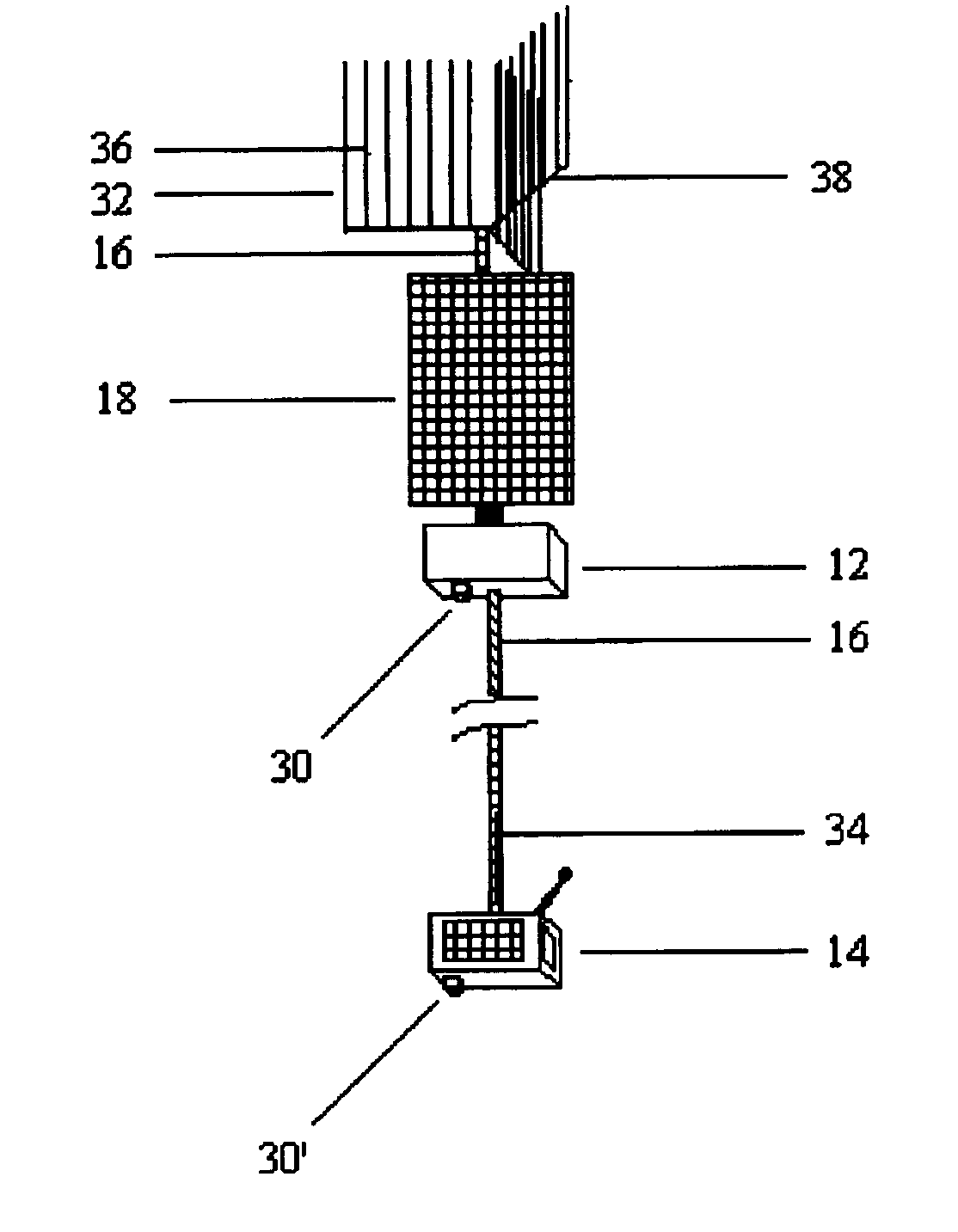
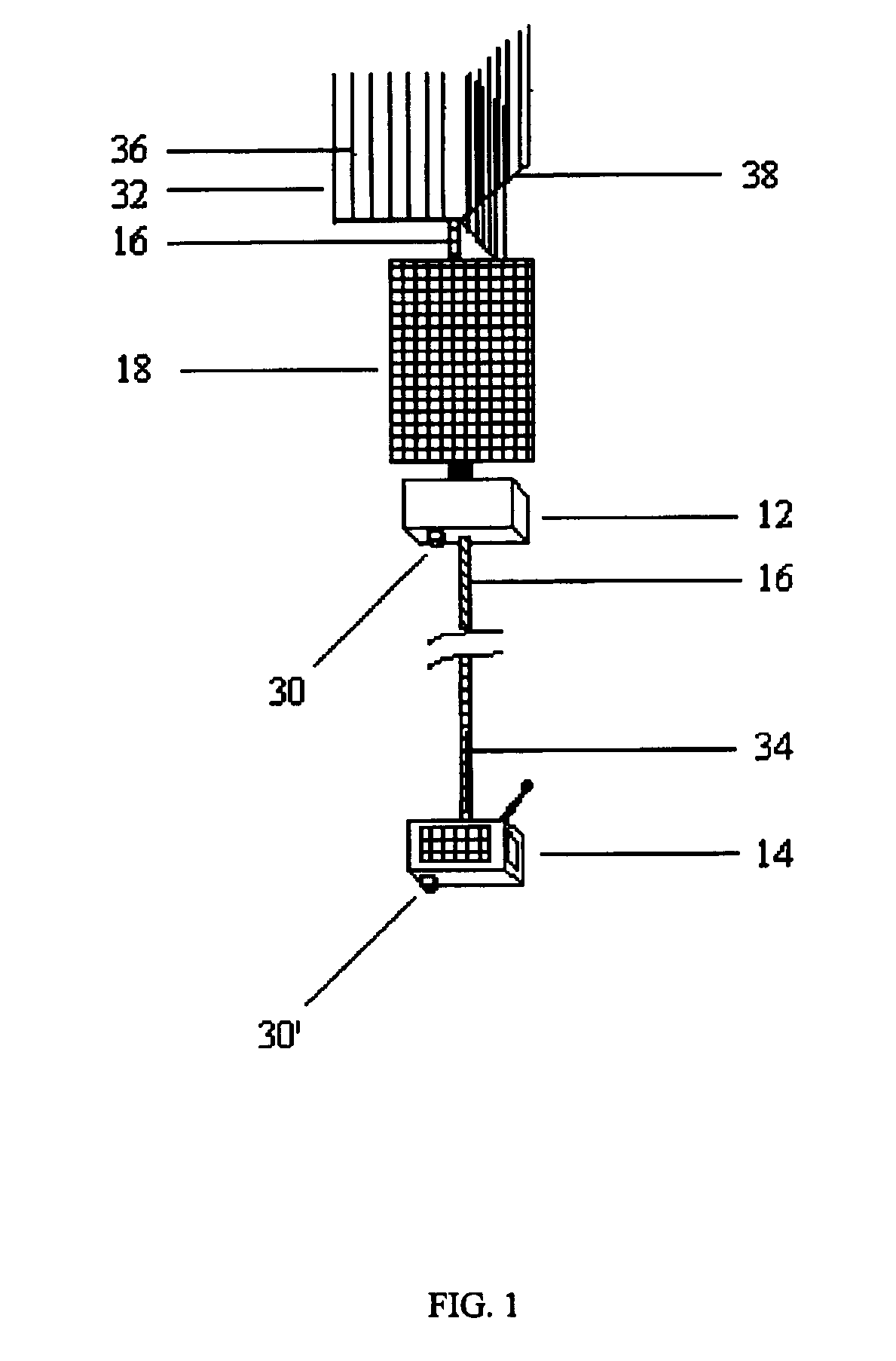
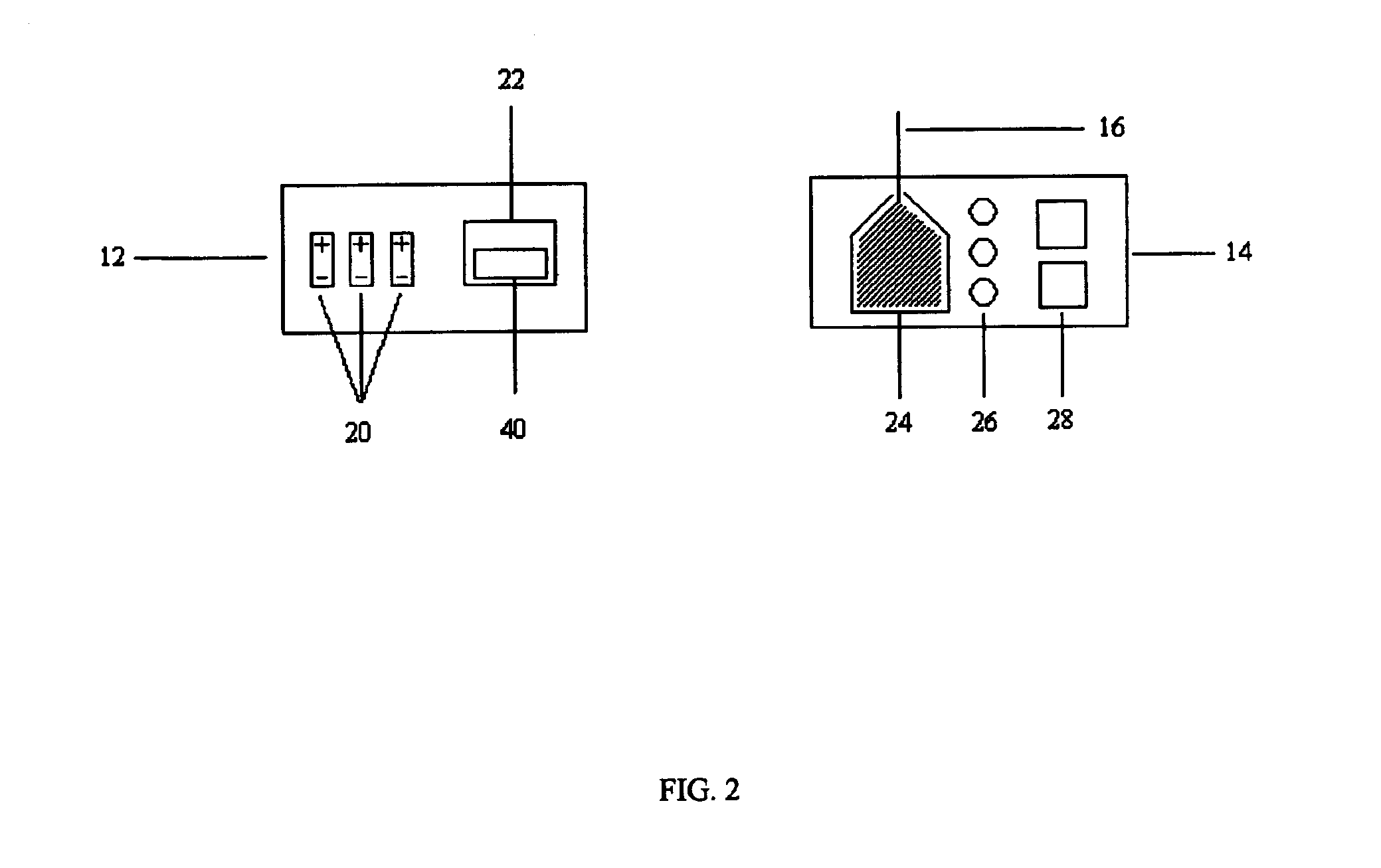
- A short, wide conductive Hoytether with a 35.26-degree trailing angle to the local vertical, combined with feedback control to manage current flow and stabilize the tether, allowing for maximum electrodynamic drag while minimizing the Area-Time-Product and using the tether structure as a thermal radiator and plasma contactor.


Method and apparatus for propulsion and power generation using spinning electrodynamic tethers
PatentInactiveUS6942186B1
Innovation
- Spinning electrodynamic tether systems, where the tether spins at an angular rate at least two times higher than the orbital rate, allowing for better angular positioning with the magnetic field, enabling higher current flow without destabilization, and utilizing onboard power sources to reverse current direction for improved control and power generation.

Space Debris Mitigation Policy and Regulatory Framework
The regulatory landscape governing space debris mitigation has evolved significantly since the emergence of electrodynamic tether technology as a viable deorbiting solution. Current international frameworks primarily operate under the United Nations Office for Outer Space Affairs (UNOOSA) guidelines, which establish fundamental principles for space debris mitigation but lack specific provisions for active debris removal technologies like optimized electrodynamic tethers.
The Inter-Agency Space Debris Coordination Committee (IADC) guidelines serve as the primary technical standard, recommending post-mission disposal within 25 years for objects in low Earth orbit. However, these guidelines do not address the unique operational characteristics of electrodynamic tethers, particularly regarding their extended deployment phases and electromagnetic interactions with the space environment.
National space agencies have begun developing complementary regulatory frameworks to address active debris removal technologies. The European Space Agency's Clean Space initiative and NASA's Orbital Debris Program Office have established preliminary technical requirements for tether-based systems, focusing on mission safety and collision avoidance protocols during tether deployment and operation.
Emerging policy challenges center on liability and responsibility frameworks for active debris removal missions. Current space law, primarily governed by the 1972 Liability Convention, creates complex jurisdictional issues when electrodynamic tethers interact with debris objects from multiple nations. The optimization of tether shapes for maximum electrical efficiency must therefore consider not only technical performance but also compliance with evolving international liability standards.
Recent policy developments indicate a shift toward performance-based regulations rather than prescriptive technical standards. This approach allows for innovative tether geometries and configurations while maintaining safety and environmental protection objectives. The Federal Communications Commission and International Telecommunication Union have also begun addressing electromagnetic compatibility requirements for optimized tether systems operating in increasingly congested orbital environments.
Future regulatory evolution will likely focus on establishing standardized testing protocols for electrodynamic tether efficiency optimization, creating international coordination mechanisms for active debris removal missions, and developing comprehensive environmental impact assessment frameworks for large-scale tether deployment programs.
The Inter-Agency Space Debris Coordination Committee (IADC) guidelines serve as the primary technical standard, recommending post-mission disposal within 25 years for objects in low Earth orbit. However, these guidelines do not address the unique operational characteristics of electrodynamic tethers, particularly regarding their extended deployment phases and electromagnetic interactions with the space environment.
National space agencies have begun developing complementary regulatory frameworks to address active debris removal technologies. The European Space Agency's Clean Space initiative and NASA's Orbital Debris Program Office have established preliminary technical requirements for tether-based systems, focusing on mission safety and collision avoidance protocols during tether deployment and operation.
Emerging policy challenges center on liability and responsibility frameworks for active debris removal missions. Current space law, primarily governed by the 1972 Liability Convention, creates complex jurisdictional issues when electrodynamic tethers interact with debris objects from multiple nations. The optimization of tether shapes for maximum electrical efficiency must therefore consider not only technical performance but also compliance with evolving international liability standards.
Recent policy developments indicate a shift toward performance-based regulations rather than prescriptive technical standards. This approach allows for innovative tether geometries and configurations while maintaining safety and environmental protection objectives. The Federal Communications Commission and International Telecommunication Union have also begun addressing electromagnetic compatibility requirements for optimized tether systems operating in increasingly congested orbital environments.
Future regulatory evolution will likely focus on establishing standardized testing protocols for electrodynamic tether efficiency optimization, creating international coordination mechanisms for active debris removal missions, and developing comprehensive environmental impact assessment frameworks for large-scale tether deployment programs.
Environmental Impact of Space Tether Deployment Systems
The deployment of electrodynamic tether systems in space environments presents significant environmental considerations that must be carefully evaluated. These systems, while offering promising solutions for orbital mechanics and power generation, introduce foreign materials and structures into the delicate space ecosystem that could have lasting consequences on both terrestrial and extraterrestrial environments.
Space debris generation represents one of the most critical environmental concerns associated with tether deployment systems. When electrodynamic tethers are deployed, they create extensive linear structures that span several kilometers in orbital space. These systems are vulnerable to micrometeorite impacts and space debris collisions, potentially fragmenting into numerous smaller pieces that contribute to the growing orbital debris population. The cascading effect of such fragmentation could exacerbate the Kessler Syndrome phenomenon, where collision-generated debris creates additional collision risks.
The electromagnetic emissions produced by electrodynamic tethers during operation pose another environmental challenge. These systems generate electromagnetic fields and radio frequency interference that can disrupt sensitive scientific instruments aboard nearby spacecraft and satellites. The electromagnetic signature may also interfere with astronomical observations conducted from both ground-based and space-based telescopes, potentially compromising scientific research activities.
Material degradation and contamination present additional environmental risks. Tether materials exposed to the harsh space environment undergo atomic oxygen erosion, ultraviolet radiation damage, and thermal cycling stress. These degradation processes release microscopic particles and outgassing products into the space environment, potentially contaminating nearby spacecraft surfaces and scientific instruments. The long-term accumulation of such contaminants could affect the optical properties of solar panels and thermal control surfaces on operational satellites.
The atmospheric reentry phase of tether systems raises concerns about terrestrial environmental impact. While most tether materials are designed to burn up completely during reentry, larger components or unexpected survival of debris fragments could pose risks to populated areas. Additionally, the combustion products released during atmospheric reentry may contribute trace amounts of exotic materials to the upper atmosphere, though current assessments suggest minimal impact compared to natural meteor ablation.
Orbital environment modification represents a subtle but potentially significant long-term concern. Large-scale deployment of electrodynamic tether systems could alter local plasma conditions and magnetic field interactions in specific orbital regions. These modifications might affect natural phenomena such as auroral displays and could influence the behavior of charged particle populations in the magnetosphere, though comprehensive modeling studies are still needed to quantify these effects.
Space debris generation represents one of the most critical environmental concerns associated with tether deployment systems. When electrodynamic tethers are deployed, they create extensive linear structures that span several kilometers in orbital space. These systems are vulnerable to micrometeorite impacts and space debris collisions, potentially fragmenting into numerous smaller pieces that contribute to the growing orbital debris population. The cascading effect of such fragmentation could exacerbate the Kessler Syndrome phenomenon, where collision-generated debris creates additional collision risks.
The electromagnetic emissions produced by electrodynamic tethers during operation pose another environmental challenge. These systems generate electromagnetic fields and radio frequency interference that can disrupt sensitive scientific instruments aboard nearby spacecraft and satellites. The electromagnetic signature may also interfere with astronomical observations conducted from both ground-based and space-based telescopes, potentially compromising scientific research activities.
Material degradation and contamination present additional environmental risks. Tether materials exposed to the harsh space environment undergo atomic oxygen erosion, ultraviolet radiation damage, and thermal cycling stress. These degradation processes release microscopic particles and outgassing products into the space environment, potentially contaminating nearby spacecraft surfaces and scientific instruments. The long-term accumulation of such contaminants could affect the optical properties of solar panels and thermal control surfaces on operational satellites.
The atmospheric reentry phase of tether systems raises concerns about terrestrial environmental impact. While most tether materials are designed to burn up completely during reentry, larger components or unexpected survival of debris fragments could pose risks to populated areas. Additionally, the combustion products released during atmospheric reentry may contribute trace amounts of exotic materials to the upper atmosphere, though current assessments suggest minimal impact compared to natural meteor ablation.
Orbital environment modification represents a subtle but potentially significant long-term concern. Large-scale deployment of electrodynamic tether systems could alter local plasma conditions and magnetic field interactions in specific orbital regions. These modifications might affect natural phenomena such as auroral displays and could influence the behavior of charged particle populations in the magnetosphere, though comprehensive modeling studies are still needed to quantify these effects.
Unlock deeper insights with Patsnap Eureka Quick Research — get a full tech report to explore trends and direct your research. Try now!
Generate Your Research Report Instantly with AI Agent
Supercharge your innovation with Patsnap Eureka AI Agent Platform!