

Document Siloxane Varieties and Intended Application Scenarios
APR 28, 20268 MIN READ
Generate Your Research Report Instantly with AI Agent
PatSnap Eureka helps you evaluate technical feasibility & market potential.
Siloxane Technology Background and Development Goals
Siloxane technology represents a cornerstone of modern materials science, with its origins tracing back to the early 20th century when Frederick Kipping first synthesized organosilicon compounds. The fundamental structure of siloxanes, characterized by alternating silicon and oxygen atoms in the backbone chain, provides unique properties that bridge the gap between organic and inorganic materials. This distinctive molecular architecture enables siloxanes to exhibit exceptional thermal stability, chemical inertness, and flexibility across a wide temperature range.
The evolution of siloxane technology has been driven by the increasing demand for high-performance materials in aerospace, electronics, healthcare, and consumer applications. Early developments focused primarily on basic polydimethylsiloxane (PDMS) formulations, but technological advancement has expanded to encompass a vast array of functional siloxanes with tailored properties. Modern siloxane varieties include phenyl-modified systems for enhanced refractive index control, vinyl-functional siloxanes for crosslinking applications, and amino-functional variants for adhesion promotion.
Current development goals center on addressing emerging challenges in sustainability, performance enhancement, and application-specific customization. The industry is actively pursuing bio-based siloxane alternatives to reduce environmental impact while maintaining superior performance characteristics. Advanced functional siloxanes with responsive properties, such as temperature-sensitive or pH-responsive systems, represent a significant frontier in smart materials development.
The integration of nanotechnology with siloxane chemistry has opened new avenues for creating hybrid materials with unprecedented properties. Siloxane-based nanocomposites and surface modification technologies are being developed to meet stringent requirements in semiconductor manufacturing, biomedical devices, and protective coatings. These innovations aim to achieve molecular-level control over material properties while ensuring scalable manufacturing processes.
Future technological objectives include developing siloxanes with enhanced biodegradability, improved mechanical properties, and multifunctional capabilities that can replace multiple material systems with single, versatile solutions. The convergence of artificial intelligence and materials design is accelerating the discovery of novel siloxane formulations, enabling rapid optimization of molecular structures for specific performance targets.
The evolution of siloxane technology has been driven by the increasing demand for high-performance materials in aerospace, electronics, healthcare, and consumer applications. Early developments focused primarily on basic polydimethylsiloxane (PDMS) formulations, but technological advancement has expanded to encompass a vast array of functional siloxanes with tailored properties. Modern siloxane varieties include phenyl-modified systems for enhanced refractive index control, vinyl-functional siloxanes for crosslinking applications, and amino-functional variants for adhesion promotion.
Current development goals center on addressing emerging challenges in sustainability, performance enhancement, and application-specific customization. The industry is actively pursuing bio-based siloxane alternatives to reduce environmental impact while maintaining superior performance characteristics. Advanced functional siloxanes with responsive properties, such as temperature-sensitive or pH-responsive systems, represent a significant frontier in smart materials development.
The integration of nanotechnology with siloxane chemistry has opened new avenues for creating hybrid materials with unprecedented properties. Siloxane-based nanocomposites and surface modification technologies are being developed to meet stringent requirements in semiconductor manufacturing, biomedical devices, and protective coatings. These innovations aim to achieve molecular-level control over material properties while ensuring scalable manufacturing processes.
Future technological objectives include developing siloxanes with enhanced biodegradability, improved mechanical properties, and multifunctional capabilities that can replace multiple material systems with single, versatile solutions. The convergence of artificial intelligence and materials design is accelerating the discovery of novel siloxane formulations, enabling rapid optimization of molecular structures for specific performance targets.
Market Demand Analysis for Siloxane Applications
The global siloxane market demonstrates robust growth driven by diverse industrial applications and expanding technological requirements. Electronics manufacturing represents one of the most significant demand drivers, where siloxanes serve as essential components in semiconductor fabrication, electronic encapsulants, and thermal interface materials. The miniaturization trend in consumer electronics continuously fuels demand for high-performance siloxane materials that offer superior thermal stability and electrical insulation properties.
Automotive industry applications constitute another major market segment, with siloxanes playing critical roles in gaskets, seals, adhesives, and coatings. The shift toward electric vehicles has intensified demand for specialized siloxane formulations that can withstand higher operating temperatures and provide enhanced durability in battery systems and power electronics. Advanced driver assistance systems and autonomous vehicle technologies further expand siloxane applications in sensors and protective coatings.
Healthcare and medical device sectors exhibit strong growth potential for biocompatible siloxane varieties. Medical-grade siloxanes are increasingly utilized in implantable devices, drug delivery systems, and diagnostic equipment. The aging global population and rising healthcare expenditure drive sustained demand for siloxane-based medical products, particularly in developed markets.
Construction and building materials represent a substantial application area where siloxanes function as sealants, waterproofing agents, and surface treatments. Green building initiatives and energy efficiency requirements promote adoption of siloxane-based solutions that enhance building performance and longevity. Weather-resistant properties make siloxanes particularly valuable in harsh environmental conditions.
Personal care and cosmetics industries continue expanding their utilization of siloxanes for hair care products, skin treatments, and color cosmetics. Consumer preferences for premium formulations with enhanced sensory properties sustain market growth in this segment. Regulatory considerations regarding certain cyclic siloxanes have prompted development of alternative formulations, creating opportunities for innovative siloxane varieties.
Industrial manufacturing processes across multiple sectors rely on siloxanes as release agents, lubricants, and processing aids. The versatility of siloxane chemistry enables customization for specific industrial requirements, supporting market expansion in specialized applications. Emerging technologies in renewable energy, particularly solar panel manufacturing, present additional growth opportunities for siloxane materials.
Automotive industry applications constitute another major market segment, with siloxanes playing critical roles in gaskets, seals, adhesives, and coatings. The shift toward electric vehicles has intensified demand for specialized siloxane formulations that can withstand higher operating temperatures and provide enhanced durability in battery systems and power electronics. Advanced driver assistance systems and autonomous vehicle technologies further expand siloxane applications in sensors and protective coatings.
Healthcare and medical device sectors exhibit strong growth potential for biocompatible siloxane varieties. Medical-grade siloxanes are increasingly utilized in implantable devices, drug delivery systems, and diagnostic equipment. The aging global population and rising healthcare expenditure drive sustained demand for siloxane-based medical products, particularly in developed markets.
Construction and building materials represent a substantial application area where siloxanes function as sealants, waterproofing agents, and surface treatments. Green building initiatives and energy efficiency requirements promote adoption of siloxane-based solutions that enhance building performance and longevity. Weather-resistant properties make siloxanes particularly valuable in harsh environmental conditions.
Personal care and cosmetics industries continue expanding their utilization of siloxanes for hair care products, skin treatments, and color cosmetics. Consumer preferences for premium formulations with enhanced sensory properties sustain market growth in this segment. Regulatory considerations regarding certain cyclic siloxanes have prompted development of alternative formulations, creating opportunities for innovative siloxane varieties.
Industrial manufacturing processes across multiple sectors rely on siloxanes as release agents, lubricants, and processing aids. The versatility of siloxane chemistry enables customization for specific industrial requirements, supporting market expansion in specialized applications. Emerging technologies in renewable energy, particularly solar panel manufacturing, present additional growth opportunities for siloxane materials.
Current Status and Challenges in Siloxane Chemistry
Siloxane chemistry has experienced remarkable growth over the past several decades, establishing itself as a cornerstone technology across multiple industrial sectors. The field encompasses a diverse range of silicon-oxygen backbone polymers, from simple linear dimethylsiloxanes to complex branched and cyclic structures. Current global production capacity exceeds 2.5 million tons annually, with applications spanning electronics, automotive, construction, personal care, and medical devices.
The contemporary siloxane landscape is dominated by several key structural categories. Linear polydimethylsiloxanes (PDMS) represent the largest market segment, offering exceptional thermal stability and hydrophobic properties. Cyclic siloxanes, particularly D4 and D5 compounds, serve as essential intermediates and volatile carriers. Functional siloxanes incorporating reactive groups such as amino, epoxy, and methacryloxy functionalities enable crosslinking and surface modification applications. Silicone resins with three-dimensional networks provide superior mechanical properties for demanding applications.
Manufacturing processes have evolved significantly, with most production now utilizing the Rochow direct process for methylchlorosilane synthesis, followed by hydrolysis and condensation reactions. Advanced catalyst systems, including platinum-based hydrosilylation catalysts and tin-based condensation catalysts, have enhanced reaction selectivity and reduced processing times. However, environmental regulations increasingly restrict certain cyclic siloxanes due to bioaccumulation concerns, particularly D4 and D5 compounds in European markets.
Technical challenges persist in achieving precise molecular weight control and narrow polydispersity in high-molecular-weight siloxanes. Catalyst residue removal remains problematic for medical-grade applications, requiring sophisticated purification techniques. The development of sustainable synthesis routes represents another significant challenge, as traditional processes rely heavily on chlorosilane chemistry with substantial waste generation.
Geographical distribution of siloxane technology shows concentration in developed regions, with major production facilities in North America, Europe, and East Asia. China has emerged as the largest producer, though quality consistency and environmental compliance remain ongoing concerns. Advanced specialty siloxanes continue to be dominated by established players in developed markets, creating technology gaps in emerging economies.
Current research focuses on developing environmentally benign alternatives to restricted cyclic siloxanes while maintaining performance characteristics. Bio-based siloxane precursors and recyclable siloxane networks represent emerging areas of investigation, though commercial viability remains limited by cost considerations and performance trade-offs.
The contemporary siloxane landscape is dominated by several key structural categories. Linear polydimethylsiloxanes (PDMS) represent the largest market segment, offering exceptional thermal stability and hydrophobic properties. Cyclic siloxanes, particularly D4 and D5 compounds, serve as essential intermediates and volatile carriers. Functional siloxanes incorporating reactive groups such as amino, epoxy, and methacryloxy functionalities enable crosslinking and surface modification applications. Silicone resins with three-dimensional networks provide superior mechanical properties for demanding applications.
Manufacturing processes have evolved significantly, with most production now utilizing the Rochow direct process for methylchlorosilane synthesis, followed by hydrolysis and condensation reactions. Advanced catalyst systems, including platinum-based hydrosilylation catalysts and tin-based condensation catalysts, have enhanced reaction selectivity and reduced processing times. However, environmental regulations increasingly restrict certain cyclic siloxanes due to bioaccumulation concerns, particularly D4 and D5 compounds in European markets.
Technical challenges persist in achieving precise molecular weight control and narrow polydispersity in high-molecular-weight siloxanes. Catalyst residue removal remains problematic for medical-grade applications, requiring sophisticated purification techniques. The development of sustainable synthesis routes represents another significant challenge, as traditional processes rely heavily on chlorosilane chemistry with substantial waste generation.
Geographical distribution of siloxane technology shows concentration in developed regions, with major production facilities in North America, Europe, and East Asia. China has emerged as the largest producer, though quality consistency and environmental compliance remain ongoing concerns. Advanced specialty siloxanes continue to be dominated by established players in developed markets, creating technology gaps in emerging economies.
Current research focuses on developing environmentally benign alternatives to restricted cyclic siloxanes while maintaining performance characteristics. Bio-based siloxane precursors and recyclable siloxane networks represent emerging areas of investigation, though commercial viability remains limited by cost considerations and performance trade-offs.
Current Siloxane Formulation Solutions
01 Siloxane-based polymers and copolymers
Siloxane compounds can be polymerized or copolymerized to form various polymer structures with unique properties. These polymers exhibit excellent thermal stability, chemical resistance, and flexibility. The polymerization process can involve different siloxane monomers to create materials with tailored characteristics for specific applications. These polymeric materials are widely used in industrial applications where durability and performance are critical.- Siloxane-based polymers and copolymers: Siloxane compounds can be polymerized or copolymerized to form various polymer structures with unique properties. These polymers exhibit excellent thermal stability, flexibility, and chemical resistance. The polymerization process can involve different siloxane monomers to create materials with tailored characteristics for specific applications. These polymeric materials are widely used in industrial applications where durability and performance under extreme conditions are required.
- Siloxane surface treatment and coating applications: Siloxane compounds are extensively used for surface modification and coating applications due to their hydrophobic properties and excellent adhesion characteristics. These treatments can provide water repellency, anti-fouling properties, and improved durability to various substrates. The siloxane coatings form protective layers that enhance the performance and longevity of treated surfaces in harsh environmental conditions.
- Siloxane synthesis and manufacturing processes: Various methods and processes have been developed for the synthesis and manufacturing of siloxane compounds. These processes involve different reaction conditions, catalysts, and purification techniques to produce high-quality siloxane materials. The manufacturing methods focus on optimizing yield, purity, and cost-effectiveness while ensuring consistent product quality for commercial applications.
- Siloxane compositions and formulations: Siloxane compounds are formulated into various compositions for specific end-use applications. These formulations may include additives, stabilizers, and other components to enhance performance characteristics. The compositions are designed to meet particular requirements such as viscosity, curing time, mechanical properties, and environmental resistance for different industrial and consumer applications.
- Siloxane crosslinking and curing systems: Crosslinking and curing mechanisms for siloxane materials involve various chemical reactions that transform liquid or semi-solid siloxane precursors into solid, three-dimensional networks. These curing systems can be activated by heat, moisture, catalysts, or radiation. The crosslinked siloxane materials exhibit enhanced mechanical properties, thermal stability, and chemical resistance compared to their uncured counterparts.
02 Siloxane surface treatment and coating applications
Siloxane compounds are extensively used for surface modification and coating applications due to their hydrophobic properties and excellent adhesion characteristics. These treatments can provide water repellency, improved durability, and enhanced surface properties to various substrates. The siloxane coatings form protective layers that resist environmental degradation and provide long-lasting performance in harsh conditions.Expand Specific Solutions03 Siloxane synthesis and manufacturing processes
Various methods and processes are employed for the synthesis and manufacturing of siloxane compounds. These processes involve specific reaction conditions, catalysts, and purification steps to produce high-quality siloxane materials. The manufacturing techniques focus on controlling molecular weight, functionality, and purity of the final products. Advanced synthesis methods enable the production of specialized siloxane compounds with desired properties.Expand Specific Solutions04 Siloxane compositions and formulations
Siloxane compounds are formulated into various compositions for different applications, often combined with other materials to enhance performance. These formulations can include additives, stabilizers, and other functional components to achieve specific properties. The compositions are designed to meet particular performance requirements such as thermal resistance, electrical properties, or mechanical strength. Careful selection of components and their ratios is crucial for optimal performance.Expand Specific Solutions05 Siloxane crosslinking and curing systems
Crosslinking mechanisms and curing systems for siloxane materials involve various chemical reactions that create three-dimensional network structures. These systems can be activated by heat, moisture, or catalysts to form durable elastomeric or rigid materials. The crosslinking process determines the final mechanical properties, thermal stability, and chemical resistance of the cured material. Different curing mechanisms allow for tailored processing conditions and end-use properties.Expand Specific Solutions
Key Innovations in Siloxane Synthesis Methods
Organic silicon compound and method for producing same, and polysiloxane and method for producing same
PatentInactiveUS20060155091A1
Innovation
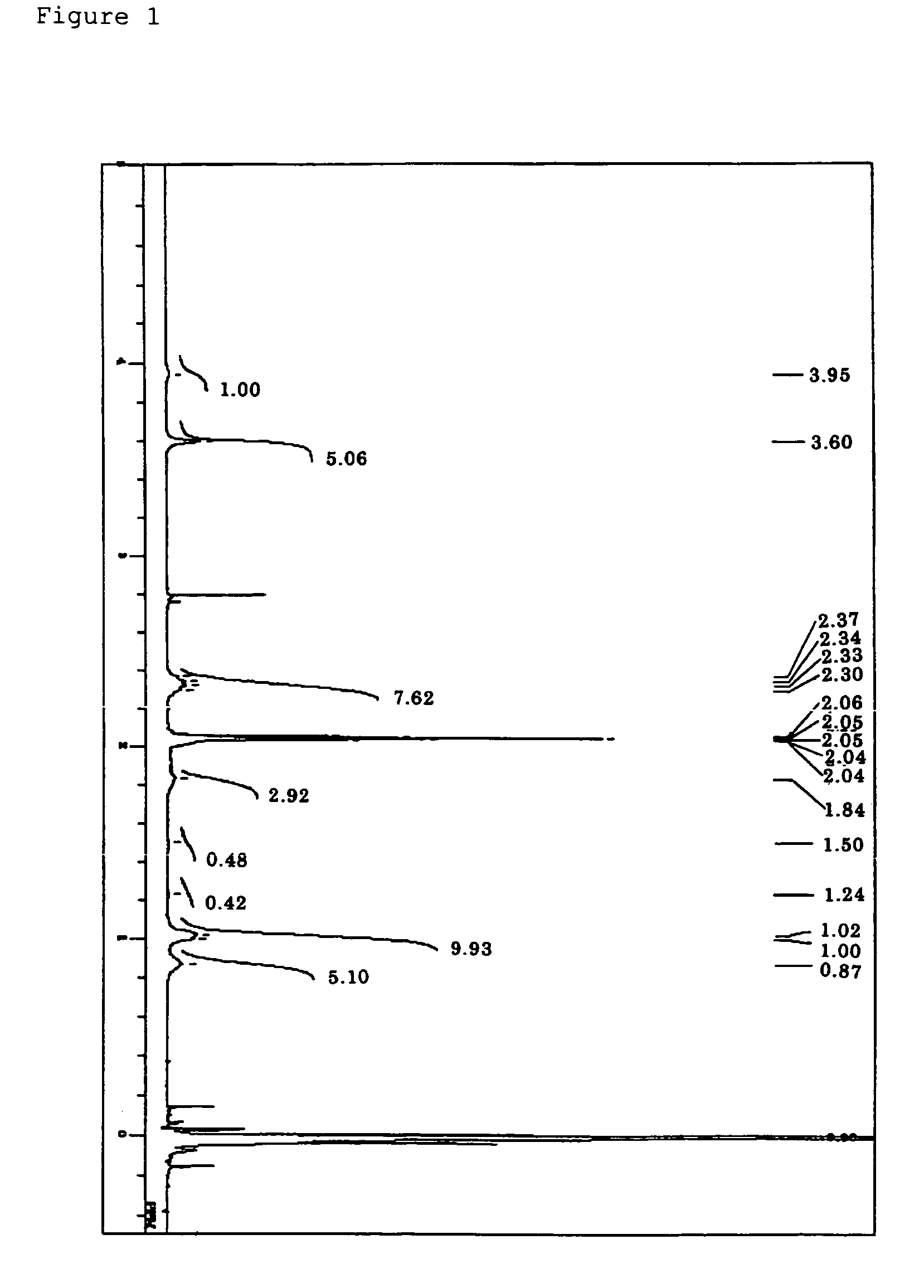
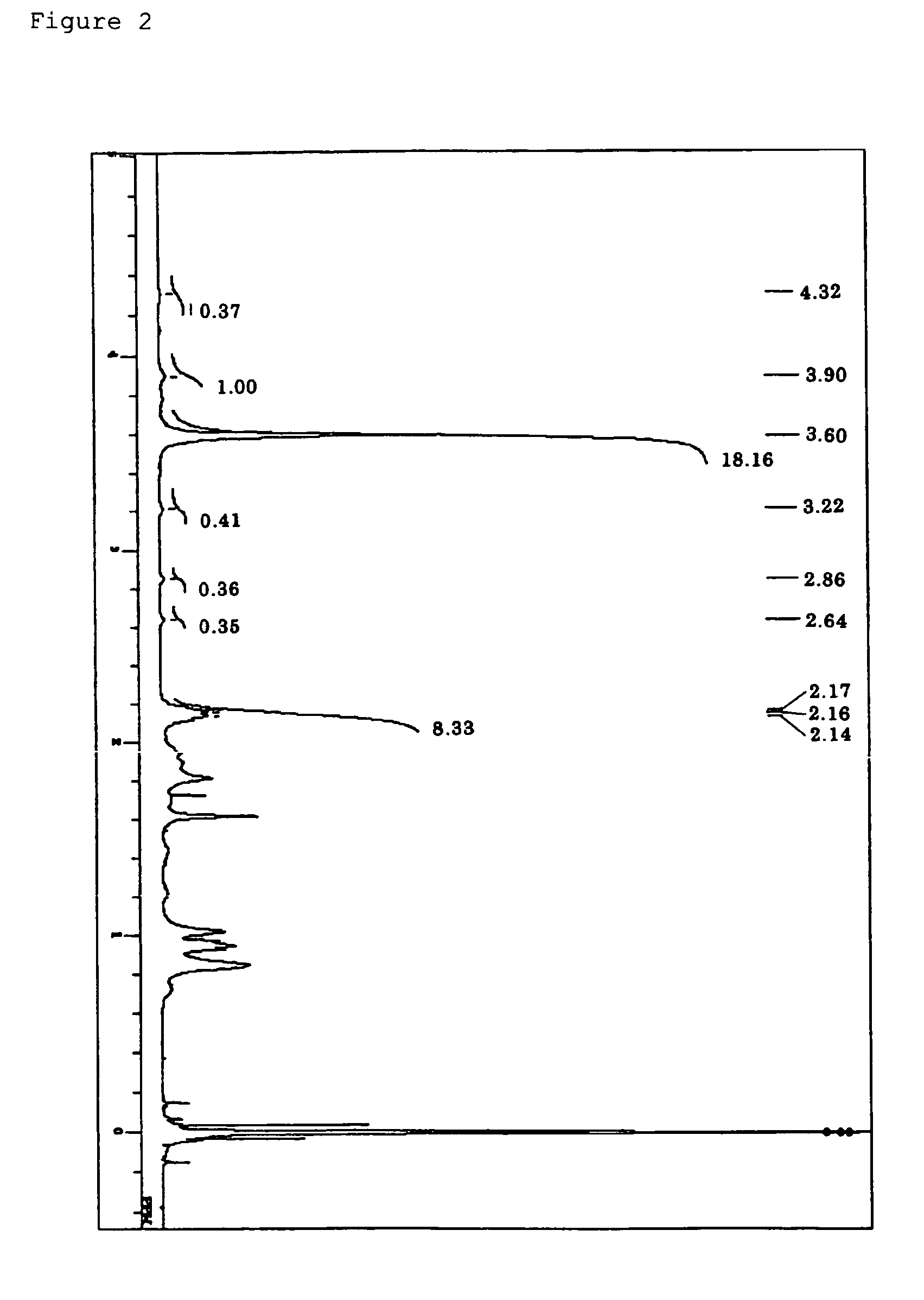
- The development of an organosilicon compound with a double decker structure represented by Formula (1), which is synthesized by reacting an organosilicon compound with a proton donor, and subsequent polysiloxane formation using an organosilicon compound with hydrolytic groups, enabling improved physical property enhancements in polymer materials.


Fluorinated polymer and polymer composition
PatentActiveUS7687593B2
Innovation
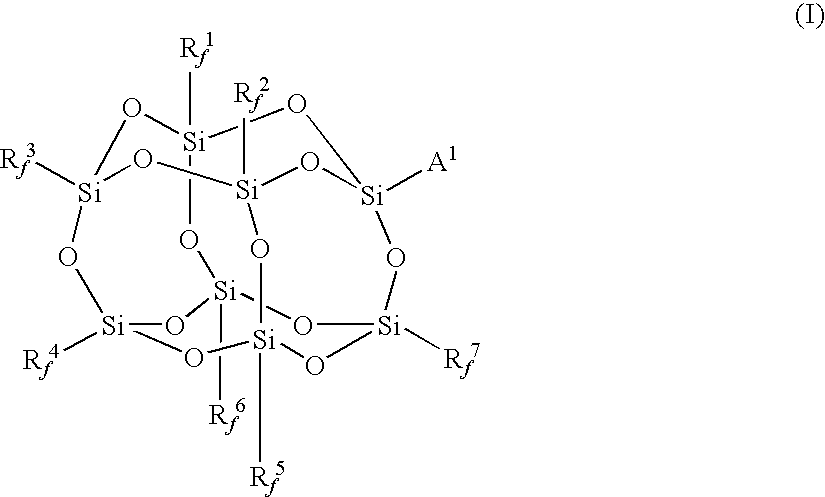
- A fluorine-contained polymer composition incorporating fluorosilsesquioxane and organopolysiloxane with crosslinking functional groups, which forms a cured coating film that exhibits non-wetting, antifouling, and releasable properties without using Freon solvents, providing excellent adhesion to substrates and stability against peeling forces.

Environmental Impact Assessment of Siloxane Products
The environmental impact assessment of siloxane products reveals a complex landscape of ecological considerations that vary significantly across different siloxane varieties and their intended applications. Linear siloxanes, commonly used in personal care products and industrial lubricants, demonstrate relatively favorable biodegradation profiles in aquatic environments. However, their persistence in sediment layers raises concerns about long-term accumulation effects on benthic ecosystems.
Cyclic siloxanes, particularly D4, D5, and D6 compounds utilized in cosmetics and household products, present more challenging environmental profiles. These compounds exhibit bioaccumulation potential in aquatic organisms and demonstrate resistance to conventional wastewater treatment processes. Their volatility characteristics contribute to atmospheric transport, leading to detection in remote environments far from emission sources.
Silicone polymers used in construction sealants and automotive applications show minimal acute toxicity but raise concerns regarding microplastic formation during weathering processes. The fragmentation of cured silicone materials generates persistent particles that can enter food chains through various pathways. Marine environments appear particularly vulnerable to these degradation products.
Industrial siloxane applications in textile treatments and paper coatings introduce additional complexity through their interaction with other chemical systems. The presence of functional groups and cross-linking agents can alter biodegradation pathways and create unexpected metabolites with unknown ecological effects.
Regulatory frameworks across different regions reflect varying approaches to siloxane environmental management. European restrictions on certain cyclic siloxanes in consumer products contrast with more permissive approaches in other markets, creating challenges for global product development strategies.
Recent life cycle assessments indicate that manufacturing phase emissions often exceed use-phase environmental impacts for many siloxane applications. Energy-intensive production processes and solvent usage contribute significantly to overall environmental footprints, particularly for specialty siloxane formulations.
Emerging analytical methods enable detection of siloxane compounds at increasingly lower concentrations, revealing previously unrecognized environmental distribution patterns. These findings necessitate reassessment of existing risk models and exposure scenarios across different application categories.
Cyclic siloxanes, particularly D4, D5, and D6 compounds utilized in cosmetics and household products, present more challenging environmental profiles. These compounds exhibit bioaccumulation potential in aquatic organisms and demonstrate resistance to conventional wastewater treatment processes. Their volatility characteristics contribute to atmospheric transport, leading to detection in remote environments far from emission sources.
Silicone polymers used in construction sealants and automotive applications show minimal acute toxicity but raise concerns regarding microplastic formation during weathering processes. The fragmentation of cured silicone materials generates persistent particles that can enter food chains through various pathways. Marine environments appear particularly vulnerable to these degradation products.
Industrial siloxane applications in textile treatments and paper coatings introduce additional complexity through their interaction with other chemical systems. The presence of functional groups and cross-linking agents can alter biodegradation pathways and create unexpected metabolites with unknown ecological effects.
Regulatory frameworks across different regions reflect varying approaches to siloxane environmental management. European restrictions on certain cyclic siloxanes in consumer products contrast with more permissive approaches in other markets, creating challenges for global product development strategies.
Recent life cycle assessments indicate that manufacturing phase emissions often exceed use-phase environmental impacts for many siloxane applications. Energy-intensive production processes and solvent usage contribute significantly to overall environmental footprints, particularly for specialty siloxane formulations.
Emerging analytical methods enable detection of siloxane compounds at increasingly lower concentrations, revealing previously unrecognized environmental distribution patterns. These findings necessitate reassessment of existing risk models and exposure scenarios across different application categories.
Safety Standards for Siloxane Material Applications
The safety standards for siloxane material applications represent a comprehensive framework designed to ensure the secure utilization of these versatile compounds across diverse industrial sectors. These standards encompass multiple regulatory dimensions, including chemical composition limits, biocompatibility requirements, environmental impact assessments, and occupational exposure guidelines. The establishment of these safety protocols has become increasingly critical as siloxane applications expand into sensitive areas such as medical devices, food contact materials, and consumer products.
International regulatory bodies, including the FDA, European Medicines Agency, and ISO organizations, have developed specific testing protocols for siloxane materials. These protocols mandate rigorous evaluation of extractable compounds, cytotoxicity levels, and long-term stability under various environmental conditions. The standards particularly emphasize the assessment of volatile organic compounds (VOCs) emission rates and the potential for siloxane degradation products to impact human health or environmental systems.
Material certification processes require comprehensive documentation of siloxane purity levels, with particular attention to residual catalyst content and unreacted monomers. The standards specify maximum allowable concentrations of platinum catalysts, typically limited to parts-per-million levels in medical-grade applications. Additionally, migration testing protocols evaluate the potential transfer of siloxane components into surrounding media, establishing acceptable daily intake levels for various exposure scenarios.
Occupational safety standards address workplace exposure limits through established threshold limit values (TLVs) and recommended exposure limits (RELs) for different siloxane compounds. These guidelines incorporate considerations for respiratory protection, skin contact prevention, and proper ventilation requirements in manufacturing environments. The standards also mandate regular monitoring protocols to ensure compliance with established exposure limits.
Environmental safety standards focus on biodegradation pathways, aquatic toxicity assessments, and soil contamination potential. These regulations establish acceptable release limits for siloxane compounds into water systems and atmospheric environments, considering both acute and chronic exposure scenarios for various ecological receptors.
International regulatory bodies, including the FDA, European Medicines Agency, and ISO organizations, have developed specific testing protocols for siloxane materials. These protocols mandate rigorous evaluation of extractable compounds, cytotoxicity levels, and long-term stability under various environmental conditions. The standards particularly emphasize the assessment of volatile organic compounds (VOCs) emission rates and the potential for siloxane degradation products to impact human health or environmental systems.
Material certification processes require comprehensive documentation of siloxane purity levels, with particular attention to residual catalyst content and unreacted monomers. The standards specify maximum allowable concentrations of platinum catalysts, typically limited to parts-per-million levels in medical-grade applications. Additionally, migration testing protocols evaluate the potential transfer of siloxane components into surrounding media, establishing acceptable daily intake levels for various exposure scenarios.
Occupational safety standards address workplace exposure limits through established threshold limit values (TLVs) and recommended exposure limits (RELs) for different siloxane compounds. These guidelines incorporate considerations for respiratory protection, skin contact prevention, and proper ventilation requirements in manufacturing environments. The standards also mandate regular monitoring protocols to ensure compliance with established exposure limits.
Environmental safety standards focus on biodegradation pathways, aquatic toxicity assessments, and soil contamination potential. These regulations establish acceptable release limits for siloxane compounds into water systems and atmospheric environments, considering both acute and chronic exposure scenarios for various ecological receptors.
Unlock deeper insights with PatSnap Eureka Quick Research — get a full tech report to explore trends and direct your research. Try now!
Generate Your Research Report Instantly with AI Agent
Supercharge your innovation with PatSnap Eureka AI Agent Platform!