

Electric Actuators vs Helmholtz Systems: Operational Noise Control
APR 3, 20269 MIN READ
Generate Your Research Report Instantly with AI Agent
PatSnap Eureka helps you evaluate technical feasibility & market potential.
Electric Actuator Noise Control Background and Objectives
Electric actuators have become increasingly prevalent across industrial applications, from precision manufacturing equipment to aerospace systems, due to their superior controllability and energy efficiency compared to traditional hydraulic and pneumatic alternatives. However, the widespread adoption of electric actuators has introduced significant operational noise challenges that impact both workplace environments and system performance. The electromagnetic forces, mechanical vibrations, and high-frequency switching operations inherent in electric actuator systems generate complex noise signatures that can exceed acceptable industrial standards.
The evolution of noise control technologies has historically focused on passive solutions such as enclosures and damping materials. However, the emergence of active noise control systems, particularly Helmholtz resonator-based solutions, has opened new possibilities for addressing electric actuator noise at its source. Helmholtz systems leverage acoustic resonance principles to create destructive interference patterns, effectively canceling specific frequency components of operational noise.
Current industrial trends indicate a growing demand for quieter operational environments, driven by stricter occupational health regulations and the need for precision in noise-sensitive applications. Manufacturing facilities increasingly require noise levels below 85 dB to comply with safety standards, while precision assembly operations demand even lower thresholds to maintain quality control. Electric actuators, particularly servo motors and linear actuators, often generate noise levels ranging from 70 to 95 dB during normal operation, creating compliance challenges.
The primary objective of comparing electric actuators with Helmholtz systems centers on developing integrated noise control strategies that maintain actuator performance while achieving significant noise reduction. This involves understanding the fundamental noise generation mechanisms in electric actuators, including cogging torque effects, bearing noise, and electromagnetic interference, and evaluating how Helmholtz resonator systems can be optimally configured to address these specific noise sources.
Technical goals include establishing quantitative metrics for noise reduction effectiveness, identifying frequency ranges where Helmholtz systems provide maximum benefit, and developing implementation guidelines for various actuator configurations. The research aims to determine optimal resonator chamber dimensions, port geometries, and positioning strategies that maximize noise attenuation without compromising actuator accessibility or thermal management.
Furthermore, the investigation seeks to establish cost-benefit analyses comparing traditional noise control methods with Helmholtz-based solutions, considering factors such as installation complexity, maintenance requirements, and long-term effectiveness. The ultimate objective is to provide industry practitioners with evidence-based recommendations for implementing effective noise control strategies in electric actuator applications.
The evolution of noise control technologies has historically focused on passive solutions such as enclosures and damping materials. However, the emergence of active noise control systems, particularly Helmholtz resonator-based solutions, has opened new possibilities for addressing electric actuator noise at its source. Helmholtz systems leverage acoustic resonance principles to create destructive interference patterns, effectively canceling specific frequency components of operational noise.
Current industrial trends indicate a growing demand for quieter operational environments, driven by stricter occupational health regulations and the need for precision in noise-sensitive applications. Manufacturing facilities increasingly require noise levels below 85 dB to comply with safety standards, while precision assembly operations demand even lower thresholds to maintain quality control. Electric actuators, particularly servo motors and linear actuators, often generate noise levels ranging from 70 to 95 dB during normal operation, creating compliance challenges.
The primary objective of comparing electric actuators with Helmholtz systems centers on developing integrated noise control strategies that maintain actuator performance while achieving significant noise reduction. This involves understanding the fundamental noise generation mechanisms in electric actuators, including cogging torque effects, bearing noise, and electromagnetic interference, and evaluating how Helmholtz resonator systems can be optimally configured to address these specific noise sources.
Technical goals include establishing quantitative metrics for noise reduction effectiveness, identifying frequency ranges where Helmholtz systems provide maximum benefit, and developing implementation guidelines for various actuator configurations. The research aims to determine optimal resonator chamber dimensions, port geometries, and positioning strategies that maximize noise attenuation without compromising actuator accessibility or thermal management.
Furthermore, the investigation seeks to establish cost-benefit analyses comparing traditional noise control methods with Helmholtz-based solutions, considering factors such as installation complexity, maintenance requirements, and long-term effectiveness. The ultimate objective is to provide industry practitioners with evidence-based recommendations for implementing effective noise control strategies in electric actuator applications.
Market Demand for Low-Noise Actuation Systems
The global market for low-noise actuation systems is experiencing unprecedented growth driven by increasingly stringent noise regulations across multiple industries. Aerospace and automotive sectors are leading this demand surge, as manufacturers face mounting pressure to reduce operational noise levels while maintaining performance standards. The aviation industry particularly emphasizes quiet operation in both commercial and military applications, where noise reduction directly impacts passenger comfort and stealth capabilities.
Industrial automation represents another significant demand driver, where manufacturing facilities must comply with occupational health and safety regulations regarding noise exposure limits. Modern production environments require actuators that operate below specific decibel thresholds to protect worker health and meet regulatory compliance standards. This has created substantial market opportunities for advanced noise control technologies.
The medical device sector demonstrates growing appetite for ultra-quiet actuation systems, particularly in surgical robotics and diagnostic equipment where noise interference can compromise precision and patient comfort. Hospital environments demand equipment that operates with minimal acoustic disturbance, creating specialized market segments for premium low-noise solutions.
Consumer electronics and home automation markets are increasingly prioritizing silent operation as a key differentiator. Smart home devices, HVAC systems, and appliances incorporating quiet actuators command premium pricing and enhanced market acceptance. This trend reflects changing consumer expectations regarding noise pollution in residential environments.
Geographic demand patterns reveal concentrated growth in developed markets with established noise regulations, including North America, Europe, and parts of Asia-Pacific. Emerging markets are beginning to adopt similar standards, suggesting future expansion opportunities for low-noise actuation technologies.
The market exhibits strong preference for solutions that achieve noise reduction without compromising reliability, speed, or precision. This creates competitive advantages for technologies that can deliver comprehensive noise control while maintaining operational excellence across diverse application environments.
Industrial automation represents another significant demand driver, where manufacturing facilities must comply with occupational health and safety regulations regarding noise exposure limits. Modern production environments require actuators that operate below specific decibel thresholds to protect worker health and meet regulatory compliance standards. This has created substantial market opportunities for advanced noise control technologies.
The medical device sector demonstrates growing appetite for ultra-quiet actuation systems, particularly in surgical robotics and diagnostic equipment where noise interference can compromise precision and patient comfort. Hospital environments demand equipment that operates with minimal acoustic disturbance, creating specialized market segments for premium low-noise solutions.
Consumer electronics and home automation markets are increasingly prioritizing silent operation as a key differentiator. Smart home devices, HVAC systems, and appliances incorporating quiet actuators command premium pricing and enhanced market acceptance. This trend reflects changing consumer expectations regarding noise pollution in residential environments.
Geographic demand patterns reveal concentrated growth in developed markets with established noise regulations, including North America, Europe, and parts of Asia-Pacific. Emerging markets are beginning to adopt similar standards, suggesting future expansion opportunities for low-noise actuation technologies.
The market exhibits strong preference for solutions that achieve noise reduction without compromising reliability, speed, or precision. This creates competitive advantages for technologies that can deliver comprehensive noise control while maintaining operational excellence across diverse application environments.
Current Noise Issues in Electric vs Helmholtz Actuators
Electric actuators and Helmholtz resonator systems each present distinct noise generation mechanisms that significantly impact their operational performance in precision applications. Electric actuators primarily generate noise through electromagnetic interactions, mechanical vibrations, and switching transients, while Helmholtz systems produce acoustic disturbances through fluid dynamics and resonance phenomena.
Electric actuators suffer from several inherent noise sources that compromise their effectiveness in sensitive environments. Electromagnetic interference (EMI) represents a primary concern, as the switching of power electronics generates high-frequency noise that can propagate through both conducted and radiated pathways. This electromagnetic noise typically spans frequencies from several kilohertz to hundreds of megahertz, potentially interfering with nearby electronic systems and measurement equipment.
Mechanical vibrations constitute another significant noise source in electric actuators. The interaction between electromagnetic forces and structural components creates vibrations that transmit through mounting interfaces and surrounding structures. These vibrations often manifest as audible noise in the 20 Hz to 20 kHz range, with particular intensity at resonant frequencies of the actuator assembly. Cogging torque in rotary actuators and force ripple in linear actuators contribute to periodic disturbances that can excite structural resonances.
Helmholtz resonator systems face different but equally challenging noise issues related to fluid flow dynamics. Turbulent flow within the resonator chambers generates broadband acoustic noise, particularly at higher flow velocities. The interaction between fluid jets and cavity walls creates vortex shedding phenomena that produce tonal noise components at specific frequencies determined by the geometry and flow conditions.
Resonance-related noise in Helmholtz systems occurs when operating frequencies approach the natural resonant frequency of the chamber-neck combination. This proximity can cause significant amplification of acoustic disturbances, leading to unwanted noise transmission and potential system instability. The quality factor of the resonance determines the sharpness of this amplification, with higher Q-factors creating more pronounced noise peaks.
Temperature variations affect both systems differently but contribute to noise generation in each case. Electric actuators experience changes in resistance and magnetic properties that alter electromagnetic noise characteristics, while Helmholtz systems face variations in fluid density and sound velocity that shift resonant frequencies and modify acoustic behavior.
Current measurement techniques reveal that electric actuators typically exhibit noise levels ranging from 40-80 dB SPL depending on power rating and operating conditions, with dominant frequencies in the 1-10 kHz range. Helmholtz systems demonstrate more variable noise signatures, with levels spanning 35-75 dB SPL and frequency content heavily dependent on flow rates and geometric parameters.
Electric actuators suffer from several inherent noise sources that compromise their effectiveness in sensitive environments. Electromagnetic interference (EMI) represents a primary concern, as the switching of power electronics generates high-frequency noise that can propagate through both conducted and radiated pathways. This electromagnetic noise typically spans frequencies from several kilohertz to hundreds of megahertz, potentially interfering with nearby electronic systems and measurement equipment.
Mechanical vibrations constitute another significant noise source in electric actuators. The interaction between electromagnetic forces and structural components creates vibrations that transmit through mounting interfaces and surrounding structures. These vibrations often manifest as audible noise in the 20 Hz to 20 kHz range, with particular intensity at resonant frequencies of the actuator assembly. Cogging torque in rotary actuators and force ripple in linear actuators contribute to periodic disturbances that can excite structural resonances.
Helmholtz resonator systems face different but equally challenging noise issues related to fluid flow dynamics. Turbulent flow within the resonator chambers generates broadband acoustic noise, particularly at higher flow velocities. The interaction between fluid jets and cavity walls creates vortex shedding phenomena that produce tonal noise components at specific frequencies determined by the geometry and flow conditions.
Resonance-related noise in Helmholtz systems occurs when operating frequencies approach the natural resonant frequency of the chamber-neck combination. This proximity can cause significant amplification of acoustic disturbances, leading to unwanted noise transmission and potential system instability. The quality factor of the resonance determines the sharpness of this amplification, with higher Q-factors creating more pronounced noise peaks.
Temperature variations affect both systems differently but contribute to noise generation in each case. Electric actuators experience changes in resistance and magnetic properties that alter electromagnetic noise characteristics, while Helmholtz systems face variations in fluid density and sound velocity that shift resonant frequencies and modify acoustic behavior.
Current measurement techniques reveal that electric actuators typically exhibit noise levels ranging from 40-80 dB SPL depending on power rating and operating conditions, with dominant frequencies in the 1-10 kHz range. Helmholtz systems demonstrate more variable noise signatures, with levels spanning 35-75 dB SPL and frequency content heavily dependent on flow rates and geometric parameters.
Existing Noise Control Solutions for Actuator Systems
01 Noise reduction in electric actuator systems
Electric actuators can generate operational noise during movement and positioning. Various techniques are employed to reduce this noise, including the use of damping materials, optimized gear designs, and vibration isolation mechanisms. These methods help minimize acoustic emissions while maintaining actuator performance and precision in positioning applications.- Noise reduction in electric actuator systems: Electric actuators can generate operational noise during movement and positioning. Various techniques are employed to reduce this noise, including the use of damping materials, optimized gear designs, and vibration isolation mechanisms. These methods help minimize acoustic emissions while maintaining actuator performance and precision in positioning applications.
- Helmholtz coil system design for electromagnetic field generation: Helmholtz coil systems are used to generate uniform magnetic fields for various applications. The design considerations include coil spacing, current control, and thermal management to ensure stable operation. These systems can be optimized to minimize electromagnetic interference and operational noise through proper shielding and power supply design.
- Active noise cancellation and vibration control: Active noise control systems utilize sensors and feedback mechanisms to detect and counteract unwanted vibrations and acoustic emissions. These systems can be integrated into both electric actuators and electromagnetic devices to reduce operational noise. The technology involves real-time signal processing and adaptive control algorithms to achieve effective noise suppression.
- Structural optimization for noise reduction in electromechanical systems: Mechanical design modifications can significantly reduce operational noise in electromechanical systems. This includes optimizing housing structures, implementing sound-absorbing materials, and redesigning mechanical interfaces to minimize resonance and vibration transmission. Such structural improvements are applicable to both actuator systems and electromagnetic field generation equipment.
- Comparative noise measurement and testing methodologies: Standardized testing methods are essential for comparing operational noise levels between different systems. These methodologies include acoustic measurement protocols, vibration analysis techniques, and electromagnetic interference testing. Proper measurement setups and environmental controls ensure accurate comparison of noise characteristics between electric actuators and electromagnetic systems.
02 Helmholtz coil system design for electromagnetic field generation
Helmholtz coil systems are used to generate uniform magnetic fields for various applications. The design considerations include coil spacing, current control, and structural configuration to achieve desired field uniformity while managing heat dissipation and electromagnetic interference. Proper design can minimize operational noise from electromagnetic forces and vibrations.Expand Specific Solutions03 Active noise cancellation and vibration control
Active control systems can be implemented to reduce operational noise in both electric actuators and electromagnetic systems. These systems use sensors to detect vibrations and noise, then generate counteracting signals to cancel unwanted acoustic emissions. Control algorithms and feedback mechanisms are optimized to achieve effective noise suppression across different operating frequencies.Expand Specific Solutions04 Structural optimization for acoustic performance
The mechanical structure and housing design of actuators and electromagnetic systems significantly impact noise generation. Optimization techniques include the use of sound-absorbing materials, resonance frequency tuning, and structural reinforcement to prevent unwanted vibrations. These design improvements help reduce noise transmission to surrounding environments.Expand Specific Solutions05 Comparative noise measurement and testing methods
Standardized testing procedures are essential for comparing operational noise levels between different actuator types and electromagnetic systems. Measurement techniques include acoustic pressure level testing, frequency spectrum analysis, and vibration monitoring under various operating conditions. These methods enable objective evaluation of noise performance and validation of noise reduction strategies.Expand Specific Solutions
Key Players in Electric Actuator and Helmholtz Industries
The electric actuators versus Helmholtz systems for operational noise control represents a mature technology domain within the automotive and aerospace sectors, currently experiencing significant growth driven by stringent noise regulations and electrification trends. The market demonstrates substantial scale, particularly in automotive applications where companies like BMW, Nissan, Renault, and Ford Global Technologies are actively developing solutions. Technology maturity varies significantly across players, with established automotive suppliers like Valeo Thermal Systems, Robert Bosch, and Tenneco leading in electric actuator integration, while aerospace giants Airbus and its subsidiaries focus on advanced Helmholtz resonator systems. Research institutions including Beihang University and CNRS contribute fundamental acoustic research, while industrial automation specialists like Mitsubishi Electric and Hitachi advance actuator precision and control algorithms, creating a competitive landscape spanning traditional automotive suppliers to cutting-edge technology developers.
GM Global Technology Operations LLC
Technical Solution: GM has implemented electric actuator noise control solutions in their vehicle HVAC and powertrain systems. Their technology focuses on active noise cancellation combined with passive damping techniques. The electric actuators incorporate variable frequency drive systems that can adjust operational parameters in real-time to minimize acoustic emissions. GM's approach includes the use of composite materials in actuator housings and optimized gear ratios to reduce mechanical noise transmission. Their systems demonstrate noise reduction capabilities of 8-12dB in typical automotive operating conditions.
Strengths: Real-time adaptive noise control, proven automotive application experience. Weaknesses: Limited to automotive applications, moderate noise reduction performance compared to specialized systems.
Robert Bosch GmbH
Technical Solution: Bosch has developed advanced electric actuator systems with integrated noise control mechanisms for automotive applications. Their electric actuators utilize sophisticated control algorithms and damping materials to minimize operational noise while maintaining precise positioning accuracy. The company's approach combines variable speed control with acoustic optimization, reducing noise levels by up to 15dB compared to conventional systems. Their actuators feature brushless DC motors with optimized magnetic field designs and advanced bearing systems that significantly reduce mechanical noise generation during operation.
Strengths: Industry-leading noise reduction technology, extensive automotive integration experience. Weaknesses: Higher cost compared to basic actuator systems, complex control requirements.
Core Patents in Actuator Noise Suppression Technology
Noise cancellation system
PatentWO2019007700A1
Innovation
- The system calculates the acoustic impedance at the connection opening by averaging values based on engine speed, fluid mass inertia, attenuation loss, and conformity constant, and adjusts the complex resistance of the loudspeaker to match an artificial electrical impedance, considering temperature values from multiple sensors to optimize noise cancellation. Additionally, it uses anti-noise generation through a control unit and fast Fourier transformation to eliminate residual noise.


Noise reduction system
PatentInactiveUS20100193283A1
Innovation
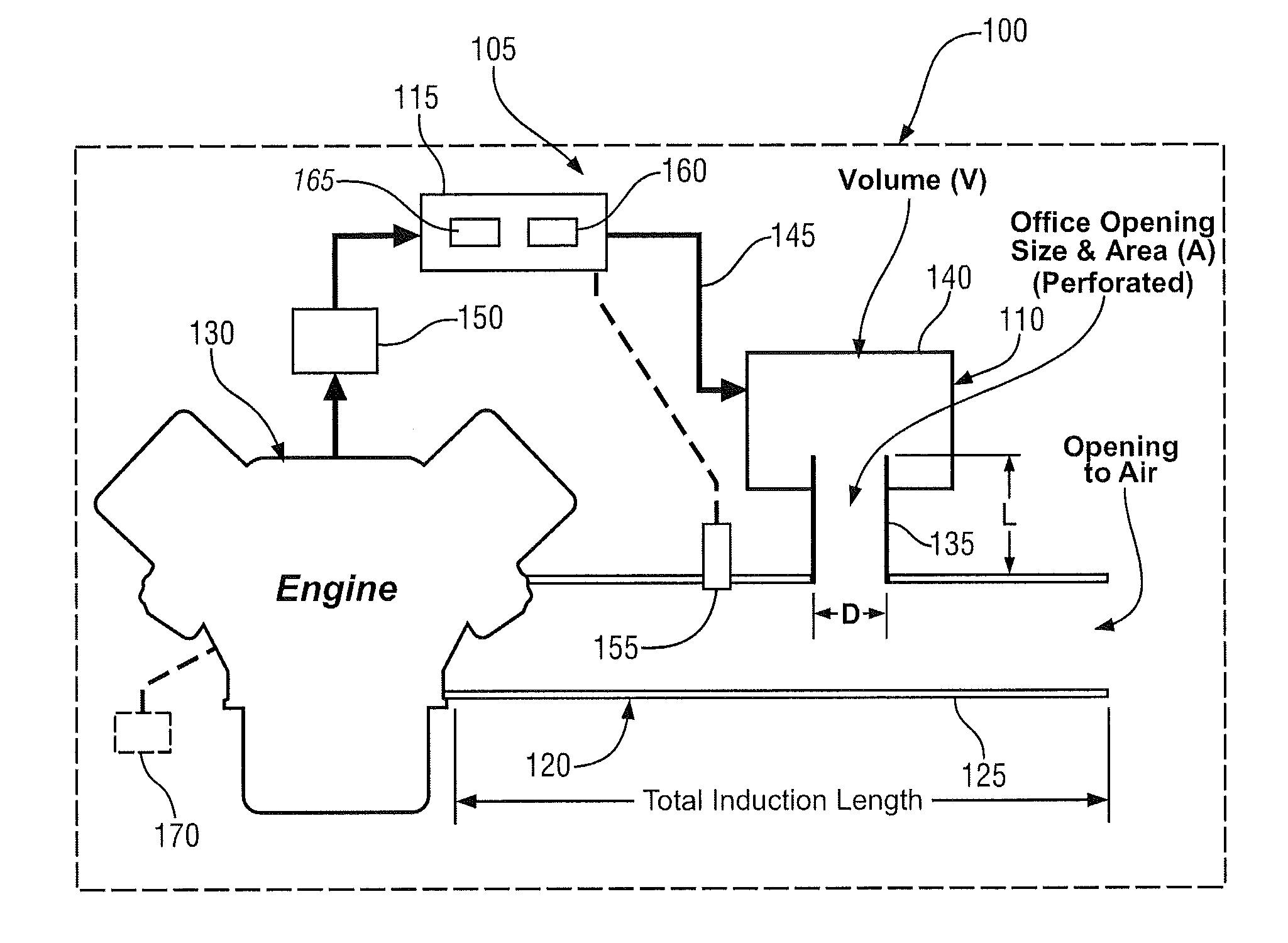
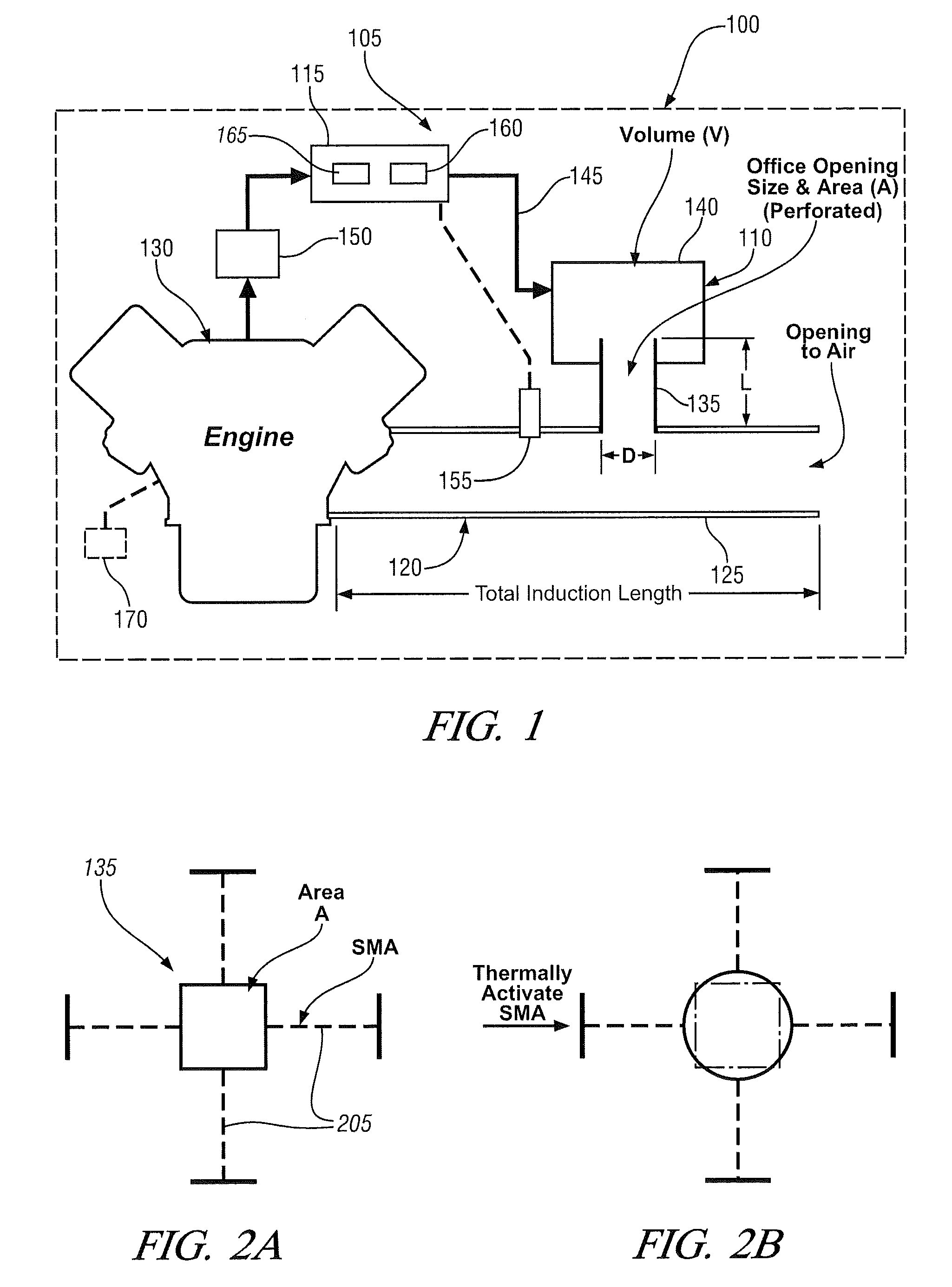
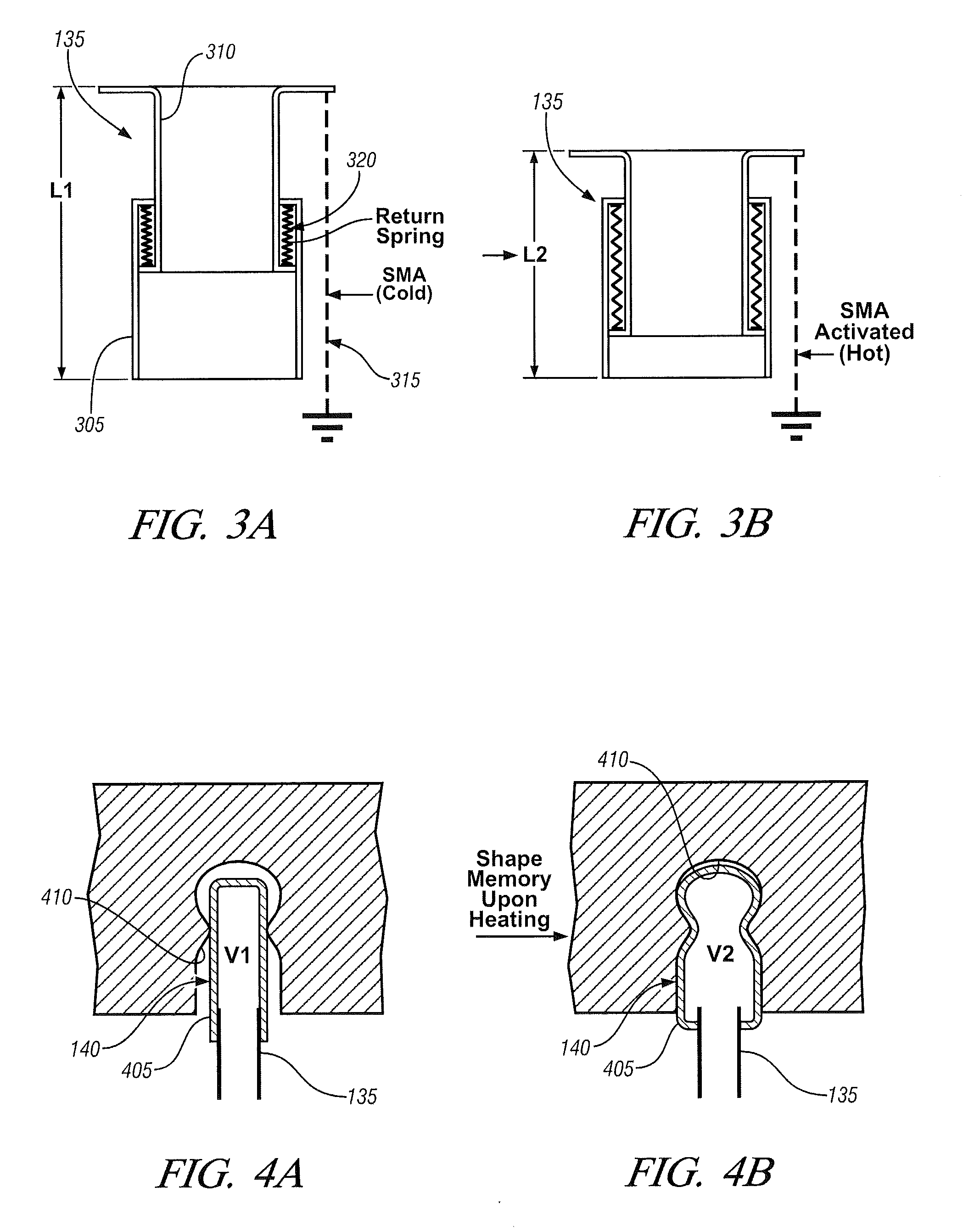
- A tunable Helmholtz resonator system utilizing active materials responsive to control signals, which adjusts dimensional characteristics to match changing noise frequencies, thereby reducing noise levels, and includes a controller that generates signals based on operational characteristics of the vehicle or noise-generating subsystems.

Acoustic Emission Standards for Industrial Actuators
The establishment of comprehensive acoustic emission standards for industrial actuators has become increasingly critical as industries demand quieter operational environments while maintaining high performance levels. Current international standards primarily focus on general machinery noise limits, but lack specific guidelines for actuator technologies, particularly when comparing electric actuators and Helmholtz resonator-based systems.
ISO 3744 and ISO 9614 provide foundational frameworks for sound power determination and sound intensity measurements, respectively. However, these standards require adaptation for actuator-specific applications. The IEC 60034-9 standard addresses noise limits for rotating electrical machines but does not adequately address the unique acoustic characteristics of linear electric actuators or passive noise control systems like Helmholtz resonators.
Regional variations in acoustic standards present significant challenges for global manufacturers. European EN 12001 standards emphasize workplace noise exposure limits, typically requiring industrial equipment to operate below 85 dBA during normal operation. North American OSHA regulations focus on worker protection with similar thresholds, while emerging markets often lack specific actuator noise regulations, creating compliance complexity for multinational operations.
The measurement methodologies specified in current standards often prove inadequate for evaluating Helmholtz systems, which exhibit frequency-dependent attenuation characteristics. Traditional A-weighted measurements may not capture the full acoustic performance of these passive systems, particularly in their target frequency ranges where they provide maximum noise reduction.
Emerging draft standards, including ISO/DIS 20816-21 for vibration measurement on industrial machinery, are beginning to address actuator-specific requirements. These developments recognize the need for frequency-specific evaluation criteria and standardized test environments that account for both active electric actuator noise generation and passive Helmholtz system performance.
Industry consensus is moving toward establishing actuator-specific acoustic emission categories based on application environments, duty cycles, and performance requirements. This approach would enable more precise comparison between electric actuator and Helmholtz system implementations while ensuring consistent evaluation criteria across different industrial applications and geographic markets.
ISO 3744 and ISO 9614 provide foundational frameworks for sound power determination and sound intensity measurements, respectively. However, these standards require adaptation for actuator-specific applications. The IEC 60034-9 standard addresses noise limits for rotating electrical machines but does not adequately address the unique acoustic characteristics of linear electric actuators or passive noise control systems like Helmholtz resonators.
Regional variations in acoustic standards present significant challenges for global manufacturers. European EN 12001 standards emphasize workplace noise exposure limits, typically requiring industrial equipment to operate below 85 dBA during normal operation. North American OSHA regulations focus on worker protection with similar thresholds, while emerging markets often lack specific actuator noise regulations, creating compliance complexity for multinational operations.
The measurement methodologies specified in current standards often prove inadequate for evaluating Helmholtz systems, which exhibit frequency-dependent attenuation characteristics. Traditional A-weighted measurements may not capture the full acoustic performance of these passive systems, particularly in their target frequency ranges where they provide maximum noise reduction.
Emerging draft standards, including ISO/DIS 20816-21 for vibration measurement on industrial machinery, are beginning to address actuator-specific requirements. These developments recognize the need for frequency-specific evaluation criteria and standardized test environments that account for both active electric actuator noise generation and passive Helmholtz system performance.
Industry consensus is moving toward establishing actuator-specific acoustic emission categories based on application environments, duty cycles, and performance requirements. This approach would enable more precise comparison between electric actuator and Helmholtz system implementations while ensuring consistent evaluation criteria across different industrial applications and geographic markets.
Vibration Isolation Strategies for Actuator Applications
Vibration isolation represents a critical engineering discipline for mitigating unwanted mechanical disturbances in actuator systems, particularly when comparing electric actuators and Helmholtz resonator configurations for noise control applications. The fundamental principle involves decoupling the actuator assembly from its mounting structure through strategic implementation of compliant elements that attenuate vibrational energy transmission across specific frequency ranges.
Passive isolation strategies form the cornerstone of most actuator vibration control implementations. These approaches utilize elastomeric mounts, spring-damper systems, and viscoelastic materials positioned between the actuator housing and supporting framework. For electric actuators operating in noise-sensitive environments, rubber isolators with carefully tuned stiffness characteristics can effectively reduce high-frequency vibrations while maintaining positional accuracy. The selection of isolation materials must balance vibration attenuation performance against potential degradation in actuator response dynamics and positioning precision.
Active vibration isolation presents advanced solutions for applications requiring superior performance across broader frequency spectrums. These systems employ secondary actuators, typically piezoelectric or electromagnetic devices, that generate counteracting forces based on real-time vibration measurements. Feedback control algorithms process accelerometer or displacement sensor data to drive compensation actuators, creating destructive interference with unwanted vibrations. This approach proves particularly valuable for precision positioning systems where passive isolation alone cannot achieve required performance levels.
Hybrid isolation architectures combine passive and active elements to optimize cost-effectiveness while maximizing vibration suppression capabilities. The passive components handle high-frequency isolation where active systems become less effective due to bandwidth limitations, while active elements address low-frequency disturbances where passive isolators typically exhibit reduced performance. This synergistic approach enables comprehensive vibration control across the entire operational frequency spectrum.
Multi-degree-of-freedom isolation systems address complex vibrational modes encountered in three-dimensional actuator installations. These configurations employ multiple isolation elements strategically positioned to control translational and rotational vibrations simultaneously. Advanced designs incorporate tuned mass dampers and dynamic vibration absorbers specifically calibrated to target problematic resonant frequencies inherent in the actuator-structure system.
The integration of smart materials, including magnetorheological elastomers and shape memory alloys, represents an emerging frontier in adaptive vibration isolation. These materials enable real-time adjustment of isolation characteristics based on operational conditions, providing optimal vibration suppression across varying load conditions and environmental parameters while maintaining system reliability and longevity.
Passive isolation strategies form the cornerstone of most actuator vibration control implementations. These approaches utilize elastomeric mounts, spring-damper systems, and viscoelastic materials positioned between the actuator housing and supporting framework. For electric actuators operating in noise-sensitive environments, rubber isolators with carefully tuned stiffness characteristics can effectively reduce high-frequency vibrations while maintaining positional accuracy. The selection of isolation materials must balance vibration attenuation performance against potential degradation in actuator response dynamics and positioning precision.
Active vibration isolation presents advanced solutions for applications requiring superior performance across broader frequency spectrums. These systems employ secondary actuators, typically piezoelectric or electromagnetic devices, that generate counteracting forces based on real-time vibration measurements. Feedback control algorithms process accelerometer or displacement sensor data to drive compensation actuators, creating destructive interference with unwanted vibrations. This approach proves particularly valuable for precision positioning systems where passive isolation alone cannot achieve required performance levels.
Hybrid isolation architectures combine passive and active elements to optimize cost-effectiveness while maximizing vibration suppression capabilities. The passive components handle high-frequency isolation where active systems become less effective due to bandwidth limitations, while active elements address low-frequency disturbances where passive isolators typically exhibit reduced performance. This synergistic approach enables comprehensive vibration control across the entire operational frequency spectrum.
Multi-degree-of-freedom isolation systems address complex vibrational modes encountered in three-dimensional actuator installations. These configurations employ multiple isolation elements strategically positioned to control translational and rotational vibrations simultaneously. Advanced designs incorporate tuned mass dampers and dynamic vibration absorbers specifically calibrated to target problematic resonant frequencies inherent in the actuator-structure system.
The integration of smart materials, including magnetorheological elastomers and shape memory alloys, represents an emerging frontier in adaptive vibration isolation. These materials enable real-time adjustment of isolation characteristics based on operational conditions, providing optimal vibration suppression across varying load conditions and environmental parameters while maintaining system reliability and longevity.
Unlock deeper insights with PatSnap Eureka Quick Research — get a full tech report to explore trends and direct your research. Try now!
Generate Your Research Report Instantly with AI Agent
Supercharge your innovation with PatSnap Eureka AI Agent Platform!