

Improving Electric Actuator Filtration System for Long-Term Reliability
APR 3, 20269 MIN READ
Generate Your Research Report Instantly with AI Agent
PatSnap Eureka helps you evaluate technical feasibility & market potential.
Electric Actuator Filtration Background and Reliability Goals
Electric actuators have emerged as critical components in modern industrial automation systems, serving applications ranging from valve control in process industries to precision positioning in aerospace systems. These electromechanical devices convert electrical energy into mechanical motion, offering superior controllability and energy efficiency compared to traditional pneumatic or hydraulic alternatives. However, their widespread adoption has revealed significant challenges related to contamination control and long-term operational reliability.
The filtration systems within electric actuators play a pivotal role in maintaining operational integrity by preventing particulate contamination from compromising internal mechanisms. Traditional filtration approaches have struggled to balance protection effectiveness with system complexity, often resulting in premature component degradation or unexpected maintenance requirements. As industrial processes demand increasingly higher precision and extended operational cycles, the limitations of conventional filtration methodologies have become more pronounced.
Historical development of electric actuator technology has progressed through distinct phases, beginning with basic motor-driven mechanisms in the 1960s to today's sophisticated servo-controlled systems. Early designs prioritized functional performance over environmental protection, leading to frequent failures in harsh industrial environments. The introduction of sealed enclosures in the 1980s marked the first systematic approach to contamination control, though these solutions often created new challenges related to thermal management and pressure equalization.
The evolution toward intelligent actuator systems in the 2000s brought enhanced diagnostic capabilities but also increased sensitivity to particulate contamination. Modern electric actuators incorporate complex electronic components, precision bearings, and advanced materials that demand superior protection from environmental contaminants. This technological progression has necessitated a fundamental rethinking of filtration system design principles.
Current reliability objectives for electric actuator filtration systems center on achieving operational lifespans exceeding 20 years with minimal maintenance intervention. Industry standards now specify contamination control requirements that surpass traditional mechanical systems, demanding filtration efficiency levels of 99.9% for particles above 5 micrometers. These stringent requirements reflect the critical nature of actuator applications in safety-critical systems and the economic impact of unplanned maintenance events.
The primary technical goals driving filtration system improvement include extending mean time between failures beyond 100,000 operating hours, reducing maintenance-related downtime by 75%, and maintaining consistent performance across diverse environmental conditions. Additionally, emerging requirements focus on predictive maintenance capabilities, enabling condition-based servicing rather than time-based replacement schedules. These objectives represent a paradigm shift toward proactive reliability management rather than reactive maintenance approaches.
The filtration systems within electric actuators play a pivotal role in maintaining operational integrity by preventing particulate contamination from compromising internal mechanisms. Traditional filtration approaches have struggled to balance protection effectiveness with system complexity, often resulting in premature component degradation or unexpected maintenance requirements. As industrial processes demand increasingly higher precision and extended operational cycles, the limitations of conventional filtration methodologies have become more pronounced.
Historical development of electric actuator technology has progressed through distinct phases, beginning with basic motor-driven mechanisms in the 1960s to today's sophisticated servo-controlled systems. Early designs prioritized functional performance over environmental protection, leading to frequent failures in harsh industrial environments. The introduction of sealed enclosures in the 1980s marked the first systematic approach to contamination control, though these solutions often created new challenges related to thermal management and pressure equalization.
The evolution toward intelligent actuator systems in the 2000s brought enhanced diagnostic capabilities but also increased sensitivity to particulate contamination. Modern electric actuators incorporate complex electronic components, precision bearings, and advanced materials that demand superior protection from environmental contaminants. This technological progression has necessitated a fundamental rethinking of filtration system design principles.
Current reliability objectives for electric actuator filtration systems center on achieving operational lifespans exceeding 20 years with minimal maintenance intervention. Industry standards now specify contamination control requirements that surpass traditional mechanical systems, demanding filtration efficiency levels of 99.9% for particles above 5 micrometers. These stringent requirements reflect the critical nature of actuator applications in safety-critical systems and the economic impact of unplanned maintenance events.
The primary technical goals driving filtration system improvement include extending mean time between failures beyond 100,000 operating hours, reducing maintenance-related downtime by 75%, and maintaining consistent performance across diverse environmental conditions. Additionally, emerging requirements focus on predictive maintenance capabilities, enabling condition-based servicing rather than time-based replacement schedules. These objectives represent a paradigm shift toward proactive reliability management rather than reactive maintenance approaches.
Market Demand for Enhanced Electric Actuator Systems
The global electric actuator market is experiencing unprecedented growth driven by increasing automation demands across multiple industrial sectors. Manufacturing industries are transitioning from traditional pneumatic and hydraulic systems to electric actuators due to their superior precision, energy efficiency, and reduced maintenance requirements. This shift has created substantial demand for more reliable electric actuator systems that can operate continuously in harsh industrial environments without compromising performance.
Aerospace and defense applications represent a particularly demanding segment where actuator reliability is critical for mission success and safety. Aircraft control surfaces, landing gear systems, and satellite positioning mechanisms require electric actuators that can function flawlessly over extended periods despite exposure to extreme temperatures, vibration, and electromagnetic interference. The filtration systems within these actuators must prevent contamination that could lead to catastrophic failures.
The automotive industry's rapid electrification has further amplified market demand for enhanced electric actuator systems. Electric vehicles require numerous actuators for battery cooling systems, active suspension, steering assistance, and automated driving functions. These applications demand actuators with extended operational lifespans and minimal maintenance intervals, placing significant emphasis on advanced filtration technologies that protect internal components from environmental contaminants.
Industrial automation and robotics sectors are driving substantial growth in electric actuator adoption. Modern manufacturing facilities require actuators capable of millions of operational cycles while maintaining precise positioning accuracy. Contamination-related failures in these environments result in costly production downtime and quality issues, creating strong market pull for actuators with superior filtration systems.
The renewable energy sector, particularly wind power generation, has emerged as a significant market driver. Wind turbine pitch control and yaw systems rely heavily on electric actuators that must operate reliably for decades in challenging outdoor environments. These applications require robust filtration systems to prevent ingress of moisture, dust, and other environmental contaminants that could compromise long-term reliability.
Process industries including oil and gas, chemical processing, and water treatment are increasingly adopting electric actuators for valve control and positioning applications. These environments often involve corrosive atmospheres and extreme operating conditions that demand enhanced protection through advanced filtration technologies. The market demand in these sectors emphasizes actuators that can maintain performance integrity over extended service intervals while minimizing maintenance requirements and operational disruptions.
Aerospace and defense applications represent a particularly demanding segment where actuator reliability is critical for mission success and safety. Aircraft control surfaces, landing gear systems, and satellite positioning mechanisms require electric actuators that can function flawlessly over extended periods despite exposure to extreme temperatures, vibration, and electromagnetic interference. The filtration systems within these actuators must prevent contamination that could lead to catastrophic failures.
The automotive industry's rapid electrification has further amplified market demand for enhanced electric actuator systems. Electric vehicles require numerous actuators for battery cooling systems, active suspension, steering assistance, and automated driving functions. These applications demand actuators with extended operational lifespans and minimal maintenance intervals, placing significant emphasis on advanced filtration technologies that protect internal components from environmental contaminants.
Industrial automation and robotics sectors are driving substantial growth in electric actuator adoption. Modern manufacturing facilities require actuators capable of millions of operational cycles while maintaining precise positioning accuracy. Contamination-related failures in these environments result in costly production downtime and quality issues, creating strong market pull for actuators with superior filtration systems.
The renewable energy sector, particularly wind power generation, has emerged as a significant market driver. Wind turbine pitch control and yaw systems rely heavily on electric actuators that must operate reliably for decades in challenging outdoor environments. These applications require robust filtration systems to prevent ingress of moisture, dust, and other environmental contaminants that could compromise long-term reliability.
Process industries including oil and gas, chemical processing, and water treatment are increasingly adopting electric actuators for valve control and positioning applications. These environments often involve corrosive atmospheres and extreme operating conditions that demand enhanced protection through advanced filtration technologies. The market demand in these sectors emphasizes actuators that can maintain performance integrity over extended service intervals while minimizing maintenance requirements and operational disruptions.
Current Filtration Challenges and Reliability Limitations
Electric actuator filtration systems face significant contamination challenges that directly impact their operational reliability and service life. Particulate contamination represents the most prevalent issue, with metal debris from wear processes, dust ingress from environmental exposure, and manufacturing residues accumulating within the hydraulic circuits. These contaminants typically range from 5 to 100 microns in size, with smaller particles proving particularly problematic as they can penetrate seal interfaces and cause progressive component degradation.
Moisture infiltration constitutes another critical challenge, occurring through temperature cycling, seal degradation, and atmospheric exposure during maintenance operations. Water content exceeding 500 ppm can lead to corrosion of internal components, reduced lubricant effectiveness, and accelerated seal deterioration. The presence of moisture also facilitates the formation of acidic compounds that further compromise system integrity.
Current filtration technologies demonstrate notable limitations in addressing these multifaceted contamination sources. Traditional mesh filters, while effective for larger particles, fail to capture sub-micron contaminants that contribute to long-term wear patterns. Their fixed pore structure also leads to rapid clogging under high contamination loads, resulting in increased pressure drops and reduced system efficiency.
Magnetic filtration systems, though successful in removing ferrous particles, provide no protection against non-metallic contaminants or moisture. Their effectiveness diminishes significantly in applications involving aluminum or composite components, where ferrous debris represents only a fraction of total contamination.
Reliability limitations manifest primarily through progressive performance degradation rather than catastrophic failure modes. Contaminated actuators exhibit increased friction coefficients, leading to higher power consumption and reduced positioning accuracy. Seal wear accelerates exponentially with contamination levels, resulting in internal leakage that compromises force output and response characteristics.
The cumulative effect of these challenges becomes particularly pronounced in high-cycle applications, where contamination-induced wear compounds over millions of operational cycles. Current filtration approaches lack the adaptive capability to respond to varying contamination loads and environmental conditions, necessitating frequent maintenance interventions that increase operational costs and system downtime.
Temperature sensitivity of existing filtration media further limits their effectiveness across the wide operating ranges typical of electric actuator applications. Filter performance degradation at elevated temperatures coincides with increased contamination generation rates, creating a reliability gap that current technologies struggle to address effectively.
Moisture infiltration constitutes another critical challenge, occurring through temperature cycling, seal degradation, and atmospheric exposure during maintenance operations. Water content exceeding 500 ppm can lead to corrosion of internal components, reduced lubricant effectiveness, and accelerated seal deterioration. The presence of moisture also facilitates the formation of acidic compounds that further compromise system integrity.
Current filtration technologies demonstrate notable limitations in addressing these multifaceted contamination sources. Traditional mesh filters, while effective for larger particles, fail to capture sub-micron contaminants that contribute to long-term wear patterns. Their fixed pore structure also leads to rapid clogging under high contamination loads, resulting in increased pressure drops and reduced system efficiency.
Magnetic filtration systems, though successful in removing ferrous particles, provide no protection against non-metallic contaminants or moisture. Their effectiveness diminishes significantly in applications involving aluminum or composite components, where ferrous debris represents only a fraction of total contamination.
Reliability limitations manifest primarily through progressive performance degradation rather than catastrophic failure modes. Contaminated actuators exhibit increased friction coefficients, leading to higher power consumption and reduced positioning accuracy. Seal wear accelerates exponentially with contamination levels, resulting in internal leakage that compromises force output and response characteristics.
The cumulative effect of these challenges becomes particularly pronounced in high-cycle applications, where contamination-induced wear compounds over millions of operational cycles. Current filtration approaches lack the adaptive capability to respond to varying contamination loads and environmental conditions, necessitating frequent maintenance interventions that increase operational costs and system downtime.
Temperature sensitivity of existing filtration media further limits their effectiveness across the wide operating ranges typical of electric actuator applications. Filter performance degradation at elevated temperatures coincides with increased contamination generation rates, creating a reliability gap that current technologies struggle to address effectively.
Existing Filtration Solutions for Electric Actuators
01 Robust actuator design and materials for extended service life
Electric actuators in filtration systems can achieve long-term reliability through the use of durable materials and robust mechanical designs. This includes the selection of corrosion-resistant components, wear-resistant seals, and high-quality motors that can withstand continuous operation. Enhanced structural integrity and proper material selection help prevent premature failure and reduce maintenance requirements over extended operational periods.- Corrosion-resistant materials and protective coatings for actuator components: Long-term reliability of electric actuators in filtration systems can be enhanced through the use of corrosion-resistant materials and protective coatings on critical components. These materials prevent degradation from exposure to filtered media, moisture, and chemical contaminants. Surface treatments and specialized alloys extend the operational lifespan by reducing wear and corrosion-related failures in harsh filtration environments.
- Sealed and waterproof actuator housing designs: Implementing sealed and waterproof housing designs protects electric actuators from environmental contamination and moisture ingress. These designs incorporate gaskets, O-rings, and hermetically sealed enclosures that prevent particulate matter and liquids from entering the actuator mechanism. Such protection is critical for maintaining electrical integrity and mechanical function over extended operational periods in filtration applications.
- Self-diagnostic and condition monitoring systems: Integration of self-diagnostic capabilities and condition monitoring systems enables predictive maintenance and early detection of potential failures in electric actuators. These systems monitor parameters such as motor current, position feedback, temperature, and vibration to assess actuator health. Real-time monitoring and diagnostic algorithms help prevent unexpected failures and optimize maintenance schedules, thereby improving long-term reliability.
- Redundant drive mechanisms and fail-safe designs: Employing redundant drive mechanisms and fail-safe design features ensures continued operation or safe shutdown in the event of component failure. These designs may include backup motors, dual power supplies, or mechanical override systems that maintain filtration system integrity. Redundancy and fail-safe features are particularly important in critical filtration applications where system downtime must be minimized.
- Advanced lubrication systems and wear-resistant components: Utilizing advanced lubrication systems and wear-resistant components reduces friction and mechanical wear in electric actuators. Self-lubricating bearings, specialized greases, and low-friction materials minimize maintenance requirements and extend component life. These features are essential for maintaining consistent actuator performance throughout the operational lifetime of filtration systems, particularly in applications with frequent cycling or continuous operation.
02 Advanced sealing and protection mechanisms
Implementing effective sealing systems and protective enclosures is critical for maintaining actuator reliability in filtration applications. These mechanisms protect internal components from contamination, moisture, and particulate ingress that could compromise performance. Specialized gaskets, hermetic seals, and protective housings ensure consistent operation even in harsh environments where filtration systems typically operate.Expand Specific Solutions03 Intelligent monitoring and diagnostic systems
Integration of sensors and monitoring systems enables real-time assessment of actuator performance and early detection of potential failures. These systems track operational parameters such as position, torque, temperature, and cycle counts to predict maintenance needs and prevent unexpected downtime. Diagnostic capabilities allow for proactive maintenance scheduling and optimization of system reliability over the long term.Expand Specific Solutions04 Optimized control algorithms and power management
Advanced control strategies and power management techniques contribute to actuator longevity by minimizing stress on mechanical and electrical components. Smooth motion profiles, adaptive control algorithms, and efficient power delivery reduce wear and thermal stress during operation. These approaches extend component life while maintaining precise control of filtration system operations.Expand Specific Solutions05 Modular design and maintainability features
Modular construction and ease of maintenance are key factors in achieving long-term reliability for electric actuator filtration systems. Designs that facilitate quick component replacement, simplified servicing procedures, and accessible inspection points reduce downtime and maintenance costs. Standardized interfaces and replaceable wear components enable efficient repairs and upgrades throughout the system lifecycle.Expand Specific Solutions
Key Players in Electric Actuator and Filtration Industry
The electric actuator filtration system market is experiencing significant growth driven by increasing automation demands across automotive, industrial, and aerospace sectors. The industry is in a mature development stage with established players like FANUC Corp., Siemens AG, and Robert Bosch GmbH leading technological advancement through decades of R&D investment. Market size continues expanding as electric actuators replace traditional pneumatic and hydraulic systems for improved precision and energy efficiency. Technology maturity varies significantly among key players - while industrial giants like Siemens and Bosch demonstrate high technological sophistication in filtration solutions, automotive suppliers such as MAHLE International GmbH and MANN+HUMMEL GmbH bring specialized expertise in harsh environment applications. Research institutions like CEA and Karlsruher Institut für Technologie contribute fundamental innovations, while component manufacturers like Murata Manufacturing and Taiyo Yuden advance miniaturization and integration capabilities, collectively driving the evolution toward more reliable, compact, and intelligent filtration systems for long-term actuator performance.
Siemens AG
Technical Solution: Siemens has developed advanced filtration systems for electric actuators incorporating multi-stage filtering technology with integrated condition monitoring capabilities. Their solution features adaptive filter media that automatically adjusts porosity based on contamination levels, combined with predictive maintenance algorithms that analyze vibration patterns and electrical signatures to predict filter replacement needs. The system includes electromagnetic compatibility (EMC) shielding integrated into the filter housing to prevent interference with actuator control systems. Siemens' approach utilizes smart sensors embedded within the filtration system to continuously monitor particle count, moisture levels, and temperature variations, enabling real-time optimization of filter performance and extending operational lifespan through dynamic parameter adjustment.
Strengths: Comprehensive industrial automation expertise, advanced predictive maintenance capabilities, integrated IoT connectivity for remote monitoring. Weaknesses: Higher initial cost, complexity may require specialized maintenance personnel.
Robert Bosch GmbH
Technical Solution: Bosch has engineered a modular filtration system specifically designed for electric actuators in automotive applications, featuring nano-fiber filter media with electrostatic charge enhancement for superior particle capture efficiency. Their technology incorporates a dual-chamber design with primary and secondary filtration stages, where the primary stage handles larger contaminants while the secondary stage utilizes activated carbon layers for chemical filtration. The system includes integrated bypass valves that automatically engage during high-flow conditions to prevent pressure buildup, and features self-cleaning mechanisms using reverse-flow pulses. Bosch's solution also integrates with vehicle diagnostic systems to provide real-time filter status updates and maintenance scheduling through CAN bus communication protocols.
Strengths: Automotive industry expertise, proven reliability in harsh environments, excellent integration with vehicle systems. Weaknesses: Primarily focused on automotive applications, may require adaptation for other industries.
Core Filtration Patents for Long-Term Reliability
Electric actuator
PatentWO2023042613A1
Innovation
- An electric actuator design with a lubricating oil flow path and sealing members to prevent oil from entering the motor space, combined with a differential device that supplies oil to the reduction gears, ensuring continuous lubrication and preventing oil from reaching sensitive components.


Fault-tolerant electromechanical actuator having a torque sensing control system
PatentActiveUS20060113933A1
Innovation
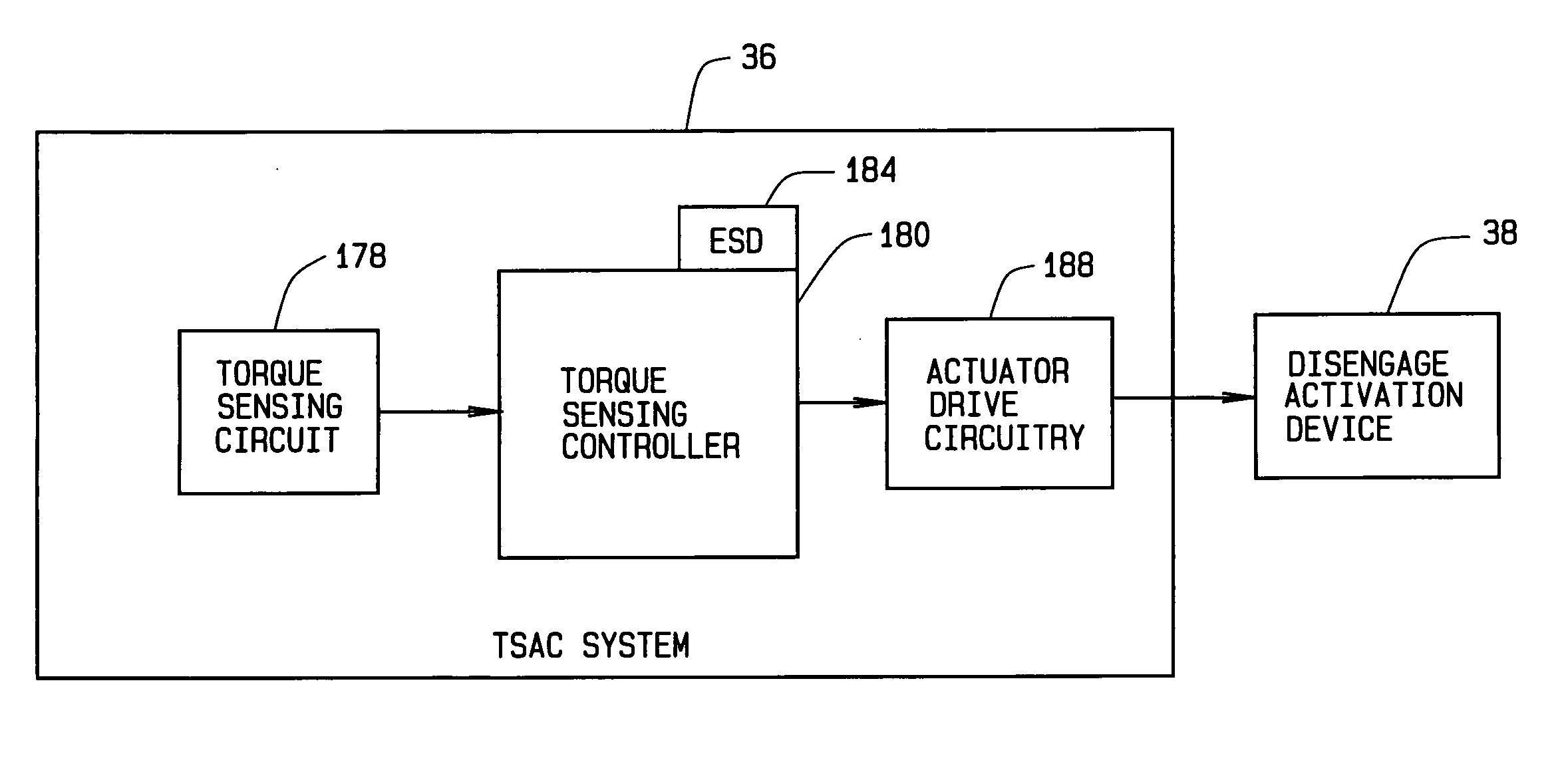
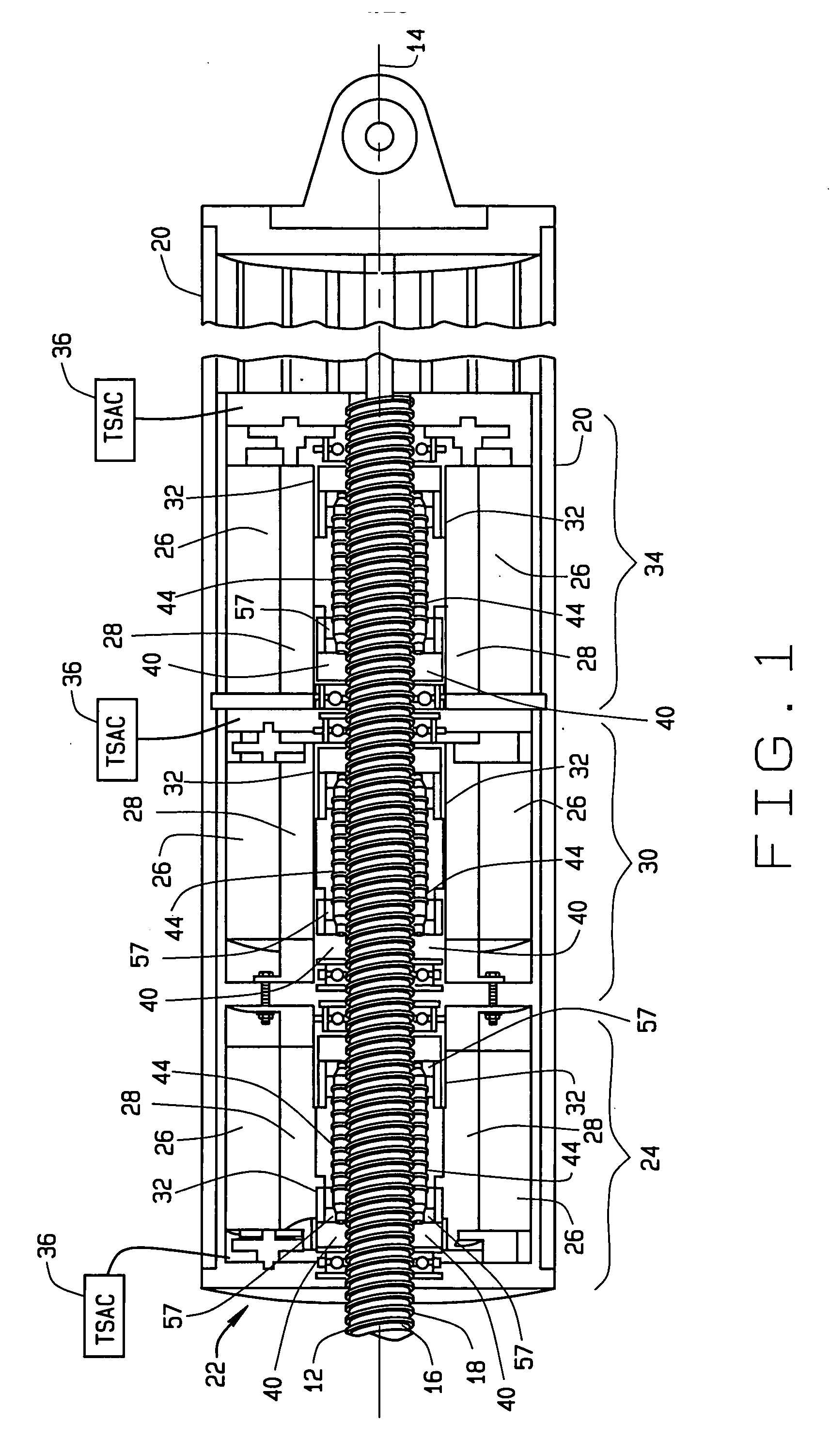
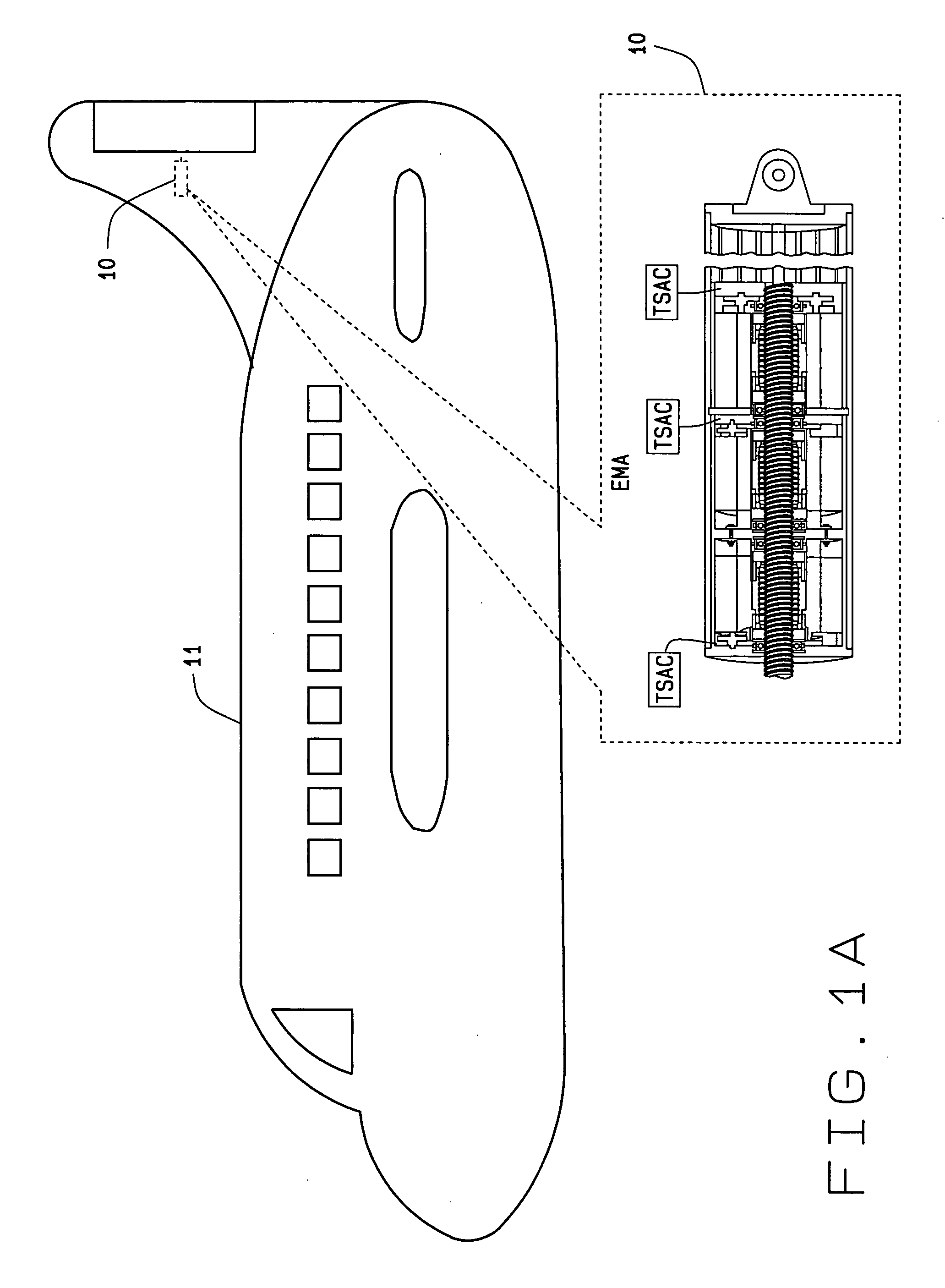
- A fault-tolerant electromechanical actuator (EMA) with a threaded output ram and multiple motor modules, equipped with a torque sensing adaptive control (TSAC) system that monitors torque and disengages motor modules when excessive torque is detected, preventing failure and ensuring reliable operation.

Environmental Standards for Electric Actuator Systems
Environmental standards for electric actuator systems have evolved significantly to address the growing demands for reliable operation across diverse industrial applications. These standards encompass multiple regulatory frameworks including IP (Ingress Protection) ratings, NEMA enclosure classifications, and industry-specific environmental compliance requirements such as IEC 60529 and ISO 14001.
The filtration system within electric actuators must comply with stringent environmental protection standards to ensure long-term operational integrity. Current regulations mandate specific particle filtration efficiency levels, typically requiring removal of contaminants down to 0.3 microns with 99.97% efficiency for critical applications. Temperature cycling standards, such as those outlined in IEC 60068-2-14, specify operational ranges from -40°C to +85°C with humidity tolerance up to 95% relative humidity.
Electromagnetic compatibility (EMC) standards play a crucial role in filtration system design, particularly regarding conducted and radiated emissions. The filtration components must not interfere with actuator control signals while maintaining compliance with EN 61000 series standards. Additionally, vibration and shock resistance requirements, as defined by IEC 60068-2-6 and IEC 60068-2-27, directly impact filter mounting and sealing mechanisms.
Chemical resistance standards are increasingly important as actuators operate in corrosive environments. The filtration materials must withstand exposure to industrial solvents, acids, and alkaline solutions while maintaining structural integrity. ASTM D543 and ISO 175 provide testing protocols for chemical compatibility assessment.
Recent regulatory developments emphasize sustainability and lifecycle environmental impact. RoHS compliance restricts hazardous substances in filtration components, while REACH regulations govern chemical safety throughout the supply chain. These evolving standards drive innovation toward eco-friendly filtration materials and recyclable component designs.
Certification processes require comprehensive testing documentation, including accelerated aging studies and failure mode analysis. Third-party validation through accredited laboratories ensures compliance verification and supports quality assurance protocols essential for long-term reliability achievement in demanding operational environments.
The filtration system within electric actuators must comply with stringent environmental protection standards to ensure long-term operational integrity. Current regulations mandate specific particle filtration efficiency levels, typically requiring removal of contaminants down to 0.3 microns with 99.97% efficiency for critical applications. Temperature cycling standards, such as those outlined in IEC 60068-2-14, specify operational ranges from -40°C to +85°C with humidity tolerance up to 95% relative humidity.
Electromagnetic compatibility (EMC) standards play a crucial role in filtration system design, particularly regarding conducted and radiated emissions. The filtration components must not interfere with actuator control signals while maintaining compliance with EN 61000 series standards. Additionally, vibration and shock resistance requirements, as defined by IEC 60068-2-6 and IEC 60068-2-27, directly impact filter mounting and sealing mechanisms.
Chemical resistance standards are increasingly important as actuators operate in corrosive environments. The filtration materials must withstand exposure to industrial solvents, acids, and alkaline solutions while maintaining structural integrity. ASTM D543 and ISO 175 provide testing protocols for chemical compatibility assessment.
Recent regulatory developments emphasize sustainability and lifecycle environmental impact. RoHS compliance restricts hazardous substances in filtration components, while REACH regulations govern chemical safety throughout the supply chain. These evolving standards drive innovation toward eco-friendly filtration materials and recyclable component designs.
Certification processes require comprehensive testing documentation, including accelerated aging studies and failure mode analysis. Third-party validation through accredited laboratories ensures compliance verification and supports quality assurance protocols essential for long-term reliability achievement in demanding operational environments.
Maintenance Strategies for Filtration System Optimization
Effective maintenance strategies for electric actuator filtration systems require a comprehensive approach that balances proactive interventions with cost-effective operations. The foundation of optimal filtration system maintenance lies in establishing condition-based monitoring protocols that utilize real-time sensor data to assess filter performance, pressure differentials, and contamination levels. This approach enables maintenance teams to transition from traditional time-based replacement schedules to more efficient condition-driven maintenance cycles.
Predictive maintenance algorithms play a crucial role in filtration system optimization by analyzing historical performance data and environmental conditions to forecast filter degradation patterns. These algorithms incorporate variables such as operating temperature, humidity levels, particle load exposure, and actuator duty cycles to generate accurate replacement timing predictions. Advanced machine learning models can identify subtle performance degradation indicators that precede filter failure, allowing for timely interventions before system reliability is compromised.
Filter replacement strategies should incorporate multi-tier approaches that consider both primary and secondary filtration elements. Primary filters handling coarse contaminants typically require more frequent replacement, while secondary fine filters may operate on extended cycles. Implementing staged replacement protocols ensures continuous protection while minimizing system downtime. Additionally, filter selection criteria should prioritize compatibility with specific actuator operating environments and contamination profiles.
Cleaning and regeneration procedures for reusable filtration components represent significant cost-saving opportunities while maintaining system performance. Ultrasonic cleaning techniques, compressed air backflushing, and chemical cleaning protocols can restore filter efficiency when properly implemented. However, these procedures require careful validation to ensure cleaning effectiveness without compromising filter integrity or introducing new contamination sources.
Documentation and tracking systems form the backbone of successful maintenance optimization programs. Comprehensive maintenance logs should record filter performance metrics, replacement intervals, environmental conditions, and system performance correlations. This data enables continuous refinement of maintenance strategies and supports evidence-based decision-making for future optimization initiatives. Digital maintenance management systems can automate data collection and analysis, providing actionable insights for maintenance scheduling and resource allocation.
Training programs for maintenance personnel ensure consistent implementation of optimization strategies across different operational contexts. Standardized procedures, troubleshooting guides, and performance benchmarks enable maintenance teams to execute filtration system optimization effectively while maintaining quality standards and safety protocols throughout the maintenance lifecycle.
Predictive maintenance algorithms play a crucial role in filtration system optimization by analyzing historical performance data and environmental conditions to forecast filter degradation patterns. These algorithms incorporate variables such as operating temperature, humidity levels, particle load exposure, and actuator duty cycles to generate accurate replacement timing predictions. Advanced machine learning models can identify subtle performance degradation indicators that precede filter failure, allowing for timely interventions before system reliability is compromised.
Filter replacement strategies should incorporate multi-tier approaches that consider both primary and secondary filtration elements. Primary filters handling coarse contaminants typically require more frequent replacement, while secondary fine filters may operate on extended cycles. Implementing staged replacement protocols ensures continuous protection while minimizing system downtime. Additionally, filter selection criteria should prioritize compatibility with specific actuator operating environments and contamination profiles.
Cleaning and regeneration procedures for reusable filtration components represent significant cost-saving opportunities while maintaining system performance. Ultrasonic cleaning techniques, compressed air backflushing, and chemical cleaning protocols can restore filter efficiency when properly implemented. However, these procedures require careful validation to ensure cleaning effectiveness without compromising filter integrity or introducing new contamination sources.
Documentation and tracking systems form the backbone of successful maintenance optimization programs. Comprehensive maintenance logs should record filter performance metrics, replacement intervals, environmental conditions, and system performance correlations. This data enables continuous refinement of maintenance strategies and supports evidence-based decision-making for future optimization initiatives. Digital maintenance management systems can automate data collection and analysis, providing actionable insights for maintenance scheduling and resource allocation.
Training programs for maintenance personnel ensure consistent implementation of optimization strategies across different operational contexts. Standardized procedures, troubleshooting guides, and performance benchmarks enable maintenance teams to execute filtration system optimization effectively while maintaining quality standards and safety protocols throughout the maintenance lifecycle.
Unlock deeper insights with PatSnap Eureka Quick Research — get a full tech report to explore trends and direct your research. Try now!
Generate Your Research Report Instantly with AI Agent
Supercharge your innovation with PatSnap Eureka AI Agent Platform!