
How to Increase Load Tolerance in Electric Actuator Assemblies
APR 3, 20269 MIN READ
Generate Your Research Report Instantly with AI Agent
Patsnap Eureka helps you evaluate technical feasibility & market potential.
Electric Actuator Load Tolerance Background and Objectives
Electric actuators have emerged as critical components in modern industrial automation, aerospace, automotive, and robotics applications, where precise motion control and reliable performance under varying load conditions are paramount. These electromechanical devices convert electrical energy into mechanical motion, offering advantages over traditional hydraulic and pneumatic systems including improved energy efficiency, reduced maintenance requirements, and enhanced controllability. However, as industrial applications demand increasingly higher performance standards and operational reliability, the load tolerance capabilities of electric actuator assemblies have become a defining factor in their successful deployment.
The evolution of electric actuator technology has been driven by the continuous pursuit of higher power density, improved durability, and enhanced load handling capabilities. Traditional actuator designs often faced limitations when subjected to dynamic loading conditions, overload scenarios, or sustained high-torque operations. These limitations manifested as premature component failure, reduced operational lifespan, thermal management issues, and compromised positioning accuracy under stress. The industry has recognized that addressing load tolerance challenges requires a comprehensive approach encompassing mechanical design optimization, advanced materials integration, intelligent control systems, and thermal management strategies.
Contemporary market demands have intensified the focus on load tolerance enhancement, particularly in applications such as industrial robotics, where actuators must handle variable payloads while maintaining precision, and aerospace systems, where reliability under extreme conditions is non-negotiable. The automotive sector's transition toward electric vehicles has further amplified the need for robust actuator assemblies capable of withstanding repetitive high-load cycles in applications ranging from steering systems to active suspension components.
The primary objective of advancing load tolerance in electric actuator assemblies centers on developing comprehensive solutions that enable sustained operation under elevated load conditions without compromising performance, reliability, or operational lifespan. This encompasses enhancing the mechanical robustness of critical components including gears, bearings, and housing structures, while simultaneously optimizing the electromagnetic design to handle increased current demands and thermal stresses associated with high-load operations.
Secondary objectives include implementing intelligent load monitoring and adaptive control strategies that can dynamically adjust operational parameters based on real-time load conditions, thereby preventing damage and optimizing performance. Additionally, the integration of advanced materials and manufacturing techniques aims to achieve superior strength-to-weight ratios and improved fatigue resistance, ultimately enabling actuator assemblies to operate reliably across broader load spectrums while maintaining compact form factors essential for modern applications.
The evolution of electric actuator technology has been driven by the continuous pursuit of higher power density, improved durability, and enhanced load handling capabilities. Traditional actuator designs often faced limitations when subjected to dynamic loading conditions, overload scenarios, or sustained high-torque operations. These limitations manifested as premature component failure, reduced operational lifespan, thermal management issues, and compromised positioning accuracy under stress. The industry has recognized that addressing load tolerance challenges requires a comprehensive approach encompassing mechanical design optimization, advanced materials integration, intelligent control systems, and thermal management strategies.
Contemporary market demands have intensified the focus on load tolerance enhancement, particularly in applications such as industrial robotics, where actuators must handle variable payloads while maintaining precision, and aerospace systems, where reliability under extreme conditions is non-negotiable. The automotive sector's transition toward electric vehicles has further amplified the need for robust actuator assemblies capable of withstanding repetitive high-load cycles in applications ranging from steering systems to active suspension components.
The primary objective of advancing load tolerance in electric actuator assemblies centers on developing comprehensive solutions that enable sustained operation under elevated load conditions without compromising performance, reliability, or operational lifespan. This encompasses enhancing the mechanical robustness of critical components including gears, bearings, and housing structures, while simultaneously optimizing the electromagnetic design to handle increased current demands and thermal stresses associated with high-load operations.
Secondary objectives include implementing intelligent load monitoring and adaptive control strategies that can dynamically adjust operational parameters based on real-time load conditions, thereby preventing damage and optimizing performance. Additionally, the integration of advanced materials and manufacturing techniques aims to achieve superior strength-to-weight ratios and improved fatigue resistance, ultimately enabling actuator assemblies to operate reliably across broader load spectrums while maintaining compact form factors essential for modern applications.
Market Demand for High-Load Electric Actuator Systems
The global market for high-load electric actuator systems is experiencing unprecedented growth driven by the increasing demand for precision automation across multiple industrial sectors. Manufacturing industries, particularly automotive, aerospace, and heavy machinery, are transitioning from traditional hydraulic and pneumatic systems to electric alternatives due to their superior controllability, energy efficiency, and reduced maintenance requirements. This shift is creating substantial market opportunities for electric actuators capable of handling heavy-duty applications.
Industrial automation represents the largest market segment, where electric actuators must withstand extreme operational conditions while maintaining precise positioning accuracy. The automotive sector specifically demands actuators that can handle high loads during assembly line operations, robotic welding, and material handling processes. Similarly, the aerospace industry requires actuators capable of operating under significant mechanical stress for aircraft control surfaces and landing gear systems.
The renewable energy sector is emerging as a critical growth driver, particularly in wind turbine applications where actuators must manage substantial loads from blade pitch control systems. Solar tracking systems also require robust actuators capable of handling wind loads while maintaining precise positioning throughout extended operational periods. These applications demand actuators with enhanced load tolerance to ensure reliable performance in challenging environmental conditions.
Infrastructure development projects worldwide are increasing demand for heavy-duty electric actuators in construction equipment, bridge mechanisms, and industrial gate systems. These applications require actuators that can consistently operate under maximum load conditions without performance degradation or premature failure.
Market research indicates strong growth potential in emerging economies where industrial modernization initiatives are driving adoption of advanced automation technologies. The increasing focus on energy efficiency and environmental sustainability is accelerating the replacement of traditional actuator technologies with electric alternatives, creating sustained demand for high-load capable systems.
The medical equipment sector presents additional opportunities, particularly for surgical robotics and patient positioning systems where precise load handling is critical for safety and performance. These applications require actuators with exceptional load tolerance while maintaining smooth, controlled movement characteristics.
Current market trends indicate that end-users are prioritizing actuator systems with enhanced load capacity, improved durability, and reduced total cost of ownership, driving innovation in load tolerance technologies.
Industrial automation represents the largest market segment, where electric actuators must withstand extreme operational conditions while maintaining precise positioning accuracy. The automotive sector specifically demands actuators that can handle high loads during assembly line operations, robotic welding, and material handling processes. Similarly, the aerospace industry requires actuators capable of operating under significant mechanical stress for aircraft control surfaces and landing gear systems.
The renewable energy sector is emerging as a critical growth driver, particularly in wind turbine applications where actuators must manage substantial loads from blade pitch control systems. Solar tracking systems also require robust actuators capable of handling wind loads while maintaining precise positioning throughout extended operational periods. These applications demand actuators with enhanced load tolerance to ensure reliable performance in challenging environmental conditions.
Infrastructure development projects worldwide are increasing demand for heavy-duty electric actuators in construction equipment, bridge mechanisms, and industrial gate systems. These applications require actuators that can consistently operate under maximum load conditions without performance degradation or premature failure.
Market research indicates strong growth potential in emerging economies where industrial modernization initiatives are driving adoption of advanced automation technologies. The increasing focus on energy efficiency and environmental sustainability is accelerating the replacement of traditional actuator technologies with electric alternatives, creating sustained demand for high-load capable systems.
The medical equipment sector presents additional opportunities, particularly for surgical robotics and patient positioning systems where precise load handling is critical for safety and performance. These applications require actuators with exceptional load tolerance while maintaining smooth, controlled movement characteristics.
Current market trends indicate that end-users are prioritizing actuator systems with enhanced load capacity, improved durability, and reduced total cost of ownership, driving innovation in load tolerance technologies.
Current Load Limitations and Challenges in Electric Actuators
Electric actuator assemblies face significant load limitations that constrain their application across various industrial sectors. Current systems typically operate within narrow load tolerance ranges, with most commercial electric actuators designed for loads between 10-500 Nm of torque output. Beyond these specifications, performance degradation becomes evident through reduced positioning accuracy, increased response times, and premature component failure.
Thermal management represents one of the most critical challenges in load tolerance enhancement. As load demands increase, motor windings generate excessive heat that degrades insulation materials and reduces magnetic efficiency. Current cooling solutions, including passive heat sinks and forced air circulation, prove inadequate for sustained high-load operations. Temperature rises above 150°C in motor housings can reduce actuator lifespan by up to 50%, creating a fundamental barrier to load capacity expansion.
Mechanical stress concentration within gear reduction systems poses another substantial limitation. Traditional planetary and harmonic drive configurations experience localized stress points that initiate fatigue crack propagation under elevated loads. Material yield strengths of commonly used steel alloys limit torque transmission capabilities, while backlash accumulation in multi-stage gear trains compromises precision under varying load conditions.
Power electronics constraints further restrict load handling capabilities. Current inverter designs struggle with sustained high-current demands required for increased load tolerance. Semiconductor switching losses escalate exponentially with current magnitude, leading to thermal runaway conditions and protection system activation. Existing power density limitations in motor controllers create bottlenecks that prevent optimal power delivery to actuator mechanisms.
Control system stability becomes increasingly challenging as load variations introduce dynamic disturbances. Conventional PID control algorithms exhibit reduced performance margins when operating near maximum load thresholds. Position feedback accuracy deteriorates under high-load conditions due to mechanical compliance and sensor noise, resulting in oscillatory behavior and reduced system reliability.
Manufacturing tolerances and assembly precision directly impact load tolerance capabilities. Current production methods struggle to maintain the tight dimensional controls necessary for high-load applications. Bearing preload variations, shaft alignment errors, and housing distortions under load create performance inconsistencies that limit reliable operation ranges. These manufacturing challenges compound operational limitations and restrict the development of higher-capacity electric actuator systems.
Thermal management represents one of the most critical challenges in load tolerance enhancement. As load demands increase, motor windings generate excessive heat that degrades insulation materials and reduces magnetic efficiency. Current cooling solutions, including passive heat sinks and forced air circulation, prove inadequate for sustained high-load operations. Temperature rises above 150°C in motor housings can reduce actuator lifespan by up to 50%, creating a fundamental barrier to load capacity expansion.
Mechanical stress concentration within gear reduction systems poses another substantial limitation. Traditional planetary and harmonic drive configurations experience localized stress points that initiate fatigue crack propagation under elevated loads. Material yield strengths of commonly used steel alloys limit torque transmission capabilities, while backlash accumulation in multi-stage gear trains compromises precision under varying load conditions.
Power electronics constraints further restrict load handling capabilities. Current inverter designs struggle with sustained high-current demands required for increased load tolerance. Semiconductor switching losses escalate exponentially with current magnitude, leading to thermal runaway conditions and protection system activation. Existing power density limitations in motor controllers create bottlenecks that prevent optimal power delivery to actuator mechanisms.
Control system stability becomes increasingly challenging as load variations introduce dynamic disturbances. Conventional PID control algorithms exhibit reduced performance margins when operating near maximum load thresholds. Position feedback accuracy deteriorates under high-load conditions due to mechanical compliance and sensor noise, resulting in oscillatory behavior and reduced system reliability.
Manufacturing tolerances and assembly precision directly impact load tolerance capabilities. Current production methods struggle to maintain the tight dimensional controls necessary for high-load applications. Bearing preload variations, shaft alignment errors, and housing distortions under load create performance inconsistencies that limit reliable operation ranges. These manufacturing challenges compound operational limitations and restrict the development of higher-capacity electric actuator systems.
Existing Solutions for Improving Actuator Load Capacity
01 Load sensing and feedback control mechanisms
Electric actuator assemblies can incorporate load sensing mechanisms that monitor the force or torque applied during operation. These systems use feedback control to adjust actuator performance based on detected loads, preventing overload conditions and ensuring safe operation within specified tolerance ranges. The feedback mechanisms can include strain gauges, force sensors, or current monitoring systems that detect resistance changes indicating load variations.- Load sensing and feedback control mechanisms: Electric actuator assemblies can incorporate load sensing mechanisms that monitor the force or torque applied during operation. These systems use feedback control to adjust actuator performance based on detected loads, preventing overload conditions and ensuring safe operation within specified tolerance ranges. The feedback mechanisms can include strain gauges, force sensors, or current monitoring systems that detect when loads exceed predetermined thresholds and trigger protective responses.
- Mechanical overload protection devices: Actuator assemblies can be equipped with mechanical protection devices such as clutches, shear pins, or torque limiters that physically disconnect or slip when loads exceed safe operating limits. These passive safety mechanisms provide reliable protection against excessive loads without requiring electronic control systems. The mechanical devices are designed to activate at specific load thresholds and can be reset or replaced after an overload event.
- Structural reinforcement and load distribution: The physical design of electric actuator assemblies can be optimized to improve load tolerance through structural reinforcement, material selection, and load distribution features. This includes using high-strength materials, optimized gear ratios, reinforced housings, and bearing arrangements that distribute loads more evenly across components. The structural approach increases the inherent load capacity of the actuator without relying on active control systems.
- Electronic current limiting and motor protection: Electric actuators can implement electronic current limiting circuits that monitor motor current draw as an indicator of load conditions. When current exceeds predetermined levels indicating excessive load, the control system can reduce power, stop operation, or reverse direction to protect the motor and mechanical components. This approach provides real-time load management and can include thermal protection features that account for cumulative heat buildup during sustained high-load operation.
- Adaptive control algorithms for variable load conditions: Advanced actuator control systems can employ adaptive algorithms that adjust operating parameters based on detected load conditions. These systems can modify speed, acceleration profiles, and positioning strategies to accommodate varying loads while maintaining performance within acceptable tolerances. The adaptive approach allows actuators to handle a wider range of load conditions efficiently while optimizing energy consumption and extending component life.
02 Mechanical overload protection devices
Actuator assemblies can be equipped with mechanical protection devices such as clutches, shear pins, or torque limiters that physically disconnect or slip when loads exceed predetermined thresholds. These passive safety mechanisms protect the actuator motor and transmission components from damage during overload conditions. The protection devices are designed to reset or be easily replaceable after an overload event.Expand Specific Solutions03 Structural reinforcement and load distribution
Electric actuator designs can incorporate reinforced housing structures, load-bearing frames, and optimized gear train configurations to better distribute and withstand operational loads. These structural enhancements increase the overall load capacity and tolerance of the actuator assembly. Materials selection and geometric design optimization contribute to improved load handling capabilities while maintaining compact form factors.Expand Specific Solutions04 Electronic current limiting and motor protection
Actuator control systems can implement electronic current monitoring and limiting circuits that detect excessive motor current indicative of overload conditions. When current thresholds are exceeded, the control system can reduce power, stop operation, or activate protective modes to prevent motor burnout and component damage. These electronic protection schemes can be integrated with programmable logic controllers for customizable load tolerance parameters.Expand Specific Solutions05 Adaptive control algorithms for variable load conditions
Advanced actuator systems can employ adaptive control algorithms that dynamically adjust operating parameters based on real-time load conditions. These intelligent systems can modify speed, acceleration profiles, and force application to optimize performance across varying load scenarios while staying within safe operational tolerances. Machine learning and predictive algorithms can anticipate load changes and preemptively adjust actuator behavior.Expand Specific Solutions
Key Players in Electric Actuator and Drive System Industry
The electric actuator assembly market for load tolerance enhancement is in a mature growth phase, driven by increasing automation demands across automotive, industrial, and aerospace sectors. The market demonstrates substantial scale with established players like Siemens AG, Mitsubishi Electric Corp., and Robert Bosch GmbH leading through comprehensive portfolios spanning power systems to precision components. Technology maturity varies significantly across segments - while companies like Honeywell International Technologies and Valeo Systèmes de Contrôle Moteur have achieved high sophistication in automotive applications, emerging players such as Cambridge Mechatronics and BMTS Technology are advancing next-generation mechatronic solutions. The competitive landscape shows strong consolidation among traditional industrial giants, while specialized firms like JARP Industries and Diakont Srl focus on niche applications requiring enhanced load tolerance capabilities.
Robert Bosch GmbH
Technical Solution: Bosch implements advanced thermal management systems in their electric actuators, utilizing sophisticated heat dissipation technologies and temperature monitoring to maintain optimal operating conditions under high loads. Their actuators feature robust mechanical designs with reinforced housing materials and precision-engineered gear systems that distribute load forces effectively. The company employs predictive maintenance algorithms and real-time load monitoring to prevent overload conditions. Additionally, Bosch integrates adaptive control systems that automatically adjust actuator performance based on detected load conditions, ensuring consistent operation even under varying stress levels. Their electric actuator assemblies incorporate redundant safety mechanisms and fail-safe protocols to maintain system integrity during peak load scenarios.
Strengths: Industry-leading thermal management and comprehensive system integration capabilities. Weaknesses: Higher cost due to complex control systems and potential over-engineering for simple applications.
Valeo Systèmes de Contrôle Moteur SAS
Technical Solution: Valeo specializes in automotive electric actuators with enhanced load tolerance through their innovative motor control technologies and robust mechanical designs. Their actuators incorporate brushless DC motors with optimized winding configurations that provide consistent torque output under varying load conditions. The company utilizes advanced materials in actuator construction, including high-strength polymers and precision-machined metal components that withstand increased mechanical stress. Valeo implements intelligent control algorithms that monitor actuator performance and automatically adjust operating parameters to maintain optimal efficiency under different load scenarios. Their solutions feature integrated thermal management systems and overload protection mechanisms specifically designed for automotive applications where reliability and durability are critical requirements.
Strengths: Automotive-grade reliability and cost-effective solutions with proven mass production capabilities. Weaknesses: Limited applicability outside automotive sector and constraints in customization for specialized industrial applications.
Core Innovations in High-Load Electric Actuator Design
Actuator load path monitoring system
PatentActiveUS8033500B1
Innovation
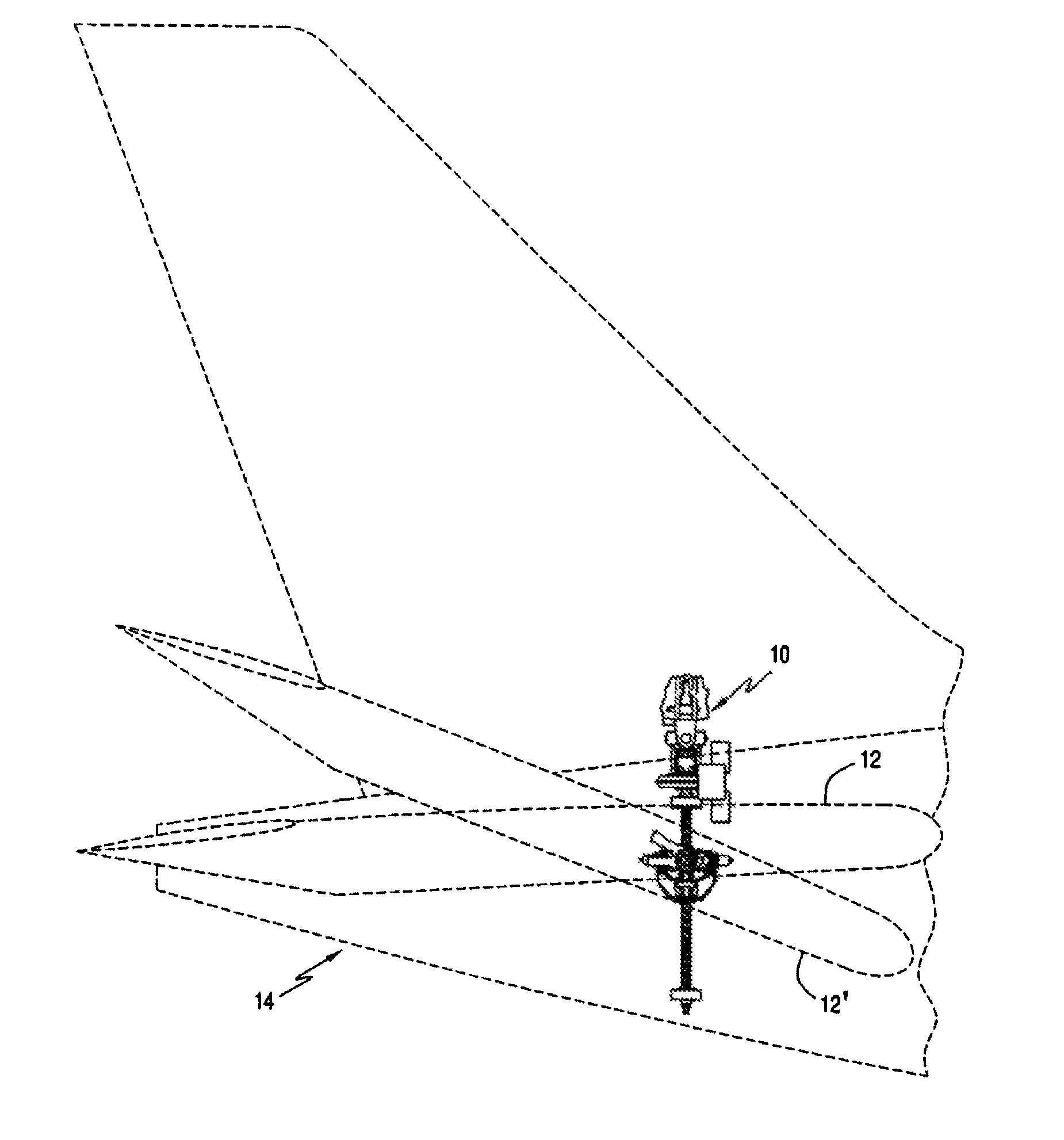
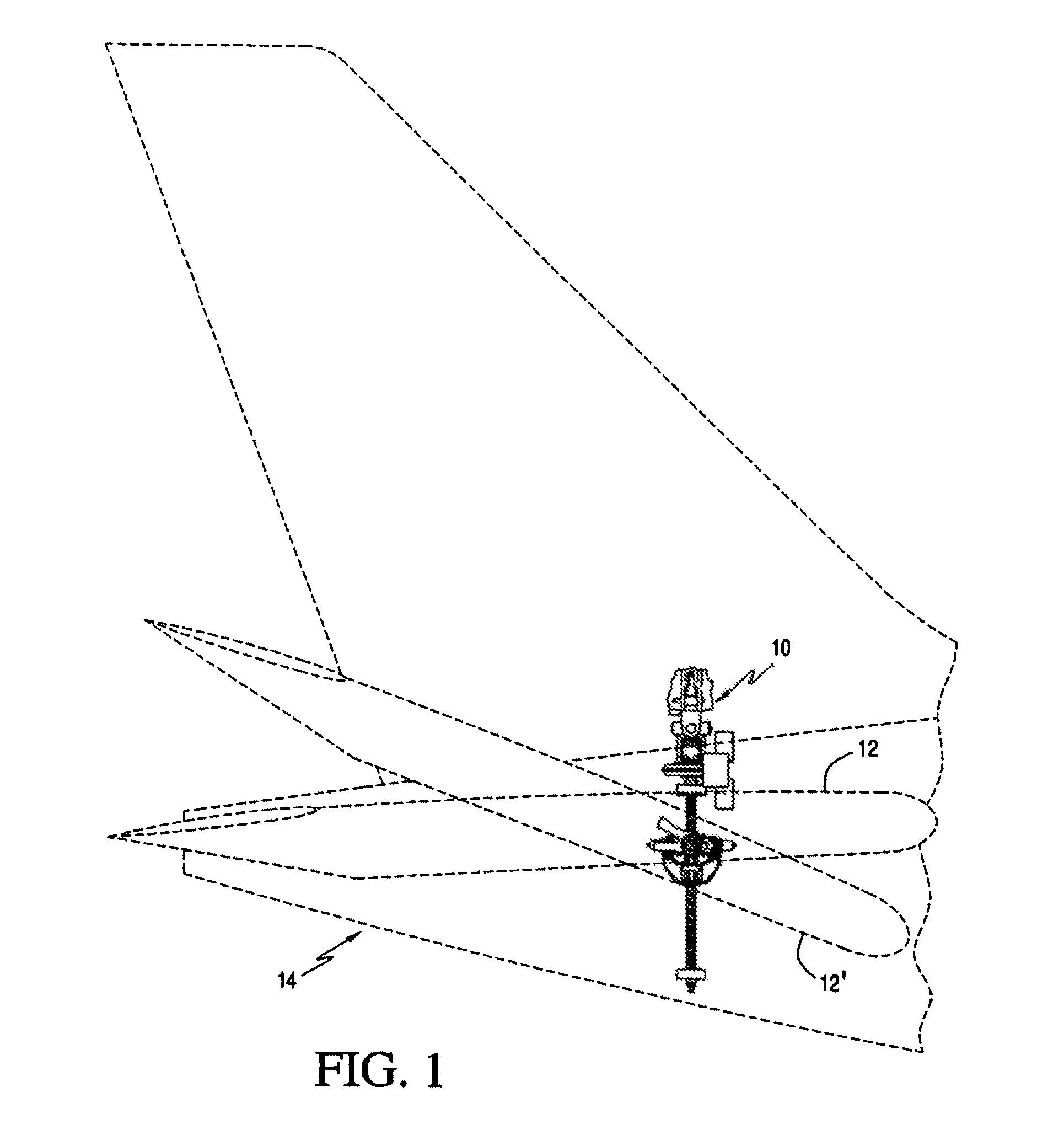
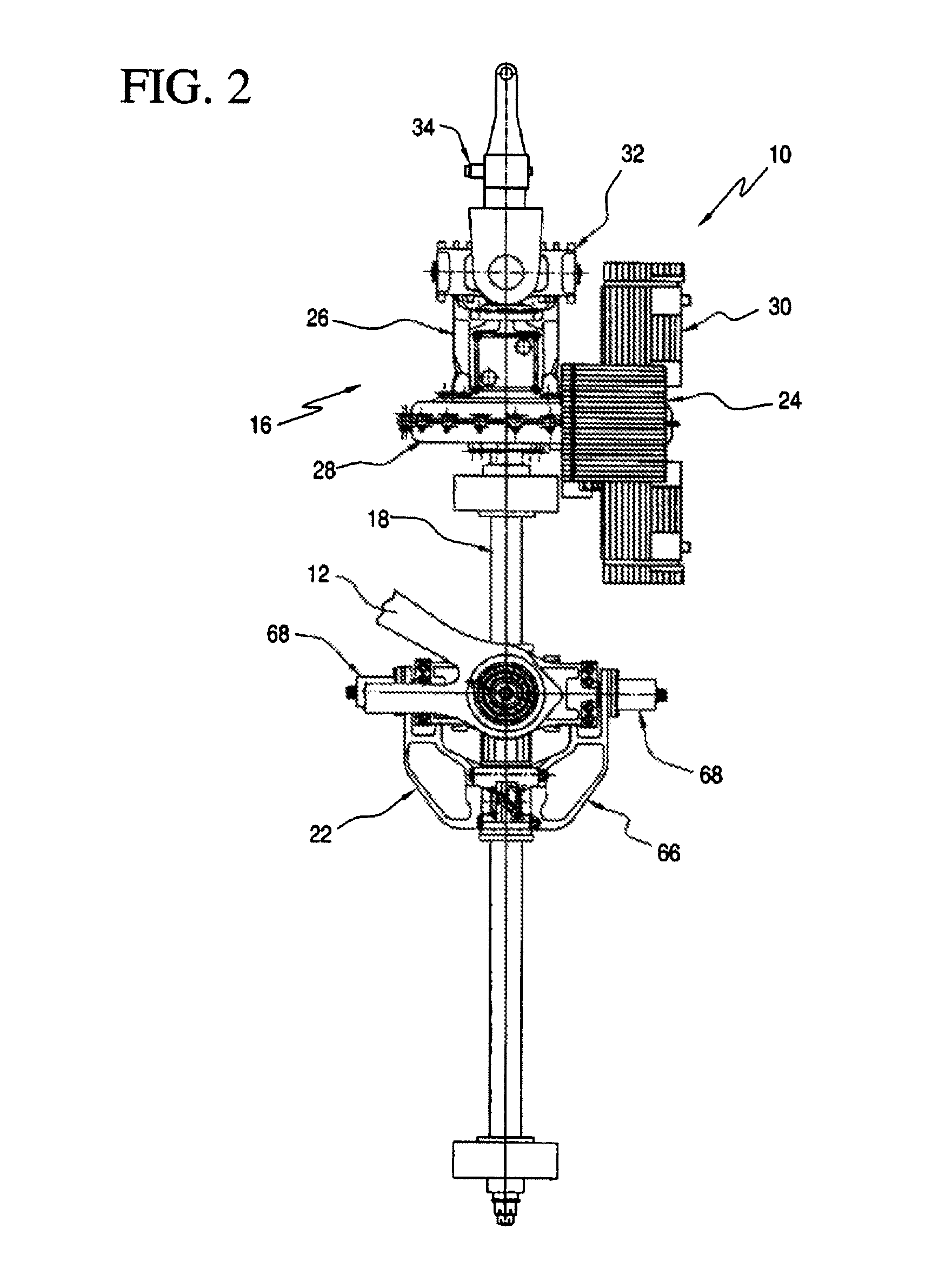
- An actuator load path monitoring system with upper and lower load sensing assemblies, using dynamometric load sensing pins with strain gauges, that provide real-time indications of applied forces to a computer system for monitoring structural integrity and safety, allowing for rapid detection of failures and transition to secondary load paths without increasing the actuator's volume or weight.

Industrial heavy load electric linear actuator
PatentActiveUS12244201B2
Innovation
- The industrial heavy load electric linear actuator incorporates a load bearing structure comprising a sleeve, bearing, fastening element, fixation seat, and rear supporting seat, which allows the actuator to bear maximum loads while maintaining a thin gearbox cover for reduced material costs and distance.


Safety Standards and Regulations for High-Load Actuators
The regulatory landscape for high-load electric actuators is governed by a comprehensive framework of international and regional safety standards designed to ensure operational reliability and personnel protection. The International Electrotechnical Commission (IEC) provides foundational standards through IEC 61508 for functional safety of electrical systems and IEC 60204-1 for electrical equipment of machines, establishing baseline requirements for safety integrity levels and risk assessment protocols.
In North America, the National Electrical Manufacturers Association (NEMA) standards, particularly NEMA ICS 1-1 and NEMA MG 1, define performance criteria for industrial control systems and motors used in high-load applications. These standards specify torque ratings, thermal protection requirements, and environmental operating conditions that directly impact load tolerance capabilities.
European regulations under the Machinery Directive 2006/42/EC mandate conformity assessment procedures for actuators exceeding specified force thresholds. The directive requires comprehensive risk analysis documentation and implementation of safety measures proportional to the mechanical energy levels involved. Additionally, the Low Voltage Directive 2014/35/EU establishes electrical safety requirements for actuator control systems operating above 50V AC or 75V DC.
Industry-specific regulations further refine safety requirements based on application contexts. The aerospace sector follows AS9100 quality management standards alongside DO-160 environmental testing protocols for actuators in flight-critical systems. Nuclear applications must comply with IEEE 323 standards for Class 1E equipment qualification, requiring extensive seismic and radiation tolerance testing.
Emerging regulatory trends focus on cybersecurity aspects of networked actuator systems, with IEC 62443 providing guidelines for industrial automation security. These standards address vulnerabilities in remote monitoring and control systems that could compromise load management functions. Compliance with these evolving safety frameworks requires manufacturers to implement robust testing protocols, maintain detailed documentation of load capacity verification procedures, and establish traceability systems for component qualification throughout the actuator assembly lifecycle.
In North America, the National Electrical Manufacturers Association (NEMA) standards, particularly NEMA ICS 1-1 and NEMA MG 1, define performance criteria for industrial control systems and motors used in high-load applications. These standards specify torque ratings, thermal protection requirements, and environmental operating conditions that directly impact load tolerance capabilities.
European regulations under the Machinery Directive 2006/42/EC mandate conformity assessment procedures for actuators exceeding specified force thresholds. The directive requires comprehensive risk analysis documentation and implementation of safety measures proportional to the mechanical energy levels involved. Additionally, the Low Voltage Directive 2014/35/EU establishes electrical safety requirements for actuator control systems operating above 50V AC or 75V DC.
Industry-specific regulations further refine safety requirements based on application contexts. The aerospace sector follows AS9100 quality management standards alongside DO-160 environmental testing protocols for actuators in flight-critical systems. Nuclear applications must comply with IEEE 323 standards for Class 1E equipment qualification, requiring extensive seismic and radiation tolerance testing.
Emerging regulatory trends focus on cybersecurity aspects of networked actuator systems, with IEC 62443 providing guidelines for industrial automation security. These standards address vulnerabilities in remote monitoring and control systems that could compromise load management functions. Compliance with these evolving safety frameworks requires manufacturers to implement robust testing protocols, maintain detailed documentation of load capacity verification procedures, and establish traceability systems for component qualification throughout the actuator assembly lifecycle.
Thermal Management Solutions for High-Load Applications
Thermal management represents a critical engineering challenge in high-load electric actuator applications, where excessive heat generation can significantly compromise performance, reliability, and operational lifespan. As electric actuators operate under increased load conditions, the combination of electrical resistance losses, mechanical friction, and electromagnetic heating creates substantial thermal stress that must be effectively dissipated to maintain optimal functionality.
The fundamental thermal challenge stems from the concentrated heat generation within compact actuator assemblies. High-current operations required for heavy-duty applications generate I²R losses in windings and power electronics, while mechanical components experience friction-induced heating. Without adequate thermal management, these heat sources can cause temperature rises exceeding 150°C in critical components, leading to insulation degradation, permanent magnet demagnetization, and accelerated wear of mechanical elements.
Advanced cooling architectures have emerged as primary solutions for high-load thermal management. Liquid cooling systems utilizing specialized coolants or phase-change materials offer superior heat removal capabilities compared to traditional air cooling. These systems typically employ microchannel heat exchangers integrated directly into actuator housings, enabling heat flux management exceeding 100 W/cm². The implementation of thermosiphon cooling loops provides passive heat transfer without additional power consumption, particularly beneficial for remote or power-constrained applications.
Material innovations play an equally important role in thermal management strategies. High-conductivity thermal interface materials, including graphene-enhanced compounds and metal matrix composites, facilitate efficient heat transfer from heat-generating components to cooling systems. Advanced thermal management also incorporates intelligent temperature monitoring systems with distributed sensors, enabling real-time thermal mapping and adaptive cooling control based on operational demands.
Integrated thermal design approaches combine multiple heat dissipation mechanisms within actuator assemblies. This includes optimized heat sink geometries, strategic placement of thermal vias in printed circuit boards, and the implementation of heat pipes for rapid thermal transport. Such comprehensive thermal management solutions enable electric actuators to maintain safe operating temperatures even under continuous high-load conditions, thereby extending service life and improving overall system reliability.
The fundamental thermal challenge stems from the concentrated heat generation within compact actuator assemblies. High-current operations required for heavy-duty applications generate I²R losses in windings and power electronics, while mechanical components experience friction-induced heating. Without adequate thermal management, these heat sources can cause temperature rises exceeding 150°C in critical components, leading to insulation degradation, permanent magnet demagnetization, and accelerated wear of mechanical elements.
Advanced cooling architectures have emerged as primary solutions for high-load thermal management. Liquid cooling systems utilizing specialized coolants or phase-change materials offer superior heat removal capabilities compared to traditional air cooling. These systems typically employ microchannel heat exchangers integrated directly into actuator housings, enabling heat flux management exceeding 100 W/cm². The implementation of thermosiphon cooling loops provides passive heat transfer without additional power consumption, particularly beneficial for remote or power-constrained applications.
Material innovations play an equally important role in thermal management strategies. High-conductivity thermal interface materials, including graphene-enhanced compounds and metal matrix composites, facilitate efficient heat transfer from heat-generating components to cooling systems. Advanced thermal management also incorporates intelligent temperature monitoring systems with distributed sensors, enabling real-time thermal mapping and adaptive cooling control based on operational demands.
Integrated thermal design approaches combine multiple heat dissipation mechanisms within actuator assemblies. This includes optimized heat sink geometries, strategic placement of thermal vias in printed circuit boards, and the implementation of heat pipes for rapid thermal transport. Such comprehensive thermal management solutions enable electric actuators to maintain safe operating temperatures even under continuous high-load conditions, thereby extending service life and improving overall system reliability.
Unlock deeper insights with Patsnap Eureka Quick Research — get a full tech report to explore trends and direct your research. Try now!
Generate Your Research Report Instantly with AI Agent
Supercharge your innovation with Patsnap Eureka AI Agent Platform!