

Electric Actuators vs Piezoelectric Systems: Linearity and Control
APR 3, 202610 MIN READ
Generate Your Research Report Instantly with AI Agent
PatSnap Eureka helps you evaluate technical feasibility & market potential.
Electric vs Piezoelectric Actuator Technology Background
Electric actuators and piezoelectric systems represent two fundamental approaches to precision motion control, each with distinct operational principles that have shaped their evolution over decades. Electric actuators, encompassing electromagnetic motors, servo motors, and stepper motors, operate through electromagnetic field interactions to generate rotational or linear motion. These systems convert electrical energy into mechanical work through magnetic flux changes, offering scalable force output and extensive travel ranges.
Piezoelectric actuators function on an entirely different principle, utilizing the inverse piezoelectric effect where applied voltage causes dimensional changes in crystalline materials. This phenomenon, discovered in 1880 by Pierre and Jacques Curie, enables direct electrical-to-mechanical energy conversion without intermediate rotating components. Piezoelectric systems achieve motion through accumulated micro-deformations in ceramic or crystal structures, typically lead zirconate titanate compounds.
The technological development trajectories of these systems have been driven by distinct application requirements. Electric actuators evolved from early electromagnetic devices in the 19th century, progressing through brushed DC motors to modern brushless servo systems with advanced feedback control. Their development focused on increasing power density, improving efficiency, and enhancing controllability through sophisticated drive electronics and encoder technologies.
Piezoelectric technology advancement accelerated significantly in the latter half of the 20th century, driven by semiconductor manufacturing demands and precision instrumentation needs. Key milestones included the development of multilayer actuator designs in the 1980s, which dramatically increased displacement capabilities, and the introduction of ultrasonic piezoelectric motors that eliminated traditional electromagnetic limitations.
Contemporary applications highlight the complementary nature of these technologies. Electric actuators dominate applications requiring large displacements, high speeds, and substantial force output, such as industrial automation, robotics, and automotive systems. Their inherent advantages include cost-effectiveness, mature control algorithms, and robust performance across wide operating ranges.
Piezoelectric systems excel in applications demanding ultra-high precision, rapid response times, and compact form factors. They are particularly valuable in scanning probe microscopy, precision optics positioning, and micro-manipulation systems where nanometer-level accuracy is essential. The absence of mechanical wear, silent operation, and immunity to magnetic interference make them ideal for sensitive measurement environments.
The linearity and control characteristics of these technologies stem from their fundamental operating principles, establishing the foundation for understanding their respective advantages and limitations in precision motion applications.
Piezoelectric actuators function on an entirely different principle, utilizing the inverse piezoelectric effect where applied voltage causes dimensional changes in crystalline materials. This phenomenon, discovered in 1880 by Pierre and Jacques Curie, enables direct electrical-to-mechanical energy conversion without intermediate rotating components. Piezoelectric systems achieve motion through accumulated micro-deformations in ceramic or crystal structures, typically lead zirconate titanate compounds.
The technological development trajectories of these systems have been driven by distinct application requirements. Electric actuators evolved from early electromagnetic devices in the 19th century, progressing through brushed DC motors to modern brushless servo systems with advanced feedback control. Their development focused on increasing power density, improving efficiency, and enhancing controllability through sophisticated drive electronics and encoder technologies.
Piezoelectric technology advancement accelerated significantly in the latter half of the 20th century, driven by semiconductor manufacturing demands and precision instrumentation needs. Key milestones included the development of multilayer actuator designs in the 1980s, which dramatically increased displacement capabilities, and the introduction of ultrasonic piezoelectric motors that eliminated traditional electromagnetic limitations.
Contemporary applications highlight the complementary nature of these technologies. Electric actuators dominate applications requiring large displacements, high speeds, and substantial force output, such as industrial automation, robotics, and automotive systems. Their inherent advantages include cost-effectiveness, mature control algorithms, and robust performance across wide operating ranges.
Piezoelectric systems excel in applications demanding ultra-high precision, rapid response times, and compact form factors. They are particularly valuable in scanning probe microscopy, precision optics positioning, and micro-manipulation systems where nanometer-level accuracy is essential. The absence of mechanical wear, silent operation, and immunity to magnetic interference make them ideal for sensitive measurement environments.
The linearity and control characteristics of these technologies stem from their fundamental operating principles, establishing the foundation for understanding their respective advantages and limitations in precision motion applications.
Market Demand for Precision Actuator Control Systems
The precision actuator control systems market is experiencing unprecedented growth driven by the convergence of automation, miniaturization, and performance demands across multiple industries. Manufacturing sectors increasingly require sub-micron positioning accuracy for semiconductor fabrication, precision machining, and quality control applications. The semiconductor industry alone represents a substantial portion of this demand, where wafer positioning, lithography systems, and inspection equipment necessitate extremely precise motion control capabilities.
Medical device applications constitute another rapidly expanding segment, particularly in surgical robotics, diagnostic imaging equipment, and drug delivery systems. Minimally invasive surgical procedures demand actuators capable of precise, repeatable movements with exceptional linearity characteristics. The aging global population and increasing healthcare expenditure further amplify this market segment's growth trajectory.
Aerospace and defense applications drive demand for precision actuators in satellite positioning systems, radar arrays, and guidance mechanisms. These applications require actuators that maintain performance under extreme environmental conditions while delivering consistent linear response characteristics. The growing commercial space industry and defense modernization programs worldwide contribute significantly to market expansion.
Industrial automation and robotics sectors increasingly adopt precision actuator systems for assembly operations, pick-and-place applications, and quality inspection processes. The Industry 4.0 revolution emphasizes smart manufacturing capabilities, creating substantial demand for actuators with integrated control systems and real-time feedback mechanisms.
Optical and photonics applications represent a specialized but growing market segment, including laser beam steering, optical component alignment, and adaptive optics systems. These applications often require nanometer-level precision and exceptional stability over extended operational periods.
The market demonstrates clear preference for actuator systems offering superior linearity, minimal hysteresis, and advanced control capabilities. End users increasingly prioritize total cost of ownership over initial purchase price, considering factors such as maintenance requirements, energy efficiency, and operational lifespan. This shift favors technologies that provide consistent performance characteristics and reduced maintenance overhead.
Emerging applications in autonomous vehicles, renewable energy systems, and advanced manufacturing processes continue expanding market opportunities. The integration of artificial intelligence and machine learning algorithms with precision actuator systems creates new possibilities for adaptive control and predictive maintenance capabilities.
Regional market dynamics show strong growth in Asia-Pacific manufacturing hubs, North American technology centers, and European precision engineering sectors. The competitive landscape increasingly emphasizes customization capabilities and application-specific solutions rather than standardized products.
Medical device applications constitute another rapidly expanding segment, particularly in surgical robotics, diagnostic imaging equipment, and drug delivery systems. Minimally invasive surgical procedures demand actuators capable of precise, repeatable movements with exceptional linearity characteristics. The aging global population and increasing healthcare expenditure further amplify this market segment's growth trajectory.
Aerospace and defense applications drive demand for precision actuators in satellite positioning systems, radar arrays, and guidance mechanisms. These applications require actuators that maintain performance under extreme environmental conditions while delivering consistent linear response characteristics. The growing commercial space industry and defense modernization programs worldwide contribute significantly to market expansion.
Industrial automation and robotics sectors increasingly adopt precision actuator systems for assembly operations, pick-and-place applications, and quality inspection processes. The Industry 4.0 revolution emphasizes smart manufacturing capabilities, creating substantial demand for actuators with integrated control systems and real-time feedback mechanisms.
Optical and photonics applications represent a specialized but growing market segment, including laser beam steering, optical component alignment, and adaptive optics systems. These applications often require nanometer-level precision and exceptional stability over extended operational periods.
The market demonstrates clear preference for actuator systems offering superior linearity, minimal hysteresis, and advanced control capabilities. End users increasingly prioritize total cost of ownership over initial purchase price, considering factors such as maintenance requirements, energy efficiency, and operational lifespan. This shift favors technologies that provide consistent performance characteristics and reduced maintenance overhead.
Emerging applications in autonomous vehicles, renewable energy systems, and advanced manufacturing processes continue expanding market opportunities. The integration of artificial intelligence and machine learning algorithms with precision actuator systems creates new possibilities for adaptive control and predictive maintenance capabilities.
Regional market dynamics show strong growth in Asia-Pacific manufacturing hubs, North American technology centers, and European precision engineering sectors. The competitive landscape increasingly emphasizes customization capabilities and application-specific solutions rather than standardized products.
Current Linearity and Control Challenges in Actuator Systems
Modern actuator systems face significant linearity and control challenges that directly impact their precision and reliability in critical applications. Electric actuators, while offering robust force output and straightforward control interfaces, suffer from inherent nonlinearities introduced by electromagnetic field variations, coil inductance changes, and mechanical friction. These nonlinearities manifest as position-dependent force characteristics and hysteresis effects that complicate precise positioning tasks.
Piezoelectric systems present a different set of linearity challenges, primarily stemming from their material properties. The relationship between applied voltage and displacement in piezoelectric actuators exhibits pronounced hysteresis, with displacement lag during voltage cycling reaching up to 15% of the total range. Additionally, creep phenomena cause continued displacement changes even after voltage stabilization, introducing time-dependent nonlinearities that affect long-term positioning accuracy.
Control bandwidth limitations represent another critical challenge across both actuator types. Electric actuators typically achieve control bandwidths of 10-100 Hz due to electromagnetic time constants and mechanical inertia. Piezoelectric systems, despite their faster response capabilities, face control limitations from capacitive loading effects and high-frequency resonances that can destabilize feedback loops when operating beyond 1-2 kHz.
Temperature sensitivity significantly impacts both actuator technologies, creating additional control complexities. Electric actuators experience resistance variations that alter current-force relationships, while piezoelectric materials exhibit temperature-dependent coupling coefficients that shift their displacement characteristics. These thermal effects introduce drift and require sophisticated compensation algorithms for stable operation.
Resolution and dynamic range trade-offs present fundamental challenges in actuator control system design. Electric actuators offer large displacement ranges but limited resolution due to electromagnetic noise and quantization effects in drive electronics. Piezoelectric systems provide nanometer-scale resolution but suffer from limited stroke length, creating difficulties in applications requiring both high precision and large working ranges.
Cross-coupling effects in multi-axis actuator systems introduce additional control complexities, particularly in piezoelectric stack arrangements where mechanical coupling between axes creates interdependent motion characteristics. These coupling effects require advanced decoupling algorithms and multi-input-multi-output control strategies to achieve independent axis control.
Power consumption and efficiency considerations also impact control system design, as electric actuators require continuous power for position holding, while piezoelectric systems need high-voltage drive circuits that introduce switching noise and electromagnetic interference challenges affecting control signal integrity.
Piezoelectric systems present a different set of linearity challenges, primarily stemming from their material properties. The relationship between applied voltage and displacement in piezoelectric actuators exhibits pronounced hysteresis, with displacement lag during voltage cycling reaching up to 15% of the total range. Additionally, creep phenomena cause continued displacement changes even after voltage stabilization, introducing time-dependent nonlinearities that affect long-term positioning accuracy.
Control bandwidth limitations represent another critical challenge across both actuator types. Electric actuators typically achieve control bandwidths of 10-100 Hz due to electromagnetic time constants and mechanical inertia. Piezoelectric systems, despite their faster response capabilities, face control limitations from capacitive loading effects and high-frequency resonances that can destabilize feedback loops when operating beyond 1-2 kHz.
Temperature sensitivity significantly impacts both actuator technologies, creating additional control complexities. Electric actuators experience resistance variations that alter current-force relationships, while piezoelectric materials exhibit temperature-dependent coupling coefficients that shift their displacement characteristics. These thermal effects introduce drift and require sophisticated compensation algorithms for stable operation.
Resolution and dynamic range trade-offs present fundamental challenges in actuator control system design. Electric actuators offer large displacement ranges but limited resolution due to electromagnetic noise and quantization effects in drive electronics. Piezoelectric systems provide nanometer-scale resolution but suffer from limited stroke length, creating difficulties in applications requiring both high precision and large working ranges.
Cross-coupling effects in multi-axis actuator systems introduce additional control complexities, particularly in piezoelectric stack arrangements where mechanical coupling between axes creates interdependent motion characteristics. These coupling effects require advanced decoupling algorithms and multi-input-multi-output control strategies to achieve independent axis control.
Power consumption and efficiency considerations also impact control system design, as electric actuators require continuous power for position holding, while piezoelectric systems need high-voltage drive circuits that introduce switching noise and electromagnetic interference challenges affecting control signal integrity.
Existing Linearity Enhancement and Control Solutions
01 Piezoelectric actuator control systems with feedback mechanisms
Control systems for piezoelectric actuators that incorporate feedback mechanisms to improve linearity and positioning accuracy. These systems utilize sensors to monitor actuator displacement and adjust control signals accordingly, compensating for non-linear behavior inherent in piezoelectric materials. Advanced control algorithms process feedback data to achieve precise positioning and maintain stability across varying operating conditions.- Piezoelectric actuator control systems with feedback mechanisms: Control systems for piezoelectric actuators incorporate feedback mechanisms to improve linearity and precision. These systems utilize sensors to monitor actuator position and displacement, enabling closed-loop control that compensates for non-linearities inherent in piezoelectric materials. Advanced control algorithms process feedback signals to achieve accurate positioning and maintain stable operation across varying load conditions.
- Electric actuator linearization techniques: Various linearization methods are employed in electric actuators to enhance control accuracy. These techniques include compensation algorithms that account for mechanical backlash, friction, and other non-linear effects. Digital signal processing and calibration procedures are implemented to map input commands to actual output positions, ensuring predictable and repeatable actuator behavior throughout the operational range.
- Hybrid actuation systems combining electric and piezoelectric elements: Hybrid actuator designs integrate both electric motor-based systems and piezoelectric components to leverage the advantages of each technology. These configurations utilize electric actuators for coarse positioning with high force output, while piezoelectric elements provide fine positioning with superior resolution and response time. Coordinated control strategies manage the interaction between both actuation modes to achieve optimal linearity and dynamic performance.
- Position sensing and measurement systems for actuator control: Precision position sensing technologies are critical for achieving linear control in both electric and piezoelectric actuators. These systems employ various sensing methods including capacitive, inductive, and optical encoders to provide real-time position feedback. High-resolution measurement capabilities enable accurate detection of minute displacements, facilitating precise control and compensation for non-linear actuator characteristics.
- Drive electronics and power management for actuator linearity: Specialized drive electronics and power management circuits are designed to optimize actuator linearity and control performance. These systems provide regulated voltage or current output with minimal ripple and noise, ensuring stable actuator operation. Advanced driver architectures incorporate adaptive control features that adjust drive parameters based on operating conditions, compensating for temperature effects and aging to maintain consistent linear response over the actuator lifetime.
02 Electric actuator linearization techniques
Methods and systems for improving the linearity of electric actuators through various compensation techniques. These approaches address non-linear characteristics such as hysteresis, drift, and temperature effects. Implementation includes calibration procedures, lookup tables, and mathematical models that correct for deviations from ideal linear behavior, enabling more accurate position control and repeatability.Expand Specific Solutions03 Hybrid actuation systems combining electric and piezoelectric elements
Actuation systems that integrate both electric motors and piezoelectric components to leverage the advantages of each technology. These hybrid configurations provide coarse positioning through electric actuators and fine precision adjustment via piezoelectric elements. The combination enables extended range of motion while maintaining high resolution and fast response times for demanding applications.Expand Specific Solutions04 Closed-loop control architectures for precision positioning
Advanced control architectures implementing closed-loop feedback for both electric and piezoelectric actuators. These systems employ real-time monitoring and adaptive control strategies to maintain linearity and accuracy. The architectures include digital signal processing, state estimation algorithms, and multi-variable control methods that optimize performance parameters such as settling time, overshoot, and steady-state error.Expand Specific Solutions05 Compensation methods for temperature and environmental effects
Techniques for compensating environmental influences on actuator linearity and control performance. These methods address temperature-induced variations, aging effects, and external disturbances that affect both electric and piezoelectric systems. Implementation includes thermal modeling, environmental sensors, and adaptive compensation algorithms that maintain consistent performance across varying operational conditions.Expand Specific Solutions
Key Players in Electric and Piezoelectric Actuator Industry
The electric actuators versus piezoelectric systems market represents a mature industrial automation sector experiencing steady growth, with global market size reaching several billion dollars annually. The industry is in a consolidation phase where established players dominate through technological differentiation and integrated solutions. Technology maturity varies significantly between segments, with traditional electric actuators being well-established while advanced piezoelectric systems continue evolving. Major industrial conglomerates like Siemens AG, Robert Bosch GmbH, and Mitsubishi Electric Corp lead through comprehensive automation portfolios, while specialized firms such as Physik Instrumente focus on precision piezoelectric solutions. Asian manufacturers including Samsung Electronics, LG Electronics, and TDK Electronics drive innovation in consumer and automotive applications. Research institutions like Fraunhofer-Gesellschaft and academic centers contribute fundamental advances in materials science and control algorithms, supporting the ongoing technological evolution toward higher precision, better linearity, and enhanced control capabilities in both actuator technologies.
Robert Bosch GmbH
Technical Solution: Bosch develops advanced electric actuator systems for automotive applications, focusing on linear control characteristics and robust performance. Their electric actuators utilize brushless DC motors with integrated position feedback systems, providing precise linear control for applications such as throttle control, brake systems, and active suspension components. The company's actuator control algorithms incorporate advanced feedback compensation to achieve high linearity and minimize position errors. Bosch's electric actuators feature integrated electronics with CAN bus communication, enabling seamless integration into vehicle control networks while maintaining excellent linearity performance across temperature and load variations.
Strengths: Robust automotive-grade reliability, excellent temperature stability, integrated control electronics. Weaknesses: Lower precision compared to piezoelectric systems, mechanical wear over time, slower response compared to piezoelectric alternatives.
TDK Electronics AG
Technical Solution: TDK specializes in piezoelectric actuators and sensors with focus on multilayer ceramic technology for enhanced performance and control. Their piezoelectric actuators utilize advanced ceramic materials with optimized electrode structures to achieve superior linearity and reduced hysteresis effects. The company's actuator systems incorporate sophisticated drive electronics with real-time feedback control, enabling precise positioning with sub-micrometer accuracy. TDK's piezoelectric technology demonstrates excellent linearity characteristics through their proprietary ceramic formulations and manufacturing processes, resulting in actuators with minimal drift and exceptional long-term stability for precision control applications.
Strengths: Advanced ceramic technology, excellent long-term stability, minimal drift characteristics. Weaknesses: Limited stroke length, temperature sensitivity, requires high-voltage drive circuits.
Core Patents in Actuator Linearity and Control Methods
Reactive load resonant drive circuit
PatentInactiveUS7355320B2
Innovation
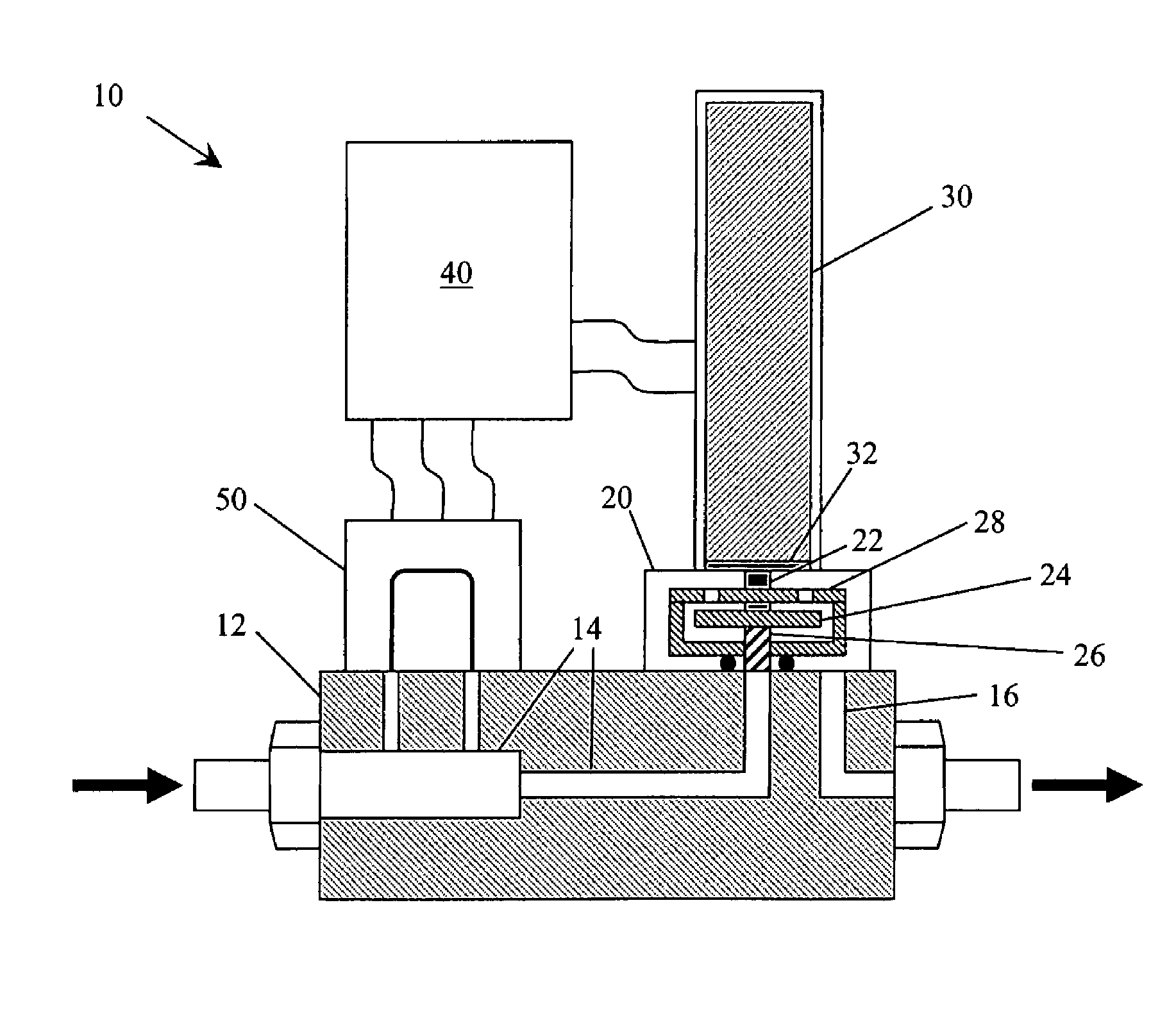
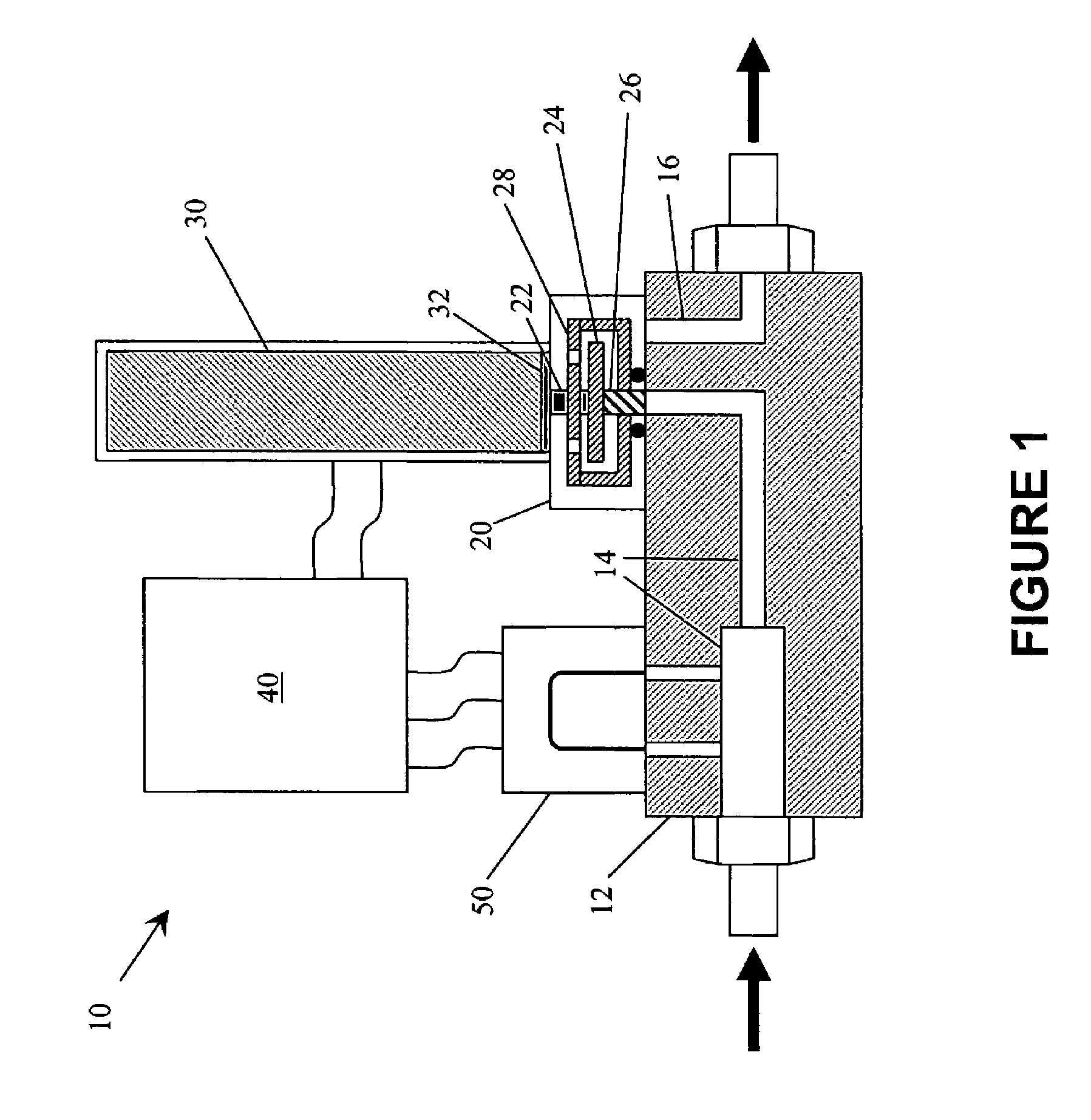
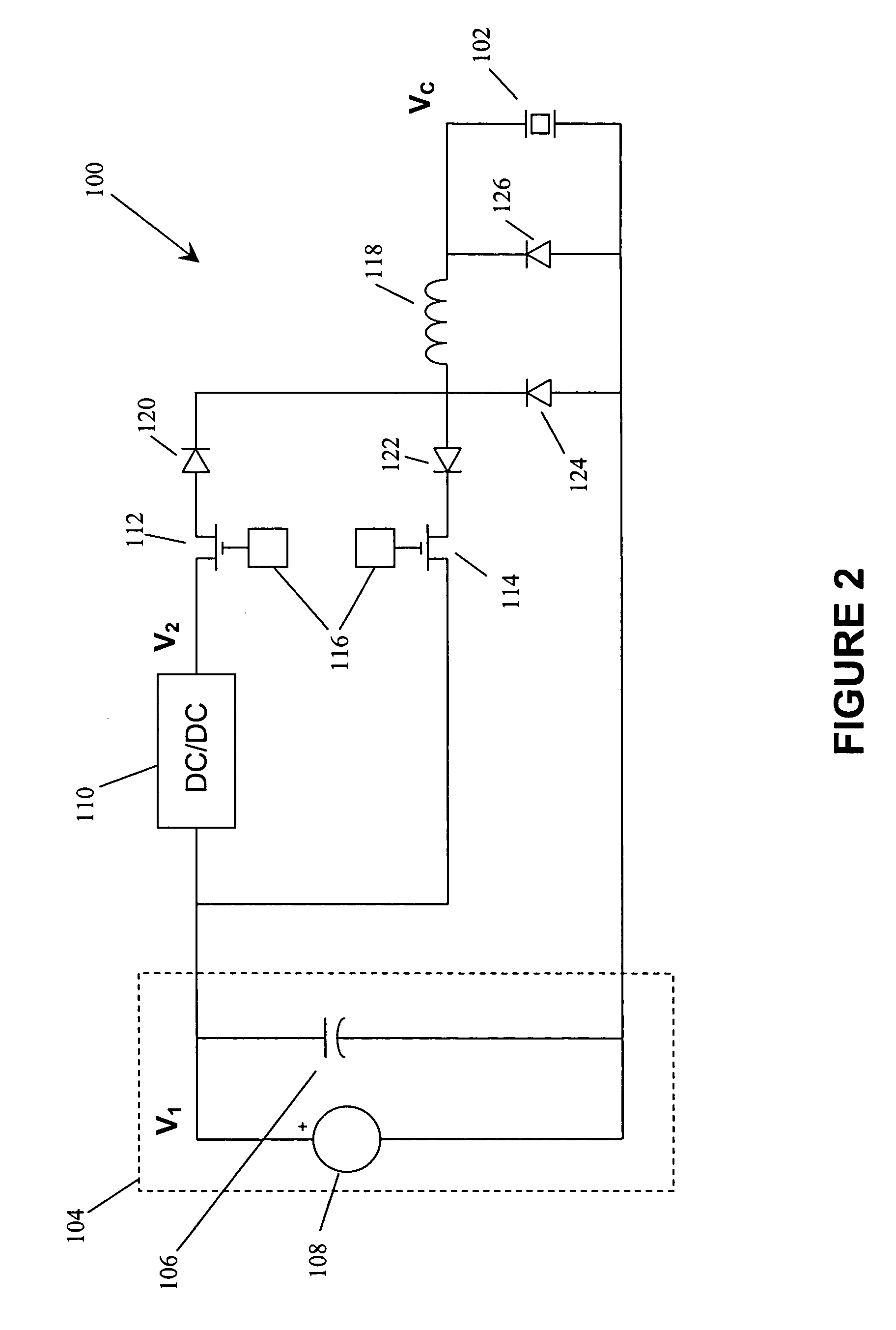
- A resonant drive circuit with a series inductive element and semiconductor switches is used to rapidly transfer charge to and from the piezoelectric actuator, minimizing peak currents and enabling energy recovery, thus optimizing actuation speed and energy efficiency.

Actuator device and method for setting a position of a linearly movable element
PatentActiveEP2812584A1
Innovation
- A hydraulic actuator system with a piezoelectric actuator and two piston elements, where the piezoelectric force is transmitted through a hydraulic transmission with a predetermined ratio, using non-return valves and a throttle element to enable precise and low-wear linear movements independent of static friction.
Performance Benchmarking Standards for Actuator Systems
Performance benchmarking standards for actuator systems have evolved significantly to address the growing complexity of precision motion control applications. The establishment of comprehensive evaluation frameworks becomes particularly critical when comparing fundamentally different technologies such as electric actuators and piezoelectric systems, where traditional metrics may not adequately capture the nuanced performance characteristics of each approach.
Current industry standards primarily focus on standardized testing protocols that encompass positioning accuracy, repeatability, and response time measurements under controlled environmental conditions. The IEEE 1451 series provides foundational frameworks for transducer interface standards, while ISO 9283 establishes performance criteria for manipulating industrial robots that extend to actuator subsystems. These standards typically mandate testing across temperature ranges from -40°C to +85°C with humidity variations up to 95% relative humidity.
Linearity assessment protocols represent a cornerstone of actuator benchmarking, requiring measurement of deviation from ideal linear response across the full operational range. Standard test procedures mandate minimum 100-point sampling across the stroke length, with linearity error calculations based on least-squares fitting algorithms. The acceptable linearity threshold varies by application, ranging from ±0.01% for precision instrumentation to ±1% for general industrial applications.
Control system evaluation standards emphasize closed-loop performance metrics including settling time, overshoot percentage, and steady-state error under various load conditions. The benchmarking protocols require testing with step inputs, ramp inputs, and sinusoidal tracking commands at frequencies spanning DC to the system's bandwidth limit. Load testing must encompass 10% to 100% of rated capacity with bidirectional force application.
Dynamic performance benchmarking incorporates frequency response analysis following established transfer function measurement techniques. Standards mandate swept-sine testing from 0.1 Hz to at least 10 times the system's natural frequency, with phase and magnitude response documentation. Bandwidth specifications typically define the -3dB frequency point, while phase margin requirements ensure stability across operational conditions.
Emerging benchmarking standards increasingly address multi-axis coordination and synchronization capabilities, particularly relevant for applications requiring coordinated motion between electric and piezoelectric actuators. These protocols evaluate cross-coupling effects, synchronization accuracy, and trajectory following performance in multi-degree-of-freedom systems, establishing quantitative metrics for system-level integration assessment.
Current industry standards primarily focus on standardized testing protocols that encompass positioning accuracy, repeatability, and response time measurements under controlled environmental conditions. The IEEE 1451 series provides foundational frameworks for transducer interface standards, while ISO 9283 establishes performance criteria for manipulating industrial robots that extend to actuator subsystems. These standards typically mandate testing across temperature ranges from -40°C to +85°C with humidity variations up to 95% relative humidity.
Linearity assessment protocols represent a cornerstone of actuator benchmarking, requiring measurement of deviation from ideal linear response across the full operational range. Standard test procedures mandate minimum 100-point sampling across the stroke length, with linearity error calculations based on least-squares fitting algorithms. The acceptable linearity threshold varies by application, ranging from ±0.01% for precision instrumentation to ±1% for general industrial applications.
Control system evaluation standards emphasize closed-loop performance metrics including settling time, overshoot percentage, and steady-state error under various load conditions. The benchmarking protocols require testing with step inputs, ramp inputs, and sinusoidal tracking commands at frequencies spanning DC to the system's bandwidth limit. Load testing must encompass 10% to 100% of rated capacity with bidirectional force application.
Dynamic performance benchmarking incorporates frequency response analysis following established transfer function measurement techniques. Standards mandate swept-sine testing from 0.1 Hz to at least 10 times the system's natural frequency, with phase and magnitude response documentation. Bandwidth specifications typically define the -3dB frequency point, while phase margin requirements ensure stability across operational conditions.
Emerging benchmarking standards increasingly address multi-axis coordination and synchronization capabilities, particularly relevant for applications requiring coordinated motion between electric and piezoelectric actuators. These protocols evaluate cross-coupling effects, synchronization accuracy, and trajectory following performance in multi-degree-of-freedom systems, establishing quantitative metrics for system-level integration assessment.
Cost-Benefit Analysis of Electric vs Piezoelectric Solutions
The economic evaluation of electric actuators versus piezoelectric systems reveals distinct cost structures and value propositions across different application scenarios. Initial capital expenditure analysis shows electric actuators typically requiring lower upfront investment, with standard servo motors and controllers ranging from $500 to $5,000 per unit depending on precision requirements. Piezoelectric systems command premium pricing, often 2-3 times higher initial costs due to specialized materials and manufacturing processes, with high-precision units reaching $15,000 or more.
Operating cost considerations favor piezoelectric solutions in specific applications. Electric actuators consume continuous power during operation and positioning maintenance, resulting in higher energy costs over extended operational periods. Piezoelectric systems demonstrate superior energy efficiency, requiring power only during active positioning changes, leading to 60-80% reduction in operational energy consumption for applications with frequent hold positions.
Maintenance and lifecycle cost analysis reveals contrasting patterns. Electric actuators incorporate mechanical components subject to wear, requiring periodic maintenance, lubrication, and eventual replacement of bearings, gears, and brushes. Annual maintenance costs typically range 5-10% of initial investment. Piezoelectric systems offer virtually maintenance-free operation due to solid-state construction, eliminating mechanical wear components and reducing long-term service requirements.
Performance-related cost benefits emerge through precision capabilities. Piezoelectric systems deliver sub-nanometer positioning accuracy, eliminating costly secondary calibration systems and reducing quality control expenses in precision manufacturing. Electric actuators may require additional feedback systems and compensation mechanisms to achieve comparable precision levels, increasing total system costs.
Application-specific economic advantages vary significantly. High-volume, continuous-duty applications favor electric actuators due to lower initial costs and proven reliability. Precision positioning, aerospace, and semiconductor applications justify piezoelectric premium pricing through superior performance characteristics and reduced system complexity. The break-even analysis typically occurs within 3-5 years for precision applications, while general automation scenarios may favor electric solutions throughout their operational lifecycle.
Total cost of ownership calculations must incorporate application-specific factors including precision requirements, duty cycles, environmental conditions, and performance specifications to determine optimal economic solutions.
Operating cost considerations favor piezoelectric solutions in specific applications. Electric actuators consume continuous power during operation and positioning maintenance, resulting in higher energy costs over extended operational periods. Piezoelectric systems demonstrate superior energy efficiency, requiring power only during active positioning changes, leading to 60-80% reduction in operational energy consumption for applications with frequent hold positions.
Maintenance and lifecycle cost analysis reveals contrasting patterns. Electric actuators incorporate mechanical components subject to wear, requiring periodic maintenance, lubrication, and eventual replacement of bearings, gears, and brushes. Annual maintenance costs typically range 5-10% of initial investment. Piezoelectric systems offer virtually maintenance-free operation due to solid-state construction, eliminating mechanical wear components and reducing long-term service requirements.
Performance-related cost benefits emerge through precision capabilities. Piezoelectric systems deliver sub-nanometer positioning accuracy, eliminating costly secondary calibration systems and reducing quality control expenses in precision manufacturing. Electric actuators may require additional feedback systems and compensation mechanisms to achieve comparable precision levels, increasing total system costs.
Application-specific economic advantages vary significantly. High-volume, continuous-duty applications favor electric actuators due to lower initial costs and proven reliability. Precision positioning, aerospace, and semiconductor applications justify piezoelectric premium pricing through superior performance characteristics and reduced system complexity. The break-even analysis typically occurs within 3-5 years for precision applications, while general automation scenarios may favor electric solutions throughout their operational lifecycle.
Total cost of ownership calculations must incorporate application-specific factors including precision requirements, duty cycles, environmental conditions, and performance specifications to determine optimal economic solutions.
Unlock deeper insights with PatSnap Eureka Quick Research — get a full tech report to explore trends and direct your research. Try now!
Generate Your Research Report Instantly with AI Agent
Supercharge your innovation with PatSnap Eureka AI Agent Platform!