

Energy-Efficient Routing Protocols for Data Center Fabrics: Design Tips
MAY 19, 20269 MIN READ
Generate Your Research Report Instantly with AI Agent
PatSnap Eureka helps you evaluate technical feasibility & market potential.
Energy-Efficient Data Center Routing Background and Objectives
The exponential growth of cloud computing, big data analytics, and digital transformation initiatives has fundamentally reshaped the landscape of data center operations over the past decade. Modern data centers have evolved from simple server farms into complex, highly interconnected ecosystems that process unprecedented volumes of data traffic. This transformation has been accompanied by an alarming increase in energy consumption, with data centers now accounting for approximately 1-2% of global electricity usage, a figure projected to reach 8% by 2030.
The evolution of data center architectures has progressed through several distinct phases, beginning with traditional three-tier hierarchical designs and advancing to modern leaf-spine topologies and software-defined networking paradigms. Each architectural evolution has brought increased bandwidth capacity and reduced latency, but has also introduced new challenges in energy management. The proliferation of east-west traffic patterns, driven by distributed computing frameworks and microservices architectures, has particularly stressed traditional routing approaches.
Energy efficiency in data center networking has emerged as a critical concern due to multiple converging factors. Rising electricity costs directly impact operational expenditure, while increasingly stringent environmental regulations and corporate sustainability commitments demand measurable reductions in carbon footprint. Additionally, the physical limitations of power delivery and cooling infrastructure in existing facilities create hard constraints on energy consumption growth.
Current routing protocols in data center fabrics typically prioritize performance metrics such as throughput, latency, and fault tolerance, often treating energy consumption as a secondary consideration. Traditional protocols like OSPF, BGP, and proprietary fabric protocols focus primarily on shortest-path routing and load balancing without incorporating energy awareness into their decision-making algorithms. This approach results in suboptimal energy utilization patterns, where network resources remain active regardless of actual traffic demands.
The primary objective of energy-efficient routing protocol development is to achieve substantial reductions in network infrastructure power consumption while maintaining or improving service quality metrics. Target energy savings of 20-40% are considered achievable through intelligent routing decisions, dynamic resource allocation, and adaptive network management strategies. These protocols must seamlessly integrate energy optimization with traditional performance requirements, ensuring that sustainability improvements do not compromise network reliability or user experience.
Secondary objectives include developing standardized frameworks for energy measurement and reporting in data center networks, creating adaptive algorithms that respond to varying traffic patterns and workload characteristics, and establishing interoperability standards that enable energy-efficient routing across multi-vendor environments. The ultimate goal is to establish energy efficiency as a first-class routing metric alongside traditional performance indicators.
The evolution of data center architectures has progressed through several distinct phases, beginning with traditional three-tier hierarchical designs and advancing to modern leaf-spine topologies and software-defined networking paradigms. Each architectural evolution has brought increased bandwidth capacity and reduced latency, but has also introduced new challenges in energy management. The proliferation of east-west traffic patterns, driven by distributed computing frameworks and microservices architectures, has particularly stressed traditional routing approaches.
Energy efficiency in data center networking has emerged as a critical concern due to multiple converging factors. Rising electricity costs directly impact operational expenditure, while increasingly stringent environmental regulations and corporate sustainability commitments demand measurable reductions in carbon footprint. Additionally, the physical limitations of power delivery and cooling infrastructure in existing facilities create hard constraints on energy consumption growth.
Current routing protocols in data center fabrics typically prioritize performance metrics such as throughput, latency, and fault tolerance, often treating energy consumption as a secondary consideration. Traditional protocols like OSPF, BGP, and proprietary fabric protocols focus primarily on shortest-path routing and load balancing without incorporating energy awareness into their decision-making algorithms. This approach results in suboptimal energy utilization patterns, where network resources remain active regardless of actual traffic demands.
The primary objective of energy-efficient routing protocol development is to achieve substantial reductions in network infrastructure power consumption while maintaining or improving service quality metrics. Target energy savings of 20-40% are considered achievable through intelligent routing decisions, dynamic resource allocation, and adaptive network management strategies. These protocols must seamlessly integrate energy optimization with traditional performance requirements, ensuring that sustainability improvements do not compromise network reliability or user experience.
Secondary objectives include developing standardized frameworks for energy measurement and reporting in data center networks, creating adaptive algorithms that respond to varying traffic patterns and workload characteristics, and establishing interoperability standards that enable energy-efficient routing across multi-vendor environments. The ultimate goal is to establish energy efficiency as a first-class routing metric alongside traditional performance indicators.
Market Demand for Green Data Center Solutions
The global data center industry is experiencing unprecedented growth, driven by digital transformation, cloud computing adoption, and the exponential increase in data generation. This expansion has created substantial market demand for green data center solutions, particularly energy-efficient routing protocols that can significantly reduce operational costs and environmental impact. Organizations worldwide are increasingly prioritizing sustainability initiatives, making energy efficiency a critical factor in data center infrastructure decisions.
Enterprise customers are actively seeking solutions that can deliver measurable reductions in power consumption while maintaining high performance standards. The rising cost of electricity, coupled with stringent environmental regulations in major markets, has intensified the focus on energy-efficient technologies. Data center operators report that networking equipment typically accounts for a significant portion of total power consumption, creating a compelling business case for advanced routing protocols that optimize energy usage.
Cloud service providers represent the largest segment driving demand for green data center solutions. These organizations operate massive-scale facilities where even marginal improvements in energy efficiency translate to substantial cost savings and competitive advantages. The hyperscale data center market has become particularly receptive to innovative routing protocols that can dynamically adjust power consumption based on traffic patterns and workload requirements.
Financial institutions, telecommunications companies, and government agencies are also emerging as key demand drivers. These sectors face increasing pressure from stakeholders and regulatory bodies to demonstrate environmental responsibility while managing growing data processing requirements. The convergence of sustainability mandates and operational efficiency needs has created a robust market opportunity for energy-efficient routing technologies.
The market demand extends beyond simple power reduction to encompass comprehensive green solutions that provide real-time monitoring, predictive analytics, and automated optimization capabilities. Organizations are seeking integrated approaches that combine hardware efficiency with intelligent software protocols to achieve maximum energy savings without compromising network performance or reliability standards.
Regional variations in energy costs and environmental policies are shaping demand patterns, with European and North American markets leading adoption due to higher electricity prices and stricter carbon emission regulations. However, emerging markets are increasingly recognizing the long-term economic benefits of energy-efficient data center technologies, expanding the global market opportunity for innovative routing protocol solutions.
Enterprise customers are actively seeking solutions that can deliver measurable reductions in power consumption while maintaining high performance standards. The rising cost of electricity, coupled with stringent environmental regulations in major markets, has intensified the focus on energy-efficient technologies. Data center operators report that networking equipment typically accounts for a significant portion of total power consumption, creating a compelling business case for advanced routing protocols that optimize energy usage.
Cloud service providers represent the largest segment driving demand for green data center solutions. These organizations operate massive-scale facilities where even marginal improvements in energy efficiency translate to substantial cost savings and competitive advantages. The hyperscale data center market has become particularly receptive to innovative routing protocols that can dynamically adjust power consumption based on traffic patterns and workload requirements.
Financial institutions, telecommunications companies, and government agencies are also emerging as key demand drivers. These sectors face increasing pressure from stakeholders and regulatory bodies to demonstrate environmental responsibility while managing growing data processing requirements. The convergence of sustainability mandates and operational efficiency needs has created a robust market opportunity for energy-efficient routing technologies.
The market demand extends beyond simple power reduction to encompass comprehensive green solutions that provide real-time monitoring, predictive analytics, and automated optimization capabilities. Organizations are seeking integrated approaches that combine hardware efficiency with intelligent software protocols to achieve maximum energy savings without compromising network performance or reliability standards.
Regional variations in energy costs and environmental policies are shaping demand patterns, with European and North American markets leading adoption due to higher electricity prices and stricter carbon emission regulations. However, emerging markets are increasingly recognizing the long-term economic benefits of energy-efficient data center technologies, expanding the global market opportunity for innovative routing protocol solutions.
Current State of Energy-Aware Routing Protocols
The current landscape of energy-aware routing protocols in data center fabrics reflects a growing emphasis on sustainability and operational cost reduction. Traditional routing protocols such as OSPF and BGP were primarily designed for connectivity and performance optimization, with minimal consideration for power consumption. However, the exponential growth in data center energy demands has catalyzed the development of specialized energy-conscious routing solutions.
Contemporary energy-aware routing protocols operate on multiple optimization layers. At the network topology level, protocols like PowerTrade and ElasticTree dynamically adjust active network components based on traffic patterns. These solutions can selectively power down underutilized switches and links during low-traffic periods, achieving energy savings of 25-40% in typical enterprise environments. The protocols maintain network connectivity while consolidating traffic flows onto fewer active paths.
Traffic-aware energy optimization represents another significant advancement in current implementations. Protocols such as CARPO (Correlation-Aware Power Optimization) and ECODANE (Energy-Conscious Data Center Network) analyze real-time traffic matrices to identify opportunities for link aggregation and path consolidation. These systems employ sophisticated algorithms that balance energy consumption against performance metrics like latency and throughput.
Modern data center fabrics increasingly deploy hybrid approaches that combine multiple energy optimization strategies. Software-defined networking (SDN) controllers enable centralized energy management, allowing protocols to make global optimization decisions rather than localized routing choices. OpenFlow-based implementations provide granular control over forwarding tables, enabling dynamic reconfiguration of active network paths based on current energy policies and traffic demands.
Current challenges in energy-aware routing include the complexity of multi-objective optimization, where protocols must simultaneously minimize energy consumption, maintain quality of service requirements, and ensure network resilience. Load balancing mechanisms often conflict with energy consolidation strategies, requiring sophisticated algorithms to find optimal trade-offs. Additionally, the heterogeneous nature of modern data center equipment, with varying power consumption profiles across different vendor solutions, complicates the development of universally applicable energy-aware protocols.
Emerging standards and frameworks are beginning to address interoperability concerns. The IEEE 802.3az Energy Efficient Ethernet standard provides hardware-level power management capabilities that complement protocol-level optimizations. Integration with data center infrastructure management (DCIM) systems enables routing protocols to access real-time power consumption data, facilitating more informed energy optimization decisions across the entire facility ecosystem.
Contemporary energy-aware routing protocols operate on multiple optimization layers. At the network topology level, protocols like PowerTrade and ElasticTree dynamically adjust active network components based on traffic patterns. These solutions can selectively power down underutilized switches and links during low-traffic periods, achieving energy savings of 25-40% in typical enterprise environments. The protocols maintain network connectivity while consolidating traffic flows onto fewer active paths.
Traffic-aware energy optimization represents another significant advancement in current implementations. Protocols such as CARPO (Correlation-Aware Power Optimization) and ECODANE (Energy-Conscious Data Center Network) analyze real-time traffic matrices to identify opportunities for link aggregation and path consolidation. These systems employ sophisticated algorithms that balance energy consumption against performance metrics like latency and throughput.
Modern data center fabrics increasingly deploy hybrid approaches that combine multiple energy optimization strategies. Software-defined networking (SDN) controllers enable centralized energy management, allowing protocols to make global optimization decisions rather than localized routing choices. OpenFlow-based implementations provide granular control over forwarding tables, enabling dynamic reconfiguration of active network paths based on current energy policies and traffic demands.
Current challenges in energy-aware routing include the complexity of multi-objective optimization, where protocols must simultaneously minimize energy consumption, maintain quality of service requirements, and ensure network resilience. Load balancing mechanisms often conflict with energy consolidation strategies, requiring sophisticated algorithms to find optimal trade-offs. Additionally, the heterogeneous nature of modern data center equipment, with varying power consumption profiles across different vendor solutions, complicates the development of universally applicable energy-aware protocols.
Emerging standards and frameworks are beginning to address interoperability concerns. The IEEE 802.3az Energy Efficient Ethernet standard provides hardware-level power management capabilities that complement protocol-level optimizations. Integration with data center infrastructure management (DCIM) systems enables routing protocols to access real-time power consumption data, facilitating more informed energy optimization decisions across the entire facility ecosystem.
Existing Energy-Efficient Routing Solutions
01 Energy-aware routing protocol optimization
Routing protocols can be optimized to consider energy consumption as a primary factor in path selection and network operations. These protocols implement algorithms that balance energy usage across network nodes, extend network lifetime, and reduce overall power consumption through intelligent routing decisions and adaptive mechanisms.- Energy-aware routing algorithms and protocols: Development of routing algorithms that consider energy consumption as a primary factor in path selection and network operations. These protocols optimize routing decisions based on remaining battery levels, energy consumption rates, and power efficiency metrics to extend network lifetime and reduce overall energy usage.
- Sleep scheduling and duty cycling mechanisms: Implementation of sleep scheduling protocols that allow network nodes to enter low-power states during inactive periods while maintaining network connectivity. These mechanisms coordinate wake-up schedules among neighboring nodes to ensure data transmission capabilities while minimizing energy consumption through controlled duty cycling.
- Load balancing and traffic distribution optimization: Techniques for distributing network traffic and computational loads across multiple paths and nodes to prevent energy hotspots and extend network lifetime. These approaches balance energy consumption by avoiding overutilization of specific nodes and creating alternative routing paths to distribute energy usage more evenly.
- Cross-layer optimization for energy efficiency: Integration of energy-aware mechanisms across multiple network layers including physical, MAC, and network layers to achieve comprehensive energy optimization. These solutions coordinate between different protocol layers to make joint decisions that minimize overall system energy consumption while maintaining required performance levels.
- Adaptive and context-aware energy management: Dynamic adjustment of routing protocols based on real-time network conditions, traffic patterns, and energy states. These adaptive mechanisms modify protocol parameters and behaviors according to changing network topology, node energy levels, and application requirements to maintain optimal energy efficiency under varying operational conditions.
02 Sleep scheduling and duty cycling mechanisms
Energy efficiency can be achieved through implementing sleep scheduling protocols that allow network nodes to enter low-power states during inactive periods. These mechanisms coordinate wake-up times, manage duty cycles, and ensure network connectivity while minimizing energy consumption through strategic node hibernation.Expand Specific Solutions03 Adaptive transmission power control
Routing protocols incorporate dynamic transmission power adjustment techniques to optimize energy usage based on network conditions and communication requirements. These methods adjust signal strength, modulate transmission parameters, and implement power-aware communication strategies to reduce energy consumption while maintaining network performance.Expand Specific Solutions04 Load balancing and energy harvesting integration
Energy-efficient routing protocols implement load distribution mechanisms that prevent energy depletion in specific network areas while integrating renewable energy sources. These approaches distribute traffic loads evenly, incorporate energy harvesting capabilities, and manage resource allocation to maximize network sustainability.Expand Specific Solutions05 Cross-layer optimization for energy conservation
Routing protocols employ cross-layer design principles to optimize energy efficiency across multiple network layers simultaneously. These solutions coordinate between physical, data link, and network layers to minimize redundant operations, optimize protocol interactions, and achieve comprehensive energy savings through integrated system design.Expand Specific Solutions
Major Players in Data Center Networking Industry
The energy-efficient routing protocols for data center fabrics represent a rapidly evolving technological landscape driven by increasing demands for sustainable computing infrastructure. The industry is in a mature development stage with significant market expansion, as data centers consume approximately 1% of global electricity. Major telecommunications and technology companies including Huawei Technologies, Cisco Technology, Ericsson, ZTE Corp., IBM, and Microsoft Technology Licensing are leading innovation efforts. Academic institutions like Beijing University of Posts & Telecommunications, Xidian University, and Tianjin University contribute fundamental research. Technology maturity varies across implementations, with established players like Mellanox Technologies and Ciena Corp. offering commercial solutions, while emerging companies like Lightfleet Corp. explore novel optical interconnect approaches. The competitive landscape shows strong collaboration between industry leaders and research institutions, indicating robust technological advancement potential.
Huawei Technologies Co., Ltd.
Technical Solution: Huawei develops CloudFabric architecture featuring intelligent routing protocols that incorporate energy optimization algorithms. Their solution uses AI-driven traffic prediction to enable proactive routing decisions, reducing power consumption by up to 30% in large-scale data centers. The system implements hierarchical routing with energy-aware path selection, dynamic bandwidth allocation, and sleep mode coordination for underutilized network segments, ensuring optimal energy efficiency while maintaining high-performance connectivity across data center fabrics.
Strengths: Strong R&D capabilities with cost-effective solutions and comprehensive data center portfolio. Weaknesses: Geopolitical restrictions limiting market access and potential security concerns in certain regions.
Cisco Technology, Inc.
Technical Solution: Cisco implements adaptive routing protocols with dynamic load balancing algorithms that monitor real-time traffic patterns and adjust routing paths accordingly. Their energy-efficient approach includes power-aware routing decisions that consider both network congestion and power consumption metrics. The system utilizes machine learning algorithms to predict traffic flows and proactively optimize routing tables, reducing unnecessary packet forwarding and minimizing energy waste in data center fabrics through intelligent path selection and traffic engineering.
Strengths: Market-leading networking expertise with comprehensive SDN solutions and extensive deployment experience. Weaknesses: Higher cost solutions and potential vendor lock-in concerns for enterprise customers.
Core Innovations in Low-Power Routing Algorithms
Data center network energy-saving routing algorithm based on software defined network (SDN) architecture
PatentActiveCN106411770A
Innovation
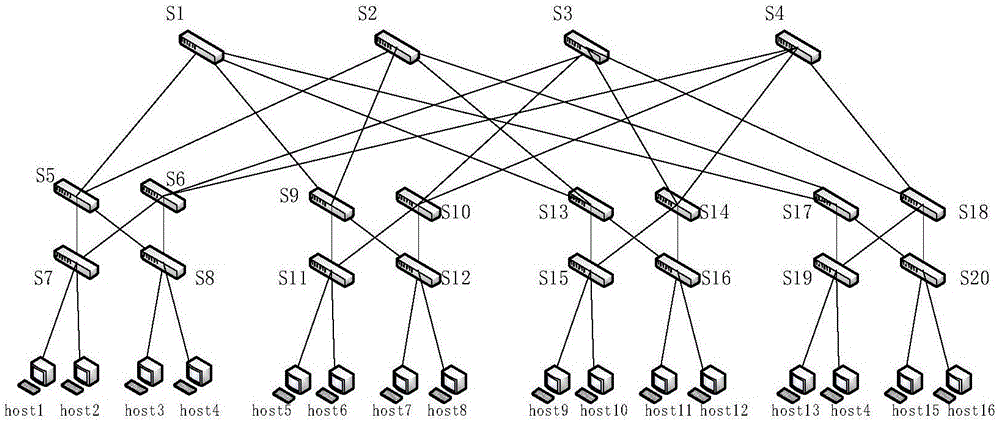
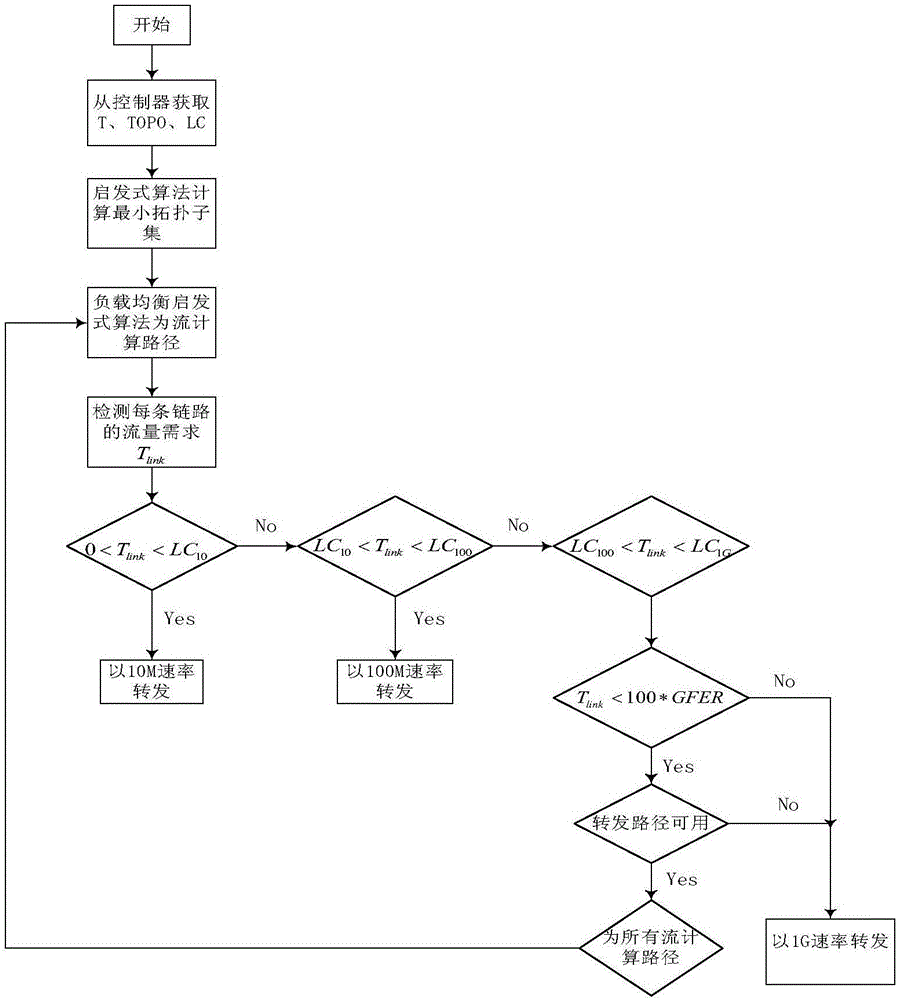
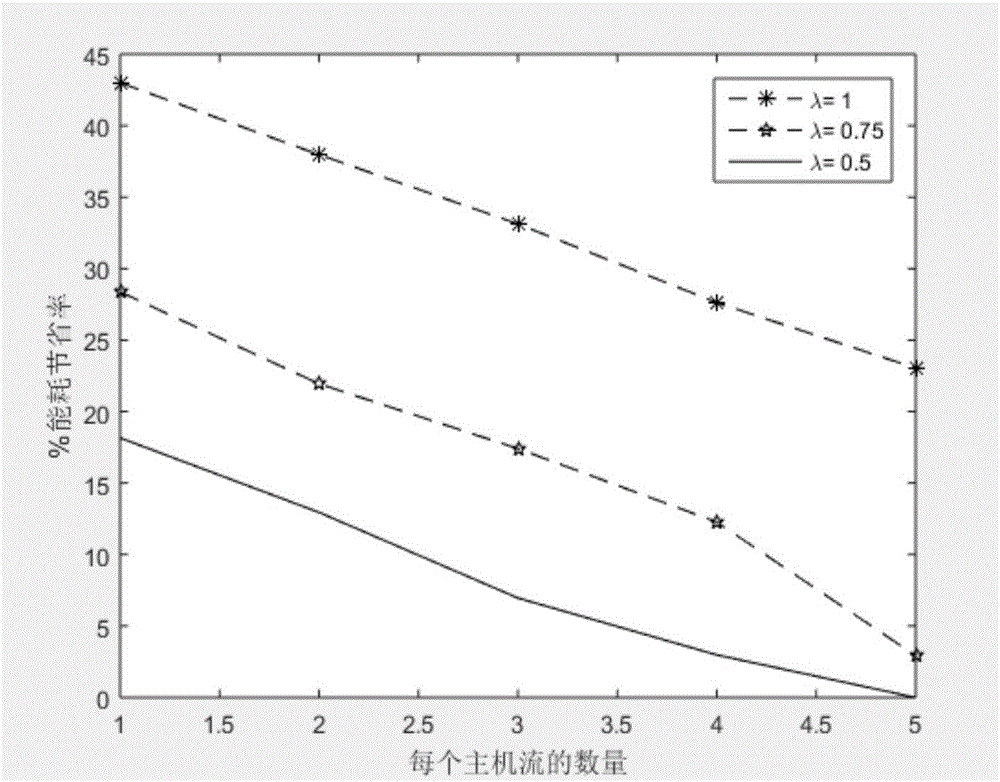
- Based on the SDN architecture, the minimum energy consumption topology subset is calculated through the energy consumption optimization model, and a load balancing mechanism is introduced in the path allocation process. Based on the device power consumption characteristics, the link status and flow path are adjusted to achieve balanced traffic distribution and device power consumption. Zoom.

Development of an energy efficient data centre network architecture for cloud applications
PatentInactiveIN202141031060A
Innovation
- The proposed solutions include the Genetic-Secured Routing Protocol (G-SRP), Elastic Multi-Controller (E3MC) based BCube Connected Crossbars (BCCC) Model, Intelligent Flow Forecast Technique for Distributed Centre Networks (IFF-DCN), and Virtual Machine Dynamic Migration Technology (VMDMS), which optimize routing, resource allocation, and energy usage to enhance performance and efficiency.


Environmental Regulations for Data Center Operations
The regulatory landscape governing data center operations has evolved significantly in response to growing environmental concerns and energy consumption patterns. Modern data centers consume approximately 1-3% of global electricity, making them subject to increasingly stringent environmental regulations across multiple jurisdictions. These regulations encompass energy efficiency standards, carbon emission limits, water usage restrictions, and waste management requirements that directly impact the implementation of energy-efficient routing protocols.
Energy efficiency mandates form the cornerstone of data center environmental regulations. The European Union's Energy Efficiency Directive requires large data centers to report energy consumption and implement energy management systems. Similarly, California's Title 24 Building Energy Efficiency Standards mandate specific power usage effectiveness (PUE) targets for new data center facilities. These regulations create compliance frameworks that influence routing protocol design decisions, as operators must demonstrate measurable energy savings through network optimization strategies.
Carbon footprint regulations are becoming increasingly prevalent across major markets. The EU's Corporate Sustainability Reporting Directive requires companies to disclose Scope 1, 2, and 3 emissions, including those generated by data center operations. Several jurisdictions have implemented carbon pricing mechanisms that directly impact operational costs, creating economic incentives for deploying energy-efficient routing protocols that minimize network traffic and reduce computational overhead.
Water usage regulations present additional compliance challenges, particularly in water-stressed regions. Data centers in Singapore must comply with the Public Utilities Board's water efficiency requirements, while facilities in drought-prone areas of the United States face seasonal usage restrictions. These constraints affect cooling system design and indirectly influence network architecture decisions, as routing protocols must account for thermal management considerations when optimizing traffic flows.
Emerging regulations focus on circular economy principles and electronic waste management. The EU's Waste Electrical and Electronic Equipment Directive mandates responsible disposal and recycling of network equipment, encouraging longer equipment lifecycles through software-based optimizations rather than hardware replacements. This regulatory trend supports the adoption of adaptive routing protocols that extend equipment operational life through intelligent traffic management and load balancing strategies.
Energy efficiency mandates form the cornerstone of data center environmental regulations. The European Union's Energy Efficiency Directive requires large data centers to report energy consumption and implement energy management systems. Similarly, California's Title 24 Building Energy Efficiency Standards mandate specific power usage effectiveness (PUE) targets for new data center facilities. These regulations create compliance frameworks that influence routing protocol design decisions, as operators must demonstrate measurable energy savings through network optimization strategies.
Carbon footprint regulations are becoming increasingly prevalent across major markets. The EU's Corporate Sustainability Reporting Directive requires companies to disclose Scope 1, 2, and 3 emissions, including those generated by data center operations. Several jurisdictions have implemented carbon pricing mechanisms that directly impact operational costs, creating economic incentives for deploying energy-efficient routing protocols that minimize network traffic and reduce computational overhead.
Water usage regulations present additional compliance challenges, particularly in water-stressed regions. Data centers in Singapore must comply with the Public Utilities Board's water efficiency requirements, while facilities in drought-prone areas of the United States face seasonal usage restrictions. These constraints affect cooling system design and indirectly influence network architecture decisions, as routing protocols must account for thermal management considerations when optimizing traffic flows.
Emerging regulations focus on circular economy principles and electronic waste management. The EU's Waste Electrical and Electronic Equipment Directive mandates responsible disposal and recycling of network equipment, encouraging longer equipment lifecycles through software-based optimizations rather than hardware replacements. This regulatory trend supports the adoption of adaptive routing protocols that extend equipment operational life through intelligent traffic management and load balancing strategies.
Power Management Standards for Network Equipment
Power management standards for network equipment have evolved significantly to address the growing energy consumption challenges in data center environments. The Institute of Electrical and Electronics Engineers (IEEE) has established several foundational standards, with IEEE 802.3az Energy Efficient Ethernet (EEE) being the most prominent. This standard enables network interfaces to enter low-power idle states during periods of reduced traffic, achieving substantial energy savings without compromising performance.
The International Telecommunication Union (ITU-T) has contributed through standards such as ITU-T L.1310, which provides comprehensive guidelines for energy efficiency metrics and measurement methodologies for telecommunication equipment. These standards establish baseline requirements for power consumption reporting and energy-efficient operation modes across various network device categories.
Industry consortiums have developed complementary standards to address specific data center networking needs. The Open Compute Project (OCP) has introduced power management specifications for disaggregated network switches, focusing on modular designs that optimize power distribution and thermal management. These specifications emphasize dynamic power scaling capabilities that align with varying workload demands.
The Energy Star program has extended its certification framework to include network equipment, establishing performance criteria that manufacturers must meet to demonstrate energy efficiency. This program has driven widespread adoption of power management features across enterprise networking products, creating market incentives for energy-conscious design practices.
Recent developments include the emergence of Software-Defined Networking (SDN) power management standards, which enable centralized control of power states across network fabrics. The Open Network Foundation has proposed extensions to OpenFlow protocols that support fine-grained power management operations, allowing controllers to optimize energy consumption based on real-time traffic patterns and application requirements.
Compliance with these standards has become increasingly critical as organizations face mounting pressure to reduce operational costs and meet sustainability objectives. The convergence of multiple standards creates a comprehensive framework that guides the development of energy-efficient routing protocols and network architectures in modern data center environments.
The International Telecommunication Union (ITU-T) has contributed through standards such as ITU-T L.1310, which provides comprehensive guidelines for energy efficiency metrics and measurement methodologies for telecommunication equipment. These standards establish baseline requirements for power consumption reporting and energy-efficient operation modes across various network device categories.
Industry consortiums have developed complementary standards to address specific data center networking needs. The Open Compute Project (OCP) has introduced power management specifications for disaggregated network switches, focusing on modular designs that optimize power distribution and thermal management. These specifications emphasize dynamic power scaling capabilities that align with varying workload demands.
The Energy Star program has extended its certification framework to include network equipment, establishing performance criteria that manufacturers must meet to demonstrate energy efficiency. This program has driven widespread adoption of power management features across enterprise networking products, creating market incentives for energy-conscious design practices.
Recent developments include the emergence of Software-Defined Networking (SDN) power management standards, which enable centralized control of power states across network fabrics. The Open Network Foundation has proposed extensions to OpenFlow protocols that support fine-grained power management operations, allowing controllers to optimize energy consumption based on real-time traffic patterns and application requirements.
Compliance with these standards has become increasingly critical as organizations face mounting pressure to reduce operational costs and meet sustainability objectives. The convergence of multiple standards creates a comprehensive framework that guides the development of energy-efficient routing protocols and network architectures in modern data center environments.
Unlock deeper insights with PatSnap Eureka Quick Research — get a full tech report to explore trends and direct your research. Try now!
Generate Your Research Report Instantly with AI Agent
Supercharge your innovation with PatSnap Eureka AI Agent Platform!