
Enhance Ion Selective Electrode Fabrication Processes for Consistent Output
MAR 8, 20269 MIN READ
Generate Your Research Report Instantly with AI Agent
Patsnap Eureka helps you evaluate technical feasibility & market potential.
Ion Selective Electrode Development Background and Objectives
Ion selective electrodes have emerged as critical analytical instruments since their conceptual introduction in the early 20th century, with the glass pH electrode serving as the foundational prototype. The evolution from simple glass membrane electrodes to sophisticated solid-state and polymer membrane variants has been driven by the increasing demand for precise, real-time chemical analysis across diverse applications. This technological progression has established ISEs as indispensable tools in environmental monitoring, clinical diagnostics, industrial process control, and food safety assessment.
The fundamental challenge in ISE technology lies in achieving consistent fabrication processes that ensure reproducible electrode performance. Traditional manufacturing approaches often suffer from batch-to-batch variations, leading to inconsistent sensitivity, selectivity coefficients, and operational lifespans. These inconsistencies stem from multiple factors including membrane composition variability, electrode geometry deviations, and inadequate quality control protocols during the manufacturing process.
Current market demands necessitate ISE systems that deliver reliable performance across extended operational periods while maintaining cost-effectiveness. The pharmaceutical industry requires electrodes capable of detecting trace-level ionic species with minimal drift, while environmental applications demand robust sensors that function reliably under harsh field conditions. Industrial process monitoring applications further emphasize the need for electrodes with predictable response characteristics and minimal maintenance requirements.
The primary objective of enhancing ISE fabrication processes centers on establishing standardized manufacturing protocols that minimize performance variations. This involves developing precise control mechanisms for membrane preparation, optimizing electrode assembly procedures, and implementing comprehensive quality assurance frameworks. Advanced material characterization techniques and automated manufacturing systems represent key enablers for achieving these consistency goals.
Secondary objectives include extending electrode operational lifespans through improved material selection and surface treatment methodologies. The integration of nanotechnology approaches offers promising pathways for enhancing membrane stability and reducing interference effects. Additionally, the development of rapid testing protocols for quality verification during manufacturing can significantly improve production efficiency while ensuring consistent output specifications.
The strategic importance of consistent ISE fabrication extends beyond immediate performance improvements to encompass broader market competitiveness and regulatory compliance. Standardized manufacturing processes enable predictable product lifecycles, reduced warranty costs, and enhanced customer confidence. Furthermore, consistent electrode performance facilitates the development of automated analytical systems that rely on predictable sensor characteristics for accurate measurements.
The fundamental challenge in ISE technology lies in achieving consistent fabrication processes that ensure reproducible electrode performance. Traditional manufacturing approaches often suffer from batch-to-batch variations, leading to inconsistent sensitivity, selectivity coefficients, and operational lifespans. These inconsistencies stem from multiple factors including membrane composition variability, electrode geometry deviations, and inadequate quality control protocols during the manufacturing process.
Current market demands necessitate ISE systems that deliver reliable performance across extended operational periods while maintaining cost-effectiveness. The pharmaceutical industry requires electrodes capable of detecting trace-level ionic species with minimal drift, while environmental applications demand robust sensors that function reliably under harsh field conditions. Industrial process monitoring applications further emphasize the need for electrodes with predictable response characteristics and minimal maintenance requirements.
The primary objective of enhancing ISE fabrication processes centers on establishing standardized manufacturing protocols that minimize performance variations. This involves developing precise control mechanisms for membrane preparation, optimizing electrode assembly procedures, and implementing comprehensive quality assurance frameworks. Advanced material characterization techniques and automated manufacturing systems represent key enablers for achieving these consistency goals.
Secondary objectives include extending electrode operational lifespans through improved material selection and surface treatment methodologies. The integration of nanotechnology approaches offers promising pathways for enhancing membrane stability and reducing interference effects. Additionally, the development of rapid testing protocols for quality verification during manufacturing can significantly improve production efficiency while ensuring consistent output specifications.
The strategic importance of consistent ISE fabrication extends beyond immediate performance improvements to encompass broader market competitiveness and regulatory compliance. Standardized manufacturing processes enable predictable product lifecycles, reduced warranty costs, and enhanced customer confidence. Furthermore, consistent electrode performance facilitates the development of automated analytical systems that rely on predictable sensor characteristics for accurate measurements.
Market Demand for Reliable ISE Applications
The global market for ion selective electrodes demonstrates robust growth driven by expanding applications across multiple industrial sectors. Healthcare diagnostics represents the largest market segment, where ISEs enable critical blood gas analysis, electrolyte monitoring, and point-of-care testing. The increasing prevalence of chronic diseases and aging populations worldwide intensifies demand for reliable, rapid diagnostic tools that can deliver consistent results across diverse clinical environments.
Environmental monitoring applications constitute another significant market driver, as regulatory frameworks become increasingly stringent regarding water quality assessment and pollution control. Municipal water treatment facilities, industrial discharge monitoring, and environmental research institutions require ISEs capable of delivering reproducible measurements over extended operational periods. The growing emphasis on environmental sustainability and compliance monitoring creates sustained demand for dependable electrode technologies.
Industrial process control applications span diverse sectors including pharmaceuticals, food and beverage production, chemical manufacturing, and semiconductor fabrication. These industries demand ISEs that maintain calibration stability and measurement accuracy throughout continuous operation cycles. Process optimization and quality assurance requirements drive the need for electrodes with minimal drift characteristics and extended operational lifespans.
The agricultural sector presents emerging opportunities as precision farming techniques gain adoption. Soil nutrient monitoring, irrigation management, and crop optimization applications require portable ISE systems capable of field deployment while maintaining laboratory-grade accuracy. This market segment particularly values electrode consistency across varying environmental conditions and extended storage periods.
Research and academic institutions represent a specialized but significant market segment requiring high-precision ISEs for fundamental research applications. These users demand electrodes with exceptional reproducibility and long-term stability for comparative studies and method development work.
Market growth faces constraints from performance inconsistencies in current ISE fabrication processes. End users across all segments report challenges with electrode-to-electrode variability, drift over time, and premature failure rates. These reliability issues limit market expansion and create opportunities for manufacturers who can deliver enhanced fabrication consistency.
The increasing integration of ISEs into automated analytical systems amplifies the importance of consistent performance characteristics. System integrators and equipment manufacturers seek electrode suppliers capable of delivering products with predictable response characteristics and minimal unit-to-unit variation to ensure reliable automated operation.
Environmental monitoring applications constitute another significant market driver, as regulatory frameworks become increasingly stringent regarding water quality assessment and pollution control. Municipal water treatment facilities, industrial discharge monitoring, and environmental research institutions require ISEs capable of delivering reproducible measurements over extended operational periods. The growing emphasis on environmental sustainability and compliance monitoring creates sustained demand for dependable electrode technologies.
Industrial process control applications span diverse sectors including pharmaceuticals, food and beverage production, chemical manufacturing, and semiconductor fabrication. These industries demand ISEs that maintain calibration stability and measurement accuracy throughout continuous operation cycles. Process optimization and quality assurance requirements drive the need for electrodes with minimal drift characteristics and extended operational lifespans.
The agricultural sector presents emerging opportunities as precision farming techniques gain adoption. Soil nutrient monitoring, irrigation management, and crop optimization applications require portable ISE systems capable of field deployment while maintaining laboratory-grade accuracy. This market segment particularly values electrode consistency across varying environmental conditions and extended storage periods.
Research and academic institutions represent a specialized but significant market segment requiring high-precision ISEs for fundamental research applications. These users demand electrodes with exceptional reproducibility and long-term stability for comparative studies and method development work.
Market growth faces constraints from performance inconsistencies in current ISE fabrication processes. End users across all segments report challenges with electrode-to-electrode variability, drift over time, and premature failure rates. These reliability issues limit market expansion and create opportunities for manufacturers who can deliver enhanced fabrication consistency.
The increasing integration of ISEs into automated analytical systems amplifies the importance of consistent performance characteristics. System integrators and equipment manufacturers seek electrode suppliers capable of delivering products with predictable response characteristics and minimal unit-to-unit variation to ensure reliable automated operation.
Current ISE Fabrication Challenges and Inconsistencies
Ion selective electrode fabrication faces significant challenges in achieving consistent output performance, primarily stemming from the inherent variability in manufacturing processes and material properties. The most critical issue lies in the preparation and application of ion-selective membranes, where variations in polymer composition, plasticizer distribution, and ionophore concentration can lead to substantial differences in electrode sensitivity and selectivity. These inconsistencies are often exacerbated by environmental factors during membrane casting, including temperature fluctuations, humidity variations, and solvent evaporation rates that affect membrane morphology and ion transport characteristics.
The internal reference electrode system presents another major source of fabrication inconsistencies. Variations in the internal filling solution composition, particularly chloride ion concentration and pH stability, directly impact the electrode's potential stability and drift characteristics. Manufacturing tolerances in the internal wire coating and junction design further contribute to performance variability, as these components critically influence the electrode's electrical properties and long-term stability.
Quality control challenges emerge from the lack of standardized testing protocols during the fabrication process. Current manufacturing approaches often rely on end-point testing rather than in-process monitoring, making it difficult to identify and correct deviations early in the production cycle. This reactive approach results in higher rejection rates and increased production costs, while failing to address root causes of performance variations.
Material sourcing and preparation inconsistencies represent fundamental challenges in ISE fabrication. Variations in raw material purity, particularly in ionophore synthesis and polymer preparation, can significantly impact electrode performance. The batch-to-batch variability in key components such as plasticizers and membrane additives creates cascading effects throughout the manufacturing process, leading to unpredictable electrode characteristics.
Process parameter control remains inadequate in many fabrication facilities, with insufficient monitoring of critical variables such as membrane thickness, curing conditions, and assembly tolerances. The lack of real-time feedback systems prevents immediate correction of process deviations, allowing defective products to progress through multiple manufacturing stages before detection. These systemic issues highlight the urgent need for enhanced process control methodologies and standardized quality assurance protocols to achieve consistent ISE output performance.
The internal reference electrode system presents another major source of fabrication inconsistencies. Variations in the internal filling solution composition, particularly chloride ion concentration and pH stability, directly impact the electrode's potential stability and drift characteristics. Manufacturing tolerances in the internal wire coating and junction design further contribute to performance variability, as these components critically influence the electrode's electrical properties and long-term stability.
Quality control challenges emerge from the lack of standardized testing protocols during the fabrication process. Current manufacturing approaches often rely on end-point testing rather than in-process monitoring, making it difficult to identify and correct deviations early in the production cycle. This reactive approach results in higher rejection rates and increased production costs, while failing to address root causes of performance variations.
Material sourcing and preparation inconsistencies represent fundamental challenges in ISE fabrication. Variations in raw material purity, particularly in ionophore synthesis and polymer preparation, can significantly impact electrode performance. The batch-to-batch variability in key components such as plasticizers and membrane additives creates cascading effects throughout the manufacturing process, leading to unpredictable electrode characteristics.
Process parameter control remains inadequate in many fabrication facilities, with insufficient monitoring of critical variables such as membrane thickness, curing conditions, and assembly tolerances. The lack of real-time feedback systems prevents immediate correction of process deviations, allowing defective products to progress through multiple manufacturing stages before detection. These systemic issues highlight the urgent need for enhanced process control methodologies and standardized quality assurance protocols to achieve consistent ISE output performance.
Current ISE Fabrication Process Solutions
01 Reference electrode stabilization and design
Ion selective electrodes require stable reference electrodes to maintain consistent output. This involves the use of specific reference electrode designs, including liquid junction systems, salt bridges, and stable reference materials that minimize potential drift. Proper reference electrode construction ensures long-term stability and reduces interference from sample matrix effects.- Electrode membrane composition and structure optimization: Achieving consistent output in ion selective electrodes can be accomplished through careful selection and optimization of the membrane composition. This includes using specific polymeric materials, plasticizers, and ionophores that provide stable ion selectivity and minimize drift over time. The membrane structure can be engineered to maintain consistent ion transport properties and reduce interference from other ions, ensuring reliable and reproducible measurements across different samples and environmental conditions.
- Reference electrode stabilization techniques: Maintaining consistent output requires stable reference electrode performance. This can be achieved through the use of specialized reference electrode designs that minimize junction potential variations and electrolyte leakage. Techniques include employing double junction systems, gel-based electrolytes, or solid-state reference electrodes that provide long-term stability and reduce maintenance requirements. These approaches help ensure that the reference potential remains constant throughout measurements.
- Temperature compensation and calibration methods: Consistent electrode output across varying temperatures can be maintained through integrated temperature compensation systems. These systems monitor the temperature of the sample and automatically adjust the electrode response according to predetermined calibration curves. Advanced calibration protocols involving multi-point standardization and periodic recalibration help maintain accuracy and consistency over extended periods of use.
- Signal conditioning and electronic circuitry design: Electronic components and signal processing circuits play a crucial role in ensuring consistent output from ion selective electrodes. High-impedance input amplifiers, noise filtering circuits, and analog-to-digital conversion systems can be optimized to minimize signal drift and electronic interference. Proper shielding and grounding techniques further enhance signal stability and reduce environmental noise effects on the measurement output.
- Electrode conditioning and maintenance protocols: Consistent electrode performance can be maintained through proper conditioning procedures and regular maintenance protocols. This includes pre-use soaking in appropriate solutions, periodic cleaning to remove contaminants or protein buildup, and proper storage conditions between measurements. Implementing automated conditioning cycles and monitoring electrode response characteristics helps identify when electrodes require maintenance or replacement, ensuring continued reliable output.
02 Internal filling solution optimization
The composition and concentration of internal filling solutions significantly affect electrode response consistency. Optimized filling solutions maintain stable ionic strength and prevent contamination of the ion-selective membrane. Proper formulation of these solutions ensures minimal drift and consistent potential readings over extended periods.Expand Specific Solutions03 Membrane composition and conditioning
The ion-selective membrane material and its conditioning process are critical for consistent output. This includes selection of appropriate ionophores, plasticizers, and polymer matrices that provide stable selectivity and response. Proper membrane conditioning protocols and storage methods help maintain electrode performance and reduce signal variability.Expand Specific Solutions04 Temperature compensation and calibration methods
Consistent electrode output requires effective temperature compensation systems and robust calibration procedures. This involves implementing temperature sensors, correction algorithms, and multi-point calibration protocols that account for temperature-dependent potential changes. Regular calibration with standard solutions at controlled temperatures ensures measurement accuracy and reproducibility.Expand Specific Solutions05 Signal processing and drift correction
Advanced signal processing techniques and drift correction algorithms improve output consistency. This includes electronic filtering, baseline correction, and automated drift compensation methods that account for aging effects and environmental variations. Digital signal processing and microprocessor-based systems enable real-time correction and enhanced measurement stability.Expand Specific Solutions
Key Players in ISE Manufacturing Industry
The ion selective electrode fabrication industry is experiencing a transitional phase from research-driven development to commercial maturity, with the market expanding due to growing demand for precise analytical instrumentation across healthcare, environmental monitoring, and industrial applications. The competitive landscape demonstrates moderate technological maturity, characterized by established semiconductor equipment manufacturers like Applied Materials, Tokyo Electron, and Hitachi leveraging their precision fabrication expertise alongside specialized sensor companies such as Unisense. Academic institutions including Zhejiang University, Xi'an Jiaotong University, and University of Michigan contribute fundamental research, while industrial giants like Siemens, FUJIFILM, and AGC provide materials science capabilities. The convergence of traditional electronics manufacturing with emerging biotechnology applications, evidenced by companies like Kalium Health and research organizations like A*STAR, indicates a maturing ecosystem where consistent electrode output quality becomes increasingly critical for commercial viability and regulatory compliance across diverse analytical applications.
Siemens AG
Technical Solution: Siemens has developed advanced process automation and control systems specifically for ion selective electrode manufacturing. Their solution integrates precision deposition techniques with real-time monitoring capabilities to ensure consistent membrane thickness and composition. The system employs automated quality control protocols that monitor critical parameters such as temperature, humidity, and chemical concentrations during fabrication. Their digital twin technology enables predictive maintenance and process optimization, reducing variability in electrode performance by up to 40%. The platform includes advanced data analytics for continuous process improvement and batch-to-batch consistency tracking.
Strengths: Comprehensive automation solutions, strong industrial IoT integration, proven track record in process control. Weaknesses: High initial investment costs, complex system integration requirements.
Applied Materials, Inc.
Technical Solution: Applied Materials offers specialized thin-film deposition and etching equipment for ion selective electrode fabrication. Their Endura platform provides precise control over membrane layer thickness and uniformity through advanced physical vapor deposition (PVD) and chemical vapor deposition (CVD) processes. The system features in-situ monitoring capabilities that track film properties in real-time, enabling immediate process adjustments. Their proprietary chamber design ensures contamination-free processing environments, critical for maintaining electrode selectivity. The equipment includes automated wafer handling systems and advanced process recipes optimized for various ion-selective materials, achieving thickness uniformity within ±2% across wafer surfaces.
Strengths: Industry-leading deposition technology, excellent process control capabilities, strong R&D support. Weaknesses: Equipment requires specialized maintenance, high operational complexity.
Core Innovations in ISE Manufacturing Consistency
Ion selective monoelectrode complex
PatentInactiveEP1199559A3
Innovation
- The development of ion selective monoelectrode complexes, comprising a silver metal layer, silver halide layer, electrolytic material layer, and ion selective membrane, aligned without electric contact, and manufactured using a process involving scratches, halogenation, and peeling of polymer material layers to create multiple electrodes on a single non-electroconductive support sheet, allowing for parallel arrangement and low-cost mass production.


Ion-selective solid-state polymeric membrane electrondes
PatentInactiveUS20050006237A1
Innovation
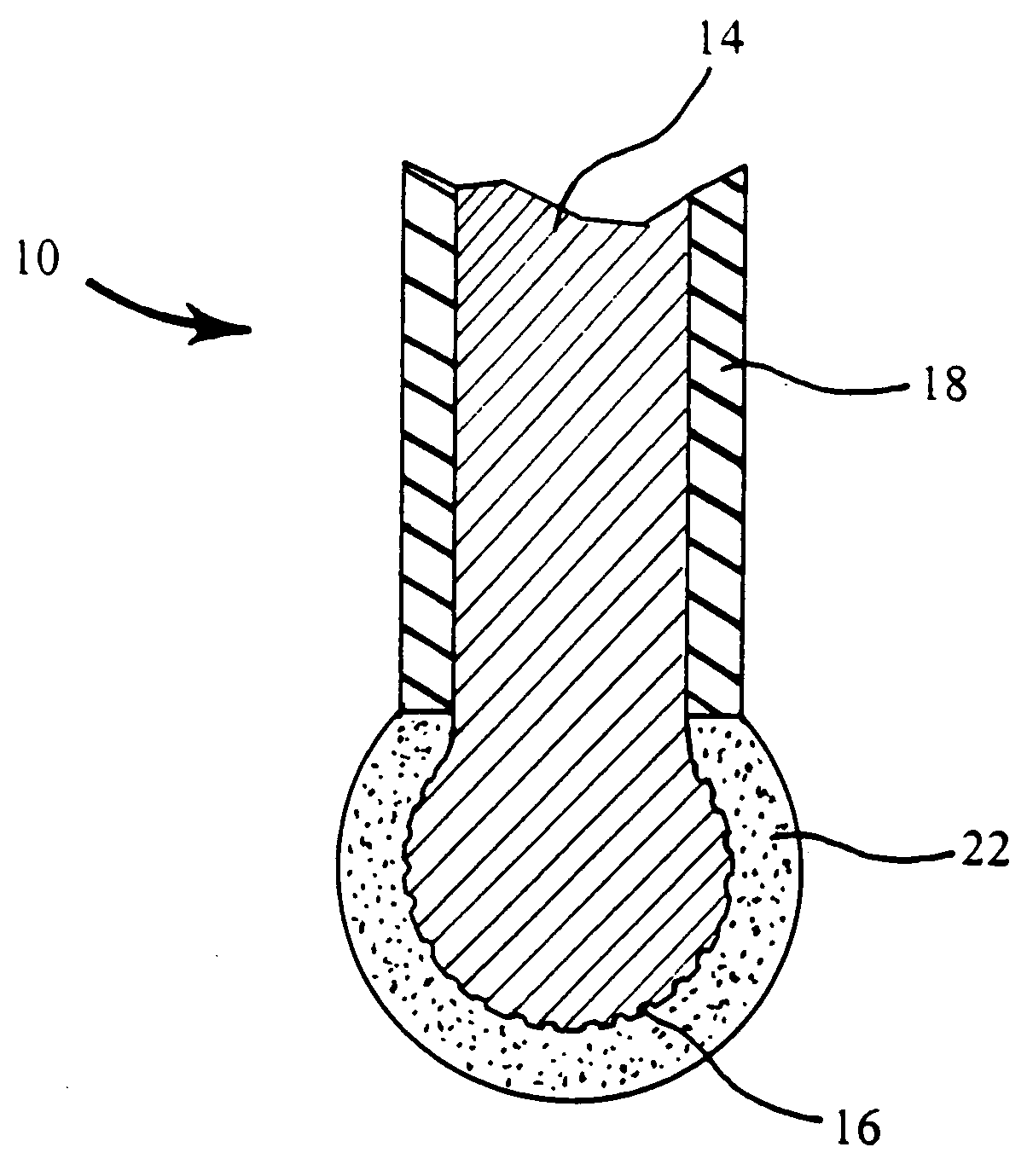
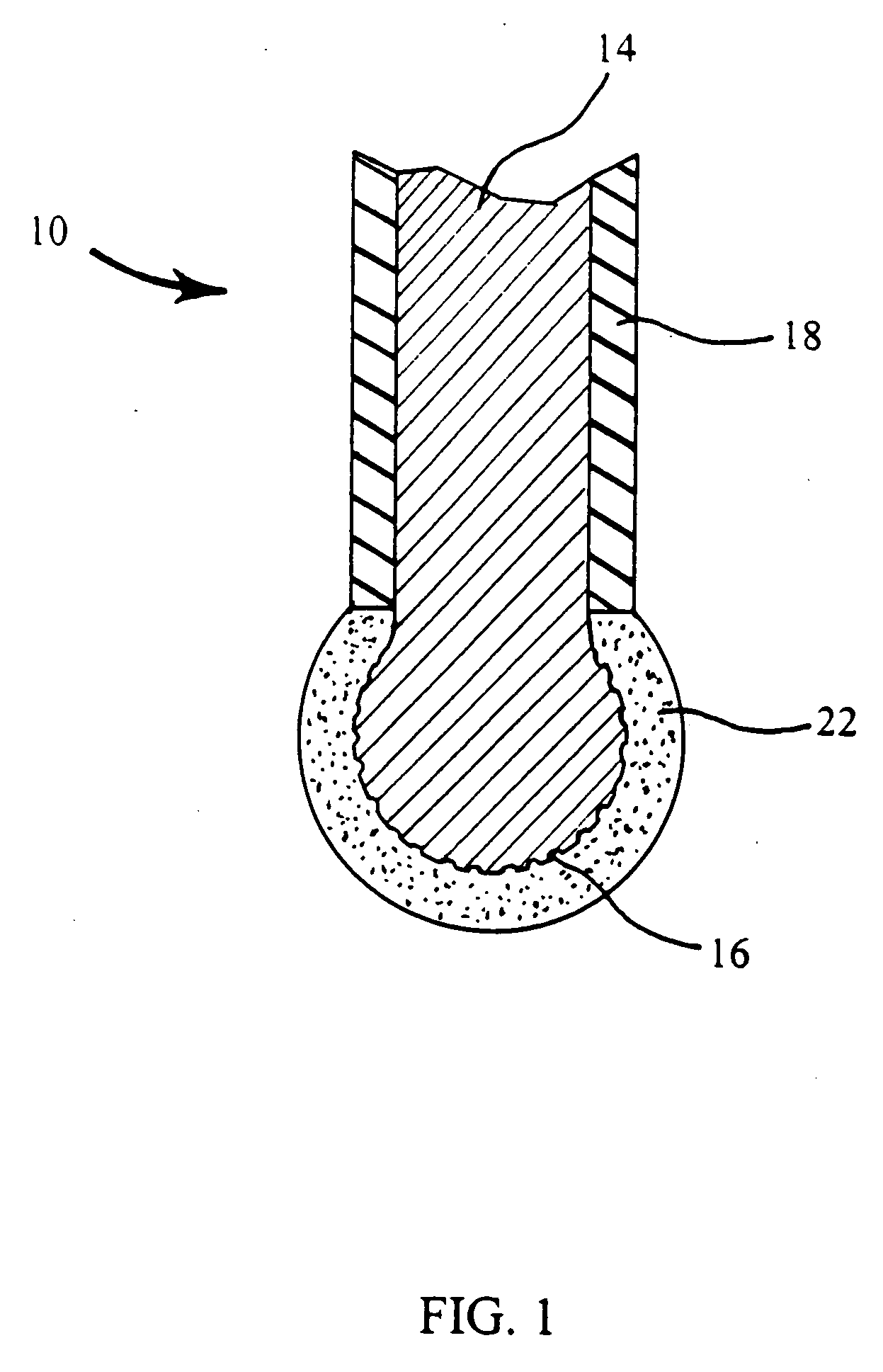
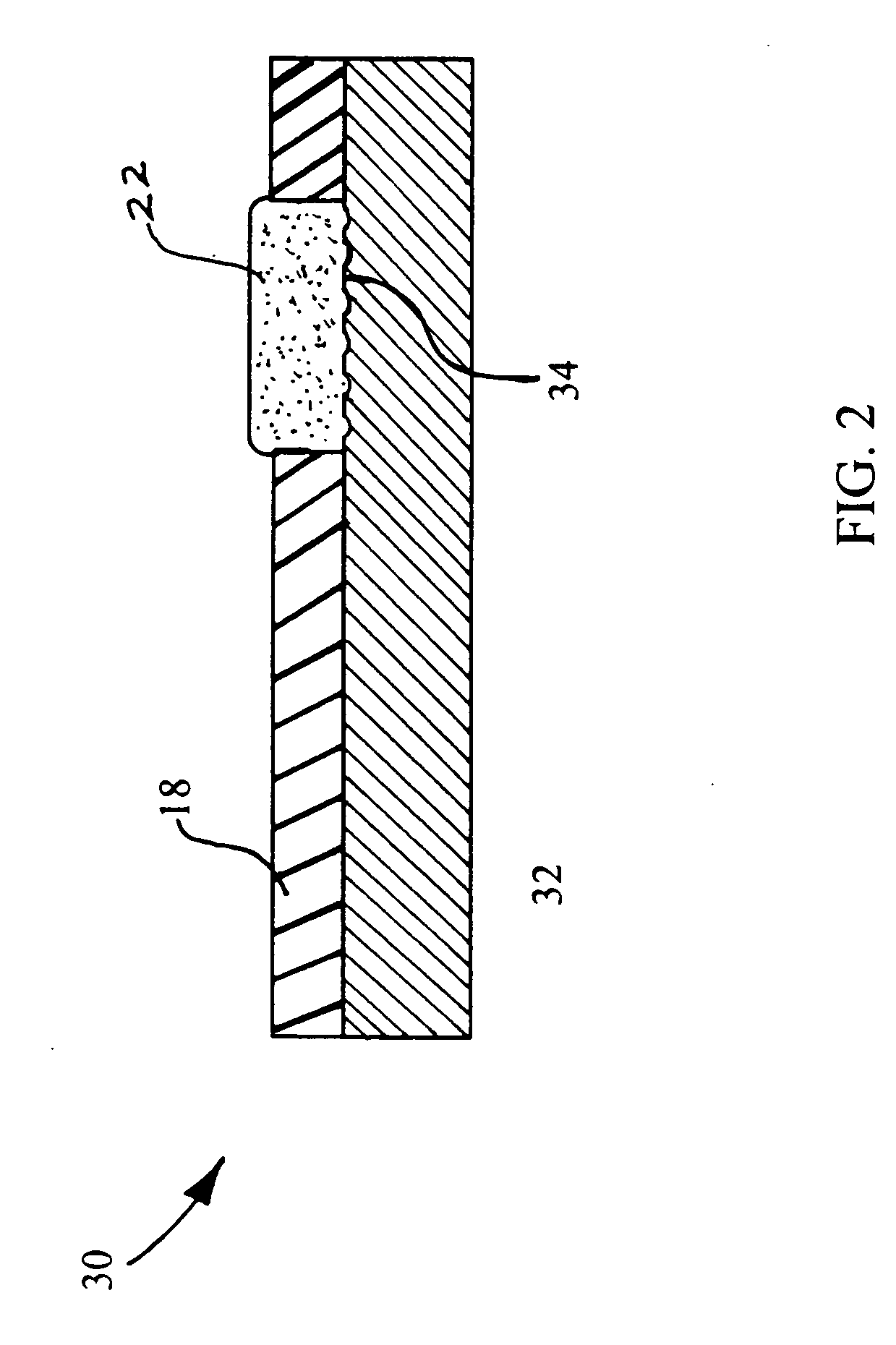
- The design involves an ion-selective polymeric membrane in direct contact with a texturized surface of an electrically conducting member, eliminating the need for additional redox species and enhancing membrane adhesion, thereby achieving stable and reproducible EMF values.
Quality Control Standards for ISE Manufacturing
Quality control standards for ion selective electrode manufacturing represent a critical framework ensuring reproducible performance and reliability across production batches. These standards encompass comprehensive testing protocols, material specifications, and process validation requirements that directly impact electrode consistency and analytical accuracy.
Manufacturing quality control begins with raw material verification, where ion-selective membranes, reference electrodes, and housing components undergo rigorous inspection. Membrane materials must demonstrate consistent ion selectivity coefficients, electrical resistance within specified ranges, and uniform thickness distribution. Reference electrode components require stability testing under various temperature and humidity conditions to ensure long-term performance reliability.
Process control parameters establish critical limits for each fabrication step, including membrane casting thickness tolerances, curing temperature profiles, and assembly torque specifications. Statistical process control methods monitor key variables such as electrode response time, detection limits, and slope characteristics across production runs. Control charts track performance metrics to identify process drift before it affects product quality.
Calibration and testing protocols mandate multi-point calibration procedures using certified reference standards across the electrode's operational range. Response linearity, detection limits, and selectivity coefficients must meet predetermined acceptance criteria. Environmental stress testing evaluates electrode performance under accelerated aging conditions, temperature cycling, and chemical exposure scenarios.
Documentation requirements include batch records, calibration certificates, and traceability matrices linking raw materials to finished products. Quality management systems incorporate corrective and preventive action procedures to address non-conformances and implement continuous improvement initiatives.
Validation studies demonstrate process capability through statistical analysis of electrode performance data, establishing confidence intervals for key specifications. Regular audits verify adherence to established procedures and identify opportunities for process optimization while maintaining quality standards.
Manufacturing quality control begins with raw material verification, where ion-selective membranes, reference electrodes, and housing components undergo rigorous inspection. Membrane materials must demonstrate consistent ion selectivity coefficients, electrical resistance within specified ranges, and uniform thickness distribution. Reference electrode components require stability testing under various temperature and humidity conditions to ensure long-term performance reliability.
Process control parameters establish critical limits for each fabrication step, including membrane casting thickness tolerances, curing temperature profiles, and assembly torque specifications. Statistical process control methods monitor key variables such as electrode response time, detection limits, and slope characteristics across production runs. Control charts track performance metrics to identify process drift before it affects product quality.
Calibration and testing protocols mandate multi-point calibration procedures using certified reference standards across the electrode's operational range. Response linearity, detection limits, and selectivity coefficients must meet predetermined acceptance criteria. Environmental stress testing evaluates electrode performance under accelerated aging conditions, temperature cycling, and chemical exposure scenarios.
Documentation requirements include batch records, calibration certificates, and traceability matrices linking raw materials to finished products. Quality management systems incorporate corrective and preventive action procedures to address non-conformances and implement continuous improvement initiatives.
Validation studies demonstrate process capability through statistical analysis of electrode performance data, establishing confidence intervals for key specifications. Regular audits verify adherence to established procedures and identify opportunities for process optimization while maintaining quality standards.
Environmental Impact of ISE Production Processes
The environmental implications of ion selective electrode manufacturing processes have become increasingly significant as production volumes scale to meet growing analytical instrumentation demands. Traditional ISE fabrication methods often involve the use of hazardous chemicals, energy-intensive processes, and materials that pose disposal challenges, necessitating a comprehensive evaluation of their ecological footprint.
Membrane preparation represents one of the most environmentally critical stages in ISE production. Conventional polymer-based membranes frequently utilize polyvinyl chloride (PVC) as the matrix material, combined with plasticizers such as dioctyl phthalate and various organic solvents including tetrahydrofuran and cyclohexanone. These volatile organic compounds contribute to air pollution and require specialized ventilation systems, while their disposal generates hazardous waste streams that demand careful treatment protocols.
The electrode body manufacturing process introduces additional environmental concerns through the use of epoxy resins, silver-based reference materials, and various cleaning solvents. Silver chloride preparation, essential for reference electrode functionality, involves chemical precipitation processes that generate silver-containing wastewater requiring specialized treatment to prevent heavy metal contamination of water systems.
Energy consumption patterns in ISE fabrication facilities reveal significant environmental impacts, particularly during membrane curing processes that require controlled temperature and humidity conditions over extended periods. Cleanroom environments necessary for consistent electrode performance demand continuous air filtration and climate control, contributing substantially to the overall carbon footprint of manufacturing operations.
Waste stream management presents complex challenges, as ISE production generates multiple categories of hazardous materials including spent solvents, contaminated substrates, and defective electrodes containing precious metals. Current industry practices often rely on third-party hazardous waste disposal services, creating additional transportation-related emissions and long-term environmental liabilities.
Recent regulatory developments have intensified focus on sustainable manufacturing practices, with emerging restrictions on certain plasticizers and solvents traditionally used in ISE production. These regulatory pressures are driving innovation toward greener alternatives, including bio-based polymers, water-based processing methods, and closed-loop solvent recovery systems that minimize environmental impact while maintaining product quality standards.
Membrane preparation represents one of the most environmentally critical stages in ISE production. Conventional polymer-based membranes frequently utilize polyvinyl chloride (PVC) as the matrix material, combined with plasticizers such as dioctyl phthalate and various organic solvents including tetrahydrofuran and cyclohexanone. These volatile organic compounds contribute to air pollution and require specialized ventilation systems, while their disposal generates hazardous waste streams that demand careful treatment protocols.
The electrode body manufacturing process introduces additional environmental concerns through the use of epoxy resins, silver-based reference materials, and various cleaning solvents. Silver chloride preparation, essential for reference electrode functionality, involves chemical precipitation processes that generate silver-containing wastewater requiring specialized treatment to prevent heavy metal contamination of water systems.
Energy consumption patterns in ISE fabrication facilities reveal significant environmental impacts, particularly during membrane curing processes that require controlled temperature and humidity conditions over extended periods. Cleanroom environments necessary for consistent electrode performance demand continuous air filtration and climate control, contributing substantially to the overall carbon footprint of manufacturing operations.
Waste stream management presents complex challenges, as ISE production generates multiple categories of hazardous materials including spent solvents, contaminated substrates, and defective electrodes containing precious metals. Current industry practices often rely on third-party hazardous waste disposal services, creating additional transportation-related emissions and long-term environmental liabilities.
Recent regulatory developments have intensified focus on sustainable manufacturing practices, with emerging restrictions on certain plasticizers and solvents traditionally used in ISE production. These regulatory pressures are driving innovation toward greener alternatives, including bio-based polymers, water-based processing methods, and closed-loop solvent recovery systems that minimize environmental impact while maintaining product quality standards.
Unlock deeper insights with Patsnap Eureka Quick Research — get a full tech report to explore trends and direct your research. Try now!
Generate Your Research Report Instantly with AI Agent
Supercharge your innovation with Patsnap Eureka AI Agent Platform!