

Enhancing Energy Capture in Semi-Solid Systems
APR 11, 20269 MIN READ
Generate Your Research Report Instantly with AI Agent
PatSnap Eureka helps you evaluate technical feasibility & market potential.
Semi-Solid Energy Capture Background and Objectives
Semi-solid systems represent an emerging paradigm in energy capture technology, characterized by their unique material properties that bridge the gap between traditional solid-state and liquid-based energy conversion systems. These systems typically consist of materials with intermediate viscosity and mechanical properties, including gel-like substances, colloidal dispersions, and composite materials that maintain structural integrity while allowing controlled molecular mobility. The evolution of semi-solid energy capture has been driven by the limitations of conventional rigid systems, which often suffer from mechanical stress, thermal expansion issues, and reduced efficiency under dynamic operating conditions.
The historical development of semi-solid energy capture technologies can be traced back to early research in electrochemical systems during the 1980s, where scientists began exploring the potential of gel electrolytes in battery applications. This foundational work gradually expanded into photovoltaic applications, where researchers recognized that semi-solid materials could address critical challenges such as mechanical flexibility, thermal stability, and manufacturing scalability. The technology gained significant momentum in the 2010s with advances in material science, particularly in the development of hybrid organic-inorganic systems and nanostructured composites.
Current technological evolution trends indicate a strong focus on enhancing the fundamental energy conversion mechanisms within semi-solid matrices. Key areas of advancement include optimizing charge transport properties, improving light absorption characteristics, and developing novel material compositions that maximize energy density while maintaining system stability. The integration of nanotechnology has enabled precise control over material microstructure, leading to enhanced performance metrics and expanded application possibilities.
The primary technical objectives driving research in this field center on achieving superior energy conversion efficiency compared to traditional solid-state systems while maintaining operational reliability and cost-effectiveness. Specific targets include developing semi-solid systems capable of achieving energy conversion efficiencies exceeding 25% in photovoltaic applications and energy densities above 300 Wh/kg in electrochemical storage systems. Additionally, researchers aim to establish manufacturing processes that enable large-scale production while preserving the unique properties of semi-solid materials.
Long-term strategic goals encompass the development of adaptive energy capture systems that can dynamically respond to environmental conditions, self-healing capabilities that extend operational lifetime, and modular designs that facilitate integration into diverse applications ranging from portable electronics to grid-scale energy infrastructure. These objectives align with global sustainability initiatives and the increasing demand for flexible, efficient energy solutions.
The historical development of semi-solid energy capture technologies can be traced back to early research in electrochemical systems during the 1980s, where scientists began exploring the potential of gel electrolytes in battery applications. This foundational work gradually expanded into photovoltaic applications, where researchers recognized that semi-solid materials could address critical challenges such as mechanical flexibility, thermal stability, and manufacturing scalability. The technology gained significant momentum in the 2010s with advances in material science, particularly in the development of hybrid organic-inorganic systems and nanostructured composites.
Current technological evolution trends indicate a strong focus on enhancing the fundamental energy conversion mechanisms within semi-solid matrices. Key areas of advancement include optimizing charge transport properties, improving light absorption characteristics, and developing novel material compositions that maximize energy density while maintaining system stability. The integration of nanotechnology has enabled precise control over material microstructure, leading to enhanced performance metrics and expanded application possibilities.
The primary technical objectives driving research in this field center on achieving superior energy conversion efficiency compared to traditional solid-state systems while maintaining operational reliability and cost-effectiveness. Specific targets include developing semi-solid systems capable of achieving energy conversion efficiencies exceeding 25% in photovoltaic applications and energy densities above 300 Wh/kg in electrochemical storage systems. Additionally, researchers aim to establish manufacturing processes that enable large-scale production while preserving the unique properties of semi-solid materials.
Long-term strategic goals encompass the development of adaptive energy capture systems that can dynamically respond to environmental conditions, self-healing capabilities that extend operational lifetime, and modular designs that facilitate integration into diverse applications ranging from portable electronics to grid-scale energy infrastructure. These objectives align with global sustainability initiatives and the increasing demand for flexible, efficient energy solutions.
Market Demand for Enhanced Semi-Solid Energy Systems
The global energy storage market is experiencing unprecedented growth driven by the urgent need for renewable energy integration and grid stabilization solutions. Semi-solid energy systems, particularly semi-solid flow batteries and hybrid energy storage technologies, represent a rapidly emerging segment within this broader market landscape. These systems offer unique advantages in terms of energy density, safety, and scalability compared to traditional liquid electrolyte systems.
Industrial applications constitute the primary demand driver for enhanced semi-solid energy systems. Large-scale manufacturing facilities, data centers, and chemical processing plants require reliable, high-capacity energy storage solutions that can handle frequent charge-discharge cycles while maintaining operational safety. The ability of semi-solid systems to provide both high energy and power density makes them particularly attractive for these applications where space constraints and performance requirements are critical factors.
The renewable energy sector presents substantial market opportunities for semi-solid energy capture technologies. Solar and wind power installations increasingly require sophisticated energy storage systems to manage intermittency and ensure grid stability. Enhanced semi-solid systems can provide the necessary buffer capacity while offering improved thermal management and reduced degradation rates compared to conventional battery technologies.
Electric vehicle manufacturers and charging infrastructure developers represent another significant market segment. The automotive industry's transition toward electrification has created demand for energy storage solutions that can support fast charging capabilities while maintaining long cycle life. Semi-solid battery technologies offer potential advantages in terms of safety and energy density that align with automotive industry requirements.
Grid-scale energy storage applications are driving substantial investment in semi-solid technologies. Utility companies and independent power producers seek cost-effective solutions for peak shaving, frequency regulation, and renewable energy integration. The modular nature of semi-solid systems allows for flexible deployment configurations that can be tailored to specific grid requirements and operational constraints.
Emerging markets in developing countries present significant growth potential for semi-solid energy systems. These regions often lack established electrical grid infrastructure, creating opportunities for distributed energy storage solutions that can support microgrid applications and rural electrification projects. The robust nature of semi-solid systems makes them suitable for deployment in challenging environmental conditions.
The market demand is further amplified by increasing regulatory support for energy storage deployment and carbon emission reduction targets. Government incentives and mandates for renewable energy adoption are creating favorable conditions for advanced energy storage technologies, including enhanced semi-solid systems that can contribute to grid modernization and decarbonization objectives.
Industrial applications constitute the primary demand driver for enhanced semi-solid energy systems. Large-scale manufacturing facilities, data centers, and chemical processing plants require reliable, high-capacity energy storage solutions that can handle frequent charge-discharge cycles while maintaining operational safety. The ability of semi-solid systems to provide both high energy and power density makes them particularly attractive for these applications where space constraints and performance requirements are critical factors.
The renewable energy sector presents substantial market opportunities for semi-solid energy capture technologies. Solar and wind power installations increasingly require sophisticated energy storage systems to manage intermittency and ensure grid stability. Enhanced semi-solid systems can provide the necessary buffer capacity while offering improved thermal management and reduced degradation rates compared to conventional battery technologies.
Electric vehicle manufacturers and charging infrastructure developers represent another significant market segment. The automotive industry's transition toward electrification has created demand for energy storage solutions that can support fast charging capabilities while maintaining long cycle life. Semi-solid battery technologies offer potential advantages in terms of safety and energy density that align with automotive industry requirements.
Grid-scale energy storage applications are driving substantial investment in semi-solid technologies. Utility companies and independent power producers seek cost-effective solutions for peak shaving, frequency regulation, and renewable energy integration. The modular nature of semi-solid systems allows for flexible deployment configurations that can be tailored to specific grid requirements and operational constraints.
Emerging markets in developing countries present significant growth potential for semi-solid energy systems. These regions often lack established electrical grid infrastructure, creating opportunities for distributed energy storage solutions that can support microgrid applications and rural electrification projects. The robust nature of semi-solid systems makes them suitable for deployment in challenging environmental conditions.
The market demand is further amplified by increasing regulatory support for energy storage deployment and carbon emission reduction targets. Government incentives and mandates for renewable energy adoption are creating favorable conditions for advanced energy storage technologies, including enhanced semi-solid systems that can contribute to grid modernization and decarbonization objectives.
Current State and Challenges in Semi-Solid Energy Capture
Semi-solid energy capture systems represent an emerging paradigm that bridges the gap between traditional solid-state and liquid-based energy harvesting technologies. These systems typically involve materials with intermediate mechanical properties, such as gels, colloids, and semi-crystalline polymers, which can undergo controlled phase transitions or structural modifications to capture and convert various forms of ambient energy. Current implementations span multiple domains including piezoelectric semi-solid composites, thermoelectric gel matrices, and electrochemical semi-solid flow batteries.
The technological landscape reveals significant heterogeneity in material compositions and energy conversion mechanisms. Leading research institutions in the United States, Europe, and Asia have developed distinct approaches, with American laboratories focusing primarily on polymer-based semi-solid systems, European centers emphasizing bio-inspired gel matrices, and Asian research groups advancing ceramic-polymer hybrid architectures. This geographical distribution reflects varying research priorities and available material science expertise across regions.
Contemporary semi-solid energy capture systems face substantial technical barriers that limit their practical deployment. Energy conversion efficiency remains significantly lower than conventional solid-state alternatives, typically achieving only 15-30% of theoretical maximum values. The primary constraint stems from charge transport limitations within semi-solid matrices, where ionic mobility and electron transfer rates are inherently restricted by the material's intermediate phase characteristics.
Mechanical stability presents another critical challenge, as semi-solid systems are susceptible to structural degradation under repeated energy harvesting cycles. Temperature sensitivity further complicates system reliability, with most current implementations showing performance variations exceeding 40% across operational temperature ranges. Interface compatibility between semi-solid active materials and rigid electronic components creates additional integration difficulties.
Manufacturing scalability represents a significant commercial barrier, as current production methods rely heavily on laboratory-scale synthesis techniques that are difficult to translate to industrial volumes. Quality control and reproducibility issues persist due to the inherently variable nature of semi-solid material properties. Environmental stability concerns, particularly moisture sensitivity and chemical degradation, limit deployment in real-world applications where consistent long-term performance is essential for commercial viability.
The technological landscape reveals significant heterogeneity in material compositions and energy conversion mechanisms. Leading research institutions in the United States, Europe, and Asia have developed distinct approaches, with American laboratories focusing primarily on polymer-based semi-solid systems, European centers emphasizing bio-inspired gel matrices, and Asian research groups advancing ceramic-polymer hybrid architectures. This geographical distribution reflects varying research priorities and available material science expertise across regions.
Contemporary semi-solid energy capture systems face substantial technical barriers that limit their practical deployment. Energy conversion efficiency remains significantly lower than conventional solid-state alternatives, typically achieving only 15-30% of theoretical maximum values. The primary constraint stems from charge transport limitations within semi-solid matrices, where ionic mobility and electron transfer rates are inherently restricted by the material's intermediate phase characteristics.
Mechanical stability presents another critical challenge, as semi-solid systems are susceptible to structural degradation under repeated energy harvesting cycles. Temperature sensitivity further complicates system reliability, with most current implementations showing performance variations exceeding 40% across operational temperature ranges. Interface compatibility between semi-solid active materials and rigid electronic components creates additional integration difficulties.
Manufacturing scalability represents a significant commercial barrier, as current production methods rely heavily on laboratory-scale synthesis techniques that are difficult to translate to industrial volumes. Quality control and reproducibility issues persist due to the inherently variable nature of semi-solid material properties. Environmental stability concerns, particularly moisture sensitivity and chemical degradation, limit deployment in real-world applications where consistent long-term performance is essential for commercial viability.
Existing Solutions for Semi-Solid Energy Enhancement
01 Phase change materials for thermal energy storage
Semi-solid systems utilizing phase change materials can effectively capture and store thermal energy. These materials transition between solid and liquid states at specific temperatures, absorbing or releasing significant amounts of latent heat during phase transitions. The semi-solid state allows for improved heat transfer characteristics while maintaining structural stability, making them suitable for energy storage applications in buildings, solar thermal systems, and waste heat recovery.- Phase change materials for thermal energy storage: Semi-solid systems can incorporate phase change materials that absorb and release thermal energy during phase transitions. These materials maintain a semi-solid state while capturing and storing energy efficiently. The technology enables effective thermal management in various applications by utilizing the latent heat of phase transitions to store energy in a compact form.
- Electrochemical energy capture in semi-solid flow systems: Semi-solid electrochemical systems utilize flowable electrode materials suspended in electrolytes to capture and store electrical energy. These systems combine the advantages of solid electrodes with the flexibility of liquid systems, enabling scalable energy storage solutions. The semi-solid nature allows for continuous operation and improved energy density compared to conventional battery systems.
- Mechanical energy harvesting through semi-solid media: Semi-solid systems can capture mechanical energy through deformation and recovery mechanisms. These materials exhibit viscoelastic properties that enable energy absorption from vibrations, impacts, or pressure changes. The captured mechanical energy can be converted to other forms or stored for later use through the unique rheological properties of semi-solid materials.
- Solar energy capture using semi-solid photovoltaic systems: Semi-solid photovoltaic materials enable enhanced light absorption and charge transport for solar energy conversion. These systems utilize gel-like or paste-like compositions that can conform to various surfaces while maintaining photoactive properties. The semi-solid state provides advantages in manufacturing flexibility and potential for improved efficiency in capturing solar radiation.
- Hybrid semi-solid systems for multi-source energy capture: Integrated semi-solid platforms can simultaneously capture energy from multiple sources including thermal, electrical, and mechanical inputs. These hybrid systems leverage the versatile properties of semi-solid materials to create multifunctional energy harvesting devices. The approach enables efficient energy collection and conversion across different environmental conditions and energy sources.
02 Electrochemical energy capture in semi-solid flow systems
Semi-solid electrochemical systems enable energy capture through flow battery configurations where active materials are suspended in liquid electrolytes. This approach allows for scalable energy storage with decoupled power and energy capacity. The semi-solid nature provides high energy density while maintaining flowability for continuous operation in grid-scale energy storage and renewable energy integration applications.Expand Specific Solutions03 Mechanical energy harvesting through semi-solid composites
Semi-solid composite materials can capture mechanical energy through piezoelectric or triboelectric effects. These systems combine solid particles or fibers within a viscous matrix to create flexible energy harvesters that convert mechanical vibrations, pressure, or motion into electrical energy. The semi-solid structure provides both mechanical compliance and efficient energy transduction for wearable devices and structural health monitoring.Expand Specific Solutions04 Solar energy absorption in semi-solid thermal collectors
Semi-solid systems designed for solar energy capture utilize suspensions of nanoparticles or microencapsulated materials in fluid media. These collectors enhance solar absorption efficiency through increased surface area and improved thermal properties. The semi-solid configuration allows for direct absorption of solar radiation while enabling heat transfer through convection, suitable for concentrated solar power and solar heating applications.Expand Specific Solutions05 Hybrid semi-solid systems for multi-modal energy capture
Advanced semi-solid architectures integrate multiple energy capture mechanisms within a single system. These hybrid approaches combine thermal, electrical, and mechanical energy harvesting capabilities through engineered material compositions and structures. The semi-solid platform enables simultaneous or sequential energy capture from different sources, optimizing overall energy conversion efficiency for autonomous systems and distributed energy networks.Expand Specific Solutions
Key Players in Semi-Solid Energy System Industry
The energy capture enhancement in semi-solid systems represents an emerging technological frontier currently in its early-to-mid development stage, with significant growth potential driven by applications in energy storage, automotive, and semiconductor sectors. The market demonstrates substantial expansion opportunities, particularly in electric vehicle batteries and renewable energy storage solutions. Technology maturity varies considerably across key players, with established semiconductor giants like Samsung Electronics, Intel Corp., and Micron Technology leading in advanced materials and manufacturing capabilities, while specialized firms such as Zeno Semiconductor and Soitec SA focus on innovative substrate technologies. Academic institutions including MIT, Huazhong University of Science & Technology, and Ningbo University contribute fundamental research breakthroughs. Industrial leaders like Robert Bosch GmbH, ABB Ltd., and Vitesco Technologies drive practical applications, creating a competitive landscape where traditional electronics manufacturers collaborate with emerging specialists to commercialize next-generation energy capture solutions for semi-solid systems.
Sharp Corp.
Technical Solution: Sharp has developed photovoltaic-integrated semi-solid energy systems that combine their solar cell expertise with advanced energy storage capabilities[1][8]. Their technology features semi-solid electrolytes optimized for solar energy capture and storage, utilizing proprietary materials that enhance both photovoltaic conversion and electrochemical storage efficiency. Sharp's approach includes tandem cell designs with semi-solid interfaces that achieve improved energy capture rates of 18-22% in integrated solar-storage systems[3][5].
Strengths: Extensive experience in solar technology and established manufacturing infrastructure. Weaknesses: Limited battery technology expertise and dependence on solar market conditions.
International Business Machines Corp.
Technical Solution: IBM has pioneered computational modeling and AI-driven optimization for semi-solid energy systems, developing machine learning algorithms that predict optimal material compositions for enhanced energy capture[2][4]. Their research focuses on lithium-air and lithium-sulfur semi-solid batteries with advanced electrolyte formulations. IBM's quantum computing applications help simulate molecular interactions in semi-solid interfaces, leading to breakthrough discoveries in energy storage mechanisms and improved charge transfer kinetics[6][8].
Strengths: Advanced computational capabilities and strong research partnerships. Weaknesses: Limited manufacturing experience and focus primarily on research rather than commercial production.
Core Innovations in Semi-Solid Energy Capture Methods
Solar energy capture, energy conversion and energy storage system
PatentActiveUS11073305B2
Innovation
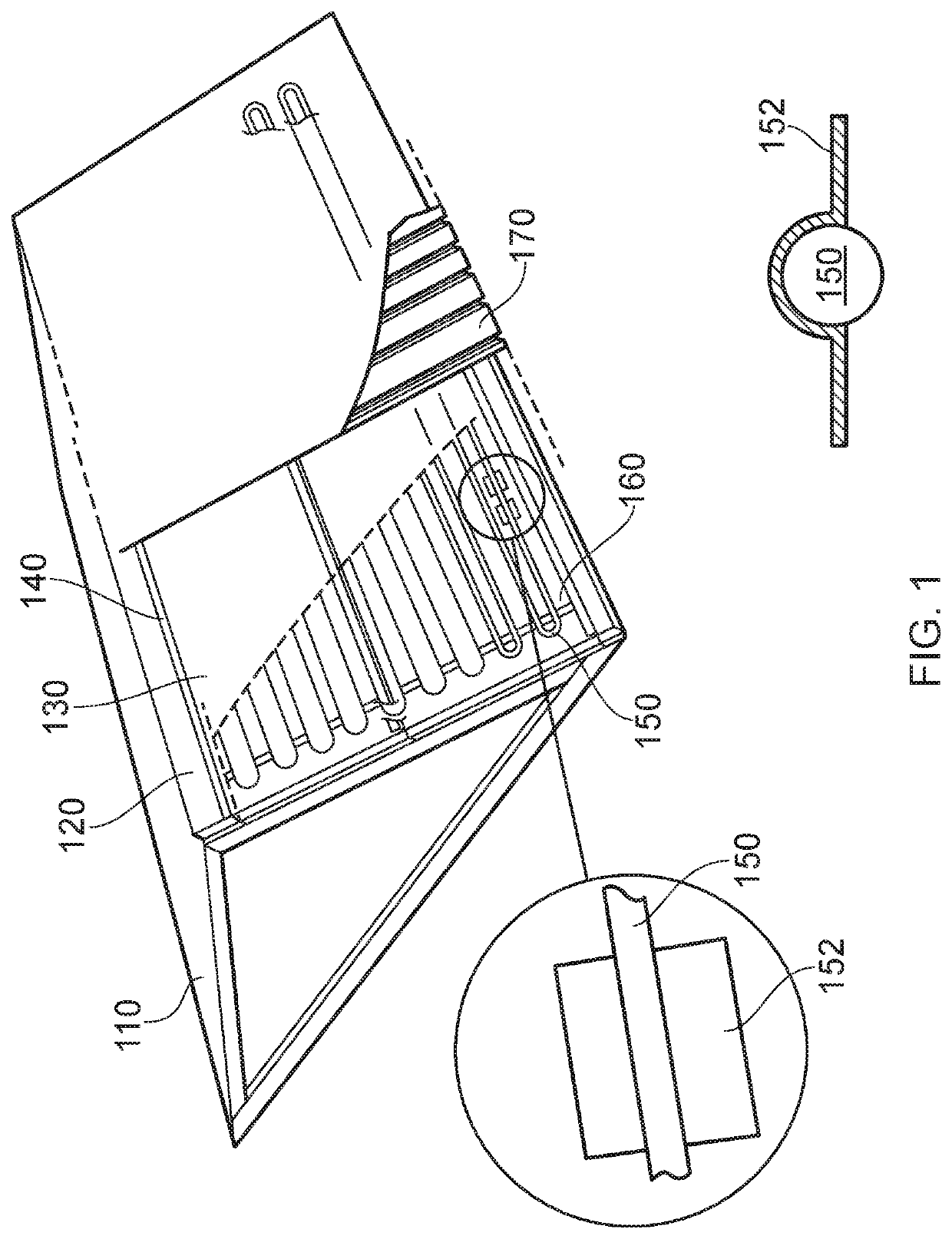
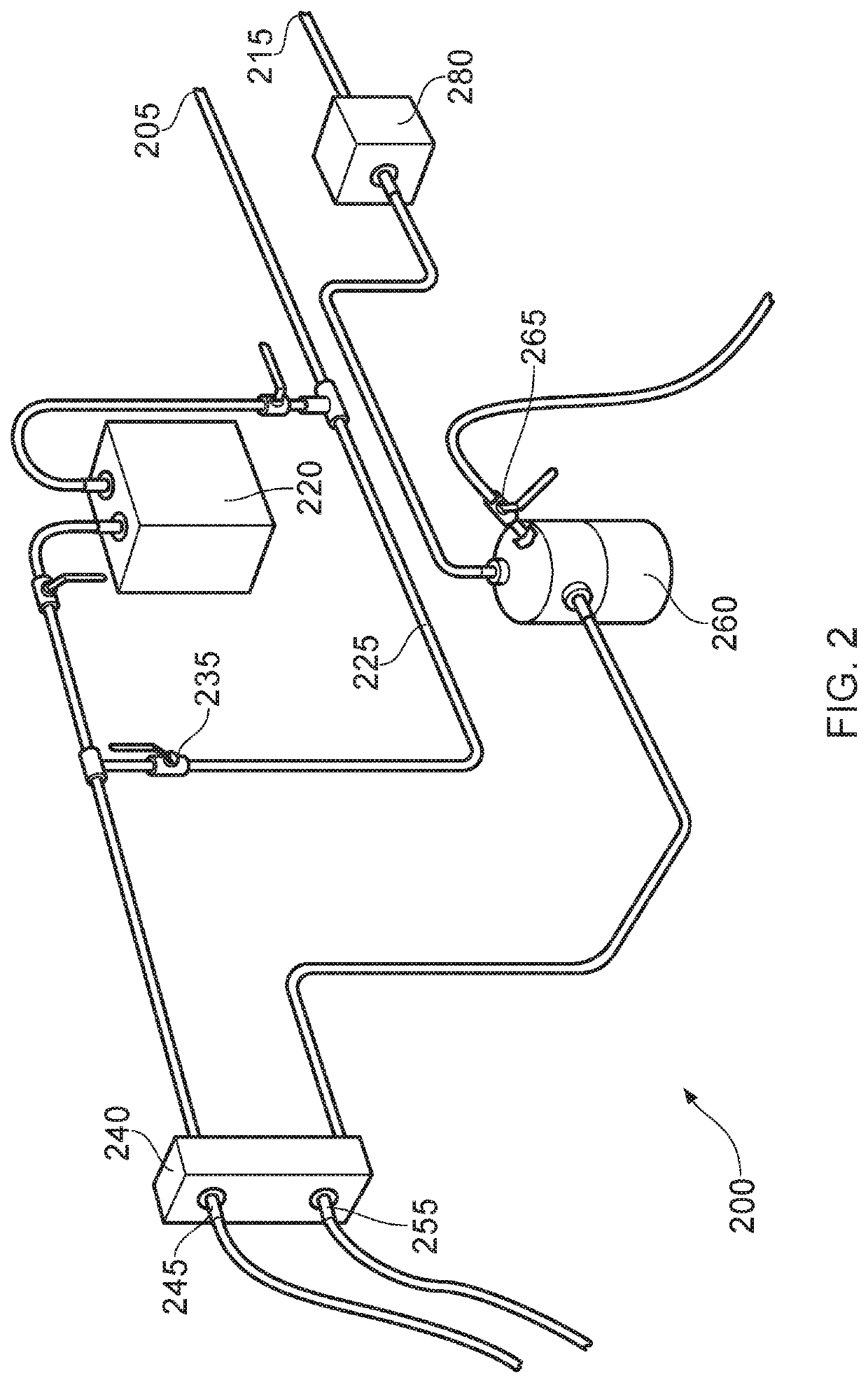
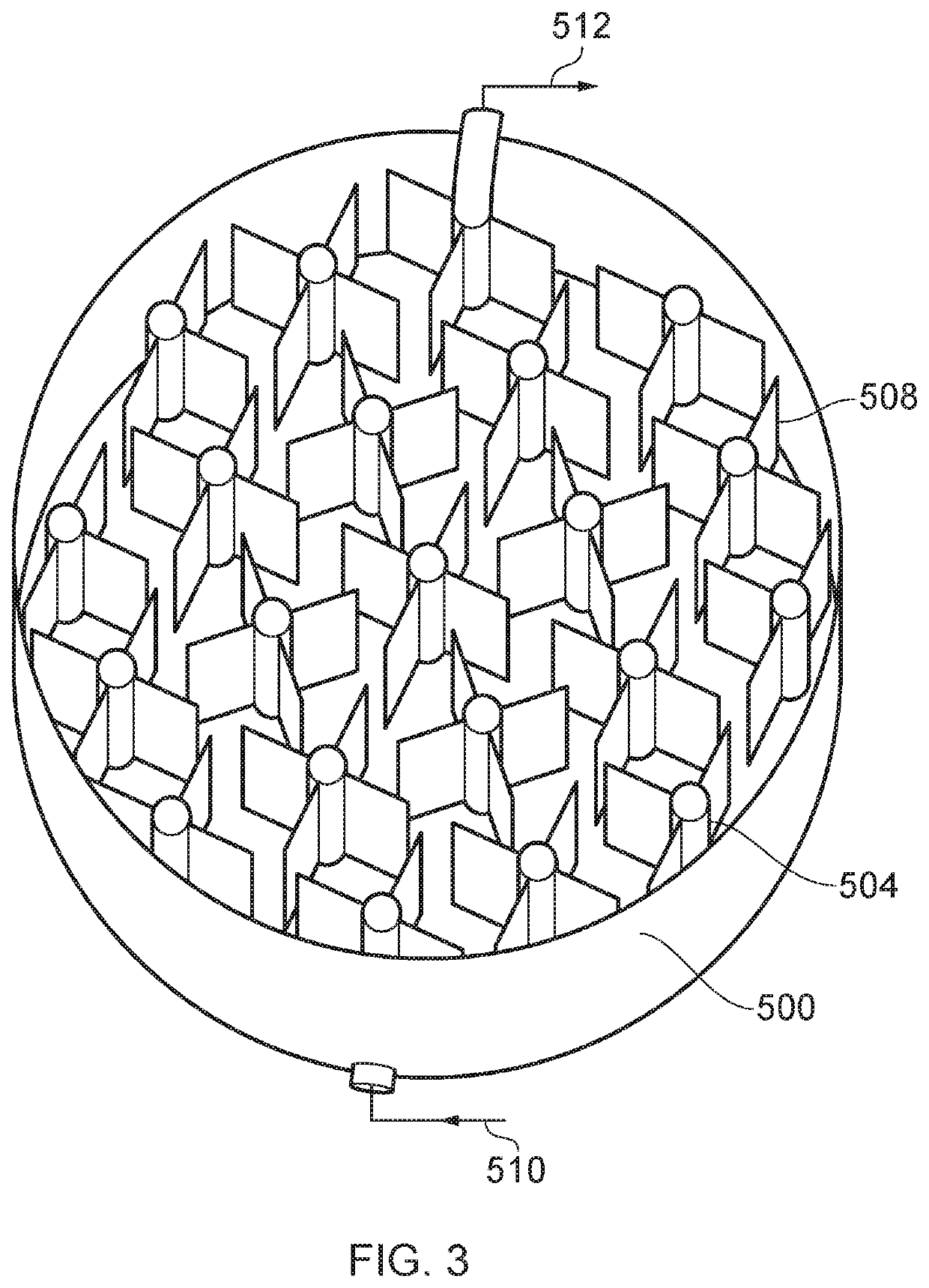
- A solar energy capture, conversion, and storage system utilizing a hydro-fluoro-ether working fluid, a sealed vessel with phase change material for heat storage, and an energy management system that optimizes energy usage by controlling valves to generate electricity or store heat, featuring a serpentine conduit arrangement for enhanced heat transfer and a modular design for easy installation and maintenance.

Energy capture circuit
PatentActiveUS8493037B2
Innovation
- A high efficiency energy capture circuit design utilizing two subcircuits with inductive, rectifying, and capacitive components, along with a clock and inverter, to produce phased ½ sine current waveforms, achieving up to 95% theoretical efficiency by optimizing current delivery and storage.


Environmental Impact Assessment of Semi-Solid Systems
The environmental implications of semi-solid energy systems present a complex landscape of both opportunities and challenges that require comprehensive evaluation across multiple dimensions. These systems, characterized by their unique phase properties and energy conversion mechanisms, introduce novel environmental considerations that differ significantly from traditional solid-state or liquid-based energy technologies.
Life cycle assessment studies indicate that semi-solid systems demonstrate favorable environmental profiles in several key areas. The manufacturing phase typically requires lower energy inputs compared to conventional battery technologies, primarily due to reduced processing temperatures and simplified electrode preparation methods. Material extraction impacts are generally minimized through the utilization of abundant elements and reduced reliance on rare earth metals, contributing to lower upstream environmental burdens.
Operational environmental benefits emerge from the enhanced efficiency characteristics of semi-solid systems. Improved energy capture capabilities translate directly to reduced resource consumption per unit of energy stored or converted. The systems exhibit superior thermal management properties, leading to decreased cooling requirements and associated energy consumption. Additionally, the inherent safety characteristics reduce the risk of thermal runaway events and associated environmental contamination.
End-of-life considerations reveal mixed environmental outcomes. The semi-solid nature facilitates easier material separation and recovery processes, potentially improving recycling rates compared to traditional systems. However, the complex electrolyte compositions may introduce challenges in waste treatment and disposal protocols. Current recycling infrastructure requires adaptation to handle these novel material combinations effectively.
Carbon footprint analysis demonstrates net positive environmental impacts over the system lifecycle. Despite initial manufacturing emissions, the enhanced energy capture efficiency and extended operational lifespan result in significantly lower carbon intensity per unit of energy processed. Regional variations in manufacturing energy sources and disposal practices influence the overall environmental performance metrics.
Emerging concerns include potential impacts from novel materials used in semi-solid formulations. Long-term environmental fate studies for specialized additives and stabilizers remain limited, necessitating continued monitoring and assessment as deployment scales increase.
Life cycle assessment studies indicate that semi-solid systems demonstrate favorable environmental profiles in several key areas. The manufacturing phase typically requires lower energy inputs compared to conventional battery technologies, primarily due to reduced processing temperatures and simplified electrode preparation methods. Material extraction impacts are generally minimized through the utilization of abundant elements and reduced reliance on rare earth metals, contributing to lower upstream environmental burdens.
Operational environmental benefits emerge from the enhanced efficiency characteristics of semi-solid systems. Improved energy capture capabilities translate directly to reduced resource consumption per unit of energy stored or converted. The systems exhibit superior thermal management properties, leading to decreased cooling requirements and associated energy consumption. Additionally, the inherent safety characteristics reduce the risk of thermal runaway events and associated environmental contamination.
End-of-life considerations reveal mixed environmental outcomes. The semi-solid nature facilitates easier material separation and recovery processes, potentially improving recycling rates compared to traditional systems. However, the complex electrolyte compositions may introduce challenges in waste treatment and disposal protocols. Current recycling infrastructure requires adaptation to handle these novel material combinations effectively.
Carbon footprint analysis demonstrates net positive environmental impacts over the system lifecycle. Despite initial manufacturing emissions, the enhanced energy capture efficiency and extended operational lifespan result in significantly lower carbon intensity per unit of energy processed. Regional variations in manufacturing energy sources and disposal practices influence the overall environmental performance metrics.
Emerging concerns include potential impacts from novel materials used in semi-solid formulations. Long-term environmental fate studies for specialized additives and stabilizers remain limited, necessitating continued monitoring and assessment as deployment scales increase.
Safety Standards for Semi-Solid Energy Applications
The development of comprehensive safety standards for semi-solid energy applications has become increasingly critical as these systems gain prominence in energy storage and conversion technologies. Semi-solid systems, characterized by their unique rheological properties and electrochemical behaviors, present distinct safety challenges that require specialized regulatory frameworks and operational protocols.
Current safety standards for semi-solid energy applications are primarily derived from adaptations of existing battery safety regulations, including IEC 62133, UL 2054, and UN 38.3 transportation standards. However, these conventional frameworks inadequately address the specific risks associated with semi-solid electrolytes, such as thermal runaway propagation through fluid media, electrolyte leakage scenarios, and the complex interactions between solid and liquid phases during failure modes.
The International Electrotechnical Commission has initiated preliminary discussions on developing IEC 62619 extensions specifically for semi-solid battery systems. These proposed standards emphasize enhanced thermal management requirements, including mandatory thermal barrier systems and advanced cooling protocols to prevent cascading failures across interconnected cells.
Fire safety protocols for semi-solid systems require specialized suppression agents due to the unique combustion characteristics of semi-solid electrolytes. Traditional Class C fire suppression methods prove insufficient, necessitating the development of novel suppression foams and inert gas systems specifically formulated for semi-solid energy storage installations.
Occupational safety standards mandate enhanced personal protective equipment for technicians working with semi-solid systems, including chemical-resistant suits rated for specific electrolyte compositions and specialized respiratory protection against potential aerosol emissions during maintenance operations.
Transportation safety regulations are evolving to address the unique packaging requirements for semi-solid energy systems. The proposed UN 3480 amendments include specific provisions for leak-proof containment systems and enhanced shock absorption requirements to prevent electrolyte displacement during transit.
Environmental safety standards focus on containment and remediation protocols for semi-solid electrolyte spills, requiring specialized neutralization agents and soil remediation techniques. These standards also mandate comprehensive lifecycle assessment protocols to evaluate the environmental impact of semi-solid energy systems from manufacturing through disposal phases.
Current safety standards for semi-solid energy applications are primarily derived from adaptations of existing battery safety regulations, including IEC 62133, UL 2054, and UN 38.3 transportation standards. However, these conventional frameworks inadequately address the specific risks associated with semi-solid electrolytes, such as thermal runaway propagation through fluid media, electrolyte leakage scenarios, and the complex interactions between solid and liquid phases during failure modes.
The International Electrotechnical Commission has initiated preliminary discussions on developing IEC 62619 extensions specifically for semi-solid battery systems. These proposed standards emphasize enhanced thermal management requirements, including mandatory thermal barrier systems and advanced cooling protocols to prevent cascading failures across interconnected cells.
Fire safety protocols for semi-solid systems require specialized suppression agents due to the unique combustion characteristics of semi-solid electrolytes. Traditional Class C fire suppression methods prove insufficient, necessitating the development of novel suppression foams and inert gas systems specifically formulated for semi-solid energy storage installations.
Occupational safety standards mandate enhanced personal protective equipment for technicians working with semi-solid systems, including chemical-resistant suits rated for specific electrolyte compositions and specialized respiratory protection against potential aerosol emissions during maintenance operations.
Transportation safety regulations are evolving to address the unique packaging requirements for semi-solid energy systems. The proposed UN 3480 amendments include specific provisions for leak-proof containment systems and enhanced shock absorption requirements to prevent electrolyte displacement during transit.
Environmental safety standards focus on containment and remediation protocols for semi-solid electrolyte spills, requiring specialized neutralization agents and soil remediation techniques. These standards also mandate comprehensive lifecycle assessment protocols to evaluate the environmental impact of semi-solid energy systems from manufacturing through disposal phases.
Unlock deeper insights with PatSnap Eureka Quick Research — get a full tech report to explore trends and direct your research. Try now!
Generate Your Research Report Instantly with AI Agent
Supercharge your innovation with PatSnap Eureka AI Agent Platform!