Eutectic Systems vs Reactive Metals: Application Challenges
APR 27, 20269 MIN READ
Generate Your Research Report Instantly with AI Agent
PatSnap Eureka helps you evaluate technical feasibility & market potential.
Eutectic and Reactive Metal Systems Background and Objectives
Eutectic systems represent a fundamental class of materials characterized by their unique melting behavior, where two or more components form a mixture that melts at a temperature lower than any of the individual constituent melting points. These systems have garnered significant attention in materials science due to their distinctive phase transformation properties and potential applications across diverse industrial sectors. The eutectic composition exhibits simultaneous crystallization of multiple phases during solidification, creating microstructures with enhanced properties compared to individual components.
Reactive metals, including aluminum, magnesium, titanium, and their alloys, possess high chemical reactivity due to their strong affinity for oxygen, nitrogen, and other elements. This reactivity presents both opportunities and challenges in materials processing and application development. While reactive metals offer exceptional strength-to-weight ratios and corrosion resistance in specific environments, their processing requires specialized techniques and controlled atmospheres to prevent unwanted reactions.
The intersection of eutectic systems and reactive metals has emerged as a critical research frontier, driven by increasing demands for lightweight, high-performance materials in aerospace, automotive, and energy storage applications. Traditional processing methods often prove inadequate when dealing with reactive metal eutectics, as conventional techniques may lead to oxidation, contamination, or undesirable phase formations that compromise material properties.
Current technological objectives focus on developing innovative processing methodologies that can effectively handle reactive metal eutectic systems while maintaining their inherent advantages. Key goals include establishing controlled atmosphere processing techniques, understanding interfacial reactions between reactive metals and eutectic phases, and developing predictive models for phase stability in complex multi-component systems.
The primary technical challenge lies in balancing the beneficial properties of eutectic systems with the processing complexities introduced by reactive metals. This requires comprehensive understanding of thermodynamic interactions, kinetic factors governing phase formation, and the development of specialized equipment capable of maintaining inert processing environments. Advanced characterization techniques and computational modeling approaches are essential for optimizing these complex material systems and unlocking their full potential in next-generation applications.
Reactive metals, including aluminum, magnesium, titanium, and their alloys, possess high chemical reactivity due to their strong affinity for oxygen, nitrogen, and other elements. This reactivity presents both opportunities and challenges in materials processing and application development. While reactive metals offer exceptional strength-to-weight ratios and corrosion resistance in specific environments, their processing requires specialized techniques and controlled atmospheres to prevent unwanted reactions.
The intersection of eutectic systems and reactive metals has emerged as a critical research frontier, driven by increasing demands for lightweight, high-performance materials in aerospace, automotive, and energy storage applications. Traditional processing methods often prove inadequate when dealing with reactive metal eutectics, as conventional techniques may lead to oxidation, contamination, or undesirable phase formations that compromise material properties.
Current technological objectives focus on developing innovative processing methodologies that can effectively handle reactive metal eutectic systems while maintaining their inherent advantages. Key goals include establishing controlled atmosphere processing techniques, understanding interfacial reactions between reactive metals and eutectic phases, and developing predictive models for phase stability in complex multi-component systems.
The primary technical challenge lies in balancing the beneficial properties of eutectic systems with the processing complexities introduced by reactive metals. This requires comprehensive understanding of thermodynamic interactions, kinetic factors governing phase formation, and the development of specialized equipment capable of maintaining inert processing environments. Advanced characterization techniques and computational modeling approaches are essential for optimizing these complex material systems and unlocking their full potential in next-generation applications.
Market Demand for Advanced Eutectic-Reactive Metal Applications
The aerospace industry represents the most significant market driver for advanced eutectic-reactive metal applications, where the demand for lightweight, high-strength materials continues to accelerate. Modern aircraft manufacturers increasingly require materials that can withstand extreme temperature variations while maintaining structural integrity, positioning eutectic systems as critical solutions for next-generation propulsion systems and structural components.
Defense and military applications constitute another substantial market segment, particularly for reactive metal systems used in specialized munitions, armor-piercing projectiles, and energetic materials. The growing emphasis on advanced defense capabilities across global markets has intensified the need for materials that can deliver superior performance under extreme conditions, driving sustained investment in reactive metal technologies.
The electronics and semiconductor industries are experiencing unprecedented growth in demand for eutectic systems, particularly for thermal interface materials and advanced soldering applications. As electronic devices become increasingly miniaturized and power-dense, the requirement for materials with precise melting characteristics and excellent thermal conductivity has created substantial market opportunities for specialized eutectic alloys.
Automotive sector transformation toward electric vehicles has generated significant demand for both eutectic and reactive metal applications. Battery thermal management systems require advanced eutectic materials for heat dissipation, while lightweight structural components benefit from reactive metal joining techniques. The global shift toward sustainable transportation continues to expand market opportunities in this sector.
Energy storage and renewable energy applications represent emerging high-growth markets for these advanced materials. Grid-scale energy storage systems require materials capable of handling rapid thermal cycling, while solar panel manufacturing increasingly relies on specialized eutectic soldering materials for improved efficiency and durability.
Medical device manufacturing has emerged as a specialized but lucrative market segment, where biocompatible eutectic alloys are essential for implantable devices and surgical instruments. The aging global population and advancing medical technologies continue to drive steady demand growth in this sector.
Industrial manufacturing applications, including additive manufacturing and advanced welding processes, represent substantial market potential for reactive metal systems. The ongoing industrial digitization and automation trends are creating new opportunities for materials that enable precise, controlled joining and fabrication processes.
Defense and military applications constitute another substantial market segment, particularly for reactive metal systems used in specialized munitions, armor-piercing projectiles, and energetic materials. The growing emphasis on advanced defense capabilities across global markets has intensified the need for materials that can deliver superior performance under extreme conditions, driving sustained investment in reactive metal technologies.
The electronics and semiconductor industries are experiencing unprecedented growth in demand for eutectic systems, particularly for thermal interface materials and advanced soldering applications. As electronic devices become increasingly miniaturized and power-dense, the requirement for materials with precise melting characteristics and excellent thermal conductivity has created substantial market opportunities for specialized eutectic alloys.
Automotive sector transformation toward electric vehicles has generated significant demand for both eutectic and reactive metal applications. Battery thermal management systems require advanced eutectic materials for heat dissipation, while lightweight structural components benefit from reactive metal joining techniques. The global shift toward sustainable transportation continues to expand market opportunities in this sector.
Energy storage and renewable energy applications represent emerging high-growth markets for these advanced materials. Grid-scale energy storage systems require materials capable of handling rapid thermal cycling, while solar panel manufacturing increasingly relies on specialized eutectic soldering materials for improved efficiency and durability.
Medical device manufacturing has emerged as a specialized but lucrative market segment, where biocompatible eutectic alloys are essential for implantable devices and surgical instruments. The aging global population and advancing medical technologies continue to drive steady demand growth in this sector.
Industrial manufacturing applications, including additive manufacturing and advanced welding processes, represent substantial market potential for reactive metal systems. The ongoing industrial digitization and automation trends are creating new opportunities for materials that enable precise, controlled joining and fabrication processes.
Current Challenges in Eutectic-Reactive Metal Integration
The integration of eutectic systems with reactive metals presents a complex array of technical challenges that significantly impact their practical implementation across various industrial applications. These challenges stem from the fundamental incompatibility between the controlled, predictable behavior of eutectic alloys and the highly reactive nature of certain metallic elements.
Thermal management represents one of the most critical obstacles in eutectic-reactive metal integration. Reactive metals such as aluminum, magnesium, and titanium exhibit rapid oxidation rates at elevated temperatures, which directly conflicts with the thermal processing requirements of eutectic systems. The formation of oxide layers during heating cycles can severely compromise the metallurgical bonding between components, leading to weak interfaces and reduced mechanical properties.
Interfacial stability poses another significant challenge, as reactive metals tend to form intermetallic compounds when in contact with eutectic alloy constituents. These intermetallic phases often exhibit brittle characteristics and can propagate crack formation under mechanical stress. The diffusion kinetics at the interface become particularly problematic during extended exposure to operational temperatures, causing compositional gradients that alter the intended material properties.
Corrosion resistance emerges as a persistent concern in eutectic-reactive metal systems, especially in environments containing moisture or aggressive chemical species. The galvanic coupling between dissimilar metals creates electrochemical cells that accelerate corrosion processes. This phenomenon is particularly pronounced when noble metals in eutectic compositions are paired with highly reactive elements, establishing significant potential differences that drive rapid degradation.
Processing compatibility issues further complicate the integration process. Reactive metals require controlled atmospheric conditions, often necessitating inert gas environments or vacuum processing to prevent unwanted chemical reactions. These requirements frequently conflict with standard eutectic alloy processing techniques, demanding specialized equipment and modified manufacturing protocols that increase production costs and complexity.
Mechanical property optimization remains challenging due to the disparate deformation behaviors of eutectic structures and reactive metal matrices. The fine lamellar or rod-like microstructures characteristic of eutectic systems may not be compatible with the plastic deformation mechanisms of reactive metals, leading to stress concentrations and premature failure under loading conditions.
Quality control and characterization difficulties arise from the complex microstructural evolution during processing and service. Traditional inspection methods may not adequately detect subtle changes in interfacial chemistry or phase stability that could compromise long-term performance, necessitating advanced analytical techniques and extended testing protocols.
Thermal management represents one of the most critical obstacles in eutectic-reactive metal integration. Reactive metals such as aluminum, magnesium, and titanium exhibit rapid oxidation rates at elevated temperatures, which directly conflicts with the thermal processing requirements of eutectic systems. The formation of oxide layers during heating cycles can severely compromise the metallurgical bonding between components, leading to weak interfaces and reduced mechanical properties.
Interfacial stability poses another significant challenge, as reactive metals tend to form intermetallic compounds when in contact with eutectic alloy constituents. These intermetallic phases often exhibit brittle characteristics and can propagate crack formation under mechanical stress. The diffusion kinetics at the interface become particularly problematic during extended exposure to operational temperatures, causing compositional gradients that alter the intended material properties.
Corrosion resistance emerges as a persistent concern in eutectic-reactive metal systems, especially in environments containing moisture or aggressive chemical species. The galvanic coupling between dissimilar metals creates electrochemical cells that accelerate corrosion processes. This phenomenon is particularly pronounced when noble metals in eutectic compositions are paired with highly reactive elements, establishing significant potential differences that drive rapid degradation.
Processing compatibility issues further complicate the integration process. Reactive metals require controlled atmospheric conditions, often necessitating inert gas environments or vacuum processing to prevent unwanted chemical reactions. These requirements frequently conflict with standard eutectic alloy processing techniques, demanding specialized equipment and modified manufacturing protocols that increase production costs and complexity.
Mechanical property optimization remains challenging due to the disparate deformation behaviors of eutectic structures and reactive metal matrices. The fine lamellar or rod-like microstructures characteristic of eutectic systems may not be compatible with the plastic deformation mechanisms of reactive metals, leading to stress concentrations and premature failure under loading conditions.
Quality control and characterization difficulties arise from the complex microstructural evolution during processing and service. Traditional inspection methods may not adequately detect subtle changes in interfacial chemistry or phase stability that could compromise long-term performance, necessitating advanced analytical techniques and extended testing protocols.
Current Solutions for Eutectic-Reactive Metal Compatibility
01 Eutectic alloy compositions for reactive metal systems
Development of specific eutectic compositions that combine reactive metals with other metallic elements to achieve desired melting points and reactivity characteristics. These compositions are designed to optimize the balance between reactivity and stability, enabling controlled reactions in various applications. The eutectic nature ensures uniform melting behavior and consistent performance across different operating conditions.- Eutectic alloy compositions for reactive metal systems: Development of specific eutectic alloy compositions that incorporate reactive metals to achieve desired melting points and chemical properties. These compositions are designed to optimize the balance between reactivity and stability, enabling controlled reactions at predetermined temperatures. The eutectic systems provide enhanced performance characteristics through precise control of metal ratios and phase transitions.
- Processing methods for eutectic reactive metal systems: Manufacturing techniques and processing methods specifically developed for creating eutectic systems containing reactive metals. These methods address challenges related to handling reactive materials during production, including controlled atmosphere processing, temperature management, and prevention of unwanted reactions during fabrication. The processes ensure consistent quality and performance of the final eutectic systems.
- Applications in joining and bonding technologies: Utilization of eutectic reactive metal systems in various joining applications, including soldering, brazing, and welding processes. These systems provide advantages such as lower processing temperatures, improved joint strength, and enhanced corrosion resistance. The reactive nature of the metals enables formation of strong metallurgical bonds with substrate materials.
- Thermal management and heat transfer applications: Implementation of eutectic reactive metal systems in thermal management solutions, including heat sinks, thermal interface materials, and phase change materials. These systems leverage the unique thermal properties of eutectic compositions combined with the high thermal conductivity of reactive metals to provide efficient heat dissipation and temperature control in various applications.
- Protective coatings and surface treatments: Development of protective coating systems based on eutectic reactive metal compositions for corrosion protection, wear resistance, and surface modification. These coatings provide enhanced durability and performance through the formation of intermetallic compounds and protective oxide layers. The eutectic nature ensures uniform coverage and optimal adhesion to substrate materials.
02 Processing methods for eutectic reactive metal systems
Manufacturing techniques and processing methods specifically developed for creating eutectic systems containing reactive metals. These methods address challenges related to handling reactive materials during production, including controlled atmosphere processing, temperature management, and prevention of unwanted reactions during fabrication. The processes ensure proper formation of eutectic structures while maintaining the reactivity of the metal components.Expand Specific Solutions03 Applications in joining and bonding technologies
Utilization of eutectic reactive metal systems for joining, welding, and bonding applications where the combination of low melting point and high reactivity provides advantages. These systems enable strong metallurgical bonds while operating at relatively low temperatures compared to conventional methods. The reactive nature of the metals enhances wetting and adhesion properties, making them suitable for specialized joining applications.Expand Specific Solutions04 Thermal management and heat transfer applications
Implementation of eutectic reactive metal systems in thermal management applications where their unique thermal properties and phase change characteristics provide enhanced heat transfer capabilities. These systems leverage the eutectic melting behavior to achieve efficient thermal cycling and heat dissipation. The reactive metal components contribute to improved thermal conductivity and heat transfer performance in specialized applications.Expand Specific Solutions05 Protective coatings and surface treatment systems
Development of protective coating systems based on eutectic reactive metal compositions that provide enhanced corrosion resistance and surface protection. These systems utilize the reactive nature of the metals to form protective layers or to enhance adhesion to substrate materials. The eutectic composition ensures uniform coating properties and controlled reactivity for optimal protection performance.Expand Specific Solutions
Key Players in Eutectic Systems and Reactive Metals Industry
The eutectic systems versus reactive metals application challenges represent a rapidly evolving technological landscape characterized by significant growth potential and diverse market applications. The industry is currently in an expansion phase, driven by increasing demand from automotive, electronics, and energy storage sectors. Market size continues to grow substantially, particularly in battery technologies and advanced manufacturing applications. Technology maturity varies significantly across different applications, with established players like Toyota Motor Corp., Nissan Motor Co., and Murata Manufacturing demonstrating advanced commercial implementations, while research institutions including Central South University, Kyushu University, and Fraunhofer-Gesellschaft are pushing technological boundaries. Companies such as Prime Planet Energy & Solutions and FormFactor represent the bridge between research and commercial deployment, indicating a competitive landscape where both established manufacturers and innovative startups are actively developing solutions to overcome material compatibility and processing challenges inherent in eutectic-reactive metal systems.
Toyota Motor Corp.
Technical Solution: Toyota has developed advanced eutectic bonding systems for automotive battery applications, particularly focusing on aluminum-silicon eutectic alloys for thermal management in electric vehicle battery packs. Their approach utilizes low-temperature eutectic formation (577°C) to create reliable joints between dissimilar metals while minimizing thermal stress on sensitive battery components. The company has integrated reactive metal interlayers, specifically nickel and copper-based systems, to enhance wetting characteristics and reduce intermetallic compound formation that can lead to joint brittleness over thermal cycling.
Strengths: Extensive automotive integration experience, proven thermal cycling performance. Weaknesses: Limited to specific temperature ranges, complex processing requirements.
Murata Manufacturing Co. Ltd.
Technical Solution: Murata employs eutectic die attach materials combined with reactive metal systems for high-reliability electronic components, particularly in multilayer ceramic capacitors and RF modules. Their technology focuses on gold-silicon and silver-based eutectic systems enhanced with titanium and chromium reactive barriers to prevent electromigration and improve adhesion to ceramic substrates. The company has developed proprietary flux-free processes that utilize reactive metal thin films to achieve void-free joints while maintaining electrical performance at frequencies up to 100GHz.
Strengths: High-frequency performance optimization, excellent reliability in harsh environments. Weaknesses: Higher material costs, specialized equipment requirements.
Core Patents in Eutectic-Reactive Metal Interface Control
Hot-chamber die casting systems and methods
PatentInactiveUS20170266719A1
Innovation
- The use of refractory metals or refractory ceramic surfaces for the cylinder, plunger, and gooseneck in the injection system, which are resistant to dissolution and corrosion when in contact with molten reactive metals, or a shell-type configuration with a refractory outer layer to minimize interaction with the molten metal.


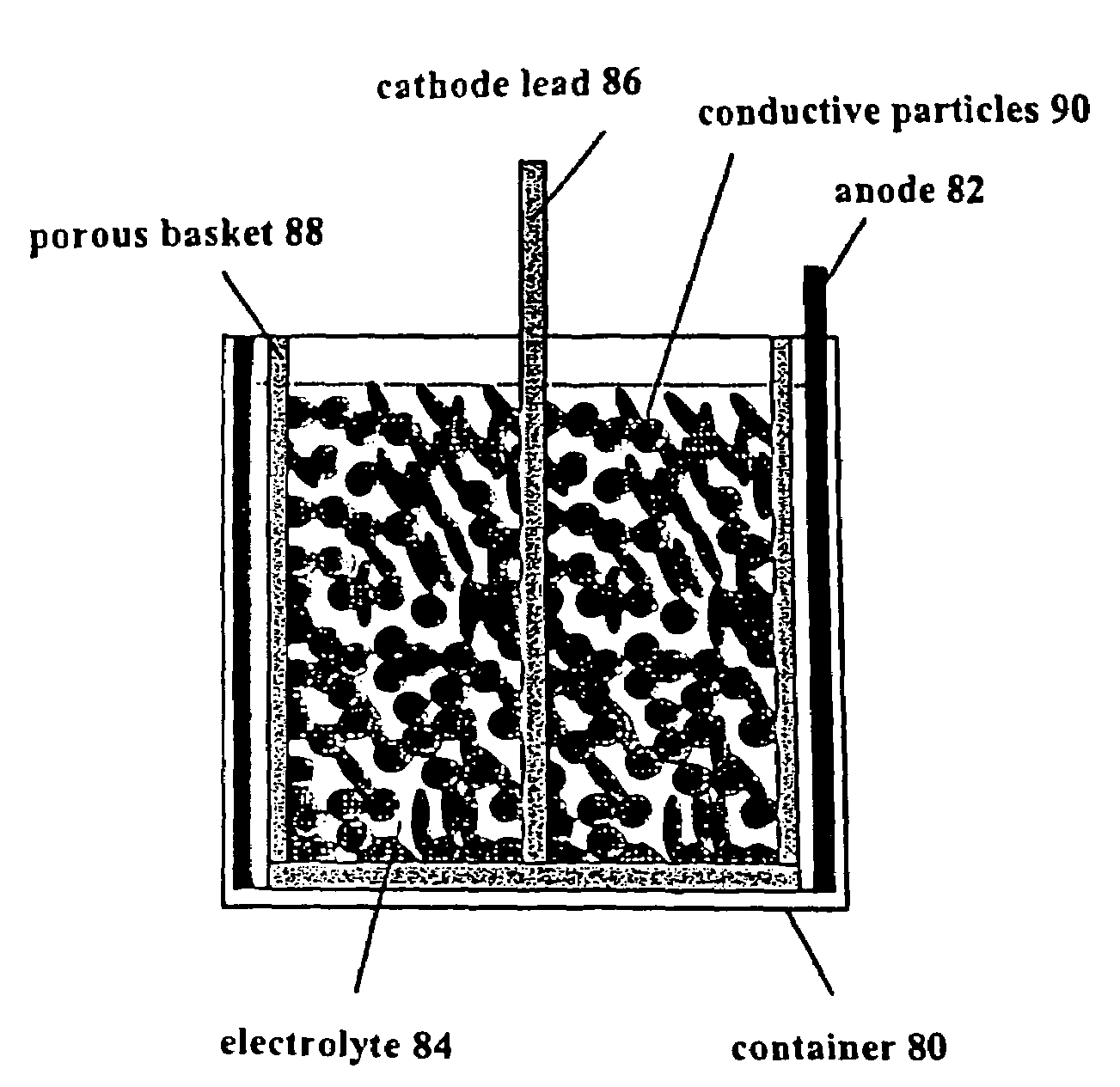
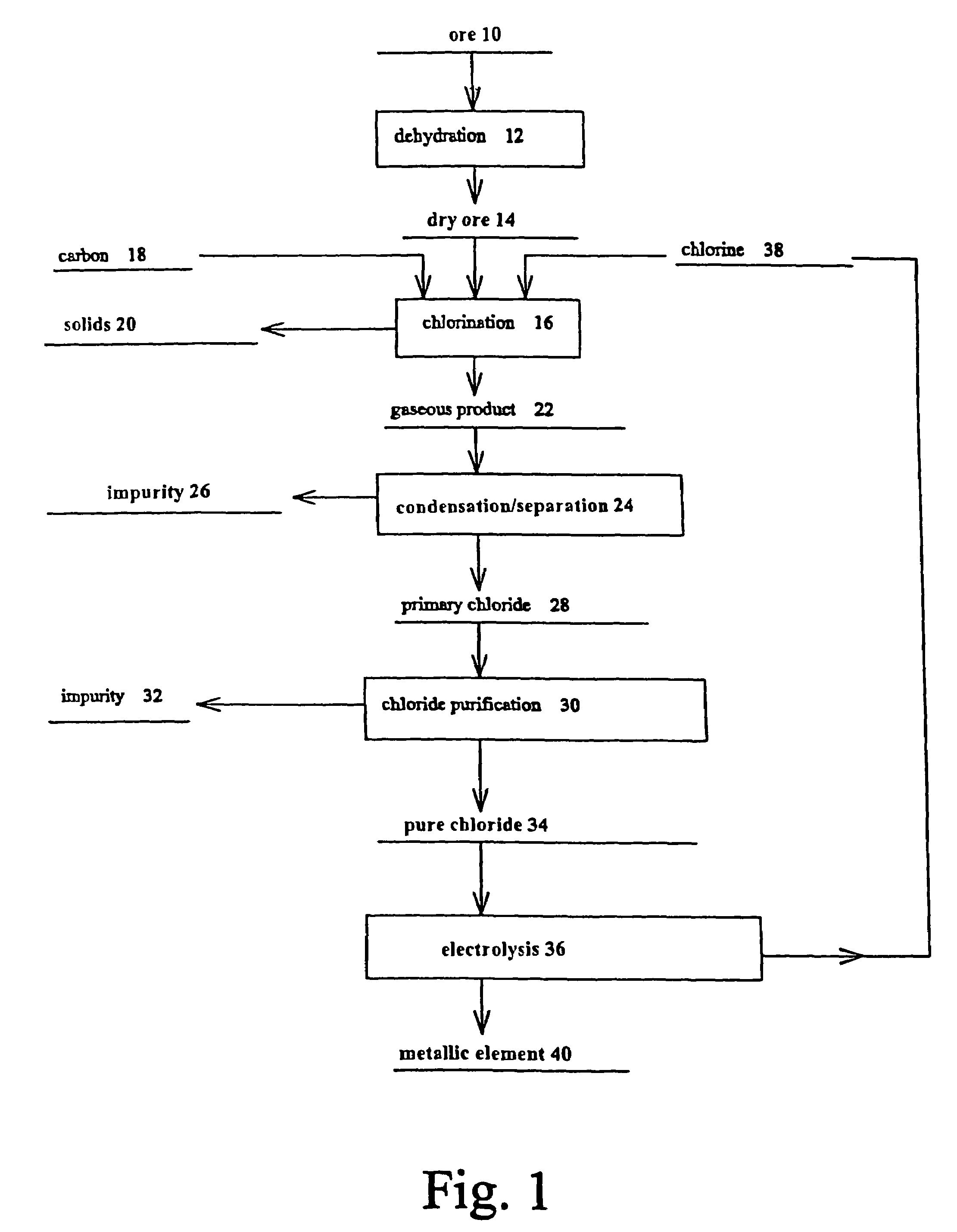
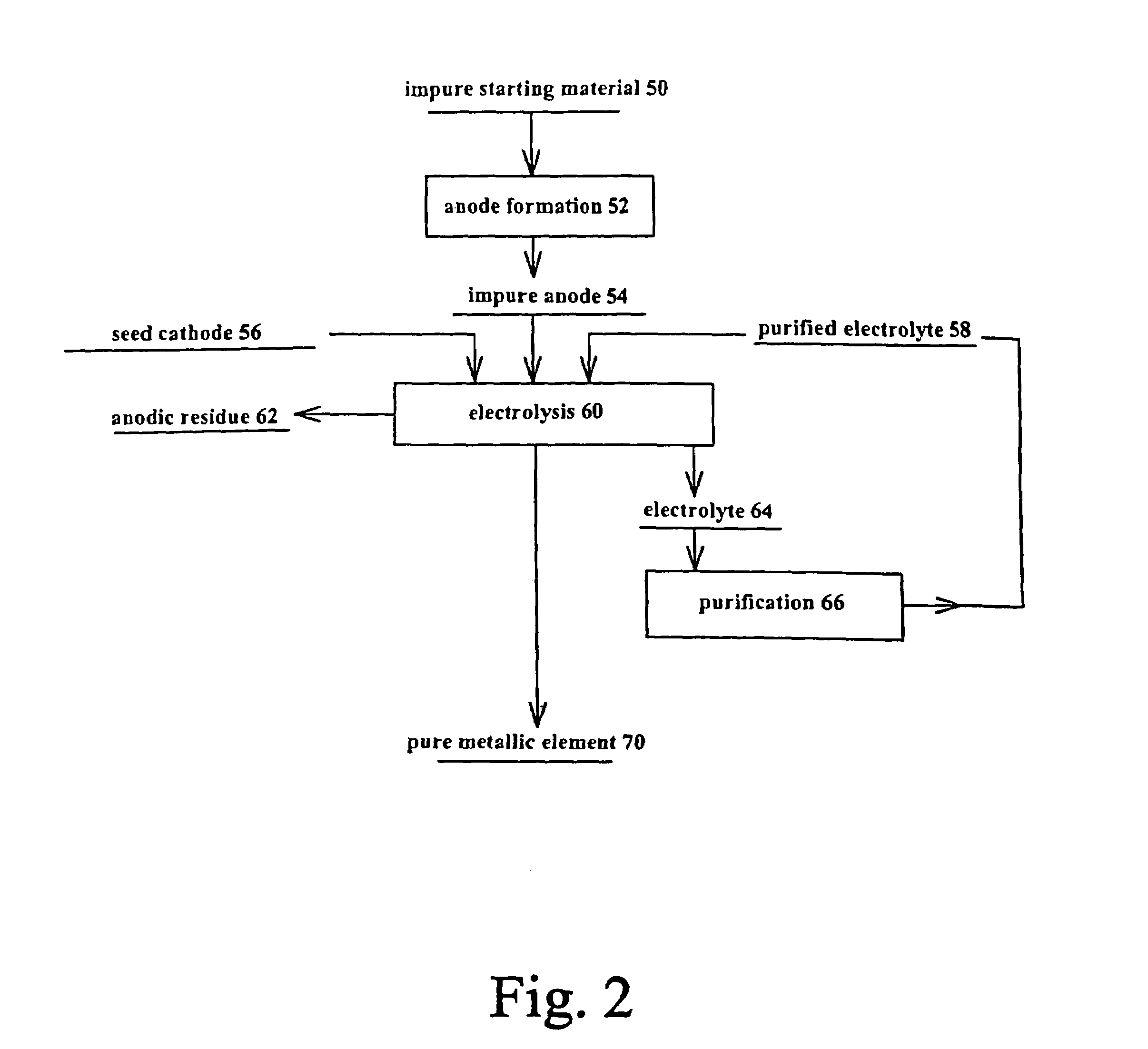
Production, refining and recycling of lightweight and reactive metals in ionic liquids
PatentInactiveUS7347920B2
Innovation
- The use of electrolysis at or near room temperature with an electrolyte containing an ionic liquid, specifically 1-butyl-3-methylimidazolium chloride and a metal chloride, to deposit metallic elements on a cathode, allowing for the recycling of chlorine gas and the separation of impurities and refractory particles, with a packed bed cathode providing increased surface area for efficient electrodeposition.

Safety Regulations for Reactive Metal Processing
The processing of reactive metals in eutectic systems requires adherence to stringent safety regulations due to the inherent hazards associated with these materials. Reactive metals such as lithium, sodium, potassium, and magnesium exhibit high chemical reactivity, particularly when exposed to moisture, oxygen, or other environmental factors. Current regulatory frameworks mandate comprehensive risk assessment protocols before any processing activities commence.
International safety standards, including ISO 14001 and OSHA guidelines, establish fundamental requirements for reactive metal handling facilities. These regulations specify mandatory environmental controls, including inert atmosphere maintenance, humidity control systems, and emergency ventilation protocols. Processing facilities must maintain oxygen levels below 50 ppm and relative humidity under 1% to prevent spontaneous reactions during eutectic formation processes.
Personnel safety regulations require specialized training certifications for workers handling reactive metals. Mandatory protective equipment includes fire-resistant clothing, respiratory protection systems, and emergency shower facilities within immediate proximity to processing areas. Regular safety audits and compliance monitoring ensure adherence to established protocols, with documentation requirements extending to material tracking, waste disposal, and incident reporting procedures.
Storage and transportation regulations impose strict containment requirements for reactive metal feedstocks and eutectic products. Materials must be stored under inert gas atmospheres in approved containers, with segregation protocols preventing contact with incompatible substances. Transportation regulations mandate specialized packaging, labeling, and routing requirements, particularly for air and maritime shipments.
Emergency response protocols constitute critical regulatory components, requiring detailed contingency plans for fire suppression, chemical spills, and personnel exposure incidents. Facilities must maintain specialized firefighting equipment, including Class D fire extinguishers and sand-based suppression systems, as water-based systems can exacerbate reactive metal fires. Regular emergency drills and coordination with local fire departments ensure rapid response capabilities during critical incidents.
International safety standards, including ISO 14001 and OSHA guidelines, establish fundamental requirements for reactive metal handling facilities. These regulations specify mandatory environmental controls, including inert atmosphere maintenance, humidity control systems, and emergency ventilation protocols. Processing facilities must maintain oxygen levels below 50 ppm and relative humidity under 1% to prevent spontaneous reactions during eutectic formation processes.
Personnel safety regulations require specialized training certifications for workers handling reactive metals. Mandatory protective equipment includes fire-resistant clothing, respiratory protection systems, and emergency shower facilities within immediate proximity to processing areas. Regular safety audits and compliance monitoring ensure adherence to established protocols, with documentation requirements extending to material tracking, waste disposal, and incident reporting procedures.
Storage and transportation regulations impose strict containment requirements for reactive metal feedstocks and eutectic products. Materials must be stored under inert gas atmospheres in approved containers, with segregation protocols preventing contact with incompatible substances. Transportation regulations mandate specialized packaging, labeling, and routing requirements, particularly for air and maritime shipments.
Emergency response protocols constitute critical regulatory components, requiring detailed contingency plans for fire suppression, chemical spills, and personnel exposure incidents. Facilities must maintain specialized firefighting equipment, including Class D fire extinguishers and sand-based suppression systems, as water-based systems can exacerbate reactive metal fires. Regular emergency drills and coordination with local fire departments ensure rapid response capabilities during critical incidents.
Thermal Management Strategies in Eutectic Applications
Thermal management in eutectic systems presents unique challenges that distinguish these applications from conventional thermal interface materials. Eutectic alloys, characterized by their precise melting points and phase transition behaviors, require specialized thermal strategies to maintain optimal performance while preventing degradation of their metallurgical properties.
The primary thermal management approach involves controlling heat dissipation during the liquid-to-solid phase transition. During this critical phase, eutectic systems release latent heat that must be efficiently managed to prevent localized overheating. Advanced heat sink designs incorporating micro-channel cooling and vapor chamber technologies have proven effective in maintaining uniform temperature distribution across eutectic interfaces.
Thermal conductivity enhancement represents another crucial strategy, particularly in high-power electronic applications. Integration of thermally conductive fillers such as graphene nanoplatelets or carbon nanotubes into eutectic matrices can significantly improve heat transfer rates. However, these additions must be carefully balanced to avoid compromising the eutectic composition and its inherent low-temperature bonding characteristics.
Temperature cycling management poses significant challenges in eutectic applications due to thermal expansion mismatches between different materials. Implementing thermal buffer layers and designing flexible interconnect structures help accommodate thermal stress while maintaining electrical and mechanical integrity. Advanced packaging techniques utilizing controlled thermal gradients prevent crack propagation and interface delamination.
Real-time thermal monitoring systems have become essential for eutectic applications in critical environments. These systems employ distributed temperature sensors and predictive algorithms to anticipate thermal events and trigger appropriate cooling responses. Integration with active cooling systems enables dynamic thermal regulation based on operational demands.
Passive thermal management strategies focus on optimizing material selection and geometric design. Thermal interface materials with tailored thermal impedance characteristics help bridge temperature differentials between eutectic joints and surrounding components. Additionally, implementing thermal isolation techniques prevents unwanted heat transfer that could compromise eutectic stability in multi-component systems.
The primary thermal management approach involves controlling heat dissipation during the liquid-to-solid phase transition. During this critical phase, eutectic systems release latent heat that must be efficiently managed to prevent localized overheating. Advanced heat sink designs incorporating micro-channel cooling and vapor chamber technologies have proven effective in maintaining uniform temperature distribution across eutectic interfaces.
Thermal conductivity enhancement represents another crucial strategy, particularly in high-power electronic applications. Integration of thermally conductive fillers such as graphene nanoplatelets or carbon nanotubes into eutectic matrices can significantly improve heat transfer rates. However, these additions must be carefully balanced to avoid compromising the eutectic composition and its inherent low-temperature bonding characteristics.
Temperature cycling management poses significant challenges in eutectic applications due to thermal expansion mismatches between different materials. Implementing thermal buffer layers and designing flexible interconnect structures help accommodate thermal stress while maintaining electrical and mechanical integrity. Advanced packaging techniques utilizing controlled thermal gradients prevent crack propagation and interface delamination.
Real-time thermal monitoring systems have become essential for eutectic applications in critical environments. These systems employ distributed temperature sensors and predictive algorithms to anticipate thermal events and trigger appropriate cooling responses. Integration with active cooling systems enables dynamic thermal regulation based on operational demands.
Passive thermal management strategies focus on optimizing material selection and geometric design. Thermal interface materials with tailored thermal impedance characteristics help bridge temperature differentials between eutectic joints and surrounding components. Additionally, implementing thermal isolation techniques prevents unwanted heat transfer that could compromise eutectic stability in multi-component systems.
Unlock deeper insights with PatSnap Eureka Quick Research — get a full tech report to explore trends and direct your research. Try now!
Generate Your Research Report Instantly with AI Agent
Supercharge your innovation with PatSnap Eureka AI Agent Platform!