Evaluate Rotary Engine Failure Analysis
FEB 14, 20269 MIN READ
Generate Your Research Report Instantly with AI Agent
Patsnap Eureka helps you evaluate technical feasibility & market potential.
Rotary Engine Technology Background and Analysis Objectives
The rotary engine, also known as the Wankel engine, represents a revolutionary departure from conventional reciprocating piston engines through its unique triangular rotor design operating within an epitrochoidal chamber. First conceptualized by Felix Wankel in the 1920s and successfully developed by NSU and Mazda in the 1960s, this technology promised significant advantages including compact size, lightweight construction, fewer moving parts, and exceptionally smooth operation due to the absence of reciprocating motion.
The fundamental operating principle involves a three-sided rotor that orbits eccentrically within a specially shaped housing, creating three separate combustion chambers that continuously cycle through intake, compression, combustion, and exhaust phases. This design eliminates the need for valves, connecting rods, and crankshafts found in traditional engines, theoretically reducing mechanical complexity and potential failure points.
Despite its innovative design advantages, the rotary engine has faced persistent challenges that have limited its widespread adoption. Primary concerns include poor fuel economy, high emissions levels, apex seal wear, and thermal management issues. These technical obstacles have resulted in a complex failure analysis landscape requiring specialized understanding of rotary-specific failure modes, wear patterns, and operational stresses.
The evolution of rotary engine technology has been marked by continuous efforts to address inherent design limitations while maximizing performance benefits. Early applications in aviation were followed by automotive implementations, most notably by Mazda, which became the primary advocate for rotary engine development and refinement over several decades.
Current failure analysis objectives focus on understanding the root causes of common rotary engine failures, including apex seal degradation, housing wear, thermal distortion, and combustion irregularities. Advanced diagnostic techniques and materials science approaches are being employed to develop more reliable sealing systems, improved thermal management solutions, and enhanced durability characteristics.
The strategic importance of comprehensive rotary engine failure analysis extends beyond troubleshooting existing problems to informing next-generation design improvements and potentially unlocking the technology's full potential for future applications in automotive, aerospace, and power generation sectors.
The fundamental operating principle involves a three-sided rotor that orbits eccentrically within a specially shaped housing, creating three separate combustion chambers that continuously cycle through intake, compression, combustion, and exhaust phases. This design eliminates the need for valves, connecting rods, and crankshafts found in traditional engines, theoretically reducing mechanical complexity and potential failure points.
Despite its innovative design advantages, the rotary engine has faced persistent challenges that have limited its widespread adoption. Primary concerns include poor fuel economy, high emissions levels, apex seal wear, and thermal management issues. These technical obstacles have resulted in a complex failure analysis landscape requiring specialized understanding of rotary-specific failure modes, wear patterns, and operational stresses.
The evolution of rotary engine technology has been marked by continuous efforts to address inherent design limitations while maximizing performance benefits. Early applications in aviation were followed by automotive implementations, most notably by Mazda, which became the primary advocate for rotary engine development and refinement over several decades.
Current failure analysis objectives focus on understanding the root causes of common rotary engine failures, including apex seal degradation, housing wear, thermal distortion, and combustion irregularities. Advanced diagnostic techniques and materials science approaches are being employed to develop more reliable sealing systems, improved thermal management solutions, and enhanced durability characteristics.
The strategic importance of comprehensive rotary engine failure analysis extends beyond troubleshooting existing problems to informing next-generation design improvements and potentially unlocking the technology's full potential for future applications in automotive, aerospace, and power generation sectors.
Market Demand for Rotary Engine Applications
The rotary engine market demonstrates distinct demand patterns across multiple application sectors, driven by unique performance characteristics that differentiate it from conventional reciprocating engines. Aviation applications represent the most established market segment, where rotary engines serve general aviation aircraft, unmanned aerial vehicles, and experimental aircraft. The aviation sector values the high power-to-weight ratio and smooth operation characteristics inherent in rotary engine designs.
Automotive applications constitute another significant demand driver, particularly in niche performance vehicle segments. Sports car manufacturers and racing teams seek rotary engines for their compact packaging advantages and distinctive power delivery characteristics. The aftermarket tuning community maintains sustained interest in rotary engine platforms, creating ongoing demand for replacement components and performance modifications.
Marine propulsion applications show growing interest in rotary engine technology, especially for personal watercraft and small boat applications. The marine environment benefits from the rotary engine's reduced vibration characteristics and simplified cooling requirements compared to traditional marine engines. Commercial marine operators increasingly evaluate rotary engines for auxiliary power generation and hybrid propulsion systems.
Industrial power generation represents an emerging market segment where rotary engines compete with conventional generators and turbines. Portable generator applications particularly benefit from the compact form factor and reduced maintenance requirements associated with fewer moving parts in rotary engine designs.
The unmanned systems market drives substantial demand growth, encompassing military drones, commercial surveillance platforms, and emerging urban air mobility vehicles. These applications prioritize the favorable power-to-weight characteristics and operational simplicity that rotary engines provide. Defense contractors increasingly specify rotary engines for tactical unmanned systems requiring reliable operation in challenging environments.
Range extender applications for electric vehicles create new market opportunities, where rotary engines serve as compact auxiliary power units. The automotive industry explores rotary engines as range extenders due to their ability to operate efficiently at constant speeds while maintaining minimal packaging constraints.
Regional demand patterns show concentrated interest in markets with established aerospace industries and performance automotive cultures. Regulatory environments significantly influence market development, particularly regarding emissions standards and certification requirements that affect rotary engine adoption across different application sectors.
Automotive applications constitute another significant demand driver, particularly in niche performance vehicle segments. Sports car manufacturers and racing teams seek rotary engines for their compact packaging advantages and distinctive power delivery characteristics. The aftermarket tuning community maintains sustained interest in rotary engine platforms, creating ongoing demand for replacement components and performance modifications.
Marine propulsion applications show growing interest in rotary engine technology, especially for personal watercraft and small boat applications. The marine environment benefits from the rotary engine's reduced vibration characteristics and simplified cooling requirements compared to traditional marine engines. Commercial marine operators increasingly evaluate rotary engines for auxiliary power generation and hybrid propulsion systems.
Industrial power generation represents an emerging market segment where rotary engines compete with conventional generators and turbines. Portable generator applications particularly benefit from the compact form factor and reduced maintenance requirements associated with fewer moving parts in rotary engine designs.
The unmanned systems market drives substantial demand growth, encompassing military drones, commercial surveillance platforms, and emerging urban air mobility vehicles. These applications prioritize the favorable power-to-weight characteristics and operational simplicity that rotary engines provide. Defense contractors increasingly specify rotary engines for tactical unmanned systems requiring reliable operation in challenging environments.
Range extender applications for electric vehicles create new market opportunities, where rotary engines serve as compact auxiliary power units. The automotive industry explores rotary engines as range extenders due to their ability to operate efficiently at constant speeds while maintaining minimal packaging constraints.
Regional demand patterns show concentrated interest in markets with established aerospace industries and performance automotive cultures. Regulatory environments significantly influence market development, particularly regarding emissions standards and certification requirements that affect rotary engine adoption across different application sectors.
Current Rotary Engine Failure Modes and Technical Challenges
Rotary engines face several critical failure modes that significantly impact their reliability and commercial viability. The most prominent failure mechanism involves apex seal degradation, where the triangular rotor's sealing elements experience excessive wear due to high contact pressures and thermal cycling. These seals must maintain compression across the combustion chamber while sliding against the housing's epitrochoidal surface, creating inherent friction and wear challenges that conventional piston engines do not encounter.
Thermal management represents another fundamental challenge, as rotary engines generate concentrated heat in localized areas of the housing. The asymmetric combustion process creates hot spots that can lead to housing distortion, particularly in the trailing spark plug region where combustion temperatures peak. This thermal stress often results in housing cracking and permanent deformation, compromising the engine's geometric precision essential for proper sealing.
Carbon deposit accumulation poses significant operational difficulties, particularly affecting side seals and oil control systems. The engine's design inherently requires oil injection for lubrication, but incomplete combustion and oil carbonization create deposits that interfere with seal movement and reduce compression efficiency. These deposits are especially problematic in the intake and exhaust port areas where they can obstruct airflow and alter combustion characteristics.
Rotor bearing systems experience unique loading conditions due to the eccentric motion and combustion forces acting on the triangular rotor. The main bearings must withstand both radial and axial loads while maintaining precise clearances for optimal performance. Bearing failure often occurs due to inadequate lubrication or contamination from combustion byproducts, leading to catastrophic engine damage.
Oil consumption remains a persistent technical challenge, as the engine design requires direct oil injection into the combustion chamber for apex seal lubrication. This inherent characteristic results in higher oil consumption rates compared to conventional engines and contributes to emissions concerns. The oil metering system's complexity adds another potential failure point, as improper oil delivery can rapidly lead to seal failure and engine seizure.
Combustion instability issues manifest through irregular flame propagation across the elongated combustion chamber, creating incomplete burning and reduced efficiency. The chamber's geometry makes it difficult to achieve optimal air-fuel mixing, particularly at low engine speeds, resulting in poor idle quality and increased emissions output.
Thermal management represents another fundamental challenge, as rotary engines generate concentrated heat in localized areas of the housing. The asymmetric combustion process creates hot spots that can lead to housing distortion, particularly in the trailing spark plug region where combustion temperatures peak. This thermal stress often results in housing cracking and permanent deformation, compromising the engine's geometric precision essential for proper sealing.
Carbon deposit accumulation poses significant operational difficulties, particularly affecting side seals and oil control systems. The engine's design inherently requires oil injection for lubrication, but incomplete combustion and oil carbonization create deposits that interfere with seal movement and reduce compression efficiency. These deposits are especially problematic in the intake and exhaust port areas where they can obstruct airflow and alter combustion characteristics.
Rotor bearing systems experience unique loading conditions due to the eccentric motion and combustion forces acting on the triangular rotor. The main bearings must withstand both radial and axial loads while maintaining precise clearances for optimal performance. Bearing failure often occurs due to inadequate lubrication or contamination from combustion byproducts, leading to catastrophic engine damage.
Oil consumption remains a persistent technical challenge, as the engine design requires direct oil injection into the combustion chamber for apex seal lubrication. This inherent characteristic results in higher oil consumption rates compared to conventional engines and contributes to emissions concerns. The oil metering system's complexity adds another potential failure point, as improper oil delivery can rapidly lead to seal failure and engine seizure.
Combustion instability issues manifest through irregular flame propagation across the elongated combustion chamber, creating incomplete burning and reduced efficiency. The chamber's geometry makes it difficult to achieve optimal air-fuel mixing, particularly at low engine speeds, resulting in poor idle quality and increased emissions output.
Current Failure Analysis Solutions for Rotary Engines
01 Seal failure detection and prevention systems
Rotary engines are susceptible to seal failures which can lead to compression loss and engine malfunction. Advanced monitoring systems can detect early signs of seal degradation through pressure measurements, temperature sensors, and vibration analysis. Preventive measures include improved seal materials, enhanced lubrication systems, and real-time diagnostic capabilities to identify seal wear before catastrophic failure occurs.- Seal failure detection and prevention systems: Rotary engines are susceptible to seal failures which can lead to compression loss and engine malfunction. Advanced monitoring systems can detect early signs of seal degradation through pressure measurements, temperature sensors, and vibration analysis. Preventive measures include improved seal materials, enhanced lubrication systems, and real-time diagnostic capabilities to identify seal wear before catastrophic failure occurs.
- Apex seal and rotor housing wear mitigation: The apex seals and rotor housing in rotary engines experience significant wear due to high-speed contact and thermal stress. Solutions include the use of advanced coating materials, improved surface treatments, and optimized seal geometries. Enhanced lubrication delivery systems and thermal management techniques help reduce friction and extend component life, preventing premature engine failure.
- Cooling system failures and thermal management: Inadequate cooling in rotary engines can cause overheating, leading to warping of components and seal failure. Improved cooling system designs incorporate enhanced coolant flow paths, advanced heat exchangers, and temperature monitoring systems. Thermal barrier coatings and optimized combustion chamber designs help manage heat distribution and prevent thermal-related failures.
- Lubrication system optimization: Proper lubrication is critical for rotary engine reliability, as insufficient oil delivery can cause rapid wear and seizure. Advanced lubrication systems feature precision oil metering, multi-point injection, and oil quality monitoring. Specialized lubricant formulations designed for high-temperature operation and improved oil delivery mechanisms help prevent lubrication-related failures.
- Combustion irregularities and ignition system failures: Rotary engines can experience combustion problems including misfires, incomplete combustion, and abnormal ignition timing, leading to reduced performance and potential damage. Solutions involve advanced ignition systems with multiple spark plugs, improved fuel injection strategies, and combustion monitoring systems. Optimized port designs and fuel mixture control help ensure consistent and complete combustion.
02 Apex seal and rotor housing wear mitigation
The apex seals and rotor housing in rotary engines experience significant wear due to high-speed contact and thermal stress. Solutions include the use of advanced coating materials, optimized seal geometries, and improved cooling systems. Enhanced materials with better wear resistance and thermal stability can extend component life and reduce the likelihood of failure due to excessive wear patterns.Expand Specific Solutions03 Lubrication system failures and oil management
Inadequate lubrication is a common cause of rotary engine failure, leading to increased friction, overheating, and component seizure. Improved oil delivery systems, metering pumps, and oil quality monitoring can prevent lubrication-related failures. Advanced lubrication strategies include optimized oil injection timing, enhanced oil formulations, and systems that ensure consistent oil distribution to critical engine components.Expand Specific Solutions04 Thermal management and cooling system optimization
Rotary engines generate significant heat concentrations that can lead to thermal distortion, material degradation, and eventual failure. Effective thermal management includes enhanced cooling passages, improved coolant circulation, and heat-resistant materials. Advanced cooling system designs help maintain optimal operating temperatures and prevent hot spots that can cause warping or cracking of engine components.Expand Specific Solutions05 Combustion irregularities and ignition system failures
Combustion-related issues such as misfiring, incomplete combustion, and ignition timing problems can lead to rotary engine failure. Solutions include advanced ignition systems with multiple spark plugs, optimized fuel injection strategies, and combustion chamber designs that promote complete fuel burning. Proper air-fuel mixture control and ignition timing adjustments can prevent pre-ignition, detonation, and other combustion anomalies that stress engine components.Expand Specific Solutions
Major Players in Rotary Engine Development and Analysis
The rotary engine failure analysis field represents a niche but critical segment within the broader engine technology market, currently in a mature development stage with limited commercial applications primarily concentrated in specialized automotive and aerospace sectors. The market remains relatively small compared to conventional piston engines, with key players including major automotive manufacturers like Honda Motor Co., Suzuki Motor Corp., and Subaru Corp., who have historical experience with rotary engine development and implementation. Technology maturity varies significantly across organizations, with aerospace companies like Boeing, Airbus Helicopters, and Hamilton Sundstrand Corp. maintaining advanced analytical capabilities for rotary applications in aircraft systems, while academic institutions such as Northwestern Polytechnical University, Beihang University, and AVIC Shenyang Engine Research Institute contribute fundamental research and failure analysis methodologies. Industrial players including Siemens AG and Cummins Inc. provide sophisticated diagnostic tools and analytical frameworks, though the technology faces ongoing challenges related to sealing systems, thermal management, and emissions compliance that continue to limit widespread adoption.
Honda Motor Co., Ltd.
Technical Solution: Honda has developed comprehensive rotary engine failure analysis methodologies focusing on apex seal wear patterns, housing thermal distortion, and rotor bearing degradation. Their approach utilizes advanced tribological analysis to evaluate seal-to-housing contact dynamics and thermal imaging to assess heat distribution anomalies. Honda's failure analysis protocol includes detailed examination of carbon deposit formation on rotor surfaces and evaluation of oil consumption patterns that often indicate seal deterioration. They employ finite element analysis to model stress concentrations in critical components and use vibration analysis to detect early-stage bearing failures.
Strengths: Extensive practical experience with rotary engines, advanced tribological expertise. Weaknesses: Limited current production focus on rotary technology, analysis methods may be proprietary.
Yanmar Co., Ltd.
Technical Solution: Yanmar specializes in rotary engine failure analysis for marine and industrial applications, with particular expertise in analyzing failures caused by harsh operating environments. Their methodology emphasizes corrosion analysis of internal components, evaluation of fuel system contamination effects, and assessment of cooling system inadequacies. Yanmar's approach includes comprehensive metallurgical analysis of failed components, examination of combustion chamber deposits, and evaluation of lubrication system effectiveness. They utilize endoscopic inspection techniques for internal component assessment and employ thermal cycling tests to replicate field failure conditions.
Strengths: Strong industrial application experience, robust environmental testing capabilities. Weaknesses: Smaller scale compared to automotive manufacturers, limited research resources.
Core Technologies in Rotary Engine Failure Detection
Rotary Machine Diagnostic System
PatentActiveUS20170089983A1
Innovation
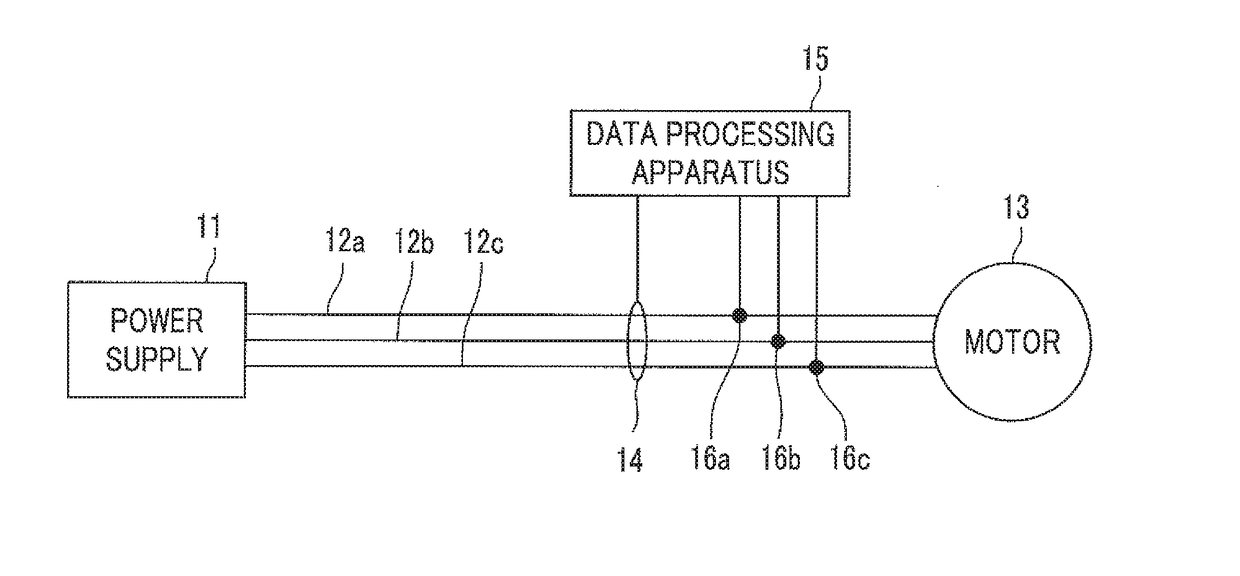
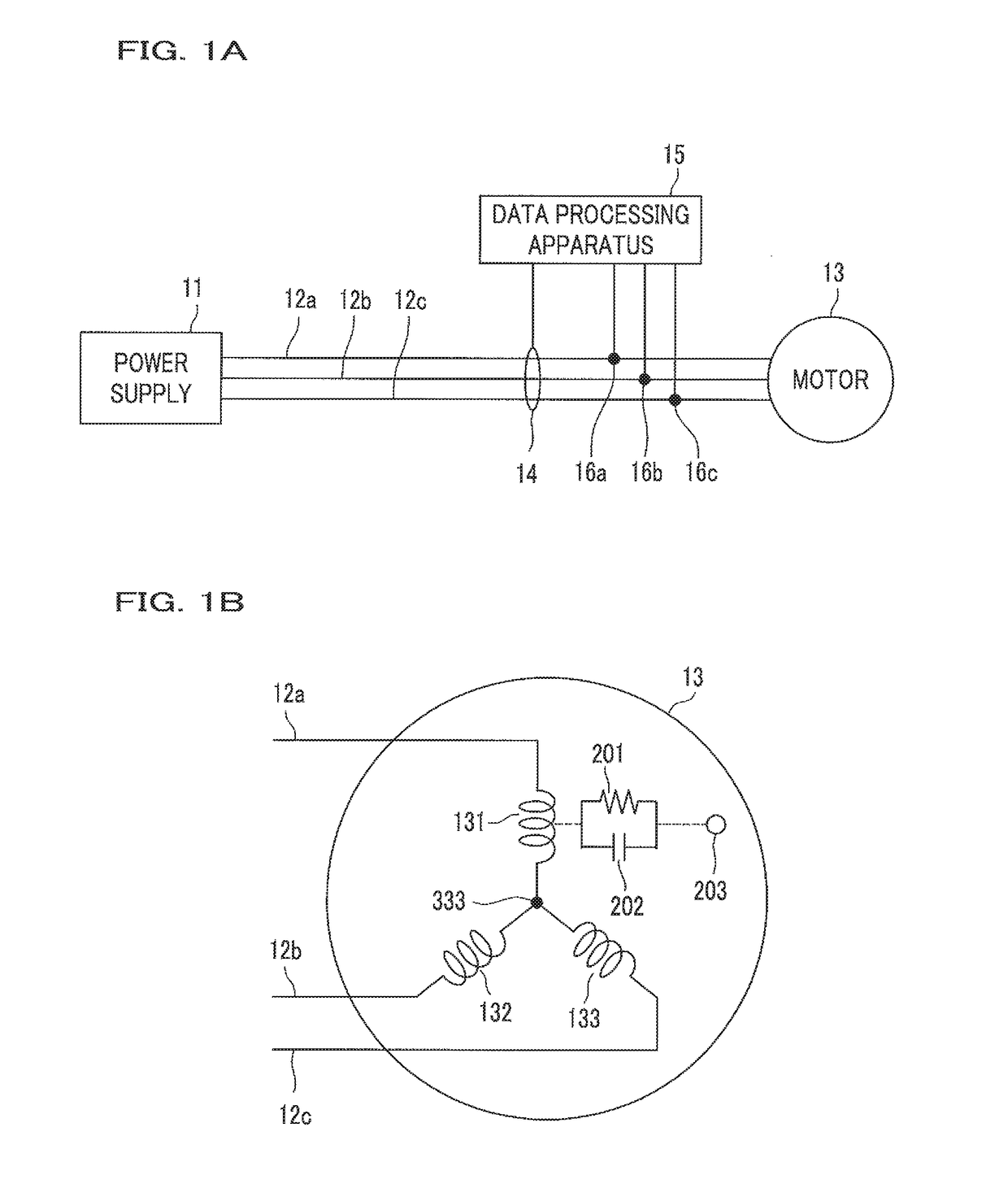
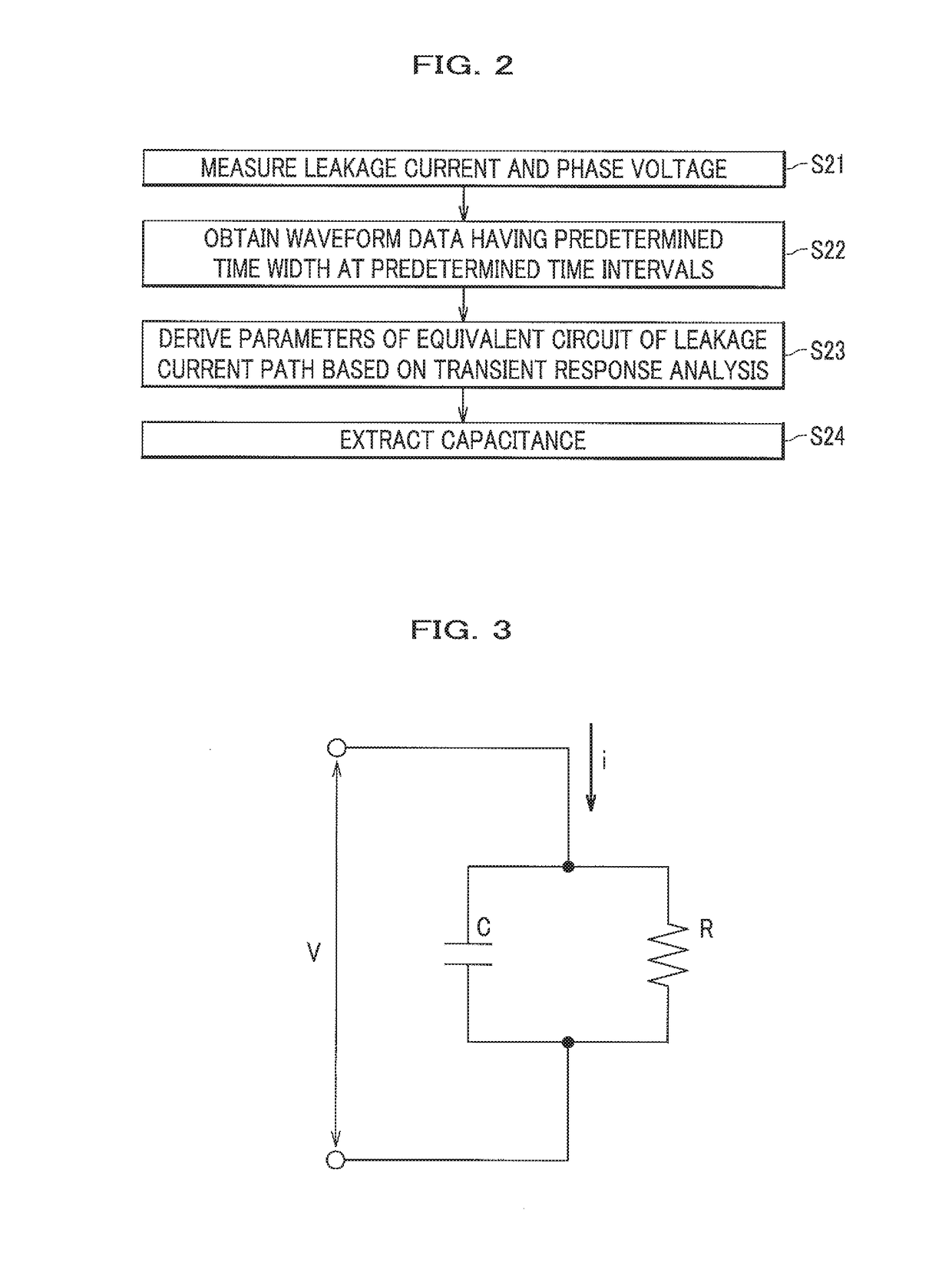
- A rotary machine diagnostic system that includes current and voltage measurement means, along with data processing for transient response analysis, allowing for the accurate calculation of leakage current path equivalent circuit parameters even during transient voltage changes, using techniques such as genetic algorithms to adjust circuit parameters and extract capacitance values.

Active prognostics and diagnostics of rotary engine-driven accessories with intermittent duty cycles
PatentActiveUS20190152485A1
Innovation
- A diagnostic and prognostic system that includes an electronic control system with a health monitoring subsystem, which uses data set richness metrics and strategic system excitation to collect diverse data sets, allowing for the prediction of rotary accessory failures by monitoring engine torque, load, and operational conditions, and providing timely warnings to operators.


Environmental Impact Assessment of Rotary Engine Failures
Rotary engine failures present significant environmental challenges that extend beyond immediate mechanical concerns, creating cascading effects across multiple ecological and atmospheric systems. The unique combustion characteristics and operational parameters of rotary engines generate distinct environmental impacts when failures occur, necessitating comprehensive assessment frameworks to evaluate their broader ecological consequences.
The primary environmental concern stems from incomplete combustion events during engine failure scenarios. Rotary engines experiencing apex seal deterioration or housing wear exhibit increased hydrocarbon emissions, releasing unburned fuel compounds directly into the atmosphere. These emissions contain elevated concentrations of volatile organic compounds that contribute to ground-level ozone formation and photochemical smog development in urban environments.
Oil consumption patterns during rotary engine failures create additional environmental burdens through increased particulate matter emissions. The characteristic oil burning associated with worn rotor seals generates fine particulate matter that affects air quality indices and poses respiratory health risks to surrounding populations. These emissions contain complex hydrocarbon chains and combustion byproducts that persist in atmospheric systems.
Coolant system failures in rotary engines present unique environmental risks due to the engine's thermal management requirements. Coolant leaks from cracked housings or failed seals can contaminate soil and groundwater systems with ethylene glycol and corrosion inhibitors. The environmental persistence of these compounds requires specialized remediation approaches and long-term monitoring protocols.
Noise pollution represents an often-overlooked environmental impact of rotary engine failures. Deteriorating apex seals and worn eccentric shafts generate increased acoustic emissions that exceed standard noise regulations. These elevated sound levels affect wildlife behavior patterns and contribute to urban noise pollution in residential and commercial areas.
The disposal and recycling challenges associated with failed rotary engine components create additional environmental considerations. The specialized materials used in rotor housings and seals require specific recycling processes, and improper disposal can lead to heavy metal contamination in landfill environments. The aluminum and steel components demand energy-intensive recycling procedures that generate their own environmental footprints.
Carbon footprint implications of rotary engine failures extend beyond direct emissions to include replacement part manufacturing and transportation impacts. The specialized nature of rotary engine components often requires global supply chains, increasing the overall environmental cost of failure remediation through manufacturing energy consumption and logistics-related emissions.
The primary environmental concern stems from incomplete combustion events during engine failure scenarios. Rotary engines experiencing apex seal deterioration or housing wear exhibit increased hydrocarbon emissions, releasing unburned fuel compounds directly into the atmosphere. These emissions contain elevated concentrations of volatile organic compounds that contribute to ground-level ozone formation and photochemical smog development in urban environments.
Oil consumption patterns during rotary engine failures create additional environmental burdens through increased particulate matter emissions. The characteristic oil burning associated with worn rotor seals generates fine particulate matter that affects air quality indices and poses respiratory health risks to surrounding populations. These emissions contain complex hydrocarbon chains and combustion byproducts that persist in atmospheric systems.
Coolant system failures in rotary engines present unique environmental risks due to the engine's thermal management requirements. Coolant leaks from cracked housings or failed seals can contaminate soil and groundwater systems with ethylene glycol and corrosion inhibitors. The environmental persistence of these compounds requires specialized remediation approaches and long-term monitoring protocols.
Noise pollution represents an often-overlooked environmental impact of rotary engine failures. Deteriorating apex seals and worn eccentric shafts generate increased acoustic emissions that exceed standard noise regulations. These elevated sound levels affect wildlife behavior patterns and contribute to urban noise pollution in residential and commercial areas.
The disposal and recycling challenges associated with failed rotary engine components create additional environmental considerations. The specialized materials used in rotor housings and seals require specific recycling processes, and improper disposal can lead to heavy metal contamination in landfill environments. The aluminum and steel components demand energy-intensive recycling procedures that generate their own environmental footprints.
Carbon footprint implications of rotary engine failures extend beyond direct emissions to include replacement part manufacturing and transportation impacts. The specialized nature of rotary engine components often requires global supply chains, increasing the overall environmental cost of failure remediation through manufacturing energy consumption and logistics-related emissions.
Safety Standards and Certification for Rotary Engine Systems
Rotary engine systems operate under unique mechanical principles that necessitate specialized safety standards and certification frameworks distinct from conventional reciprocating engines. The Wankel rotary design's inherent characteristics, including continuous combustion cycles and eccentric rotor motion, present specific failure modes that require targeted regulatory oversight. Current safety standards primarily derive from aviation authorities such as FAA and EASA, which have established comprehensive certification protocols for rotary engines used in aircraft applications.
The certification process for rotary engines encompasses multiple phases of rigorous testing and validation. Type certification requires extensive endurance testing, typically involving 150-hour preliminary flight rating tests and 300-hour type certification tests. These protocols specifically address rotary engine vulnerabilities including apex seal degradation, housing wear patterns, and thermal management challenges. The certification framework mandates detailed failure mode and effects analysis (FMEA) documentation, with particular emphasis on single-point failure scenarios that could compromise flight safety.
International harmonization of rotary engine safety standards remains an ongoing challenge, with different regulatory bodies maintaining varying requirements. The European Union Aviation Safety Agency has developed specific airworthiness standards under CS-E regulations, while the Federal Aviation Administration operates under Part 33 certification requirements. These standards address critical safety aspects including fire prevention, containment of engine failures, and emergency shutdown procedures tailored to rotary engine characteristics.
Emerging applications of rotary engines in unmanned aerial vehicles and electric hybrid systems are driving evolution in certification approaches. New safety standards are being developed to address novel failure modes associated with electric-assisted rotary systems, including battery integration safety and hybrid powertrain coordination. The certification process now incorporates cybersecurity considerations for electronically controlled rotary engines, reflecting the increasing digitization of engine management systems.
Future certification frameworks are expected to emphasize predictive maintenance capabilities and real-time health monitoring systems. Advanced sensor integration and data analytics are becoming integral components of safety certification, enabling proactive identification of potential failure conditions before they manifest as critical safety events.
The certification process for rotary engines encompasses multiple phases of rigorous testing and validation. Type certification requires extensive endurance testing, typically involving 150-hour preliminary flight rating tests and 300-hour type certification tests. These protocols specifically address rotary engine vulnerabilities including apex seal degradation, housing wear patterns, and thermal management challenges. The certification framework mandates detailed failure mode and effects analysis (FMEA) documentation, with particular emphasis on single-point failure scenarios that could compromise flight safety.
International harmonization of rotary engine safety standards remains an ongoing challenge, with different regulatory bodies maintaining varying requirements. The European Union Aviation Safety Agency has developed specific airworthiness standards under CS-E regulations, while the Federal Aviation Administration operates under Part 33 certification requirements. These standards address critical safety aspects including fire prevention, containment of engine failures, and emergency shutdown procedures tailored to rotary engine characteristics.
Emerging applications of rotary engines in unmanned aerial vehicles and electric hybrid systems are driving evolution in certification approaches. New safety standards are being developed to address novel failure modes associated with electric-assisted rotary systems, including battery integration safety and hybrid powertrain coordination. The certification process now incorporates cybersecurity considerations for electronically controlled rotary engines, reflecting the increasing digitization of engine management systems.
Future certification frameworks are expected to emphasize predictive maintenance capabilities and real-time health monitoring systems. Advanced sensor integration and data analytics are becoming integral components of safety certification, enabling proactive identification of potential failure conditions before they manifest as critical safety events.
Unlock deeper insights with Patsnap Eureka Quick Research — get a full tech report to explore trends and direct your research. Try now!
Generate Your Research Report Instantly with AI Agent
Supercharge your innovation with Patsnap Eureka AI Agent Platform!