

Evaluate Thermoelectric System Supply Chain Impact
MAR 9, 20269 MIN READ
Generate Your Research Report Instantly with AI Agent
PatSnap Eureka helps you evaluate technical feasibility & market potential.
Thermoelectric Technology Background and Supply Chain Goals
Thermoelectric technology represents a solid-state energy conversion mechanism that directly transforms thermal energy into electrical energy through the Seebeck effect, or conversely, creates temperature differentials via the Peltier effect. This phenomenon, discovered in the early 19th century, has evolved from a scientific curiosity into a commercially viable technology with applications spanning automotive waste heat recovery, portable cooling systems, and renewable energy generation.
The historical development of thermoelectric systems has been marked by significant material science breakthroughs, particularly in the enhancement of the dimensionless figure of merit (ZT) values. Early thermoelectric materials achieved ZT values below 0.5, limiting commercial viability. However, recent advances in nanostructured materials, quantum wells, and phonon engineering have pushed ZT values beyond 2.0 in laboratory settings, making thermoelectric systems increasingly competitive with conventional energy conversion technologies.
Current technological evolution focuses on three primary directions: material optimization through advanced synthesis techniques, module design improvements for enhanced thermal management, and system-level integration strategies. The integration of artificial intelligence and machine learning in material discovery has accelerated the identification of high-performance thermoelectric compounds, while additive manufacturing techniques enable complex geometries that optimize heat transfer characteristics.
Supply chain considerations have become increasingly critical as thermoelectric technology transitions from niche applications to mainstream adoption. The primary supply chain goals encompass securing reliable access to critical raw materials, particularly rare earth elements and tellurium-based compounds essential for high-performance thermoelectric materials. Geographic concentration of these materials in specific regions creates vulnerability points that require strategic diversification.
Manufacturing scalability represents another fundamental supply chain objective, as current production methods often rely on specialized processes that limit volume manufacturing capabilities. The transition from laboratory-scale synthesis to industrial production requires substantial investments in specialized equipment and quality control systems. Additionally, the development of standardized testing protocols and certification processes ensures consistent performance across different suppliers and manufacturing facilities.
Cost reduction through supply chain optimization remains paramount for widespread market penetration. This involves establishing strategic partnerships with material suppliers, implementing lean manufacturing principles, and developing alternative material formulations that reduce dependence on expensive or scarce elements while maintaining performance characteristics.
The historical development of thermoelectric systems has been marked by significant material science breakthroughs, particularly in the enhancement of the dimensionless figure of merit (ZT) values. Early thermoelectric materials achieved ZT values below 0.5, limiting commercial viability. However, recent advances in nanostructured materials, quantum wells, and phonon engineering have pushed ZT values beyond 2.0 in laboratory settings, making thermoelectric systems increasingly competitive with conventional energy conversion technologies.
Current technological evolution focuses on three primary directions: material optimization through advanced synthesis techniques, module design improvements for enhanced thermal management, and system-level integration strategies. The integration of artificial intelligence and machine learning in material discovery has accelerated the identification of high-performance thermoelectric compounds, while additive manufacturing techniques enable complex geometries that optimize heat transfer characteristics.
Supply chain considerations have become increasingly critical as thermoelectric technology transitions from niche applications to mainstream adoption. The primary supply chain goals encompass securing reliable access to critical raw materials, particularly rare earth elements and tellurium-based compounds essential for high-performance thermoelectric materials. Geographic concentration of these materials in specific regions creates vulnerability points that require strategic diversification.
Manufacturing scalability represents another fundamental supply chain objective, as current production methods often rely on specialized processes that limit volume manufacturing capabilities. The transition from laboratory-scale synthesis to industrial production requires substantial investments in specialized equipment and quality control systems. Additionally, the development of standardized testing protocols and certification processes ensures consistent performance across different suppliers and manufacturing facilities.
Cost reduction through supply chain optimization remains paramount for widespread market penetration. This involves establishing strategic partnerships with material suppliers, implementing lean manufacturing principles, and developing alternative material formulations that reduce dependence on expensive or scarce elements while maintaining performance characteristics.
Market Demand for Thermoelectric Systems and Components
The global thermoelectric systems market is experiencing significant growth driven by increasing demand for energy-efficient solutions and sustainable power generation technologies. This expansion is primarily fueled by rising environmental consciousness and stringent government regulations promoting clean energy alternatives across various industrial sectors.
Automotive applications represent one of the most promising market segments for thermoelectric systems. The automotive industry's shift toward electric vehicles and hybrid technologies has created substantial demand for waste heat recovery systems and auxiliary power generation units. Thermoelectric generators are increasingly integrated into exhaust systems to improve overall vehicle efficiency, while thermoelectric coolers find applications in battery thermal management and cabin climate control systems.
Industrial waste heat recovery applications constitute another major demand driver. Manufacturing facilities, power plants, and chemical processing industries generate substantial amounts of waste heat that can be converted into useful electrical energy through thermoelectric systems. The growing emphasis on industrial energy efficiency and carbon footprint reduction has accelerated adoption of these technologies across heavy industries.
The aerospace and defense sectors demonstrate consistent demand for specialized thermoelectric components. Space missions require reliable power generation systems that can operate in extreme environments, making radioisotope thermoelectric generators essential for deep space exploration. Military applications include portable power sources for remote operations and thermal management systems for electronic equipment.
Consumer electronics and telecommunications infrastructure represent emerging market opportunities. The proliferation of Internet of Things devices and remote sensing applications has created demand for maintenance-free power sources. Thermoelectric generators offer attractive solutions for powering wireless sensors and communication equipment in remote locations where traditional power sources are impractical.
Medical device applications show promising growth potential, particularly for implantable devices and portable diagnostic equipment. The biocompatibility and reliability of thermoelectric systems make them suitable for powering pacemakers and other medical implants using body heat as an energy source.
Regional market dynamics reveal strong demand concentration in North America, Europe, and Asia-Pacific regions. Developed economies drive demand through advanced automotive and aerospace applications, while emerging markets focus on industrial energy recovery and telecommunications infrastructure development.
Component-level demand encompasses thermoelectric modules, heat exchangers, control electronics, and system integration hardware. The market increasingly favors high-performance materials and advanced manufacturing techniques that improve conversion efficiency and reduce system costs.
Automotive applications represent one of the most promising market segments for thermoelectric systems. The automotive industry's shift toward electric vehicles and hybrid technologies has created substantial demand for waste heat recovery systems and auxiliary power generation units. Thermoelectric generators are increasingly integrated into exhaust systems to improve overall vehicle efficiency, while thermoelectric coolers find applications in battery thermal management and cabin climate control systems.
Industrial waste heat recovery applications constitute another major demand driver. Manufacturing facilities, power plants, and chemical processing industries generate substantial amounts of waste heat that can be converted into useful electrical energy through thermoelectric systems. The growing emphasis on industrial energy efficiency and carbon footprint reduction has accelerated adoption of these technologies across heavy industries.
The aerospace and defense sectors demonstrate consistent demand for specialized thermoelectric components. Space missions require reliable power generation systems that can operate in extreme environments, making radioisotope thermoelectric generators essential for deep space exploration. Military applications include portable power sources for remote operations and thermal management systems for electronic equipment.
Consumer electronics and telecommunications infrastructure represent emerging market opportunities. The proliferation of Internet of Things devices and remote sensing applications has created demand for maintenance-free power sources. Thermoelectric generators offer attractive solutions for powering wireless sensors and communication equipment in remote locations where traditional power sources are impractical.
Medical device applications show promising growth potential, particularly for implantable devices and portable diagnostic equipment. The biocompatibility and reliability of thermoelectric systems make them suitable for powering pacemakers and other medical implants using body heat as an energy source.
Regional market dynamics reveal strong demand concentration in North America, Europe, and Asia-Pacific regions. Developed economies drive demand through advanced automotive and aerospace applications, while emerging markets focus on industrial energy recovery and telecommunications infrastructure development.
Component-level demand encompasses thermoelectric modules, heat exchangers, control electronics, and system integration hardware. The market increasingly favors high-performance materials and advanced manufacturing techniques that improve conversion efficiency and reduce system costs.
Current Supply Chain Status and Challenges
The thermoelectric system supply chain currently faces significant structural challenges that impact global market dynamics and technological advancement. The supply chain is characterized by high geographical concentration, with critical raw materials predominantly sourced from specific regions. Bismuth telluride, the most widely used thermoelectric material, relies heavily on tellurium extraction, which is primarily concentrated in China, Japan, and Canada. This geographical concentration creates inherent supply vulnerabilities and price volatility risks.
Manufacturing capabilities are similarly concentrated, with major production facilities located in Asia-Pacific regions, particularly China, South Korea, and Japan. These facilities handle everything from raw material processing to device assembly, creating bottlenecks in the global supply network. The limited number of qualified suppliers capable of producing high-purity thermoelectric materials further constrains supply chain flexibility and increases dependency risks.
Quality control and standardization present ongoing challenges across the supply chain. Thermoelectric materials require extremely precise composition and purity levels to achieve optimal performance, demanding sophisticated manufacturing processes and quality assurance protocols. Many suppliers struggle to maintain consistent quality standards, leading to performance variations and reliability issues in end products.
Cost pressures significantly impact supply chain sustainability. The high cost of raw materials, combined with complex manufacturing processes, results in expensive thermoelectric systems that limit market adoption. Supply chain participants face constant pressure to reduce costs while maintaining quality, creating tension between economic viability and technical performance requirements.
Logistics and transportation challenges compound supply chain complexity. Thermoelectric materials often require specialized handling and storage conditions to prevent contamination or degradation. The fragile nature of some thermoelectric devices necessitates careful packaging and shipping protocols, increasing transportation costs and delivery timeframes.
Supply chain transparency and traceability remain limited, making it difficult for manufacturers to verify material origins and ensure ethical sourcing practices. This lack of visibility creates risks related to regulatory compliance and sustainability requirements, particularly as environmental regulations become more stringent globally.
The emerging demand for thermoelectric systems in automotive, aerospace, and renewable energy applications is straining existing supply chain capacity. Current suppliers are struggling to scale production volumes while maintaining quality standards, creating delivery delays and capacity constraints that hinder market growth and technology adoption across various industrial sectors.
Manufacturing capabilities are similarly concentrated, with major production facilities located in Asia-Pacific regions, particularly China, South Korea, and Japan. These facilities handle everything from raw material processing to device assembly, creating bottlenecks in the global supply network. The limited number of qualified suppliers capable of producing high-purity thermoelectric materials further constrains supply chain flexibility and increases dependency risks.
Quality control and standardization present ongoing challenges across the supply chain. Thermoelectric materials require extremely precise composition and purity levels to achieve optimal performance, demanding sophisticated manufacturing processes and quality assurance protocols. Many suppliers struggle to maintain consistent quality standards, leading to performance variations and reliability issues in end products.
Cost pressures significantly impact supply chain sustainability. The high cost of raw materials, combined with complex manufacturing processes, results in expensive thermoelectric systems that limit market adoption. Supply chain participants face constant pressure to reduce costs while maintaining quality, creating tension between economic viability and technical performance requirements.
Logistics and transportation challenges compound supply chain complexity. Thermoelectric materials often require specialized handling and storage conditions to prevent contamination or degradation. The fragile nature of some thermoelectric devices necessitates careful packaging and shipping protocols, increasing transportation costs and delivery timeframes.
Supply chain transparency and traceability remain limited, making it difficult for manufacturers to verify material origins and ensure ethical sourcing practices. This lack of visibility creates risks related to regulatory compliance and sustainability requirements, particularly as environmental regulations become more stringent globally.
The emerging demand for thermoelectric systems in automotive, aerospace, and renewable energy applications is straining existing supply chain capacity. Current suppliers are struggling to scale production volumes while maintaining quality standards, creating delivery delays and capacity constraints that hinder market growth and technology adoption across various industrial sectors.
Current Thermoelectric Supply Chain Solutions
01 Supply chain management and optimization systems for thermoelectric components
Systems and methods for managing and optimizing the supply chain of thermoelectric system components through integrated platforms that track inventory, procurement, and distribution. These solutions enable real-time monitoring of component availability, supplier performance, and logistics coordination to minimize disruptions and ensure timely delivery of critical thermoelectric materials and modules.- Supply chain management and optimization systems for thermoelectric components: Systems and methods for managing and optimizing the supply chain of thermoelectric system components, including inventory management, demand forecasting, and logistics coordination. These solutions help streamline the procurement and distribution of thermoelectric materials and devices, reducing lead times and improving supply chain efficiency through automated tracking and data analytics.
- Manufacturing process integration and quality control in thermoelectric production: Technologies focused on integrating manufacturing processes for thermoelectric devices with supply chain operations, including quality control measures, production scheduling, and material sourcing. These approaches ensure consistent product quality while maintaining efficient material flow and reducing production bottlenecks in the thermoelectric manufacturing pipeline.
- Risk assessment and resilience strategies for thermoelectric supply networks: Methods for evaluating and mitigating risks in thermoelectric system supply chains, including supplier diversification, contingency planning, and supply disruption management. These strategies help identify vulnerabilities in the supply network and implement measures to ensure continuity of thermoelectric component availability during market fluctuations or geopolitical events.
- Sustainable sourcing and environmental impact management in thermoelectric materials: Approaches for implementing sustainable practices in the sourcing and processing of thermoelectric materials, including rare earth elements and semiconductor compounds. These methods address environmental concerns, ethical sourcing requirements, and circular economy principles to reduce the ecological footprint of thermoelectric supply chains while ensuring material availability.
- Digital tracking and blockchain technologies for thermoelectric component traceability: Implementation of digital technologies including blockchain, IoT sensors, and distributed ledger systems for tracking thermoelectric components throughout the supply chain. These solutions provide transparency, authenticity verification, and real-time monitoring of materials from raw material extraction through final product delivery, enhancing accountability and reducing counterfeiting risks.
02 Risk assessment and mitigation strategies for thermoelectric supply chains
Methods for identifying, analyzing, and mitigating risks within thermoelectric system supply chains, including supplier reliability evaluation, geopolitical risk assessment, and contingency planning. These approaches help manufacturers and integrators develop resilient supply networks that can withstand disruptions from material shortages, transportation delays, or supplier failures.Expand Specific Solutions03 Material sourcing and procurement optimization for thermoelectric devices
Techniques for optimizing the sourcing and procurement of specialized materials used in thermoelectric systems, including rare earth elements, semiconductor materials, and substrate components. These methods focus on diversifying supplier bases, establishing strategic partnerships, and implementing just-in-time inventory management to reduce costs and improve supply chain flexibility.Expand Specific Solutions04 Quality control and traceability systems in thermoelectric manufacturing
Systems for ensuring quality control and maintaining traceability throughout the thermoelectric component manufacturing and assembly process. These solutions implement tracking mechanisms from raw material sourcing through final product delivery, enabling identification of defects, compliance verification, and rapid response to quality issues that could impact supply chain efficiency.Expand Specific Solutions05 Demand forecasting and inventory management for thermoelectric applications
Advanced forecasting and inventory management techniques specifically designed for thermoelectric system components and finished products. These methods utilize predictive analytics, machine learning algorithms, and market trend analysis to optimize stock levels, reduce carrying costs, and ensure adequate supply to meet fluctuating demand across various thermoelectric applications including automotive, industrial, and consumer electronics sectors.Expand Specific Solutions
Major Players in Thermoelectric Supply Chain
The thermoelectric system supply chain represents an emerging market experiencing rapid technological evolution across multiple industry verticals. The industry is currently in a growth phase, transitioning from niche applications to broader commercial adoption, with market expansion driven by increasing demand for energy-efficient cooling and waste heat recovery solutions. The competitive landscape demonstrates moderate technology maturity, with established players like ABB Ltd., Gentherm Inc., and Phononic Inc. leading specialized thermoelectric applications, while major corporations such as Hitachi Ltd., Continental Automotive GmbH, and Wolfspeed Inc. integrate thermoelectric components into broader system architectures. Chinese state enterprises including State Grid Corp. and research institutions like Huazhong University of Science & Technology are advancing grid-scale applications, while automotive suppliers such as Continental and Gentherm focus on vehicle thermal management systems, indicating a diversified but still consolidating market structure with significant growth potential.
ABB Ltd.
Technical Solution: ABB integrates thermoelectric systems into their broader power and automation portfolio with a comprehensive supply chain management approach. Their strategy involves leveraging existing supplier networks from their electrical equipment business to source thermoelectric components and materials. ABB has developed supply chain partnerships with specialized thermoelectric material manufacturers while utilizing their global logistics network to optimize distribution and reduce lead times. The company implements digital supply chain management tools to track material flows and predict potential disruptions in thermoelectric component availability. Their approach includes supplier development programs to enhance thermoelectric technology capabilities across their supply base.
Strengths: Global supply chain infrastructure, diversified supplier base, strong financial resources for supply chain investments. Weaknesses: Thermoelectric systems represent small portion of overall business, potential conflicts in supplier priorities, complex integration requirements.
Gentherm, Inc.
Technical Solution: Gentherm specializes in thermal management technologies including thermoelectric systems for automotive applications. Their supply chain strategy focuses on vertical integration of thermoelectric materials and manufacturing processes. The company has developed proprietary bismuth telluride-based thermoelectric modules with optimized supply chain partnerships across semiconductor material suppliers, particularly in Asia-Pacific regions. Their manufacturing facilities are strategically located to minimize transportation costs and ensure reliable material sourcing. Gentherm maintains long-term contracts with key material suppliers and has implemented supply chain risk management protocols including dual sourcing strategies for critical thermoelectric materials and components.
Strengths: Established automotive industry relationships, vertical integration capabilities, proven manufacturing scale. Weaknesses: Heavy dependence on automotive sector, limited diversification in supply chain sources, vulnerability to semiconductor material price fluctuations.
Key Supply Chain Optimization Technologies
Systems and methods for supply chain management
PatentPendingUS20230351322A1
Innovation
- A processor-based system that integrates data from various sources, preprocesses it, generates supply chain data, and uses an orchestration engine to analyze and predict states associated with events, generating resolution flows to manage these states, thereby optimizing inventory and replenishment plans.


Thermoelectric system
PatentInactiveUS6232543B1
Innovation
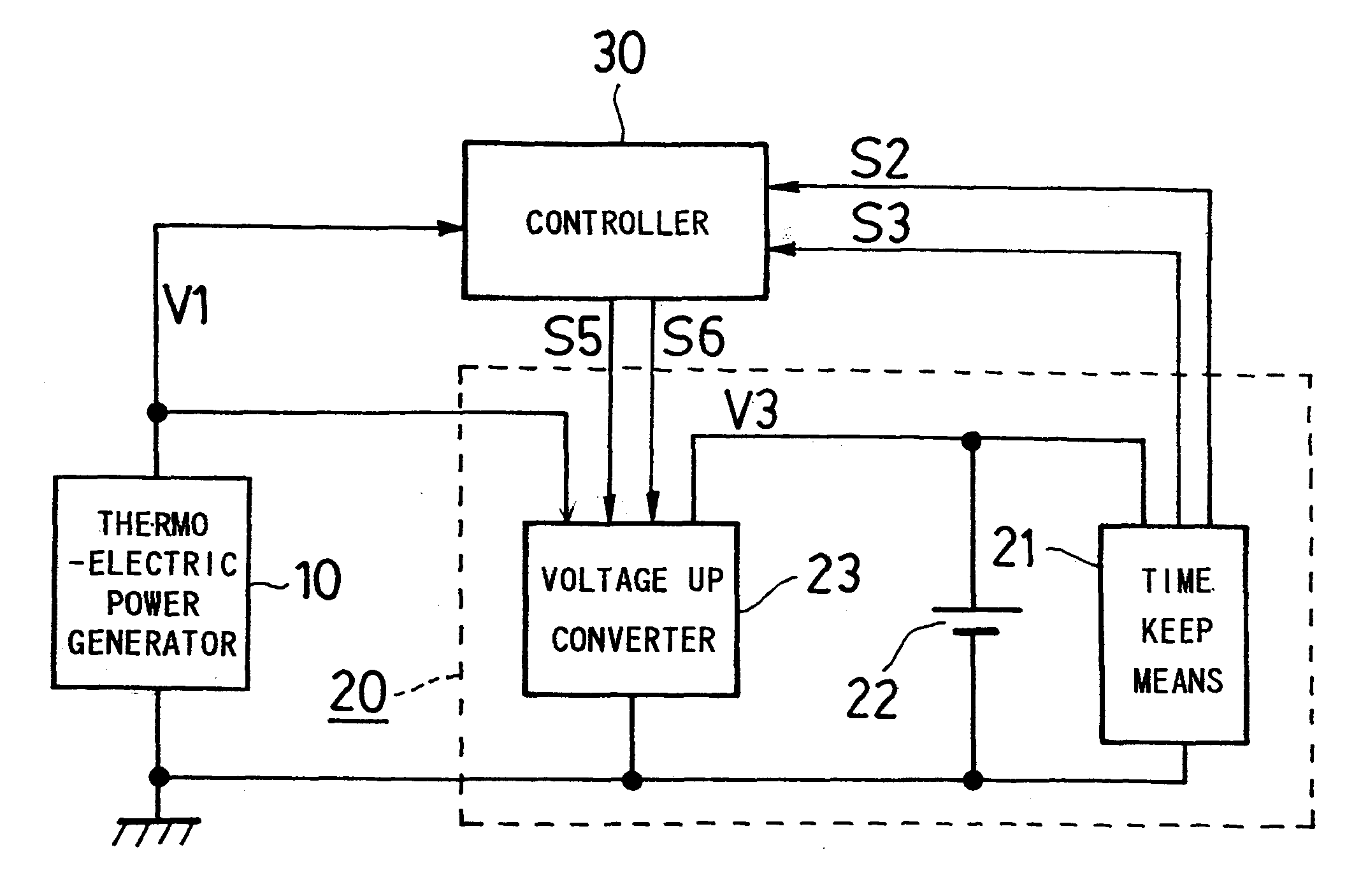
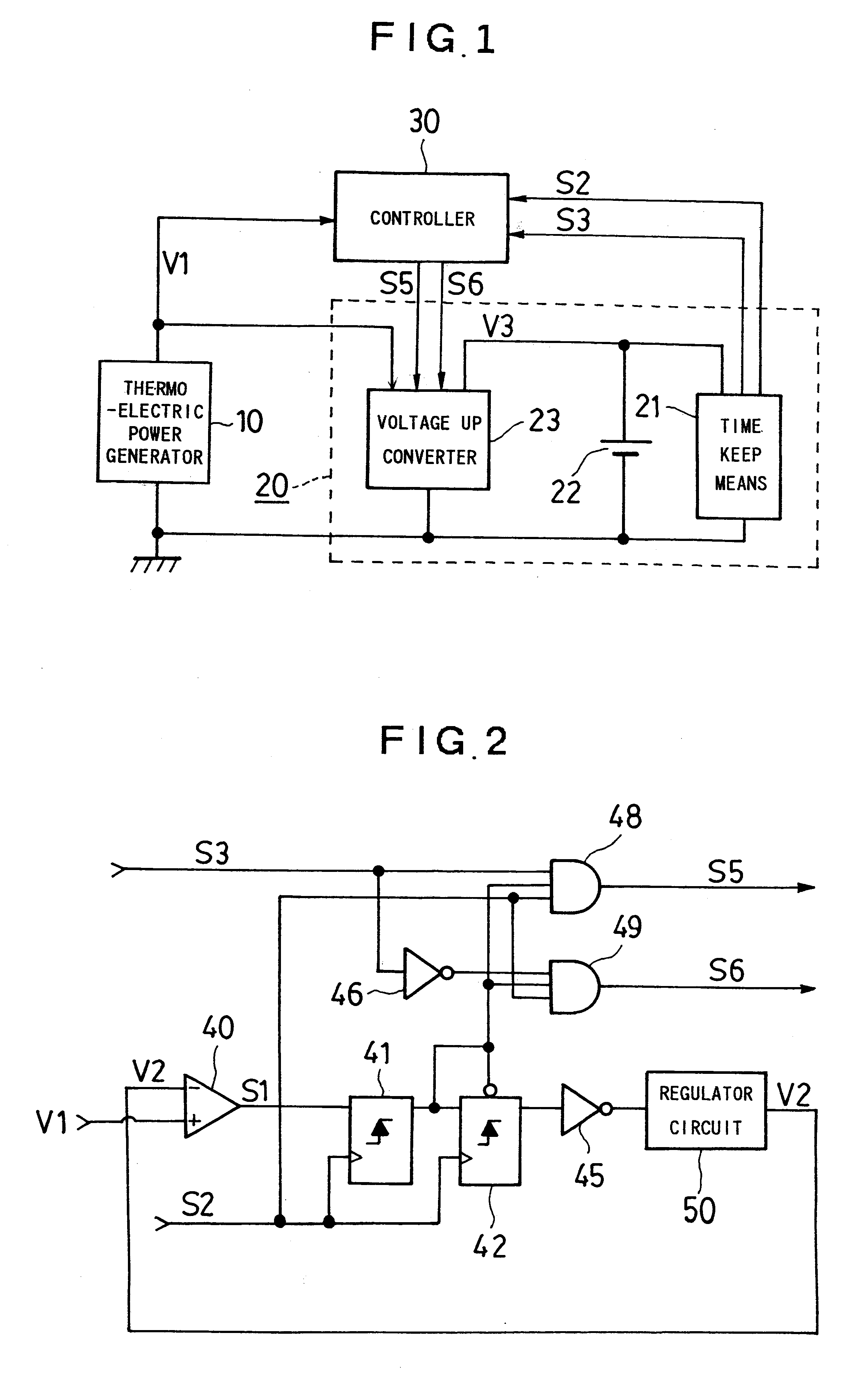
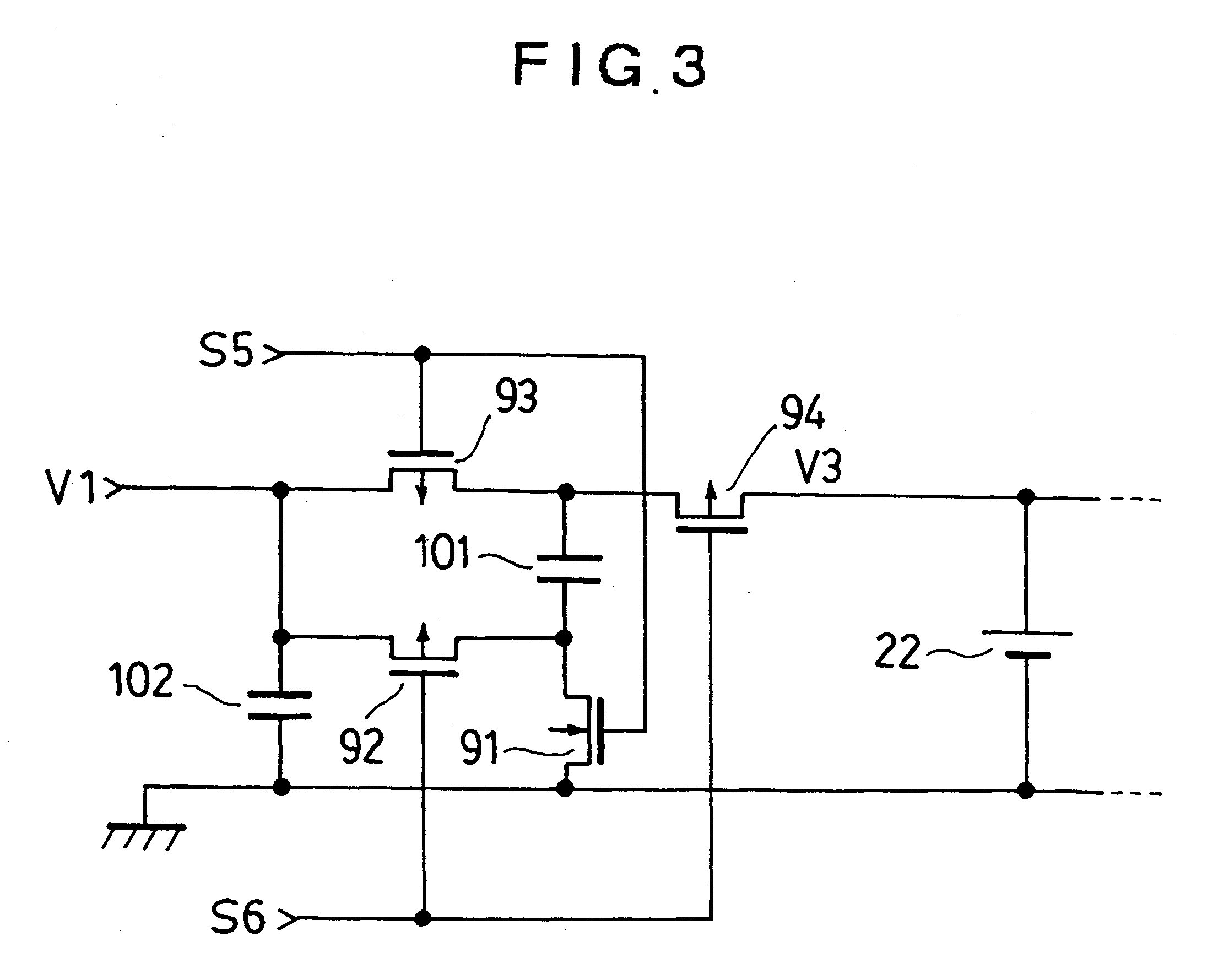
- A thermoelectric system with a controller that compensates for the Peltier effect by intermittently measuring the generated voltage and adjusting power supply routes to maintain optimal voltage levels, ensuring continuous power delivery and utilization even when the Peltier effect occurs, using a compensating mechanism to account for voltage reductions over time.

Environmental Impact Assessment
The environmental impact assessment of thermoelectric system supply chains reveals significant ecological considerations across multiple stages of production, distribution, and end-of-life management. Raw material extraction represents the most environmentally intensive phase, particularly for critical elements such as bismuth, tellurium, antimony, and rare earth materials required for high-performance thermoelectric devices. Mining operations for these materials often involve substantial energy consumption, water usage, and potential soil contamination, with tellurium extraction being especially challenging due to its scarcity and complex refinement processes.
Manufacturing processes contribute considerably to the carbon footprint through energy-intensive semiconductor fabrication, precision machining, and assembly operations. The production of thermoelectric modules typically requires high-temperature processing, clean room environments, and specialized equipment that collectively generate substantial greenhouse gas emissions. Additionally, the use of hazardous chemicals in wafer processing and surface treatments poses risks to local ecosystems if not properly managed through comprehensive waste treatment systems.
Transportation and logistics within the supply chain present moderate environmental impacts, primarily through fossil fuel consumption during global shipping of raw materials and finished products. The geographic distribution of key suppliers, with major manufacturing centers in Asia and primary markets in North America and Europe, necessitates extensive international freight movement that contributes to overall system emissions.
End-of-life considerations reveal both challenges and opportunities for environmental stewardship. While thermoelectric devices contain valuable materials suitable for recycling, current recovery infrastructure remains underdeveloped. The presence of toxic elements in some thermoelectric materials requires specialized disposal methods to prevent environmental contamination. However, the long operational lifespan of thermoelectric systems, often exceeding twenty years, helps offset initial environmental investments.
Comparative lifecycle assessments indicate that thermoelectric systems generally demonstrate favorable environmental profiles when deployed in waste heat recovery applications, where their environmental costs are offset by energy savings and reduced primary power generation requirements. The net environmental benefit becomes particularly pronounced in industrial applications where thermoelectric systems enable significant improvements in overall energy efficiency.
Manufacturing processes contribute considerably to the carbon footprint through energy-intensive semiconductor fabrication, precision machining, and assembly operations. The production of thermoelectric modules typically requires high-temperature processing, clean room environments, and specialized equipment that collectively generate substantial greenhouse gas emissions. Additionally, the use of hazardous chemicals in wafer processing and surface treatments poses risks to local ecosystems if not properly managed through comprehensive waste treatment systems.
Transportation and logistics within the supply chain present moderate environmental impacts, primarily through fossil fuel consumption during global shipping of raw materials and finished products. The geographic distribution of key suppliers, with major manufacturing centers in Asia and primary markets in North America and Europe, necessitates extensive international freight movement that contributes to overall system emissions.
End-of-life considerations reveal both challenges and opportunities for environmental stewardship. While thermoelectric devices contain valuable materials suitable for recycling, current recovery infrastructure remains underdeveloped. The presence of toxic elements in some thermoelectric materials requires specialized disposal methods to prevent environmental contamination. However, the long operational lifespan of thermoelectric systems, often exceeding twenty years, helps offset initial environmental investments.
Comparative lifecycle assessments indicate that thermoelectric systems generally demonstrate favorable environmental profiles when deployed in waste heat recovery applications, where their environmental costs are offset by energy savings and reduced primary power generation requirements. The net environmental benefit becomes particularly pronounced in industrial applications where thermoelectric systems enable significant improvements in overall energy efficiency.
Supply Chain Risk Management
Thermoelectric system supply chains face multifaceted risks that require comprehensive management strategies to ensure operational continuity and cost stability. The primary risk categories include material supply disruptions, geopolitical tensions, quality control failures, and price volatility of critical raw materials such as bismuth telluride, lead telluride, and rare earth elements.
Material supply concentration represents a significant vulnerability, as key thermoelectric materials are predominantly sourced from limited geographical regions. Bismuth production is heavily concentrated in China and Peru, while tellurium extraction depends largely on copper refining operations in specific countries. This geographical concentration creates single points of failure that can severely impact global thermoelectric manufacturing capabilities during regional disruptions or trade restrictions.
Quality assurance risks emerge from the stringent purity requirements of thermoelectric materials, where even minor contamination can drastically reduce system performance. Supply chain partners must maintain consistent quality standards throughout the procurement, processing, and transportation phases. Inadequate quality control can result in batch rejections, production delays, and compromised end-product reliability.
Price volatility management becomes critical due to the commodity nature of base materials and the relatively small market size for specialized thermoelectric compounds. Sudden price spikes can significantly impact project economics, particularly for large-scale installations where material costs represent substantial portions of total system expenses.
Mitigation strategies should encompass supplier diversification, strategic inventory management, and long-term supply agreements with multiple vendors across different regions. Establishing alternative material sourcing pathways and developing relationships with secondary suppliers can provide backup options during primary supply disruptions. Additionally, implementing robust supplier qualification processes and regular audits ensures consistent quality standards throughout the supply network.
Risk monitoring systems should incorporate real-time tracking of supplier performance, geopolitical developments, and market price fluctuations. Early warning mechanisms enable proactive responses to emerging threats, allowing companies to adjust procurement strategies before disruptions materialize into operational impacts.
Material supply concentration represents a significant vulnerability, as key thermoelectric materials are predominantly sourced from limited geographical regions. Bismuth production is heavily concentrated in China and Peru, while tellurium extraction depends largely on copper refining operations in specific countries. This geographical concentration creates single points of failure that can severely impact global thermoelectric manufacturing capabilities during regional disruptions or trade restrictions.
Quality assurance risks emerge from the stringent purity requirements of thermoelectric materials, where even minor contamination can drastically reduce system performance. Supply chain partners must maintain consistent quality standards throughout the procurement, processing, and transportation phases. Inadequate quality control can result in batch rejections, production delays, and compromised end-product reliability.
Price volatility management becomes critical due to the commodity nature of base materials and the relatively small market size for specialized thermoelectric compounds. Sudden price spikes can significantly impact project economics, particularly for large-scale installations where material costs represent substantial portions of total system expenses.
Mitigation strategies should encompass supplier diversification, strategic inventory management, and long-term supply agreements with multiple vendors across different regions. Establishing alternative material sourcing pathways and developing relationships with secondary suppliers can provide backup options during primary supply disruptions. Additionally, implementing robust supplier qualification processes and regular audits ensures consistent quality standards throughout the supply network.
Risk monitoring systems should incorporate real-time tracking of supplier performance, geopolitical developments, and market price fluctuations. Early warning mechanisms enable proactive responses to emerging threats, allowing companies to adjust procurement strategies before disruptions materialize into operational impacts.
Unlock deeper insights with PatSnap Eureka Quick Research — get a full tech report to explore trends and direct your research. Try now!
Generate Your Research Report Instantly with AI Agent
Supercharge your innovation with PatSnap Eureka AI Agent Platform!