

Evaluating Collaboration Between Tech and Industry on Capture
MAR 23, 20269 MIN READ
Generate Your Research Report Instantly with AI Agent
Patsnap Eureka helps you evaluate technical feasibility & market potential.
Tech-Industry Carbon Capture Collaboration Background and Goals
Carbon capture technologies have emerged as critical solutions in the global fight against climate change, representing one of the most promising pathways to achieve net-zero emissions by mid-century. The evolution of carbon capture, utilization, and storage (CCUS) technologies spans several decades, beginning with early industrial applications in the 1970s for enhanced oil recovery and evolving into sophisticated direct air capture and industrial point-source capture systems today.
The historical development trajectory reveals distinct phases of technological advancement. Initial developments focused on post-combustion capture from power plants, followed by pre-combustion and oxy-fuel combustion technologies. Recent breakthroughs have expanded the scope to include direct air capture (DAC), bioenergy with carbon capture and storage (BECCS), and novel sorbent materials that significantly improve capture efficiency and reduce energy penalties.
Current technological trends indicate a shift toward modular, scalable solutions that can be deployed across diverse industrial sectors. Advanced materials science has enabled the development of metal-organic frameworks (MOFs), solid amine sorbents, and ionic liquids that demonstrate superior CO2 selectivity and lower regeneration energy requirements. Integration with renewable energy sources has become a key focus area, addressing the energy intensity challenges that have historically limited widespread deployment.
The collaboration between technology developers and industrial partners has become increasingly sophisticated, moving beyond traditional vendor-customer relationships toward integrated innovation ecosystems. Technology companies bring cutting-edge research capabilities, advanced materials expertise, and digital optimization tools, while industrial partners provide real-world deployment environments, operational knowledge, and scale-up capabilities essential for commercial viability.
Strategic objectives for tech-industry collaboration center on achieving cost reduction targets of $100-150 per ton of CO2 captured, improving capture rates to exceed 95% efficiency, and developing standardized integration protocols that enable rapid deployment across multiple industrial applications. These partnerships aim to accelerate the transition from pilot-scale demonstrations to commercial-scale operations while establishing robust supply chains and maintenance ecosystems.
The ultimate goal encompasses creating a comprehensive carbon management infrastructure that seamlessly integrates capture, transport, utilization, and storage components. This requires unprecedented coordination between software platforms for optimization, hardware manufacturers for equipment supply, industrial operators for deployment sites, and financial institutions for project funding, establishing the foundation for a scalable global carbon capture industry.
The historical development trajectory reveals distinct phases of technological advancement. Initial developments focused on post-combustion capture from power plants, followed by pre-combustion and oxy-fuel combustion technologies. Recent breakthroughs have expanded the scope to include direct air capture (DAC), bioenergy with carbon capture and storage (BECCS), and novel sorbent materials that significantly improve capture efficiency and reduce energy penalties.
Current technological trends indicate a shift toward modular, scalable solutions that can be deployed across diverse industrial sectors. Advanced materials science has enabled the development of metal-organic frameworks (MOFs), solid amine sorbents, and ionic liquids that demonstrate superior CO2 selectivity and lower regeneration energy requirements. Integration with renewable energy sources has become a key focus area, addressing the energy intensity challenges that have historically limited widespread deployment.
The collaboration between technology developers and industrial partners has become increasingly sophisticated, moving beyond traditional vendor-customer relationships toward integrated innovation ecosystems. Technology companies bring cutting-edge research capabilities, advanced materials expertise, and digital optimization tools, while industrial partners provide real-world deployment environments, operational knowledge, and scale-up capabilities essential for commercial viability.
Strategic objectives for tech-industry collaboration center on achieving cost reduction targets of $100-150 per ton of CO2 captured, improving capture rates to exceed 95% efficiency, and developing standardized integration protocols that enable rapid deployment across multiple industrial applications. These partnerships aim to accelerate the transition from pilot-scale demonstrations to commercial-scale operations while establishing robust supply chains and maintenance ecosystems.
The ultimate goal encompasses creating a comprehensive carbon management infrastructure that seamlessly integrates capture, transport, utilization, and storage components. This requires unprecedented coordination between software platforms for optimization, hardware manufacturers for equipment supply, industrial operators for deployment sites, and financial institutions for project funding, establishing the foundation for a scalable global carbon capture industry.
Market Demand Analysis for Carbon Capture Technologies
The global carbon capture market is experiencing unprecedented growth driven by mounting climate pressures and regulatory mandates. Governments worldwide are implementing increasingly stringent carbon reduction targets, with many nations committing to net-zero emissions by mid-century. This regulatory landscape creates substantial demand for carbon capture technologies across multiple industrial sectors, particularly in hard-to-abate industries such as cement, steel, chemicals, and power generation.
Industrial demand is primarily concentrated in sectors where process emissions are inherent to production. Cement manufacturing alone accounts for approximately eight percent of global carbon dioxide emissions, creating significant market opportunities for direct air capture and point-source capture solutions. Steel production facilities are increasingly seeking carbon capture integration to maintain competitiveness while meeting environmental compliance requirements.
The power generation sector represents another substantial demand driver, particularly for natural gas and coal-fired plants seeking to extend operational lifespans while reducing carbon intensity. Utility companies are evaluating carbon capture as a bridge technology during the transition to renewable energy sources, creating near-term market opportunities for capture technology providers.
Emerging market segments include direct air capture applications for carbon removal credits and industrial carbon utilization pathways. The voluntary carbon market is generating demand for permanent carbon removal solutions, while industries are exploring captured carbon as feedstock for synthetic fuels, chemicals, and building materials.
Geographic demand patterns show concentration in regions with heavy industrial bases and supportive policy frameworks. North America and Europe lead in deployment initiatives, driven by government incentives and corporate sustainability commitments. Asia-Pacific markets, particularly China and Japan, are rapidly developing capture programs to address industrial emissions from manufacturing hubs.
Market barriers include high capital costs, energy intensity concerns, and limited carbon transport and storage infrastructure. However, declining technology costs and improving capture efficiency rates are gradually addressing these constraints, expanding the addressable market for carbon capture solutions across diverse industrial applications.
Industrial demand is primarily concentrated in sectors where process emissions are inherent to production. Cement manufacturing alone accounts for approximately eight percent of global carbon dioxide emissions, creating significant market opportunities for direct air capture and point-source capture solutions. Steel production facilities are increasingly seeking carbon capture integration to maintain competitiveness while meeting environmental compliance requirements.
The power generation sector represents another substantial demand driver, particularly for natural gas and coal-fired plants seeking to extend operational lifespans while reducing carbon intensity. Utility companies are evaluating carbon capture as a bridge technology during the transition to renewable energy sources, creating near-term market opportunities for capture technology providers.
Emerging market segments include direct air capture applications for carbon removal credits and industrial carbon utilization pathways. The voluntary carbon market is generating demand for permanent carbon removal solutions, while industries are exploring captured carbon as feedstock for synthetic fuels, chemicals, and building materials.
Geographic demand patterns show concentration in regions with heavy industrial bases and supportive policy frameworks. North America and Europe lead in deployment initiatives, driven by government incentives and corporate sustainability commitments. Asia-Pacific markets, particularly China and Japan, are rapidly developing capture programs to address industrial emissions from manufacturing hubs.
Market barriers include high capital costs, energy intensity concerns, and limited carbon transport and storage infrastructure. However, declining technology costs and improving capture efficiency rates are gradually addressing these constraints, expanding the addressable market for carbon capture solutions across diverse industrial applications.
Current State and Challenges in Carbon Capture Partnerships
The current landscape of carbon capture partnerships between technology companies and industrial sectors presents a complex ecosystem characterized by both significant progress and substantial obstacles. Leading technology firms such as Microsoft, Google, and Amazon have established ambitious carbon neutrality goals, driving substantial investments in direct air capture (DAC) and carbon utilization technologies. These partnerships typically involve technology companies providing funding and digital infrastructure while industrial partners contribute manufacturing capabilities and deployment expertise.
Industrial collaboration patterns reveal distinct regional variations, with North American partnerships focusing heavily on enhanced oil recovery applications, while European alliances emphasize permanent geological storage solutions. Asian markets, particularly in Japan and South Korea, demonstrate strong government-backed initiatives that facilitate public-private partnerships in carbon capture development.
The financial architecture of these collaborations faces considerable strain due to the high capital requirements and uncertain return timelines. Current partnerships often struggle with cost-sharing mechanisms, as carbon capture projects require investments ranging from $100 million to over $1 billion for commercial-scale deployment. Technology companies typically contribute 30-60% of initial funding but expect industrial partners to assume operational risks and long-term maintenance responsibilities.
Technical integration challenges persist across multiple dimensions. Data standardization remains problematic, as different industrial sectors employ varying measurement protocols and monitoring systems. Interoperability issues between proprietary technology platforms and existing industrial infrastructure create significant deployment barriers. Many partnerships encounter difficulties in scaling pilot projects to commercial operations due to inadequate integration planning during initial collaboration phases.
Regulatory uncertainty represents another critical constraint affecting partnership stability. Inconsistent carbon pricing mechanisms across jurisdictions complicate long-term investment decisions. Environmental permitting processes often extend project timelines beyond initial partnership agreements, creating tension between technology companies seeking rapid deployment and industrial partners managing regulatory compliance requirements.
Knowledge transfer mechanisms within these partnerships frequently prove inadequate. Technology companies often lack deep understanding of industrial process constraints, while industrial partners may underestimate the complexity of integrating advanced capture technologies. This knowledge gap results in suboptimal technology selection and implementation strategies that compromise overall project effectiveness.
Despite these challenges, successful partnerships demonstrate common characteristics including clearly defined intellectual property agreements, structured milestone-based funding mechanisms, and comprehensive risk-sharing frameworks. The most effective collaborations establish dedicated joint venture entities that combine technological innovation capabilities with industrial operational expertise, creating sustainable foundations for long-term carbon capture deployment.
Industrial collaboration patterns reveal distinct regional variations, with North American partnerships focusing heavily on enhanced oil recovery applications, while European alliances emphasize permanent geological storage solutions. Asian markets, particularly in Japan and South Korea, demonstrate strong government-backed initiatives that facilitate public-private partnerships in carbon capture development.
The financial architecture of these collaborations faces considerable strain due to the high capital requirements and uncertain return timelines. Current partnerships often struggle with cost-sharing mechanisms, as carbon capture projects require investments ranging from $100 million to over $1 billion for commercial-scale deployment. Technology companies typically contribute 30-60% of initial funding but expect industrial partners to assume operational risks and long-term maintenance responsibilities.
Technical integration challenges persist across multiple dimensions. Data standardization remains problematic, as different industrial sectors employ varying measurement protocols and monitoring systems. Interoperability issues between proprietary technology platforms and existing industrial infrastructure create significant deployment barriers. Many partnerships encounter difficulties in scaling pilot projects to commercial operations due to inadequate integration planning during initial collaboration phases.
Regulatory uncertainty represents another critical constraint affecting partnership stability. Inconsistent carbon pricing mechanisms across jurisdictions complicate long-term investment decisions. Environmental permitting processes often extend project timelines beyond initial partnership agreements, creating tension between technology companies seeking rapid deployment and industrial partners managing regulatory compliance requirements.
Knowledge transfer mechanisms within these partnerships frequently prove inadequate. Technology companies often lack deep understanding of industrial process constraints, while industrial partners may underestimate the complexity of integrating advanced capture technologies. This knowledge gap results in suboptimal technology selection and implementation strategies that compromise overall project effectiveness.
Despite these challenges, successful partnerships demonstrate common characteristics including clearly defined intellectual property agreements, structured milestone-based funding mechanisms, and comprehensive risk-sharing frameworks. The most effective collaborations establish dedicated joint venture entities that combine technological innovation capabilities with industrial operational expertise, creating sustainable foundations for long-term carbon capture deployment.
Existing Collaboration Models for Carbon Capture Development
01 Digital platforms for industry collaboration and knowledge sharing
Systems and methods that facilitate collaboration between technology providers and industry stakeholders through digital platforms. These platforms enable knowledge sharing, resource exchange, and collaborative project management across different sectors. The solutions typically include communication interfaces, data sharing mechanisms, and workflow coordination tools that bridge the gap between technological innovation and industrial application.- Digital platforms and systems for industry collaboration: Development of digital platforms, systems, and software solutions that facilitate collaboration between technology providers and industry stakeholders. These platforms enable information sharing, project management, and coordinated workflows across different organizations and sectors. The systems may include cloud-based infrastructure, communication tools, and data integration capabilities to streamline collaborative processes.
- Knowledge transfer and technology licensing frameworks: Mechanisms and frameworks for transferring technological knowledge, intellectual property, and innovations from research institutions to industrial applications. These include licensing agreements, technology transfer offices, and collaborative research arrangements that bridge the gap between academic or tech development and commercial implementation. The frameworks establish protocols for sharing proprietary information while protecting intellectual property rights.
- Joint development and co-innovation programs: Structured programs and methodologies for joint development initiatives where technology companies and industry partners collaborate on creating new products, services, or solutions. These programs involve shared resources, combined expertise, and coordinated research and development efforts. The approaches include establishing innovation labs, pilot projects, and proof-of-concept demonstrations that leverage strengths from both technology and industry sectors.
- Industry-specific technology integration solutions: Customized technology solutions designed for specific industry verticals that require deep collaboration between tech providers and industry experts. These solutions address unique industry challenges through tailored implementations of emerging technologies. The integration approaches consider industry standards, regulatory requirements, and operational constraints while delivering technological innovations that meet sector-specific needs.
- Collaborative networks and ecosystem development: Establishment of collaborative networks, consortiums, and ecosystems that bring together multiple technology providers and industry participants. These networks create environments for ongoing collaboration, resource sharing, and collective problem-solving. The ecosystem approach includes establishing governance structures, communication channels, and partnership models that sustain long-term collaboration between technology and industry sectors.
02 Integration frameworks for technology transfer and industrial implementation
Frameworks and methodologies designed to streamline the transfer of technological innovations into industrial settings. These approaches address the challenges of adapting research and development outcomes to practical industrial applications, including standardization protocols, compatibility assessments, and implementation roadmaps that ensure smooth technology adoption across various industry sectors.Expand Specific Solutions03 Collaborative innovation ecosystems and partnership models
Systems that establish structured partnerships between technology companies and industrial enterprises to foster innovation. These models define roles, responsibilities, and benefit-sharing mechanisms that encourage joint development efforts. The approaches facilitate co-creation of solutions, shared intellectual property management, and mutual investment in research and development activities.Expand Specific Solutions04 Data exchange and interoperability solutions for cross-sector collaboration
Technical solutions that enable seamless data exchange and system interoperability between technology providers and industrial users. These include standardized data formats, application programming interfaces, and middleware solutions that allow different systems to communicate effectively. The technologies support real-time information sharing and collaborative decision-making across organizational boundaries.Expand Specific Solutions05 Collaborative project management and resource optimization systems
Integrated systems for managing collaborative projects between technology and industry sectors, focusing on resource allocation, timeline coordination, and outcome tracking. These solutions provide tools for joint planning, progress monitoring, and performance evaluation, ensuring efficient utilization of combined resources and expertise from both technological and industrial partners.Expand Specific Solutions
Key Players in Carbon Capture Tech-Industry Ecosystem
The collaboration between tech and industry on capture technologies represents a rapidly evolving competitive landscape characterized by diverse market participation and varying technological maturity levels. The industry spans from early-stage development to commercial deployment, with significant market potential driven by environmental regulations and sustainability initiatives. Major players demonstrate heterogeneous technological readiness: established tech giants like Apple, Microsoft, IBM, and Intel leverage advanced computing and AI capabilities for capture optimization, while energy corporations such as Sinopec and Huaneng focus on industrial-scale implementation. Academic institutions including Tianjin University and Dalian University of Technology contribute foundational research, creating a robust innovation ecosystem. The convergence of traditional energy companies with technology leaders indicates market consolidation potential, though fragmented approaches suggest the competitive dynamics remain fluid with opportunities for breakthrough innovations.
China Petroleum & Chemical Corp.
Technical Solution: Sinopec has developed comprehensive carbon capture, utilization and storage (CCUS) technologies focusing on industrial-scale CO2 capture from petrochemical processes. Their approach integrates post-combustion capture systems with existing refinery infrastructure, utilizing advanced amine-based solvents and membrane separation technologies. The company has established pilot projects demonstrating capture rates exceeding 90% efficiency from flue gas streams. Their collaboration framework involves partnerships with technology providers like Schlumberger for subsurface storage solutions and academic institutions for process optimization. Sinopec's capture strategy emphasizes cost-effective integration with existing industrial operations while maintaining production efficiency.
Strengths: Extensive industrial infrastructure and operational experience in large-scale chemical processes, strong government support for CCUS initiatives. Weaknesses: High energy consumption for capture processes, significant capital investment requirements for retrofitting existing facilities.
Microsoft Technology Licensing LLC
Technical Solution: Microsoft has developed AI-powered carbon capture optimization platforms that leverage machine learning algorithms to enhance capture efficiency and reduce operational costs. Their technology focuses on predictive analytics for capture system performance, real-time monitoring of CO2 separation processes, and automated control systems for industrial capture facilities. The platform integrates IoT sensors with cloud computing infrastructure to provide comprehensive data analytics for capture operations. Microsoft collaborates with industrial partners through their AI for Good initiative, providing digital twin technologies for capture system modeling and optimization. Their approach emphasizes software-driven solutions that can be deployed across various industrial capture applications to improve overall system performance and reduce energy consumption.
Strengths: Advanced AI and cloud computing capabilities, extensive partnership network with industrial companies, scalable software solutions. Weaknesses: Limited direct experience in physical capture hardware, dependency on third-party industrial infrastructure for implementation.
Core Partnership Innovations in Carbon Capture Projects
Activity reporting in a collaboration system
PatentInactiveUS20080229214A1
Innovation
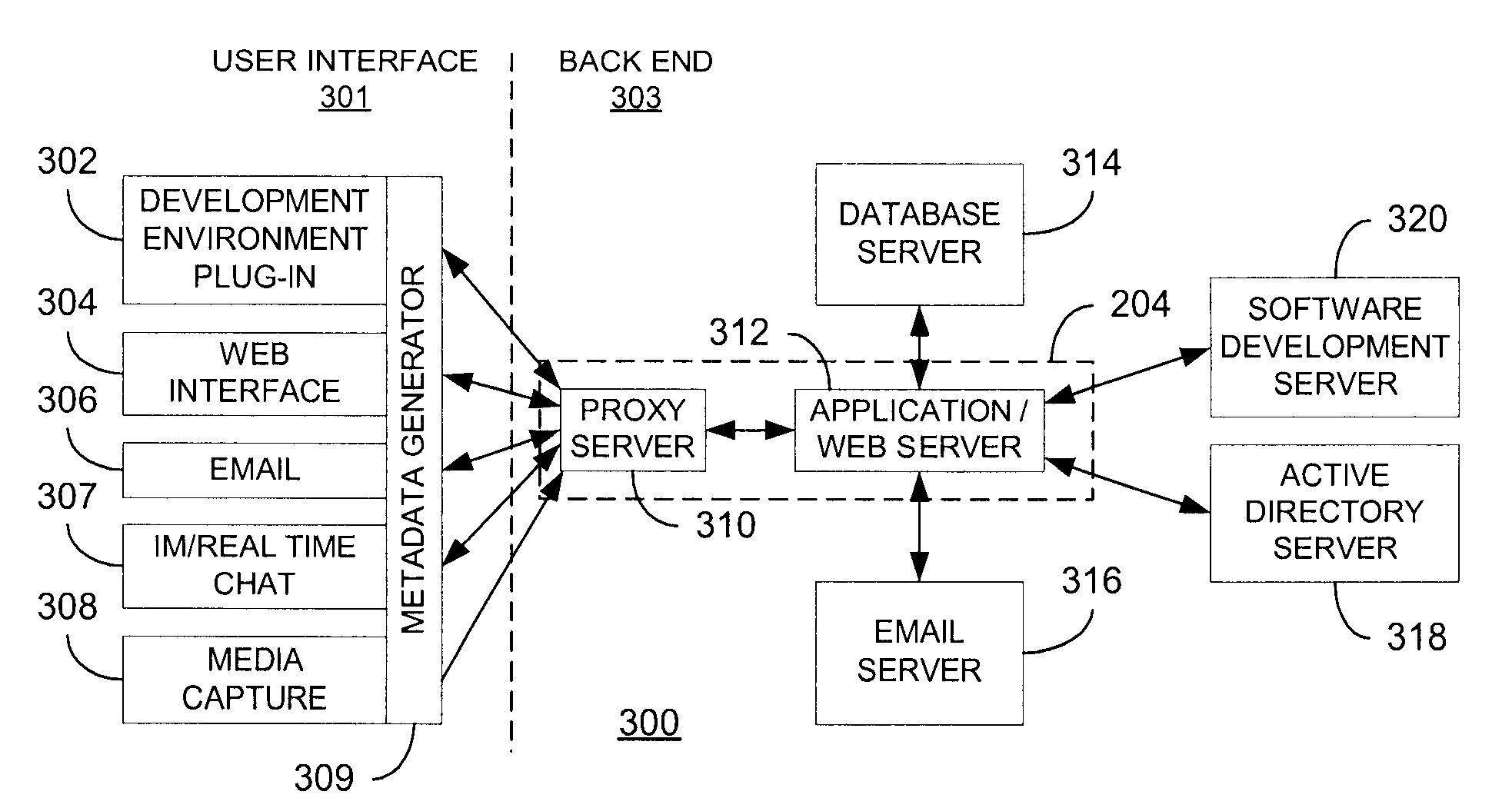
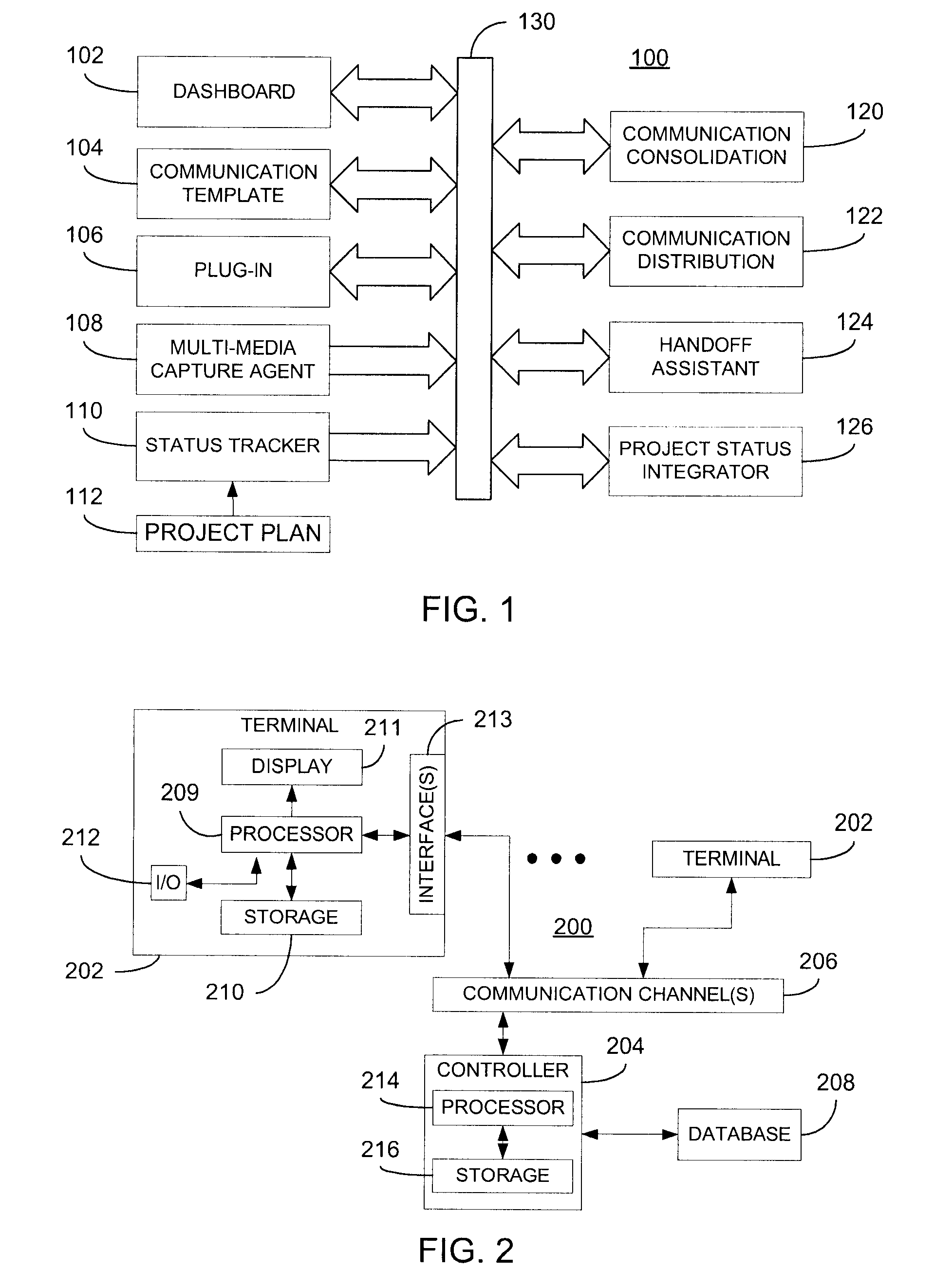
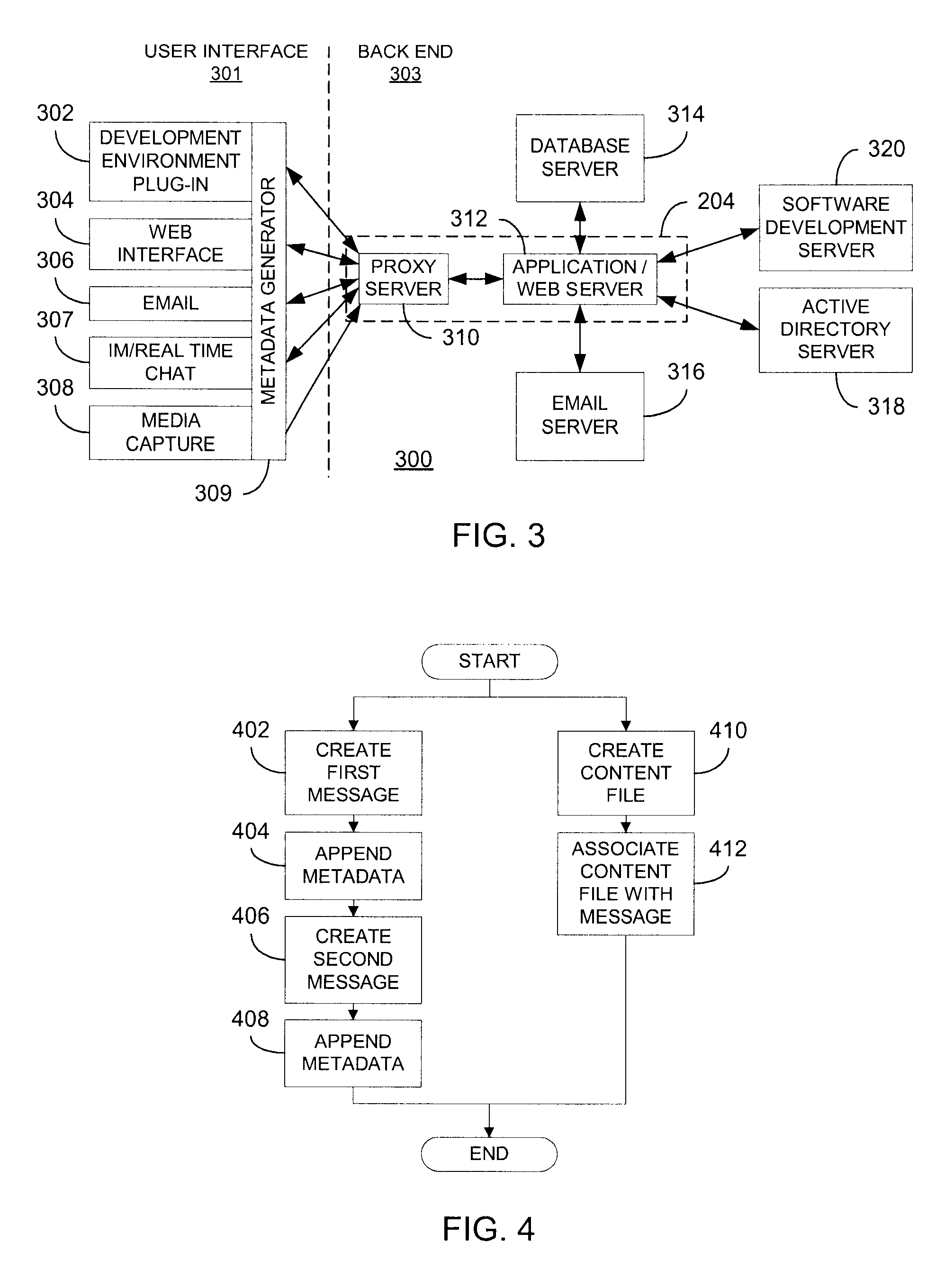
- An integrated collaboration system that organizes communication channels, builds context around communications, and enhances relationships between team members by capturing and aggregating contextual information from various communication channels and formats, including email, instant messaging, text, audio, and video, to provide activity reports and ensure seamless understanding across team members.

Capturing intellectual capital via digital collaboration
PatentInactiveUS20020082998A1
Innovation
- A digital collaboration system that uses a solution broker to facilitate exchanges between solution seekers and providers, capturing and tagging information exchanged during sessions, and storing it for later analysis, while ensuring security through a proxy server and non-disclosure agreements, allowing for accurate record-keeping and contextual preservation.


Policy and Regulatory Framework for Carbon Capture Partnerships
The regulatory landscape for carbon capture partnerships between technology companies and industrial sectors has evolved significantly over the past decade, driven by international climate commitments and national decarbonization strategies. Current policy frameworks primarily operate through a combination of carbon pricing mechanisms, tax incentives, and direct government funding programs that encourage collaborative research and deployment initiatives.
In the United States, the 45Q tax credit system provides substantial financial incentives for carbon capture projects, offering up to $85 per ton of CO2 for direct air capture and $60 per ton for industrial capture when permanently stored. This framework has catalyzed numerous partnerships between technology developers and industrial operators, particularly in sectors such as cement, steel, and petrochemicals. The Infrastructure Investment and Jobs Act further allocated $12 billion specifically for carbon capture demonstration projects, creating additional opportunities for tech-industry collaboration.
European Union regulations under the Green Deal and Fit for 55 package establish comprehensive frameworks for carbon capture partnerships through the Innovation Fund and Horizon Europe programs. These initiatives provide grant funding and regulatory pathways that facilitate joint ventures between technology providers and industrial emitters. The EU Emissions Trading System creates market-driven incentives for collaboration by establishing carbon prices that make capture technologies economically viable.
Regulatory challenges persist in standardizing measurement, reporting, and verification protocols across different jurisdictions. The lack of harmonized international standards for carbon accounting and storage verification creates compliance complexities for multinational partnerships. Additionally, permitting processes for CO2 transport and storage infrastructure remain fragmented, requiring extensive coordination between technology developers, industrial partners, and multiple regulatory agencies.
Emerging policy trends indicate a shift toward performance-based regulations that reward actual emission reductions rather than technology deployment alone. This evolution encourages more strategic partnerships focused on measurable outcomes and long-term operational success rather than short-term demonstration projects.
In the United States, the 45Q tax credit system provides substantial financial incentives for carbon capture projects, offering up to $85 per ton of CO2 for direct air capture and $60 per ton for industrial capture when permanently stored. This framework has catalyzed numerous partnerships between technology developers and industrial operators, particularly in sectors such as cement, steel, and petrochemicals. The Infrastructure Investment and Jobs Act further allocated $12 billion specifically for carbon capture demonstration projects, creating additional opportunities for tech-industry collaboration.
European Union regulations under the Green Deal and Fit for 55 package establish comprehensive frameworks for carbon capture partnerships through the Innovation Fund and Horizon Europe programs. These initiatives provide grant funding and regulatory pathways that facilitate joint ventures between technology providers and industrial emitters. The EU Emissions Trading System creates market-driven incentives for collaboration by establishing carbon prices that make capture technologies economically viable.
Regulatory challenges persist in standardizing measurement, reporting, and verification protocols across different jurisdictions. The lack of harmonized international standards for carbon accounting and storage verification creates compliance complexities for multinational partnerships. Additionally, permitting processes for CO2 transport and storage infrastructure remain fragmented, requiring extensive coordination between technology developers, industrial partners, and multiple regulatory agencies.
Emerging policy trends indicate a shift toward performance-based regulations that reward actual emission reductions rather than technology deployment alone. This evolution encourages more strategic partnerships focused on measurable outcomes and long-term operational success rather than short-term demonstration projects.
Investment and Funding Mechanisms for Collaborative Carbon Capture
The financial landscape for collaborative carbon capture initiatives has evolved significantly, with diverse funding mechanisms emerging to support partnerships between technology developers and industrial stakeholders. Traditional venture capital and private equity investments remain foundational, but specialized climate-focused funds have gained prominence, offering patient capital for long-term technology development cycles typical in carbon capture projects.
Government funding plays a crucial role through direct grants, tax incentives, and loan guarantees. Programs like the U.S. Department of Energy's Carbon Capture Demonstration Projects and the European Union's Innovation Fund provide substantial financial support for collaborative ventures. These mechanisms often require industry cost-sharing, naturally fostering public-private partnerships that leverage both technological expertise and industrial infrastructure.
Blended finance structures have emerged as particularly effective for carbon capture collaborations, combining concessional public funding with commercial private investment. Development finance institutions increasingly offer risk-sharing instruments that make industrial partnerships more attractive to technology companies by reducing deployment risks. Green bonds and sustainability-linked loans provide additional capital sources, particularly for large-scale industrial implementations.
Corporate venture capital from major industrial players has become increasingly important, with companies like Shell, ExxonMobil, and Chevron establishing dedicated funds for carbon capture technologies. These investments often include strategic partnerships that provide technology developers with access to industrial sites, operational expertise, and established customer relationships.
Revenue-based financing models are gaining traction, where investors receive returns based on carbon credits generated or capture volumes achieved. This aligns investor interests with project performance and reduces upfront capital requirements for collaborating parties. Carbon credit advance purchase agreements provide additional funding mechanisms, offering upfront capital in exchange for future carbon removal credits.
Collaborative funding pools, where multiple industrial partners co-invest in shared technology development, distribute risks while accelerating deployment across different sectors. These mechanisms often include technology licensing agreements and joint intellectual property arrangements that benefit all participating parties.
Government funding plays a crucial role through direct grants, tax incentives, and loan guarantees. Programs like the U.S. Department of Energy's Carbon Capture Demonstration Projects and the European Union's Innovation Fund provide substantial financial support for collaborative ventures. These mechanisms often require industry cost-sharing, naturally fostering public-private partnerships that leverage both technological expertise and industrial infrastructure.
Blended finance structures have emerged as particularly effective for carbon capture collaborations, combining concessional public funding with commercial private investment. Development finance institutions increasingly offer risk-sharing instruments that make industrial partnerships more attractive to technology companies by reducing deployment risks. Green bonds and sustainability-linked loans provide additional capital sources, particularly for large-scale industrial implementations.
Corporate venture capital from major industrial players has become increasingly important, with companies like Shell, ExxonMobil, and Chevron establishing dedicated funds for carbon capture technologies. These investments often include strategic partnerships that provide technology developers with access to industrial sites, operational expertise, and established customer relationships.
Revenue-based financing models are gaining traction, where investors receive returns based on carbon credits generated or capture volumes achieved. This aligns investor interests with project performance and reduces upfront capital requirements for collaborating parties. Carbon credit advance purchase agreements provide additional funding mechanisms, offering upfront capital in exchange for future carbon removal credits.
Collaborative funding pools, where multiple industrial partners co-invest in shared technology development, distribute risks while accelerating deployment across different sectors. These mechanisms often include technology licensing agreements and joint intellectual property arrangements that benefit all participating parties.
Unlock deeper insights with Patsnap Eureka Quick Research — get a full tech report to explore trends and direct your research. Try now!
Generate Your Research Report Instantly with AI Agent
Supercharge your innovation with Patsnap Eureka AI Agent Platform!