Evaluating Wafer Bonding Techniques for Strain Reduction
APR 13, 20269 MIN READ
Generate Your Research Report Instantly with AI Agent
PatSnap Eureka helps you evaluate technical feasibility & market potential.
Wafer Bonding Strain Reduction Background and Objectives
Wafer bonding has emerged as a critical enabling technology in modern semiconductor manufacturing, particularly as the industry continues to push toward smaller feature sizes and more complex three-dimensional device architectures. The fundamental challenge lies in achieving reliable, low-stress interfaces between different materials while maintaining the structural integrity and electrical performance of the final device. As semiconductor devices become increasingly sophisticated, the mechanical stresses introduced during wafer bonding processes have become a significant concern affecting device reliability, yield, and long-term performance.
The evolution of wafer bonding techniques has been driven by the relentless pursuit of higher device density and improved functionality in semiconductor applications. From early fusion bonding methods to advanced low-temperature bonding approaches, each technological advancement has aimed to address specific limitations while introducing new capabilities. The integration of heterogeneous materials, such as silicon-on-insulator structures, compound semiconductors, and MEMS devices, has further complicated the bonding landscape, necessitating precise control over thermal and mechanical stresses.
Strain-induced effects in bonded wafer structures manifest in various forms, including wafer warpage, interface delamination, and localized stress concentrations that can significantly impact device performance. These mechanical stresses arise from thermal expansion mismatches between different materials, processing temperature variations, and inherent material properties. The consequences extend beyond immediate manufacturing concerns, affecting long-term reliability through stress-induced migration, crack propagation, and performance drift in sensitive electronic components.
The primary objective of evaluating wafer bonding techniques for strain reduction centers on developing comprehensive methodologies to quantify, predict, and minimize stress-related issues in bonded wafer systems. This involves establishing standardized measurement protocols for stress characterization, developing predictive models for stress distribution analysis, and identifying optimal bonding parameters that balance adhesion strength with minimal residual stress. The evaluation framework must encompass both immediate post-bonding stress states and long-term stress evolution under operational conditions.
Contemporary research efforts focus on advancing bonding process optimization through precise temperature control, surface preparation techniques, and intermediate layer engineering. The integration of real-time stress monitoring systems during bonding processes represents a significant technological advancement, enabling dynamic process adjustment to minimize stress accumulation. These developments aim to establish robust, scalable bonding solutions that meet the stringent requirements of next-generation semiconductor devices while ensuring manufacturing feasibility and cost-effectiveness.
The evolution of wafer bonding techniques has been driven by the relentless pursuit of higher device density and improved functionality in semiconductor applications. From early fusion bonding methods to advanced low-temperature bonding approaches, each technological advancement has aimed to address specific limitations while introducing new capabilities. The integration of heterogeneous materials, such as silicon-on-insulator structures, compound semiconductors, and MEMS devices, has further complicated the bonding landscape, necessitating precise control over thermal and mechanical stresses.
Strain-induced effects in bonded wafer structures manifest in various forms, including wafer warpage, interface delamination, and localized stress concentrations that can significantly impact device performance. These mechanical stresses arise from thermal expansion mismatches between different materials, processing temperature variations, and inherent material properties. The consequences extend beyond immediate manufacturing concerns, affecting long-term reliability through stress-induced migration, crack propagation, and performance drift in sensitive electronic components.
The primary objective of evaluating wafer bonding techniques for strain reduction centers on developing comprehensive methodologies to quantify, predict, and minimize stress-related issues in bonded wafer systems. This involves establishing standardized measurement protocols for stress characterization, developing predictive models for stress distribution analysis, and identifying optimal bonding parameters that balance adhesion strength with minimal residual stress. The evaluation framework must encompass both immediate post-bonding stress states and long-term stress evolution under operational conditions.
Contemporary research efforts focus on advancing bonding process optimization through precise temperature control, surface preparation techniques, and intermediate layer engineering. The integration of real-time stress monitoring systems during bonding processes represents a significant technological advancement, enabling dynamic process adjustment to minimize stress accumulation. These developments aim to establish robust, scalable bonding solutions that meet the stringent requirements of next-generation semiconductor devices while ensuring manufacturing feasibility and cost-effectiveness.
Market Demand for Advanced Wafer Bonding Solutions
The semiconductor industry's relentless pursuit of higher performance and miniaturization has created substantial market demand for advanced wafer bonding solutions, particularly those addressing strain-related challenges. As device geometries continue to shrink and three-dimensional integration becomes increasingly prevalent, manufacturers face mounting pressure to implement bonding techniques that minimize mechanical stress while maintaining structural integrity and electrical performance.
Market drivers for strain-reducing wafer bonding technologies stem primarily from the advanced packaging sector, where heterogeneous integration demands precise control over mechanical stresses. The proliferation of system-in-package architectures and chiplet-based designs has intensified requirements for bonding processes that accommodate different thermal expansion coefficients without compromising device reliability. This trend is particularly pronounced in high-performance computing applications where multiple die types must be integrated seamlessly.
The automotive electronics segment represents another significant demand driver, as the transition toward electric vehicles and autonomous driving systems requires robust semiconductor solutions capable of withstanding harsh operating environments. Advanced wafer bonding techniques that reduce strain-induced failures are becoming essential for ensuring long-term reliability in safety-critical automotive applications, where component failure rates must remain exceptionally low.
Consumer electronics manufacturers are increasingly seeking bonding solutions that enable thinner device profiles while maintaining mechanical robustness. The demand for foldable displays, wearable devices, and ultra-thin smartphones has created specific requirements for flexible bonding approaches that can accommodate repeated mechanical stress without degradation. This market segment values bonding techniques that preserve device functionality under various bending and twisting conditions.
The emerging quantum computing and photonics markets present specialized demands for ultra-precise wafer bonding with minimal strain introduction. These applications require bonding processes that maintain atomic-level alignment and preserve delicate quantum states or optical properties, driving development of advanced techniques with unprecedented precision and stress control capabilities.
Market growth is further accelerated by the increasing adoption of wide-bandgap semiconductors in power electronics applications. Silicon carbide and gallium nitride devices require specialized bonding approaches that accommodate their unique material properties while minimizing strain-induced performance degradation, creating opportunities for innovative bonding solution providers.
Market drivers for strain-reducing wafer bonding technologies stem primarily from the advanced packaging sector, where heterogeneous integration demands precise control over mechanical stresses. The proliferation of system-in-package architectures and chiplet-based designs has intensified requirements for bonding processes that accommodate different thermal expansion coefficients without compromising device reliability. This trend is particularly pronounced in high-performance computing applications where multiple die types must be integrated seamlessly.
The automotive electronics segment represents another significant demand driver, as the transition toward electric vehicles and autonomous driving systems requires robust semiconductor solutions capable of withstanding harsh operating environments. Advanced wafer bonding techniques that reduce strain-induced failures are becoming essential for ensuring long-term reliability in safety-critical automotive applications, where component failure rates must remain exceptionally low.
Consumer electronics manufacturers are increasingly seeking bonding solutions that enable thinner device profiles while maintaining mechanical robustness. The demand for foldable displays, wearable devices, and ultra-thin smartphones has created specific requirements for flexible bonding approaches that can accommodate repeated mechanical stress without degradation. This market segment values bonding techniques that preserve device functionality under various bending and twisting conditions.
The emerging quantum computing and photonics markets present specialized demands for ultra-precise wafer bonding with minimal strain introduction. These applications require bonding processes that maintain atomic-level alignment and preserve delicate quantum states or optical properties, driving development of advanced techniques with unprecedented precision and stress control capabilities.
Market growth is further accelerated by the increasing adoption of wide-bandgap semiconductors in power electronics applications. Silicon carbide and gallium nitride devices require specialized bonding approaches that accommodate their unique material properties while minimizing strain-induced performance degradation, creating opportunities for innovative bonding solution providers.
Current Wafer Bonding Strain Issues and Technical Barriers
Wafer bonding processes face significant strain-related challenges that directly impact device performance and manufacturing yield. Thermal expansion coefficient mismatches between bonded materials represent one of the most critical issues, particularly when bonding dissimilar materials such as silicon to gallium arsenide or silicon carbide. These mismatches generate substantial thermal stress during temperature cycling, leading to wafer warpage, delamination, and potential device failure.
Surface roughness and topography variations create localized stress concentrations during the bonding process. Even nanometer-scale surface irregularities can result in non-uniform contact pressure distribution, causing strain gradients across the bonded interface. This phenomenon is particularly problematic in direct bonding techniques where atomic-level contact is required for successful adhesion.
Process-induced strain emerges from the bonding environment itself, including temperature gradients, pressure non-uniformities, and chemical reactions at the interface. High-temperature bonding processes, while promoting strong interfacial adhesion, often introduce significant thermal stress due to differential cooling rates and material property variations. The challenge intensifies when bonding thin wafers or structures with high aspect ratios.
Residual stress accumulation presents another major barrier, stemming from previous processing steps such as ion implantation, thin film deposition, or mechanical handling. These pre-existing stresses interact with bonding-induced strains, creating complex stress fields that are difficult to predict and control. The cumulative effect can exceed material fracture limits or cause gradual degradation over time.
Interface contamination and oxide layer formation introduce additional strain sources through volume changes and chemical incompatibilities. Native oxides, organic residues, and particulate contamination create localized stress risers that propagate through the bonded structure. These contaminants also affect the bonding kinetics and final interface quality.
Geometric constraints imposed by wafer thickness variations, bow, and warp further complicate strain management. Modern semiconductor devices require increasingly tight tolerances, making even minor geometric deviations significant sources of strain. The challenge is amplified in advanced packaging applications where multiple wafers or heterogeneous materials must be precisely aligned and bonded.
Current measurement and characterization limitations hinder effective strain control strategies. Real-time strain monitoring during bonding remains technically challenging, forcing reliance on post-process characterization methods that may not capture transient strain states or localized variations.
Surface roughness and topography variations create localized stress concentrations during the bonding process. Even nanometer-scale surface irregularities can result in non-uniform contact pressure distribution, causing strain gradients across the bonded interface. This phenomenon is particularly problematic in direct bonding techniques where atomic-level contact is required for successful adhesion.
Process-induced strain emerges from the bonding environment itself, including temperature gradients, pressure non-uniformities, and chemical reactions at the interface. High-temperature bonding processes, while promoting strong interfacial adhesion, often introduce significant thermal stress due to differential cooling rates and material property variations. The challenge intensifies when bonding thin wafers or structures with high aspect ratios.
Residual stress accumulation presents another major barrier, stemming from previous processing steps such as ion implantation, thin film deposition, or mechanical handling. These pre-existing stresses interact with bonding-induced strains, creating complex stress fields that are difficult to predict and control. The cumulative effect can exceed material fracture limits or cause gradual degradation over time.
Interface contamination and oxide layer formation introduce additional strain sources through volume changes and chemical incompatibilities. Native oxides, organic residues, and particulate contamination create localized stress risers that propagate through the bonded structure. These contaminants also affect the bonding kinetics and final interface quality.
Geometric constraints imposed by wafer thickness variations, bow, and warp further complicate strain management. Modern semiconductor devices require increasingly tight tolerances, making even minor geometric deviations significant sources of strain. The challenge is amplified in advanced packaging applications where multiple wafers or heterogeneous materials must be precisely aligned and bonded.
Current measurement and characterization limitations hinder effective strain control strategies. Real-time strain monitoring during bonding remains technically challenging, forcing reliance on post-process characterization methods that may not capture transient strain states or localized variations.
Existing Wafer Bonding Techniques for Strain Mitigation
01 Direct wafer bonding techniques for strain management
Direct wafer bonding methods involve joining two wafers without intermediate layers, which can introduce or manage strain in semiconductor structures. These techniques utilize surface preparation, cleaning, and activation processes to achieve strong bonds while controlling strain distribution. The bonding process can be performed at various temperatures and pressures to optimize strain characteristics in the final structure.- Direct wafer bonding techniques for strain management: Direct wafer bonding methods involve joining two wafers without intermediate layers, which can introduce or manage strain in semiconductor structures. These techniques utilize surface preparation, cleaning, and activation processes to achieve strong bonds while controlling strain distribution. The bonding process can be performed at various temperatures and pressures to optimize strain characteristics in the final structure.
- Strain engineering through layer transfer and bonding: Layer transfer techniques combined with wafer bonding enable the creation of strained semiconductor layers on different substrates. This approach involves bonding a donor wafer to a handle wafer, followed by layer splitting or thinning processes. The method allows for precise control of strain levels in the transferred layer, which is beneficial for enhancing carrier mobility and device performance.
- Thermal management in wafer bonding to control strain: Thermal processes during wafer bonding significantly affect strain development and distribution. Techniques include controlling annealing temperatures, cooling rates, and thermal cycling to manage thermal expansion mismatch between bonded wafers. Proper thermal management prevents excessive strain accumulation, reduces defects, and improves the mechanical stability of bonded structures.
- Interface engineering for strain accommodation: Interface modification techniques are employed to accommodate strain at bonding interfaces. These methods include the use of intermediate layers, surface treatments, or patterned structures that can absorb or redistribute strain. Interface engineering helps prevent delamination, reduces stress concentration, and improves the overall reliability of bonded wafer structures under strain conditions.
- Strain measurement and characterization in bonded wafers: Advanced characterization techniques are used to measure and analyze strain in bonded wafer structures. These methods include optical, X-ray, and mechanical testing approaches that provide detailed information about strain distribution, magnitude, and effects on material properties. Accurate strain measurement enables optimization of bonding processes and prediction of device performance in strained structures.
02 Strain engineering through layer transfer and bonding
Layer transfer techniques combined with wafer bonding enable the creation of strained semiconductor layers on different substrates. This approach involves bonding a donor wafer to a handle wafer, followed by layer splitting or thinning processes. The method allows for precise control of strain levels in the transferred layer, which is beneficial for enhancing carrier mobility and device performance.Expand Specific Solutions03 Thermal management in wafer bonding to control strain
Thermal processes during wafer bonding significantly affect strain distribution in bonded structures. Techniques include controlling annealing temperatures, cooling rates, and thermal expansion coefficient matching between bonded wafers. Proper thermal management minimizes stress-induced defects and warpage while maintaining desired strain characteristics for device applications.Expand Specific Solutions04 Interface engineering for strain accommodation
Interface modification techniques are employed to accommodate strain at bonding interfaces. These methods include the use of intermediate layers, surface treatments, and controlled roughness to facilitate strain relaxation or transfer. Interface engineering helps prevent delamination and crack formation while maintaining structural integrity under strain conditions.Expand Specific Solutions05 Strain measurement and characterization in bonded wafers
Advanced characterization techniques are used to measure and analyze strain distribution in bonded wafer structures. Methods include optical, X-ray, and mechanical testing approaches to quantify strain levels and uniformity. These measurement techniques enable process optimization and quality control in wafer bonding applications where strain management is critical.Expand Specific Solutions
Leading Companies in Wafer Bonding Equipment and Services
The wafer bonding technology landscape for strain reduction is in a mature development stage, driven by increasing demand for advanced semiconductor packaging and 3D integration solutions. The market demonstrates significant scale with established foundries like Taiwan Semiconductor Manufacturing Co., SMIC-Beijing, and Semiconductor Manufacturing International (Shanghai) Corp. leading volume production capabilities. Technology maturity varies across different bonding approaches, with companies like Silicon Genesis Corp. pioneering plasma-activated bonding techniques, while Tokyo Electron Ltd. and SUSS MicroTec Lithography GmbH provide specialized equipment solutions. Memory manufacturers including Yangtze Memory Technologies and Micron Technology drive innovation in 3D NAND applications, while packaging specialists like Invensas Bonding Technologies and SJ Semiconductor focus on advanced integration methods. The competitive landscape shows strong regional clusters, particularly in Asia-Pacific, with established players demonstrating proven manufacturing scalability and emerging companies developing next-generation bonding processes for strain management applications.
Tokyo Electron Ltd.
Technical Solution: Tokyo Electron has developed comprehensive wafer bonding solutions including their CLEAN TRACK series for surface preparation and bonding processes. Their technology focuses on plasma-activated bonding and direct bonding techniques that achieve strong interfacial adhesion while minimizing defects and stress. The company's bonding systems incorporate precise temperature and pressure control mechanisms to reduce strain during the bonding process, particularly for heterogeneous material integration in MEMS and advanced semiconductor applications.
Strengths: Excellent process control and equipment reliability with strong technical support. Weaknesses: Limited to equipment provision rather than complete process solutions.
Taiwan Semiconductor Manufacturing Co., Ltd.
Technical Solution: TSMC has developed advanced wafer bonding techniques including hybrid bonding and direct copper-to-copper bonding for 3D IC integration. Their CoWoS (Chip on Wafer on Substrate) technology utilizes through-silicon vias (TSVs) and wafer-level bonding to achieve high-density packaging with reduced interconnect length and improved electrical performance. The company has implemented low-temperature bonding processes that minimize thermal stress and strain during manufacturing, enabling better yield and reliability for advanced semiconductor devices.
Strengths: Industry-leading manufacturing capabilities and extensive experience in advanced packaging. Weaknesses: High cost and complexity of implementation for smaller-scale applications.
Key Patents in Low-Stress Wafer Bonding Methods
Micromechanical strained semiconductor by wafer bonding
PatentInactiveUS20050032296A1
Innovation
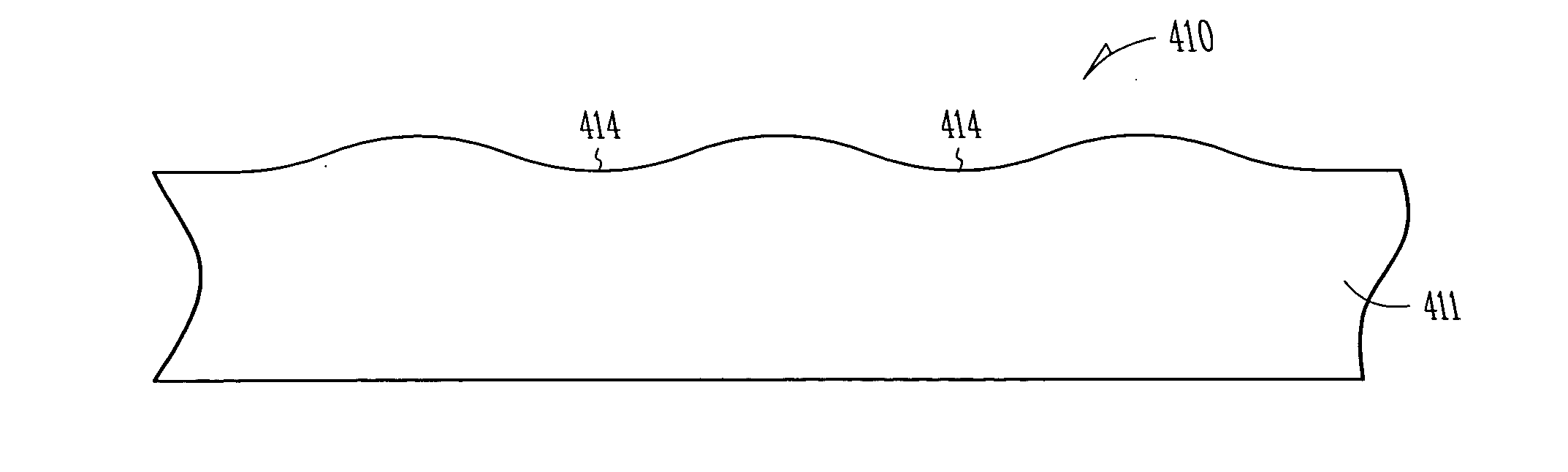
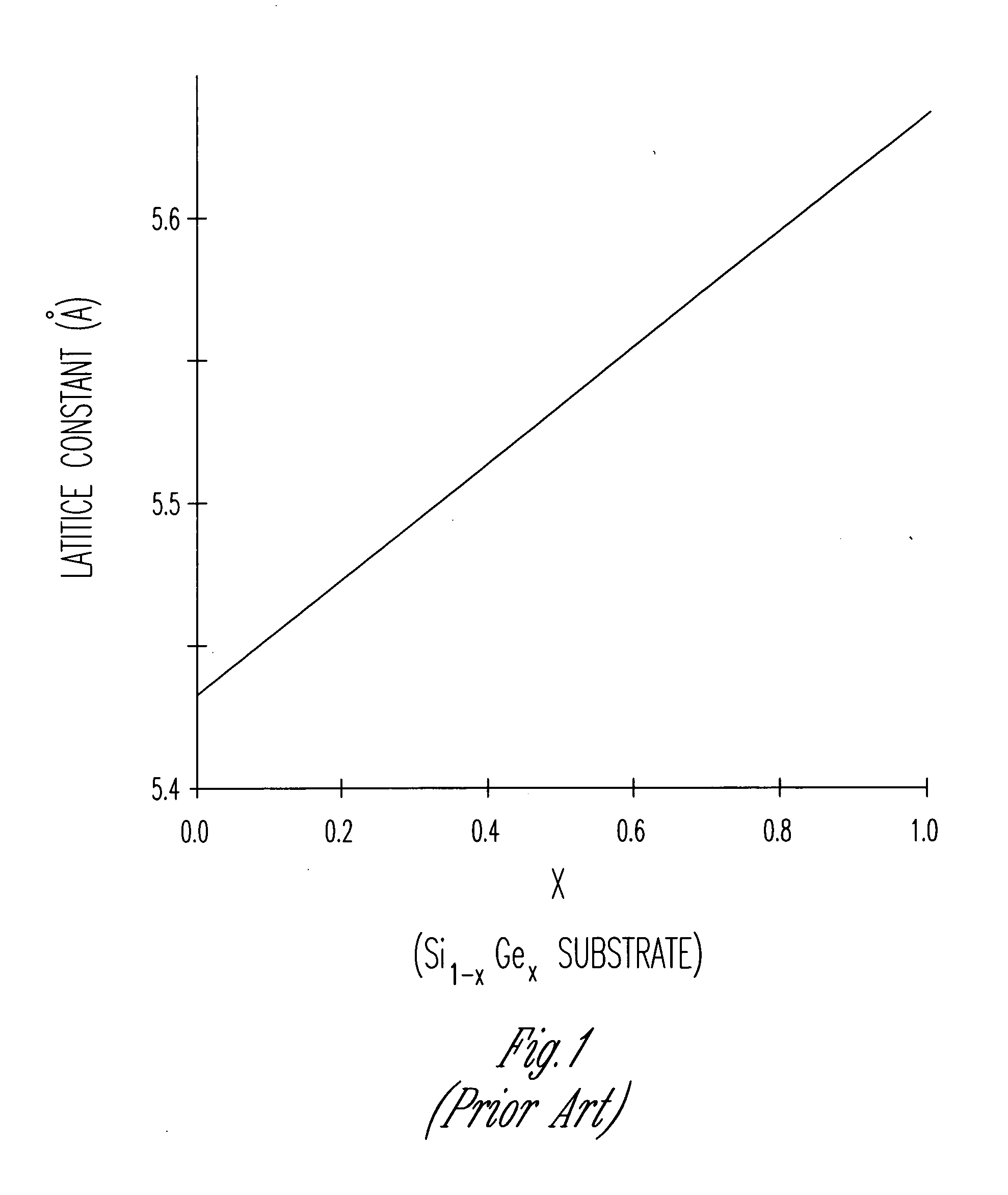
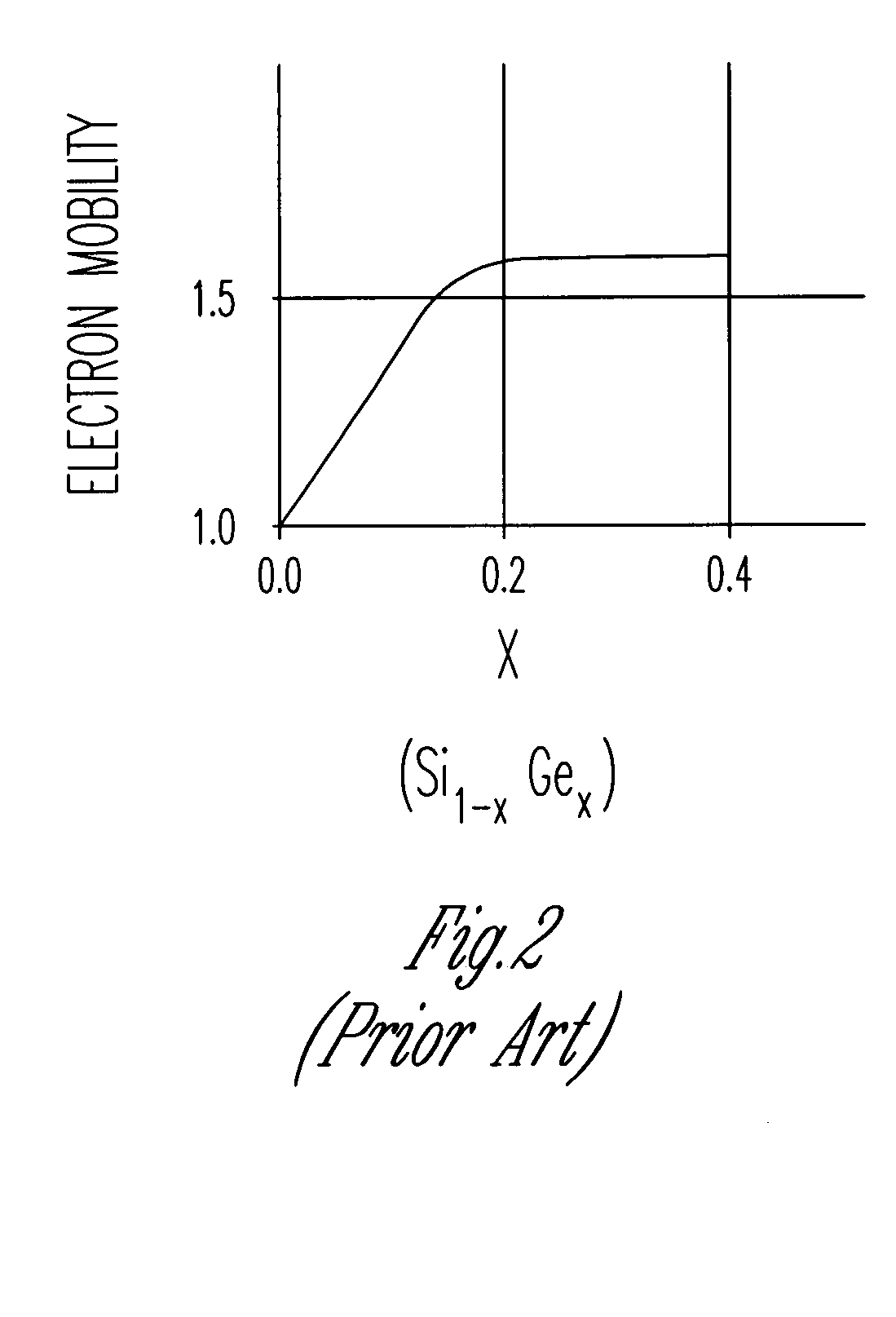
- A low-cost wafer bonding technique is developed to produce strained semiconductor layers by forming recesses in a substrate and bonding a crystalline semiconductor membrane to the substrate, using a combination of LOCOS and bond-cut processes to induce mechanical strain, allowing for uniaxial strain without the need for expensive equipment.

Reducing in-plane distortion from wafer to wafer bonding using a dummy wafer
PatentActiveUS20190304784A1
Innovation
- The use of one or more dummy wafers during the bonding process to compensate for and reduce in-plane distortions by imparting a selected distortion signature on the target wafer, which is then superimposed with additional distortions from subsequent bonding, resulting in minimized overall distortion.


Semiconductor Manufacturing Quality Standards Impact
The implementation of advanced wafer bonding techniques for strain reduction has necessitated significant evolution in semiconductor manufacturing quality standards. Traditional quality metrics, primarily focused on dimensional accuracy and surface cleanliness, have expanded to encompass strain-specific parameters that directly impact device performance and reliability. Modern standards now mandate comprehensive strain characterization protocols, including residual stress measurements, thermal expansion coefficient matching, and interfacial adhesion strength validation.
International standards organizations have responded to these technological advances by establishing new benchmarks for wafer bonding processes. ISO 14644 cleanroom standards have been supplemented with specific requirements for particle control during bonding operations, while SEMI standards have introduced detailed specifications for surface preparation, alignment accuracy, and post-bonding inspection procedures. These standards emphasize the critical importance of maintaining sub-nanometer surface roughness and achieving void-free interfaces to minimize strain concentrations.
Quality control methodologies have undergone substantial transformation to accommodate strain-sensitive bonding processes. Advanced metrology techniques, including X-ray diffraction mapping, infrared transmission imaging, and acoustic microscopy, have become standard requirements for process validation. Statistical process control frameworks now incorporate real-time strain monitoring data, enabling immediate detection of process deviations that could compromise device performance.
The integration of strain reduction objectives into quality standards has created new challenges for manufacturing compliance. Process windows have become increasingly narrow, requiring enhanced precision in temperature control, pressure application, and environmental conditions. Quality assurance protocols now mandate comprehensive documentation of strain evolution throughout the entire bonding sequence, from initial surface preparation through final annealing processes.
Regulatory compliance frameworks have adapted to address the unique requirements of strain-optimized wafer bonding. Traceability requirements now extend to strain-related parameters, necessitating detailed record-keeping of material properties, process conditions, and post-bonding characterization results. These enhanced standards ensure consistent product quality while enabling continuous improvement in strain reduction methodologies across diverse semiconductor manufacturing environments.
International standards organizations have responded to these technological advances by establishing new benchmarks for wafer bonding processes. ISO 14644 cleanroom standards have been supplemented with specific requirements for particle control during bonding operations, while SEMI standards have introduced detailed specifications for surface preparation, alignment accuracy, and post-bonding inspection procedures. These standards emphasize the critical importance of maintaining sub-nanometer surface roughness and achieving void-free interfaces to minimize strain concentrations.
Quality control methodologies have undergone substantial transformation to accommodate strain-sensitive bonding processes. Advanced metrology techniques, including X-ray diffraction mapping, infrared transmission imaging, and acoustic microscopy, have become standard requirements for process validation. Statistical process control frameworks now incorporate real-time strain monitoring data, enabling immediate detection of process deviations that could compromise device performance.
The integration of strain reduction objectives into quality standards has created new challenges for manufacturing compliance. Process windows have become increasingly narrow, requiring enhanced precision in temperature control, pressure application, and environmental conditions. Quality assurance protocols now mandate comprehensive documentation of strain evolution throughout the entire bonding sequence, from initial surface preparation through final annealing processes.
Regulatory compliance frameworks have adapted to address the unique requirements of strain-optimized wafer bonding. Traceability requirements now extend to strain-related parameters, necessitating detailed record-keeping of material properties, process conditions, and post-bonding characterization results. These enhanced standards ensure consistent product quality while enabling continuous improvement in strain reduction methodologies across diverse semiconductor manufacturing environments.
Cost-Benefit Analysis of Advanced Bonding Techniques
The economic evaluation of advanced wafer bonding techniques for strain reduction reveals significant variations in implementation costs and operational benefits across different technological approaches. Direct bonding methods, including hydrophilic and hydrophobic bonding, present relatively lower initial capital expenditure requirements, with equipment costs ranging from $2-5 million per production line. However, these techniques often necessitate stringent surface preparation protocols and cleanroom environments, contributing to elevated operational expenses estimated at 15-20% above conventional processing costs.
Plasma-activated bonding technologies demonstrate higher upfront investments, typically requiring $8-12 million for complete system integration, including specialized plasma chambers and precision alignment equipment. Despite substantial initial costs, these methods offer superior bonding strength and reduced processing temperatures, translating to energy savings of approximately 25-30% compared to thermal compression bonding. The enhanced yield rates, often exceeding 95% for critical applications, provide substantial return on investment through reduced material waste and rework requirements.
Adhesive bonding approaches present moderate capital requirements of $3-7 million, with primary cost drivers including specialized dispensing systems and curing equipment. The technique offers flexibility in substrate compatibility and processing conditions, though material costs for high-performance adhesives can increase per-unit expenses by 10-15%. Long-term reliability considerations may necessitate additional quality assurance protocols, impacting overall operational efficiency.
Thermocompression bonding systems require significant infrastructure investments of $10-15 million, incorporating high-precision heating elements and pressure control mechanisms. While initial costs are substantial, the technique delivers exceptional bond uniformity and mechanical stability, particularly valuable for high-stress applications. Energy consumption patterns show 40% higher requirements during processing, offset by reduced post-bonding treatment needs.
The cumulative cost-benefit analysis indicates that plasma-activated and thermocompression bonding techniques, despite higher initial investments, provide superior long-term economic value through enhanced yield rates, reduced defect densities, and improved product reliability. Organizations with high-volume production requirements typically achieve break-even points within 18-24 months, while specialized applications may extend payback periods to 36 months due to lower production volumes but higher per-unit margins.
Plasma-activated bonding technologies demonstrate higher upfront investments, typically requiring $8-12 million for complete system integration, including specialized plasma chambers and precision alignment equipment. Despite substantial initial costs, these methods offer superior bonding strength and reduced processing temperatures, translating to energy savings of approximately 25-30% compared to thermal compression bonding. The enhanced yield rates, often exceeding 95% for critical applications, provide substantial return on investment through reduced material waste and rework requirements.
Adhesive bonding approaches present moderate capital requirements of $3-7 million, with primary cost drivers including specialized dispensing systems and curing equipment. The technique offers flexibility in substrate compatibility and processing conditions, though material costs for high-performance adhesives can increase per-unit expenses by 10-15%. Long-term reliability considerations may necessitate additional quality assurance protocols, impacting overall operational efficiency.
Thermocompression bonding systems require significant infrastructure investments of $10-15 million, incorporating high-precision heating elements and pressure control mechanisms. While initial costs are substantial, the technique delivers exceptional bond uniformity and mechanical stability, particularly valuable for high-stress applications. Energy consumption patterns show 40% higher requirements during processing, offset by reduced post-bonding treatment needs.
The cumulative cost-benefit analysis indicates that plasma-activated and thermocompression bonding techniques, despite higher initial investments, provide superior long-term economic value through enhanced yield rates, reduced defect densities, and improved product reliability. Organizations with high-volume production requirements typically achieve break-even points within 18-24 months, while specialized applications may extend payback periods to 36 months due to lower production volumes but higher per-unit margins.
Unlock deeper insights with PatSnap Eureka Quick Research — get a full tech report to explore trends and direct your research. Try now!
Generate Your Research Report Instantly with AI Agent
Supercharge your innovation with PatSnap Eureka AI Agent Platform!