Optimizing Wafer Bonding for Biomedical Device Applications
APR 13, 20269 MIN READ
Generate Your Research Report Instantly with AI Agent
PatSnap Eureka helps you evaluate technical feasibility & market potential.
Wafer Bonding Technology Background and Biomedical Goals
Wafer bonding technology emerged in the 1980s as a critical manufacturing process for semiconductor devices, initially developed to create silicon-on-insulator structures and three-dimensional integrated circuits. The fundamental principle involves joining two or more wafers at the atomic level through various mechanisms including direct bonding, anodic bonding, adhesive bonding, and fusion bonding. Over the past four decades, this technology has evolved from simple research applications to sophisticated industrial processes capable of achieving sub-nanometer precision and exceptional reliability.
The evolution of wafer bonding has been driven by the semiconductor industry's relentless pursuit of miniaturization and performance enhancement. Early implementations focused primarily on silicon wafers, but technological advancement has expanded to encompass diverse materials including glass, ceramics, polymers, and compound semiconductors. Modern wafer bonding processes can achieve bond strengths exceeding 20 MPa while maintaining interface roughness below 0.5 nanometers, making them suitable for demanding applications requiring hermetic sealing and biocompatibility.
The biomedical device sector represents a rapidly expanding application domain for wafer bonding technology, driven by the increasing demand for miniaturized, implantable, and point-of-care diagnostic devices. Current market trends indicate a growing need for microfluidic systems, biosensors, neural interfaces, and drug delivery platforms that require precise fabrication techniques. These applications demand unique characteristics including biocompatibility, chemical inertness, optical transparency, and the ability to integrate multiple functional materials within a single device architecture.
Biomedical applications present distinct challenges that differentiate them from traditional semiconductor manufacturing. The primary technical objectives include achieving hermetic sealing for implantable devices, maintaining optical clarity for diagnostic applications, ensuring long-term stability in biological environments, and enabling integration of diverse materials such as silicon, glass, polymers, and metals. Additionally, the manufacturing processes must comply with stringent regulatory requirements and maintain cost-effectiveness for medical device commercialization.
The convergence of wafer bonding technology with biomedical applications aims to enable next-generation medical devices with unprecedented functionality and miniaturization. Key targets include developing lab-on-chip systems for rapid diagnostics, creating implantable sensors for continuous health monitoring, and fabricating drug delivery systems with precise control mechanisms. These objectives require optimization of bonding parameters, surface treatments, and material selection to achieve the reliability and performance standards demanded by medical applications while maintaining manufacturing scalability and economic viability.
The evolution of wafer bonding has been driven by the semiconductor industry's relentless pursuit of miniaturization and performance enhancement. Early implementations focused primarily on silicon wafers, but technological advancement has expanded to encompass diverse materials including glass, ceramics, polymers, and compound semiconductors. Modern wafer bonding processes can achieve bond strengths exceeding 20 MPa while maintaining interface roughness below 0.5 nanometers, making them suitable for demanding applications requiring hermetic sealing and biocompatibility.
The biomedical device sector represents a rapidly expanding application domain for wafer bonding technology, driven by the increasing demand for miniaturized, implantable, and point-of-care diagnostic devices. Current market trends indicate a growing need for microfluidic systems, biosensors, neural interfaces, and drug delivery platforms that require precise fabrication techniques. These applications demand unique characteristics including biocompatibility, chemical inertness, optical transparency, and the ability to integrate multiple functional materials within a single device architecture.
Biomedical applications present distinct challenges that differentiate them from traditional semiconductor manufacturing. The primary technical objectives include achieving hermetic sealing for implantable devices, maintaining optical clarity for diagnostic applications, ensuring long-term stability in biological environments, and enabling integration of diverse materials such as silicon, glass, polymers, and metals. Additionally, the manufacturing processes must comply with stringent regulatory requirements and maintain cost-effectiveness for medical device commercialization.
The convergence of wafer bonding technology with biomedical applications aims to enable next-generation medical devices with unprecedented functionality and miniaturization. Key targets include developing lab-on-chip systems for rapid diagnostics, creating implantable sensors for continuous health monitoring, and fabricating drug delivery systems with precise control mechanisms. These objectives require optimization of bonding parameters, surface treatments, and material selection to achieve the reliability and performance standards demanded by medical applications while maintaining manufacturing scalability and economic viability.
Market Demand for Advanced Biomedical Device Manufacturing
The global biomedical device manufacturing industry is experiencing unprecedented growth driven by aging populations, increasing prevalence of chronic diseases, and rising healthcare expenditure worldwide. This demographic shift has created substantial demand for sophisticated medical devices that require advanced manufacturing techniques, particularly in areas such as implantable sensors, drug delivery systems, and diagnostic equipment.
Miniaturization trends in biomedical devices have intensified the need for precision manufacturing processes. Modern medical applications demand devices with smaller form factors, enhanced functionality, and improved biocompatibility. These requirements have pushed manufacturers to seek advanced wafer bonding technologies that can achieve hermetic sealing, maintain structural integrity under physiological conditions, and enable multi-layer device architectures essential for complex biomedical applications.
The implantable medical device segment represents a particularly lucrative market opportunity for optimized wafer bonding solutions. Pacemakers, neurostimulators, continuous glucose monitors, and cochlear implants all require robust packaging that can withstand harsh biological environments while maintaining long-term reliability. The stringent regulatory requirements for these devices have created demand for manufacturing processes that can consistently deliver high-quality, defect-free bonding with documented process control and traceability.
Emerging applications in personalized medicine and point-of-care diagnostics are driving additional market demand. Microfluidic devices, lab-on-chip systems, and biosensors require precise wafer bonding to create sealed channels and chambers for fluid handling and biological sample processing. The growing adoption of these technologies in clinical settings has expanded the addressable market for advanced bonding solutions significantly.
The shift toward value-based healthcare has intensified cost pressures on medical device manufacturers, creating demand for manufacturing processes that can reduce production costs while maintaining quality standards. Optimized wafer bonding techniques that improve yield rates, reduce processing time, and minimize material waste have become increasingly attractive to manufacturers seeking competitive advantages in cost-sensitive market segments.
Regulatory compliance requirements continue to shape market demand patterns. Medical device manufacturers require bonding processes that can meet FDA, CE marking, and other international regulatory standards. This has created sustained demand for well-characterized, validated bonding technologies that can support regulatory submissions and quality management systems required for market approval.
Miniaturization trends in biomedical devices have intensified the need for precision manufacturing processes. Modern medical applications demand devices with smaller form factors, enhanced functionality, and improved biocompatibility. These requirements have pushed manufacturers to seek advanced wafer bonding technologies that can achieve hermetic sealing, maintain structural integrity under physiological conditions, and enable multi-layer device architectures essential for complex biomedical applications.
The implantable medical device segment represents a particularly lucrative market opportunity for optimized wafer bonding solutions. Pacemakers, neurostimulators, continuous glucose monitors, and cochlear implants all require robust packaging that can withstand harsh biological environments while maintaining long-term reliability. The stringent regulatory requirements for these devices have created demand for manufacturing processes that can consistently deliver high-quality, defect-free bonding with documented process control and traceability.
Emerging applications in personalized medicine and point-of-care diagnostics are driving additional market demand. Microfluidic devices, lab-on-chip systems, and biosensors require precise wafer bonding to create sealed channels and chambers for fluid handling and biological sample processing. The growing adoption of these technologies in clinical settings has expanded the addressable market for advanced bonding solutions significantly.
The shift toward value-based healthcare has intensified cost pressures on medical device manufacturers, creating demand for manufacturing processes that can reduce production costs while maintaining quality standards. Optimized wafer bonding techniques that improve yield rates, reduce processing time, and minimize material waste have become increasingly attractive to manufacturers seeking competitive advantages in cost-sensitive market segments.
Regulatory compliance requirements continue to shape market demand patterns. Medical device manufacturers require bonding processes that can meet FDA, CE marking, and other international regulatory standards. This has created sustained demand for well-characterized, validated bonding technologies that can support regulatory submissions and quality management systems required for market approval.
Current Wafer Bonding Challenges in Biomedical Applications
Wafer bonding in biomedical device applications faces significant technical challenges that stem from the stringent requirements of medical environments and the complex nature of biological systems. The primary challenge lies in achieving hermetic sealing while maintaining biocompatibility across diverse material combinations. Traditional bonding methods often require high temperatures that can damage temperature-sensitive biological components or alter the properties of biocompatible materials such as PDMS, parylene, or specialized glass substrates.
Material compatibility represents another critical constraint, as biomedical devices frequently require bonding between dissimilar materials with different thermal expansion coefficients. This mismatch can lead to stress concentration, delamination, or device failure under physiological conditions. The challenge is particularly acute when bonding silicon-based MEMS structures to polymer substrates or when integrating metallic electrodes with ceramic or glass components.
Surface preparation and contamination control pose additional difficulties in biomedical wafer bonding. Even microscopic contaminants can compromise bond integrity and potentially introduce cytotoxic elements that violate biocompatibility standards. The cleaning processes must be compatible with biomedical material requirements while achieving the ultra-clean surfaces necessary for reliable bonding.
Process temperature limitations significantly constrain bonding options for biomedical applications. Many biological samples, drug formulations, or pre-integrated sensors cannot withstand the high temperatures typically required for fusion bonding or anodic bonding. This necessitates low-temperature bonding solutions that often compromise bond strength or long-term reliability.
Achieving uniform bonding across large wafer areas while maintaining precise dimensional control presents manufacturing challenges. Biomedical devices often require tight tolerances for fluidic channels, sensing elements, or drug delivery mechanisms. Non-uniform bonding can create variations in channel heights, affect flow characteristics, or compromise device performance.
Long-term reliability under physiological conditions remains a persistent challenge. Biomedical devices must maintain structural integrity when exposed to body fluids, varying pH levels, and mechanical stresses over extended periods. Traditional bonding evaluation methods may not adequately predict performance in these unique environments, requiring specialized testing protocols and accelerated aging studies.
Material compatibility represents another critical constraint, as biomedical devices frequently require bonding between dissimilar materials with different thermal expansion coefficients. This mismatch can lead to stress concentration, delamination, or device failure under physiological conditions. The challenge is particularly acute when bonding silicon-based MEMS structures to polymer substrates or when integrating metallic electrodes with ceramic or glass components.
Surface preparation and contamination control pose additional difficulties in biomedical wafer bonding. Even microscopic contaminants can compromise bond integrity and potentially introduce cytotoxic elements that violate biocompatibility standards. The cleaning processes must be compatible with biomedical material requirements while achieving the ultra-clean surfaces necessary for reliable bonding.
Process temperature limitations significantly constrain bonding options for biomedical applications. Many biological samples, drug formulations, or pre-integrated sensors cannot withstand the high temperatures typically required for fusion bonding or anodic bonding. This necessitates low-temperature bonding solutions that often compromise bond strength or long-term reliability.
Achieving uniform bonding across large wafer areas while maintaining precise dimensional control presents manufacturing challenges. Biomedical devices often require tight tolerances for fluidic channels, sensing elements, or drug delivery mechanisms. Non-uniform bonding can create variations in channel heights, affect flow characteristics, or compromise device performance.
Long-term reliability under physiological conditions remains a persistent challenge. Biomedical devices must maintain structural integrity when exposed to body fluids, varying pH levels, and mechanical stresses over extended periods. Traditional bonding evaluation methods may not adequately predict performance in these unique environments, requiring specialized testing protocols and accelerated aging studies.
Current Wafer Bonding Solutions for Biomedical Devices
01 Direct wafer bonding techniques
Direct wafer bonding involves joining two wafers without intermediate layers by bringing atomically clean and flat surfaces into contact. This technique relies on van der Waals forces and can be enhanced through surface activation methods such as plasma treatment or chemical cleaning. The process typically includes surface preparation, alignment, contacting at room temperature, and subsequent annealing to strengthen the bond. This method is widely used for creating silicon-on-insulator structures and three-dimensional integrated circuits.- Direct wafer bonding techniques: Direct wafer bonding involves joining two wafers without intermediate layers by bringing atomically clean and flat surfaces into contact. This technique relies on van der Waals forces and can be enhanced through surface activation methods such as plasma treatment or chemical cleaning. The process typically requires precise alignment and controlled pressure application to achieve strong bonds. Annealing at elevated temperatures further strengthens the bond by promoting atomic diffusion across the interface.
- Adhesive-based wafer bonding methods: Adhesive bonding utilizes intermediate materials such as polymers, resins, or specialized bonding agents to join wafers together. This approach offers advantages including lower processing temperatures, tolerance for surface roughness, and compatibility with different materials. The adhesive layer can provide stress relief and accommodate thermal expansion mismatches between bonded wafers. Various adhesive materials can be selected based on application requirements such as thermal stability, electrical properties, and chemical resistance.
- Anodic bonding processes: Anodic bonding is an electrochemical process that joins silicon wafers to glass substrates by applying high voltage at elevated temperatures. The technique creates strong hermetic seals through ionic migration and chemical reactions at the interface. This method is particularly suitable for creating sealed cavities and is widely used in MEMS device fabrication. The process parameters including voltage, temperature, and pressure must be carefully controlled to achieve uniform bonding without defects.
- Temporary bonding and debonding technologies: Temporary bonding enables processing of thin wafers by providing mechanical support during fabrication steps, followed by controlled separation. This technology uses specialized adhesives or bonding materials that can be released through thermal, chemical, or mechanical means. The approach is essential for handling ultra-thin wafers in advanced semiconductor manufacturing and allows for processing of both sides of the wafer. Debonding methods must ensure no damage or contamination to the processed wafer surface.
- Hybrid and advanced bonding structures: Hybrid bonding combines multiple bonding techniques or materials to achieve specific performance characteristics and functionality. Advanced structures may incorporate metal-to-metal bonding, dielectric bonding, or combinations thereof to enable high-density interconnections. These methods support three-dimensional integration and heterogeneous integration of different device types. The technology enables fine-pitch bonding for advanced packaging applications and improved electrical and thermal performance.
02 Adhesive-based wafer bonding
This approach utilizes intermediate adhesive layers such as polymers, benzocyclobutene, or spin-on glass materials to bond wafers together. The adhesive layer compensates for surface irregularities and provides flexibility in bonding different materials with varying thermal expansion coefficients. The process involves applying the adhesive material, aligning the wafers, and curing under controlled temperature and pressure conditions. This technique is particularly useful for heterogeneous integration and applications requiring lower processing temperatures.Expand Specific Solutions03 Anodic bonding methods
Anodic bonding is an electrochemical process used to bond silicon wafers to glass substrates containing mobile ions. The process involves applying high voltage and elevated temperature, causing ionic migration that creates a strong chemical bond at the interface. This technique produces hermetic seals and is commonly employed in microelectromechanical systems and sensor packaging applications. The bond strength achieved through this method is typically very high and can withstand harsh environmental conditions.Expand Specific Solutions04 Fusion bonding with intermediate oxide layers
This technique involves bonding wafers through silicon dioxide or other oxide layers formed on the wafer surfaces. The oxide layers can be thermally grown or deposited and serve to improve bonding quality by providing smoother surfaces and accommodating minor surface defects. The bonding process includes hydrophilic treatment of oxide surfaces, room temperature pre-bonding, and high-temperature annealing to achieve permanent fusion. This method is extensively used in advanced semiconductor manufacturing for creating buried oxide layers and device isolation structures.Expand Specific Solutions05 Low-temperature wafer bonding processes
Low-temperature bonding techniques enable wafer joining at reduced thermal budgets, which is critical for preserving temperature-sensitive structures and materials. These methods employ surface activation techniques, plasma-assisted bonding, or specialized intermediate layers that facilitate bonding at temperatures below traditional fusion bonding thresholds. The reduced thermal exposure minimizes stress, prevents dopant diffusion, and allows integration of materials with different thermal properties. Applications include advanced packaging, heterogeneous integration, and three-dimensional stacking of processed wafers.Expand Specific Solutions
Key Players in Wafer Bonding and Biomedical Device Industry
The wafer bonding technology for biomedical device applications represents a rapidly evolving sector within the broader semiconductor industry, currently in its growth phase with significant expansion potential driven by increasing demand for miniaturized medical devices and implantable systems. The market demonstrates substantial scale opportunities as healthcare digitization accelerates globally. Technology maturity varies significantly across key players, with established semiconductor manufacturers like Taiwan Semiconductor Manufacturing Co., Samsung Electronics, and SMIC demonstrating advanced capabilities in precision wafer processing and bonding techniques. Equipment suppliers such as ASML Netherlands and Tokyo Electron provide critical lithography and processing tools enabling high-precision biomedical device fabrication. Specialized companies like Analog Devices contribute essential signal processing components, while emerging players including National Center for Advanced Packaging and various Chinese manufacturers are developing innovative packaging solutions specifically targeting biomedical applications, indicating a competitive landscape with both mature technologies and emerging innovations.
Suss MicroTec Lithography GmbH
Technical Solution: Suss MicroTec specializes in advanced wafer bonding solutions specifically designed for biomedical device applications. Their technology portfolio includes precision alignment systems for wafer-level packaging of MEMS sensors used in medical implants and diagnostic devices. The company's bonding equipment features temperature-controlled environments ranging from room temperature to 500°C with pressure control capabilities up to 50kN, enabling reliable hermetic sealing for biocompatible materials. Their solutions support various bonding techniques including anodic bonding, fusion bonding, and adhesive bonding, which are critical for creating robust interfaces in biomedical microsystems while maintaining sterility and biocompatibility requirements.
Strengths: Specialized equipment for medical-grade precision bonding, excellent temperature and pressure control systems. Weaknesses: High equipment costs and complex setup requirements for smaller biomedical device manufacturers.
Taiwan Semiconductor Manufacturing Co., Ltd.
Technical Solution: TSMC has developed advanced wafer bonding technologies for biomedical applications through their specialized packaging services division. Their approach focuses on 3D integration techniques using through-silicon vias (TSVs) and copper-copper bonding for high-density biomedical sensor arrays. The company's wafer-level chip-scale packaging (WLCSP) technology enables miniaturization of implantable devices while maintaining electrical performance and biocompatibility. TSMC's bonding processes operate at temperatures below 400°C to preserve sensitive biological interfaces and utilize proprietary surface activation techniques to achieve bond strengths exceeding 20 MPa, suitable for long-term implantation scenarios.
Strengths: High-volume manufacturing capabilities, proven reliability in medical device production, advanced 3D integration technology. Weaknesses: Limited customization for specialized biomedical applications, high minimum order quantities.
Core Innovations in Biomedical Wafer Bonding Techniques
Method of wafer-to-wafer bonding
PatentInactiveUS7659182B2
Innovation
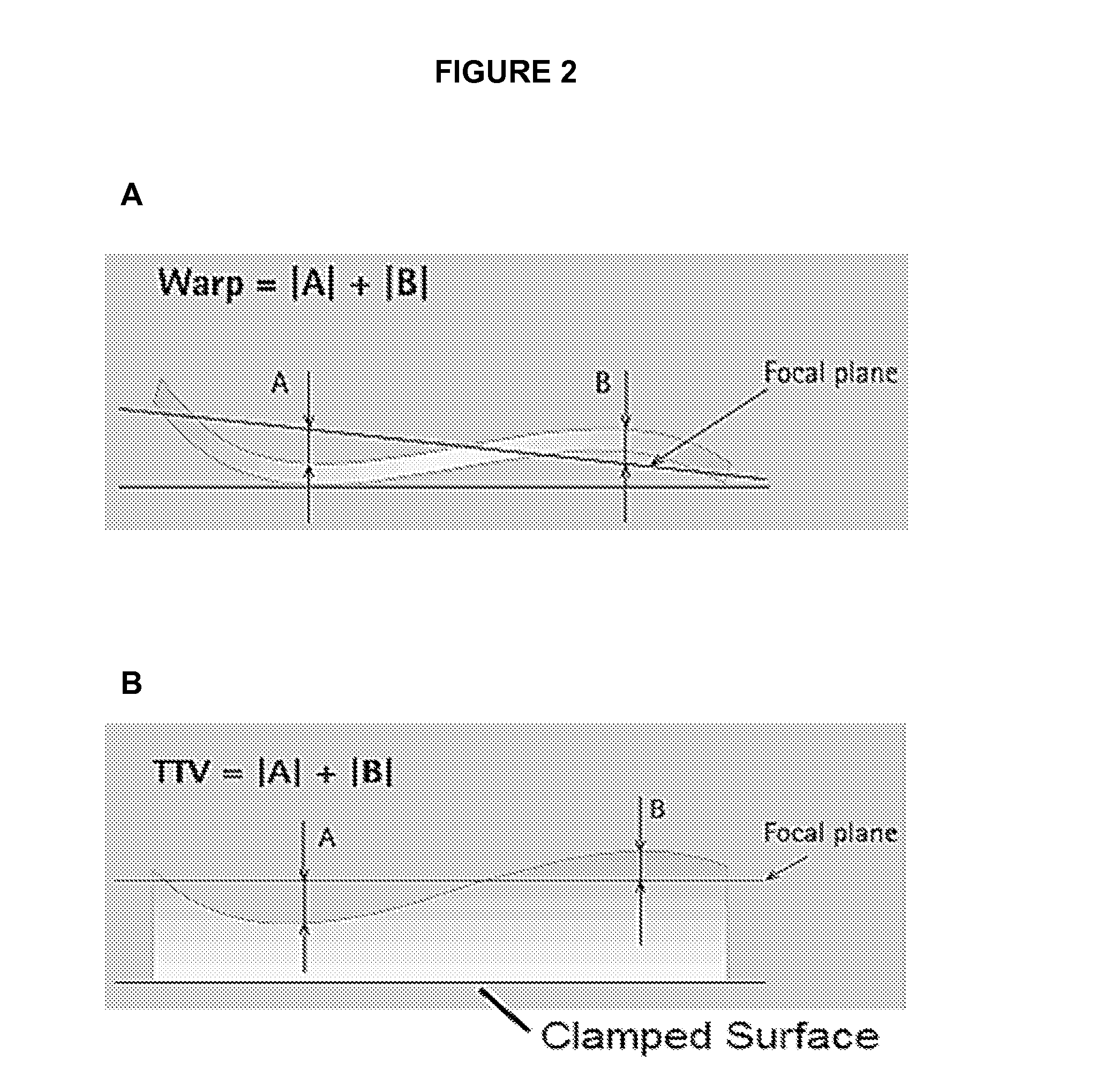
- The method involves using force-transposing substrates with transposers and compliant force-distributing members to redistribute external forces uniformly across the wafer surface, aligning them with bonding areas, and applying a predetermined sequence of forces and temperatures to ensure consistent bonding, reducing residual stresses and improving bonding uniformity.


Methods for Wafer Bonding, and for Nucleating Bonding Nanophases
PatentInactiveUS20150243629A1
Innovation
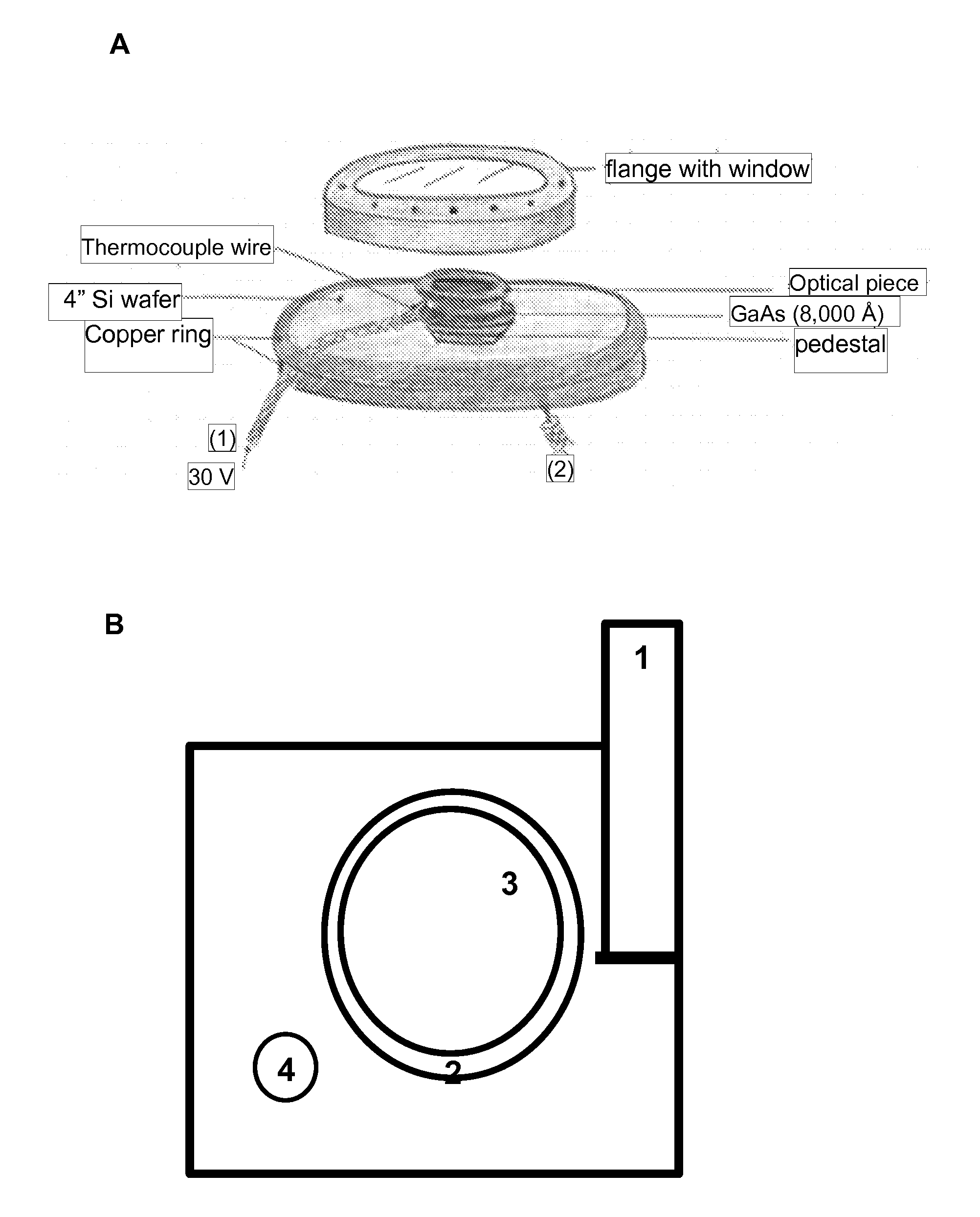
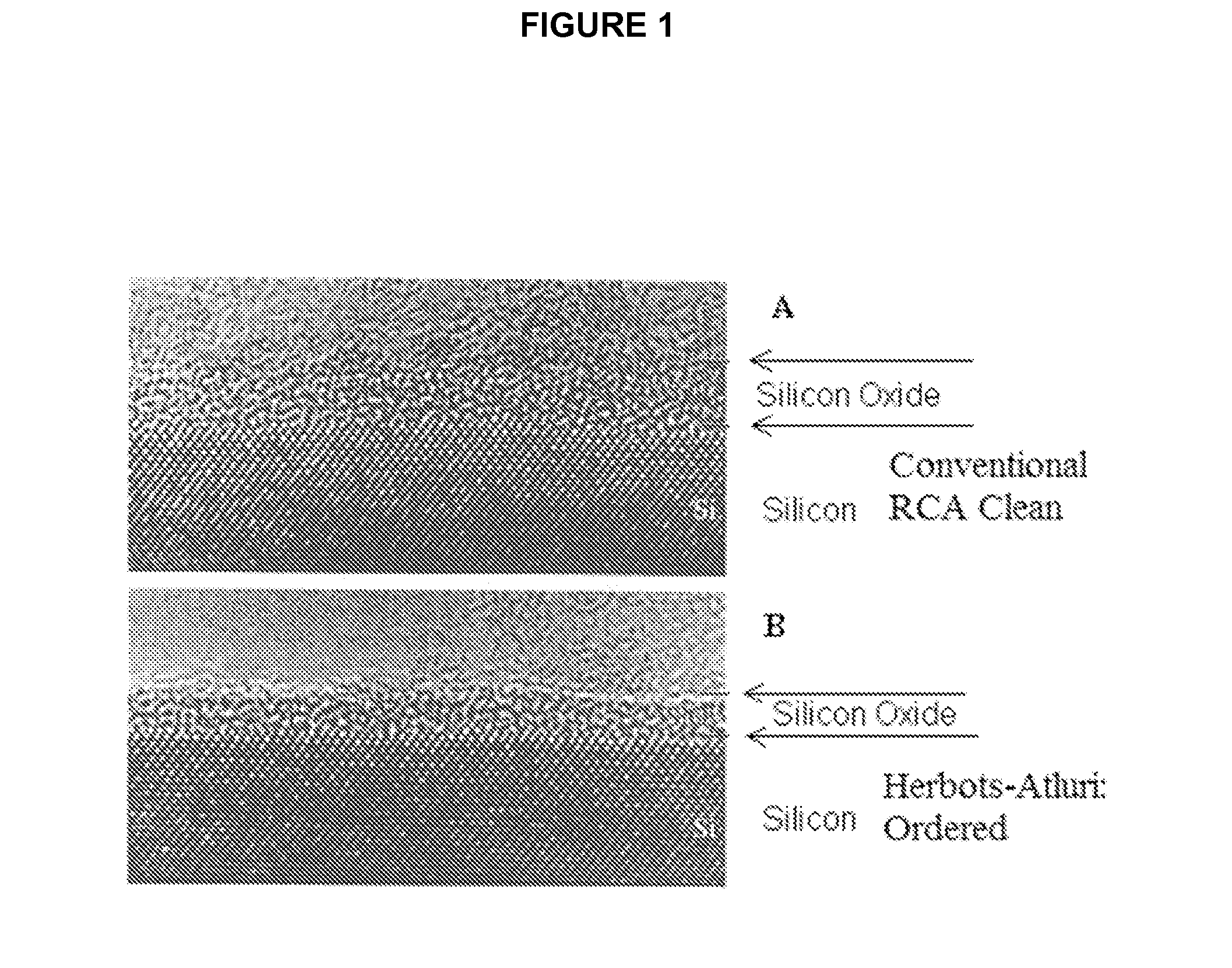
- A method involving the contact of substrates with polarized and hydrophilic surface layers in an oxidizing atmosphere, with the application of an electromagnetic field to form a bonding layer, allowing for hermetic sealing and enhanced mechanical strength, suitable for a wide range of materials including silica and silicon wafers.

Regulatory Standards for Biomedical Device Manufacturing
The regulatory landscape for biomedical device manufacturing involving wafer bonding technologies is governed by stringent international and national standards designed to ensure patient safety and device efficacy. The primary regulatory framework is established by the International Organization for Standardization (ISO) 13485, which specifies requirements for quality management systems in medical device manufacturing. This standard mandates comprehensive documentation of manufacturing processes, including wafer bonding procedures, material traceability, and process validation protocols.
In the United States, the Food and Drug Administration (FDA) enforces the Quality System Regulation (QSR) under 21 CFR Part 820, which requires manufacturers to implement design controls, process validation, and risk management systems. For wafer bonding applications in biomedical devices, manufacturers must demonstrate biocompatibility according to ISO 10993 series standards, particularly focusing on cytotoxicity, sensitization, and implantation testing when devices involve direct patient contact.
The European Union's Medical Device Regulation (MDR 2017/745) imposes additional requirements for clinical evaluation and post-market surveillance. Wafer bonding processes must comply with essential safety and performance requirements, including material characterization and long-term stability assessments. The regulation emphasizes risk-based classification systems, where implantable devices utilizing wafer bonding typically fall under Class II or Class III categories, requiring more rigorous conformity assessment procedures.
Process-specific standards include ISO 14971 for risk management, which mandates systematic identification and mitigation of risks associated with wafer bonding failures, delamination, or contamination. Manufacturing facilities must adhere to ISO 14644 cleanroom standards, ensuring appropriate environmental controls during wafer processing and bonding operations.
Validation requirements encompass installation qualification (IQ), operational qualification (OQ), and performance qualification (PQ) protocols for bonding equipment. Statistical process control methods must be implemented to monitor critical bonding parameters such as temperature uniformity, pressure distribution, and bond strength consistency. Documentation requirements include batch records, process deviation investigations, and corrective and preventive action (CAPA) systems to address non-conformances in wafer bonding operations.
In the United States, the Food and Drug Administration (FDA) enforces the Quality System Regulation (QSR) under 21 CFR Part 820, which requires manufacturers to implement design controls, process validation, and risk management systems. For wafer bonding applications in biomedical devices, manufacturers must demonstrate biocompatibility according to ISO 10993 series standards, particularly focusing on cytotoxicity, sensitization, and implantation testing when devices involve direct patient contact.
The European Union's Medical Device Regulation (MDR 2017/745) imposes additional requirements for clinical evaluation and post-market surveillance. Wafer bonding processes must comply with essential safety and performance requirements, including material characterization and long-term stability assessments. The regulation emphasizes risk-based classification systems, where implantable devices utilizing wafer bonding typically fall under Class II or Class III categories, requiring more rigorous conformity assessment procedures.
Process-specific standards include ISO 14971 for risk management, which mandates systematic identification and mitigation of risks associated with wafer bonding failures, delamination, or contamination. Manufacturing facilities must adhere to ISO 14644 cleanroom standards, ensuring appropriate environmental controls during wafer processing and bonding operations.
Validation requirements encompass installation qualification (IQ), operational qualification (OQ), and performance qualification (PQ) protocols for bonding equipment. Statistical process control methods must be implemented to monitor critical bonding parameters such as temperature uniformity, pressure distribution, and bond strength consistency. Documentation requirements include batch records, process deviation investigations, and corrective and preventive action (CAPA) systems to address non-conformances in wafer bonding operations.
Biocompatibility Requirements in Wafer Bonding Processes
Biocompatibility represents the fundamental cornerstone of wafer bonding processes in biomedical device manufacturing, where materials must demonstrate non-toxic, non-immunogenic, and functionally compatible interactions with biological systems. The stringent requirements extend beyond basic material safety to encompass complex considerations of surface chemistry, ion migration, and long-term stability under physiological conditions.
Silicon-based wafer bonding processes must address specific biocompatibility challenges related to surface contamination and residual chemicals from bonding procedures. Traditional bonding methods often introduce metallic contaminants, organic residues, or ionic species that can trigger adverse biological responses. The selection of bonding materials becomes critical, with preference given to biocompatible substrates such as medical-grade silicon, borosilicate glass, and specialized polymer layers that meet ISO 10993 standards for biological evaluation of medical devices.
Temperature considerations during wafer bonding directly impact biocompatibility outcomes, as elevated processing temperatures can alter surface properties and create unwanted chemical species. Low-temperature bonding techniques, including plasma-activated bonding and anodic bonding at reduced temperatures, have emerged as preferred methods to maintain material integrity while achieving reliable hermetic seals required for implantable devices.
Surface preparation protocols must eliminate potential cytotoxic contaminants while preserving the necessary surface energy for effective bonding. This involves carefully controlled cleaning sequences using biocompatible solvents and avoiding harsh chemicals that could leave residual traces. Plasma treatment parameters require optimization to enhance bonding strength without introducing reactive species that compromise biocompatibility.
Post-bonding validation encompasses comprehensive biocompatibility testing including cytotoxicity assays, sensitization studies, and implantation testing as specified by regulatory frameworks. The bonded interfaces must demonstrate stability under accelerated aging conditions that simulate long-term physiological exposure, ensuring that degradation products remain within acceptable limits for human safety.
Quality control measures integrate real-time monitoring of bonding environments to prevent contamination introduction, while post-process analytical techniques verify the absence of harmful residues and confirm surface chemistry compatibility with intended biological applications.
Silicon-based wafer bonding processes must address specific biocompatibility challenges related to surface contamination and residual chemicals from bonding procedures. Traditional bonding methods often introduce metallic contaminants, organic residues, or ionic species that can trigger adverse biological responses. The selection of bonding materials becomes critical, with preference given to biocompatible substrates such as medical-grade silicon, borosilicate glass, and specialized polymer layers that meet ISO 10993 standards for biological evaluation of medical devices.
Temperature considerations during wafer bonding directly impact biocompatibility outcomes, as elevated processing temperatures can alter surface properties and create unwanted chemical species. Low-temperature bonding techniques, including plasma-activated bonding and anodic bonding at reduced temperatures, have emerged as preferred methods to maintain material integrity while achieving reliable hermetic seals required for implantable devices.
Surface preparation protocols must eliminate potential cytotoxic contaminants while preserving the necessary surface energy for effective bonding. This involves carefully controlled cleaning sequences using biocompatible solvents and avoiding harsh chemicals that could leave residual traces. Plasma treatment parameters require optimization to enhance bonding strength without introducing reactive species that compromise biocompatibility.
Post-bonding validation encompasses comprehensive biocompatibility testing including cytotoxicity assays, sensitization studies, and implantation testing as specified by regulatory frameworks. The bonded interfaces must demonstrate stability under accelerated aging conditions that simulate long-term physiological exposure, ensuring that degradation products remain within acceptable limits for human safety.
Quality control measures integrate real-time monitoring of bonding environments to prevent contamination introduction, while post-process analytical techniques verify the absence of harmful residues and confirm surface chemistry compatibility with intended biological applications.
Unlock deeper insights with PatSnap Eureka Quick Research — get a full tech report to explore trends and direct your research. Try now!
Generate Your Research Report Instantly with AI Agent
Supercharge your innovation with PatSnap Eureka AI Agent Platform!