Exploring Throttle Body Control in Building Automation
JUL 18, 202510 MIN READ
Generate Your Research Report Instantly with AI Agent
PatSnap Eureka helps you evaluate technical feasibility & market potential.
Throttle Body Control Evolution and Objectives
Throttle body control has undergone significant evolution in the realm of building automation, transforming from simple mechanical devices to sophisticated electronic systems. Initially, throttle bodies were primarily used in automotive applications to regulate airflow into internal combustion engines. However, their potential for precise flow control has led to their adoption in building automation systems, particularly in HVAC (Heating, Ventilation, and Air Conditioning) applications.
The evolution of throttle body control in building automation can be traced through several key stages. Early implementations relied on manual adjustments, which were labor-intensive and prone to inefficiencies. As technology advanced, pneumatic controls were introduced, offering improved responsiveness but still limited in terms of precision and integration capabilities. The advent of electronic throttle body control marked a significant leap forward, enabling more accurate and dynamic flow regulation.
Modern throttle body control systems in building automation leverage advanced sensors, microprocessors, and actuators to achieve unprecedented levels of precision and efficiency. These systems can continuously monitor and adjust airflow based on real-time environmental conditions, occupancy patterns, and energy consumption targets. The integration of IoT (Internet of Things) technologies has further enhanced the capabilities of throttle body control, allowing for remote monitoring, predictive maintenance, and seamless integration with broader building management systems.
The primary objectives of throttle body control in building automation are multifaceted. Firstly, there is a strong focus on energy efficiency. By optimizing airflow in HVAC systems, throttle body control can significantly reduce energy consumption, leading to lower operational costs and reduced environmental impact. Secondly, these systems aim to enhance occupant comfort by maintaining consistent temperature and air quality throughout the building. This is achieved through precise control of airflow distribution and temperature regulation.
Another key objective is to improve system reliability and longevity. Advanced throttle body control systems incorporate self-diagnostic features and predictive maintenance algorithms, which can detect potential issues before they escalate into major problems. This proactive approach helps minimize downtime and extends the lifespan of HVAC equipment.
Furthermore, the integration of throttle body control with broader building automation systems is a critical objective. This integration enables holistic management of building operations, allowing for coordinated control of various subsystems to optimize overall performance. The goal is to create intelligent buildings that can adapt to changing conditions and user preferences automatically, maximizing both efficiency and comfort.
As the field of building automation continues to evolve, the objectives for throttle body control are expanding to include enhanced data analytics capabilities, machine learning integration, and support for sustainable building practices. These advancements aim to further improve energy efficiency, reduce carbon footprints, and create more responsive and adaptive building environments.
The evolution of throttle body control in building automation can be traced through several key stages. Early implementations relied on manual adjustments, which were labor-intensive and prone to inefficiencies. As technology advanced, pneumatic controls were introduced, offering improved responsiveness but still limited in terms of precision and integration capabilities. The advent of electronic throttle body control marked a significant leap forward, enabling more accurate and dynamic flow regulation.
Modern throttle body control systems in building automation leverage advanced sensors, microprocessors, and actuators to achieve unprecedented levels of precision and efficiency. These systems can continuously monitor and adjust airflow based on real-time environmental conditions, occupancy patterns, and energy consumption targets. The integration of IoT (Internet of Things) technologies has further enhanced the capabilities of throttle body control, allowing for remote monitoring, predictive maintenance, and seamless integration with broader building management systems.
The primary objectives of throttle body control in building automation are multifaceted. Firstly, there is a strong focus on energy efficiency. By optimizing airflow in HVAC systems, throttle body control can significantly reduce energy consumption, leading to lower operational costs and reduced environmental impact. Secondly, these systems aim to enhance occupant comfort by maintaining consistent temperature and air quality throughout the building. This is achieved through precise control of airflow distribution and temperature regulation.
Another key objective is to improve system reliability and longevity. Advanced throttle body control systems incorporate self-diagnostic features and predictive maintenance algorithms, which can detect potential issues before they escalate into major problems. This proactive approach helps minimize downtime and extends the lifespan of HVAC equipment.
Furthermore, the integration of throttle body control with broader building automation systems is a critical objective. This integration enables holistic management of building operations, allowing for coordinated control of various subsystems to optimize overall performance. The goal is to create intelligent buildings that can adapt to changing conditions and user preferences automatically, maximizing both efficiency and comfort.
As the field of building automation continues to evolve, the objectives for throttle body control are expanding to include enhanced data analytics capabilities, machine learning integration, and support for sustainable building practices. These advancements aim to further improve energy efficiency, reduce carbon footprints, and create more responsive and adaptive building environments.
Market Analysis for Smart Building Automation
The smart building automation market is experiencing significant growth, driven by increasing demand for energy efficiency, cost reduction, and improved occupant comfort. This market encompasses a wide range of technologies and solutions, including HVAC systems, lighting controls, security systems, and energy management platforms. The integration of throttle body control in building automation systems represents a promising area for innovation and market expansion.
The global smart building market is projected to reach substantial value in the coming years, with a compound annual growth rate (CAGR) exceeding industry averages. This growth is fueled by factors such as government initiatives promoting energy-efficient buildings, rising awareness of environmental sustainability, and the need for operational cost reduction in commercial and residential buildings.
In the context of throttle body control for building automation, the market potential is particularly strong in the HVAC sector. HVAC systems account for a significant portion of energy consumption in buildings, making them a prime target for optimization and efficiency improvements. The integration of advanced throttle body control mechanisms in HVAC systems can lead to more precise airflow management, resulting in enhanced energy efficiency and improved indoor air quality.
The market for smart building automation solutions incorporating throttle body control is characterized by a diverse range of end-users, including commercial office buildings, healthcare facilities, educational institutions, and industrial complexes. Each of these sectors presents unique opportunities and challenges for the implementation of throttle body control technologies.
Commercial office buildings represent a substantial market segment, with property managers and building owners seeking solutions to reduce energy costs and improve tenant satisfaction. Healthcare facilities require precise environmental control to maintain optimal conditions for patient care and medical equipment operation. Educational institutions are increasingly focusing on creating healthier and more productive learning environments while managing energy expenses. Industrial complexes demand robust and efficient HVAC systems to maintain optimal working conditions and protect sensitive equipment.
The adoption of throttle body control in building automation is driven by several key market trends. These include the growing emphasis on predictive maintenance, the integration of Internet of Things (IoT) technologies, and the increasing use of data analytics for building performance optimization. Additionally, the shift towards smart cities and sustainable urban development is creating new opportunities for advanced building automation technologies.
Market challenges for throttle body control in building automation include the high initial investment costs, the complexity of integrating new technologies with existing building management systems, and concerns about cybersecurity in connected building systems. However, these challenges are balanced by the potential for significant long-term cost savings, improved building performance, and enhanced occupant satisfaction.
As the market for smart building automation continues to evolve, the role of throttle body control in optimizing HVAC systems and overall building performance is expected to grow. This presents opportunities for technology providers, system integrators, and building management companies to develop innovative solutions that address the specific needs of different market segments and drive the adoption of more efficient and intelligent building automation systems.
The global smart building market is projected to reach substantial value in the coming years, with a compound annual growth rate (CAGR) exceeding industry averages. This growth is fueled by factors such as government initiatives promoting energy-efficient buildings, rising awareness of environmental sustainability, and the need for operational cost reduction in commercial and residential buildings.
In the context of throttle body control for building automation, the market potential is particularly strong in the HVAC sector. HVAC systems account for a significant portion of energy consumption in buildings, making them a prime target for optimization and efficiency improvements. The integration of advanced throttle body control mechanisms in HVAC systems can lead to more precise airflow management, resulting in enhanced energy efficiency and improved indoor air quality.
The market for smart building automation solutions incorporating throttle body control is characterized by a diverse range of end-users, including commercial office buildings, healthcare facilities, educational institutions, and industrial complexes. Each of these sectors presents unique opportunities and challenges for the implementation of throttle body control technologies.
Commercial office buildings represent a substantial market segment, with property managers and building owners seeking solutions to reduce energy costs and improve tenant satisfaction. Healthcare facilities require precise environmental control to maintain optimal conditions for patient care and medical equipment operation. Educational institutions are increasingly focusing on creating healthier and more productive learning environments while managing energy expenses. Industrial complexes demand robust and efficient HVAC systems to maintain optimal working conditions and protect sensitive equipment.
The adoption of throttle body control in building automation is driven by several key market trends. These include the growing emphasis on predictive maintenance, the integration of Internet of Things (IoT) technologies, and the increasing use of data analytics for building performance optimization. Additionally, the shift towards smart cities and sustainable urban development is creating new opportunities for advanced building automation technologies.
Market challenges for throttle body control in building automation include the high initial investment costs, the complexity of integrating new technologies with existing building management systems, and concerns about cybersecurity in connected building systems. However, these challenges are balanced by the potential for significant long-term cost savings, improved building performance, and enhanced occupant satisfaction.
As the market for smart building automation continues to evolve, the role of throttle body control in optimizing HVAC systems and overall building performance is expected to grow. This presents opportunities for technology providers, system integrators, and building management companies to develop innovative solutions that address the specific needs of different market segments and drive the adoption of more efficient and intelligent building automation systems.
Current Challenges in Throttle Body Control Systems
Throttle body control systems in building automation face several significant challenges that hinder their optimal performance and widespread adoption. One of the primary issues is the complexity of integrating these systems with existing building management infrastructures. Many buildings, especially older ones, lack the necessary digital infrastructure to support advanced throttle body control systems, making retrofitting a costly and time-consuming process.
Another challenge lies in the accurate sensing and measurement of environmental parameters. Throttle body control systems rely on precise data inputs to make informed decisions about airflow and temperature regulation. However, the placement and calibration of sensors can be problematic, especially in large, complex building environments with varying occupancy patterns and thermal zones.
The dynamic nature of building environments also poses a significant challenge for throttle body control systems. Fluctuations in occupancy, weather conditions, and internal heat loads require these systems to be highly responsive and adaptive. Developing algorithms that can effectively predict and respond to these changes in real-time remains an ongoing challenge for system designers and engineers.
Energy efficiency is a critical concern in building automation, and throttle body control systems are no exception. While these systems aim to optimize energy usage, achieving the right balance between comfort and efficiency is often difficult. Over-throttling can lead to discomfort for occupants, while under-throttling may result in energy waste. Fine-tuning these systems to achieve optimal performance across diverse building types and usage scenarios remains a persistent challenge.
Maintenance and reliability issues also plague current throttle body control systems. The mechanical components of these systems are subject to wear and tear, potentially leading to reduced efficiency or system failures over time. Implementing robust predictive maintenance strategies and developing more durable components are areas that require further attention and innovation.
Interoperability between different building automation systems and protocols presents another significant hurdle. The lack of standardization in the industry means that throttle body control systems may struggle to communicate effectively with other building management systems, limiting their overall effectiveness and integration capabilities.
Lastly, cybersecurity concerns have become increasingly prominent in building automation systems. As throttle body control systems become more connected and reliant on digital networks, they become potential targets for cyber attacks. Ensuring the security and integrity of these systems without compromising their functionality and ease of use remains a critical challenge for manufacturers and system integrators.
Another challenge lies in the accurate sensing and measurement of environmental parameters. Throttle body control systems rely on precise data inputs to make informed decisions about airflow and temperature regulation. However, the placement and calibration of sensors can be problematic, especially in large, complex building environments with varying occupancy patterns and thermal zones.
The dynamic nature of building environments also poses a significant challenge for throttle body control systems. Fluctuations in occupancy, weather conditions, and internal heat loads require these systems to be highly responsive and adaptive. Developing algorithms that can effectively predict and respond to these changes in real-time remains an ongoing challenge for system designers and engineers.
Energy efficiency is a critical concern in building automation, and throttle body control systems are no exception. While these systems aim to optimize energy usage, achieving the right balance between comfort and efficiency is often difficult. Over-throttling can lead to discomfort for occupants, while under-throttling may result in energy waste. Fine-tuning these systems to achieve optimal performance across diverse building types and usage scenarios remains a persistent challenge.
Maintenance and reliability issues also plague current throttle body control systems. The mechanical components of these systems are subject to wear and tear, potentially leading to reduced efficiency or system failures over time. Implementing robust predictive maintenance strategies and developing more durable components are areas that require further attention and innovation.
Interoperability between different building automation systems and protocols presents another significant hurdle. The lack of standardization in the industry means that throttle body control systems may struggle to communicate effectively with other building management systems, limiting their overall effectiveness and integration capabilities.
Lastly, cybersecurity concerns have become increasingly prominent in building automation systems. As throttle body control systems become more connected and reliant on digital networks, they become potential targets for cyber attacks. Ensuring the security and integrity of these systems without compromising their functionality and ease of use remains a critical challenge for manufacturers and system integrators.
Existing Throttle Body Control Solutions
01 Electronic throttle control systems
Electronic throttle control systems use sensors and actuators to regulate airflow into the engine. These systems replace traditional mechanical linkages with electronic components for more precise control of engine performance and fuel efficiency.- Electronic throttle control systems: Electronic throttle control systems use sensors and actuators to regulate airflow into the engine. These systems replace traditional mechanical linkages with electronic components for more precise control of engine performance and fuel efficiency.
- Throttle body design and construction: Innovations in throttle body design focus on improving airflow characteristics and reducing manufacturing costs. This includes advancements in materials, shape optimization, and integration of additional components within the throttle body assembly.
- Throttle position sensors and feedback mechanisms: Advanced throttle position sensors and feedback mechanisms are crucial for accurate throttle control. These components provide real-time data on throttle position and movement, enabling precise adjustments and improved engine performance.
- Idle air control and bypass systems: Idle air control and bypass systems manage airflow when the throttle is closed, maintaining stable engine idle and smooth transitions. These systems often incorporate separate air passages and control valves to regulate airflow independently of the main throttle plate.
- Integration with engine management systems: Modern throttle body control is increasingly integrated with broader engine management systems. This integration allows for coordinated control of multiple engine parameters, including fuel injection, ignition timing, and emissions control, resulting in optimized overall engine performance.
02 Throttle body design and construction
Innovations in throttle body design focus on improving airflow characteristics and reducing manufacturing costs. This includes advancements in materials, shape optimization, and integration of additional components within the throttle body assembly.Expand Specific Solutions03 Throttle position sensors and feedback mechanisms
Advanced throttle position sensors and feedback mechanisms enhance the accuracy of throttle control. These technologies provide real-time data on throttle position and enable more responsive adjustments to engine performance based on driving conditions.Expand Specific Solutions04 Idle air control and bypass systems
Idle air control and bypass systems manage engine idle speed and smooth transitions between different operating states. These systems often incorporate additional valves or passages within the throttle body to regulate airflow during idle and low-speed operation.Expand Specific Solutions05 Integration with engine management systems
Modern throttle body control systems are increasingly integrated with broader engine management systems. This integration allows for more sophisticated control strategies that consider multiple engine parameters and driving conditions to optimize performance, fuel efficiency, and emissions.Expand Specific Solutions
Key Players in Building Automation Industry
The throttle body control market in building automation is in a growth phase, with increasing demand for energy-efficient HVAC systems driving market expansion. The global market size is projected to reach several billion dollars by 2025. While the technology is maturing, there's still room for innovation, particularly in integrating smart controls and IoT capabilities. Key players like Siemens, Honeywell, and Johnson Controls are leading the market, with automotive giants like GM, Toyota, and Honda also leveraging their expertise in throttle body technology. Emerging players such as Aisan Industry and SAMSON AG are introducing specialized solutions, intensifying competition and driving technological advancements in precision control and energy efficiency.
SAMSON AG
Technical Solution: SAMSON AG has developed a specialized throttle body control system for building automation, focusing on precise flow control and energy efficiency. Their solution utilizes advanced globe-style throttle valves with high-resolution positioners for accurate airflow regulation in HVAC systems[13]. SAMSON's control system incorporates self-tuning algorithms that automatically adjust to system characteristics, ensuring optimal performance across various operating conditions[14]. The throttle body control integrates with SAMSON's TROVIS SAFE platform, providing comprehensive monitoring and diagnostics capabilities[15]. Additionally, SAMSON's solution supports various communication protocols, including HART and FOUNDATION Fieldbus, for seamless integration with existing building management systems[16].
Strengths: Highly precise flow control, self-tuning capabilities, and extensive diagnostic features. Weaknesses: May be more specialized and potentially costlier than some competitors' offerings.
Eaton Corp.
Technical Solution: Eaton has developed an innovative throttle body control system for building automation, leveraging their expertise in power management and control systems. Their solution incorporates smart electronic throttle bodies with brushless DC motors for precise and energy-efficient airflow control[9]. Eaton's system utilizes adaptive control algorithms that adjust to changing building conditions and occupancy patterns to optimize HVAC performance[10]. The throttle body control integrates seamlessly with Eaton's Power Xpert Architecture, allowing for comprehensive energy management across building systems[11]. Additionally, Eaton's solution includes cybersecurity features to protect against potential threats to building control systems[12].
Strengths: Strong integration with power management systems, adaptive control algorithms, and robust cybersecurity features. Weaknesses: May have a steeper learning curve for facilities not already using Eaton's power management solutions.
Innovative Throttle Body Control Techniques
Controlling airflow to multiple engine modules with a single throttle body
PatentInactiveUS20050126173A1
Innovation
- A single throttle body is used to control airflow for multiple engine modules at a common manifold absolute pressure (MAP), eliminating duplicate components and allowing independent control of fuel and ignition for each engine module, with a selectively engageable clutch to couple output shafts for varying torque demands.


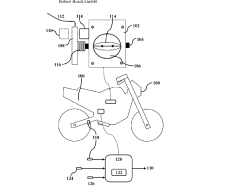
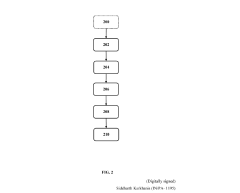
A mechanical throttle body, a controller for a vehicle and method thereof
PatentPendingIN202243056087A
Innovation
- Integration of an electromagnet controlled by a controller that holds the throttle lever in a desired position using magnetic force, allowing for cruise control functionality without modifying the existing mechanical throttle body design, enabling speed adjustments and reducing the overall system cost.
Energy Efficiency Impact of Throttle Control
The implementation of throttle body control in building automation systems has a significant impact on energy efficiency. By precisely regulating the flow of air or fluids in HVAC systems, throttle control optimizes energy consumption while maintaining desired comfort levels. This technology allows for dynamic adjustments based on real-time demand, reducing unnecessary energy expenditure during periods of low occupancy or mild weather conditions.
One of the primary benefits of throttle control is its ability to modulate system output more accurately than traditional on/off controls. This fine-tuning capability results in smoother operation and reduced energy waste associated with frequent cycling of equipment. For instance, in variable air volume (VAV) systems, throttle control can adjust airflow rates to match the exact cooling or heating requirements of different zones within a building, minimizing overcooling or overheating.
The energy savings potential of throttle control is particularly evident in large commercial and industrial buildings. Studies have shown that implementing advanced throttle control strategies can lead to energy reductions of 10-30% in HVAC systems, depending on the building type and climate. These savings are achieved through improved part-load efficiency, reduced fan and pump energy consumption, and better overall system performance.
Moreover, throttle control contributes to enhanced indoor environmental quality by maintaining more stable temperature and humidity levels. This not only improves occupant comfort but also reduces the likelihood of energy-intensive rapid adjustments to counteract sudden changes in conditions. The precise control offered by throttle technology also enables better integration with other building systems, such as lighting and occupancy sensors, further optimizing overall energy usage.
In the context of building automation, throttle control plays a crucial role in demand-based ventilation strategies. By modulating airflow based on CO2 levels or occupancy data, buildings can significantly reduce the energy required for conditioning and circulating outside air. This approach is particularly beneficial in spaces with variable occupancy patterns, such as conference rooms or auditoriums.
The long-term energy efficiency impact of throttle control extends beyond direct energy savings. By reducing the wear and tear on HVAC equipment through smoother operation, throttle control can extend the lifespan of system components, leading to lower replacement and maintenance costs. Additionally, the data collected through advanced throttle control systems can provide valuable insights for further energy optimization and predictive maintenance, contributing to ongoing efficiency improvements over time.
One of the primary benefits of throttle control is its ability to modulate system output more accurately than traditional on/off controls. This fine-tuning capability results in smoother operation and reduced energy waste associated with frequent cycling of equipment. For instance, in variable air volume (VAV) systems, throttle control can adjust airflow rates to match the exact cooling or heating requirements of different zones within a building, minimizing overcooling or overheating.
The energy savings potential of throttle control is particularly evident in large commercial and industrial buildings. Studies have shown that implementing advanced throttle control strategies can lead to energy reductions of 10-30% in HVAC systems, depending on the building type and climate. These savings are achieved through improved part-load efficiency, reduced fan and pump energy consumption, and better overall system performance.
Moreover, throttle control contributes to enhanced indoor environmental quality by maintaining more stable temperature and humidity levels. This not only improves occupant comfort but also reduces the likelihood of energy-intensive rapid adjustments to counteract sudden changes in conditions. The precise control offered by throttle technology also enables better integration with other building systems, such as lighting and occupancy sensors, further optimizing overall energy usage.
In the context of building automation, throttle control plays a crucial role in demand-based ventilation strategies. By modulating airflow based on CO2 levels or occupancy data, buildings can significantly reduce the energy required for conditioning and circulating outside air. This approach is particularly beneficial in spaces with variable occupancy patterns, such as conference rooms or auditoriums.
The long-term energy efficiency impact of throttle control extends beyond direct energy savings. By reducing the wear and tear on HVAC equipment through smoother operation, throttle control can extend the lifespan of system components, leading to lower replacement and maintenance costs. Additionally, the data collected through advanced throttle control systems can provide valuable insights for further energy optimization and predictive maintenance, contributing to ongoing efficiency improvements over time.
Integration with IoT and AI Systems
The integration of throttle body control systems with IoT and AI technologies represents a significant advancement in building automation. This convergence enables more sophisticated, responsive, and efficient management of HVAC systems, ultimately leading to improved energy efficiency and occupant comfort.
IoT integration allows throttle body control systems to become part of a larger, interconnected network of devices and sensors throughout a building. This connectivity facilitates real-time data collection and analysis, enabling more precise control of airflow and temperature regulation. Sensors can monitor various parameters such as occupancy, temperature, humidity, and air quality, providing a comprehensive view of the building's environmental conditions.
AI algorithms can leverage this wealth of data to optimize throttle body control in ways that were previously impossible. Machine learning models can predict occupancy patterns, anticipate changes in weather conditions, and adjust throttle body positions proactively. This predictive capability allows the system to maintain optimal comfort levels while minimizing energy consumption.
Furthermore, AI-driven systems can continuously learn and adapt to the specific characteristics of a building and its occupants. Over time, these systems can fine-tune their control strategies, accounting for factors such as building thermal mass, occupant preferences, and seasonal variations. This level of personalization ensures that the throttle body control system operates at peak efficiency under diverse conditions.
The integration of IoT and AI also enables advanced fault detection and predictive maintenance capabilities. By analyzing patterns in sensor data and system performance, AI algorithms can identify potential issues before they lead to system failures. This proactive approach to maintenance can significantly reduce downtime and extend the lifespan of HVAC components, including throttle bodies.
Cloud computing plays a crucial role in this integration, providing the necessary computational power and storage capacity to process vast amounts of data generated by IoT sensors. Cloud-based platforms can aggregate data from multiple buildings, allowing for cross-building analysis and benchmarking. This broader perspective can inform best practices and drive continuous improvement in throttle body control strategies across entire portfolios of buildings.
As IoT and AI technologies continue to evolve, we can expect even more sophisticated integration with throttle body control systems. Future developments may include the use of digital twins to simulate and optimize system performance, as well as the incorporation of natural language processing to enable voice-controlled adjustments to building environments.
IoT integration allows throttle body control systems to become part of a larger, interconnected network of devices and sensors throughout a building. This connectivity facilitates real-time data collection and analysis, enabling more precise control of airflow and temperature regulation. Sensors can monitor various parameters such as occupancy, temperature, humidity, and air quality, providing a comprehensive view of the building's environmental conditions.
AI algorithms can leverage this wealth of data to optimize throttle body control in ways that were previously impossible. Machine learning models can predict occupancy patterns, anticipate changes in weather conditions, and adjust throttle body positions proactively. This predictive capability allows the system to maintain optimal comfort levels while minimizing energy consumption.
Furthermore, AI-driven systems can continuously learn and adapt to the specific characteristics of a building and its occupants. Over time, these systems can fine-tune their control strategies, accounting for factors such as building thermal mass, occupant preferences, and seasonal variations. This level of personalization ensures that the throttle body control system operates at peak efficiency under diverse conditions.
The integration of IoT and AI also enables advanced fault detection and predictive maintenance capabilities. By analyzing patterns in sensor data and system performance, AI algorithms can identify potential issues before they lead to system failures. This proactive approach to maintenance can significantly reduce downtime and extend the lifespan of HVAC components, including throttle bodies.
Cloud computing plays a crucial role in this integration, providing the necessary computational power and storage capacity to process vast amounts of data generated by IoT sensors. Cloud-based platforms can aggregate data from multiple buildings, allowing for cross-building analysis and benchmarking. This broader perspective can inform best practices and drive continuous improvement in throttle body control strategies across entire portfolios of buildings.
As IoT and AI technologies continue to evolve, we can expect even more sophisticated integration with throttle body control systems. Future developments may include the use of digital twins to simulate and optimize system performance, as well as the incorporation of natural language processing to enable voice-controlled adjustments to building environments.
Unlock deeper insights with PatSnap Eureka Quick Research — get a full tech report to explore trends and direct your research. Try now!
Generate Your Research Report Instantly with AI Agent
Supercharge your innovation with PatSnap Eureka AI Agent Platform!