

Exploring UHMWPE Potential in Underwater Pipe Liners
AUG 6, 20259 MIN READ
Generate Your Research Report Instantly with AI Agent
PatSnap Eureka helps you evaluate technical feasibility & market potential.
UHMWPE Underwater Applications
Ultra-high-molecular-weight polyethylene (UHMWPE) has emerged as a promising material for underwater applications, particularly in pipe liners. Its unique properties make it well-suited for challenging marine environments. UHMWPE exhibits exceptional wear resistance, low friction coefficient, and high impact strength, which are crucial for underwater pipe systems exposed to harsh conditions.
In underwater applications, UHMWPE pipe liners offer several advantages. They provide excellent protection against corrosion, a common issue in marine settings. The material's chemical inertness ensures resistance to various aggressive substances, including seawater and marine organisms. This characteristic significantly extends the lifespan of underwater pipelines and reduces maintenance requirements.
UHMWPE's low coefficient of friction is particularly beneficial in underwater pipe systems. It facilitates smoother fluid flow, reducing energy consumption in pumping operations. This property also minimizes the risk of blockages and sediment accumulation, which are common problems in underwater pipelines. The material's self-lubricating nature further enhances its performance in submerged conditions.
The high impact strength of UHMWPE is crucial for withstanding underwater pressures and potential collisions with marine debris or equipment. This resilience ensures the integrity of pipe systems even in dynamic underwater environments. Additionally, UHMWPE's flexibility allows for easier installation and better adaptation to seabed contours, reducing the risk of stress-induced failures.
In terms of thermal properties, UHMWPE performs well in a wide range of temperatures typically encountered in underwater settings. Its low thermal conductivity helps maintain consistent temperatures within the pipeline, which can be critical for certain applications, such as oil and gas transportation.
UHMWPE's lightweight nature compared to traditional materials like steel or concrete offers significant advantages in underwater installations. It reduces the overall weight of the pipeline system, simplifying transportation and installation processes. This characteristic is particularly valuable in deep-sea applications where weight considerations are crucial.
The material's biocompatibility and resistance to marine growth are additional benefits for underwater use. UHMWPE surfaces are less prone to biofouling, reducing the need for frequent cleaning and maintenance of underwater structures. This property is especially valuable in sensitive marine ecosystems where minimizing environmental impact is a priority.
As underwater exploration and resource extraction activities continue to expand, the demand for reliable and durable materials like UHMWPE in pipe liner applications is expected to grow. The material's combination of mechanical strength, chemical resistance, and environmental compatibility positions it as a key player in advancing underwater infrastructure technology.
In underwater applications, UHMWPE pipe liners offer several advantages. They provide excellent protection against corrosion, a common issue in marine settings. The material's chemical inertness ensures resistance to various aggressive substances, including seawater and marine organisms. This characteristic significantly extends the lifespan of underwater pipelines and reduces maintenance requirements.
UHMWPE's low coefficient of friction is particularly beneficial in underwater pipe systems. It facilitates smoother fluid flow, reducing energy consumption in pumping operations. This property also minimizes the risk of blockages and sediment accumulation, which are common problems in underwater pipelines. The material's self-lubricating nature further enhances its performance in submerged conditions.
The high impact strength of UHMWPE is crucial for withstanding underwater pressures and potential collisions with marine debris or equipment. This resilience ensures the integrity of pipe systems even in dynamic underwater environments. Additionally, UHMWPE's flexibility allows for easier installation and better adaptation to seabed contours, reducing the risk of stress-induced failures.
In terms of thermal properties, UHMWPE performs well in a wide range of temperatures typically encountered in underwater settings. Its low thermal conductivity helps maintain consistent temperatures within the pipeline, which can be critical for certain applications, such as oil and gas transportation.
UHMWPE's lightweight nature compared to traditional materials like steel or concrete offers significant advantages in underwater installations. It reduces the overall weight of the pipeline system, simplifying transportation and installation processes. This characteristic is particularly valuable in deep-sea applications where weight considerations are crucial.
The material's biocompatibility and resistance to marine growth are additional benefits for underwater use. UHMWPE surfaces are less prone to biofouling, reducing the need for frequent cleaning and maintenance of underwater structures. This property is especially valuable in sensitive marine ecosystems where minimizing environmental impact is a priority.
As underwater exploration and resource extraction activities continue to expand, the demand for reliable and durable materials like UHMWPE in pipe liner applications is expected to grow. The material's combination of mechanical strength, chemical resistance, and environmental compatibility positions it as a key player in advancing underwater infrastructure technology.
Market Analysis for Pipe Liners
The global market for pipe liners has been experiencing significant growth, driven by the increasing demand for infrastructure rehabilitation and the need for cost-effective solutions in various industries. The underwater pipe liner segment, in particular, has shown promising potential due to the rising offshore oil and gas activities and the expansion of underwater communication networks.
Ultra-High Molecular Weight Polyethylene (UHMWPE) has emerged as a material of interest for underwater pipe liners, owing to its exceptional properties such as high abrasion resistance, low friction coefficient, and excellent chemical stability. These characteristics make UHMWPE an attractive option for protecting underwater pipelines from corrosion, wear, and damage caused by harsh marine environments.
The market for UHMWPE pipe liners is expected to grow steadily in the coming years, with a compound annual growth rate (CAGR) projected to be in the mid-single digits. This growth is primarily attributed to the material's superior performance in underwater applications compared to traditional materials like steel or concrete.
Key market drivers for UHMWPE underwater pipe liners include the increasing focus on extending the lifespan of existing underwater infrastructure, stringent environmental regulations requiring better protection of marine ecosystems, and the growing investments in offshore energy projects. Additionally, the rising awareness of the long-term cost benefits associated with using high-performance materials like UHMWPE is contributing to market expansion.
Geographically, North America and Europe currently dominate the market for UHMWPE underwater pipe liners, owing to their well-established offshore industries and ongoing infrastructure rehabilitation projects. However, the Asia-Pacific region is expected to witness the fastest growth in the coming years, driven by rapid industrialization, increasing energy demand, and substantial investments in underwater communication networks.
The market landscape for UHMWPE underwater pipe liners is characterized by a mix of large multinational corporations and specialized material manufacturers. Key players are focusing on research and development to enhance the performance of UHMWPE in underwater applications, as well as developing innovative installation techniques to reduce deployment costs and improve efficiency.
Despite the positive outlook, the market faces challenges such as high initial costs associated with UHMWPE materials and installation, limited awareness among end-users about the benefits of UHMWPE pipe liners, and competition from alternative materials. Overcoming these challenges will be crucial for realizing the full market potential of UHMWPE in underwater pipe liner applications.
Ultra-High Molecular Weight Polyethylene (UHMWPE) has emerged as a material of interest for underwater pipe liners, owing to its exceptional properties such as high abrasion resistance, low friction coefficient, and excellent chemical stability. These characteristics make UHMWPE an attractive option for protecting underwater pipelines from corrosion, wear, and damage caused by harsh marine environments.
The market for UHMWPE pipe liners is expected to grow steadily in the coming years, with a compound annual growth rate (CAGR) projected to be in the mid-single digits. This growth is primarily attributed to the material's superior performance in underwater applications compared to traditional materials like steel or concrete.
Key market drivers for UHMWPE underwater pipe liners include the increasing focus on extending the lifespan of existing underwater infrastructure, stringent environmental regulations requiring better protection of marine ecosystems, and the growing investments in offshore energy projects. Additionally, the rising awareness of the long-term cost benefits associated with using high-performance materials like UHMWPE is contributing to market expansion.
Geographically, North America and Europe currently dominate the market for UHMWPE underwater pipe liners, owing to their well-established offshore industries and ongoing infrastructure rehabilitation projects. However, the Asia-Pacific region is expected to witness the fastest growth in the coming years, driven by rapid industrialization, increasing energy demand, and substantial investments in underwater communication networks.
The market landscape for UHMWPE underwater pipe liners is characterized by a mix of large multinational corporations and specialized material manufacturers. Key players are focusing on research and development to enhance the performance of UHMWPE in underwater applications, as well as developing innovative installation techniques to reduce deployment costs and improve efficiency.
Despite the positive outlook, the market faces challenges such as high initial costs associated with UHMWPE materials and installation, limited awareness among end-users about the benefits of UHMWPE pipe liners, and competition from alternative materials. Overcoming these challenges will be crucial for realizing the full market potential of UHMWPE in underwater pipe liner applications.
UHMWPE Properties and Challenges
Ultra-High Molecular Weight Polyethylene (UHMWPE) is a remarkable engineering thermoplastic known for its exceptional properties, making it a promising candidate for underwater pipe liners. However, its application in this field also presents several challenges that need to be addressed.
UHMWPE boasts an impressive set of properties that make it suitable for underwater applications. Its high molecular weight results in excellent abrasion resistance, surpassing that of carbon steel. This characteristic is crucial for pipe liners that may be exposed to abrasive materials in underwater environments. Additionally, UHMWPE exhibits outstanding impact strength, even at low temperatures, ensuring durability in harsh underwater conditions.
The material's low coefficient of friction contributes to improved flow characteristics within pipes, potentially reducing energy consumption in fluid transport systems. UHMWPE also demonstrates exceptional chemical resistance, making it inert to most chemicals, solvents, and corrosive agents commonly encountered in underwater environments. This property ensures long-term stability and reduces the risk of material degradation.
Another significant advantage of UHMWPE is its low moisture absorption, which helps maintain its mechanical properties in underwater settings. The material's high tensile strength and elongation at break provide the necessary flexibility and durability required for pipe liners subjected to various stresses and pressures.
Despite these favorable properties, UHMWPE faces several challenges in its application as underwater pipe liners. One of the primary concerns is its relatively low maximum service temperature, typically around 80-90°C. This limitation may restrict its use in high-temperature underwater applications or in scenarios where heat buildup within the pipe system is a concern.
The material's high molecular weight, while beneficial for many properties, poses processing challenges. UHMWPE has a high melt viscosity, making it difficult to process using conventional thermoplastic techniques. This can complicate the manufacturing of large-scale pipe liners and may require specialized equipment or techniques.
Another challenge is UHMWPE's susceptibility to UV degradation. While this is less of a concern in underwater applications, it becomes relevant during storage, transportation, and installation phases where the material may be exposed to sunlight. Proper UV stabilization measures need to be implemented to ensure long-term performance.
The material's low surface energy can also present adhesion difficulties, potentially complicating the bonding of UHMWPE liners to pipe substrates or the joining of liner sections. This challenge necessitates the development of specialized bonding techniques or surface treatments to ensure proper adhesion and prevent delamination in underwater environments.
Lastly, the long-term performance and aging characteristics of UHMWPE in underwater conditions require further investigation. While the material shows promise, extensive testing and real-world data are needed to fully understand its behavior over extended periods in various underwater scenarios, including exposure to different pressures, temperatures, and chemical environments.
UHMWPE boasts an impressive set of properties that make it suitable for underwater applications. Its high molecular weight results in excellent abrasion resistance, surpassing that of carbon steel. This characteristic is crucial for pipe liners that may be exposed to abrasive materials in underwater environments. Additionally, UHMWPE exhibits outstanding impact strength, even at low temperatures, ensuring durability in harsh underwater conditions.
The material's low coefficient of friction contributes to improved flow characteristics within pipes, potentially reducing energy consumption in fluid transport systems. UHMWPE also demonstrates exceptional chemical resistance, making it inert to most chemicals, solvents, and corrosive agents commonly encountered in underwater environments. This property ensures long-term stability and reduces the risk of material degradation.
Another significant advantage of UHMWPE is its low moisture absorption, which helps maintain its mechanical properties in underwater settings. The material's high tensile strength and elongation at break provide the necessary flexibility and durability required for pipe liners subjected to various stresses and pressures.
Despite these favorable properties, UHMWPE faces several challenges in its application as underwater pipe liners. One of the primary concerns is its relatively low maximum service temperature, typically around 80-90°C. This limitation may restrict its use in high-temperature underwater applications or in scenarios where heat buildup within the pipe system is a concern.
The material's high molecular weight, while beneficial for many properties, poses processing challenges. UHMWPE has a high melt viscosity, making it difficult to process using conventional thermoplastic techniques. This can complicate the manufacturing of large-scale pipe liners and may require specialized equipment or techniques.
Another challenge is UHMWPE's susceptibility to UV degradation. While this is less of a concern in underwater applications, it becomes relevant during storage, transportation, and installation phases where the material may be exposed to sunlight. Proper UV stabilization measures need to be implemented to ensure long-term performance.
The material's low surface energy can also present adhesion difficulties, potentially complicating the bonding of UHMWPE liners to pipe substrates or the joining of liner sections. This challenge necessitates the development of specialized bonding techniques or surface treatments to ensure proper adhesion and prevent delamination in underwater environments.
Lastly, the long-term performance and aging characteristics of UHMWPE in underwater conditions require further investigation. While the material shows promise, extensive testing and real-world data are needed to fully understand its behavior over extended periods in various underwater scenarios, including exposure to different pressures, temperatures, and chemical environments.
Current UHMWPE Pipe Liner Solutions
01 Composition and properties of UHMWPE
Ultra-High Molecular Weight Polyethylene (UHMWPE) is a type of polyethylene with extremely long molecular chains, resulting in a material with high strength, excellent wear resistance, and low friction. Its unique properties make it suitable for various applications in industries such as medical, aerospace, and manufacturing.- Synthesis and processing of UHMWPE: Various methods for synthesizing and processing Ultra-High Molecular Weight Polyethylene (UHMWPE) are described. These include polymerization techniques, extrusion processes, and methods to improve the material's properties during manufacturing. The processes aim to enhance the molecular weight, crystallinity, and overall performance of UHMWPE for different applications.
- UHMWPE composites and blends: Development of UHMWPE-based composites and blends with other materials to enhance specific properties. These composites may include reinforcing agents, fillers, or other polymers to improve strength, wear resistance, or other desired characteristics. The resulting materials find applications in various industries, including medical, automotive, and industrial sectors.
- UHMWPE in medical applications: Use of UHMWPE in medical devices and implants, particularly in orthopedic applications. The material's biocompatibility, wear resistance, and mechanical properties make it suitable for joint replacements, prosthetics, and other medical devices. Research focuses on improving longevity and performance of UHMWPE in these applications.
- Surface modification of UHMWPE: Techniques for modifying the surface properties of UHMWPE to enhance its performance in specific applications. These modifications may include chemical treatments, plasma treatments, or coating processes to improve adhesion, wear resistance, or other surface-dependent properties.
- UHMWPE fibers and films: Production and applications of UHMWPE in fiber and film forms. These high-strength, lightweight materials find use in protective equipment, ropes, textiles, and packaging. The processing techniques focus on achieving high orientation and crystallinity to maximize the material's mechanical properties.
02 Processing methods for UHMWPE
Various processing methods are employed to manufacture UHMWPE products, including compression molding, ram extrusion, and gel spinning. These techniques aim to maintain the material's high molecular weight and optimize its mechanical properties for specific applications.Expand Specific Solutions03 UHMWPE fiber production and applications
UHMWPE fibers are produced through specialized processes such as gel spinning, resulting in high-strength fibers used in applications like ballistic protection, ropes, and high-performance textiles. These fibers exhibit exceptional strength-to-weight ratios and durability.Expand Specific Solutions04 Modifications and composites of UHMWPE
Researchers have developed various modifications and composites of UHMWPE to enhance its properties further. These include cross-linking, blending with other materials, and incorporating nanoparticles to improve wear resistance, mechanical strength, and other characteristics for specific applications.Expand Specific Solutions05 Medical applications of UHMWPE
UHMWPE is widely used in medical applications, particularly in orthopedic implants such as hip and knee replacements. Its biocompatibility, low friction, and wear resistance make it an ideal material for long-lasting joint prostheses and other medical devices.Expand Specific Solutions
Key UHMWPE Manufacturers and Suppliers
The exploration of UHMWPE potential in underwater pipe liners is in an emerging stage, with a growing market driven by increasing demand for corrosion-resistant and durable pipeline solutions. The global market size for this technology is expanding, particularly in oil and gas, water treatment, and marine industries. Technologically, UHMWPE pipe liners are advancing rapidly, with companies like China Petroleum & Chemical Corp., Zeus Co. LLC, and Shandong Xianhe Polymer Material Co., Ltd. leading innovation. These firms are developing enhanced UHMWPE formulations and manufacturing processes to improve performance in underwater applications. While the technology is promising, it is still evolving, with ongoing research focused on optimizing material properties and installation techniques for diverse underwater environments.
China Petroleum & Chemical Corp.
Technical Solution: China Petroleum & Chemical Corp. (Sinopec) has developed a novel UHMWPE liner technology for underwater pipelines, focusing on improving the material's resistance to sour gas and high-temperature environments. Their proprietary blend incorporates antioxidants and UV stabilizers to enhance long-term performance in harsh subsea conditions[13]. Sinopec employs a specialized in-situ polymerization technique that allows for the creation of seamless liners with improved molecular weight distribution, resulting in enhanced creep resistance and dimensional stability[14]. The company has also implemented a unique surface modification process that increases the liner's compatibility with various pipe materials, including steel and composite pipes[15].
Strengths: Improved resistance to sour gas and high temperatures, seamless liner production, and enhanced compatibility with various pipe materials. Weaknesses: Limited experience in small-diameter applications and potential challenges in retrofitting existing pipelines.
Borealis GmbH
Technical Solution: Borealis has developed a high-performance UHMWPE compound specifically designed for underwater pipe liners. Their proprietary BorSafe™ HE3490-LS material offers exceptional resistance to abrasion and impact, making it suitable for harsh underwater environments[4]. The company utilizes a unique reactor granule technology that allows for improved processability and consistent quality in large-diameter pipes[5]. Borealis has also implemented a cross-linking process that enhances the material's long-term creep resistance, ensuring the liner maintains its structural integrity under constant hydrostatic pressure[6].
Strengths: Excellent abrasion and impact resistance, improved processability for large-diameter pipes. Weaknesses: Limited flexibility in custom color options, and potential challenges in retrofitting existing pipelines.
Innovations in UHMWPE Processing
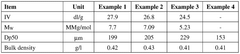
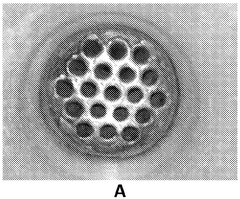
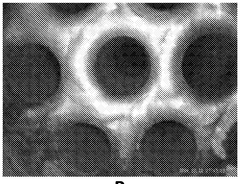
Process for polymerization of ethylene using a cooling system with a slurry-free heat exchanger
PatentWO2024220786A1
Innovation
- A process utilizing a slurry-free heat exchanger in the cooling system, which reduces fouling by using a light hydrocarbon diluent and condensing vapor streams, thereby minimizing the need for external heat exchangers and antistatic agents, and improving catalytic activity.

Coal mine-use ultra-high molecular weight polyethylene antistatic flame-retardant pipe material and preparation method thereof
PatentActiveCN103642111A
Innovation
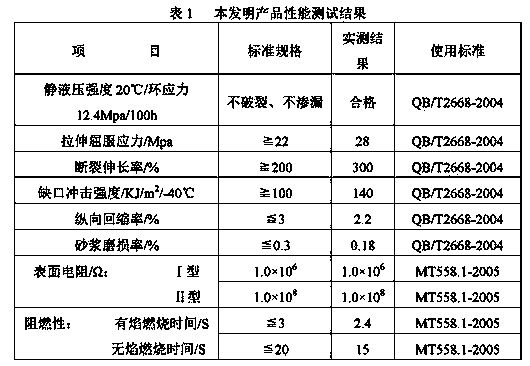
- Ultra-high molecular weight polyethylene (UHMW-PE) material is used to prepare antistatic and flame-retardant pipes by formulating ultra-high molecular weight polyethylene, flow modifier, compatibilizer, lubricant, antistatic agent, flame retardant and pretreatment Calcium sulfate whiskers and other raw materials are mixed and extruded with a high mixer to prepare antistatic and flame-retardant pipes with a wall thickness of up to 40mm.
Environmental Impact Assessment
The environmental impact assessment of Ultra-High Molecular Weight Polyethylene (UHMWPE) in underwater pipe liners reveals both positive and negative implications for marine ecosystems and overall environmental sustainability. UHMWPE's exceptional durability and resistance to corrosion significantly extend the lifespan of underwater pipelines, reducing the frequency of replacements and repairs. This longevity translates to fewer disturbances to marine habitats and decreased risks of leaks or spills that could harm aquatic life.
The material's smooth surface and low friction properties contribute to improved flow efficiency within the pipes, potentially reducing energy consumption in fluid transportation systems. This energy efficiency can indirectly lead to lower greenhouse gas emissions associated with pipeline operations. Additionally, UHMWPE's resistance to biofouling may decrease the need for chemical treatments to prevent marine growth, further minimizing the introduction of harmful substances into aquatic environments.
However, the production of UHMWPE involves energy-intensive processes and relies on petrochemical feedstocks, raising concerns about its carbon footprint and resource depletion. The material's exceptional durability, while beneficial for longevity, also presents challenges for end-of-life management. UHMWPE is not biodegradable and can persist in the environment for extended periods if not properly managed or recycled.
The potential for microplastic generation from wear and tear of UHMWPE liners over time is a significant environmental concern. These microscopic particles could enter marine food chains, potentially impacting ecosystem health and biodiversity. The long-term effects of UHMWPE microplastics on marine organisms and their bioaccumulation in the food web require further study and monitoring.
From a lifecycle perspective, the environmental benefits of UHMWPE in underwater pipe liners may outweigh the drawbacks, particularly when considering the reduced frequency of pipeline replacements and the associated environmental disruptions. However, comprehensive lifecycle assessments are necessary to quantify the net environmental impact accurately.
To mitigate potential negative impacts, research into sustainable production methods for UHMWPE and the development of effective recycling technologies is crucial. Implementing robust end-of-life management strategies and exploring bio-based alternatives could further enhance the environmental profile of UHMWPE in underwater applications. Ongoing environmental monitoring and adaptive management practices will be essential to ensure the long-term sustainability of UHMWPE use in marine environments.
The material's smooth surface and low friction properties contribute to improved flow efficiency within the pipes, potentially reducing energy consumption in fluid transportation systems. This energy efficiency can indirectly lead to lower greenhouse gas emissions associated with pipeline operations. Additionally, UHMWPE's resistance to biofouling may decrease the need for chemical treatments to prevent marine growth, further minimizing the introduction of harmful substances into aquatic environments.
However, the production of UHMWPE involves energy-intensive processes and relies on petrochemical feedstocks, raising concerns about its carbon footprint and resource depletion. The material's exceptional durability, while beneficial for longevity, also presents challenges for end-of-life management. UHMWPE is not biodegradable and can persist in the environment for extended periods if not properly managed or recycled.
The potential for microplastic generation from wear and tear of UHMWPE liners over time is a significant environmental concern. These microscopic particles could enter marine food chains, potentially impacting ecosystem health and biodiversity. The long-term effects of UHMWPE microplastics on marine organisms and their bioaccumulation in the food web require further study and monitoring.
From a lifecycle perspective, the environmental benefits of UHMWPE in underwater pipe liners may outweigh the drawbacks, particularly when considering the reduced frequency of pipeline replacements and the associated environmental disruptions. However, comprehensive lifecycle assessments are necessary to quantify the net environmental impact accurately.
To mitigate potential negative impacts, research into sustainable production methods for UHMWPE and the development of effective recycling technologies is crucial. Implementing robust end-of-life management strategies and exploring bio-based alternatives could further enhance the environmental profile of UHMWPE in underwater applications. Ongoing environmental monitoring and adaptive management practices will be essential to ensure the long-term sustainability of UHMWPE use in marine environments.
Regulatory Framework for Underwater Pipelines
The regulatory framework for underwater pipelines is a complex and multifaceted system designed to ensure the safe and environmentally responsible installation, operation, and maintenance of subsea pipeline infrastructure. This framework encompasses a wide range of international, national, and industry-specific regulations, standards, and guidelines that govern various aspects of underwater pipeline projects.
At the international level, organizations such as the International Maritime Organization (IMO) and the United Nations Convention on the Law of the Sea (UNCLOS) provide overarching principles and guidelines for maritime activities, including underwater pipeline operations. These international frameworks establish the basis for national regulations and promote consistency in global practices.
National regulatory bodies play a crucial role in implementing and enforcing specific rules for underwater pipelines within their jurisdictions. In the United States, for example, the Bureau of Safety and Environmental Enforcement (BSEE) and the Pipeline and Hazardous Materials Safety Administration (PHMSA) oversee offshore pipeline regulations. Similarly, other countries have their own regulatory agencies responsible for underwater pipeline oversight.
Industry standards and best practices, developed by organizations such as the American Petroleum Institute (API) and the International Organization for Standardization (ISO), complement regulatory requirements. These standards provide detailed technical specifications and operational guidelines for underwater pipeline design, construction, and maintenance.
Environmental regulations form a significant component of the regulatory framework, addressing issues such as marine ecosystem protection, pollution prevention, and environmental impact assessments. These regulations often require pipeline operators to conduct thorough environmental studies and implement mitigation measures to minimize ecological disruption.
Safety regulations are paramount in the underwater pipeline industry, covering aspects such as pipeline integrity management, corrosion prevention, and emergency response planning. These regulations aim to prevent accidents, leaks, and other potential hazards associated with subsea pipeline operations.
The regulatory framework also addresses the use of materials in underwater pipelines, including potential applications of Ultra-High Molecular Weight Polyethylene (UHMWPE) as pipe liners. Regulations may specify material performance requirements, testing protocols, and certification processes to ensure the suitability and reliability of pipeline materials in underwater environments.
As technology and environmental concerns evolve, the regulatory framework for underwater pipelines continues to adapt. Emerging areas of focus include regulations related to decommissioning of aging pipelines, carbon capture and storage infrastructure, and the integration of digital technologies for pipeline monitoring and management.
At the international level, organizations such as the International Maritime Organization (IMO) and the United Nations Convention on the Law of the Sea (UNCLOS) provide overarching principles and guidelines for maritime activities, including underwater pipeline operations. These international frameworks establish the basis for national regulations and promote consistency in global practices.
National regulatory bodies play a crucial role in implementing and enforcing specific rules for underwater pipelines within their jurisdictions. In the United States, for example, the Bureau of Safety and Environmental Enforcement (BSEE) and the Pipeline and Hazardous Materials Safety Administration (PHMSA) oversee offshore pipeline regulations. Similarly, other countries have their own regulatory agencies responsible for underwater pipeline oversight.
Industry standards and best practices, developed by organizations such as the American Petroleum Institute (API) and the International Organization for Standardization (ISO), complement regulatory requirements. These standards provide detailed technical specifications and operational guidelines for underwater pipeline design, construction, and maintenance.
Environmental regulations form a significant component of the regulatory framework, addressing issues such as marine ecosystem protection, pollution prevention, and environmental impact assessments. These regulations often require pipeline operators to conduct thorough environmental studies and implement mitigation measures to minimize ecological disruption.
Safety regulations are paramount in the underwater pipeline industry, covering aspects such as pipeline integrity management, corrosion prevention, and emergency response planning. These regulations aim to prevent accidents, leaks, and other potential hazards associated with subsea pipeline operations.
The regulatory framework also addresses the use of materials in underwater pipelines, including potential applications of Ultra-High Molecular Weight Polyethylene (UHMWPE) as pipe liners. Regulations may specify material performance requirements, testing protocols, and certification processes to ensure the suitability and reliability of pipeline materials in underwater environments.
As technology and environmental concerns evolve, the regulatory framework for underwater pipelines continues to adapt. Emerging areas of focus include regulations related to decommissioning of aging pipelines, carbon capture and storage infrastructure, and the integration of digital technologies for pipeline monitoring and management.
Unlock deeper insights with PatSnap Eureka Quick Research — get a full tech report to explore trends and direct your research. Try now!
Generate Your Research Report Instantly with AI Agent
Supercharge your innovation with PatSnap Eureka AI Agent Platform!