

Graph-Constrained Reasoning Enhances Disaster Risk Reduction
MAR 17, 20269 MIN READ
Generate Your Research Report Instantly with AI Agent
PatSnap Eureka helps you evaluate technical feasibility & market potential.
Graph-Constrained Reasoning for DRR Background and Objectives
Graph-constrained reasoning represents an emerging paradigm that leverages structured knowledge representation and computational reasoning to address complex challenges in disaster risk reduction. This approach fundamentally transforms how we understand, model, and respond to natural and human-induced disasters by incorporating relational dependencies, causal mechanisms, and multi-dimensional risk factors into coherent analytical frameworks.
The evolution of disaster risk reduction has progressed from reactive emergency response models to proactive, data-driven prevention strategies. Traditional approaches often relied on historical statistical analysis and isolated risk assessments, which frequently failed to capture the interconnected nature of disaster systems. The integration of graph-based reasoning emerged from the recognition that disasters operate within complex networks of environmental, social, economic, and infrastructural relationships that cannot be adequately addressed through linear analytical methods.
Graph-constrained reasoning builds upon decades of advancement in knowledge representation, network theory, and artificial intelligence. The foundational concepts trace back to early work in semantic networks and expert systems in the 1970s and 1980s, which evolved through the development of knowledge graphs, ontological reasoning, and modern machine learning techniques. The application to disaster risk reduction gained momentum in the 2010s as computational capabilities expanded and the availability of multi-source disaster-related data increased exponentially.
The primary objective of implementing graph-constrained reasoning in disaster risk reduction is to create comprehensive, interconnected models that can capture the complex relationships between various risk factors, vulnerabilities, and potential impacts. This approach aims to enhance predictive accuracy by incorporating structural constraints that reflect real-world dependencies and causal relationships inherent in disaster systems.
Key technical objectives include developing robust graph structures that can represent multi-scale temporal and spatial relationships, implementing reasoning algorithms that can handle uncertainty and incomplete information, and creating adaptive frameworks that can evolve with changing risk landscapes. The methodology seeks to integrate heterogeneous data sources including satellite imagery, sensor networks, demographic information, infrastructure databases, and historical disaster records into unified analytical frameworks.
The strategic goal extends beyond technical implementation to establish a paradigm shift in disaster management philosophy, moving from fragmented, sector-specific approaches toward holistic, systems-thinking methodologies that can support evidence-based decision-making across multiple stakeholders and governance levels.
The evolution of disaster risk reduction has progressed from reactive emergency response models to proactive, data-driven prevention strategies. Traditional approaches often relied on historical statistical analysis and isolated risk assessments, which frequently failed to capture the interconnected nature of disaster systems. The integration of graph-based reasoning emerged from the recognition that disasters operate within complex networks of environmental, social, economic, and infrastructural relationships that cannot be adequately addressed through linear analytical methods.
Graph-constrained reasoning builds upon decades of advancement in knowledge representation, network theory, and artificial intelligence. The foundational concepts trace back to early work in semantic networks and expert systems in the 1970s and 1980s, which evolved through the development of knowledge graphs, ontological reasoning, and modern machine learning techniques. The application to disaster risk reduction gained momentum in the 2010s as computational capabilities expanded and the availability of multi-source disaster-related data increased exponentially.
The primary objective of implementing graph-constrained reasoning in disaster risk reduction is to create comprehensive, interconnected models that can capture the complex relationships between various risk factors, vulnerabilities, and potential impacts. This approach aims to enhance predictive accuracy by incorporating structural constraints that reflect real-world dependencies and causal relationships inherent in disaster systems.
Key technical objectives include developing robust graph structures that can represent multi-scale temporal and spatial relationships, implementing reasoning algorithms that can handle uncertainty and incomplete information, and creating adaptive frameworks that can evolve with changing risk landscapes. The methodology seeks to integrate heterogeneous data sources including satellite imagery, sensor networks, demographic information, infrastructure databases, and historical disaster records into unified analytical frameworks.
The strategic goal extends beyond technical implementation to establish a paradigm shift in disaster management philosophy, moving from fragmented, sector-specific approaches toward holistic, systems-thinking methodologies that can support evidence-based decision-making across multiple stakeholders and governance levels.
Market Demand for AI-Enhanced Disaster Risk Management
The global disaster risk management market is experiencing unprecedented growth driven by increasing frequency and severity of natural disasters, climate change impacts, and growing awareness of economic losses from inadequate preparedness. Traditional disaster management approaches are proving insufficient to handle complex, interconnected risks that characterize modern disaster scenarios, creating substantial demand for advanced technological solutions.
AI-enhanced disaster risk management systems are gaining significant traction across government agencies, emergency response organizations, insurance companies, and critical infrastructure operators. The integration of graph-constrained reasoning technologies addresses critical gaps in current disaster management capabilities, particularly in understanding cascading effects and interdependencies between different risk factors and response systems.
Government agencies represent the largest market segment, driven by regulatory requirements and public safety mandates. These organizations require sophisticated tools capable of processing vast amounts of heterogeneous data from multiple sources including satellite imagery, sensor networks, social media feeds, and historical records. Graph-constrained reasoning enables more accurate risk assessment by modeling complex relationships between geographical, meteorological, social, and infrastructure variables.
The insurance sector demonstrates strong demand for AI-enhanced risk assessment tools that can improve underwriting accuracy and claims prediction. Graph-based reasoning systems provide insurers with enhanced capabilities to model risk propagation across portfolios and geographic regions, enabling more precise pricing and risk mitigation strategies.
Critical infrastructure operators, including utilities, transportation networks, and telecommunications providers, increasingly recognize the value of AI-driven disaster preparedness systems. These organizations require solutions that can model interdependencies between different infrastructure components and predict cascading failure scenarios during disaster events.
Emergency response organizations seek AI-enhanced tools for real-time decision support during disaster events. Graph-constrained reasoning systems can optimize resource allocation, evacuation routing, and coordination between multiple response agencies by modeling complex operational constraints and dependencies.
The market demand is further amplified by increasing availability of real-time data sources, advances in computational capabilities, and growing recognition of the economic benefits of proactive disaster risk management compared to reactive response approaches.
AI-enhanced disaster risk management systems are gaining significant traction across government agencies, emergency response organizations, insurance companies, and critical infrastructure operators. The integration of graph-constrained reasoning technologies addresses critical gaps in current disaster management capabilities, particularly in understanding cascading effects and interdependencies between different risk factors and response systems.
Government agencies represent the largest market segment, driven by regulatory requirements and public safety mandates. These organizations require sophisticated tools capable of processing vast amounts of heterogeneous data from multiple sources including satellite imagery, sensor networks, social media feeds, and historical records. Graph-constrained reasoning enables more accurate risk assessment by modeling complex relationships between geographical, meteorological, social, and infrastructure variables.
The insurance sector demonstrates strong demand for AI-enhanced risk assessment tools that can improve underwriting accuracy and claims prediction. Graph-based reasoning systems provide insurers with enhanced capabilities to model risk propagation across portfolios and geographic regions, enabling more precise pricing and risk mitigation strategies.
Critical infrastructure operators, including utilities, transportation networks, and telecommunications providers, increasingly recognize the value of AI-driven disaster preparedness systems. These organizations require solutions that can model interdependencies between different infrastructure components and predict cascading failure scenarios during disaster events.
Emergency response organizations seek AI-enhanced tools for real-time decision support during disaster events. Graph-constrained reasoning systems can optimize resource allocation, evacuation routing, and coordination between multiple response agencies by modeling complex operational constraints and dependencies.
The market demand is further amplified by increasing availability of real-time data sources, advances in computational capabilities, and growing recognition of the economic benefits of proactive disaster risk management compared to reactive response approaches.
Current State of Graph Reasoning in Disaster Applications
Graph reasoning technologies in disaster risk reduction applications are currently experiencing rapid development across multiple domains, with implementations spanning from early warning systems to post-disaster recovery planning. The integration of graph-based computational models with disaster management frameworks has emerged as a critical technological frontier, driven by the need for more sophisticated analytical capabilities in complex emergency scenarios.
Current implementations primarily focus on three core application areas: infrastructure vulnerability assessment, cascading failure prediction, and resource allocation optimization. Infrastructure vulnerability assessment leverages graph structures to model interdependencies between critical systems such as power grids, transportation networks, and communication systems. These models enable disaster management agencies to identify potential failure points and assess the ripple effects of infrastructure damage across interconnected systems.
Cascading failure prediction represents another significant application domain, where graph reasoning algorithms analyze the propagation patterns of disasters through interconnected networks. Recent deployments have demonstrated effectiveness in modeling how initial failures in one system component can trigger sequential failures throughout the broader infrastructure network, providing crucial insights for preventive interventions and emergency response planning.
Resource allocation optimization utilizes graph-constrained reasoning to determine optimal distribution strategies for emergency resources, personnel, and equipment during disaster events. These systems consider multiple constraints including geographic accessibility, resource availability, population density, and real-time disaster impact assessments to generate efficient allocation recommendations.
The technological landscape reveals significant variations in implementation maturity across different disaster types and geographic regions. Earthquake and flood management systems demonstrate the most advanced graph reasoning capabilities, with several operational systems deployed in Japan, California, and the Netherlands. These systems integrate real-time sensor data with historical disaster patterns to generate predictive models and early warning alerts.
However, current implementations face substantial technical limitations, particularly in handling dynamic graph structures that evolve rapidly during disaster events. Most existing systems rely on static or semi-static graph representations, limiting their effectiveness in scenarios where network topologies change frequently due to ongoing disaster impacts. Additionally, computational scalability remains a significant challenge, as real-world disaster management networks often involve millions of nodes and edges, requiring substantial processing capabilities for real-time analysis.
Data integration challenges also constrain current applications, as graph reasoning systems must synthesize information from diverse sources including satellite imagery, sensor networks, social media feeds, and government databases. The heterogeneous nature of these data sources creates significant technical barriers for creating unified graph representations that accurately reflect real-world disaster scenarios.
Current implementations primarily focus on three core application areas: infrastructure vulnerability assessment, cascading failure prediction, and resource allocation optimization. Infrastructure vulnerability assessment leverages graph structures to model interdependencies between critical systems such as power grids, transportation networks, and communication systems. These models enable disaster management agencies to identify potential failure points and assess the ripple effects of infrastructure damage across interconnected systems.
Cascading failure prediction represents another significant application domain, where graph reasoning algorithms analyze the propagation patterns of disasters through interconnected networks. Recent deployments have demonstrated effectiveness in modeling how initial failures in one system component can trigger sequential failures throughout the broader infrastructure network, providing crucial insights for preventive interventions and emergency response planning.
Resource allocation optimization utilizes graph-constrained reasoning to determine optimal distribution strategies for emergency resources, personnel, and equipment during disaster events. These systems consider multiple constraints including geographic accessibility, resource availability, population density, and real-time disaster impact assessments to generate efficient allocation recommendations.
The technological landscape reveals significant variations in implementation maturity across different disaster types and geographic regions. Earthquake and flood management systems demonstrate the most advanced graph reasoning capabilities, with several operational systems deployed in Japan, California, and the Netherlands. These systems integrate real-time sensor data with historical disaster patterns to generate predictive models and early warning alerts.
However, current implementations face substantial technical limitations, particularly in handling dynamic graph structures that evolve rapidly during disaster events. Most existing systems rely on static or semi-static graph representations, limiting their effectiveness in scenarios where network topologies change frequently due to ongoing disaster impacts. Additionally, computational scalability remains a significant challenge, as real-world disaster management networks often involve millions of nodes and edges, requiring substantial processing capabilities for real-time analysis.
Data integration challenges also constrain current applications, as graph reasoning systems must synthesize information from diverse sources including satellite imagery, sensor networks, social media feeds, and government databases. The heterogeneous nature of these data sources creates significant technical barriers for creating unified graph representations that accurately reflect real-world disaster scenarios.
Existing Graph Reasoning Solutions for DRR
01 Graph-based knowledge representation for disaster risk assessment
Systems and methods utilize graph structures to represent complex relationships between disaster risk factors, enabling comprehensive risk assessment through interconnected nodes representing entities such as hazards, vulnerabilities, and exposures. The graph-constrained approach allows for modeling dependencies and cascading effects in disaster scenarios, facilitating better understanding of risk propagation patterns.- Graph-based knowledge representation for disaster risk assessment: Systems and methods utilize graph structures to represent complex relationships between disaster risk factors, enabling comprehensive risk assessment through interconnected nodes representing entities such as hazards, vulnerabilities, and exposures. The graph-constrained approach allows for modeling dependencies and cascading effects in disaster scenarios, facilitating better understanding of risk propagation patterns.
- Reasoning algorithms for disaster prediction and early warning: Advanced reasoning mechanisms are employed to analyze graph-structured disaster data and generate predictive insights. These algorithms traverse graph relationships to identify potential disaster triggers and propagation paths, enabling early warning systems. The constraint-based reasoning approach ensures logical consistency in disaster scenario analysis and supports decision-making for preventive measures.
- Spatial-temporal graph modeling for disaster risk mapping: Technologies integrate spatial and temporal dimensions into graph structures to capture the dynamic nature of disaster risks. The approach enables tracking of risk evolution over time and across geographical regions, supporting the creation of comprehensive risk maps. Graph constraints ensure accurate representation of spatial relationships and temporal dependencies in disaster scenarios.
- Multi-source data integration using graph frameworks for disaster management: Systems employ graph-based frameworks to integrate heterogeneous data sources relevant to disaster risk reduction, including sensor data, historical records, and environmental information. The graph structure facilitates data fusion and enables comprehensive analysis by maintaining relationships between diverse data types. Constraint mechanisms ensure data consistency and support real-time updates for dynamic disaster monitoring.
- Decision support systems with graph-constrained optimization for disaster response: Intelligent decision support platforms utilize graph-constrained optimization techniques to generate optimal disaster response strategies. The systems model resource allocation, evacuation routes, and emergency response coordination as graph optimization problems. Constraint-based reasoning ensures feasibility of proposed solutions while maximizing effectiveness of disaster risk reduction measures.
02 Reasoning algorithms for disaster prediction and early warning
Advanced reasoning mechanisms are employed to analyze graph-structured disaster data and generate predictions about potential disaster events. These algorithms traverse graph relationships to identify risk patterns, perform inference on incomplete data, and provide early warning signals. The constraint-based reasoning ensures logical consistency in disaster risk evaluation and supports decision-making processes.Expand Specific Solutions03 Spatial-temporal graph modeling for disaster risk dynamics
Technologies incorporate spatial and temporal dimensions into graph structures to capture the evolution of disaster risks over time and space. This approach enables tracking of risk changes, identification of high-risk areas, and analysis of disaster development trends. The models support dynamic risk assessment by considering historical patterns and real-time data updates.Expand Specific Solutions04 Multi-source data integration through graph fusion
Methods for integrating heterogeneous disaster-related data sources using graph fusion techniques are provided. These approaches combine information from various sensors, databases, and monitoring systems into unified graph representations. The integration enables comprehensive risk analysis by leveraging diverse data types including environmental, social, and infrastructure information.Expand Specific Solutions05 Decision support systems with graph-constrained optimization
Decision support frameworks utilize graph-constrained optimization techniques to recommend disaster risk reduction strategies. These systems evaluate multiple intervention options while respecting constraints represented in the graph structure, such as resource limitations and operational dependencies. The optimization processes help prioritize mitigation measures and allocate resources effectively for maximum risk reduction impact.Expand Specific Solutions
Key Players in Graph AI and Disaster Management
The graph-constrained reasoning technology for disaster risk reduction represents an emerging field at the intersection of AI and emergency management, currently in its early development stage with significant growth potential. The market demonstrates substantial expansion opportunities driven by increasing climate-related disasters and smart city initiatives globally. Technology maturity varies considerably across key players, with established tech giants like IBM, Microsoft, and NEC Corp. leading in foundational AI and graph computing capabilities, while specialized firms such as Cisco and Huawei Cloud focus on infrastructure solutions. Academic institutions including Tsinghua University and Huazhong University of Science & Technology contribute cutting-edge research, particularly in algorithm development. State Grid companies and utility providers like Honda Motor represent the application layer, implementing these technologies in real-world scenarios. The competitive landscape shows a hybrid ecosystem where traditional IT companies, cloud providers, research institutions, and industry-specific players collaborate to advance this critical technology for societal resilience.
International Business Machines Corp.
Technical Solution: IBM has developed advanced graph-constrained reasoning systems that integrate knowledge graphs with AI models for disaster risk assessment and management. Their Watson platform incorporates graph neural networks to analyze complex relationships between environmental factors, infrastructure vulnerabilities, and historical disaster patterns. The system uses constraint-based reasoning to identify potential cascading failures and optimize resource allocation during emergency responses. IBM's approach combines real-time data streams from IoT sensors with structured knowledge representations to enhance predictive accuracy for natural disasters. Their graph-based models can process multi-modal data including satellite imagery, weather patterns, and social media feeds to provide comprehensive risk assessments. The platform supports decision-making through explainable AI techniques that trace reasoning paths through the constraint graph, enabling emergency managers to understand and validate risk predictions.
Strengths: Mature enterprise platform with proven scalability and integration capabilities. Weaknesses: High implementation costs and complexity may limit adoption for smaller organizations.
Cisco Technology, Inc.
Technical Solution: Cisco has developed network-centric graph-constrained reasoning solutions for disaster risk reduction that leverage their expertise in network infrastructure and IoT connectivity. Their approach focuses on creating resilient communication networks during disasters while using graph-based analytics to model network topology constraints and optimize data flow during emergency situations. The system employs graph neural networks to analyze network performance patterns and predict potential failure points in critical infrastructure communications. Cisco's solution integrates with their IoT platform to collect real-time data from distributed sensors and edge devices, creating dynamic knowledge graphs that represent disaster impact on network infrastructure. Their reasoning framework uses constraint-based optimization to maintain network connectivity and prioritize critical communications during disaster response operations. The platform supports emergency services by ensuring reliable data transmission and enabling coordinated response efforts through intelligent network management.
Strengths: Extensive network infrastructure expertise and proven reliability in critical communications systems. Weaknesses: Primary focus on network aspects may limit comprehensive disaster modeling capabilities compared to specialized AI companies.
Core Graph-Constrained Reasoning Innovations
A method of mine disaster tracing based on knowledge graph
PatentPendingUS20250299071A1
Innovation
- A mine disaster tracing method based on a knowledge graph that constructs a conceptual model using expert knowledge, collects entity objects from a relational database, and applies graph traversal algorithms to identify direct and root causes through characteristic indexes and transmission rules.


Method and apparatus for risk assessment for a disaster recovery process
PatentInactiveUS20050027571A1
Innovation
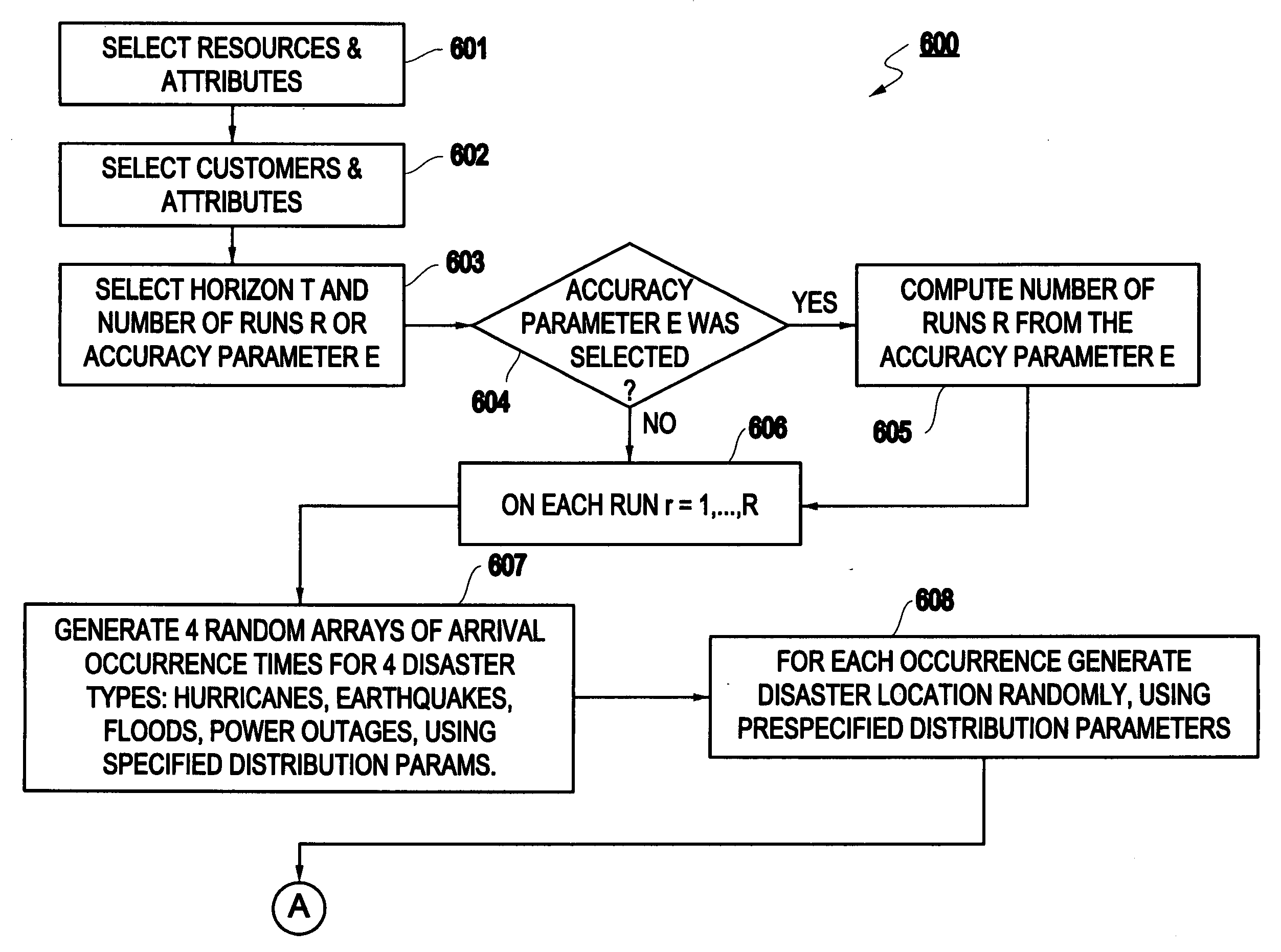
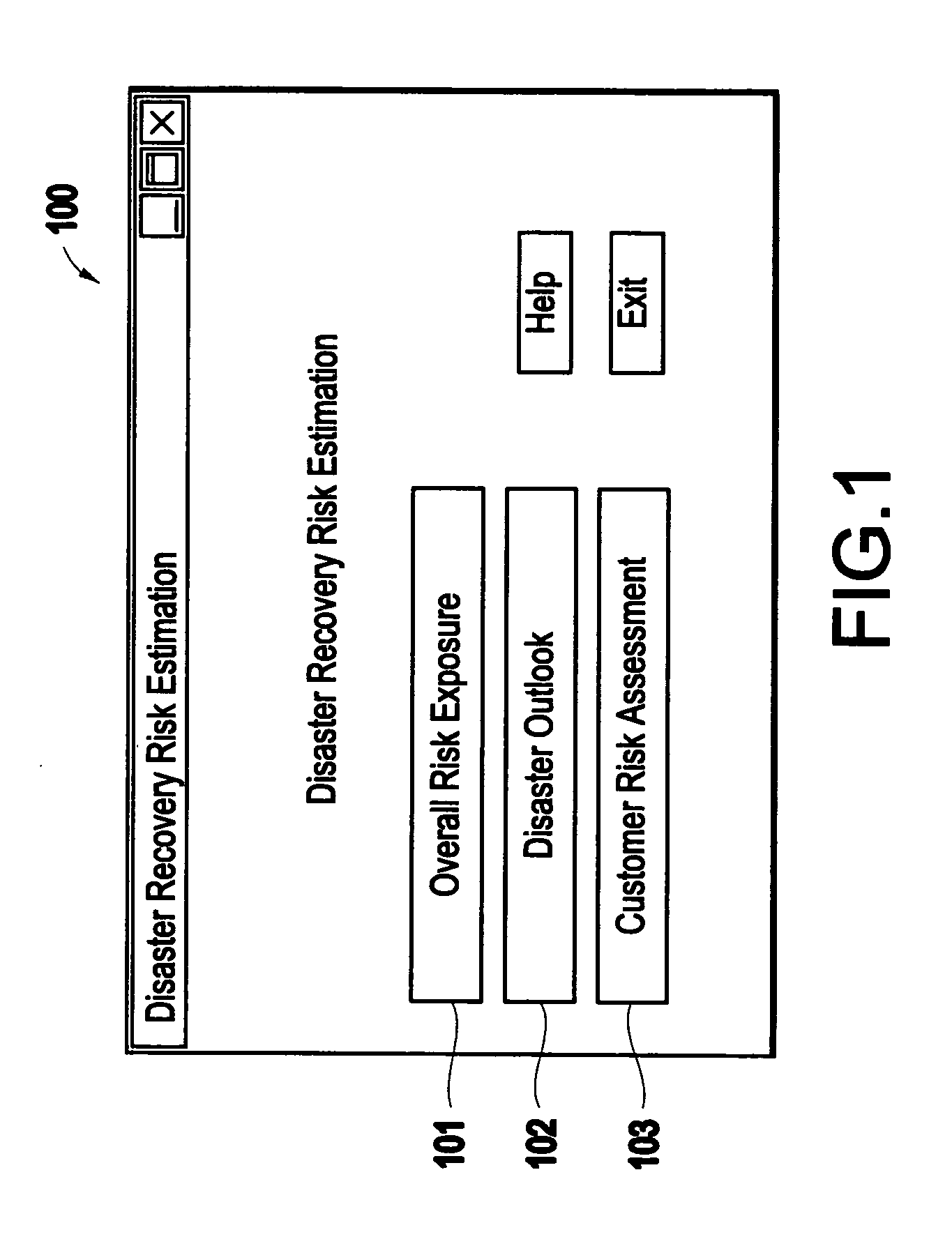
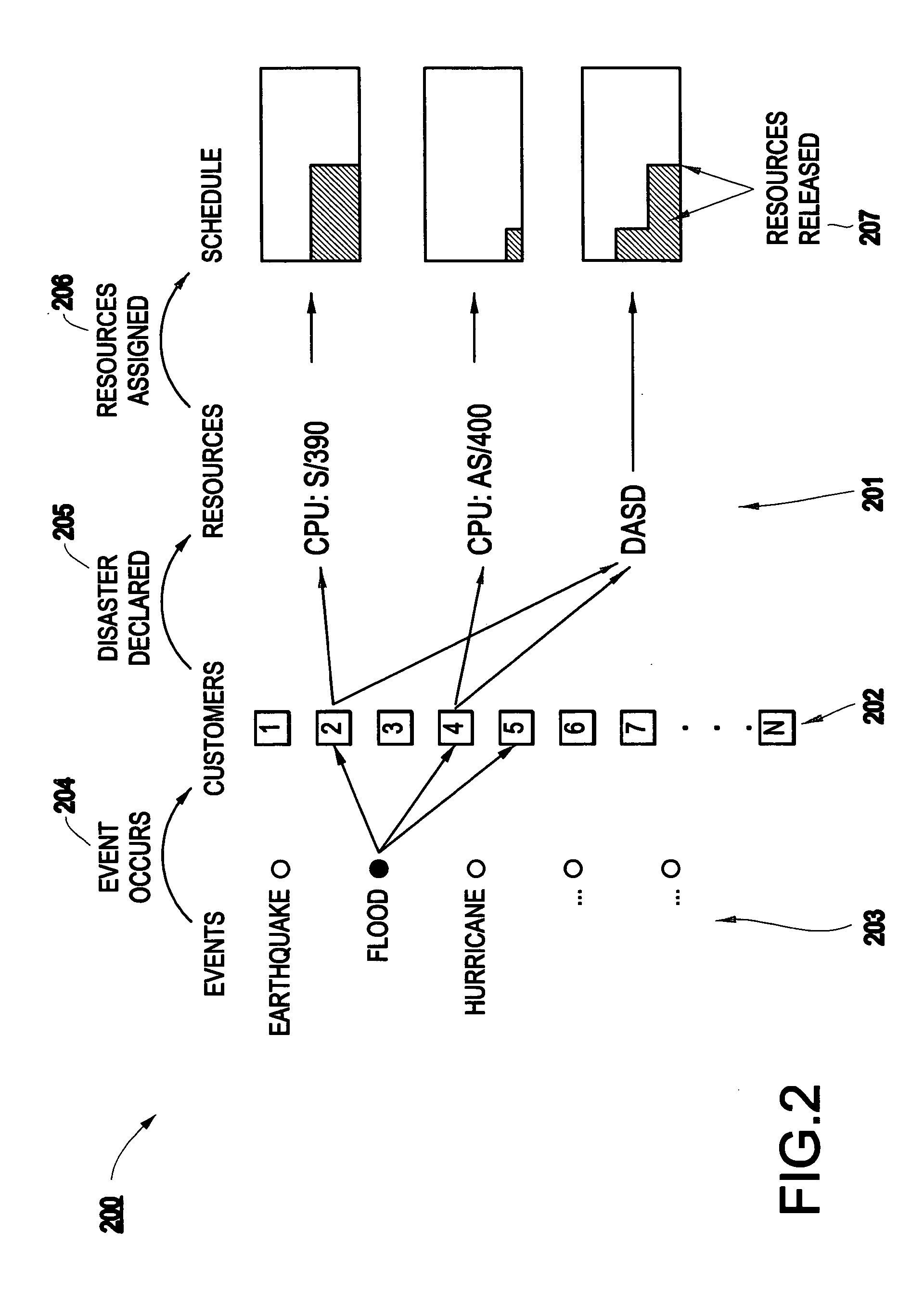
- A toolset comprising the Overall Risk Exposure tool, Disaster Outlook tool, and Customer Risk Assessment tool, which utilize statistical models and simulations to calculate risk exposure, predict disaster event consequences, and assess customer declaration frequencies, providing probabilistic estimates for resource management and inventory planning.

Policy Framework for AI-Driven Disaster Management
The integration of graph-constrained reasoning technologies into disaster risk reduction necessitates a comprehensive policy framework that addresses governance, regulatory compliance, and ethical considerations. Current policy landscapes across different jurisdictions show varying degrees of preparedness for AI-driven disaster management systems, with most regulatory frameworks lagging behind technological capabilities.
Regulatory compliance represents a critical challenge, as existing disaster management policies were primarily designed for traditional response mechanisms. The incorporation of AI systems requires new standards for data privacy, algorithmic transparency, and decision-making accountability. Emergency management agencies must navigate complex legal frameworks while ensuring that graph-constrained reasoning systems comply with data protection regulations such as GDPR in Europe and various privacy laws in other jurisdictions.
Governance structures need fundamental restructuring to accommodate AI-driven decision-making processes. Traditional hierarchical command structures in disaster management must evolve to incorporate automated reasoning systems while maintaining human oversight and accountability. This requires establishing clear protocols for when AI recommendations should be followed, overridden, or escalated to human decision-makers.
Ethical considerations become paramount when AI systems influence life-and-death decisions during disasters. Policy frameworks must address algorithmic bias, ensuring that graph-constrained reasoning systems do not inadvertently discriminate against vulnerable populations. Fairness in resource allocation, transparency in decision-making processes, and accountability mechanisms for AI-generated recommendations require explicit policy guidelines.
International coordination presents another policy challenge, as disasters often transcend national boundaries. Standardized protocols for sharing graph-structured data across jurisdictions while respecting sovereignty and security concerns need development. This includes establishing common data formats, communication protocols, and mutual aid agreements that leverage AI capabilities.
The policy framework must also address liability and insurance implications when AI systems make critical decisions during emergencies. Clear guidelines on responsibility distribution between human operators, AI system developers, and implementing agencies are essential for widespread adoption and effective deployment of graph-constrained reasoning technologies in disaster risk reduction scenarios.
Regulatory compliance represents a critical challenge, as existing disaster management policies were primarily designed for traditional response mechanisms. The incorporation of AI systems requires new standards for data privacy, algorithmic transparency, and decision-making accountability. Emergency management agencies must navigate complex legal frameworks while ensuring that graph-constrained reasoning systems comply with data protection regulations such as GDPR in Europe and various privacy laws in other jurisdictions.
Governance structures need fundamental restructuring to accommodate AI-driven decision-making processes. Traditional hierarchical command structures in disaster management must evolve to incorporate automated reasoning systems while maintaining human oversight and accountability. This requires establishing clear protocols for when AI recommendations should be followed, overridden, or escalated to human decision-makers.
Ethical considerations become paramount when AI systems influence life-and-death decisions during disasters. Policy frameworks must address algorithmic bias, ensuring that graph-constrained reasoning systems do not inadvertently discriminate against vulnerable populations. Fairness in resource allocation, transparency in decision-making processes, and accountability mechanisms for AI-generated recommendations require explicit policy guidelines.
International coordination presents another policy challenge, as disasters often transcend national boundaries. Standardized protocols for sharing graph-structured data across jurisdictions while respecting sovereignty and security concerns need development. This includes establishing common data formats, communication protocols, and mutual aid agreements that leverage AI capabilities.
The policy framework must also address liability and insurance implications when AI systems make critical decisions during emergencies. Clear guidelines on responsibility distribution between human operators, AI system developers, and implementing agencies are essential for widespread adoption and effective deployment of graph-constrained reasoning technologies in disaster risk reduction scenarios.
Ethical AI Considerations in Disaster Response Systems
The integration of graph-constrained reasoning in disaster risk reduction systems introduces significant ethical considerations that must be carefully addressed to ensure responsible deployment. These AI-driven systems make critical decisions that directly impact human lives, property, and community welfare during emergency situations. The ethical framework governing such systems must balance efficiency, accuracy, and fairness while maintaining transparency and accountability in automated decision-making processes.
Algorithmic bias represents a primary ethical concern in disaster response AI systems. Graph-constrained reasoning models may inadvertently perpetuate historical inequalities present in training data, potentially leading to discriminatory resource allocation or response prioritization. For instance, if historical disaster response data reflects socioeconomic disparities, the AI system might systematically underserve vulnerable populations or marginalized communities. Ensuring equitable treatment requires continuous bias auditing, diverse training datasets, and implementation of fairness constraints within the graph reasoning algorithms.
Privacy and data protection constitute another critical ethical dimension. Disaster response systems often require access to sensitive personal information, location data, and community demographics to optimize resource allocation. The graph-based reasoning approach may aggregate and analyze vast amounts of personal data to identify patterns and predict needs. Establishing robust data governance frameworks, implementing privacy-preserving techniques, and ensuring compliance with data protection regulations are essential to maintain public trust and protect individual rights.
Transparency and explainability challenges arise from the complex nature of graph-constrained reasoning systems. Emergency responders and affected communities need to understand how AI systems make critical decisions, particularly when lives are at stake. The black-box nature of some machine learning components within graph reasoning frameworks can hinder accountability and public acceptance. Developing interpretable AI models and providing clear explanations for system recommendations becomes crucial for maintaining legitimacy and enabling human oversight.
The question of human agency and autonomy in AI-assisted disaster response requires careful consideration. While automated systems can process information rapidly and identify optimal solutions, maintaining meaningful human control over critical decisions remains ethically imperative. Establishing appropriate human-AI collaboration frameworks ensures that technology augments rather than replaces human judgment in life-critical situations, preserving moral responsibility and decision-making authority where it matters most.
Algorithmic bias represents a primary ethical concern in disaster response AI systems. Graph-constrained reasoning models may inadvertently perpetuate historical inequalities present in training data, potentially leading to discriminatory resource allocation or response prioritization. For instance, if historical disaster response data reflects socioeconomic disparities, the AI system might systematically underserve vulnerable populations or marginalized communities. Ensuring equitable treatment requires continuous bias auditing, diverse training datasets, and implementation of fairness constraints within the graph reasoning algorithms.
Privacy and data protection constitute another critical ethical dimension. Disaster response systems often require access to sensitive personal information, location data, and community demographics to optimize resource allocation. The graph-based reasoning approach may aggregate and analyze vast amounts of personal data to identify patterns and predict needs. Establishing robust data governance frameworks, implementing privacy-preserving techniques, and ensuring compliance with data protection regulations are essential to maintain public trust and protect individual rights.
Transparency and explainability challenges arise from the complex nature of graph-constrained reasoning systems. Emergency responders and affected communities need to understand how AI systems make critical decisions, particularly when lives are at stake. The black-box nature of some machine learning components within graph reasoning frameworks can hinder accountability and public acceptance. Developing interpretable AI models and providing clear explanations for system recommendations becomes crucial for maintaining legitimacy and enabling human oversight.
The question of human agency and autonomy in AI-assisted disaster response requires careful consideration. While automated systems can process information rapidly and identify optimal solutions, maintaining meaningful human control over critical decisions remains ethically imperative. Establishing appropriate human-AI collaboration frameworks ensures that technology augments rather than replaces human judgment in life-critical situations, preserving moral responsibility and decision-making authority where it matters most.
Unlock deeper insights with PatSnap Eureka Quick Research — get a full tech report to explore trends and direct your research. Try now!
Generate Your Research Report Instantly with AI Agent
Supercharge your innovation with PatSnap Eureka AI Agent Platform!