How Blade Battery Contributes to Grid Stability
AUG 7, 20259 MIN READ
Generate Your Research Report Instantly with AI Agent
PatSnap Eureka helps you evaluate technical feasibility & market potential.
Blade Battery Background and Objectives
The Blade Battery, developed by BYD Company Limited, represents a significant advancement in lithium-ion battery technology, particularly in the context of grid stability. This innovative battery design emerged as a response to the growing demand for safer, more efficient, and longer-lasting energy storage solutions in both electric vehicles and grid applications.
The evolution of battery technology has been driven by the need for improved energy density, safety, and longevity. Traditional lithium-ion batteries, while effective, have faced challenges related to thermal runaway and capacity degradation. The Blade Battery addresses these issues through its unique structural design and chemical composition, marking a new milestone in the progression of energy storage technology.
The primary objective of the Blade Battery is to enhance grid stability by providing a more reliable and efficient energy storage solution. Grid stability refers to the ability of an electrical power system to maintain a steady state of operation under normal conditions and to return to a stable state after a disturbance. As renewable energy sources become more prevalent, the need for advanced energy storage systems to balance supply and demand has become increasingly critical.
The Blade Battery aims to contribute to grid stability in several key ways. Firstly, it offers improved safety features, reducing the risk of thermal runaway and enhancing overall system reliability. This is crucial for grid applications where large-scale energy storage is required. Secondly, the battery's design allows for higher energy density, enabling more efficient use of space in grid storage facilities. Thirdly, the Blade Battery's longer cycle life and improved performance characteristics make it well-suited for the frequent charge and discharge cycles typical in grid stabilization applications.
Furthermore, the development of the Blade Battery aligns with the global trend towards sustainable energy solutions. As countries worldwide set ambitious targets for renewable energy adoption and carbon emission reduction, advanced battery technologies play a pivotal role in enabling the transition to a more sustainable energy landscape. The Blade Battery's potential to enhance grid stability supports the integration of intermittent renewable energy sources, such as solar and wind power, into existing power grids.
In the context of technological evolution, the Blade Battery represents a convergence of materials science, electrochemistry, and structural engineering. Its development has required advancements in multiple disciplines, including the optimization of electrode materials, electrolyte formulations, and battery pack design. This multidisciplinary approach reflects the complexity of modern energy storage solutions and the need for holistic innovation to address the challenges of grid stability.
The evolution of battery technology has been driven by the need for improved energy density, safety, and longevity. Traditional lithium-ion batteries, while effective, have faced challenges related to thermal runaway and capacity degradation. The Blade Battery addresses these issues through its unique structural design and chemical composition, marking a new milestone in the progression of energy storage technology.
The primary objective of the Blade Battery is to enhance grid stability by providing a more reliable and efficient energy storage solution. Grid stability refers to the ability of an electrical power system to maintain a steady state of operation under normal conditions and to return to a stable state after a disturbance. As renewable energy sources become more prevalent, the need for advanced energy storage systems to balance supply and demand has become increasingly critical.
The Blade Battery aims to contribute to grid stability in several key ways. Firstly, it offers improved safety features, reducing the risk of thermal runaway and enhancing overall system reliability. This is crucial for grid applications where large-scale energy storage is required. Secondly, the battery's design allows for higher energy density, enabling more efficient use of space in grid storage facilities. Thirdly, the Blade Battery's longer cycle life and improved performance characteristics make it well-suited for the frequent charge and discharge cycles typical in grid stabilization applications.
Furthermore, the development of the Blade Battery aligns with the global trend towards sustainable energy solutions. As countries worldwide set ambitious targets for renewable energy adoption and carbon emission reduction, advanced battery technologies play a pivotal role in enabling the transition to a more sustainable energy landscape. The Blade Battery's potential to enhance grid stability supports the integration of intermittent renewable energy sources, such as solar and wind power, into existing power grids.
In the context of technological evolution, the Blade Battery represents a convergence of materials science, electrochemistry, and structural engineering. Its development has required advancements in multiple disciplines, including the optimization of electrode materials, electrolyte formulations, and battery pack design. This multidisciplinary approach reflects the complexity of modern energy storage solutions and the need for holistic innovation to address the challenges of grid stability.
Grid Stability Market Analysis
The grid stability market is experiencing significant growth as power systems worldwide transition towards renewable energy sources. This shift has created a pressing need for advanced energy storage solutions that can effectively manage the intermittent nature of renewable power generation. Blade batteries, a new type of lithium-ion battery technology, have emerged as a promising solution to address grid stability challenges.
Market analysis indicates that the global grid stability market is expected to expand rapidly in the coming years. Factors driving this growth include increasing renewable energy integration, aging power infrastructure, and rising demand for reliable electricity supply. The market for grid-scale energy storage systems, which play a crucial role in maintaining grid stability, is projected to grow substantially as utilities and grid operators seek to enhance grid resilience and flexibility.
Blade batteries offer several advantages that make them particularly well-suited for grid stability applications. Their high energy density, long cycle life, and improved safety characteristics position them as a competitive option in the energy storage market. The ability of blade batteries to provide rapid response times and handle frequent charge-discharge cycles aligns well with the requirements of grid stabilization services.
The market demand for grid stability solutions varies across regions, with developed economies focusing on modernizing existing grid infrastructure, while emerging markets are investing in new grid capacity. In both cases, there is a growing recognition of the importance of energy storage in maintaining a stable and reliable power supply. This trend is further supported by government policies and regulations that incentivize the adoption of grid-scale energy storage systems.
Blade batteries are entering a market that includes various competing technologies such as lithium-ion batteries, flow batteries, and mechanical storage systems like pumped hydro and compressed air energy storage. The unique characteristics of blade batteries, including their high energy density and improved safety profile, position them favorably in this competitive landscape.
The integration of blade batteries into grid stability solutions is expected to drive innovation in related sectors, including power electronics, control systems, and grid management software. This ecosystem development is likely to create new market opportunities and foster partnerships between battery manufacturers, grid operators, and technology providers.
As the grid stability market continues to evolve, blade batteries are poised to play an increasingly important role. Their potential to enhance grid reliability, support renewable energy integration, and provide cost-effective energy storage solutions aligns well with the growing market demand for advanced grid stability technologies.
Market analysis indicates that the global grid stability market is expected to expand rapidly in the coming years. Factors driving this growth include increasing renewable energy integration, aging power infrastructure, and rising demand for reliable electricity supply. The market for grid-scale energy storage systems, which play a crucial role in maintaining grid stability, is projected to grow substantially as utilities and grid operators seek to enhance grid resilience and flexibility.
Blade batteries offer several advantages that make them particularly well-suited for grid stability applications. Their high energy density, long cycle life, and improved safety characteristics position them as a competitive option in the energy storage market. The ability of blade batteries to provide rapid response times and handle frequent charge-discharge cycles aligns well with the requirements of grid stabilization services.
The market demand for grid stability solutions varies across regions, with developed economies focusing on modernizing existing grid infrastructure, while emerging markets are investing in new grid capacity. In both cases, there is a growing recognition of the importance of energy storage in maintaining a stable and reliable power supply. This trend is further supported by government policies and regulations that incentivize the adoption of grid-scale energy storage systems.
Blade batteries are entering a market that includes various competing technologies such as lithium-ion batteries, flow batteries, and mechanical storage systems like pumped hydro and compressed air energy storage. The unique characteristics of blade batteries, including their high energy density and improved safety profile, position them favorably in this competitive landscape.
The integration of blade batteries into grid stability solutions is expected to drive innovation in related sectors, including power electronics, control systems, and grid management software. This ecosystem development is likely to create new market opportunities and foster partnerships between battery manufacturers, grid operators, and technology providers.
As the grid stability market continues to evolve, blade batteries are poised to play an increasingly important role. Their potential to enhance grid reliability, support renewable energy integration, and provide cost-effective energy storage solutions aligns well with the growing market demand for advanced grid stability technologies.
Blade Battery Technology Status and Challenges
Blade batteries, a revolutionary technology in the energy storage sector, have made significant strides in recent years. However, their integration into grid stability systems presents both opportunities and challenges. Currently, blade batteries are at a crucial juncture in their development, with several key advancements and obstacles shaping their trajectory.
The primary advantage of blade batteries lies in their enhanced safety features and improved energy density compared to traditional lithium-ion batteries. These characteristics make them particularly suitable for large-scale energy storage applications, which are essential for grid stability. However, the technology is still in its early stages of widespread adoption, and several challenges need to be addressed.
One of the main hurdles facing blade battery technology is the optimization of production processes. While the technology has shown promise in laboratory settings and small-scale applications, scaling up manufacturing to meet grid-level demands remains a significant challenge. This includes refining the production techniques to ensure consistent quality and performance across large batches of batteries.
Another critical challenge is the integration of blade batteries with existing grid infrastructure. The unique characteristics of blade batteries, such as their charging and discharging profiles, require specialized management systems and control algorithms. Developing and implementing these systems to work seamlessly with diverse grid configurations is an ongoing process that demands substantial research and development efforts.
The long-term stability and degradation patterns of blade batteries in grid applications are also areas of active investigation. While initial results are promising, more extensive real-world testing is needed to fully understand how these batteries perform over extended periods under various operational conditions. This includes assessing their resilience to frequent charge-discharge cycles and extreme weather conditions.
From a geographical perspective, the development and implementation of blade battery technology for grid stability are not uniformly distributed. Countries with advanced renewable energy sectors, such as China, Germany, and the United States, are at the forefront of this technology. However, the adoption rate varies significantly across regions, influenced by factors such as existing energy infrastructure, regulatory frameworks, and investment in renewable energy research.
In conclusion, while blade battery technology shows great potential for enhancing grid stability, it faces several technological and practical challenges. Overcoming these hurdles will require continued innovation, extensive field testing, and collaborative efforts between battery manufacturers, grid operators, and energy policymakers. The coming years will be crucial in determining whether blade batteries can fulfill their promise as a key component in the future of stable, renewable-powered electrical grids.
The primary advantage of blade batteries lies in their enhanced safety features and improved energy density compared to traditional lithium-ion batteries. These characteristics make them particularly suitable for large-scale energy storage applications, which are essential for grid stability. However, the technology is still in its early stages of widespread adoption, and several challenges need to be addressed.
One of the main hurdles facing blade battery technology is the optimization of production processes. While the technology has shown promise in laboratory settings and small-scale applications, scaling up manufacturing to meet grid-level demands remains a significant challenge. This includes refining the production techniques to ensure consistent quality and performance across large batches of batteries.
Another critical challenge is the integration of blade batteries with existing grid infrastructure. The unique characteristics of blade batteries, such as their charging and discharging profiles, require specialized management systems and control algorithms. Developing and implementing these systems to work seamlessly with diverse grid configurations is an ongoing process that demands substantial research and development efforts.
The long-term stability and degradation patterns of blade batteries in grid applications are also areas of active investigation. While initial results are promising, more extensive real-world testing is needed to fully understand how these batteries perform over extended periods under various operational conditions. This includes assessing their resilience to frequent charge-discharge cycles and extreme weather conditions.
From a geographical perspective, the development and implementation of blade battery technology for grid stability are not uniformly distributed. Countries with advanced renewable energy sectors, such as China, Germany, and the United States, are at the forefront of this technology. However, the adoption rate varies significantly across regions, influenced by factors such as existing energy infrastructure, regulatory frameworks, and investment in renewable energy research.
In conclusion, while blade battery technology shows great potential for enhancing grid stability, it faces several technological and practical challenges. Overcoming these hurdles will require continued innovation, extensive field testing, and collaborative efforts between battery manufacturers, grid operators, and energy policymakers. The coming years will be crucial in determining whether blade batteries can fulfill their promise as a key component in the future of stable, renewable-powered electrical grids.
Current Blade Battery Grid Integration Solutions
01 Battery Management Systems for Grid Stability
Advanced battery management systems are crucial for maintaining grid stability when integrating blade batteries. These systems monitor and control battery performance, manage charge/discharge cycles, and optimize energy distribution to ensure smooth grid operation and prevent instabilities.- Battery Management Systems for Grid Stability: Advanced battery management systems are crucial for maintaining grid stability when integrating blade batteries. These systems monitor and control battery performance, manage charge/discharge cycles, and optimize energy distribution to ensure consistent power supply and prevent grid fluctuations.
- Blade Battery Design for Enhanced Stability: Innovative blade battery designs focus on improving structural integrity and thermal management to enhance overall stability. These designs incorporate advanced materials and configurations to minimize internal resistance, reduce heat generation, and maintain consistent performance under varying grid conditions.
- Grid Integration Techniques for Blade Batteries: Specialized integration techniques are developed to seamlessly incorporate blade batteries into existing power grids. These methods include advanced inverter technologies, smart grid interfaces, and adaptive control algorithms to ensure smooth power flow and maintain grid frequency and voltage stability.
- Fault Detection and Mitigation in Blade Battery Systems: Sophisticated fault detection and mitigation systems are implemented to identify and address potential issues in blade battery installations. These systems employ real-time monitoring, predictive analytics, and rapid response mechanisms to prevent cascading failures and maintain grid stability during abnormal conditions.
- Energy Storage Optimization for Grid Balancing: Advanced algorithms and control strategies are developed to optimize the energy storage capabilities of blade batteries for grid balancing. These techniques involve dynamic charge/discharge scheduling, demand response integration, and coordinated control with other grid assets to maintain stability during peak demand and renewable energy fluctuations.
02 Blade Battery Design for Enhanced Stability
Innovative blade battery designs focus on improving structural integrity and thermal management to enhance overall stability. These designs incorporate advanced materials and configurations to minimize internal resistance, reduce heat generation, and maintain consistent performance under varying grid conditions.Expand Specific Solutions03 Grid Integration Techniques for Blade Batteries
Specialized integration techniques are developed to seamlessly incorporate blade batteries into existing power grids. These methods include advanced power electronics, intelligent control algorithms, and adaptive grid interfaces to ensure smooth energy flow and maintain grid stability during fluctuating demand and supply conditions.Expand Specific Solutions04 Fault Detection and Mitigation in Blade Battery Systems
Sophisticated fault detection and mitigation systems are implemented to identify and address potential stability issues in blade battery grid applications. These systems employ real-time monitoring, predictive analytics, and rapid response mechanisms to prevent cascading failures and maintain grid reliability.Expand Specific Solutions05 Energy Storage Optimization for Grid Stability
Advanced algorithms and control strategies are developed to optimize energy storage and distribution in blade battery systems. These techniques balance power supply and demand, manage peak loads, and provide ancillary services to enhance overall grid stability and resilience.Expand Specific Solutions
Key Players in Blade Battery Industry
The blade battery technology for grid stability is in an early development stage, with a growing market as renewable energy integration increases. The technology's maturity varies among key players, with companies like Contemporary Amperex Technology Co., Ltd. (CATL) and BYD leading in innovation. Other significant contributors include LG Energy Solution, Panasonic, and Johnson Controls. The market is characterized by intense competition and rapid advancements, driven by the need for efficient energy storage solutions. As grid stability becomes more critical with the rise of intermittent renewable sources, blade battery technology is poised for substantial growth, attracting investments from both established players and emerging startups in the energy sector.
Contemporary Amperex Technology Co., Ltd.
Technical Solution: CATL's Blade Battery technology significantly contributes to grid stability through its advanced cell-to-pack (CTP) design and lithium iron phosphate (LFP) chemistry. The Blade Battery's unique flat and long cell structure allows for higher energy density and improved thermal management[1]. This design enables faster charging and discharging capabilities, crucial for grid frequency regulation. The battery's ability to provide rapid response to power fluctuations helps maintain grid frequency within acceptable limits, enhancing overall grid stability[2]. Additionally, the Blade Battery's long cycle life of over 3000 cycles and high safety standards make it ideal for large-scale energy storage systems that support grid stability[3].
Strengths: High energy density, excellent thermal management, fast charging/discharging, long cycle life, and enhanced safety. Weaknesses: Higher initial cost compared to some traditional battery technologies, and potential supply chain dependencies for raw materials.
Panasonic Holdings Corp.
Technical Solution: Panasonic's contribution to grid stability centers on their high-capacity lithium-ion batteries and integrated energy solutions. Their batteries feature silicon-based anodes and advanced electrolyte formulations, which enhance energy density and charging speeds[6]. Panasonic's grid-scale energy storage systems incorporate sophisticated power conversion systems that enable rapid response to grid frequency deviations. The company's virtual power plant (VPP) technology aggregates distributed energy resources, including batteries, to provide grid services such as demand response and peak shaving[7]. Panasonic's systems also utilize predictive analytics to anticipate grid demand fluctuations, allowing for proactive energy management that supports grid stability.
Strengths: High-capacity batteries, advanced power conversion systems, VPP capabilities, and predictive analytics. Weaknesses: Relatively high cost of implementation and potential complexity in integrating diverse energy resources.
Core Innovations in Blade Battery Technology
Methods and systems for improving grid stability
PatentActiveUS12012933B2
Innovation
- A method that involves receiving measurement signals from renewable energy power plants to determine dynamic short circuit ratios (DSCR) and equivalent DSCR at collection points, allowing for real-time control of active power set points to maintain grid stability and avoid TSO intervention, thereby stabilizing the grid and maximizing revenue generation.


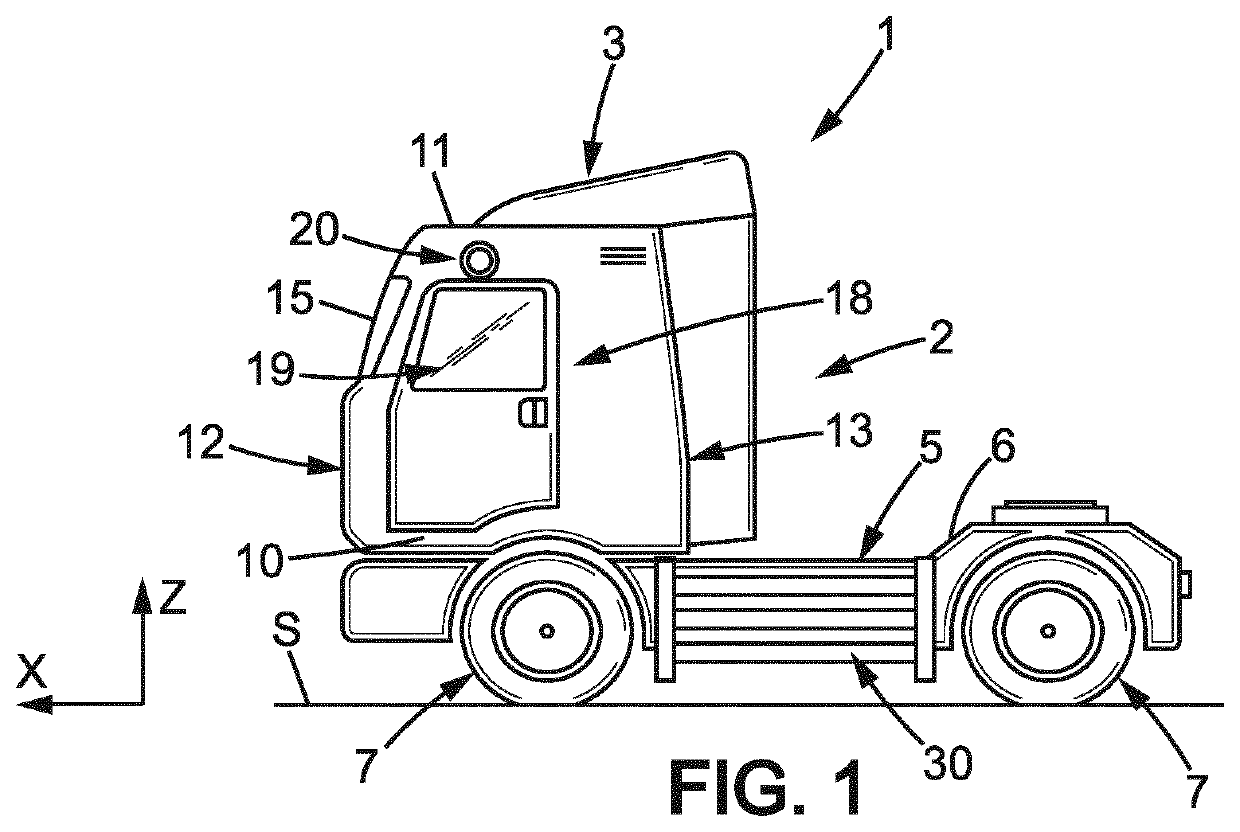
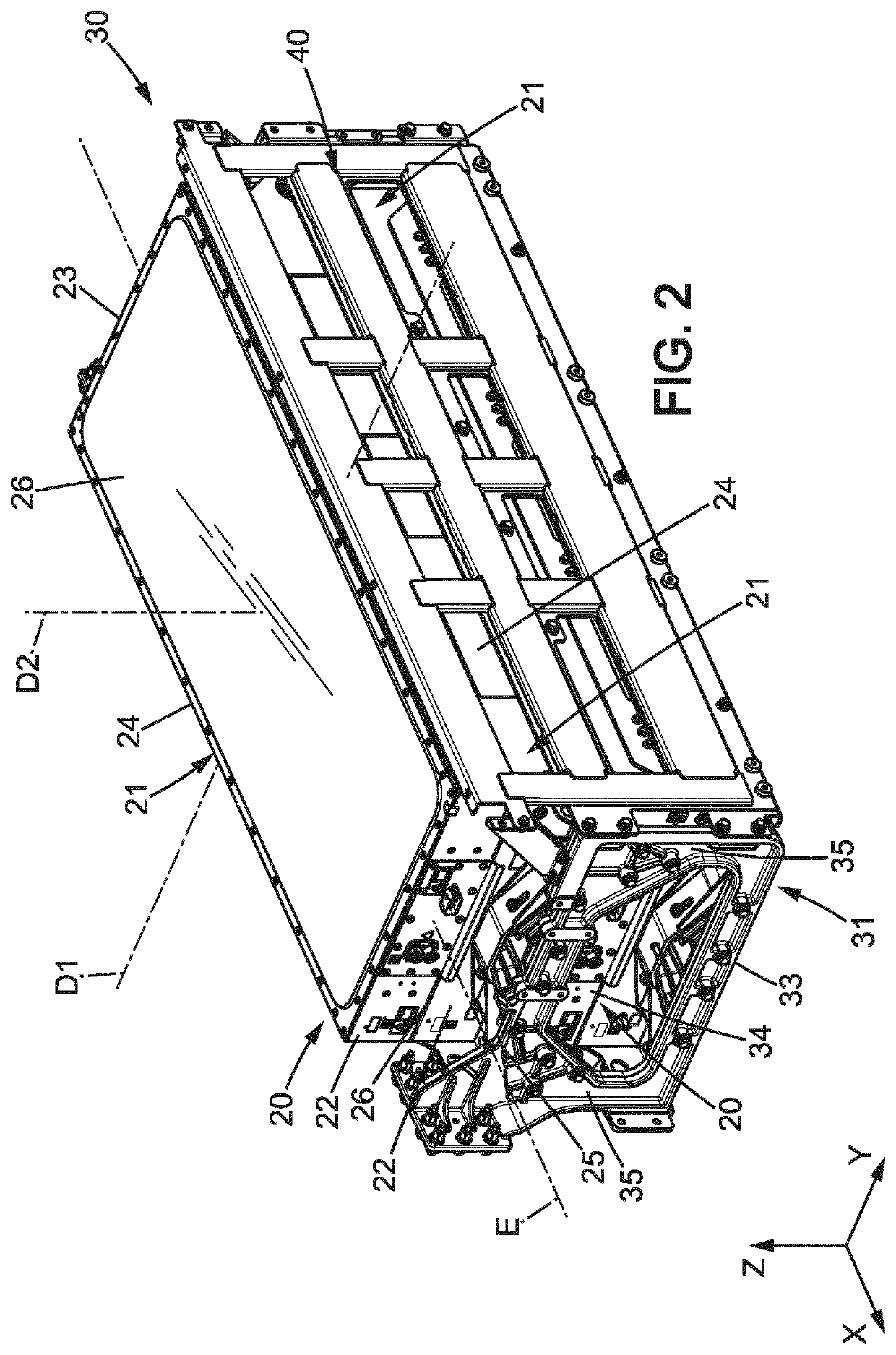
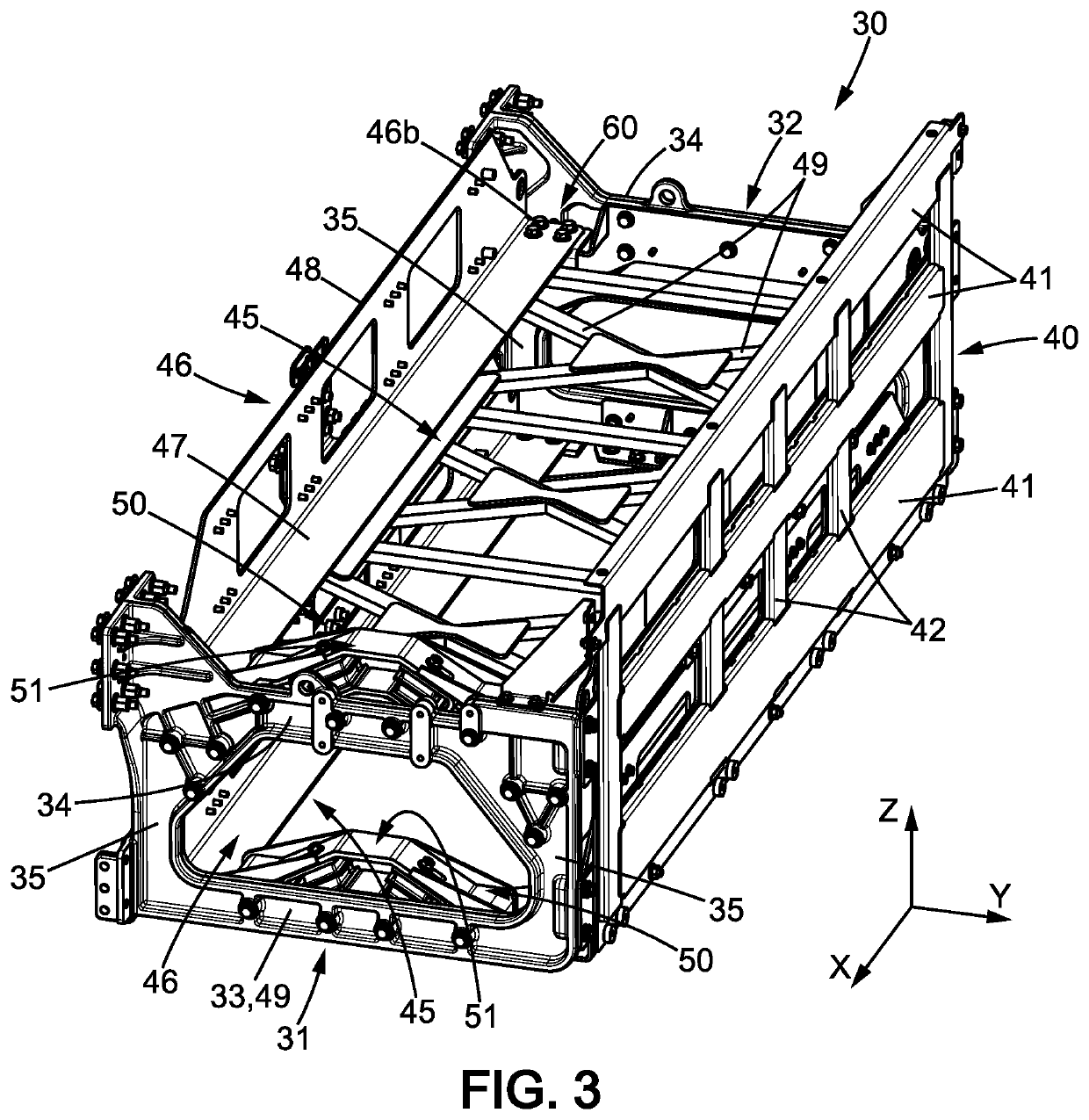
Electrically powered commercial vehicle having a battery structure
PatentActiveUS20220097537A1
Innovation
- A battery structure with resiliently deformable arrangements and fixation points that decouple the battery from the chassis, providing a three-point mounting system to absorb torsion and enhance crash protection, including a damping device for vertical vibrations and side crash protection members.

Economic Impact of Blade Battery on Grid Stability
The economic impact of Blade Battery on grid stability is multifaceted and significant. As a cutting-edge energy storage technology, Blade Battery offers several advantages that contribute to enhanced grid stability and, consequently, economic benefits for various stakeholders.
Firstly, Blade Battery's high energy density and long cycle life make it an ideal solution for large-scale energy storage systems. This capability allows for more efficient management of renewable energy sources, such as wind and solar, which are inherently intermittent. By storing excess energy during peak production periods and releasing it during high demand or low production times, Blade Battery helps to smooth out the fluctuations in the power grid. This stability reduces the need for costly peaker plants and minimizes the risk of blackouts, resulting in substantial cost savings for utility companies and consumers alike.
Moreover, the improved grid stability facilitated by Blade Battery technology enables greater integration of renewable energy sources into the power grid. This increased renewable energy penetration leads to reduced reliance on fossil fuels, potentially lowering electricity costs in the long term and mitigating the economic impacts of volatile fuel prices.
The implementation of Blade Battery in grid-scale applications also has positive implications for grid infrastructure investments. By enhancing the grid's ability to handle variable loads and generation, it may defer or reduce the need for expensive transmission and distribution upgrades. This cost avoidance translates into significant savings for utility companies and, ultimately, consumers.
Furthermore, the economic benefits extend to the industrial sector. With a more stable and reliable power supply, businesses can operate more efficiently, reducing downtime and associated losses. This improved reliability can attract energy-intensive industries to regions with Blade Battery-enhanced grids, potentially stimulating economic growth and job creation.
The adoption of Blade Battery technology also creates new economic opportunities in the manufacturing and service sectors. As demand for these advanced energy storage systems grows, it spurs innovation and job creation in battery production, installation, and maintenance. This emerging industry can contribute significantly to local and national economies.
Lastly, the enhanced grid stability provided by Blade Battery can lead to reduced energy waste and improved overall system efficiency. By minimizing the need for excess generation capacity and reducing transmission losses, the technology contributes to a more cost-effective and environmentally sustainable energy ecosystem. These efficiency gains translate into long-term economic benefits for society as a whole, including lower energy costs and reduced environmental externalities.
Firstly, Blade Battery's high energy density and long cycle life make it an ideal solution for large-scale energy storage systems. This capability allows for more efficient management of renewable energy sources, such as wind and solar, which are inherently intermittent. By storing excess energy during peak production periods and releasing it during high demand or low production times, Blade Battery helps to smooth out the fluctuations in the power grid. This stability reduces the need for costly peaker plants and minimizes the risk of blackouts, resulting in substantial cost savings for utility companies and consumers alike.
Moreover, the improved grid stability facilitated by Blade Battery technology enables greater integration of renewable energy sources into the power grid. This increased renewable energy penetration leads to reduced reliance on fossil fuels, potentially lowering electricity costs in the long term and mitigating the economic impacts of volatile fuel prices.
The implementation of Blade Battery in grid-scale applications also has positive implications for grid infrastructure investments. By enhancing the grid's ability to handle variable loads and generation, it may defer or reduce the need for expensive transmission and distribution upgrades. This cost avoidance translates into significant savings for utility companies and, ultimately, consumers.
Furthermore, the economic benefits extend to the industrial sector. With a more stable and reliable power supply, businesses can operate more efficiently, reducing downtime and associated losses. This improved reliability can attract energy-intensive industries to regions with Blade Battery-enhanced grids, potentially stimulating economic growth and job creation.
The adoption of Blade Battery technology also creates new economic opportunities in the manufacturing and service sectors. As demand for these advanced energy storage systems grows, it spurs innovation and job creation in battery production, installation, and maintenance. This emerging industry can contribute significantly to local and national economies.
Lastly, the enhanced grid stability provided by Blade Battery can lead to reduced energy waste and improved overall system efficiency. By minimizing the need for excess generation capacity and reducing transmission losses, the technology contributes to a more cost-effective and environmentally sustainable energy ecosystem. These efficiency gains translate into long-term economic benefits for society as a whole, including lower energy costs and reduced environmental externalities.
Environmental Benefits of Blade Battery Integration
The integration of Blade Battery technology into power grids offers significant environmental benefits, contributing to a more sustainable energy ecosystem. By enhancing grid stability and efficiency, Blade Batteries help reduce the overall carbon footprint of electricity generation and distribution systems. One of the primary advantages is the improved energy storage capacity, which allows for better management of renewable energy sources such as solar and wind power. This increased storage capability enables grid operators to capture excess energy during peak production periods and release it during times of high demand, reducing reliance on fossil fuel-based peaker plants.
Furthermore, the Blade Battery's long cycle life and high energy density contribute to a reduction in battery waste and resource consumption. As these batteries can withstand more charge-discharge cycles compared to traditional lithium-ion batteries, they require less frequent replacement, minimizing the environmental impact associated with battery production and disposal. The reduced need for raw materials and manufacturing processes translates into lower greenhouse gas emissions throughout the battery lifecycle.
The enhanced safety features of Blade Batteries also play a crucial role in environmental protection. Their improved thermal stability and reduced risk of thermal runaway events decrease the likelihood of fires or explosions, which can lead to hazardous material releases and environmental contamination. This increased safety profile allows for more widespread adoption of energy storage systems, facilitating the transition to cleaner energy sources.
Moreover, the integration of Blade Batteries in grid systems enables more efficient use of existing power infrastructure. By smoothing out demand peaks and providing backup power during outages, these batteries reduce the need for additional transmission lines and power plants. This optimization of grid resources leads to less land use for energy infrastructure and minimizes habitat disruption associated with new construction projects.
The environmental benefits extend to urban areas as well. The compact design and high energy density of Blade Batteries make them suitable for installation in space-constrained urban environments. This characteristic allows for the development of localized energy storage solutions, reducing transmission losses and improving overall grid efficiency. Additionally, the quiet operation of these battery systems contributes to noise pollution reduction in densely populated areas.
In conclusion, the environmental benefits of Blade Battery integration in power grids are multifaceted and far-reaching. From supporting renewable energy adoption to reducing waste and optimizing resource use, these advanced batteries play a crucial role in creating a more sustainable and environmentally friendly energy landscape.
Furthermore, the Blade Battery's long cycle life and high energy density contribute to a reduction in battery waste and resource consumption. As these batteries can withstand more charge-discharge cycles compared to traditional lithium-ion batteries, they require less frequent replacement, minimizing the environmental impact associated with battery production and disposal. The reduced need for raw materials and manufacturing processes translates into lower greenhouse gas emissions throughout the battery lifecycle.
The enhanced safety features of Blade Batteries also play a crucial role in environmental protection. Their improved thermal stability and reduced risk of thermal runaway events decrease the likelihood of fires or explosions, which can lead to hazardous material releases and environmental contamination. This increased safety profile allows for more widespread adoption of energy storage systems, facilitating the transition to cleaner energy sources.
Moreover, the integration of Blade Batteries in grid systems enables more efficient use of existing power infrastructure. By smoothing out demand peaks and providing backup power during outages, these batteries reduce the need for additional transmission lines and power plants. This optimization of grid resources leads to less land use for energy infrastructure and minimizes habitat disruption associated with new construction projects.
The environmental benefits extend to urban areas as well. The compact design and high energy density of Blade Batteries make them suitable for installation in space-constrained urban environments. This characteristic allows for the development of localized energy storage solutions, reducing transmission losses and improving overall grid efficiency. Additionally, the quiet operation of these battery systems contributes to noise pollution reduction in densely populated areas.
In conclusion, the environmental benefits of Blade Battery integration in power grids are multifaceted and far-reaching. From supporting renewable energy adoption to reducing waste and optimizing resource use, these advanced batteries play a crucial role in creating a more sustainable and environmentally friendly energy landscape.
Unlock deeper insights with PatSnap Eureka Quick Research — get a full tech report to explore trends and direct your research. Try now!
Generate Your Research Report Instantly with AI Agent
Supercharge your innovation with PatSnap Eureka AI Agent Platform!