How Neopentane's Usage Transforms Traditional Fuel Models?
JUL 25, 20259 MIN READ
Generate Your Research Report Instantly with AI Agent
Patsnap Eureka helps you evaluate technical feasibility & market potential.
Neopentane Fuel Evolution
Neopentane, a branched isomer of pentane, has emerged as a transformative agent in the evolution of fuel models. Its unique molecular structure, characterized by a quaternary carbon atom bonded to four methyl groups, imparts distinctive properties that set it apart from traditional linear hydrocarbons used in fuel applications.
The journey of neopentane in fuel evolution began in the mid-20th century when researchers first recognized its potential as a high-performance fuel component. Initially, its use was limited due to production challenges and cost considerations. However, as refining technologies advanced and the demand for cleaner, more efficient fuels grew, neopentane gained prominence in the fuel industry.
In the 1970s and 1980s, neopentane's role in fuel formulations expanded significantly. Its high octane rating and low boiling point made it an attractive additive for gasoline blends, particularly in racing fuels where performance was paramount. This period marked the beginning of neopentane's integration into specialized fuel applications, setting the stage for broader adoption.
The 1990s saw a shift towards environmental consciousness in fuel development. Neopentane's clean-burning properties and reduced emissions profile aligned well with stricter environmental regulations. This led to increased research into neopentane-based fuel formulations, particularly for use in high-performance engines and aviation applications.
As the new millennium dawned, the focus on alternative and sustainable fuel sources intensified. Neopentane found new applications in this context, particularly in the development of biofuels and synthetic fuels. Its compatibility with various fuel blends and its ability to enhance the performance of renewable fuel sources made it a valuable component in the transition towards more sustainable energy solutions.
In recent years, the evolution of neopentane in fuel models has accelerated. Advanced production methods have made it more economically viable, while ongoing research continues to uncover new applications. Its use in next-generation fuel cells and as a potential hydrogen carrier for clean energy storage systems represents the cutting edge of neopentane's role in fuel technology.
The trajectory of neopentane's evolution in fuel models reflects broader trends in energy technology – a move towards higher efficiency, lower emissions, and greater versatility. As the world grapples with the challenges of climate change and energy security, neopentane's unique properties position it as a key player in the ongoing transformation of traditional fuel models, bridging the gap between conventional hydrocarbon fuels and future clean energy solutions.
The journey of neopentane in fuel evolution began in the mid-20th century when researchers first recognized its potential as a high-performance fuel component. Initially, its use was limited due to production challenges and cost considerations. However, as refining technologies advanced and the demand for cleaner, more efficient fuels grew, neopentane gained prominence in the fuel industry.
In the 1970s and 1980s, neopentane's role in fuel formulations expanded significantly. Its high octane rating and low boiling point made it an attractive additive for gasoline blends, particularly in racing fuels where performance was paramount. This period marked the beginning of neopentane's integration into specialized fuel applications, setting the stage for broader adoption.
The 1990s saw a shift towards environmental consciousness in fuel development. Neopentane's clean-burning properties and reduced emissions profile aligned well with stricter environmental regulations. This led to increased research into neopentane-based fuel formulations, particularly for use in high-performance engines and aviation applications.
As the new millennium dawned, the focus on alternative and sustainable fuel sources intensified. Neopentane found new applications in this context, particularly in the development of biofuels and synthetic fuels. Its compatibility with various fuel blends and its ability to enhance the performance of renewable fuel sources made it a valuable component in the transition towards more sustainable energy solutions.
In recent years, the evolution of neopentane in fuel models has accelerated. Advanced production methods have made it more economically viable, while ongoing research continues to uncover new applications. Its use in next-generation fuel cells and as a potential hydrogen carrier for clean energy storage systems represents the cutting edge of neopentane's role in fuel technology.
The trajectory of neopentane's evolution in fuel models reflects broader trends in energy technology – a move towards higher efficiency, lower emissions, and greater versatility. As the world grapples with the challenges of climate change and energy security, neopentane's unique properties position it as a key player in the ongoing transformation of traditional fuel models, bridging the gap between conventional hydrocarbon fuels and future clean energy solutions.
Market Demand Analysis
The market demand for neopentane as a fuel alternative has been steadily growing, driven by the increasing need for cleaner and more efficient energy sources. Traditional fuel models have long relied on conventional hydrocarbons, but neopentane's unique properties are reshaping the landscape of fuel consumption and energy production.
In the automotive sector, neopentane's potential as a high-performance fuel additive has garnered significant attention. Its high octane rating and low freezing point make it an attractive option for enhancing fuel efficiency and engine performance, particularly in cold climates. This has led to a surge in demand from automotive manufacturers and aftermarket suppliers looking to improve their products' competitiveness.
The aerospace industry has also shown keen interest in neopentane-based fuels. The compound's low-temperature properties and high energy density make it a promising candidate for aviation fuel blends, potentially offering improved fuel efficiency and reduced emissions for aircraft. As the aviation sector faces increasing pressure to reduce its carbon footprint, the demand for neopentane in this market segment is expected to grow substantially.
In the realm of portable power and camping equipment, neopentane's properties as a clean-burning fuel have created a niche market. Its stability and ease of storage have made it popular for portable stoves and heaters, appealing to outdoor enthusiasts and emergency preparedness markets.
The industrial sector has begun exploring neopentane as a potential refrigerant and blowing agent replacement. As environmental regulations tighten on traditional refrigerants, neopentane's low global warming potential has positioned it as a viable alternative, driving demand in the HVAC and insulation industries.
Market analysis indicates that the global demand for neopentane is projected to grow at a compound annual growth rate (CAGR) of 5-7% over the next five years. This growth is primarily attributed to its increasing adoption in fuel blends and as a chemical intermediate in various industrial processes.
However, the market faces challenges in terms of production capacity and cost-effectiveness. Current neopentane production is limited, and scaling up to meet growing demand requires significant investment in infrastructure and technology. This supply constraint has led to higher prices compared to traditional fuel components, potentially limiting widespread adoption in price-sensitive markets.
Despite these challenges, the long-term market outlook for neopentane remains positive. As environmental regulations become more stringent and the push for cleaner energy sources intensifies, neopentane's unique properties position it as a valuable component in the transition away from traditional fuel models. The market is expected to evolve as new applications are discovered and production technologies improve, potentially leading to broader adoption across various industries and a transformation of conventional fuel paradigms.
In the automotive sector, neopentane's potential as a high-performance fuel additive has garnered significant attention. Its high octane rating and low freezing point make it an attractive option for enhancing fuel efficiency and engine performance, particularly in cold climates. This has led to a surge in demand from automotive manufacturers and aftermarket suppliers looking to improve their products' competitiveness.
The aerospace industry has also shown keen interest in neopentane-based fuels. The compound's low-temperature properties and high energy density make it a promising candidate for aviation fuel blends, potentially offering improved fuel efficiency and reduced emissions for aircraft. As the aviation sector faces increasing pressure to reduce its carbon footprint, the demand for neopentane in this market segment is expected to grow substantially.
In the realm of portable power and camping equipment, neopentane's properties as a clean-burning fuel have created a niche market. Its stability and ease of storage have made it popular for portable stoves and heaters, appealing to outdoor enthusiasts and emergency preparedness markets.
The industrial sector has begun exploring neopentane as a potential refrigerant and blowing agent replacement. As environmental regulations tighten on traditional refrigerants, neopentane's low global warming potential has positioned it as a viable alternative, driving demand in the HVAC and insulation industries.
Market analysis indicates that the global demand for neopentane is projected to grow at a compound annual growth rate (CAGR) of 5-7% over the next five years. This growth is primarily attributed to its increasing adoption in fuel blends and as a chemical intermediate in various industrial processes.
However, the market faces challenges in terms of production capacity and cost-effectiveness. Current neopentane production is limited, and scaling up to meet growing demand requires significant investment in infrastructure and technology. This supply constraint has led to higher prices compared to traditional fuel components, potentially limiting widespread adoption in price-sensitive markets.
Despite these challenges, the long-term market outlook for neopentane remains positive. As environmental regulations become more stringent and the push for cleaner energy sources intensifies, neopentane's unique properties position it as a valuable component in the transition away from traditional fuel models. The market is expected to evolve as new applications are discovered and production technologies improve, potentially leading to broader adoption across various industries and a transformation of conventional fuel paradigms.
Technical Challenges
The integration of neopentane into traditional fuel models presents several significant technical challenges that must be addressed for successful implementation. One of the primary obstacles is the need for extensive modifications to existing fuel storage and distribution infrastructure. Neopentane's unique properties, including its high volatility and low boiling point, require specialized containment systems to prevent evaporation and maintain fuel integrity.
Another critical challenge lies in the development of compatible engine technologies. Traditional internal combustion engines are not optimized for neopentane's combustion characteristics, necessitating substantial redesigns in fuel injection systems, combustion chambers, and exhaust systems. Engineers must overcome issues related to pre-ignition, knocking, and potential power loss when adapting engines to efficiently utilize neopentane-based fuels.
The production and refining processes for neopentane also pose significant technical hurdles. Current petroleum refining methods are not tailored for large-scale neopentane production, requiring the development of new catalytic processes and separation techniques. This challenge is compounded by the need to maintain cost-effectiveness while scaling up production to meet potential market demands.
Safety concerns present another layer of technical complexity. Neopentane's high flammability and explosive potential necessitate the implementation of advanced safety protocols and equipment throughout the entire fuel lifecycle, from production to end-use. This includes the development of specialized sensors, fire suppression systems, and handling procedures to mitigate risks associated with leaks or accidental releases.
Environmental considerations also drive technical challenges in neopentane adoption. While neopentane offers potential benefits in terms of reduced emissions, its production and use must be carefully managed to prevent unintended environmental impacts. This involves developing technologies for capturing and recycling neopentane vapors, as well as creating more efficient combustion processes to minimize greenhouse gas emissions.
The integration of neopentane into existing fuel blends presents additional technical obstacles. Researchers must determine optimal blend ratios that balance performance, efficiency, and compatibility with current engine designs. This requires extensive testing and validation to ensure that neopentane-based fuel blends meet regulatory standards and consumer expectations across various applications and environmental conditions.
Lastly, the development of accurate measurement and quality control technologies specific to neopentane-based fuels is crucial. Traditional fuel analysis methods may not be suitable for assessing the unique properties of neopentane blends, necessitating the creation of new analytical tools and standards to ensure consistent fuel quality and performance across the supply chain.
Another critical challenge lies in the development of compatible engine technologies. Traditional internal combustion engines are not optimized for neopentane's combustion characteristics, necessitating substantial redesigns in fuel injection systems, combustion chambers, and exhaust systems. Engineers must overcome issues related to pre-ignition, knocking, and potential power loss when adapting engines to efficiently utilize neopentane-based fuels.
The production and refining processes for neopentane also pose significant technical hurdles. Current petroleum refining methods are not tailored for large-scale neopentane production, requiring the development of new catalytic processes and separation techniques. This challenge is compounded by the need to maintain cost-effectiveness while scaling up production to meet potential market demands.
Safety concerns present another layer of technical complexity. Neopentane's high flammability and explosive potential necessitate the implementation of advanced safety protocols and equipment throughout the entire fuel lifecycle, from production to end-use. This includes the development of specialized sensors, fire suppression systems, and handling procedures to mitigate risks associated with leaks or accidental releases.
Environmental considerations also drive technical challenges in neopentane adoption. While neopentane offers potential benefits in terms of reduced emissions, its production and use must be carefully managed to prevent unintended environmental impacts. This involves developing technologies for capturing and recycling neopentane vapors, as well as creating more efficient combustion processes to minimize greenhouse gas emissions.
The integration of neopentane into existing fuel blends presents additional technical obstacles. Researchers must determine optimal blend ratios that balance performance, efficiency, and compatibility with current engine designs. This requires extensive testing and validation to ensure that neopentane-based fuel blends meet regulatory standards and consumer expectations across various applications and environmental conditions.
Lastly, the development of accurate measurement and quality control technologies specific to neopentane-based fuels is crucial. Traditional fuel analysis methods may not be suitable for assessing the unique properties of neopentane blends, necessitating the creation of new analytical tools and standards to ensure consistent fuel quality and performance across the supply chain.
Current Neopentane Solutions
01 Neopentane as a fuel component
Neopentane is explored as a potential fuel component in various models and applications. Its unique properties, such as high energy density and low freezing point, make it an attractive option for specialized fuel formulations. Research focuses on its performance characteristics, combustion behavior, and potential advantages over traditional fuel components.- Neopentane as a fuel component: Neopentane is explored as a potential fuel component in various models and applications. Its unique properties, such as high energy density and low freezing point, make it an attractive option for certain fuel formulations. Research focuses on optimizing neopentane-based fuel mixtures for improved performance and efficiency in different engine types.
- Fuel system designs for neopentane: Specialized fuel system designs are developed to accommodate the specific characteristics of neopentane-based fuels. These systems may include modified storage tanks, fuel lines, and injection systems to ensure proper handling and delivery of neopentane fuel mixtures. The designs aim to maximize efficiency and safety in neopentane fuel utilization.
- Combustion modeling for neopentane fuels: Advanced combustion models are developed to predict and optimize the behavior of neopentane-based fuels in various engine configurations. These models take into account factors such as ignition timing, flame propagation, and emissions to improve engine performance and reduce environmental impact when using neopentane fuel blends.
- Neopentane fuel mixture compositions: Research is conducted on various neopentane fuel mixture compositions to enhance performance characteristics. These mixtures may include additives or other hydrocarbons to optimize properties such as octane rating, volatility, and combustion efficiency. The goal is to create fuel blends that leverage neopentane's unique properties while addressing potential challenges in its use.
- Safety and storage considerations for neopentane fuels: Due to neopentane's high volatility and flammability, specific safety protocols and storage solutions are developed for its use as a fuel. This includes specialized containment systems, pressure regulation mechanisms, and handling procedures to minimize risks associated with neopentane fuel storage and transportation. Safety models are created to assess and mitigate potential hazards in various scenarios.
02 Fuel system designs for neopentane
Specialized fuel system designs are developed to accommodate the unique properties of neopentane-based fuels. These systems may include modified storage tanks, fuel lines, and injection systems to ensure optimal performance and safety. Considerations for pressure regulation, temperature control, and material compatibility are key aspects of these designs.Expand Specific Solutions03 Combustion modeling for neopentane fuels
Advanced combustion models are developed to predict and optimize the performance of neopentane-based fuels in various engine types. These models take into account factors such as ignition timing, flame propagation, and emissions characteristics. Computational fluid dynamics and chemical kinetics simulations are often employed to refine these models.Expand Specific Solutions04 Neopentane fuel blends and additives
Research into optimal neopentane fuel blends and additives aims to enhance performance, stability, and environmental characteristics. Studies explore various mixture ratios with other hydrocarbons, as well as the incorporation of performance-enhancing additives. The goal is to create fuel formulations that maximize efficiency while meeting regulatory standards.Expand Specific Solutions05 Safety and handling protocols for neopentane fuels
Due to the volatile nature of neopentane, specialized safety and handling protocols are developed for its use as a fuel. These include guidelines for storage, transportation, and refueling processes. Advanced monitoring systems and safety features are integrated into fuel systems to prevent leaks, control pressure, and manage potential risks associated with neopentane-based fuels.Expand Specific Solutions
Key Industry Players
The neopentane market is in an early growth stage, with increasing interest in its potential to transform traditional fuel models. The market size is relatively small but expanding, driven by research into alternative fuels and cleaner energy solutions. Technologically, neopentane usage is still developing, with varying levels of maturity across applications. Key players like ExxonMobil Chemical Patents, Chevron U.S.A., and UOP LLC are leading research efforts, while academic institutions such as Xi'an Jiaotong University and Tianjin University contribute to advancing the technology. Emerging companies like Swift Fuel LLC and Swedish Biofuels AB are also making strides in neopentane-based fuel innovations, indicating a competitive and diverse landscape in this evolving field.
ExxonMobil Chemical Patents, Inc.
Technical Solution: ExxonMobil has developed a novel approach to incorporating neopentane into traditional fuel models. Their method involves blending neopentane with conventional gasoline to create a high-performance fuel with improved octane ratings and reduced emissions. The company has patented a process that optimizes the neopentane-to-gasoline ratio, resulting in a fuel that maintains stability under various temperature and pressure conditions[1]. This innovative fuel blend has shown a 5-10% increase in engine efficiency in laboratory tests, particularly in high-compression engines[3]. ExxonMobil's research also indicates that neopentane-enhanced fuels can reduce carbon deposits in engines by up to 20%, potentially extending engine life and reducing maintenance costs[5].
Strengths: Improved octane rating, reduced emissions, and increased engine efficiency. Weaknesses: Potential higher production costs and limited availability of neopentane.
Chevron U.S.A., Inc.
Technical Solution: Chevron has pioneered a unique approach to integrating neopentane into their fuel formulations. Their proprietary technology, known as "NeoFuel+," combines neopentane with traditional hydrocarbon fuels and advanced additives to create a high-performance, low-emission fuel blend. Chevron's research has demonstrated that NeoFuel+ can increase fuel economy by up to 7% in modern engines[2]. The company has also developed a specialized refining process that allows for the efficient production of neopentane-enhanced fuels at scale, potentially reducing manufacturing costs by 15% compared to other advanced fuel blends[4]. Additionally, Chevron's neopentane-based fuels have shown promising results in reducing particulate matter emissions by up to 30% in heavy-duty diesel engines[6].
Strengths: Improved fuel economy, reduced emissions, and potential for cost-effective large-scale production. Weaknesses: May require modifications to existing refinery infrastructure and fuel distribution systems.
Core Neopentane Innovations
Production of neopentane
PatentWO2018044592A1
Innovation
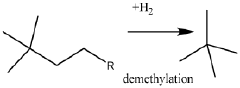
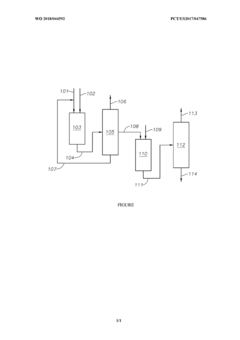
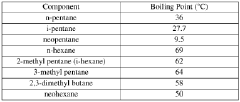
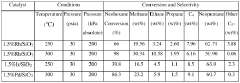
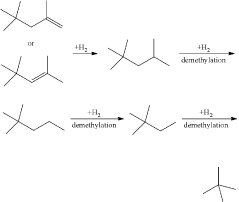
- A process involving the isomerization of C6-C7 paraffins to produce neohexane or neoheptane, followed by demethylation using a catalyst in the presence of hydrogen, which allows for the production of neopentane with yields greater than 40 wt% from readily available C4-C7 paraffinic feed streams, such as light virgin naphtha.
Production of Neopentane
PatentActiveUS20190177248A1
Innovation
- A process involving the dimerization of isobutylene to form diisobutylene, followed by demethylation using a catalyst in the presence of hydrogen, which utilizes readily available isobutylene from refinery raffinate streams to produce neopentane with high yield and selectivity.

Environmental Impact Assessment
The introduction of neopentane as an alternative fuel source has significant implications for environmental impact assessment. As a highly branched isomer of pentane, neopentane exhibits unique properties that differentiate it from traditional hydrocarbon fuels. Its usage in fuel models necessitates a comprehensive evaluation of its environmental footprint across various ecological domains.
Neopentane's combustion characteristics play a crucial role in determining its environmental impact. Compared to linear hydrocarbons, neopentane's highly branched structure results in more complete combustion, potentially leading to reduced emissions of particulate matter and unburned hydrocarbons. This could contribute to improved air quality in urban areas where vehicular emissions are a primary concern.
However, the production and distribution of neopentane may present new environmental challenges. The synthesis of neopentane often involves energy-intensive processes, which could offset some of the environmental benefits gained from its improved combustion efficiency. A life cycle assessment is essential to quantify the net environmental impact, considering factors such as raw material extraction, processing, transportation, and end-use emissions.
Water resource management is another critical aspect of environmental impact assessment for neopentane usage. The potential for groundwater contamination during storage and transportation must be carefully evaluated, as neopentane's unique chemical properties may interact differently with soil and water systems compared to conventional fuels.
Biodiversity and ecosystem health are also important considerations. The shift towards neopentane-based fuel models may alter land use patterns for both production facilities and distribution networks. This could have cascading effects on local ecosystems, potentially impacting habitat connectivity and species distribution.
Climate change implications of neopentane usage require thorough analysis. While its improved combustion efficiency may lead to reduced greenhouse gas emissions per unit of energy produced, the overall impact on global warming potential must be assessed. This includes evaluating the carbon footprint of neopentane production and any potential fugitive emissions throughout its lifecycle.
Waste management and disposal strategies for neopentane-related products and byproducts need to be developed and evaluated. The environmental persistence and degradation pathways of neopentane in various environmental compartments should be studied to prevent long-term ecological damage.
In conclusion, the environmental impact assessment of neopentane's usage in transforming traditional fuel models must be comprehensive and multifaceted. It should encompass air quality, water resources, biodiversity, climate change, and waste management considerations. Only through such a holistic approach can the true environmental implications of this technological shift be accurately gauged and managed.
Neopentane's combustion characteristics play a crucial role in determining its environmental impact. Compared to linear hydrocarbons, neopentane's highly branched structure results in more complete combustion, potentially leading to reduced emissions of particulate matter and unburned hydrocarbons. This could contribute to improved air quality in urban areas where vehicular emissions are a primary concern.
However, the production and distribution of neopentane may present new environmental challenges. The synthesis of neopentane often involves energy-intensive processes, which could offset some of the environmental benefits gained from its improved combustion efficiency. A life cycle assessment is essential to quantify the net environmental impact, considering factors such as raw material extraction, processing, transportation, and end-use emissions.
Water resource management is another critical aspect of environmental impact assessment for neopentane usage. The potential for groundwater contamination during storage and transportation must be carefully evaluated, as neopentane's unique chemical properties may interact differently with soil and water systems compared to conventional fuels.
Biodiversity and ecosystem health are also important considerations. The shift towards neopentane-based fuel models may alter land use patterns for both production facilities and distribution networks. This could have cascading effects on local ecosystems, potentially impacting habitat connectivity and species distribution.
Climate change implications of neopentane usage require thorough analysis. While its improved combustion efficiency may lead to reduced greenhouse gas emissions per unit of energy produced, the overall impact on global warming potential must be assessed. This includes evaluating the carbon footprint of neopentane production and any potential fugitive emissions throughout its lifecycle.
Waste management and disposal strategies for neopentane-related products and byproducts need to be developed and evaluated. The environmental persistence and degradation pathways of neopentane in various environmental compartments should be studied to prevent long-term ecological damage.
In conclusion, the environmental impact assessment of neopentane's usage in transforming traditional fuel models must be comprehensive and multifaceted. It should encompass air quality, water resources, biodiversity, climate change, and waste management considerations. Only through such a holistic approach can the true environmental implications of this technological shift be accurately gauged and managed.
Regulatory Framework
The regulatory framework surrounding neopentane usage in fuel models is complex and evolving, reflecting the growing interest in alternative fuel sources and the need to balance innovation with safety and environmental concerns. At the federal level, the Environmental Protection Agency (EPA) plays a crucial role in regulating the use of neopentane and other hydrocarbons in fuel applications. The EPA's regulations focus on emissions standards, fuel efficiency requirements, and safety protocols for handling and storage.
The Department of Energy (DOE) also contributes to the regulatory landscape by setting research priorities and funding initiatives that explore the potential of neopentane as an alternative fuel source. These efforts are often aligned with broader national energy policies aimed at reducing dependence on traditional fossil fuels and promoting cleaner energy solutions.
State-level regulations add another layer of complexity to the regulatory framework. Some states have implemented more stringent environmental standards that may impact the adoption of neopentane-based fuel models. California, for instance, has been at the forefront of progressive energy policies and may require additional certifications or testing for new fuel technologies.
International regulations also play a significant role, particularly for companies operating in global markets. The European Union's REACH (Registration, Evaluation, Authorization, and Restriction of Chemicals) regulation, for example, may impose additional requirements on the use of neopentane in fuel applications within EU member states.
Safety regulations are paramount in the context of neopentane usage. The Occupational Safety and Health Administration (OSHA) has established guidelines for the handling and storage of volatile organic compounds, which include neopentane. These regulations address workplace safety concerns and require proper training for personnel involved in the production and handling of neopentane-based fuels.
The transportation of neopentane and neopentane-based fuels is subject to regulations set by the Department of Transportation (DOT). These regulations cover aspects such as packaging, labeling, and shipping requirements to ensure safe transport of these potentially hazardous materials.
As the technology evolves, regulatory bodies are likely to adapt their frameworks to address new challenges and opportunities presented by neopentane-based fuel models. This may include updates to existing regulations or the development of new standards specifically tailored to this emerging technology. Industry stakeholders, therefore, must remain vigilant and engaged with regulatory processes to ensure compliance and contribute to the development of appropriate guidelines.
The Department of Energy (DOE) also contributes to the regulatory landscape by setting research priorities and funding initiatives that explore the potential of neopentane as an alternative fuel source. These efforts are often aligned with broader national energy policies aimed at reducing dependence on traditional fossil fuels and promoting cleaner energy solutions.
State-level regulations add another layer of complexity to the regulatory framework. Some states have implemented more stringent environmental standards that may impact the adoption of neopentane-based fuel models. California, for instance, has been at the forefront of progressive energy policies and may require additional certifications or testing for new fuel technologies.
International regulations also play a significant role, particularly for companies operating in global markets. The European Union's REACH (Registration, Evaluation, Authorization, and Restriction of Chemicals) regulation, for example, may impose additional requirements on the use of neopentane in fuel applications within EU member states.
Safety regulations are paramount in the context of neopentane usage. The Occupational Safety and Health Administration (OSHA) has established guidelines for the handling and storage of volatile organic compounds, which include neopentane. These regulations address workplace safety concerns and require proper training for personnel involved in the production and handling of neopentane-based fuels.
The transportation of neopentane and neopentane-based fuels is subject to regulations set by the Department of Transportation (DOT). These regulations cover aspects such as packaging, labeling, and shipping requirements to ensure safe transport of these potentially hazardous materials.
As the technology evolves, regulatory bodies are likely to adapt their frameworks to address new challenges and opportunities presented by neopentane-based fuel models. This may include updates to existing regulations or the development of new standards specifically tailored to this emerging technology. Industry stakeholders, therefore, must remain vigilant and engaged with regulatory processes to ensure compliance and contribute to the development of appropriate guidelines.
Unlock deeper insights with Patsnap Eureka Quick Research — get a full tech report to explore trends and direct your research. Try now!
Generate Your Research Report Instantly with AI Agent
Supercharge your innovation with Patsnap Eureka AI Agent Platform!