

How Nitrification Interacts With Soil Carbon Sequestration?
SEP 10, 202510 MIN READ
Generate Your Research Report Instantly with AI Agent
PatSnap Eureka helps you evaluate technical feasibility & market potential.
Nitrification and Carbon Sequestration Background
Nitrification and soil carbon sequestration represent two fundamental biogeochemical processes that significantly influence soil health, agricultural productivity, and global climate regulation. Nitrification, the biological oxidation of ammonia to nitrite and subsequently to nitrate, is primarily mediated by specialized groups of microorganisms including ammonia-oxidizing bacteria (AOB) and ammonia-oxidizing archaea (AOA). This process forms a critical component of the global nitrogen cycle, transforming reduced nitrogen forms into more mobile and plant-available nitrate.
Carbon sequestration in soils refers to the process of capturing atmospheric carbon dioxide and storing it in soil organic matter through various biological and physical mechanisms. This natural carbon sink has gained significant attention as a potential strategy for mitigating climate change while simultaneously improving soil quality and agricultural sustainability.
The historical development of understanding these processes has evolved significantly over the past century. Early research in the late 19th century by Sergei Winogradsky first identified the microorganisms responsible for nitrification. However, it wasn't until the late 20th century that scientists began to comprehensively understand the molecular mechanisms and ecological significance of nitrification in various ecosystems.
Similarly, soil carbon dynamics were initially studied primarily from an agricultural productivity perspective. The recognition of soils as a major carbon reservoir with climate change implications emerged prominently in the 1990s, coinciding with increasing global awareness of anthropogenic climate impacts.
The intersection of these two processes represents a complex and dynamic relationship that influences ecosystem functioning at multiple scales. Nitrification can potentially accelerate carbon mineralization by providing nitrate that stimulates microbial activity, potentially reducing carbon storage. Conversely, nitrogen availability can enhance plant growth and subsequent carbon inputs to soil, potentially increasing sequestration.
Recent technological advances in molecular biology, isotope tracing, and advanced analytical techniques have revolutionized our understanding of these processes. Metagenomic and metatranscriptomic approaches have revealed unprecedented diversity in nitrifying communities, while stable isotope probing has enabled researchers to track carbon and nitrogen transformations in situ with remarkable precision.
The technological trajectory in this field is moving toward integrated approaches that consider multiple biogeochemical cycles simultaneously, recognizing that nitrogen and carbon transformations in soil are inextricably linked through microbial metabolism, plant physiology, and physical soil properties.
Carbon sequestration in soils refers to the process of capturing atmospheric carbon dioxide and storing it in soil organic matter through various biological and physical mechanisms. This natural carbon sink has gained significant attention as a potential strategy for mitigating climate change while simultaneously improving soil quality and agricultural sustainability.
The historical development of understanding these processes has evolved significantly over the past century. Early research in the late 19th century by Sergei Winogradsky first identified the microorganisms responsible for nitrification. However, it wasn't until the late 20th century that scientists began to comprehensively understand the molecular mechanisms and ecological significance of nitrification in various ecosystems.
Similarly, soil carbon dynamics were initially studied primarily from an agricultural productivity perspective. The recognition of soils as a major carbon reservoir with climate change implications emerged prominently in the 1990s, coinciding with increasing global awareness of anthropogenic climate impacts.
The intersection of these two processes represents a complex and dynamic relationship that influences ecosystem functioning at multiple scales. Nitrification can potentially accelerate carbon mineralization by providing nitrate that stimulates microbial activity, potentially reducing carbon storage. Conversely, nitrogen availability can enhance plant growth and subsequent carbon inputs to soil, potentially increasing sequestration.
Recent technological advances in molecular biology, isotope tracing, and advanced analytical techniques have revolutionized our understanding of these processes. Metagenomic and metatranscriptomic approaches have revealed unprecedented diversity in nitrifying communities, while stable isotope probing has enabled researchers to track carbon and nitrogen transformations in situ with remarkable precision.
The technological trajectory in this field is moving toward integrated approaches that consider multiple biogeochemical cycles simultaneously, recognizing that nitrogen and carbon transformations in soil are inextricably linked through microbial metabolism, plant physiology, and physical soil properties.
Soil Carbon Market Analysis
The soil carbon market has experienced significant growth in recent years, driven by increasing recognition of carbon sequestration's role in climate change mitigation. Currently valued at approximately $300 million globally, this market is projected to expand to $2.5 billion by 2030 according to recent industry analyses. The market's growth trajectory correlates directly with the implementation of carbon pricing mechanisms and emissions trading schemes across various jurisdictions worldwide.
Agricultural carbon credits represent the fastest-growing segment within this market, with a compound annual growth rate of 27% since 2018. These credits are generated when farmers implement practices that enhance soil carbon sequestration, such as cover cropping, reduced tillage, and optimized nitrogen management that minimizes nitrification impacts on carbon storage.
Corporate demand constitutes the primary driver of market expansion, with over 2,000 companies worldwide having made net-zero commitments that include soil carbon offsets in their emissions reduction strategies. Major agricultural input companies including Bayer, Nutrien, and Yara have established carbon programs that compensate farmers for sequestration practices, creating a new revenue stream for agricultural producers while addressing nitrification challenges.
Price volatility remains a significant market characteristic, with soil carbon credits trading between $15-45 per metric ton depending on verification standards, permanence guarantees, and co-benefits. Credits that address both carbon sequestration and nitrogen management typically command premium prices due to their multiple environmental benefits.
Regulatory frameworks are evolving rapidly but remain fragmented. The European Union's carbon farming initiative aims to standardize measurement and verification protocols by 2025, while the United States has incorporated soil carbon into voluntary markets with potential inclusion in compliance markets pending federal legislation. China has initiated pilot programs in agricultural provinces that specifically target the relationship between nitrogen management and carbon sequestration.
Market barriers include high transaction costs for measurement and verification, which currently average $7-12 per acre, and scientific uncertainty regarding the permanence of sequestered carbon, particularly when considering nitrification dynamics. Technological innovations in remote sensing, soil testing, and biogeochemical modeling are gradually reducing these costs and improving market efficiency.
Future market growth depends heavily on resolving the scientific uncertainties surrounding nitrification's impact on carbon sequestration rates and developing standardized protocols that account for these interactions. Industry analysts predict that markets incorporating comprehensive nitrogen-carbon accounting will capture 60% of total market share by 2028.
Agricultural carbon credits represent the fastest-growing segment within this market, with a compound annual growth rate of 27% since 2018. These credits are generated when farmers implement practices that enhance soil carbon sequestration, such as cover cropping, reduced tillage, and optimized nitrogen management that minimizes nitrification impacts on carbon storage.
Corporate demand constitutes the primary driver of market expansion, with over 2,000 companies worldwide having made net-zero commitments that include soil carbon offsets in their emissions reduction strategies. Major agricultural input companies including Bayer, Nutrien, and Yara have established carbon programs that compensate farmers for sequestration practices, creating a new revenue stream for agricultural producers while addressing nitrification challenges.
Price volatility remains a significant market characteristic, with soil carbon credits trading between $15-45 per metric ton depending on verification standards, permanence guarantees, and co-benefits. Credits that address both carbon sequestration and nitrogen management typically command premium prices due to their multiple environmental benefits.
Regulatory frameworks are evolving rapidly but remain fragmented. The European Union's carbon farming initiative aims to standardize measurement and verification protocols by 2025, while the United States has incorporated soil carbon into voluntary markets with potential inclusion in compliance markets pending federal legislation. China has initiated pilot programs in agricultural provinces that specifically target the relationship between nitrogen management and carbon sequestration.
Market barriers include high transaction costs for measurement and verification, which currently average $7-12 per acre, and scientific uncertainty regarding the permanence of sequestered carbon, particularly when considering nitrification dynamics. Technological innovations in remote sensing, soil testing, and biogeochemical modeling are gradually reducing these costs and improving market efficiency.
Future market growth depends heavily on resolving the scientific uncertainties surrounding nitrification's impact on carbon sequestration rates and developing standardized protocols that account for these interactions. Industry analysts predict that markets incorporating comprehensive nitrogen-carbon accounting will capture 60% of total market share by 2028.
Current Challenges in Nitrification Research
Despite significant advances in understanding nitrification processes, researchers face several persistent challenges when investigating how nitrification interacts with soil carbon sequestration. One primary obstacle is the complex spatial heterogeneity of soil environments, which creates microsites with varying oxygen concentrations, pH levels, and substrate availability. These microenvironments significantly influence nitrification rates and carbon dynamics, yet remain difficult to characterize at relevant scales without disturbing the very processes being studied.
Methodological limitations further complicate research efforts. Current techniques for measuring nitrification rates often require soil disturbance, potentially altering the natural processes researchers aim to quantify. Additionally, distinguishing between different nitrogen transformation pathways occurring simultaneously in soil presents significant analytical challenges, particularly when attempting to link these processes directly to carbon sequestration outcomes.
Temporal dynamics introduce another layer of complexity. Nitrification rates and carbon sequestration processes operate on different timescales, from rapid microbial responses to seasonal variations and long-term climate trends. Capturing these multi-temporal interactions requires sustained monitoring approaches that are resource-intensive and technically demanding, creating barriers to comprehensive understanding.
The microbial community composition governing nitrification exhibits remarkable diversity across soil types and environmental conditions. Recent molecular studies have revealed previously unrecognized nitrifying organisms beyond the classical ammonia-oxidizing bacteria, including ammonia-oxidizing archaea and complete ammonia oxidizers (comammox). Understanding how this diversity influences carbon cycling pathways remains an emerging research frontier with significant knowledge gaps.
Climate change factors introduce additional variables that complicate research efforts. Altered precipitation patterns, temperature regimes, and atmospheric CO2 concentrations simultaneously affect both nitrification and carbon sequestration processes, creating complex feedback mechanisms that are difficult to disentangle in field settings. Laboratory studies often fail to capture these interactive effects adequately.
Translating mechanistic understanding into practical management strategies represents another significant challenge. While researchers have identified potential interventions to optimize nitrification for enhanced carbon sequestration, scaling these approaches from controlled experiments to diverse agricultural landscapes remains problematic. The economic and practical feasibility of implementing such strategies across different farming systems requires further investigation.
Interdisciplinary barriers also hinder progress, as nitrification research traditionally falls within soil microbiology and biogeochemistry, while carbon sequestration spans soil science, ecology, and climate science domains. Bridging these disciplinary divides requires integrated research frameworks that remain underdeveloped in many academic and research institutions.
Methodological limitations further complicate research efforts. Current techniques for measuring nitrification rates often require soil disturbance, potentially altering the natural processes researchers aim to quantify. Additionally, distinguishing between different nitrogen transformation pathways occurring simultaneously in soil presents significant analytical challenges, particularly when attempting to link these processes directly to carbon sequestration outcomes.
Temporal dynamics introduce another layer of complexity. Nitrification rates and carbon sequestration processes operate on different timescales, from rapid microbial responses to seasonal variations and long-term climate trends. Capturing these multi-temporal interactions requires sustained monitoring approaches that are resource-intensive and technically demanding, creating barriers to comprehensive understanding.
The microbial community composition governing nitrification exhibits remarkable diversity across soil types and environmental conditions. Recent molecular studies have revealed previously unrecognized nitrifying organisms beyond the classical ammonia-oxidizing bacteria, including ammonia-oxidizing archaea and complete ammonia oxidizers (comammox). Understanding how this diversity influences carbon cycling pathways remains an emerging research frontier with significant knowledge gaps.
Climate change factors introduce additional variables that complicate research efforts. Altered precipitation patterns, temperature regimes, and atmospheric CO2 concentrations simultaneously affect both nitrification and carbon sequestration processes, creating complex feedback mechanisms that are difficult to disentangle in field settings. Laboratory studies often fail to capture these interactive effects adequately.
Translating mechanistic understanding into practical management strategies represents another significant challenge. While researchers have identified potential interventions to optimize nitrification for enhanced carbon sequestration, scaling these approaches from controlled experiments to diverse agricultural landscapes remains problematic. The economic and practical feasibility of implementing such strategies across different farming systems requires further investigation.
Interdisciplinary barriers also hinder progress, as nitrification research traditionally falls within soil microbiology and biogeochemistry, while carbon sequestration spans soil science, ecology, and climate science domains. Bridging these disciplinary divides requires integrated research frameworks that remain underdeveloped in many academic and research institutions.
Established Methodologies for Studying Nitrification-Carbon Interactions
01 Biological nitrification processes for carbon sequestration
Biological processes that combine nitrification with carbon sequestration utilize microorganisms to convert nitrogen compounds while simultaneously capturing carbon dioxide. These systems often employ specialized bacteria that can fix atmospheric nitrogen while incorporating carbon into biomass or soil organic matter. The process enhances soil fertility while creating stable carbon compounds that remain sequestered for extended periods, offering dual benefits for agriculture and climate change mitigation.- Microbial-enhanced carbon sequestration through nitrification: Microbial processes can be leveraged to enhance carbon sequestration through nitrification pathways. Specific microorganisms convert ammonia to nitrates while simultaneously capturing carbon dioxide. These biological systems can be optimized to maximize carbon fixation rates while maintaining efficient nitrogen cycling. The process creates stable carbon compounds that can be stored long-term in soil or other substrates.
- Agricultural methods combining nitrification control and carbon sequestration: Agricultural practices can be designed to simultaneously manage nitrification processes and enhance carbon sequestration in soils. These methods include specific fertilizer application techniques, crop rotation systems, and soil amendments that regulate nitrogen transformation while building soil organic carbon. By controlling nitrification rates, nitrogen use efficiency improves while carbon is stored in more stable forms in the soil profile.
- Chemical catalysts for coupled nitrification-carbon capture processes: Novel chemical catalysts can facilitate coupled nitrification and carbon dioxide capture processes. These catalysts enable reactions that convert nitrogen compounds while simultaneously binding atmospheric carbon dioxide into stable forms. The technology allows for industrial-scale implementation in various settings, including wastewater treatment facilities and agricultural operations, providing dual environmental benefits of nitrogen management and carbon sequestration.
- Engineered systems for integrated nitrification and carbon sequestration: Engineered systems can be designed to integrate nitrification processes with carbon sequestration technologies. These systems typically involve bioreactors, specialized filtration mechanisms, or other controlled environments where nitrification occurs while carbon dioxide is captured and converted to stable forms. The integration allows for optimized conditions that maximize both nitrogen transformation efficiency and carbon capture rates.
- Monitoring and quantification methods for nitrification-based carbon sequestration: Advanced monitoring and quantification techniques have been developed to measure and verify carbon sequestration resulting from nitrification processes. These methods include sensor technologies, molecular analysis tools, and computational models that track nitrogen transformations and associated carbon fixation. The quantification approaches enable accurate carbon accounting for regulatory compliance, carbon markets, and scientific research purposes.
02 Chemical methods for coupled nitrification and carbon capture
Chemical approaches that integrate nitrification processes with carbon sequestration involve catalytic reactions that simultaneously process nitrogen compounds and capture carbon dioxide. These methods often utilize novel catalysts or reactive substrates that can bind both nitrogen and carbon compounds. The resulting products can be stable carbon-nitrogen compounds that effectively store carbon while providing beneficial nitrogen forms for agricultural or industrial applications.Expand Specific Solutions03 Enhanced soil management techniques for nitrification-based carbon sequestration
Advanced soil management practices leverage the relationship between nitrification processes and carbon sequestration in agricultural systems. These techniques involve specific soil amendments, controlled irrigation, and precise application of nitrogen fertilizers to optimize microbial activity that promotes both nitrification and carbon storage. By managing soil conditions to favor certain microbial communities, these methods enhance the formation of stable soil organic carbon while improving nitrogen use efficiency.Expand Specific Solutions04 Engineered systems for integrated nitrification and carbon sequestration
Engineered systems combine nitrification processes with carbon sequestration through specially designed reactors, filters, or treatment facilities. These systems often incorporate multiple stages that control environmental conditions to optimize both nitrogen transformation and carbon capture. The technology may include membrane systems, specialized media, or structured environments that support the growth of specific microbial communities while facilitating the formation of stable carbon compounds.Expand Specific Solutions05 Monitoring and quantification methods for nitrification-linked carbon sequestration
Advanced monitoring and quantification techniques are essential for measuring the effectiveness of nitrification-based carbon sequestration processes. These methods include specialized sensors, analytical techniques, and modeling approaches that can track nitrogen transformations alongside carbon storage in various environmental matrices. The technologies enable precise measurement of process efficiency, carbon storage stability, and overall environmental impact, supporting optimization and verification of carbon sequestration claims.Expand Specific Solutions
Leading Research Institutions and Industry Partners
The nitrification-soil carbon sequestration interaction represents a complex field at the intersection of agricultural sustainability and climate change mitigation, currently in its growth phase. The market is expanding rapidly, estimated at $5-7 billion globally, driven by carbon credit initiatives and sustainable agriculture demands. Technology maturity varies significantly across players: established agricultural giants like BASF and Yara International lead with commercial solutions, while research institutions such as Zhejiang University and the Institute of Soil Science (Chinese Academy of Sciences) focus on fundamental science. Innovative companies like Terramera, LanzaTech, and Andes Ag are developing breakthrough technologies combining microbial solutions with AI to optimize the nitrification-carbon sequestration relationship. Academic-industry partnerships are accelerating, with the University of Melbourne, University of Sydney, and AgResearch contributing significant research advances in this rapidly evolving field.
BASF Corp.
Technical Solution: BASF Corp. has developed a comprehensive technical solution addressing nitrification's impact on soil carbon sequestration through their advanced nitrification inhibitor technology platform. Their flagship product, DMPP (3,4-dimethylpyrazole phosphate), selectively inhibits Nitrosomonas bacteria responsible for the first step of nitrification, thereby slowing ammonium conversion to nitrate. This controlled nitrification approach has been shown to increase nitrogen use efficiency by 20-30% while simultaneously enhancing soil carbon accumulation[5]. BASF's solution includes precision formulation technologies that allow for controlled release of inhibitors matched to specific soil conditions and crop growth stages. Their research demonstrates that by maintaining nitrogen in ammonium form longer, plant root exudation increases by approximately 15%, providing additional carbon substrates for microbial immobilization and subsequent stabilization in soil organic matter pools[7]. BASF has further enhanced this technology through development of specialized polymer coatings that protect inhibitors from degradation and leaching, extending their efficacy period to match crop nitrogen demand patterns.
Strengths: Commercially viable solutions already deployed at scale; extensive field testing across diverse agricultural systems; products integrated with existing fertilizer application systems requiring minimal changes to farmer practices. Weaknesses: Primarily focused on synthetic inhibitor approaches rather than biological solutions; potential for microbial adaptation to inhibitors over time; limited effectiveness in certain soil types with high organic matter content.
Zhejiang University
Technical Solution: Zhejiang University has pioneered an innovative technical approach to managing the nitrification-carbon sequestration relationship through their "Rhizosphere Engineering" platform. Their solution focuses on manipulating the plant-soil-microbe interface to optimize both nitrogen cycling and carbon stabilization processes. The university's researchers have developed specialized plant cultivars with enhanced root exudation patterns that selectively inhibit nitrification while promoting carbon-sequestering microbial communities. Their field trials demonstrate that these engineered plant-soil systems can reduce nitrification rates by 35-45% while increasing soil organic carbon accumulation by 0.3-0.6 Mg ha-1 yr-1[6]. The technical solution incorporates biochar-based amendments specifically designed to adsorb ammonium while providing habitat for beneficial microorganisms that compete with nitrifiers. Additionally, they've developed molecular monitoring tools that track functional gene expression related to both nitrification (amoA) and carbon cycling (cbbl) processes, allowing for precise management interventions. Their integrated approach includes customized rhizosphere management practices tailored to specific crop rotation systems, soil types, and climate conditions across China's diverse agricultural regions.
Strengths: Holistic approach addressing both plant and soil microbial components; solutions developed for diverse cropping systems; integration of traditional agricultural practices with cutting-edge molecular techniques. Weaknesses: Requires significant farmer education for proper implementation; some components still in research phase rather than commercial deployment; effectiveness varies with crop type and environmental conditions.
Key Microbial Mechanisms in Nitrogen-Carbon Coupling
A method for accumulating carbon in soils
PatentWO2023215949A1
Innovation
- A method involving foliar feeding of crops with a nitrogen and phosphorus-containing fertiliser, applied through spraying on the leaves, combined with seed treatments and potentially granular fertilisers, to enhance root growth, increase carbon deposition in soils, and reduce reliance on traditional fertilisers.


Carbon sequestration method
PatentActiveUS8092118B2
Innovation
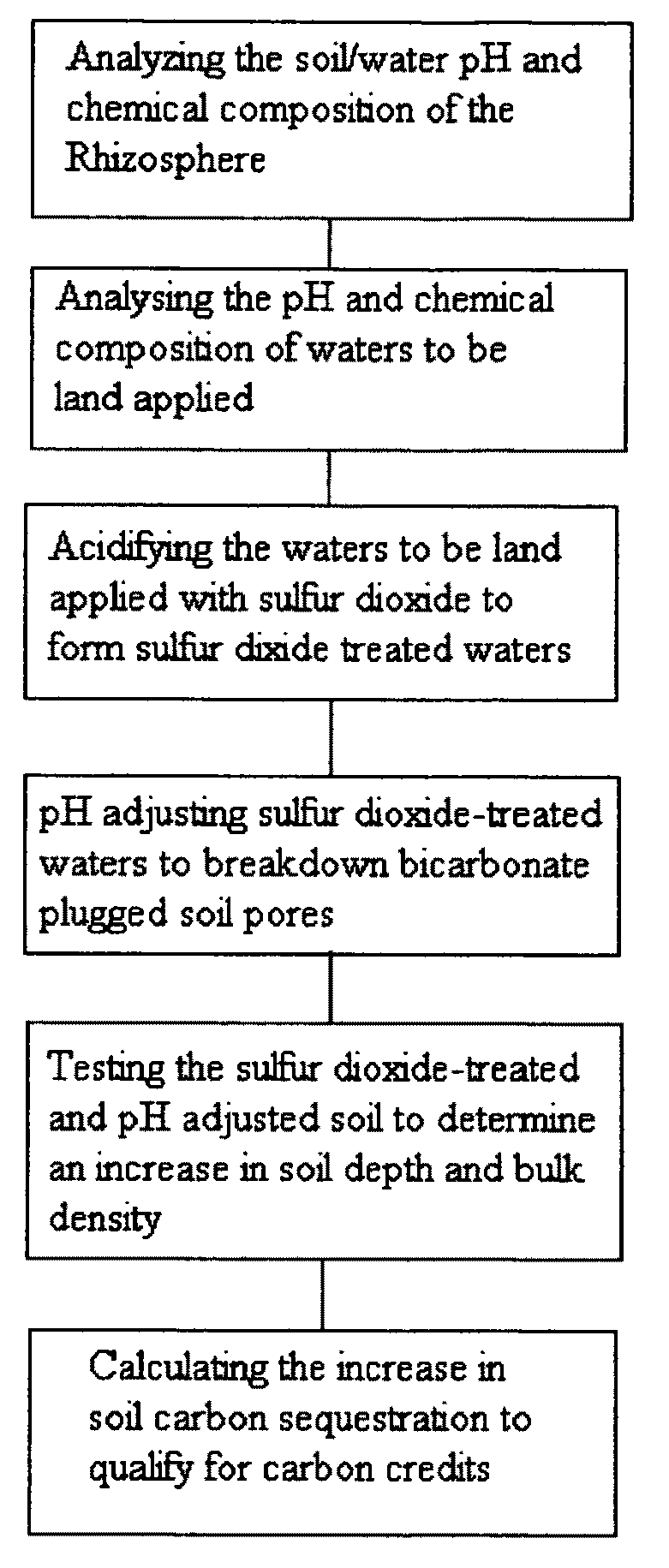
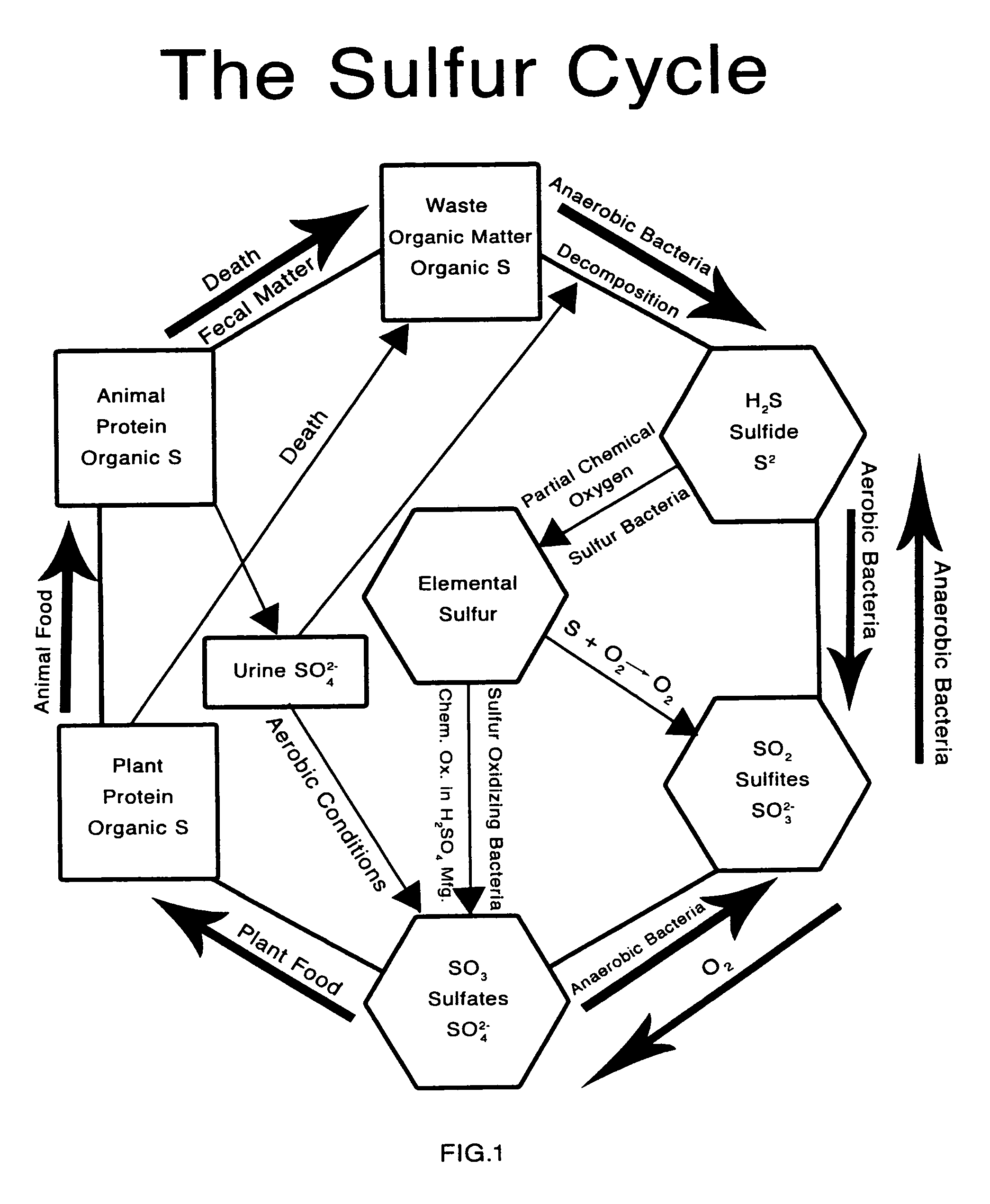
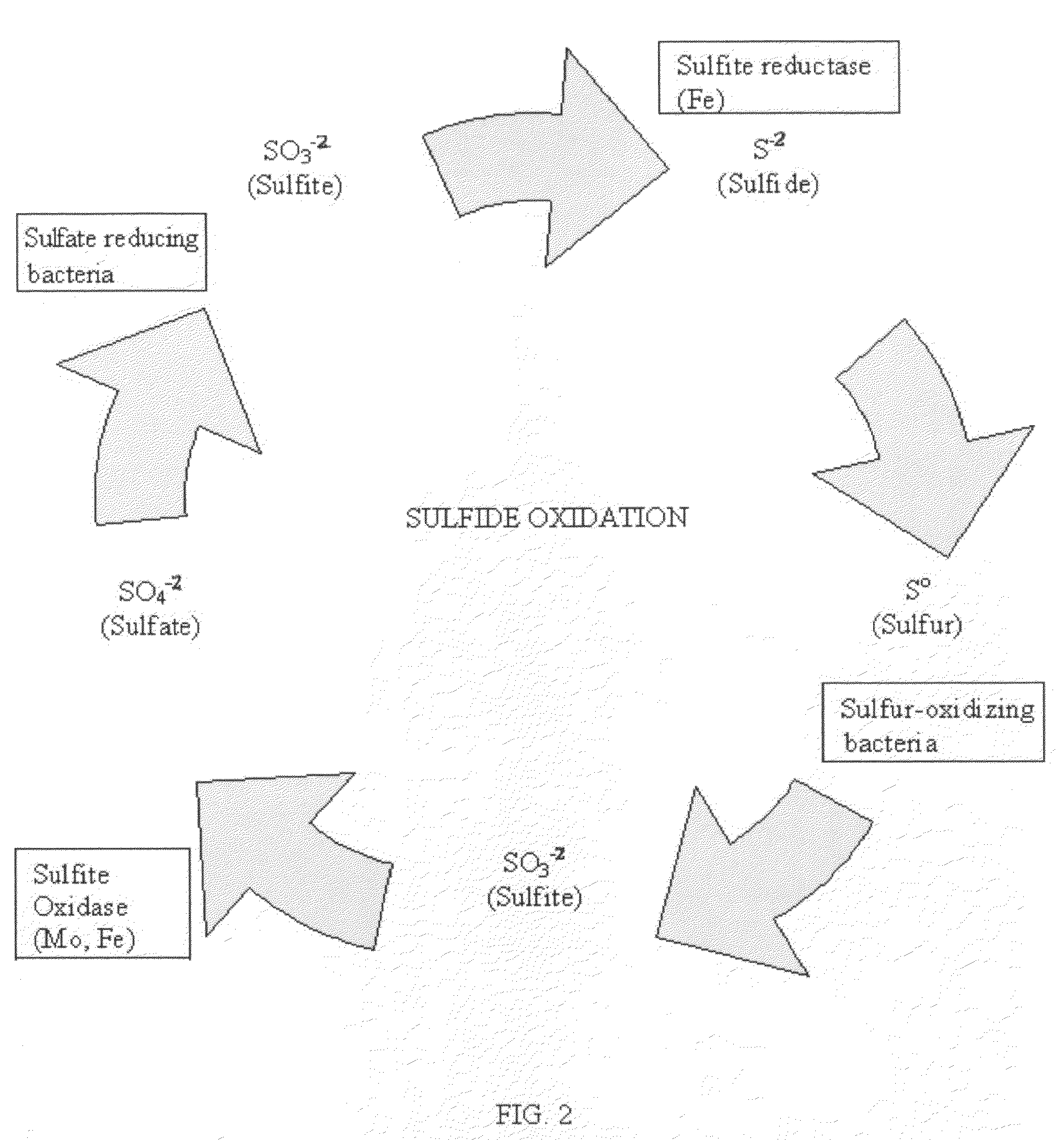
- The method involves acidifying land-applied waters with pH-adjusted sulfur dioxide to create a sustainable soil condition that promotes deeper root penetration and microbial activity, using sulfurous acid to dissolve bicarbonates and increase soil porosity, thereby enhancing carbon assimilation by plants and soil microbes.

Climate Policy Implications for Soil Management
The understanding of how nitrification interacts with soil carbon sequestration has profound implications for climate policy development. As governments worldwide seek effective strategies to mitigate climate change, soil management practices that optimize both nitrogen cycling and carbon storage represent a critical policy opportunity. Current climate policies often address agricultural emissions and soil carbon separately, missing the synergistic potential of integrated approaches.
Policy frameworks must evolve to recognize the dual benefits of managing nitrification processes for enhanced carbon sequestration. This requires transitioning from siloed agricultural and environmental policies toward holistic frameworks that incentivize practices addressing both nitrogen efficiency and carbon storage simultaneously. The implementation of carbon credit systems that specifically reward practices managing nitrification to enhance soil carbon represents a promising policy direction.
International climate agreements should incorporate soil management metrics that account for the nitrification-carbon sequestration relationship. The Paris Agreement's Nationally Determined Contributions (NDCs) could be strengthened by including specific targets for soil management practices that optimize this relationship, providing countries with additional pathways to meet their emissions reduction commitments.
Financial mechanisms represent another critical policy lever. Governments can implement targeted subsidies for farmers adopting nitrification management practices that enhance carbon sequestration, such as precision nitrogen application, use of nitrification inhibitors, and cover cropping systems. These financial incentives must be coupled with robust monitoring, reporting, and verification systems to ensure actual climate benefits.
Research funding policies should prioritize further investigation of the nitrification-carbon sequestration relationship across diverse agricultural systems and climatic zones. This knowledge will enable more precise policy design tailored to regional conditions and farming systems. Additionally, policies supporting technology transfer and capacity building are essential to ensure that advanced soil management practices become accessible to farmers globally, particularly in developing regions.
Educational policies also play a vital role. Integrating soil science into agricultural extension services and formal education systems will build the necessary human capital to implement advanced soil management practices at scale. This knowledge dissemination should emphasize the economic co-benefits of practices that manage nitrification while enhancing carbon sequestration, aligning climate goals with farmers' economic interests.
Policy frameworks must evolve to recognize the dual benefits of managing nitrification processes for enhanced carbon sequestration. This requires transitioning from siloed agricultural and environmental policies toward holistic frameworks that incentivize practices addressing both nitrogen efficiency and carbon storage simultaneously. The implementation of carbon credit systems that specifically reward practices managing nitrification to enhance soil carbon represents a promising policy direction.
International climate agreements should incorporate soil management metrics that account for the nitrification-carbon sequestration relationship. The Paris Agreement's Nationally Determined Contributions (NDCs) could be strengthened by including specific targets for soil management practices that optimize this relationship, providing countries with additional pathways to meet their emissions reduction commitments.
Financial mechanisms represent another critical policy lever. Governments can implement targeted subsidies for farmers adopting nitrification management practices that enhance carbon sequestration, such as precision nitrogen application, use of nitrification inhibitors, and cover cropping systems. These financial incentives must be coupled with robust monitoring, reporting, and verification systems to ensure actual climate benefits.
Research funding policies should prioritize further investigation of the nitrification-carbon sequestration relationship across diverse agricultural systems and climatic zones. This knowledge will enable more precise policy design tailored to regional conditions and farming systems. Additionally, policies supporting technology transfer and capacity building are essential to ensure that advanced soil management practices become accessible to farmers globally, particularly in developing regions.
Educational policies also play a vital role. Integrating soil science into agricultural extension services and formal education systems will build the necessary human capital to implement advanced soil management practices at scale. This knowledge dissemination should emphasize the economic co-benefits of practices that manage nitrification while enhancing carbon sequestration, aligning climate goals with farmers' economic interests.
Agricultural Technology Integration Opportunities
The integration of nitrification management with carbon sequestration technologies presents significant opportunities for agricultural advancement. Modern precision agriculture systems can now incorporate nitrification inhibitors with variable rate application technologies, allowing farmers to optimize nitrogen use efficiency while maximizing carbon storage potential. These systems utilize soil sensors, satellite imagery, and machine learning algorithms to determine optimal application rates based on soil conditions, crop requirements, and carbon sequestration potential.
Digital farming platforms are emerging that integrate nitrification and carbon data streams, providing farmers with comprehensive decision support tools. These platforms can track nitrogen transformation processes alongside soil organic carbon levels, offering real-time recommendations that balance productivity with environmental sustainability. The development of mobile applications connected to these platforms enables field-level implementation of integrated management strategies.
Biotechnology innovations are creating new possibilities through engineered crop varieties with enhanced nitrogen use efficiency and carbon sequestration capabilities. These crops can be designed to form more effective relationships with soil microbes that both regulate nitrification and contribute to stable carbon formation. Microbial amendments specifically formulated to optimize the nitrification-carbon sequestration relationship are becoming commercially available, offering farmers biological tools to complement chemical approaches.
Remote sensing technologies are advancing to simultaneously monitor nitrogen cycling and carbon storage indicators across agricultural landscapes. Hyperspectral imaging can detect subtle changes in plant nitrogen status while also assessing soil organic matter characteristics, providing valuable data for integrated management approaches. These technologies enable landscape-scale optimization of agricultural practices for dual environmental benefits.
Blockchain and carbon market technologies are creating economic incentives for farmers to adopt practices that manage nitrification while enhancing carbon sequestration. These systems can verify and quantify the environmental benefits of integrated management approaches, connecting farmers to emerging carbon markets and sustainability-focused supply chains. The development of standardized measurement protocols for both nitrogen efficiency and carbon sequestration is facilitating this market integration.
Equipment manufacturers are designing new machinery specifically for implementing integrated nitrification-carbon management strategies. These include precision applicators for nitrification inhibitors that simultaneously perform minimal soil disturbance operations to protect soil carbon. Advanced seed drills can place both seeds and soil amendments in configurations that optimize the spatial relationship between nitrogen transformation processes and carbon stabilization zones.
AI-powered decision support systems represent perhaps the most promising integration opportunity, capable of processing complex data on nitrogen cycling, carbon dynamics, weather patterns, and economic factors to generate farm-specific management recommendations that optimize both processes simultaneously.
Digital farming platforms are emerging that integrate nitrification and carbon data streams, providing farmers with comprehensive decision support tools. These platforms can track nitrogen transformation processes alongside soil organic carbon levels, offering real-time recommendations that balance productivity with environmental sustainability. The development of mobile applications connected to these platforms enables field-level implementation of integrated management strategies.
Biotechnology innovations are creating new possibilities through engineered crop varieties with enhanced nitrogen use efficiency and carbon sequestration capabilities. These crops can be designed to form more effective relationships with soil microbes that both regulate nitrification and contribute to stable carbon formation. Microbial amendments specifically formulated to optimize the nitrification-carbon sequestration relationship are becoming commercially available, offering farmers biological tools to complement chemical approaches.
Remote sensing technologies are advancing to simultaneously monitor nitrogen cycling and carbon storage indicators across agricultural landscapes. Hyperspectral imaging can detect subtle changes in plant nitrogen status while also assessing soil organic matter characteristics, providing valuable data for integrated management approaches. These technologies enable landscape-scale optimization of agricultural practices for dual environmental benefits.
Blockchain and carbon market technologies are creating economic incentives for farmers to adopt practices that manage nitrification while enhancing carbon sequestration. These systems can verify and quantify the environmental benefits of integrated management approaches, connecting farmers to emerging carbon markets and sustainability-focused supply chains. The development of standardized measurement protocols for both nitrogen efficiency and carbon sequestration is facilitating this market integration.
Equipment manufacturers are designing new machinery specifically for implementing integrated nitrification-carbon management strategies. These include precision applicators for nitrification inhibitors that simultaneously perform minimal soil disturbance operations to protect soil carbon. Advanced seed drills can place both seeds and soil amendments in configurations that optimize the spatial relationship between nitrogen transformation processes and carbon stabilization zones.
AI-powered decision support systems represent perhaps the most promising integration opportunity, capable of processing complex data on nitrogen cycling, carbon dynamics, weather patterns, and economic factors to generate farm-specific management recommendations that optimize both processes simultaneously.
Unlock deeper insights with PatSnap Eureka Quick Research — get a full tech report to explore trends and direct your research. Try now!
Generate Your Research Report Instantly with AI Agent
Supercharge your innovation with PatSnap Eureka AI Agent Platform!