

Nitrification Activity In Permafrost Soils
SEP 10, 20259 MIN READ
Generate Your Research Report Instantly with AI Agent
PatSnap Eureka helps you evaluate technical feasibility & market potential.
Permafrost Nitrification Background and Research Objectives
Nitrification in permafrost soils represents a critical biogeochemical process that has gained significant attention in recent decades due to its implications for global nitrogen cycling and climate change. Permafrost, defined as soil that remains frozen for two or more consecutive years, covers approximately 24% of the Northern Hemisphere's land surface and stores vast amounts of organic carbon and nitrogen that have accumulated over thousands of years.
The historical understanding of nitrification in these cold environments has evolved substantially since the early 20th century. Initially, researchers believed that microbial activity, including nitrification, was negligible in frozen soils. However, groundbreaking studies in the 1990s revealed that microbial communities could remain active at temperatures well below 0°C, challenging previous assumptions about biological processes in extreme environments.
Nitrification, the biological oxidation of ammonia to nitrite and subsequently to nitrate, serves as a crucial link in the nitrogen cycle. In permafrost systems, this process has unique characteristics due to the extreme conditions, including limited liquid water availability, freeze-thaw cycles, and prolonged periods of darkness in polar regions. These factors create distinctive selective pressures that have led to the evolution of cold-adapted nitrifying microorganisms with specialized metabolic capabilities.
The technological advancements in molecular biology, metagenomics, and biogeochemical analysis techniques have revolutionized our ability to study nitrification in these challenging environments. Modern analytical methods now allow researchers to detect nitrification activity at extremely low rates and identify the responsible microbial communities with unprecedented precision.
The primary research objectives in this field focus on several interconnected aspects. First, characterizing the diversity and abundance of ammonia-oxidizing bacteria (AOB) and ammonia-oxidizing archaea (AOA) in various permafrost ecosystems across different geographical regions. Second, quantifying nitrification rates under different environmental conditions and understanding how these rates respond to thawing events. Third, elucidating the mechanisms that allow nitrifiers to remain active at sub-zero temperatures.
Perhaps most urgently, researchers aim to predict how climate change-induced permafrost thaw will affect nitrification processes and subsequent nitrogen availability in these ecosystems. As permafrost regions warm at approximately twice the global average rate, understanding these nitrogen transformation pathways becomes increasingly critical for modeling ecosystem responses and potential feedback mechanisms to climate change.
The technological trajectory in this field points toward integrating multi-omics approaches with in-situ monitoring systems to capture real-time changes in nitrification activity across seasonal cycles and in response to environmental perturbations. These advances will be essential for developing accurate predictive models of nitrogen cycling in rapidly changing Arctic and sub-Arctic ecosystems.
The historical understanding of nitrification in these cold environments has evolved substantially since the early 20th century. Initially, researchers believed that microbial activity, including nitrification, was negligible in frozen soils. However, groundbreaking studies in the 1990s revealed that microbial communities could remain active at temperatures well below 0°C, challenging previous assumptions about biological processes in extreme environments.
Nitrification, the biological oxidation of ammonia to nitrite and subsequently to nitrate, serves as a crucial link in the nitrogen cycle. In permafrost systems, this process has unique characteristics due to the extreme conditions, including limited liquid water availability, freeze-thaw cycles, and prolonged periods of darkness in polar regions. These factors create distinctive selective pressures that have led to the evolution of cold-adapted nitrifying microorganisms with specialized metabolic capabilities.
The technological advancements in molecular biology, metagenomics, and biogeochemical analysis techniques have revolutionized our ability to study nitrification in these challenging environments. Modern analytical methods now allow researchers to detect nitrification activity at extremely low rates and identify the responsible microbial communities with unprecedented precision.
The primary research objectives in this field focus on several interconnected aspects. First, characterizing the diversity and abundance of ammonia-oxidizing bacteria (AOB) and ammonia-oxidizing archaea (AOA) in various permafrost ecosystems across different geographical regions. Second, quantifying nitrification rates under different environmental conditions and understanding how these rates respond to thawing events. Third, elucidating the mechanisms that allow nitrifiers to remain active at sub-zero temperatures.
Perhaps most urgently, researchers aim to predict how climate change-induced permafrost thaw will affect nitrification processes and subsequent nitrogen availability in these ecosystems. As permafrost regions warm at approximately twice the global average rate, understanding these nitrogen transformation pathways becomes increasingly critical for modeling ecosystem responses and potential feedback mechanisms to climate change.
The technological trajectory in this field points toward integrating multi-omics approaches with in-situ monitoring systems to capture real-time changes in nitrification activity across seasonal cycles and in response to environmental perturbations. These advances will be essential for developing accurate predictive models of nitrogen cycling in rapidly changing Arctic and sub-Arctic ecosystems.
Market Applications for Permafrost Soil Microbial Research
The market for permafrost soil microbial research is experiencing significant growth due to increasing awareness of climate change impacts and the critical role of permafrost in global carbon cycling. The commercial applications span multiple sectors, with environmental monitoring and remediation representing the largest market segment. Companies specializing in environmental assessment are increasingly incorporating permafrost nitrification analysis into their service offerings, particularly in Arctic regions where infrastructure development requires thorough environmental impact studies.
Agricultural biotechnology firms have begun exploring the unique enzymes and microbial communities from permafrost soils for potential applications in cold-climate agriculture. These cold-adapted nitrifying bacteria offer promising solutions for improving nitrogen cycling in agricultural systems in northern regions, potentially reducing fertilizer requirements and environmental impacts while extending growing seasons.
The pharmaceutical and industrial biotechnology sectors represent emerging markets for permafrost microbial research. Novel enzymes capable of functioning at low temperatures have applications in detergent manufacturing, food processing, and bioremediation technologies. Several biotechnology startups have secured venture capital funding specifically targeting the commercialization of cold-adapted enzymes from permafrost nitrifiers.
Carbon market opportunities are expanding rapidly as companies seek verified carbon sequestration methods. Understanding nitrification processes in permafrost soils is essential for developing accurate carbon accounting protocols in northern ecosystems, creating demand for specialized consulting services and monitoring technologies.
Academic and government research funding continues to be a substantial market driver, with major grants focused on understanding permafrost microbial dynamics. This has created a specialized equipment market for permafrost sampling tools, portable analysis devices, and laboratory equipment designed for low-temperature microbiology.
The data analytics sector has also identified opportunities in permafrost research, with several companies developing specialized software for modeling nitrogen cycling in thawing permafrost. These predictive tools are valuable for climate scientists, land managers, and policy makers concerned with nitrogen pollution from degrading permafrost.
Tourism represents an unexpected market application, with eco-tourism companies incorporating educational components about permafrost microbiology into Arctic and sub-Arctic tour packages, highlighting the invisible but crucial role of soil microorganisms in these sensitive ecosystems.
Agricultural biotechnology firms have begun exploring the unique enzymes and microbial communities from permafrost soils for potential applications in cold-climate agriculture. These cold-adapted nitrifying bacteria offer promising solutions for improving nitrogen cycling in agricultural systems in northern regions, potentially reducing fertilizer requirements and environmental impacts while extending growing seasons.
The pharmaceutical and industrial biotechnology sectors represent emerging markets for permafrost microbial research. Novel enzymes capable of functioning at low temperatures have applications in detergent manufacturing, food processing, and bioremediation technologies. Several biotechnology startups have secured venture capital funding specifically targeting the commercialization of cold-adapted enzymes from permafrost nitrifiers.
Carbon market opportunities are expanding rapidly as companies seek verified carbon sequestration methods. Understanding nitrification processes in permafrost soils is essential for developing accurate carbon accounting protocols in northern ecosystems, creating demand for specialized consulting services and monitoring technologies.
Academic and government research funding continues to be a substantial market driver, with major grants focused on understanding permafrost microbial dynamics. This has created a specialized equipment market for permafrost sampling tools, portable analysis devices, and laboratory equipment designed for low-temperature microbiology.
The data analytics sector has also identified opportunities in permafrost research, with several companies developing specialized software for modeling nitrogen cycling in thawing permafrost. These predictive tools are valuable for climate scientists, land managers, and policy makers concerned with nitrogen pollution from degrading permafrost.
Tourism represents an unexpected market application, with eco-tourism companies incorporating educational components about permafrost microbiology into Arctic and sub-Arctic tour packages, highlighting the invisible but crucial role of soil microorganisms in these sensitive ecosystems.
Current Challenges in Permafrost Nitrification Research
Despite significant advances in understanding nitrification processes in temperate soils, research on permafrost nitrification faces several substantial challenges. The extreme environmental conditions of permafrost regions create unique methodological and conceptual obstacles that hinder comprehensive understanding of nitrogen cycling in these critical ecosystems.
Sampling difficulties represent a primary challenge, as permafrost regions are often remote and inaccessible, requiring specialized equipment and logistics for proper sample collection. The fragile nature of permafrost samples means that thawing during transport can significantly alter microbial communities and biochemical properties, potentially invalidating research findings.
Temperature sensitivity presents another major hurdle, as nitrifying microorganisms in permafrost have adapted to function at near-freezing temperatures. Standard laboratory protocols designed for mesophilic organisms often fail to accurately capture the activity of psychrophilic nitrifiers, leading to potential underestimation of actual nitrification rates in these environments.
The spatial heterogeneity of permafrost soils further complicates research efforts. Cryoturbation and freeze-thaw cycles create complex soil structures with highly variable microbial habitats across small spatial scales. This heterogeneity makes it difficult to obtain representative samples and extrapolate findings across broader permafrost landscapes.
Temporal dynamics add another layer of complexity, as seasonal variations in temperature and moisture dramatically affect nitrification activity. The short growing season in Arctic and Antarctic regions means that annual nitrogen cycling patterns differ substantially from those in temperate regions, requiring specialized monitoring approaches.
Methodological limitations also impede progress, as many standard techniques for measuring nitrification rates were developed for agricultural soils and may not be suitable for the low-activity, carbon-rich permafrost environments. Isotope-based methods often require significant adaptation for accurate application in these systems.
The complex interplay between thawing permafrost and changing nitrification rates represents perhaps the most pressing research challenge. As climate change accelerates permafrost thaw, understanding how nitrification processes respond to these changing conditions is critical but methodologically difficult to study under controlled conditions that accurately reflect field scenarios.
Finally, the lack of long-term monitoring sites in permafrost regions limits our understanding of how nitrification processes are changing over time in response to climate warming. Establishing and maintaining such monitoring networks in remote regions requires substantial investment and international cooperation that has not yet been fully realized.
Sampling difficulties represent a primary challenge, as permafrost regions are often remote and inaccessible, requiring specialized equipment and logistics for proper sample collection. The fragile nature of permafrost samples means that thawing during transport can significantly alter microbial communities and biochemical properties, potentially invalidating research findings.
Temperature sensitivity presents another major hurdle, as nitrifying microorganisms in permafrost have adapted to function at near-freezing temperatures. Standard laboratory protocols designed for mesophilic organisms often fail to accurately capture the activity of psychrophilic nitrifiers, leading to potential underestimation of actual nitrification rates in these environments.
The spatial heterogeneity of permafrost soils further complicates research efforts. Cryoturbation and freeze-thaw cycles create complex soil structures with highly variable microbial habitats across small spatial scales. This heterogeneity makes it difficult to obtain representative samples and extrapolate findings across broader permafrost landscapes.
Temporal dynamics add another layer of complexity, as seasonal variations in temperature and moisture dramatically affect nitrification activity. The short growing season in Arctic and Antarctic regions means that annual nitrogen cycling patterns differ substantially from those in temperate regions, requiring specialized monitoring approaches.
Methodological limitations also impede progress, as many standard techniques for measuring nitrification rates were developed for agricultural soils and may not be suitable for the low-activity, carbon-rich permafrost environments. Isotope-based methods often require significant adaptation for accurate application in these systems.
The complex interplay between thawing permafrost and changing nitrification rates represents perhaps the most pressing research challenge. As climate change accelerates permafrost thaw, understanding how nitrification processes respond to these changing conditions is critical but methodologically difficult to study under controlled conditions that accurately reflect field scenarios.
Finally, the lack of long-term monitoring sites in permafrost regions limits our understanding of how nitrification processes are changing over time in response to climate warming. Establishing and maintaining such monitoring networks in remote regions requires substantial investment and international cooperation that has not yet been fully realized.
Existing Methodologies for Measuring Soil Nitrification Activity
01 Biological nitrification processes in wastewater treatment
Biological nitrification processes involve the oxidation of ammonia to nitrite and then to nitrate by nitrifying bacteria. These processes are crucial in wastewater treatment systems for removing nitrogen compounds. The activity of nitrifying bacteria can be enhanced through optimized environmental conditions such as temperature, pH, and dissolved oxygen levels. Advanced bioreactor designs can improve nitrification efficiency by providing ideal habitats for nitrifying microorganisms.- Biological nitrification processes using microorganisms: Biological nitrification processes involve the use of specific microorganisms to convert ammonia to nitrite and then to nitrate. These processes typically employ nitrifying bacteria such as Nitrosomonas and Nitrobacter species in controlled environments. The efficiency of these biological processes depends on factors like oxygen availability, temperature, pH, and the presence of inhibitory substances. These systems are widely used in wastewater treatment plants and aquaculture facilities to reduce ammonia toxicity.
- Enhanced nitrification through environmental parameter control: Nitrification activity can be significantly enhanced by controlling environmental parameters such as temperature, pH, dissolved oxygen levels, and hydraulic retention time. Maintaining optimal conditions (pH 7.5-8.5, temperature 25-35°C, and sufficient dissolved oxygen) can maximize the efficiency of nitrifying bacteria. Advanced monitoring systems and automated controls are employed to maintain these parameters within ideal ranges, resulting in more stable and efficient nitrification processes in both industrial and municipal applications.
- Nitrification inhibitors and activity measurement techniques: Various compounds and methods have been developed to either inhibit or measure nitrification activity. Nitrification inhibitors are used in agricultural applications to slow the conversion of ammonium to nitrate, reducing nitrogen losses through leaching and denitrification. Techniques for measuring nitrification activity include respirometry, molecular methods targeting functional genes, and chemical analyses that track the conversion of ammonia to nitrite and nitrate. These measurements are crucial for optimizing process control and evaluating system performance.
- Reactor designs and carrier materials for nitrification: Advanced reactor designs and specialized carrier materials have been developed to enhance nitrification processes. These include moving bed biofilm reactors (MBBR), sequencing batch reactors (SBR), and integrated fixed-film activated sludge systems. Various carrier materials such as plastic media, ceramic, and natural materials provide surface area for biofilm attachment, increasing the concentration of nitrifying bacteria within the system. The design of these reactors focuses on optimizing oxygen transfer, reducing inhibitory effects, and maintaining stable microbial communities.
- Partial nitrification and novel nitrification pathways: Recent advances in nitrification technology include partial nitrification processes and the discovery of novel nitrification pathways. Partial nitrification stops at nitrite production rather than proceeding to nitrate, which can be advantageous for subsequent denitrification processes, reducing oxygen and carbon requirements. Novel nitrification pathways include anaerobic ammonia oxidation (anammox) and complete ammonia oxidation (comammox) processes. These innovative approaches offer more energy-efficient and sustainable alternatives to conventional nitrification, particularly for high-strength wastewater treatment.
02 Nitrification inhibitors for agricultural applications
Nitrification inhibitors are compounds that slow down the biological oxidation of ammonium to nitrate in soil. These inhibitors are used in agriculture to improve nitrogen use efficiency by reducing nitrogen losses through leaching and denitrification. By temporarily suppressing nitrification activity, these compounds help maintain nitrogen in the ammonium form, which is less mobile in soil and more available to plants over extended periods, resulting in improved crop yields and reduced environmental impact.Expand Specific Solutions03 Monitoring and measurement of nitrification activity
Various methods and devices have been developed to monitor and measure nitrification activity in environmental and engineered systems. These include sensors that detect changes in ammonia, nitrite, or nitrate concentrations, respirometric techniques that measure oxygen consumption rates, and molecular biological tools that quantify nitrifying microorganism populations. Accurate monitoring of nitrification activity is essential for process control in wastewater treatment plants and for assessing soil health in agricultural settings.Expand Specific Solutions04 Enhanced nitrification through microbial community management
Managing microbial communities to enhance nitrification involves selecting and enriching specific nitrifying bacteria or archaea that demonstrate high nitrification activity. This can be achieved through bioaugmentation, where nitrifying microorganisms are added to a system, or through creating selective conditions that favor the growth of desired nitrifiers. Understanding the ecology and interactions within microbial communities helps optimize nitrification processes in various applications, from wastewater treatment to aquaculture systems.Expand Specific Solutions05 Novel reactor designs for improved nitrification
Innovative reactor designs have been developed to enhance nitrification activity in treatment systems. These include moving bed biofilm reactors, membrane bioreactors, and sequencing batch reactors that provide optimal conditions for nitrifying microorganisms. Key design features focus on maximizing surface area for biofilm development, ensuring efficient oxygen transfer, and creating favorable hydraulic conditions. These advanced reactor configurations can achieve higher nitrification rates, greater process stability, and reduced footprint compared to conventional systems.Expand Specific Solutions
Leading Research Institutions and Industry Stakeholders
Nitrification activity in permafrost soils represents an emerging research field at the intersection of climate science and agriculture, currently in its early development stage. The market is expanding as climate change accelerates permafrost thaw, creating new agricultural opportunities in previously frozen regions. Research institutions like the University of Melbourne, Zhejiang University, and the Institute of Soil Science (Chinese Academy of Sciences) are leading academic investigations, while companies including BASF, Tessenderlo Group, and Verdesian Life Sciences are developing specialized fertilizers and soil amendments for these unique environments. Agricultural technology firms such as Soilgenic Technologies and Actagro are advancing innovative solutions to enhance nitrification processes in these challenging soils, though most technologies remain in developmental phases requiring further field validation before widespread commercial application.
BASF Corp.
Technical Solution: BASF Corp. has developed the "CryoNitro Stabilization System" for managing nitrogen transformations in permafrost-affected agricultural soils. This technology addresses the challenges of nitrogen management in regions experiencing permafrost thaw due to climate change. Their approach combines specialized nitrification inhibitors with temperature-responsive polymer coatings that modulate release based on soil thaw conditions. The core technology includes compounds that selectively target ammonia monooxygenase enzymes of both bacterial and archaeal nitrifiers that are active at near-freezing temperatures. BASF's research has identified unique chemical structures that maintain inhibitory activity at low temperatures where conventional nitrification inhibitors lose effectiveness. Their field trials across Alaska and northern Canada have demonstrated that these specialized inhibitors can reduce nitrous oxide emissions from thawing permafrost soils by up to 60% compared to untreated controls. Additionally, BASF has developed companion diagnostic tools that farmers can use to assess nitrification potential in previously frozen soils that are newly available for agriculture, helping to optimize nitrogen application rates and timing in these sensitive ecosystems.
Strengths: Their products are specifically formulated for the unique conditions of thawing permafrost soils, addressing a growing agricultural market in northern regions. Their approach combines fundamental understanding of cold-adapted nitrifiers with practical agricultural solutions. Weaknesses: The technology primarily focuses on agricultural applications rather than natural ecosystem processes. Their products may have limited effectiveness in the extremely heterogeneous conditions typical of permafrost landscapes.
University of Melbourne
Technical Solution: The University of Melbourne has developed an innovative approach to studying nitrification activity in permafrost soils through their "CryoNitro" research program. This technology combines cryogenic sampling techniques with advanced molecular biology tools to preserve and analyze the functional activity of nitrifying microorganisms in frozen soil environments. Their methodology includes specialized low-temperature incubation chambers that simulate permafrost conditions while allowing real-time measurement of nitrification rates using microsensors and isotope tracing. The university's researchers have engineered custom gene expression assays targeting ammonia monooxygenase (amoA) and nitrite oxidoreductase (nxrB) genes that function at near-freezing temperatures, enabling the identification of psychrophilic nitrifiers previously undetectable by standard methods. Their work has revealed distinct nitrification pathways in permafrost soils compared to temperate environments, with archaeal ammonia oxidizers dominating in deeper permafrost layers while bacterial nitrifiers become more prevalent during thaw conditions.
Strengths: Their integrated approach combining field measurements with laboratory simulations provides comprehensive understanding of nitrification processes under varying temperature regimes. Their molecular tools are specifically designed for low-temperature environments. Weaknesses: The sophisticated equipment required limits widespread application in remote Arctic regions, and their models may not fully account for the heterogeneity of permafrost landscapes across different global regions.
Key Scientific Breakthroughs in Permafrost Nitrogen Cycling
Method and vehicle for applying an agrochemical mixture to a working area of a field
PatentActiveZA202002634A
Innovation
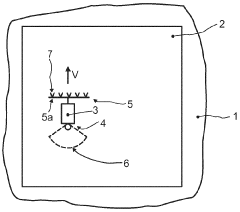
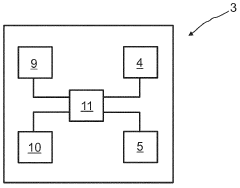
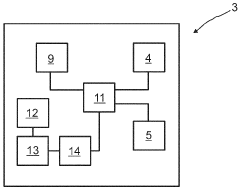
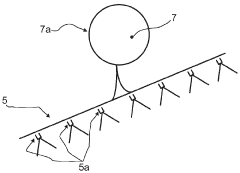
- A method involving a vehicle-mounted system to separately apply solid fertilizers and liquid fertilizer additives, allowing for precise control of their ratio and timing to minimize nitrogen losses, using a solid fertilizer spreading device and a field sprayer configured to prevent contact and maintain even distribution, with optional use of nitrification, urease, or denitrification inhibitors to optimize fertilizer efficiency.
Denitrification process
PatentInactiveUS20110073544A1
Innovation
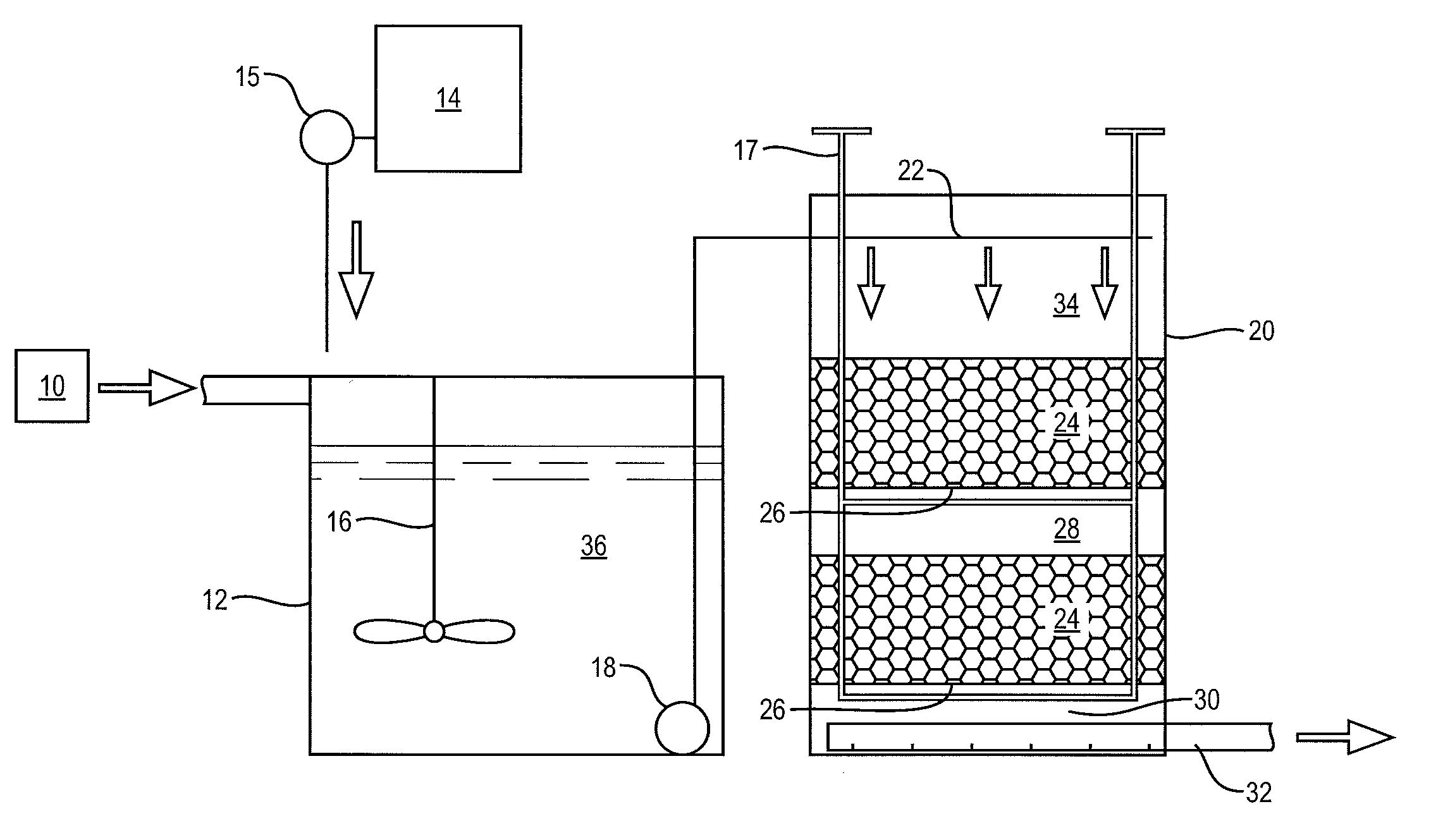
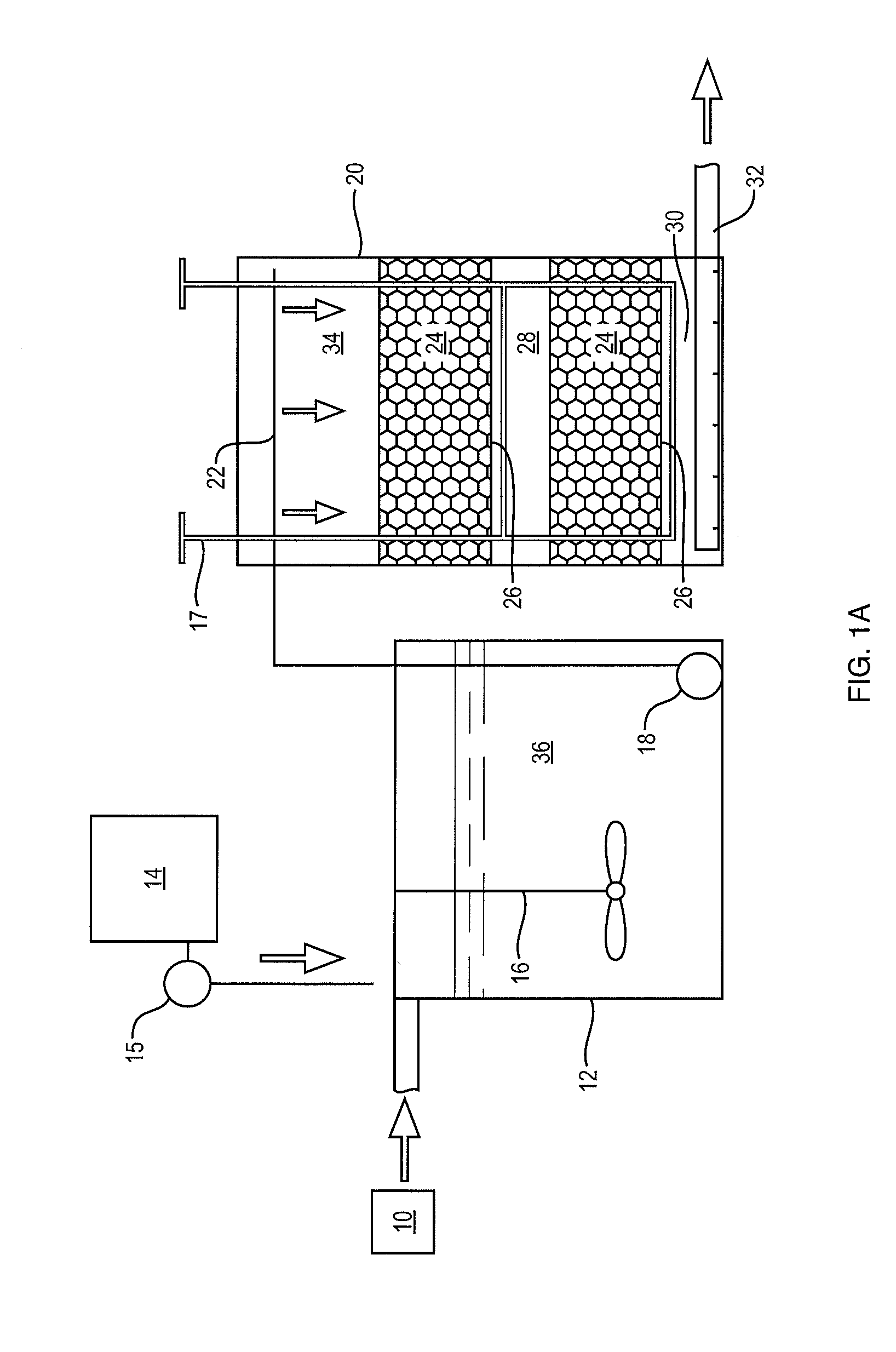
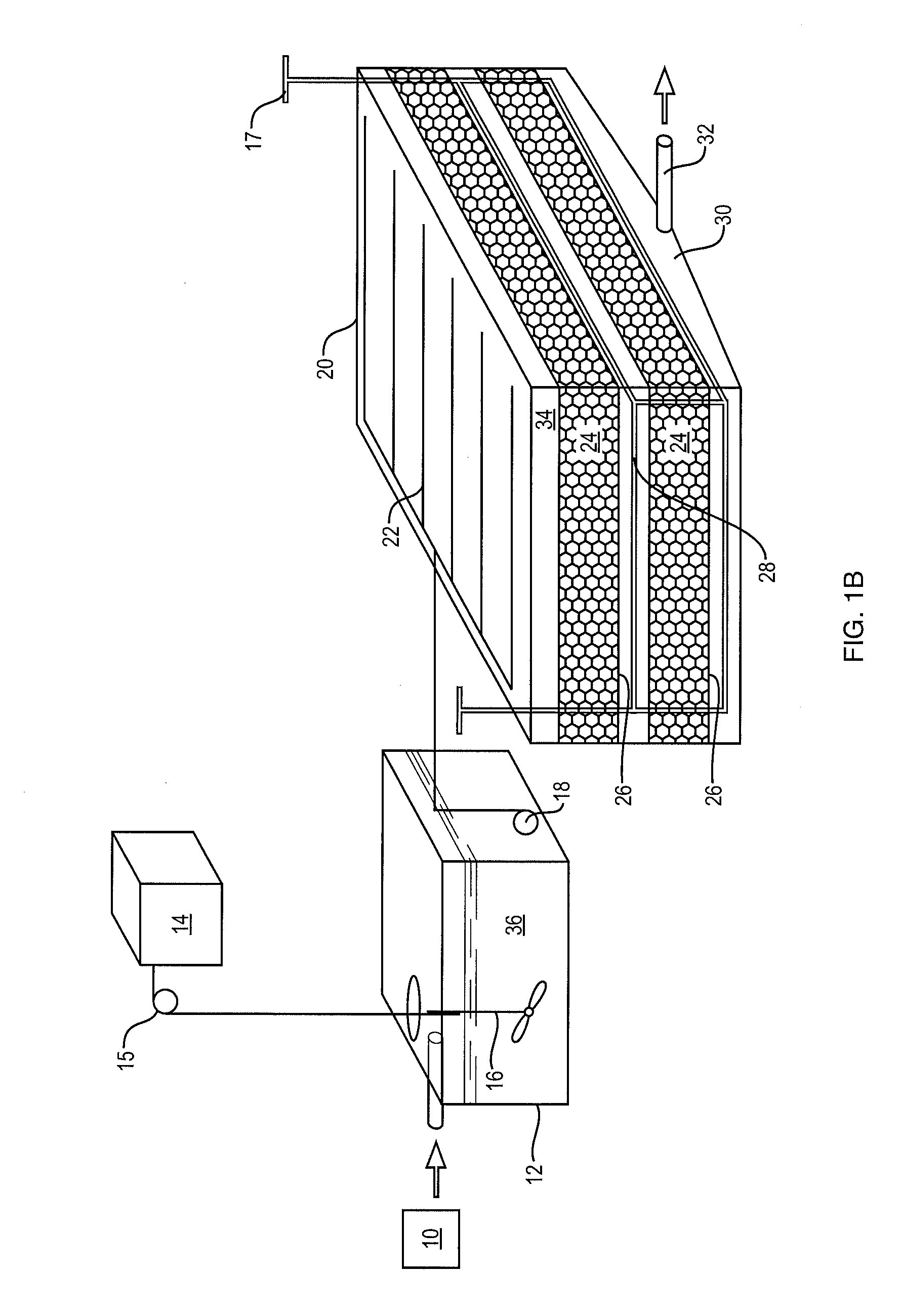
- A method involving the mixing of organic carbon with treated effluent to create a favorable carbon-to-nitrogen ratio, which is then applied to manmade or natural filters and soils to induce denitrification, using MicroC™ as a preferred carbon source, to reduce total nitrogen concentrations.

Climate Change Impacts on Permafrost Nitrogen Dynamics
Climate change is significantly altering the thermal regime of permafrost regions, with profound implications for nitrogen cycling processes. As global temperatures rise, permafrost thaw accelerates, releasing previously frozen organic matter and nutrients that have been sequestered for thousands of years. This phenomenon is particularly concerning for nitrification activity—the microbial conversion of ammonium to nitrite and nitrate—which plays a crucial role in nitrogen availability for plant growth and ecosystem functioning.
The warming of permafrost soils creates a more favorable environment for nitrifying bacteria and archaea, potentially increasing nitrification rates in these historically nitrogen-limited ecosystems. Research indicates that as permafrost thaws, the active layer deepens, extending the seasonal period during which nitrification can occur. This temporal extension of microbial activity, coupled with increased substrate availability from decomposing organic matter, can dramatically alter nitrogen dynamics across Arctic and subarctic landscapes.
Hydrological changes accompanying permafrost thaw further complicate nitrogen cycling. Thawing often leads to soil subsidence and altered drainage patterns, creating a mosaic of wetter and drier conditions. In waterlogged areas, oxygen limitation may inhibit nitrification while promoting denitrification and potentially increasing nitrous oxide emissions—a potent greenhouse gas. Conversely, in well-drained areas, enhanced nitrification may lead to increased nitrate leaching into waterways, affecting downstream aquatic ecosystems.
The temperature sensitivity of nitrification processes in permafrost soils exhibits threshold responses that are not fully captured in current climate models. Studies suggest that even modest warming can trigger disproportionate increases in nitrification rates once temperature thresholds are crossed. This non-linear response presents challenges for predicting future nitrogen availability in these rapidly changing ecosystems.
Shifts in vegetation communities resulting from climate change also influence nitrification activity through plant-microbe interactions. The expansion of shrubs and trees into tundra regions alters root exudate profiles and mycorrhizal associations, which can either stimulate or suppress nitrifying communities depending on specific plant traits and environmental conditions.
The cascading effects of altered nitrification activity extend beyond local nitrogen availability to influence carbon storage potential. Enhanced nitrogen mineralization may initially stimulate plant productivity and carbon sequestration, but sustained increases in nitrogen availability could ultimately accelerate decomposition processes, potentially converting these ecosystems from carbon sinks to sources—creating a positive feedback loop that further exacerbates climate change impacts.
The warming of permafrost soils creates a more favorable environment for nitrifying bacteria and archaea, potentially increasing nitrification rates in these historically nitrogen-limited ecosystems. Research indicates that as permafrost thaws, the active layer deepens, extending the seasonal period during which nitrification can occur. This temporal extension of microbial activity, coupled with increased substrate availability from decomposing organic matter, can dramatically alter nitrogen dynamics across Arctic and subarctic landscapes.
Hydrological changes accompanying permafrost thaw further complicate nitrogen cycling. Thawing often leads to soil subsidence and altered drainage patterns, creating a mosaic of wetter and drier conditions. In waterlogged areas, oxygen limitation may inhibit nitrification while promoting denitrification and potentially increasing nitrous oxide emissions—a potent greenhouse gas. Conversely, in well-drained areas, enhanced nitrification may lead to increased nitrate leaching into waterways, affecting downstream aquatic ecosystems.
The temperature sensitivity of nitrification processes in permafrost soils exhibits threshold responses that are not fully captured in current climate models. Studies suggest that even modest warming can trigger disproportionate increases in nitrification rates once temperature thresholds are crossed. This non-linear response presents challenges for predicting future nitrogen availability in these rapidly changing ecosystems.
Shifts in vegetation communities resulting from climate change also influence nitrification activity through plant-microbe interactions. The expansion of shrubs and trees into tundra regions alters root exudate profiles and mycorrhizal associations, which can either stimulate or suppress nitrifying communities depending on specific plant traits and environmental conditions.
The cascading effects of altered nitrification activity extend beyond local nitrogen availability to influence carbon storage potential. Enhanced nitrogen mineralization may initially stimulate plant productivity and carbon sequestration, but sustained increases in nitrogen availability could ultimately accelerate decomposition processes, potentially converting these ecosystems from carbon sinks to sources—creating a positive feedback loop that further exacerbates climate change impacts.
Environmental Monitoring Technologies for Arctic Ecosystems
Environmental monitoring technologies for Arctic ecosystems have evolved significantly in response to the growing need to understand nitrification activity in permafrost soils. Traditional monitoring methods, which relied heavily on manual sampling and laboratory analysis, have given way to more sophisticated, automated systems capable of providing real-time data on soil conditions and microbial processes.
Remote sensing technologies, including satellite imagery and aerial drones equipped with multispectral and hyperspectral sensors, now enable researchers to monitor large-scale changes in Arctic vegetation patterns and soil characteristics that may indicate shifts in nitrification activity. These technologies can detect subtle changes in vegetation health, soil moisture, and temperature gradients across vast and often inaccessible permafrost regions.
In-situ sensor networks represent another significant advancement in monitoring technologies. These networks typically consist of wireless sensor nodes equipped with various probes that measure soil temperature, moisture, oxygen levels, and nitrogen compounds. Modern sensors can detect ammonia, nitrite, and nitrate concentrations at the parts-per-billion level, providing crucial data on nitrification processes in real-time.
Molecular monitoring techniques have also been integrated into field-deployable platforms. Environmental DNA (eDNA) analysis and quantitative PCR methods allow for the detection and quantification of nitrifying bacteria and archaea directly in the field. These techniques can identify the presence and abundance of key microbial communities responsible for nitrification in permafrost soils without requiring extensive laboratory processing.
Emerging technologies include autonomous robotic systems designed to traverse Arctic terrain while collecting soil samples and conducting preliminary analyses. These robots can be programmed to follow predetermined sampling patterns or adapt their collection strategies based on real-time data analysis, significantly increasing the spatial and temporal resolution of monitoring efforts.
Data integration platforms have become essential components of Arctic monitoring systems. These platforms combine data from multiple sources—including in-situ sensors, remote sensing, and laboratory analyses—to create comprehensive models of nitrification activity across different permafrost landscapes. Machine learning algorithms are increasingly being applied to these integrated datasets to identify patterns and predict changes in nitrification processes under various climate scenarios.
The development of low-power, cold-resistant electronics has been crucial for the deployment of monitoring technologies in the harsh Arctic environment. Recent innovations in battery technology, solar panels, and wind turbines designed specifically for polar conditions have extended the operational lifespan of monitoring stations, allowing for continuous data collection throughout the Arctic year.
Remote sensing technologies, including satellite imagery and aerial drones equipped with multispectral and hyperspectral sensors, now enable researchers to monitor large-scale changes in Arctic vegetation patterns and soil characteristics that may indicate shifts in nitrification activity. These technologies can detect subtle changes in vegetation health, soil moisture, and temperature gradients across vast and often inaccessible permafrost regions.
In-situ sensor networks represent another significant advancement in monitoring technologies. These networks typically consist of wireless sensor nodes equipped with various probes that measure soil temperature, moisture, oxygen levels, and nitrogen compounds. Modern sensors can detect ammonia, nitrite, and nitrate concentrations at the parts-per-billion level, providing crucial data on nitrification processes in real-time.
Molecular monitoring techniques have also been integrated into field-deployable platforms. Environmental DNA (eDNA) analysis and quantitative PCR methods allow for the detection and quantification of nitrifying bacteria and archaea directly in the field. These techniques can identify the presence and abundance of key microbial communities responsible for nitrification in permafrost soils without requiring extensive laboratory processing.
Emerging technologies include autonomous robotic systems designed to traverse Arctic terrain while collecting soil samples and conducting preliminary analyses. These robots can be programmed to follow predetermined sampling patterns or adapt their collection strategies based on real-time data analysis, significantly increasing the spatial and temporal resolution of monitoring efforts.
Data integration platforms have become essential components of Arctic monitoring systems. These platforms combine data from multiple sources—including in-situ sensors, remote sensing, and laboratory analyses—to create comprehensive models of nitrification activity across different permafrost landscapes. Machine learning algorithms are increasingly being applied to these integrated datasets to identify patterns and predict changes in nitrification processes under various climate scenarios.
The development of low-power, cold-resistant electronics has been crucial for the deployment of monitoring technologies in the harsh Arctic environment. Recent innovations in battery technology, solar panels, and wind turbines designed specifically for polar conditions have extended the operational lifespan of monitoring stations, allowing for continuous data collection throughout the Arctic year.
Unlock deeper insights with PatSnap Eureka Quick Research — get a full tech report to explore trends and direct your research. Try now!
Generate Your Research Report Instantly with AI Agent
Supercharge your innovation with PatSnap Eureka AI Agent Platform!