

How to Address Aromatic Compounds Environmental Risks
MAR 5, 20269 MIN READ
Generate Your Research Report Instantly with AI Agent
PatSnap Eureka helps you evaluate technical feasibility & market potential.
Aromatic Compounds Environmental Risk Background and Objectives
Aromatic compounds represent a significant class of organic chemicals characterized by their benzene ring structures, which have become ubiquitous in modern industrial applications and environmental systems. These compounds, including benzene, toluene, xylene, polycyclic aromatic hydrocarbons (PAHs), and various substituted aromatics, are fundamental building blocks in petrochemical industries, pharmaceutical manufacturing, and synthetic material production. Their widespread use has led to extensive environmental distribution through industrial emissions, vehicular exhaust, fossil fuel combustion, and chemical manufacturing processes.
The environmental persistence and bioaccumulation potential of many aromatic compounds have raised substantial concerns regarding their long-term ecological and human health impacts. These substances often exhibit resistance to natural degradation processes due to their stable ring structures, leading to accumulation in soil, water bodies, and atmospheric systems. The lipophilic nature of many aromatic compounds facilitates their bioaccumulation in fatty tissues of organisms, potentially causing biomagnification through food chains.
Historical industrial practices have resulted in widespread contamination of environmental matrices, with notable incidents such as groundwater contamination from underground storage tanks, soil pollution from former manufactured gas plants, and atmospheric pollution in urban areas. The recognition of carcinogenic, mutagenic, and endocrine-disrupting properties of various aromatic compounds has intensified regulatory scrutiny and public health concerns.
Current environmental challenges encompass multiple exposure pathways including direct contact with contaminated media, inhalation of volatile aromatic compounds, and ingestion through contaminated food and water sources. The complexity of aromatic compound mixtures in real-world scenarios further complicates risk assessment and remediation efforts, as synergistic effects and transformation products may exhibit different toxicological profiles than parent compounds.
The primary objective of addressing aromatic compounds environmental risks involves developing comprehensive strategies that integrate source control, environmental remediation, exposure reduction, and long-term monitoring systems. This encompasses advancing detection and quantification methodologies for trace-level analysis, developing cost-effective remediation technologies suitable for various environmental matrices, and establishing robust risk assessment frameworks that account for mixture effects and vulnerable populations.
Strategic goals include implementing preventive measures to minimize future releases, restoring contaminated environments to acceptable risk levels, and establishing sustainable management practices that balance industrial needs with environmental protection. The integration of emerging technologies such as advanced oxidation processes, bioremediation enhancement techniques, and real-time monitoring systems represents critical components in achieving these environmental protection objectives.
The environmental persistence and bioaccumulation potential of many aromatic compounds have raised substantial concerns regarding their long-term ecological and human health impacts. These substances often exhibit resistance to natural degradation processes due to their stable ring structures, leading to accumulation in soil, water bodies, and atmospheric systems. The lipophilic nature of many aromatic compounds facilitates their bioaccumulation in fatty tissues of organisms, potentially causing biomagnification through food chains.
Historical industrial practices have resulted in widespread contamination of environmental matrices, with notable incidents such as groundwater contamination from underground storage tanks, soil pollution from former manufactured gas plants, and atmospheric pollution in urban areas. The recognition of carcinogenic, mutagenic, and endocrine-disrupting properties of various aromatic compounds has intensified regulatory scrutiny and public health concerns.
Current environmental challenges encompass multiple exposure pathways including direct contact with contaminated media, inhalation of volatile aromatic compounds, and ingestion through contaminated food and water sources. The complexity of aromatic compound mixtures in real-world scenarios further complicates risk assessment and remediation efforts, as synergistic effects and transformation products may exhibit different toxicological profiles than parent compounds.
The primary objective of addressing aromatic compounds environmental risks involves developing comprehensive strategies that integrate source control, environmental remediation, exposure reduction, and long-term monitoring systems. This encompasses advancing detection and quantification methodologies for trace-level analysis, developing cost-effective remediation technologies suitable for various environmental matrices, and establishing robust risk assessment frameworks that account for mixture effects and vulnerable populations.
Strategic goals include implementing preventive measures to minimize future releases, restoring contaminated environments to acceptable risk levels, and establishing sustainable management practices that balance industrial needs with environmental protection. The integration of emerging technologies such as advanced oxidation processes, bioremediation enhancement techniques, and real-time monitoring systems represents critical components in achieving these environmental protection objectives.
Market Demand for Aromatic Risk Mitigation Solutions
The global market for aromatic risk mitigation solutions is experiencing unprecedented growth driven by increasingly stringent environmental regulations and heightened public awareness of health hazards associated with aromatic compound exposure. Industrial sectors including petrochemicals, pharmaceuticals, automotive, and manufacturing are facing mounting pressure to implement comprehensive risk management strategies for benzene, toluene, xylene, and other aromatic compounds.
Regulatory frameworks across major economies are becoming more restrictive, with agencies like the EPA, European Chemicals Agency, and similar bodies in Asia-Pacific regions establishing lower permissible exposure limits and stricter emission standards. This regulatory tightening is creating substantial demand for advanced monitoring systems, containment technologies, and remediation solutions that can effectively address aromatic contamination in air, water, and soil matrices.
The industrial remediation segment represents the largest market opportunity, as legacy contamination from decades of industrial activity requires extensive cleanup efforts. Manufacturing facilities, refineries, and chemical plants are investing heavily in soil vapor extraction systems, bioremediation technologies, and advanced oxidation processes specifically designed for aromatic compound treatment. The complexity of aromatic contamination often requires multi-technology approaches, driving demand for integrated solution packages.
Occupational safety requirements are generating significant demand for real-time monitoring and personal protective equipment tailored to aromatic exposure risks. Industries with high aromatic exposure potential are seeking sophisticated detection systems capable of measuring trace concentrations and providing immediate alerts when exposure thresholds are approached.
The water treatment sector is witnessing growing demand for specialized filtration and purification technologies capable of removing aromatic compounds from industrial wastewater and contaminated groundwater. Advanced membrane technologies, activated carbon systems, and catalytic treatment processes are experiencing increased adoption rates as discharge standards become more stringent.
Emerging markets in developing economies present substantial growth opportunities as industrialization accelerates and environmental awareness increases. These regions are beginning to implement more comprehensive environmental protection frameworks, creating new demand for aromatic risk mitigation technologies and services that were previously considered non-essential.
The market is also being shaped by corporate sustainability initiatives and environmental, social, and governance considerations, as companies proactively address aromatic compound risks to maintain competitive positioning and stakeholder confidence in increasingly environmentally conscious markets.
Regulatory frameworks across major economies are becoming more restrictive, with agencies like the EPA, European Chemicals Agency, and similar bodies in Asia-Pacific regions establishing lower permissible exposure limits and stricter emission standards. This regulatory tightening is creating substantial demand for advanced monitoring systems, containment technologies, and remediation solutions that can effectively address aromatic contamination in air, water, and soil matrices.
The industrial remediation segment represents the largest market opportunity, as legacy contamination from decades of industrial activity requires extensive cleanup efforts. Manufacturing facilities, refineries, and chemical plants are investing heavily in soil vapor extraction systems, bioremediation technologies, and advanced oxidation processes specifically designed for aromatic compound treatment. The complexity of aromatic contamination often requires multi-technology approaches, driving demand for integrated solution packages.
Occupational safety requirements are generating significant demand for real-time monitoring and personal protective equipment tailored to aromatic exposure risks. Industries with high aromatic exposure potential are seeking sophisticated detection systems capable of measuring trace concentrations and providing immediate alerts when exposure thresholds are approached.
The water treatment sector is witnessing growing demand for specialized filtration and purification technologies capable of removing aromatic compounds from industrial wastewater and contaminated groundwater. Advanced membrane technologies, activated carbon systems, and catalytic treatment processes are experiencing increased adoption rates as discharge standards become more stringent.
Emerging markets in developing economies present substantial growth opportunities as industrialization accelerates and environmental awareness increases. These regions are beginning to implement more comprehensive environmental protection frameworks, creating new demand for aromatic risk mitigation technologies and services that were previously considered non-essential.
The market is also being shaped by corporate sustainability initiatives and environmental, social, and governance considerations, as companies proactively address aromatic compound risks to maintain competitive positioning and stakeholder confidence in increasingly environmentally conscious markets.
Current Environmental Challenges of Aromatic Compounds
Aromatic compounds present multifaceted environmental challenges that span across air, water, and soil contamination pathways. These organic pollutants, characterized by their benzene ring structures, exhibit exceptional persistence in environmental matrices due to their chemical stability and resistance to natural degradation processes. The widespread industrial use of aromatic compounds in petrochemicals, pharmaceuticals, plastics, and solvents has resulted in their ubiquitous presence in environmental systems globally.
Atmospheric contamination represents a primary concern, with volatile aromatic compounds such as benzene, toluene, ethylbenzene, and xylenes contributing significantly to air quality deterioration. These compounds readily evaporate at ambient temperatures, leading to widespread atmospheric dispersion and potential human exposure through inhalation. Urban areas particularly suffer from elevated concentrations due to vehicular emissions and industrial activities, creating persistent air quality challenges that exceed regulatory thresholds in many metropolitan regions.
Groundwater and surface water contamination poses another critical environmental challenge. Aromatic compounds demonstrate varying degrees of water solubility, with some exhibiting sufficient mobility to migrate through soil layers and contaminate aquifer systems. Industrial spills, leaking underground storage tanks, and improper waste disposal practices have created extensive groundwater plumes that persist for decades. The remediation of these contaminated water sources requires sophisticated treatment technologies and substantial financial investments.
Soil contamination by aromatic compounds creates long-term environmental liabilities that affect ecosystem health and agricultural productivity. These compounds can accumulate in soil organic matter, creating persistent contamination zones that resist natural attenuation processes. Former industrial sites, particularly those associated with petroleum refining, chemical manufacturing, and coal processing, often contain elevated concentrations of aromatic pollutants that require extensive remediation efforts.
The bioaccumulation potential of certain aromatic compounds amplifies their environmental impact through food chain magnification. Polycyclic aromatic hydrocarbons, in particular, demonstrate significant bioaccumulation in aquatic organisms and terrestrial wildlife, leading to ecosystem-wide contamination patterns. This bioaccumulation creates cascading effects throughout ecological networks, affecting biodiversity and ecosystem stability.
Regulatory frameworks worldwide have established increasingly stringent limits for aromatic compound emissions and environmental concentrations, reflecting growing awareness of their environmental and health impacts. However, enforcement challenges and the legacy contamination from historical industrial activities continue to pose significant environmental management challenges that require innovative technological solutions and comprehensive remediation strategies.
Atmospheric contamination represents a primary concern, with volatile aromatic compounds such as benzene, toluene, ethylbenzene, and xylenes contributing significantly to air quality deterioration. These compounds readily evaporate at ambient temperatures, leading to widespread atmospheric dispersion and potential human exposure through inhalation. Urban areas particularly suffer from elevated concentrations due to vehicular emissions and industrial activities, creating persistent air quality challenges that exceed regulatory thresholds in many metropolitan regions.
Groundwater and surface water contamination poses another critical environmental challenge. Aromatic compounds demonstrate varying degrees of water solubility, with some exhibiting sufficient mobility to migrate through soil layers and contaminate aquifer systems. Industrial spills, leaking underground storage tanks, and improper waste disposal practices have created extensive groundwater plumes that persist for decades. The remediation of these contaminated water sources requires sophisticated treatment technologies and substantial financial investments.
Soil contamination by aromatic compounds creates long-term environmental liabilities that affect ecosystem health and agricultural productivity. These compounds can accumulate in soil organic matter, creating persistent contamination zones that resist natural attenuation processes. Former industrial sites, particularly those associated with petroleum refining, chemical manufacturing, and coal processing, often contain elevated concentrations of aromatic pollutants that require extensive remediation efforts.
The bioaccumulation potential of certain aromatic compounds amplifies their environmental impact through food chain magnification. Polycyclic aromatic hydrocarbons, in particular, demonstrate significant bioaccumulation in aquatic organisms and terrestrial wildlife, leading to ecosystem-wide contamination patterns. This bioaccumulation creates cascading effects throughout ecological networks, affecting biodiversity and ecosystem stability.
Regulatory frameworks worldwide have established increasingly stringent limits for aromatic compound emissions and environmental concentrations, reflecting growing awareness of their environmental and health impacts. However, enforcement challenges and the legacy contamination from historical industrial activities continue to pose significant environmental management challenges that require innovative technological solutions and comprehensive remediation strategies.
Existing Aromatic Pollution Control Solutions
01 Biodegradation methods for aromatic compounds
Technologies focused on biological degradation of aromatic compounds using microorganisms, enzymes, or biocatalysts to break down hazardous aromatic pollutants in environmental settings. These methods utilize natural or engineered biological systems to convert toxic aromatic compounds into less harmful substances, reducing environmental contamination and ecological risks.- Biodegradation methods for aromatic compounds: Technologies for biodegrading aromatic compounds using microorganisms or enzymes to reduce environmental contamination. These methods involve the use of specific bacterial strains or enzymatic systems capable of breaking down complex aromatic structures into less harmful substances. The biodegradation processes can be applied to contaminated soil, water, or industrial waste streams to mitigate environmental risks associated with aromatic pollutants.
- Detection and monitoring systems for aromatic pollutants: Development of analytical methods and sensor technologies for detecting and quantifying aromatic compounds in environmental samples. These systems enable real-time monitoring of aromatic pollutant levels in air, water, and soil matrices. Advanced detection techniques include biosensors, spectroscopic methods, and chromatographic analysis to assess environmental contamination and support risk management strategies.
- Adsorption and removal technologies for aromatic contaminants: Use of adsorbent materials and filtration systems to remove aromatic compounds from contaminated environments. These technologies employ activated carbon, zeolites, or novel nanomaterials to capture and isolate aromatic pollutants from water or air streams. The adsorption processes provide effective remediation solutions for reducing environmental exposure to hazardous aromatic substances.
- Chemical transformation and detoxification processes: Application of chemical oxidation, reduction, or catalytic processes to transform aromatic compounds into less toxic derivatives. These methods include advanced oxidation processes, photocatalytic degradation, and chemical treatment systems that modify the molecular structure of aromatic pollutants. The transformation processes aim to reduce toxicity and environmental persistence of aromatic contaminants.
- Risk assessment and environmental impact evaluation: Frameworks and methodologies for assessing the environmental risks posed by aromatic compounds, including toxicity evaluation, exposure assessment, and ecological impact studies. These approaches integrate environmental fate modeling, bioaccumulation analysis, and hazard characterization to support regulatory decision-making and environmental protection strategies for aromatic pollutants.
02 Chemical treatment and remediation technologies
Chemical processes and treatment methods designed to neutralize, transform, or remove aromatic compounds from contaminated environments. These technologies employ oxidation, reduction, or other chemical reactions to detoxify aromatic pollutants in soil, water, or air, minimizing their environmental impact and health risks.Expand Specific Solutions03 Detection and monitoring systems for aromatic pollutants
Analytical methods and sensor technologies for identifying, quantifying, and monitoring aromatic compounds in environmental matrices. These systems enable real-time or laboratory-based assessment of aromatic contamination levels, supporting risk assessment and regulatory compliance for environmental protection.Expand Specific Solutions04 Adsorption and filtration materials for aromatic compound removal
Development of adsorbent materials, filters, and separation technologies specifically designed to capture and remove aromatic compounds from contaminated media. These materials utilize physical or chemical adsorption mechanisms to sequester aromatic pollutants, preventing their spread and reducing environmental exposure risks.Expand Specific Solutions05 Risk assessment and mitigation strategies for aromatic compounds
Comprehensive approaches for evaluating environmental and health risks associated with aromatic compound exposure, including toxicity assessment, exposure modeling, and development of mitigation strategies. These methodologies provide frameworks for understanding the environmental fate of aromatic pollutants and implementing effective control measures to protect ecosystems and human health.Expand Specific Solutions
Key Players in Environmental Remediation Industry
The aromatic compounds environmental risk mitigation sector represents a mature yet evolving industry driven by stringent regulatory frameworks and growing environmental consciousness. The market demonstrates substantial scale, encompassing petrochemical giants like SABIC, Sinopec, and BASF alongside specialized environmental remediation firms such as Tersus Environmental and Remediation Products Inc. Technology maturity varies significantly across applications - while established players like Chevron Oronite and Solvay leverage proven chemical processing technologies, emerging solutions from companies like Green Source Energy and innovative research from institutions including MIT and Osaka University are advancing next-generation remediation approaches. The competitive landscape features a hybrid structure combining large-scale industrial manufacturers with niche environmental specialists, supported by extensive academic research partnerships. Market consolidation around major chemical corporations suggests capital-intensive barriers, yet specialized remediation technologies offer differentiation opportunities for smaller players addressing specific contamination challenges.
BASF Corp.
Technical Solution: BASF has developed comprehensive aromatic compound risk management solutions through advanced catalytic oxidation technologies and bioengineering approaches. Their proprietary catalyst systems enable efficient degradation of benzene, toluene, and xylene compounds at lower temperatures, reducing energy consumption by up to 40% compared to traditional thermal oxidation methods. The company also employs engineered microorganisms for bioremediation of aromatic-contaminated soil and groundwater, achieving removal efficiencies exceeding 95% for BTEX compounds. Additionally, BASF has implemented green chemistry principles in their manufacturing processes, developing alternative aromatic compounds with reduced environmental persistence and toxicity profiles.
Strengths: Industry-leading catalyst technology, comprehensive bioremediation solutions, strong R&D capabilities. Weaknesses: High initial investment costs, complex process optimization requirements.
Solvay SA
Technical Solution: Solvay has pioneered innovative membrane separation technologies and advanced oxidation processes for aromatic compound treatment. Their proprietary PVDF membranes demonstrate exceptional selectivity for aromatic compound removal, achieving over 99% separation efficiency while maintaining long-term stability in harsh chemical environments. The company's Fenton-based advanced oxidation systems utilize hydrogen peroxide and iron catalysts to break down persistent aromatic pollutants into harmless byproducts. Solvay also focuses on developing bio-based alternatives to traditional aromatic solvents, reducing environmental impact at the source. Their integrated approach combines prevention, treatment, and monitoring technologies to provide comprehensive environmental risk management solutions.
Strengths: Advanced membrane technology, proven oxidation processes, sustainable alternatives development. Weaknesses: Limited scalability for large-scale applications, membrane fouling issues.
Core Technologies for Aromatic Compound Degradation
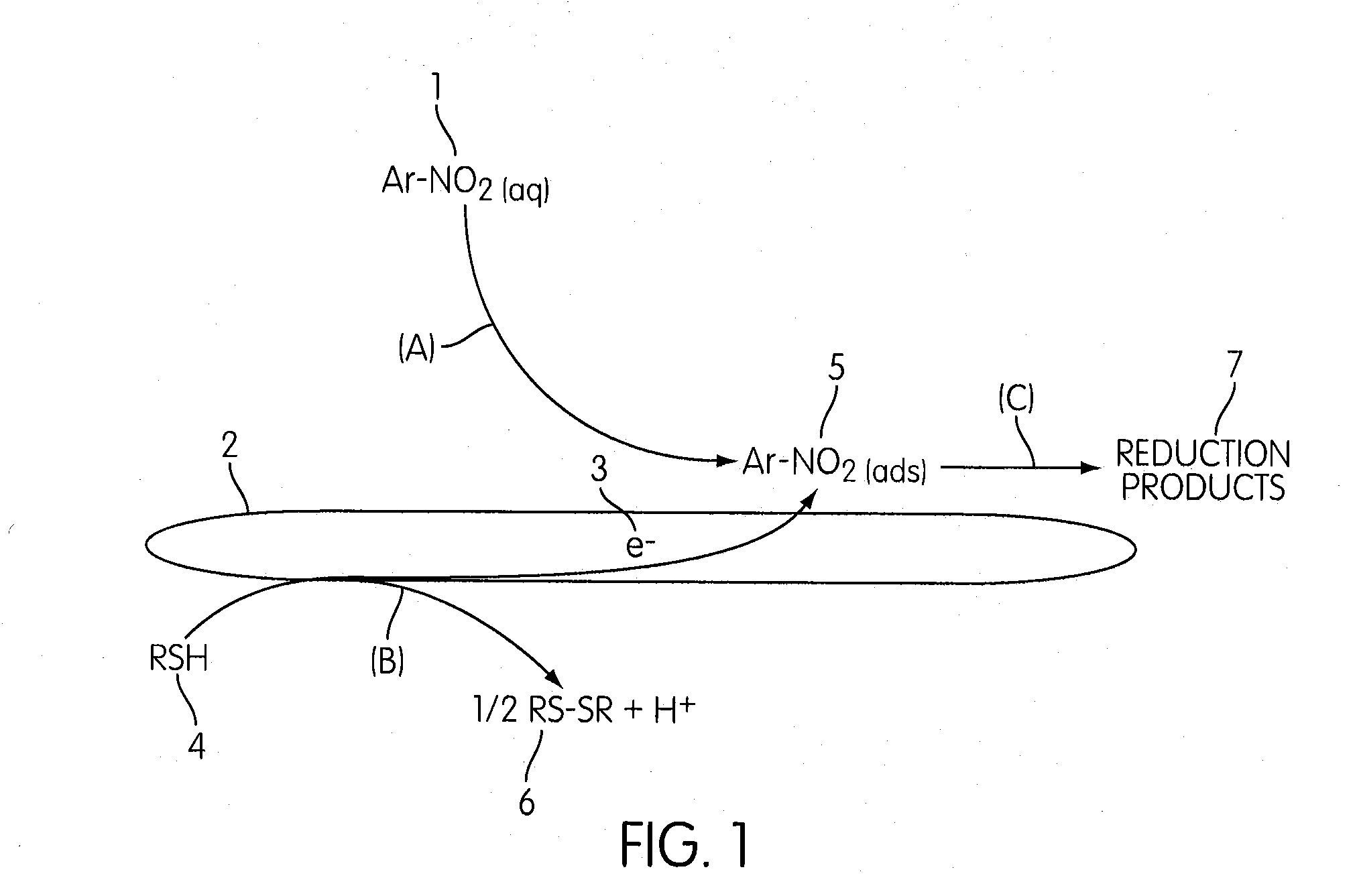
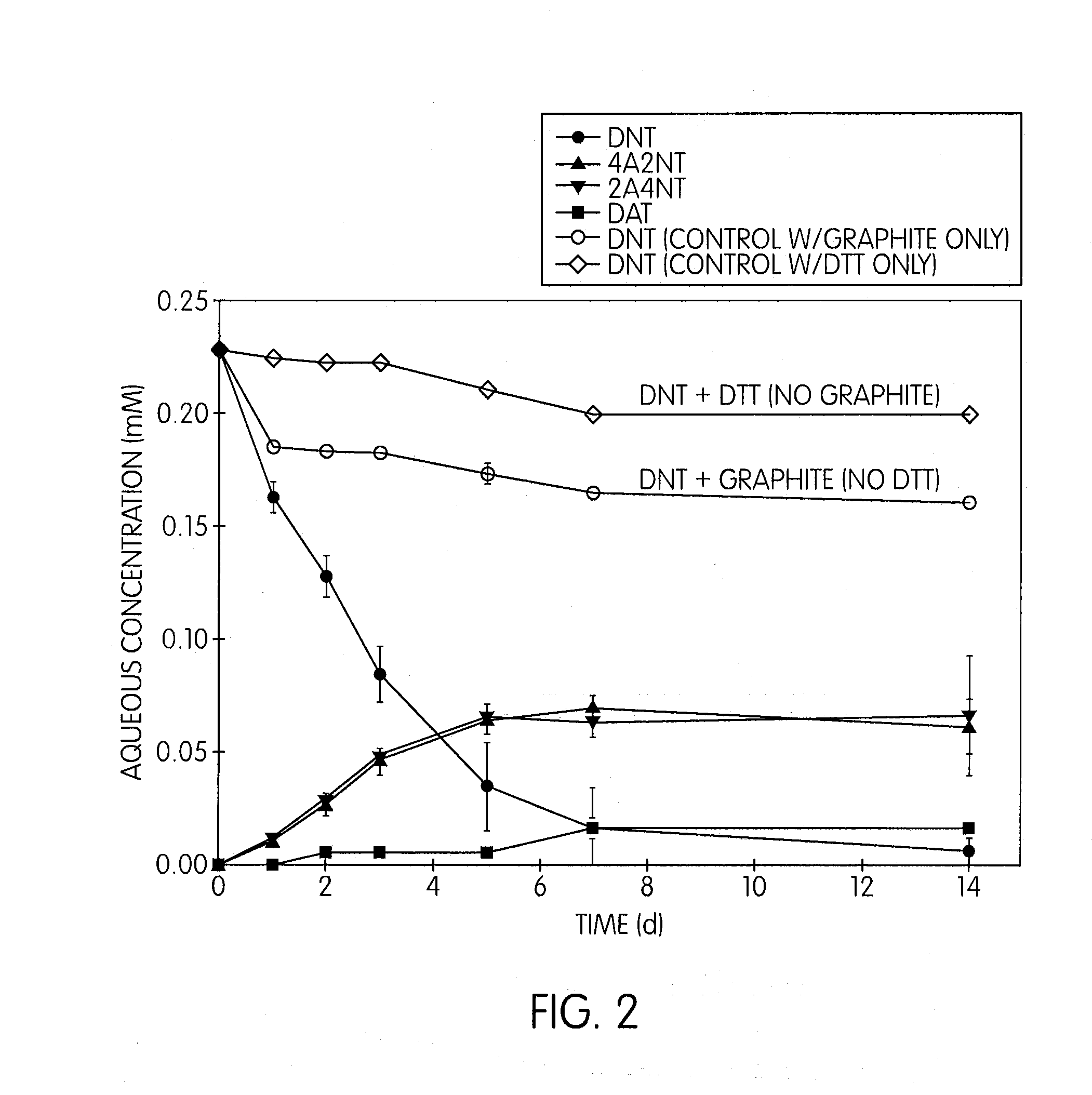
Method for remediating nitro and/or halogenated compound-contaminated soil, sediment or water using graphitic carbon as a catalytic sorbent
PatentInactiveUS20100158612A1
Innovation
- The use of graphitic carbon as both an adsorbent and catalyst, in conjunction with reducing agents like elemental iron or sulfur-containing compounds, to facilitate reductive degradation of adsorbed organic contaminants, converting them into more water-soluble and biodegradable compounds.
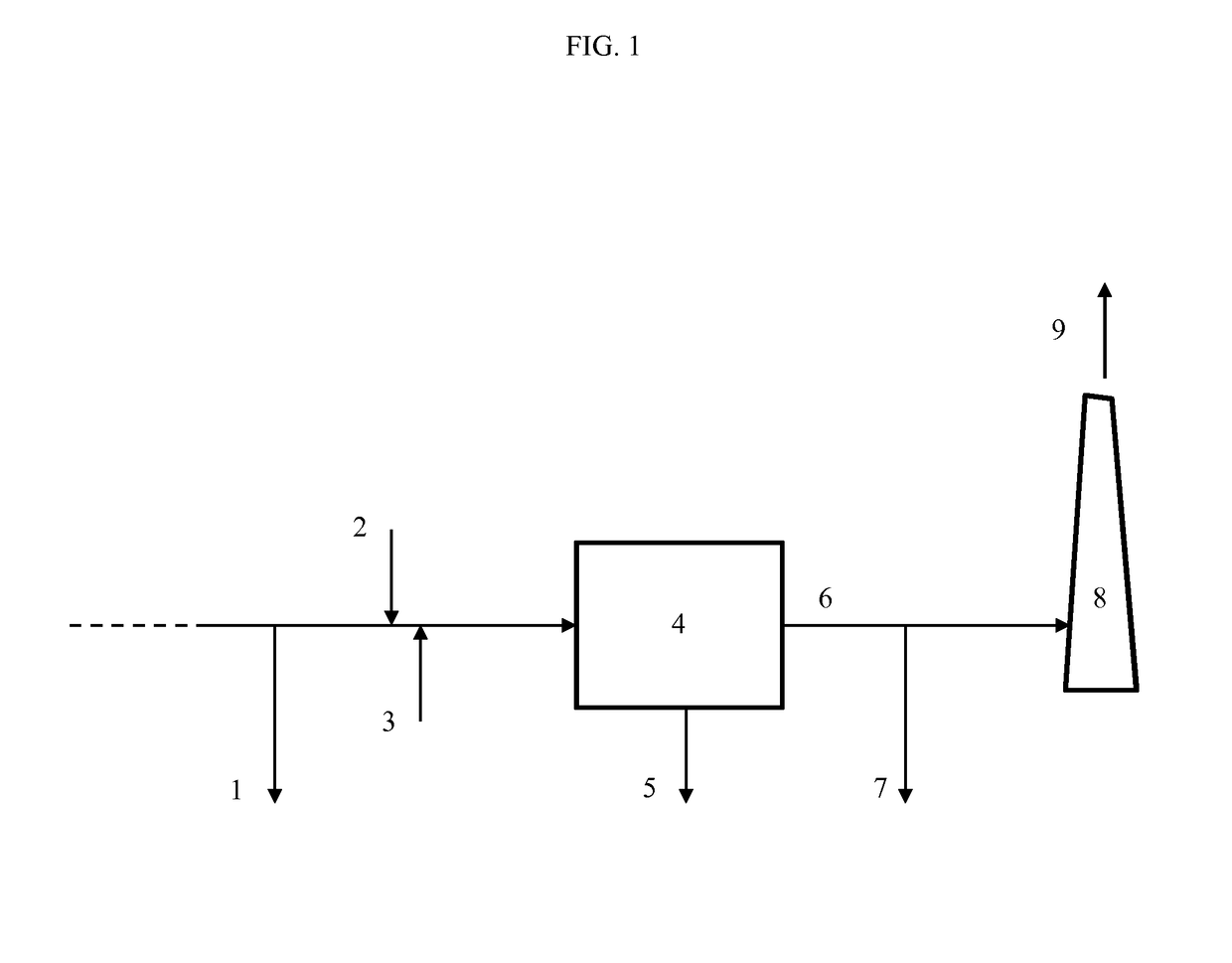
Process for treating a gas contaminated by metals or organics compounds using a calcium-phosphate reactant comprising apatite
PatentInactiveUS20180169573A1
Innovation
- A process using a calcium-phosphate reactant comprising apatite is introduced, which is brought into contact with contaminated gas streams at controlled temperatures, along with an alkaline compound, to effectively absorb and retain heavy metals and organic compounds, minimizing the need for active carbon and enhancing dispersion and porosity, thereby maintaining targeted concentration levels and reducing pollutant release.
Environmental Regulations for Aromatic Compounds
The regulatory landscape for aromatic compounds has evolved significantly over the past decades, driven by mounting scientific evidence of their environmental and health impacts. These regulations form a comprehensive framework addressing emissions, handling, disposal, and remediation of aromatic pollutants across multiple jurisdictions.
At the international level, the Stockholm Convention on Persistent Organic Pollutants establishes binding commitments for controlling polycyclic aromatic hydrocarbons (PAHs), recognizing their persistent, bioaccumulative, and toxic properties. The Basel Convention complements this by regulating transboundary movements of aromatic compound wastes, ensuring proper disposal and preventing environmental dumping in developing nations.
Regional frameworks demonstrate varying approaches to aromatic compound regulation. The European Union's REACH regulation requires comprehensive registration, evaluation, and authorization of aromatic chemicals, with specific restrictions on high-concern substances like benzene and toluene. The Industrial Emissions Directive sets stringent emission limits for facilities handling aromatic compounds, mandating best available techniques for pollution control.
In the United States, the Clean Air Act regulates aromatic compounds as hazardous air pollutants, establishing National Emission Standards for Hazardous Air Pollutants (NESHAP) that target specific industrial sources. The Resource Conservation and Recovery Act governs aromatic waste management, classifying many aromatic compounds as hazardous wastes requiring specialized treatment and disposal protocols.
Emerging regulatory trends focus on lifecycle approaches and precautionary principles. Many jurisdictions are implementing green chemistry initiatives that encourage substitution of hazardous aromatic compounds with safer alternatives. Extended producer responsibility frameworks are being developed to address aromatic compound contamination throughout product lifecycles.
Enforcement mechanisms vary significantly across regions, ranging from administrative penalties to criminal sanctions for severe violations. Regulatory agencies increasingly employ advanced monitoring technologies and data analytics to detect non-compliance and assess environmental impacts. The integration of environmental justice considerations is also becoming more prominent, with enhanced protections for vulnerable communities disproportionately affected by aromatic compound pollution.
At the international level, the Stockholm Convention on Persistent Organic Pollutants establishes binding commitments for controlling polycyclic aromatic hydrocarbons (PAHs), recognizing their persistent, bioaccumulative, and toxic properties. The Basel Convention complements this by regulating transboundary movements of aromatic compound wastes, ensuring proper disposal and preventing environmental dumping in developing nations.
Regional frameworks demonstrate varying approaches to aromatic compound regulation. The European Union's REACH regulation requires comprehensive registration, evaluation, and authorization of aromatic chemicals, with specific restrictions on high-concern substances like benzene and toluene. The Industrial Emissions Directive sets stringent emission limits for facilities handling aromatic compounds, mandating best available techniques for pollution control.
In the United States, the Clean Air Act regulates aromatic compounds as hazardous air pollutants, establishing National Emission Standards for Hazardous Air Pollutants (NESHAP) that target specific industrial sources. The Resource Conservation and Recovery Act governs aromatic waste management, classifying many aromatic compounds as hazardous wastes requiring specialized treatment and disposal protocols.
Emerging regulatory trends focus on lifecycle approaches and precautionary principles. Many jurisdictions are implementing green chemistry initiatives that encourage substitution of hazardous aromatic compounds with safer alternatives. Extended producer responsibility frameworks are being developed to address aromatic compound contamination throughout product lifecycles.
Enforcement mechanisms vary significantly across regions, ranging from administrative penalties to criminal sanctions for severe violations. Regulatory agencies increasingly employ advanced monitoring technologies and data analytics to detect non-compliance and assess environmental impacts. The integration of environmental justice considerations is also becoming more prominent, with enhanced protections for vulnerable communities disproportionately affected by aromatic compound pollution.
Sustainability Assessment of Remediation Technologies
The sustainability assessment of aromatic compound remediation technologies requires a comprehensive evaluation framework that balances environmental effectiveness, economic viability, and social acceptability. This multi-dimensional approach ensures that selected remediation strategies not only address immediate contamination concerns but also contribute to long-term environmental stewardship and community well-being.
Environmental sustainability metrics form the cornerstone of technology assessment. Life cycle analysis reveals that bioremediation technologies typically demonstrate superior environmental profiles compared to thermal treatment methods, generating 60-80% fewer greenhouse gas emissions. In-situ remediation approaches minimize soil disturbance and preserve ecosystem integrity, while ex-situ methods often require significant energy inputs for excavation and transportation. The carbon footprint varies dramatically across technologies, with phytoremediation showing net carbon sequestration potential and chemical oxidation processes exhibiting higher emission intensities.
Economic sustainability evaluation encompasses both direct remediation costs and broader socioeconomic impacts. Initial capital investments range from $50-200 per cubic meter for biological treatments to $300-800 per cubic meter for advanced oxidation processes. However, long-term operational costs and maintenance requirements significantly influence total cost of ownership. Bioremediation technologies demonstrate favorable economic sustainability through lower operational expenses, though extended treatment timeframes may increase monitoring costs.
Social sustainability considerations address community acceptance, health protection, and equitable access to clean environments. Technologies generating minimal noise, odor, or visual disruption typically achieve higher community acceptance rates. Stakeholder engagement processes reveal preferences for nature-based solutions over industrial treatment methods, particularly in residential areas. The assessment framework must incorporate environmental justice principles, ensuring that remediation strategies do not disproportionately burden vulnerable populations.
Integrated sustainability scoring systems enable comparative technology evaluation across multiple criteria. Weighted scoring matrices typically assign 40% importance to environmental factors, 35% to economic considerations, and 25% to social impacts. This holistic assessment approach supports decision-making processes that optimize overall sustainability performance rather than focusing solely on technical effectiveness or cost minimization.
Environmental sustainability metrics form the cornerstone of technology assessment. Life cycle analysis reveals that bioremediation technologies typically demonstrate superior environmental profiles compared to thermal treatment methods, generating 60-80% fewer greenhouse gas emissions. In-situ remediation approaches minimize soil disturbance and preserve ecosystem integrity, while ex-situ methods often require significant energy inputs for excavation and transportation. The carbon footprint varies dramatically across technologies, with phytoremediation showing net carbon sequestration potential and chemical oxidation processes exhibiting higher emission intensities.
Economic sustainability evaluation encompasses both direct remediation costs and broader socioeconomic impacts. Initial capital investments range from $50-200 per cubic meter for biological treatments to $300-800 per cubic meter for advanced oxidation processes. However, long-term operational costs and maintenance requirements significantly influence total cost of ownership. Bioremediation technologies demonstrate favorable economic sustainability through lower operational expenses, though extended treatment timeframes may increase monitoring costs.
Social sustainability considerations address community acceptance, health protection, and equitable access to clean environments. Technologies generating minimal noise, odor, or visual disruption typically achieve higher community acceptance rates. Stakeholder engagement processes reveal preferences for nature-based solutions over industrial treatment methods, particularly in residential areas. The assessment framework must incorporate environmental justice principles, ensuring that remediation strategies do not disproportionately burden vulnerable populations.
Integrated sustainability scoring systems enable comparative technology evaluation across multiple criteria. Weighted scoring matrices typically assign 40% importance to environmental factors, 35% to economic considerations, and 25% to social impacts. This holistic assessment approach supports decision-making processes that optimize overall sustainability performance rather than focusing solely on technical effectiveness or cost minimization.
Unlock deeper insights with PatSnap Eureka Quick Research — get a full tech report to explore trends and direct your research. Try now!
Generate Your Research Report Instantly with AI Agent
Supercharge your innovation with PatSnap Eureka AI Agent Platform!