How to Assess Machine Vision Systems for Increased Reliability
APR 3, 20269 MIN READ
Generate Your Research Report Instantly with AI Agent
Patsnap Eureka helps you evaluate technical feasibility & market potential.
Machine Vision Reliability Assessment Background and Objectives
Machine vision systems have evolved from simple pattern recognition tools to sophisticated artificial intelligence-driven platforms that form the backbone of modern industrial automation, quality control, and autonomous systems. The rapid advancement of sensor technologies, computational power, and machine learning algorithms has enabled these systems to perform increasingly complex visual inspection tasks across diverse industries including automotive manufacturing, pharmaceutical production, electronics assembly, and food processing.
The proliferation of machine vision applications has brought unprecedented opportunities for enhancing operational efficiency and product quality. However, this expansion has simultaneously highlighted critical reliability challenges that can significantly impact production continuity, safety standards, and economic outcomes. Traditional reliability assessment methods, originally designed for mechanical and electrical systems, prove inadequate for evaluating the multifaceted nature of modern machine vision systems that integrate hardware components, software algorithms, and environmental interactions.
The technological landscape of machine vision continues to evolve rapidly, with emerging trends including deep learning-based image processing, edge computing integration, and real-time adaptive algorithms. These advancements introduce new variables that affect system reliability, necessitating comprehensive assessment frameworks that can accommodate both current technologies and future innovations. The integration of artificial intelligence components adds layers of complexity, as neural network behaviors and decision-making processes require novel evaluation methodologies.
Current industry practices reveal significant gaps in standardized reliability assessment protocols for machine vision systems. Many organizations rely on ad-hoc testing procedures or adapt traditional quality assurance methods that fail to capture the unique failure modes and performance degradation patterns inherent in vision-based systems. This inconsistency in assessment approaches leads to unreliable performance predictions and suboptimal system deployments.
The primary objective of developing robust machine vision reliability assessment methodologies is to establish systematic frameworks that can accurately predict system performance under various operational conditions, identify potential failure points before they impact production, and provide actionable insights for system optimization. These frameworks must address hardware reliability, software stability, algorithm robustness, and environmental resilience while considering the dynamic nature of machine vision applications and their evolving requirements in industrial environments.
The proliferation of machine vision applications has brought unprecedented opportunities for enhancing operational efficiency and product quality. However, this expansion has simultaneously highlighted critical reliability challenges that can significantly impact production continuity, safety standards, and economic outcomes. Traditional reliability assessment methods, originally designed for mechanical and electrical systems, prove inadequate for evaluating the multifaceted nature of modern machine vision systems that integrate hardware components, software algorithms, and environmental interactions.
The technological landscape of machine vision continues to evolve rapidly, with emerging trends including deep learning-based image processing, edge computing integration, and real-time adaptive algorithms. These advancements introduce new variables that affect system reliability, necessitating comprehensive assessment frameworks that can accommodate both current technologies and future innovations. The integration of artificial intelligence components adds layers of complexity, as neural network behaviors and decision-making processes require novel evaluation methodologies.
Current industry practices reveal significant gaps in standardized reliability assessment protocols for machine vision systems. Many organizations rely on ad-hoc testing procedures or adapt traditional quality assurance methods that fail to capture the unique failure modes and performance degradation patterns inherent in vision-based systems. This inconsistency in assessment approaches leads to unreliable performance predictions and suboptimal system deployments.
The primary objective of developing robust machine vision reliability assessment methodologies is to establish systematic frameworks that can accurately predict system performance under various operational conditions, identify potential failure points before they impact production, and provide actionable insights for system optimization. These frameworks must address hardware reliability, software stability, algorithm robustness, and environmental resilience while considering the dynamic nature of machine vision applications and their evolving requirements in industrial environments.
Market Demand for Reliable Machine Vision Systems
The global machine vision market is experiencing unprecedented growth driven by the critical need for enhanced reliability across multiple industrial sectors. Manufacturing industries are increasingly recognizing that traditional quality control methods are insufficient to meet modern production demands, where even minor defects can result in significant financial losses and brand reputation damage. This shift has created substantial market pressure for machine vision systems that can deliver consistent, accurate, and dependable performance over extended operational periods.
Automotive manufacturing represents one of the largest demand drivers for reliable machine vision systems. The industry's zero-defect tolerance requirements have pushed manufacturers to seek advanced inspection solutions capable of detecting microscopic flaws in components, paint finishes, and assembly processes. Similar reliability demands are emerging from pharmaceutical and medical device manufacturing, where regulatory compliance and patient safety considerations mandate extremely high accuracy rates in quality inspection processes.
The electronics and semiconductor industries are generating substantial demand for machine vision systems with enhanced reliability capabilities. As electronic components become increasingly miniaturized and complex, traditional inspection methods prove inadequate for detecting defects at the required precision levels. These sectors require vision systems that maintain consistent performance despite challenging environmental conditions and varying product specifications.
Food and beverage processing industries are driving market demand through stringent safety and quality requirements. Consumer protection regulations and brand reputation concerns have elevated the importance of reliable inspection systems capable of detecting contamination, packaging defects, and labeling errors with minimal false positive rates.
Emerging applications in logistics and e-commerce are creating new market segments for reliable machine vision systems. Automated sorting facilities and distribution centers require vision systems that can operate continuously with minimal downtime while maintaining high accuracy rates across diverse product categories and packaging types.
The market demand is further intensified by the growing adoption of Industry 4.0 principles, where machine vision systems must integrate seamlessly with broader manufacturing execution systems. This integration requirement has elevated reliability from a desirable feature to a fundamental necessity, as system failures can cascade through entire production networks.
Regional market dynamics show particularly strong demand growth in Asia-Pacific manufacturing hubs, where rapid industrialization and quality improvement initiatives are driving adoption of advanced machine vision technologies. European markets demonstrate strong demand driven by regulatory compliance requirements and sustainability initiatives that emphasize waste reduction through improved quality control processes.
Automotive manufacturing represents one of the largest demand drivers for reliable machine vision systems. The industry's zero-defect tolerance requirements have pushed manufacturers to seek advanced inspection solutions capable of detecting microscopic flaws in components, paint finishes, and assembly processes. Similar reliability demands are emerging from pharmaceutical and medical device manufacturing, where regulatory compliance and patient safety considerations mandate extremely high accuracy rates in quality inspection processes.
The electronics and semiconductor industries are generating substantial demand for machine vision systems with enhanced reliability capabilities. As electronic components become increasingly miniaturized and complex, traditional inspection methods prove inadequate for detecting defects at the required precision levels. These sectors require vision systems that maintain consistent performance despite challenging environmental conditions and varying product specifications.
Food and beverage processing industries are driving market demand through stringent safety and quality requirements. Consumer protection regulations and brand reputation concerns have elevated the importance of reliable inspection systems capable of detecting contamination, packaging defects, and labeling errors with minimal false positive rates.
Emerging applications in logistics and e-commerce are creating new market segments for reliable machine vision systems. Automated sorting facilities and distribution centers require vision systems that can operate continuously with minimal downtime while maintaining high accuracy rates across diverse product categories and packaging types.
The market demand is further intensified by the growing adoption of Industry 4.0 principles, where machine vision systems must integrate seamlessly with broader manufacturing execution systems. This integration requirement has elevated reliability from a desirable feature to a fundamental necessity, as system failures can cascade through entire production networks.
Regional market dynamics show particularly strong demand growth in Asia-Pacific manufacturing hubs, where rapid industrialization and quality improvement initiatives are driving adoption of advanced machine vision technologies. European markets demonstrate strong demand driven by regulatory compliance requirements and sustainability initiatives that emphasize waste reduction through improved quality control processes.
Current Reliability Challenges in Machine Vision Technologies
Machine vision systems face significant reliability challenges that stem from both hardware limitations and environmental variability. Optical components, including lenses and sensors, are susceptible to degradation over time due to dust accumulation, temperature fluctuations, and mechanical vibrations in industrial environments. These factors can lead to image quality deterioration, affecting the system's ability to maintain consistent performance standards.
Illumination inconsistencies represent another critical reliability challenge. Variations in ambient lighting conditions, shadows, and reflections can dramatically impact image acquisition quality. Traditional lighting systems may experience bulb degradation or uneven illumination patterns, creating inconsistent imaging conditions that compromise system reliability across different operational periods.
Computational processing limitations pose substantial challenges for real-time machine vision applications. As image resolution and processing complexity increase, systems may experience latency issues or processing bottlenecks that affect reliability. Memory constraints and processor thermal management become critical factors, particularly in demanding industrial environments where continuous operation is required.
Environmental factors significantly impact machine vision system reliability. Temperature extremes can affect sensor performance and electronic component stability. Humidity, dust, and chemical exposure in manufacturing environments can degrade optical surfaces and electronic components. Vibration and mechanical shock from nearby machinery can cause misalignment of optical components, leading to calibration drift and reduced accuracy.
Software-related reliability challenges include algorithm robustness and adaptability. Machine vision algorithms may struggle with variations in object appearance, orientation, or surface conditions that were not adequately represented in training datasets. Version control and software updates can introduce unexpected behaviors or compatibility issues that affect system reliability.
Calibration stability remains a persistent challenge, as machine vision systems require precise geometric and photometric calibration to maintain accuracy. Mechanical settling, thermal expansion, and component aging can cause calibration parameters to drift over time, necessitating frequent recalibration procedures that impact operational efficiency and system availability.
Integration complexity with existing manufacturing systems creates additional reliability concerns. Communication protocols, timing synchronization, and data exchange between machine vision systems and other automation components can introduce failure points that affect overall system reliability and performance consistency.
Illumination inconsistencies represent another critical reliability challenge. Variations in ambient lighting conditions, shadows, and reflections can dramatically impact image acquisition quality. Traditional lighting systems may experience bulb degradation or uneven illumination patterns, creating inconsistent imaging conditions that compromise system reliability across different operational periods.
Computational processing limitations pose substantial challenges for real-time machine vision applications. As image resolution and processing complexity increase, systems may experience latency issues or processing bottlenecks that affect reliability. Memory constraints and processor thermal management become critical factors, particularly in demanding industrial environments where continuous operation is required.
Environmental factors significantly impact machine vision system reliability. Temperature extremes can affect sensor performance and electronic component stability. Humidity, dust, and chemical exposure in manufacturing environments can degrade optical surfaces and electronic components. Vibration and mechanical shock from nearby machinery can cause misalignment of optical components, leading to calibration drift and reduced accuracy.
Software-related reliability challenges include algorithm robustness and adaptability. Machine vision algorithms may struggle with variations in object appearance, orientation, or surface conditions that were not adequately represented in training datasets. Version control and software updates can introduce unexpected behaviors or compatibility issues that affect system reliability.
Calibration stability remains a persistent challenge, as machine vision systems require precise geometric and photometric calibration to maintain accuracy. Mechanical settling, thermal expansion, and component aging can cause calibration parameters to drift over time, necessitating frequent recalibration procedures that impact operational efficiency and system availability.
Integration complexity with existing manufacturing systems creates additional reliability concerns. Communication protocols, timing synchronization, and data exchange between machine vision systems and other automation components can introduce failure points that affect overall system reliability and performance consistency.
Existing Reliability Assessment Frameworks and Standards
01 Redundancy and fault tolerance mechanisms
Machine vision systems can incorporate redundancy and fault tolerance mechanisms to enhance reliability. This includes using multiple cameras or sensors to capture the same scene, implementing backup processing units, and designing fail-safe protocols. These approaches ensure that if one component fails, the system can continue to operate using alternative components. Error detection and correction algorithms can be integrated to identify and compensate for hardware or software failures, maintaining system performance even under adverse conditions.- Redundancy and fault tolerance mechanisms: Machine vision systems can incorporate redundant components and fault-tolerant architectures to enhance reliability. This includes using multiple cameras, processors, or sensors that can take over when primary components fail. Backup systems and failover mechanisms ensure continuous operation even when individual components malfunction. Error detection and correction algorithms can identify and compensate for hardware failures, maintaining system performance and preventing complete system shutdown.
- Self-diagnostic and health monitoring systems: Advanced machine vision systems implement self-diagnostic capabilities to continuously monitor system health and performance. These systems can detect degradation in image quality, sensor performance, or processing capabilities before complete failure occurs. Real-time monitoring of critical parameters allows for predictive maintenance and early warning of potential issues. Automated calibration routines and performance verification tests ensure the system maintains accuracy and reliability over time.
- Environmental hardening and protection: Reliability improvements can be achieved through environmental protection measures that shield vision system components from harsh conditions. This includes protective housings, temperature control systems, and vibration dampening mechanisms. Sealed enclosures protect sensitive optical and electronic components from dust, moisture, and contaminants. Thermal management systems maintain optimal operating temperatures for cameras and processors, preventing performance degradation due to environmental stress.
- Image processing validation and verification: Ensuring reliable machine vision output requires robust validation and verification of image processing results. Multiple algorithm approaches can be used to cross-check results and identify processing errors. Confidence scoring mechanisms evaluate the reliability of each measurement or detection. Statistical analysis of results over time can identify systematic errors or drift in system performance. Reference standards and known good images can be periodically processed to verify continued accuracy.
- Communication and data integrity protocols: Reliable machine vision systems implement robust communication protocols and data integrity checks to ensure accurate transmission of results. Error detection and correction codes protect against data corruption during transmission. Secure communication channels prevent unauthorized access or tampering with vision system data. Timestamping and data logging capabilities enable traceability and verification of system outputs. Network redundancy and alternative communication paths maintain connectivity even when primary channels fail.
02 Self-diagnostic and monitoring capabilities
Implementing self-diagnostic features allows machine vision systems to continuously monitor their own performance and detect potential issues before they lead to system failure. This includes real-time health monitoring of cameras, lighting systems, and processing units. The system can track performance metrics such as image quality, processing speed, and component temperature. Automated alerts and reporting mechanisms notify operators of degradation or anomalies, enabling preventive maintenance and reducing unexpected downtime.Expand Specific Solutions03 Environmental adaptation and robustness
Machine vision systems can be designed to adapt to varying environmental conditions to maintain reliability. This includes compensation for changes in lighting conditions, temperature fluctuations, and vibration. Advanced algorithms can adjust camera parameters automatically to ensure consistent image quality across different operating environments. Protective housings and sealed components can shield sensitive equipment from dust, moisture, and other environmental factors that could compromise system performance.Expand Specific Solutions04 Calibration and accuracy maintenance
Regular calibration procedures and automated calibration systems help maintain the accuracy and reliability of machine vision systems over time. This includes geometric calibration to correct for lens distortion and camera positioning, as well as photometric calibration to ensure consistent color and intensity measurements. Self-calibrating systems can automatically adjust parameters without human intervention, reducing the risk of errors and maintaining measurement precision throughout the system's operational life.Expand Specific Solutions05 Data validation and quality assurance
Implementing robust data validation and quality assurance protocols ensures that machine vision systems produce reliable results. This includes multi-stage verification processes where captured images and processed data are checked for consistency and accuracy. Statistical analysis methods can identify outliers and anomalous readings that may indicate system errors. Machine learning algorithms can be trained to recognize patterns associated with reliable versus unreliable data, automatically flagging questionable results for review or reprocessing.Expand Specific Solutions
Key Players in Machine Vision Reliability Solutions
The machine vision systems reliability assessment market is experiencing rapid growth, driven by increasing automation demands across manufacturing, automotive, and quality control sectors. The industry is in a mature expansion phase, with market size reaching billions globally as companies prioritize operational efficiency and defect reduction. Technology maturity varies significantly among key players: established leaders like Cognex Corp., Mitutoyo Corp., and National Instruments Corp. offer comprehensive, proven solutions with decades of expertise. Asian companies including Samsung Electronics, Hikvision, and OPT Machine Vision Tech represent emerging powerhouses with competitive innovations. Traditional tech giants like Agilent Technologies and Tektronix provide specialized measurement solutions, while newer entrants like Sight Machine focus on AI-driven analytics. Academic institutions such as Sichuan University and Beihang University contribute cutting-edge research. The competitive landscape shows consolidation around reliability standards, real-time processing capabilities, and integration with Industry 4.0 frameworks, indicating a technology-mature market with differentiation occurring through specialized applications and advanced analytics.
Cognex Corp.
Technical Solution: Cognex implements comprehensive machine vision system reliability assessment through their PatMax pattern matching technology combined with statistical process control methods. Their approach includes real-time performance monitoring, automated calibration verification, and predictive maintenance algorithms that track system degradation over time. The company utilizes machine learning-based anomaly detection to identify potential system failures before they occur, while their VisionPro software platform provides built-in reliability metrics including measurement repeatability, accuracy validation, and environmental robustness testing capabilities.
Strengths: Industry-leading pattern recognition accuracy and robust software platform with extensive reliability tools. Weaknesses: High cost implementation and requires specialized expertise for optimal configuration.
National Instruments Corp.
Technical Solution: National Instruments approaches machine vision reliability assessment through their LabVIEW Vision Development Module, which incorporates systematic validation protocols and statistical analysis tools. Their methodology emphasizes hardware-software co-design reliability, featuring automated test sequences that evaluate system performance under various environmental conditions. The platform includes built-in measurement uncertainty analysis, calibration drift monitoring, and comprehensive logging capabilities that enable long-term reliability tracking and predictive maintenance scheduling.
Strengths: Comprehensive testing framework with excellent integration capabilities and strong statistical analysis tools. Weaknesses: Complex setup requirements and steep learning curve for non-technical users.
Core Technologies for Vision System Reliability Evaluation
Computer-implemented method for generating reliability indications for computer vision
PatentWO2022171428A1
Innovation
- A computer-implemented method for generating reliability indication data using a sensitivity analysis-based computer vision reliability model that identifies critical visual parameters affecting model performance, allowing for online monitoring and warning systems to ensure safe operation by reducing the input model to a subset of relevant parameters.


Characterizing vision systems
PatentActiveUS8068660B2
Innovation
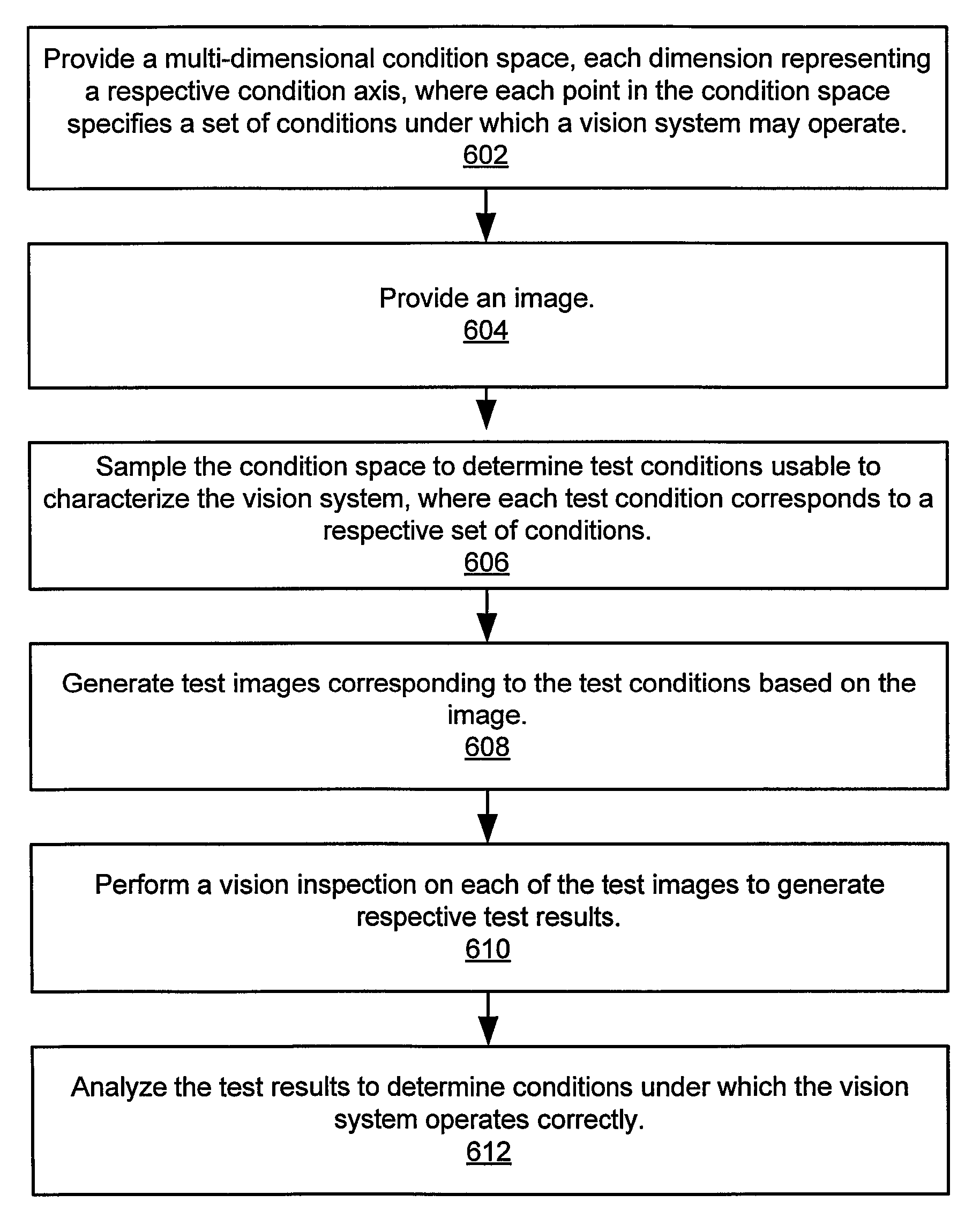
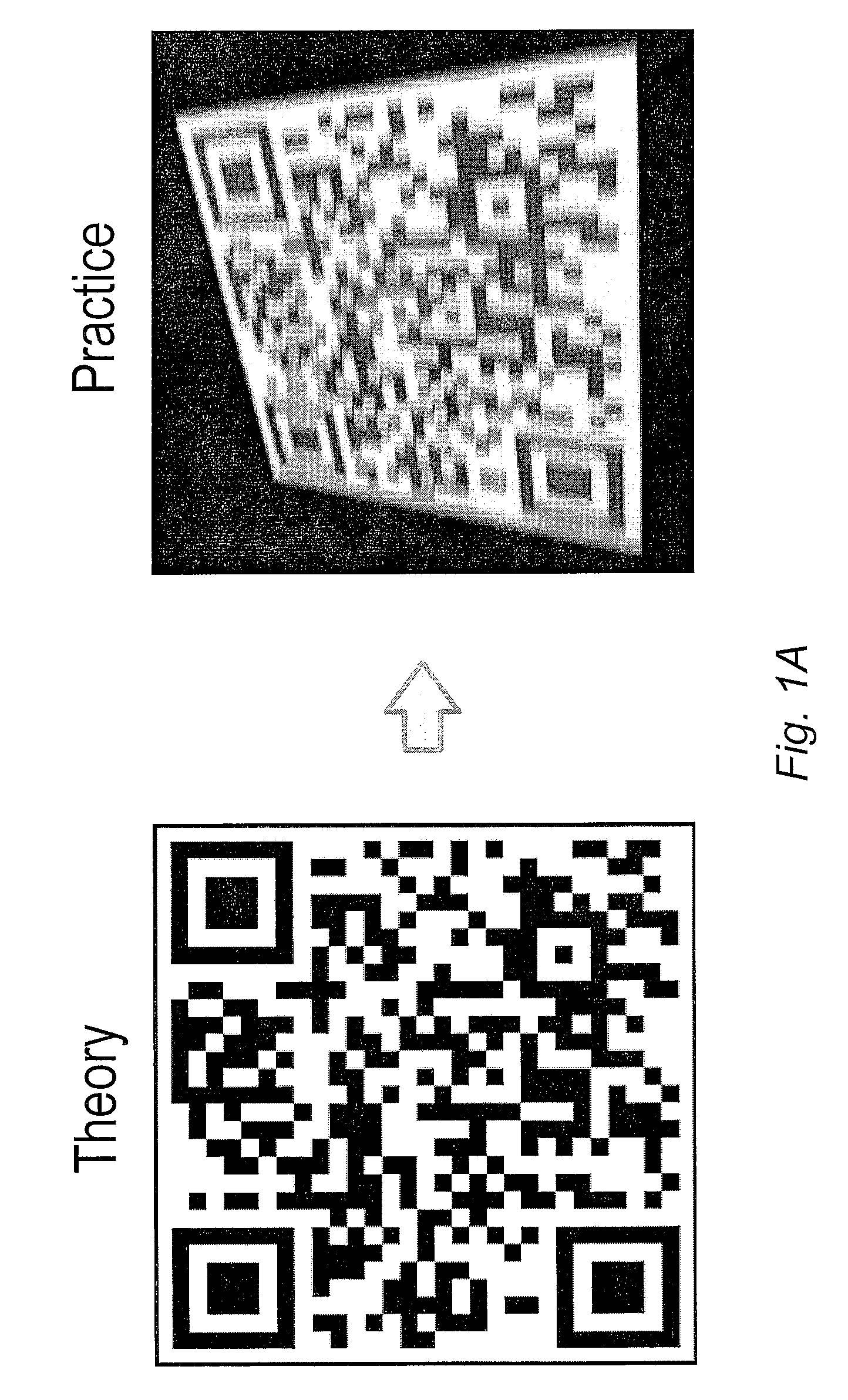
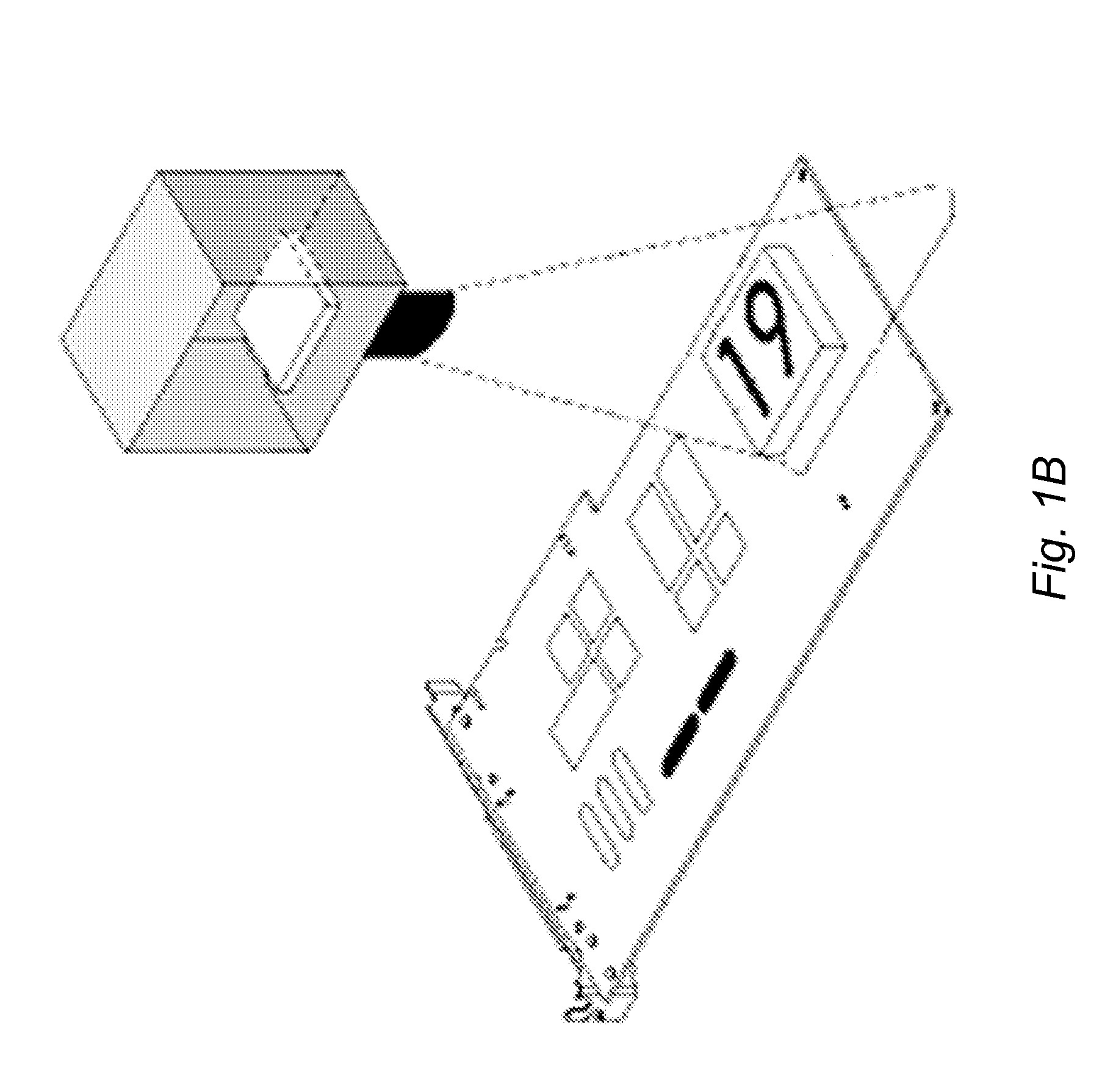
- A method and system for characterizing vision systems by defining a multi-dimensional condition space with graphical user interface (GUI) control, using sampling schemes like low discrepancy sequences to generate test images that simulate various conditions, and analyzing results to determine robust operation regions, allowing for incremental tuning of vision system parameters.

Safety Standards and Certification Requirements
Machine vision systems deployed in safety-critical applications must comply with rigorous safety standards and certification requirements to ensure reliable operation and minimize risks to personnel and equipment. The primary international standard governing functional safety is IEC 61508, which establishes Safety Integrity Levels (SIL) ranging from SIL 1 to SIL 4, with SIL 4 representing the highest safety requirements. Machine vision systems typically operate within SIL 1 to SIL 3 classifications, depending on their application criticality and potential consequences of failure.
Industry-specific safety standards build upon IEC 61508 foundations to address sector-specific requirements. ISO 13849 focuses on machinery safety and defines Performance Levels (PL) from PLa to PLe, establishing requirements for safety-related control systems including vision-based safety devices. For automotive applications, ISO 26262 governs functional safety throughout the vehicle lifecycle, particularly relevant for Advanced Driver Assistance Systems (ADAS) incorporating machine vision components.
Certification processes require comprehensive documentation demonstrating compliance with applicable safety standards. This includes hazard analysis and risk assessment (HARA) documentation, failure mode and effects analysis (FMEA), and systematic capability assessments. Vision system manufacturers must provide detailed safety manuals, installation guidelines, and maintenance procedures to support end-user compliance efforts.
Testing and validation requirements encompass both hardware and software components of machine vision systems. Hardware testing includes environmental stress screening, electromagnetic compatibility (EMC) testing, and accelerated aging tests to verify component reliability under specified operating conditions. Software validation requires systematic verification of algorithms, error detection mechanisms, and fail-safe behaviors through structured testing protocols.
Third-party certification bodies such as TÜV, UL, and SGS conduct independent assessments to verify compliance with safety standards. These organizations evaluate design documentation, conduct factory audits, and perform product testing to issue safety certificates. Regular surveillance audits ensure ongoing compliance throughout the product lifecycle, maintaining certification validity and supporting continuous improvement initiatives in safety performance.
Industry-specific safety standards build upon IEC 61508 foundations to address sector-specific requirements. ISO 13849 focuses on machinery safety and defines Performance Levels (PL) from PLa to PLe, establishing requirements for safety-related control systems including vision-based safety devices. For automotive applications, ISO 26262 governs functional safety throughout the vehicle lifecycle, particularly relevant for Advanced Driver Assistance Systems (ADAS) incorporating machine vision components.
Certification processes require comprehensive documentation demonstrating compliance with applicable safety standards. This includes hazard analysis and risk assessment (HARA) documentation, failure mode and effects analysis (FMEA), and systematic capability assessments. Vision system manufacturers must provide detailed safety manuals, installation guidelines, and maintenance procedures to support end-user compliance efforts.
Testing and validation requirements encompass both hardware and software components of machine vision systems. Hardware testing includes environmental stress screening, electromagnetic compatibility (EMC) testing, and accelerated aging tests to verify component reliability under specified operating conditions. Software validation requires systematic verification of algorithms, error detection mechanisms, and fail-safe behaviors through structured testing protocols.
Third-party certification bodies such as TÜV, UL, and SGS conduct independent assessments to verify compliance with safety standards. These organizations evaluate design documentation, conduct factory audits, and perform product testing to issue safety certificates. Regular surveillance audits ensure ongoing compliance throughout the product lifecycle, maintaining certification validity and supporting continuous improvement initiatives in safety performance.
Risk Management Strategies for Vision System Deployment
Effective risk management strategies are fundamental to successful machine vision system deployment, requiring a comprehensive approach that addresses both technical and operational vulnerabilities. The deployment phase represents a critical transition from controlled development environments to real-world applications, where unforeseen challenges can significantly impact system reliability and performance.
Pre-deployment risk assessment forms the cornerstone of effective vision system implementation. Organizations must conduct thorough environmental analysis to identify potential hazards such as lighting variations, electromagnetic interference, vibration, temperature fluctuations, and contamination sources. This assessment should include detailed documentation of operating conditions, establishment of acceptable performance thresholds, and identification of failure modes that could compromise system functionality.
Redundancy and failsafe mechanisms constitute essential components of robust deployment strategies. Critical applications require backup systems, alternative processing pathways, and graceful degradation protocols that maintain partial functionality when primary components fail. Implementation of watchdog systems, health monitoring algorithms, and automatic fallback procedures ensures continuous operation even under adverse conditions.
Systematic validation protocols must be established to verify system performance across diverse operational scenarios. This includes comprehensive testing under various lighting conditions, object variations, and environmental stresses that mirror real-world deployment conditions. Validation should encompass both functional testing and stress testing to identify performance boundaries and potential failure points.
Change management procedures are crucial for maintaining system integrity throughout the deployment lifecycle. Establishing controlled update processes, version control systems, and rollback capabilities prevents unauthorized modifications that could introduce vulnerabilities. Documentation of all system changes, including configuration adjustments and software updates, enables rapid troubleshooting and maintains system traceability.
Continuous monitoring and maintenance strategies ensure long-term system reliability through proactive identification of performance degradation. Implementation of real-time performance metrics, automated alert systems, and predictive maintenance protocols enables early detection of potential issues before they impact system functionality. Regular calibration schedules, component replacement protocols, and performance benchmarking maintain optimal system operation over extended deployment periods.
Pre-deployment risk assessment forms the cornerstone of effective vision system implementation. Organizations must conduct thorough environmental analysis to identify potential hazards such as lighting variations, electromagnetic interference, vibration, temperature fluctuations, and contamination sources. This assessment should include detailed documentation of operating conditions, establishment of acceptable performance thresholds, and identification of failure modes that could compromise system functionality.
Redundancy and failsafe mechanisms constitute essential components of robust deployment strategies. Critical applications require backup systems, alternative processing pathways, and graceful degradation protocols that maintain partial functionality when primary components fail. Implementation of watchdog systems, health monitoring algorithms, and automatic fallback procedures ensures continuous operation even under adverse conditions.
Systematic validation protocols must be established to verify system performance across diverse operational scenarios. This includes comprehensive testing under various lighting conditions, object variations, and environmental stresses that mirror real-world deployment conditions. Validation should encompass both functional testing and stress testing to identify performance boundaries and potential failure points.
Change management procedures are crucial for maintaining system integrity throughout the deployment lifecycle. Establishing controlled update processes, version control systems, and rollback capabilities prevents unauthorized modifications that could introduce vulnerabilities. Documentation of all system changes, including configuration adjustments and software updates, enables rapid troubleshooting and maintains system traceability.
Continuous monitoring and maintenance strategies ensure long-term system reliability through proactive identification of performance degradation. Implementation of real-time performance metrics, automated alert systems, and predictive maintenance protocols enables early detection of potential issues before they impact system functionality. Regular calibration schedules, component replacement protocols, and performance benchmarking maintain optimal system operation over extended deployment periods.
Unlock deeper insights with Patsnap Eureka Quick Research — get a full tech report to explore trends and direct your research. Try now!
Generate Your Research Report Instantly with AI Agent
Supercharge your innovation with Patsnap Eureka AI Agent Platform!