
How to Automate Dry Vacuum Pump Diagnostics Using AI Algorithms
MAY 19, 20269 MIN READ
Generate Your Research Report Instantly with AI Agent
Patsnap Eureka helps you evaluate technical feasibility & market potential.
AI-Driven Vacuum Pump Diagnostics Background and Objectives
Dry vacuum pumps have become indispensable components in semiconductor manufacturing, pharmaceutical processing, and analytical instrumentation industries over the past three decades. These pumps operate without oil contamination, making them critical for maintaining ultra-clean environments required in advanced manufacturing processes. However, their complex mechanical systems, including scroll mechanisms, claw rotors, and multi-stage compression chambers, are susceptible to various failure modes that can lead to costly production downtime and equipment damage.
Traditional diagnostic approaches for dry vacuum pumps rely heavily on scheduled maintenance intervals and reactive troubleshooting when failures occur. This methodology often results in unnecessary maintenance costs, unexpected breakdowns, and suboptimal pump performance. The integration of artificial intelligence algorithms into vacuum pump diagnostics represents a paradigm shift toward predictive maintenance strategies that can significantly enhance operational efficiency and reduce total cost of ownership.
The evolution of dry vacuum pump technology has progressed from simple mechanical designs to sophisticated systems incorporating advanced materials, precision engineering, and integrated sensor networks. Modern pumps generate vast amounts of operational data through embedded sensors monitoring parameters such as vibration patterns, temperature distributions, power consumption, and acoustic signatures. This data richness creates unprecedented opportunities for AI-driven diagnostic systems to identify subtle performance degradation patterns that human operators might overlook.
Current market demands for higher productivity, reduced environmental impact, and improved process reliability are driving the need for more intelligent diagnostic solutions. Industries utilizing dry vacuum pumps face increasing pressure to minimize unplanned downtime while maximizing equipment lifespan and performance consistency. The convergence of Internet of Things technologies, edge computing capabilities, and advanced machine learning algorithms has created the technological foundation necessary to address these challenges.
The primary objective of implementing AI-driven vacuum pump diagnostics is to establish a comprehensive predictive maintenance framework that can accurately forecast equipment failures, optimize maintenance schedules, and provide actionable insights for operational decision-making. This approach aims to transform traditional reactive maintenance practices into proactive strategies that prevent failures before they occur, thereby maximizing equipment availability and process stability while minimizing maintenance costs and safety risks.
Traditional diagnostic approaches for dry vacuum pumps rely heavily on scheduled maintenance intervals and reactive troubleshooting when failures occur. This methodology often results in unnecessary maintenance costs, unexpected breakdowns, and suboptimal pump performance. The integration of artificial intelligence algorithms into vacuum pump diagnostics represents a paradigm shift toward predictive maintenance strategies that can significantly enhance operational efficiency and reduce total cost of ownership.
The evolution of dry vacuum pump technology has progressed from simple mechanical designs to sophisticated systems incorporating advanced materials, precision engineering, and integrated sensor networks. Modern pumps generate vast amounts of operational data through embedded sensors monitoring parameters such as vibration patterns, temperature distributions, power consumption, and acoustic signatures. This data richness creates unprecedented opportunities for AI-driven diagnostic systems to identify subtle performance degradation patterns that human operators might overlook.
Current market demands for higher productivity, reduced environmental impact, and improved process reliability are driving the need for more intelligent diagnostic solutions. Industries utilizing dry vacuum pumps face increasing pressure to minimize unplanned downtime while maximizing equipment lifespan and performance consistency. The convergence of Internet of Things technologies, edge computing capabilities, and advanced machine learning algorithms has created the technological foundation necessary to address these challenges.
The primary objective of implementing AI-driven vacuum pump diagnostics is to establish a comprehensive predictive maintenance framework that can accurately forecast equipment failures, optimize maintenance schedules, and provide actionable insights for operational decision-making. This approach aims to transform traditional reactive maintenance practices into proactive strategies that prevent failures before they occur, thereby maximizing equipment availability and process stability while minimizing maintenance costs and safety risks.
Market Demand for Automated Vacuum Pump Maintenance Solutions
The global vacuum pump market is experiencing significant growth driven by increasing automation demands across semiconductor manufacturing, pharmaceutical processing, and industrial applications. Traditional maintenance approaches rely heavily on scheduled inspections and reactive repairs, leading to substantial operational inefficiencies and unexpected downtime costs. Manufacturing facilities increasingly recognize that unplanned vacuum pump failures can halt entire production lines, creating cascading effects throughout complex industrial processes.
Semiconductor fabrication facilities represent the most demanding application segment, where vacuum pump reliability directly impacts yield rates and production throughput. These environments require ultra-high vacuum conditions with minimal contamination risks, making predictive maintenance capabilities essential for maintaining competitive manufacturing costs. The precision requirements in chip manufacturing have intensified the need for continuous monitoring systems that can detect performance degradation before critical failures occur.
Pharmaceutical and biotechnology industries are driving additional demand for automated maintenance solutions due to stringent regulatory compliance requirements. These sectors face increasing pressure to maintain detailed equipment performance records while ensuring consistent product quality. Automated diagnostic systems provide the documentation and traceability necessary for regulatory audits while reducing manual inspection workloads.
Industrial vacuum applications in chemical processing, food packaging, and materials handling are expanding rapidly as manufacturers seek to optimize operational efficiency. These sectors typically operate multiple vacuum systems simultaneously, making manual monitoring approaches increasingly impractical. The complexity of managing numerous pumps across large facilities has created strong demand for centralized monitoring and diagnostic platforms.
Cost reduction pressures across all industrial sectors are accelerating adoption of predictive maintenance technologies. Organizations are recognizing that AI-driven diagnostic systems can significantly reduce maintenance labor costs while extending equipment lifespan through optimized service scheduling. The ability to predict component failures enables more efficient spare parts inventory management and reduces emergency repair expenses.
Energy efficiency regulations and sustainability initiatives are creating additional market drivers for automated vacuum pump diagnostics. Modern diagnostic systems can optimize pump operating parameters to minimize energy consumption while maintaining required performance levels. This capability becomes increasingly valuable as energy costs rise and environmental regulations tighten across industrial sectors.
Semiconductor fabrication facilities represent the most demanding application segment, where vacuum pump reliability directly impacts yield rates and production throughput. These environments require ultra-high vacuum conditions with minimal contamination risks, making predictive maintenance capabilities essential for maintaining competitive manufacturing costs. The precision requirements in chip manufacturing have intensified the need for continuous monitoring systems that can detect performance degradation before critical failures occur.
Pharmaceutical and biotechnology industries are driving additional demand for automated maintenance solutions due to stringent regulatory compliance requirements. These sectors face increasing pressure to maintain detailed equipment performance records while ensuring consistent product quality. Automated diagnostic systems provide the documentation and traceability necessary for regulatory audits while reducing manual inspection workloads.
Industrial vacuum applications in chemical processing, food packaging, and materials handling are expanding rapidly as manufacturers seek to optimize operational efficiency. These sectors typically operate multiple vacuum systems simultaneously, making manual monitoring approaches increasingly impractical. The complexity of managing numerous pumps across large facilities has created strong demand for centralized monitoring and diagnostic platforms.
Cost reduction pressures across all industrial sectors are accelerating adoption of predictive maintenance technologies. Organizations are recognizing that AI-driven diagnostic systems can significantly reduce maintenance labor costs while extending equipment lifespan through optimized service scheduling. The ability to predict component failures enables more efficient spare parts inventory management and reduces emergency repair expenses.
Energy efficiency regulations and sustainability initiatives are creating additional market drivers for automated vacuum pump diagnostics. Modern diagnostic systems can optimize pump operating parameters to minimize energy consumption while maintaining required performance levels. This capability becomes increasingly valuable as energy costs rise and environmental regulations tighten across industrial sectors.
Current Challenges in Dry Vacuum Pump Diagnostic Systems
Traditional dry vacuum pump diagnostic systems face significant limitations in their ability to provide comprehensive and timely fault detection. Most existing systems rely on basic threshold-based monitoring that only triggers alerts when parameters exceed predetermined limits. This reactive approach often results in unexpected equipment failures, as subtle degradation patterns remain undetected until critical thresholds are breached.
The complexity of dry vacuum pump operations presents substantial diagnostic challenges. These systems involve intricate interactions between multiple components including rotors, seals, bearings, and control systems. Current diagnostic methods struggle to capture the multidimensional nature of pump performance, often focusing on isolated parameters rather than understanding the holistic system behavior. This fragmented approach leads to incomplete fault characterization and frequent misdiagnosis.
Manual interpretation of diagnostic data represents another critical bottleneck in existing systems. Maintenance personnel must analyze vast amounts of sensor data, vibration signatures, and performance metrics to identify potential issues. This process is time-intensive, subjective, and heavily dependent on individual expertise levels. The lack of standardized diagnostic protocols across different pump models and manufacturers further complicates the interpretation process.
Real-time monitoring capabilities remain severely constrained in conventional diagnostic frameworks. Most systems operate on scheduled maintenance intervals or periodic data collection cycles, creating significant gaps in operational visibility. This temporal limitation prevents the detection of transient faults or rapidly evolving degradation patterns that could lead to catastrophic failures between monitoring intervals.
Integration challenges plague current diagnostic systems, particularly in complex industrial environments where dry vacuum pumps operate alongside numerous other equipment types. Existing diagnostic tools often function as isolated systems with limited connectivity to broader plant management systems. This isolation prevents comprehensive asset health management and hinders the development of predictive maintenance strategies.
Data quality and sensor reliability issues further compound diagnostic challenges. Harsh operating environments, electromagnetic interference, and sensor drift can compromise data integrity, leading to false alarms or missed fault conditions. Current systems lack robust mechanisms to validate sensor data quality and compensate for measurement uncertainties, resulting in reduced diagnostic confidence levels.
The complexity of dry vacuum pump operations presents substantial diagnostic challenges. These systems involve intricate interactions between multiple components including rotors, seals, bearings, and control systems. Current diagnostic methods struggle to capture the multidimensional nature of pump performance, often focusing on isolated parameters rather than understanding the holistic system behavior. This fragmented approach leads to incomplete fault characterization and frequent misdiagnosis.
Manual interpretation of diagnostic data represents another critical bottleneck in existing systems. Maintenance personnel must analyze vast amounts of sensor data, vibration signatures, and performance metrics to identify potential issues. This process is time-intensive, subjective, and heavily dependent on individual expertise levels. The lack of standardized diagnostic protocols across different pump models and manufacturers further complicates the interpretation process.
Real-time monitoring capabilities remain severely constrained in conventional diagnostic frameworks. Most systems operate on scheduled maintenance intervals or periodic data collection cycles, creating significant gaps in operational visibility. This temporal limitation prevents the detection of transient faults or rapidly evolving degradation patterns that could lead to catastrophic failures between monitoring intervals.
Integration challenges plague current diagnostic systems, particularly in complex industrial environments where dry vacuum pumps operate alongside numerous other equipment types. Existing diagnostic tools often function as isolated systems with limited connectivity to broader plant management systems. This isolation prevents comprehensive asset health management and hinders the development of predictive maintenance strategies.
Data quality and sensor reliability issues further compound diagnostic challenges. Harsh operating environments, electromagnetic interference, and sensor drift can compromise data integrity, leading to false alarms or missed fault conditions. Current systems lack robust mechanisms to validate sensor data quality and compensate for measurement uncertainties, resulting in reduced diagnostic confidence levels.
Existing AI Solutions for Vacuum Pump Health Monitoring
01 Sensor-based monitoring and detection systems
Implementation of various sensors to monitor operational parameters of dry vacuum pumps including pressure, temperature, vibration, and flow rate. These monitoring systems enable real-time detection of abnormal conditions and performance degradation through continuous data collection and analysis.- Sensor-based monitoring and detection systems: Implementation of various sensors to monitor operational parameters of dry vacuum pumps including pressure, temperature, vibration, and flow rate. These monitoring systems enable real-time detection of abnormal conditions and performance degradation through continuous data collection and analysis.
- Fault detection and alarm systems: Development of automated fault detection mechanisms that can identify pump malfunctions, component failures, and operational anomalies. These systems typically include alarm functions to alert operators when predetermined threshold values are exceeded or when critical failures occur.
- Performance analysis and condition assessment: Methods for evaluating pump performance through analysis of operational data, efficiency measurements, and condition assessment techniques. These approaches help determine the overall health of the pump system and predict maintenance requirements based on performance trends.
- Predictive maintenance and diagnostic algorithms: Advanced diagnostic algorithms and predictive maintenance strategies that utilize historical data and pattern recognition to forecast potential failures before they occur. These systems help optimize maintenance schedules and reduce unexpected downtime through proactive intervention.
- Control system integration and data processing: Integration of diagnostic capabilities with pump control systems and data processing units that can analyze collected information, generate reports, and provide automated responses to diagnostic findings. These systems often include communication interfaces for remote monitoring and control.
02 Performance analysis and condition assessment methods
Techniques for evaluating pump performance through analysis of operational characteristics, efficiency measurements, and comparative assessment against baseline parameters. These methods help identify declining performance trends and predict maintenance requirements.Expand Specific Solutions03 Fault detection and failure prediction algorithms
Advanced diagnostic algorithms that process operational data to identify specific fault conditions, predict potential failures, and classify different types of pump malfunctions. These systems utilize pattern recognition and machine learning approaches for accurate fault identification.Expand Specific Solutions04 Maintenance scheduling and predictive maintenance systems
Integrated systems that combine diagnostic data with maintenance planning algorithms to optimize service intervals, reduce unplanned downtime, and extend pump lifespan. These approaches use historical data and current condition assessments to determine optimal maintenance timing.Expand Specific Solutions05 Remote monitoring and communication interfaces
Communication systems and interfaces that enable remote monitoring of pump status, wireless data transmission, and integration with centralized control systems. These technologies facilitate continuous surveillance and enable prompt response to diagnostic alerts from remote locations.Expand Specific Solutions
Leading Companies in AI Diagnostics and Vacuum Technology
The competitive landscape for automating dry vacuum pump diagnostics using AI algorithms represents an emerging market at the intersection of industrial automation and artificial intelligence. The industry is in its early development stage, with significant growth potential driven by increasing demand for predictive maintenance solutions across semiconductor, manufacturing, and research sectors. Market size remains relatively modest but expanding rapidly as companies recognize the value of AI-driven diagnostics in reducing downtime and maintenance costs. Technology maturity varies significantly among players, with established vacuum equipment manufacturers like Edwards Ltd., Pfeiffer Vacuum SAS, and Oerlikon Leybold Vacuum leading in hardware expertise, while specialized AI companies such as Beijing Huakong Zhijia Technology Co., Ltd. bring advanced machine learning capabilities for predictive maintenance. Research institutions including Korea Research Institute of Standards & Science and Huaqiao University contribute foundational research, creating a diverse ecosystem where traditional pump manufacturers are increasingly partnering with AI specialists to develop integrated diagnostic solutions.
Hitachi High-Tech America, Inc.
Technical Solution: Hitachi High-Tech has developed AI-powered diagnostic solutions for dry vacuum pumps that integrate advanced machine learning algorithms with their semiconductor manufacturing equipment expertise. Their system employs artificial neural networks and fuzzy logic algorithms to analyze pump performance data in real-time, focusing on critical parameters such as ultimate pressure, pumping speed degradation, and power consumption patterns. The AI diagnostic platform utilizes time-series analysis and statistical process control methods to detect anomalies and predict maintenance requirements. Their solution features automated fault classification algorithms that can distinguish between different types of pump failures including bearing issues, seal problems, and rotor damage. The system provides predictive maintenance recommendations with confidence intervals and integrates seamlessly with fab-wide monitoring systems for semiconductor manufacturing environments.
Strengths: Deep semiconductor industry expertise with specialized algorithms for high-precision manufacturing environments and excellent fab integration capabilities. Weaknesses: Solutions primarily optimized for semiconductor applications may have limited applicability in other industrial sectors.
EDWARDS LTD
Technical Solution: Edwards has developed comprehensive AI-driven diagnostic solutions for dry vacuum pumps that integrate machine learning algorithms with real-time sensor data monitoring. Their system utilizes predictive analytics to analyze vibration patterns, temperature fluctuations, and power consumption metrics to identify potential failures before they occur. The AI algorithms employ neural networks trained on extensive historical pump performance data to recognize anomalous behavior patterns. Their diagnostic platform features automated alert systems that can predict maintenance needs up to 30 days in advance, significantly reducing unplanned downtime. The system also incorporates digital twin technology to simulate pump performance under various operating conditions, enabling proactive maintenance scheduling and optimization of pump efficiency.
Strengths: Market-leading expertise in vacuum technology with extensive historical data for AI training, comprehensive sensor integration capabilities. Weaknesses: High implementation costs and complexity may limit adoption in smaller facilities.
Core AI Algorithms for Predictive Pump Diagnostics
A trend monitoring and diagnostic analysis method for a vacuum pump and a trend monitoring and diagnostic analysis system therefor and computer-readable storage media including a computer program which performs the method
PatentInactiveEP1839151A1
Innovation
- A trend monitoring and diagnostic analysis method using a linear parametric model-based active diagnostic algorithm that separates idle and gas-loaded operation conditions, estimating asymptotic upper and lower bounds for state variables and evaluating pumping speed indicators based on inlet pressure signals, enabling early detection of pump failures.
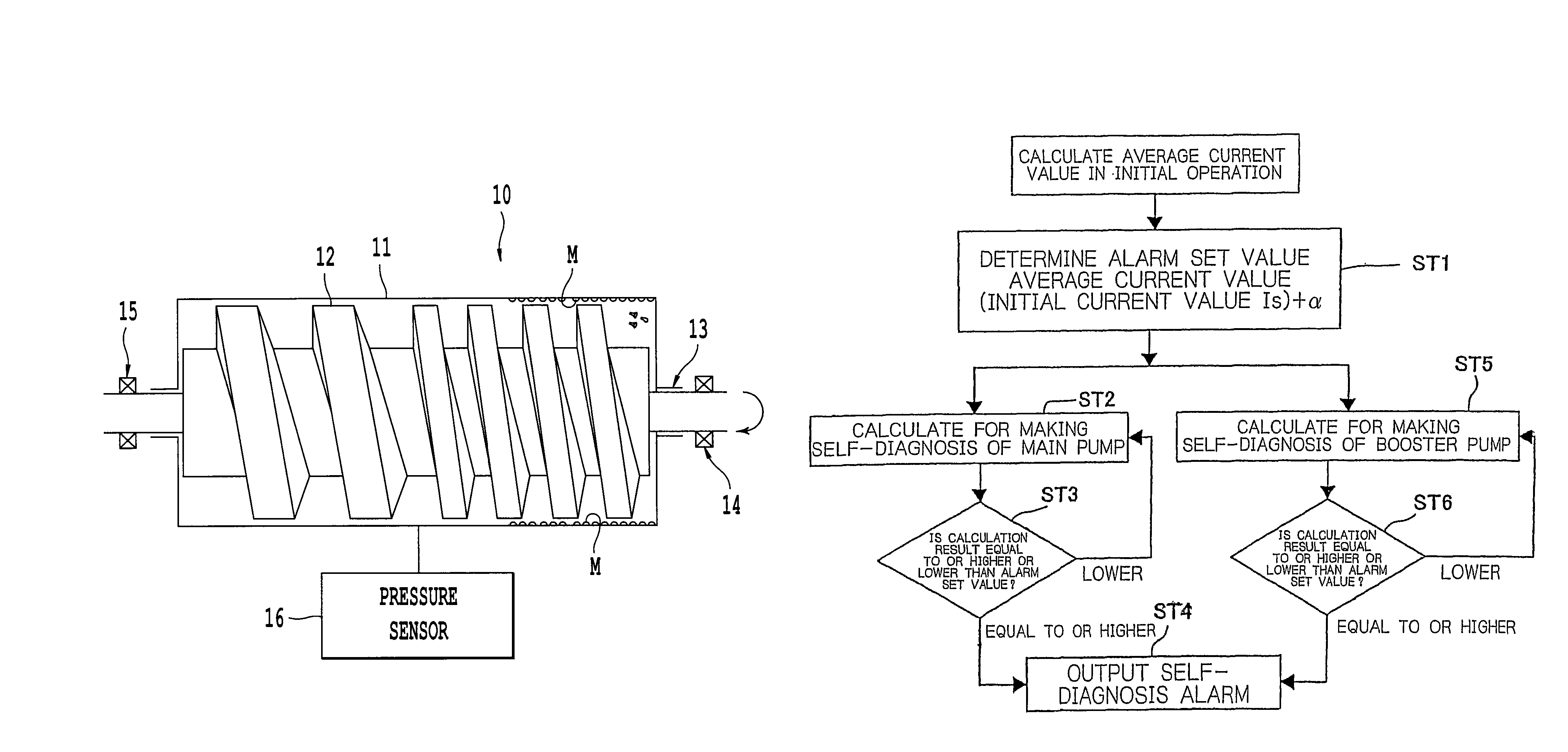
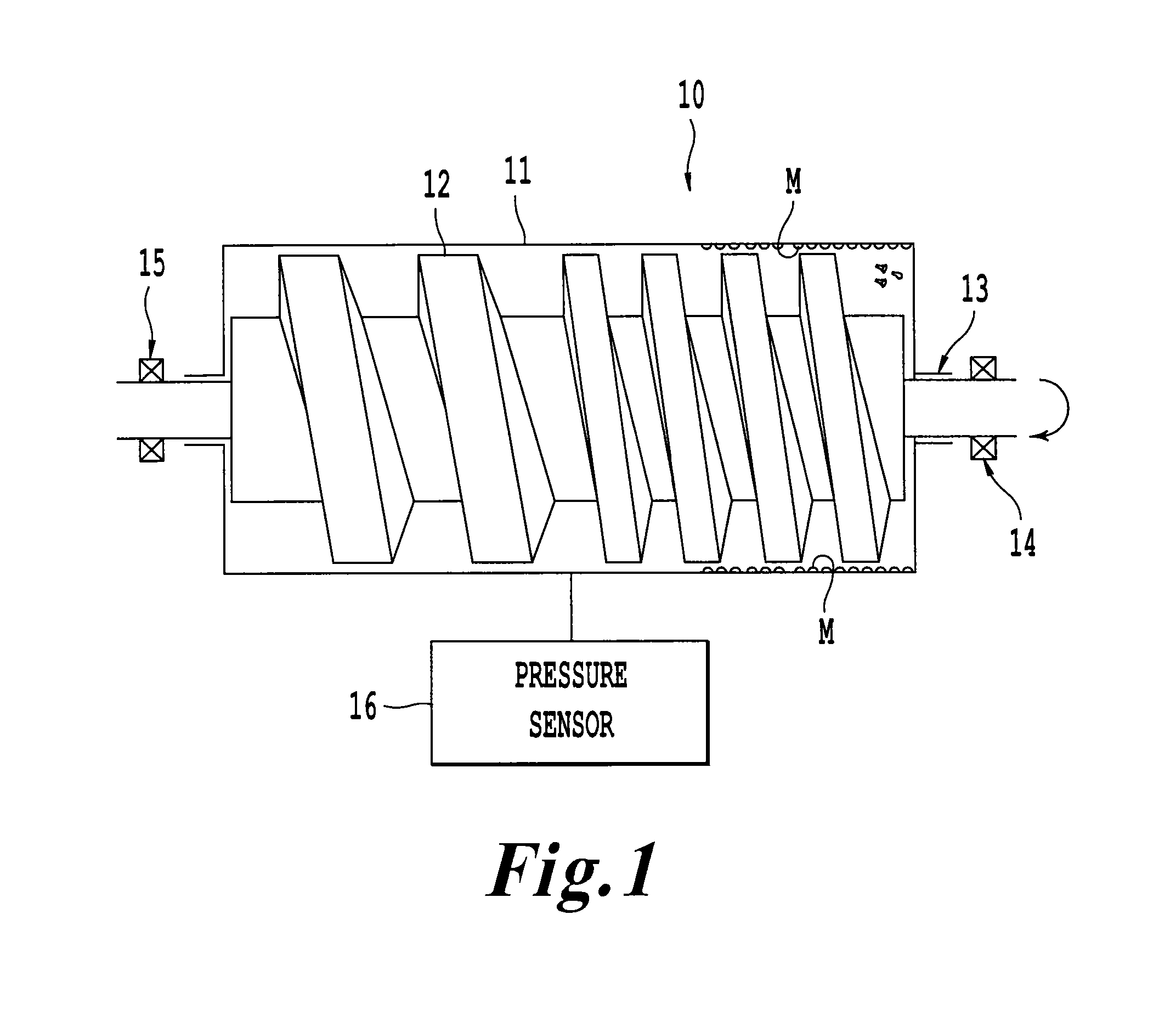
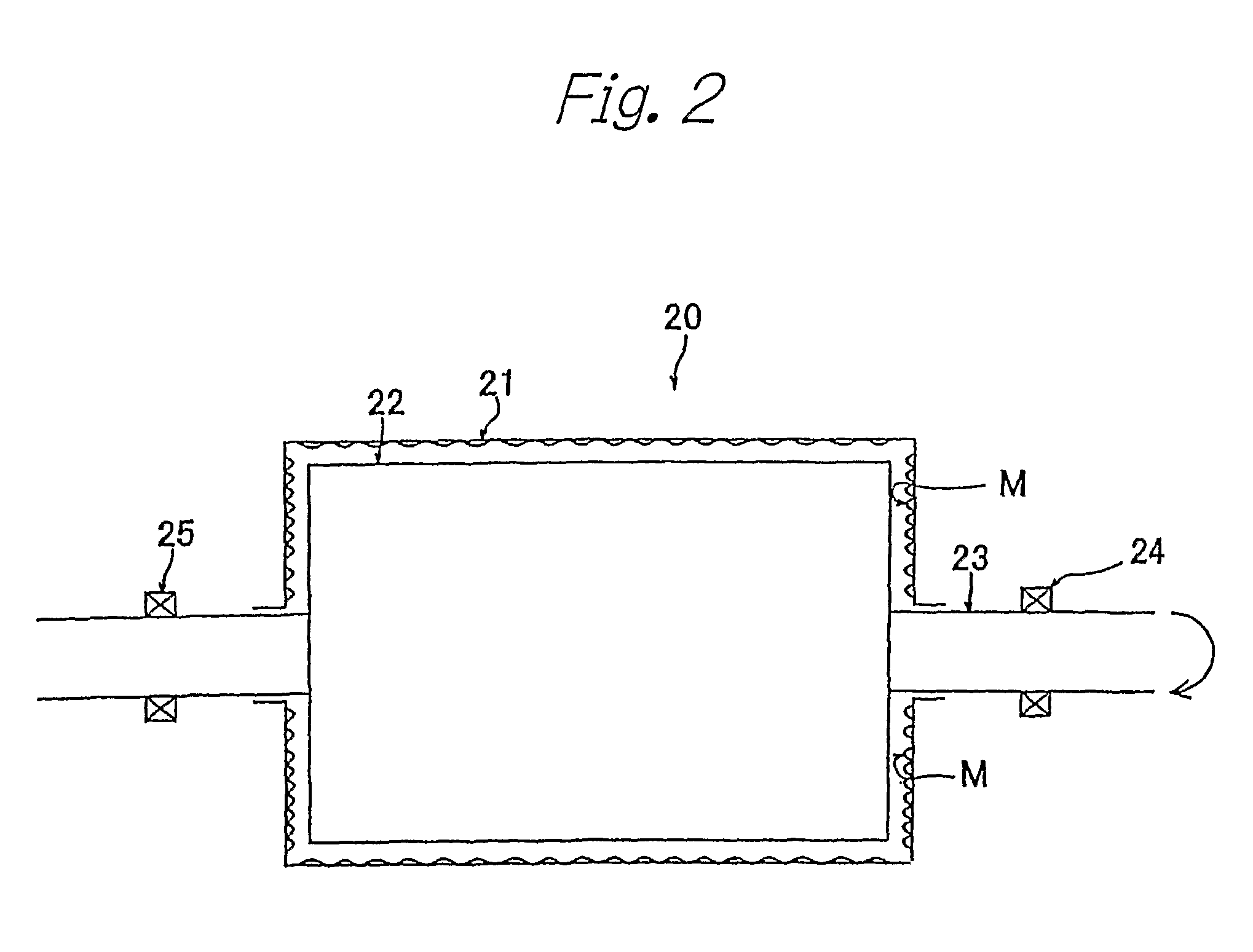
Vacuum pump self-diagnosis method, vacuum pump self-diagnosis system, and vacuum pump central monitoring system
PatentInactiveUS8721295B2
Innovation
- A vacuum pump self-diagnosis method and system that generates an alarm when the integrated or average current of the motor exceeds a predetermined alarm set value, with the ability to switch self-diagnosis calculation methods based on pressure sensor data, allowing for accurate detection of impending failures and integration with existing central monitoring systems.

Industrial Safety Standards for Automated Diagnostic Systems
The implementation of AI-driven automated diagnostic systems for dry vacuum pumps must comply with comprehensive industrial safety standards to ensure operational reliability and personnel protection. These standards establish fundamental requirements for system design, deployment, and maintenance across various industrial sectors including semiconductor manufacturing, pharmaceutical production, and chemical processing facilities.
Functional safety standards, particularly IEC 61508 and its derivative IEC 61511 for process industries, provide the foundational framework for automated diagnostic systems. These standards mandate systematic approaches to safety lifecycle management, requiring thorough hazard analysis and risk assessment procedures. For dry vacuum pump diagnostics, Safety Integrity Level (SIL) ratings must be determined based on potential failure consequences, with most applications requiring SIL 2 or SIL 3 certification depending on process criticality.
Cybersecurity considerations have become increasingly critical as diagnostic systems integrate with industrial networks and cloud platforms. The IEC 62443 series addresses industrial automation and control system security, establishing requirements for secure system architecture, access control, and data protection. AI diagnostic systems must implement robust authentication mechanisms, encrypted communication protocols, and secure data handling procedures to prevent unauthorized access and potential system manipulation.
Machine safety standards, including ISO 13849 and IEC 62061, govern the integration of automated diagnostic systems with existing safety control systems. These standards require proper categorization of safety functions, systematic verification of safety-related software, and comprehensive validation testing. The diagnostic system must demonstrate predictable behavior under fault conditions and maintain safe states during communication failures or AI algorithm anomalies.
Data integrity and traceability requirements, as outlined in standards such as FDA 21 CFR Part 11 for pharmaceutical applications, mandate comprehensive audit trails and electronic signature capabilities. The AI diagnostic system must maintain complete records of diagnostic decisions, algorithm updates, and system modifications to support regulatory compliance and quality assurance processes.
Environmental and electromagnetic compatibility standards, including IEC 61000 series, ensure reliable operation in industrial environments characterized by electrical noise, temperature variations, and vibration. The diagnostic hardware must demonstrate immunity to electromagnetic interference while maintaining measurement accuracy and communication reliability essential for effective AI algorithm performance.
Functional safety standards, particularly IEC 61508 and its derivative IEC 61511 for process industries, provide the foundational framework for automated diagnostic systems. These standards mandate systematic approaches to safety lifecycle management, requiring thorough hazard analysis and risk assessment procedures. For dry vacuum pump diagnostics, Safety Integrity Level (SIL) ratings must be determined based on potential failure consequences, with most applications requiring SIL 2 or SIL 3 certification depending on process criticality.
Cybersecurity considerations have become increasingly critical as diagnostic systems integrate with industrial networks and cloud platforms. The IEC 62443 series addresses industrial automation and control system security, establishing requirements for secure system architecture, access control, and data protection. AI diagnostic systems must implement robust authentication mechanisms, encrypted communication protocols, and secure data handling procedures to prevent unauthorized access and potential system manipulation.
Machine safety standards, including ISO 13849 and IEC 62061, govern the integration of automated diagnostic systems with existing safety control systems. These standards require proper categorization of safety functions, systematic verification of safety-related software, and comprehensive validation testing. The diagnostic system must demonstrate predictable behavior under fault conditions and maintain safe states during communication failures or AI algorithm anomalies.
Data integrity and traceability requirements, as outlined in standards such as FDA 21 CFR Part 11 for pharmaceutical applications, mandate comprehensive audit trails and electronic signature capabilities. The AI diagnostic system must maintain complete records of diagnostic decisions, algorithm updates, and system modifications to support regulatory compliance and quality assurance processes.
Environmental and electromagnetic compatibility standards, including IEC 61000 series, ensure reliable operation in industrial environments characterized by electrical noise, temperature variations, and vibration. The diagnostic hardware must demonstrate immunity to electromagnetic interference while maintaining measurement accuracy and communication reliability essential for effective AI algorithm performance.
Cost-Benefit Analysis of AI Diagnostic Implementation
The implementation of AI-driven diagnostic systems for dry vacuum pumps presents a compelling economic proposition when evaluated through comprehensive cost-benefit analysis. Initial capital expenditure encompasses hardware infrastructure, software licensing, sensor integration, and system deployment, typically ranging from $50,000 to $200,000 per facility depending on pump fleet size and complexity requirements.
Operational cost considerations include ongoing software maintenance, cloud computing resources for data processing, periodic algorithm updates, and specialized technical support. These recurring expenses generally account for 15-20% of initial investment annually. However, training costs for existing maintenance personnel represent a one-time investment that significantly impacts long-term success rates.
The primary economic benefits manifest through substantial reduction in unplanned downtime, which traditionally costs semiconductor and pharmaceutical facilities between $10,000 to $100,000 per hour. AI diagnostic systems demonstrate capability to predict failures 2-4 weeks in advance, enabling scheduled maintenance during planned production breaks. This predictive capability typically reduces emergency maintenance incidents by 60-80%.
Maintenance cost optimization represents another significant benefit stream. Traditional time-based maintenance schedules often result in premature component replacement, while AI-driven condition-based maintenance extends component lifecycles by 25-40%. Spare parts inventory requirements decrease substantially as predictive insights enable just-in-time procurement strategies.
Labor efficiency improvements contribute measurably to return on investment calculations. Automated diagnostic systems reduce manual inspection requirements by approximately 70%, allowing technical personnel to focus on value-added activities rather than routine monitoring tasks. This reallocation typically generates productivity gains equivalent to 0.5-1.0 full-time equivalent positions per facility.
Risk mitigation benefits, while challenging to quantify precisely, provide substantial value through reduced product contamination incidents, improved process stability, and enhanced regulatory compliance. Insurance premium reductions and improved facility safety ratings often offset 10-15% of implementation costs.
Payback periods for AI diagnostic implementations typically range from 18-36 months, with internal rates of return exceeding 25% in most industrial applications. Facilities with higher production values and stricter uptime requirements generally achieve faster payback periods and superior return profiles.
Operational cost considerations include ongoing software maintenance, cloud computing resources for data processing, periodic algorithm updates, and specialized technical support. These recurring expenses generally account for 15-20% of initial investment annually. However, training costs for existing maintenance personnel represent a one-time investment that significantly impacts long-term success rates.
The primary economic benefits manifest through substantial reduction in unplanned downtime, which traditionally costs semiconductor and pharmaceutical facilities between $10,000 to $100,000 per hour. AI diagnostic systems demonstrate capability to predict failures 2-4 weeks in advance, enabling scheduled maintenance during planned production breaks. This predictive capability typically reduces emergency maintenance incidents by 60-80%.
Maintenance cost optimization represents another significant benefit stream. Traditional time-based maintenance schedules often result in premature component replacement, while AI-driven condition-based maintenance extends component lifecycles by 25-40%. Spare parts inventory requirements decrease substantially as predictive insights enable just-in-time procurement strategies.
Labor efficiency improvements contribute measurably to return on investment calculations. Automated diagnostic systems reduce manual inspection requirements by approximately 70%, allowing technical personnel to focus on value-added activities rather than routine monitoring tasks. This reallocation typically generates productivity gains equivalent to 0.5-1.0 full-time equivalent positions per facility.
Risk mitigation benefits, while challenging to quantify precisely, provide substantial value through reduced product contamination incidents, improved process stability, and enhanced regulatory compliance. Insurance premium reductions and improved facility safety ratings often offset 10-15% of implementation costs.
Payback periods for AI diagnostic implementations typically range from 18-36 months, with internal rates of return exceeding 25% in most industrial applications. Facilities with higher production values and stricter uptime requirements generally achieve faster payback periods and superior return profiles.
Unlock deeper insights with Patsnap Eureka Quick Research — get a full tech report to explore trends and direct your research. Try now!
Generate Your Research Report Instantly with AI Agent
Supercharge your innovation with Patsnap Eureka AI Agent Platform!