
Vacuum Pump Filter Effectiveness: Dry Pumps vs Oil-Based Systems
MAY 19, 20269 MIN READ
Generate Your Research Report Instantly with AI Agent
Patsnap Eureka helps you evaluate technical feasibility & market potential.
Vacuum Pump Filter Technology Background and Objectives
Vacuum pump filtration technology has evolved significantly since the early 20th century, driven by the increasing demands of industrial processes requiring ultra-clean vacuum environments. The fundamental challenge lies in maintaining optimal vacuum levels while preventing contamination from particulates, vapors, and chemical residues that can compromise system performance and product quality.
The historical development of vacuum pump systems has followed two distinct technological pathways: oil-sealed rotary vane pumps and dry vacuum pumps. Oil-based systems, introduced in the 1920s, initially dominated the market due to their superior sealing capabilities and high pumping speeds. However, the inherent risk of oil vapor contamination and environmental concerns gradually shifted industry focus toward dry pump technologies.
Dry pump systems emerged in the 1980s as semiconductor manufacturing and pharmaceutical industries demanded oil-free vacuum environments. These systems utilize mechanical compression, scroll mechanisms, or molecular drag principles to achieve vacuum without liquid sealants. The absence of oil eliminates hydrocarbon contamination risks but introduces new challenges in particle management and thermal control.
Current technological objectives center on maximizing filter effectiveness while minimizing operational costs and environmental impact. Primary goals include achieving sub-micron particle filtration efficiency exceeding 99.97%, maintaining consistent vacuum levels below 10^-6 Torr, and extending filter service life beyond 12 months under continuous operation.
The comparative analysis between dry and oil-based filtration systems reveals distinct performance characteristics. Oil-based systems traditionally offer superior ultimate vacuum levels and higher pumping speeds but require sophisticated oil vapor management and frequent maintenance. Dry systems provide contamination-free operation and reduced maintenance requirements but face limitations in ultimate vacuum achievement and higher initial capital costs.
Emerging objectives focus on hybrid filtration approaches that combine the advantages of both technologies. Advanced filter media incorporating nanofiber structures, electrostatic enhancement, and smart monitoring capabilities represent the next generation of vacuum pump filtration solutions. These innovations aim to achieve oil-free performance with oil-sealed efficiency levels while providing real-time contamination monitoring and predictive maintenance capabilities.
The historical development of vacuum pump systems has followed two distinct technological pathways: oil-sealed rotary vane pumps and dry vacuum pumps. Oil-based systems, introduced in the 1920s, initially dominated the market due to their superior sealing capabilities and high pumping speeds. However, the inherent risk of oil vapor contamination and environmental concerns gradually shifted industry focus toward dry pump technologies.
Dry pump systems emerged in the 1980s as semiconductor manufacturing and pharmaceutical industries demanded oil-free vacuum environments. These systems utilize mechanical compression, scroll mechanisms, or molecular drag principles to achieve vacuum without liquid sealants. The absence of oil eliminates hydrocarbon contamination risks but introduces new challenges in particle management and thermal control.
Current technological objectives center on maximizing filter effectiveness while minimizing operational costs and environmental impact. Primary goals include achieving sub-micron particle filtration efficiency exceeding 99.97%, maintaining consistent vacuum levels below 10^-6 Torr, and extending filter service life beyond 12 months under continuous operation.
The comparative analysis between dry and oil-based filtration systems reveals distinct performance characteristics. Oil-based systems traditionally offer superior ultimate vacuum levels and higher pumping speeds but require sophisticated oil vapor management and frequent maintenance. Dry systems provide contamination-free operation and reduced maintenance requirements but face limitations in ultimate vacuum achievement and higher initial capital costs.
Emerging objectives focus on hybrid filtration approaches that combine the advantages of both technologies. Advanced filter media incorporating nanofiber structures, electrostatic enhancement, and smart monitoring capabilities represent the next generation of vacuum pump filtration solutions. These innovations aim to achieve oil-free performance with oil-sealed efficiency levels while providing real-time contamination monitoring and predictive maintenance capabilities.
Market Demand for Advanced Vacuum Filtration Systems
The global vacuum filtration systems market is experiencing robust growth driven by expanding applications across semiconductor manufacturing, pharmaceutical production, chemical processing, and research laboratories. Industries requiring ultra-clean environments and precise contamination control are increasingly demanding advanced vacuum solutions that can maintain superior filtration performance while minimizing operational costs and environmental impact.
Semiconductor fabrication facilities represent the largest market segment, where even microscopic contaminants can compromise chip yields and performance. These facilities require vacuum systems capable of handling aggressive chemicals and maintaining extremely low particle counts. The transition toward smaller node processes and advanced packaging technologies is intensifying filtration requirements, creating substantial demand for next-generation vacuum pump technologies.
Pharmaceutical and biotechnology sectors are driving significant market expansion as regulatory standards become more stringent regarding product purity and manufacturing environment cleanliness. The growing biopharmaceutical industry, particularly in vaccine production and cell therapy manufacturing, requires vacuum systems that can operate without cross-contamination risks while maintaining consistent performance over extended periods.
Chemical processing industries are increasingly adopting advanced vacuum filtration systems to meet environmental regulations and improve process efficiency. The shift toward sustainable manufacturing practices is creating demand for dry pump technologies that eliminate oil contamination risks and reduce waste disposal requirements. This trend is particularly pronounced in specialty chemical production where product purity is critical.
Research and analytical laboratories constitute a rapidly growing market segment, driven by increased R&D investments across various industries. These applications demand versatile vacuum systems capable of handling diverse chemical environments while providing reliable, maintenance-friendly operation. The growing emphasis on analytical precision and reproducibility is pushing laboratories toward more sophisticated filtration solutions.
Emerging markets in Asia-Pacific and Latin America are experiencing accelerated adoption of advanced vacuum technologies as local manufacturing capabilities expand and environmental regulations tighten. This geographic expansion is creating new opportunities for innovative filtration solutions that can address region-specific operational challenges and cost considerations.
The market is increasingly favoring systems that offer predictable maintenance schedules, reduced total cost of ownership, and enhanced operational flexibility. End-users are prioritizing solutions that can adapt to varying process requirements while maintaining consistent filtration effectiveness across different operating conditions.
Semiconductor fabrication facilities represent the largest market segment, where even microscopic contaminants can compromise chip yields and performance. These facilities require vacuum systems capable of handling aggressive chemicals and maintaining extremely low particle counts. The transition toward smaller node processes and advanced packaging technologies is intensifying filtration requirements, creating substantial demand for next-generation vacuum pump technologies.
Pharmaceutical and biotechnology sectors are driving significant market expansion as regulatory standards become more stringent regarding product purity and manufacturing environment cleanliness. The growing biopharmaceutical industry, particularly in vaccine production and cell therapy manufacturing, requires vacuum systems that can operate without cross-contamination risks while maintaining consistent performance over extended periods.
Chemical processing industries are increasingly adopting advanced vacuum filtration systems to meet environmental regulations and improve process efficiency. The shift toward sustainable manufacturing practices is creating demand for dry pump technologies that eliminate oil contamination risks and reduce waste disposal requirements. This trend is particularly pronounced in specialty chemical production where product purity is critical.
Research and analytical laboratories constitute a rapidly growing market segment, driven by increased R&D investments across various industries. These applications demand versatile vacuum systems capable of handling diverse chemical environments while providing reliable, maintenance-friendly operation. The growing emphasis on analytical precision and reproducibility is pushing laboratories toward more sophisticated filtration solutions.
Emerging markets in Asia-Pacific and Latin America are experiencing accelerated adoption of advanced vacuum technologies as local manufacturing capabilities expand and environmental regulations tighten. This geographic expansion is creating new opportunities for innovative filtration solutions that can address region-specific operational challenges and cost considerations.
The market is increasingly favoring systems that offer predictable maintenance schedules, reduced total cost of ownership, and enhanced operational flexibility. End-users are prioritizing solutions that can adapt to varying process requirements while maintaining consistent filtration effectiveness across different operating conditions.
Current Filter Performance in Dry vs Oil-Based Pumps
Dry vacuum pumps and oil-based systems exhibit fundamentally different filter performance characteristics due to their distinct operational mechanisms. Oil-based rotary vane pumps typically achieve superior ultimate vacuum levels, reaching 10^-3 to 10^-4 Torr, while maintaining consistent performance over extended periods. The oil serves as both a lubricant and sealing medium, creating an effective barrier against gas backstreaming and providing inherent filtration capabilities through oil vapor condensation.
In contrast, dry pumps, including scroll, screw, and claw designs, operate without working fluids, eliminating oil contamination risks but presenting unique filtration challenges. These systems typically achieve ultimate vacuum levels of 10^-2 to 10^-3 Torr, with performance heavily dependent on integrated filtration systems to prevent particle contamination and maintain operational efficiency.
Current filter technologies in oil-based systems primarily focus on oil mist elimination and vapor management. Coalescence filters demonstrate 99.9% efficiency in removing oil aerosols larger than 0.3 microns, while activated carbon adsorbers effectively capture oil vapors. Multi-stage filtration systems combining mechanical separation, coalescence, and adsorption achieve overall contamination levels below 0.1 mg/m³ in exhaust streams.
Dry pump filtration systems employ different strategies, emphasizing particle removal and process gas purification. HEPA filters integrated at pump inlets achieve 99.97% efficiency for particles ≥0.3 microns, while specialized molecular sieves and chemical scrubbers handle reactive or corrosive gases. Advanced dry systems incorporate real-time monitoring capabilities, enabling predictive maintenance and filter replacement optimization.
Performance degradation patterns differ significantly between systems. Oil-based pumps experience gradual performance decline as oil becomes contaminated, requiring periodic oil changes and filter maintenance. Filter replacement intervals typically range from 1,000 to 8,000 operating hours, depending on application severity and contamination levels.
Dry pump filter performance exhibits more variable degradation patterns, heavily influenced by process conditions and gas composition. Particle-laden environments may require filter replacement every 500-2,000 hours, while clean applications can extend intervals to 5,000+ hours. The absence of oil provides advantages in oxygen-rich or chemically aggressive environments where oil-based systems would face rapid degradation.
Recent comparative studies indicate that properly maintained oil-based systems achieve 15-25% better ultimate vacuum performance, while dry systems demonstrate superior reliability in contamination-sensitive applications. Filter effectiveness measurements show oil-based systems excel in general industrial applications, whereas dry pumps provide optimal performance in semiconductor, pharmaceutical, and analytical instrumentation where contamination control is paramount.
In contrast, dry pumps, including scroll, screw, and claw designs, operate without working fluids, eliminating oil contamination risks but presenting unique filtration challenges. These systems typically achieve ultimate vacuum levels of 10^-2 to 10^-3 Torr, with performance heavily dependent on integrated filtration systems to prevent particle contamination and maintain operational efficiency.
Current filter technologies in oil-based systems primarily focus on oil mist elimination and vapor management. Coalescence filters demonstrate 99.9% efficiency in removing oil aerosols larger than 0.3 microns, while activated carbon adsorbers effectively capture oil vapors. Multi-stage filtration systems combining mechanical separation, coalescence, and adsorption achieve overall contamination levels below 0.1 mg/m³ in exhaust streams.
Dry pump filtration systems employ different strategies, emphasizing particle removal and process gas purification. HEPA filters integrated at pump inlets achieve 99.97% efficiency for particles ≥0.3 microns, while specialized molecular sieves and chemical scrubbers handle reactive or corrosive gases. Advanced dry systems incorporate real-time monitoring capabilities, enabling predictive maintenance and filter replacement optimization.
Performance degradation patterns differ significantly between systems. Oil-based pumps experience gradual performance decline as oil becomes contaminated, requiring periodic oil changes and filter maintenance. Filter replacement intervals typically range from 1,000 to 8,000 operating hours, depending on application severity and contamination levels.
Dry pump filter performance exhibits more variable degradation patterns, heavily influenced by process conditions and gas composition. Particle-laden environments may require filter replacement every 500-2,000 hours, while clean applications can extend intervals to 5,000+ hours. The absence of oil provides advantages in oxygen-rich or chemically aggressive environments where oil-based systems would face rapid degradation.
Recent comparative studies indicate that properly maintained oil-based systems achieve 15-25% better ultimate vacuum performance, while dry systems demonstrate superior reliability in contamination-sensitive applications. Filter effectiveness measurements show oil-based systems excel in general industrial applications, whereas dry pumps provide optimal performance in semiconductor, pharmaceutical, and analytical instrumentation where contamination control is paramount.
Existing Filter Solutions for Dry and Oil-Based Systems
01 Filter media and material composition for enhanced filtration
Advanced filter media compositions and materials are designed to improve particle capture efficiency in vacuum pump systems. These materials include specialized synthetic fibers, pleated configurations, and multi-layer constructions that enhance the surface area and filtration capacity. The filter media can be engineered with specific pore sizes and density gradients to optimize the removal of contaminants while maintaining adequate airflow through the vacuum system.- Filter media and material composition for enhanced filtration: Advanced filter media compositions and materials are designed to improve particle capture efficiency in vacuum pump systems. These materials include specialized synthetic fibers, pleated configurations, and multi-layer structures that provide superior filtration performance while maintaining optimal airflow characteristics. The filter media can be engineered with specific pore sizes and surface treatments to maximize contaminant removal.
- Multi-stage filtration systems for improved effectiveness: Implementation of multi-stage filtration approaches enhances overall filter effectiveness by utilizing sequential filtering elements with different characteristics. This system design incorporates primary and secondary filtration stages, each optimized for specific particle sizes and contamination types. The staged approach allows for better distribution of filtration load and extended filter life while maintaining high efficiency.
- Filter housing design and sealing mechanisms: Optimized filter housing configurations and sealing systems are critical for maintaining filtration effectiveness by preventing bypass and ensuring proper flow distribution. These designs incorporate advanced sealing technologies, gasket systems, and housing geometries that eliminate leakage paths and maintain filter integrity under varying operating conditions. The housing design also facilitates easy maintenance and filter replacement.
- Filter monitoring and performance assessment systems: Integrated monitoring systems provide real-time assessment of filter performance and effectiveness through various sensing technologies and diagnostic methods. These systems can detect filter loading, pressure differentials, and contamination breakthrough to optimize maintenance schedules and ensure consistent filtration performance. Advanced monitoring capabilities include automated alerts and predictive maintenance features.
- Filter regeneration and cleaning technologies: Innovative filter regeneration and cleaning mechanisms extend filter life and maintain effectiveness through automated cleaning cycles and backwash systems. These technologies include pulse-jet cleaning, reverse flow cleaning, and ultrasonic cleaning methods that remove accumulated contaminants and restore filter performance. The regeneration systems can be integrated with control systems for automated operation and optimized cleaning cycles.
02 Filter design and structural configurations
Innovative filter designs focus on optimizing the physical structure and configuration to maximize filtration effectiveness. These designs include cylindrical, cartridge, and modular filter arrangements that improve particle retention and extend filter life. The structural configurations incorporate features such as bypass prevention, seal integrity, and housing designs that ensure proper filtration flow patterns and minimize contamination bypass.Expand Specific Solutions03 Multi-stage filtration systems
Multi-stage filtration approaches employ sequential filtering stages with different filtration mechanisms to achieve higher overall effectiveness. These systems typically combine coarse pre-filtration, fine particle removal, and final polishing stages. Each stage is optimized for specific particle size ranges and contamination types, resulting in superior filtration performance compared to single-stage systems.Expand Specific Solutions04 Filter monitoring and performance assessment methods
Advanced monitoring techniques and performance assessment methods are employed to evaluate and maintain filter effectiveness in real-time. These methods include pressure differential monitoring, particle counting, flow rate measurement, and automated alert systems. The monitoring approaches enable predictive maintenance, optimal filter replacement timing, and continuous verification of filtration performance to ensure consistent vacuum pump operation.Expand Specific Solutions05 Filter maintenance and replacement optimization
Systematic approaches to filter maintenance and replacement scheduling are developed to maintain optimal filtration effectiveness throughout the operational lifecycle. These approaches include cleanable filter designs, regeneration methods, and standardized replacement procedures. The optimization strategies consider factors such as operating conditions, contamination levels, and cost-effectiveness to establish maintenance protocols that ensure sustained filtration performance.Expand Specific Solutions
Major Vacuum Pump and Filter Manufacturers Analysis
The vacuum pump filter effectiveness market represents a mature industry in transition, with the competitive landscape increasingly favoring dry pump technologies over traditional oil-based systems. Market leaders like Pfeiffer Vacuum, Edwards, ULVAC, and Oerlikon Leybold Vacuum dominate through established technological expertise and comprehensive product portfolios spanning both system types. The industry shows strong consolidation with major players like Atlas Copco acquiring Edwards operations globally, while regional specialists such as SKY Technology and Kashiyama Industries maintain significant market presence. Technology maturity varies significantly between segments, with oil-based systems representing established technology facing environmental and maintenance challenges, while dry pump solutions demonstrate advanced filtration capabilities and growing adoption across semiconductor, pharmaceutical, and industrial applications, driving the competitive shift toward cleaner, more efficient vacuum solutions.
Pfeiffer Vacuum SAS
Technical Solution: Pfeiffer Vacuum offers comprehensive filtration solutions for both dry and oil-based vacuum pump systems. Their dry pump technology utilizes multi-stage screw designs with integrated particle filtration systems that achieve contamination-free pumping without oil backstreaming. For oil-based systems, they provide advanced oil mist eliminators and inlet filters that capture particles down to 0.01 microns. Their HiPace turbomolecular pumps combined with dry backing pumps eliminate oil contamination risks entirely, while their oil-sealed rotary vane pumps feature sophisticated oil filtration and gas ballast systems for effective vapor handling.
Strengths: Superior contamination-free performance, excellent ultimate vacuum levels, comprehensive product portfolio. Weaknesses: Higher initial investment costs, complex maintenance requirements for dry systems.
ULVAC, Inc.
Technical Solution: ULVAC specializes in advanced dry pump technologies with proprietary multi-stage roots and screw pump designs featuring integrated filtration systems. Their dry pumps incorporate ceramic-coated chambers and specialized inlet filters that prevent particle contamination while maintaining high pumping speeds. For oil-based systems, ULVAC offers rotary vane pumps with advanced oil purification systems including centrifugal separators and coalescent filters. Their hybrid approach combines the reliability of oil-sealed pumps with sophisticated filtration to minimize oil vapor backstreaming while maintaining cost-effectiveness for industrial applications.
Strengths: Robust industrial-grade design, excellent reliability, strong presence in Asian markets. Weaknesses: Limited global service network compared to competitors, higher noise levels in some models.
Core Filter Innovation Patents and Technical Breakthroughs
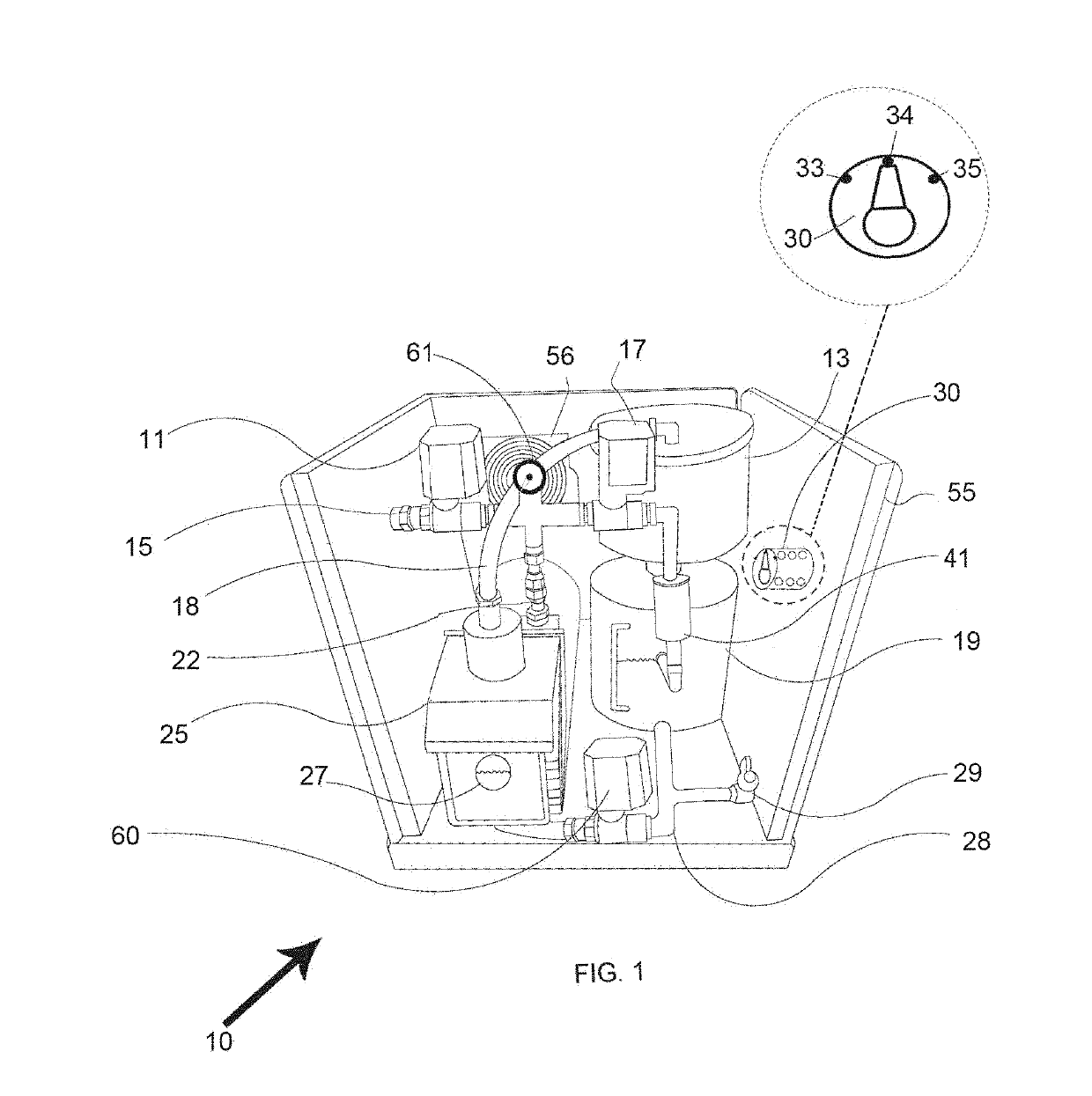
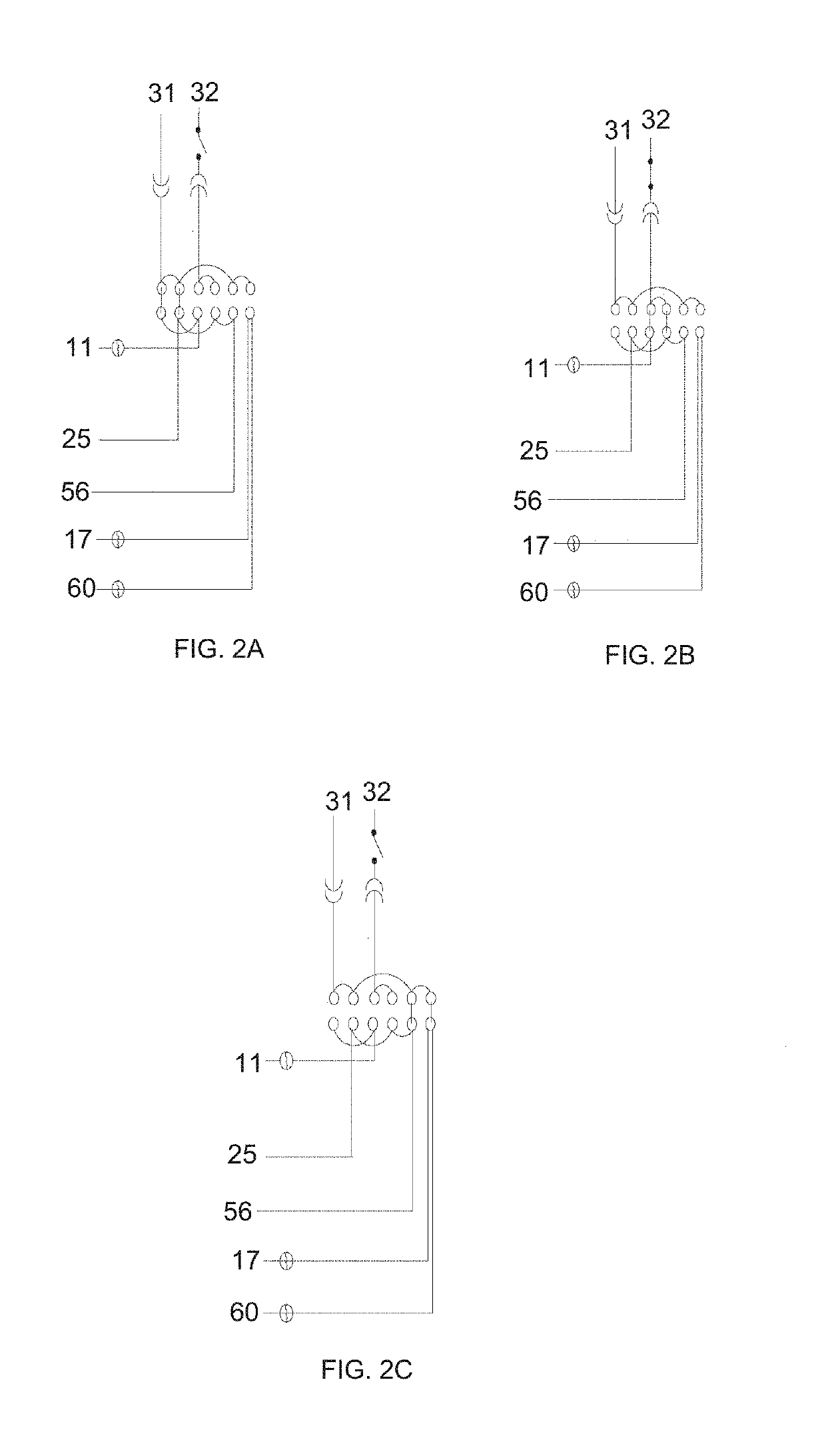
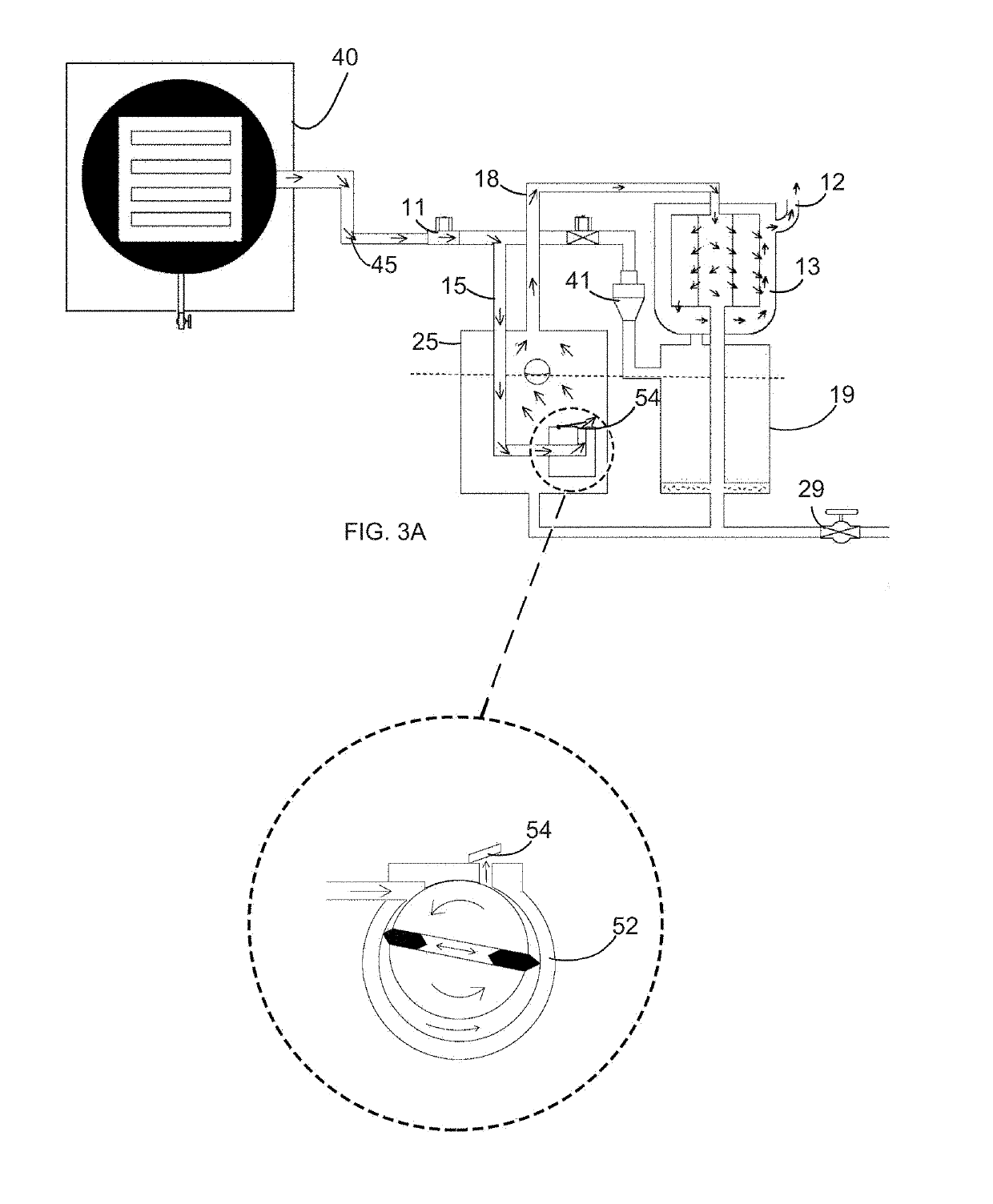
System and method to combine a filter system with a freeze dryer to filter contamination of a vacuum pump
PatentInactiveUS10427084B1
Innovation
- A filtration system and method that includes a rotary switch with multiple modes, a coalescing filter to separate water vapor and particulate gases into oil, water, and particulates, and a sedimentary filter to collect rust and water, rejuvenating the oil and reducing noise levels, allowing for efficient filtering during the freezing cycle without draining or replacing the oil.

Multifunctional vacuum pump
PatentPendingEP4647605A1
Innovation
- A multifunctional vacuum pump design incorporates an oil mist filter assembly to retain impurities and an adjustable gas ballast assembly to control water vapor entry, combined with a two-stage compression system and filtration to improve efficiency and reliability.


Environmental Regulations Impact on Vacuum Systems
Environmental regulations have become increasingly stringent worldwide, fundamentally reshaping the vacuum pump industry and driving significant changes in filter effectiveness requirements. The European Union's REACH regulation and RoHS directive have established strict limits on hazardous substances, while the United States EPA's Clean Air Act amendments have imposed rigorous emission standards for industrial equipment. These regulatory frameworks directly impact the selection criteria between dry pumps and oil-based systems, as environmental compliance has become a primary consideration alongside traditional performance metrics.
The regulatory landscape particularly affects oil-based vacuum systems due to their potential for hydrocarbon emissions and oil vapor discharge. New emission standards require enhanced filtration systems and regular monitoring of exhaust streams, significantly increasing operational complexity and compliance costs. Many jurisdictions now mandate secondary containment systems and vapor recovery units for oil-sealed pumps, making dry pump alternatives more attractive from both environmental and economic perspectives.
Waste disposal regulations have created additional compliance burdens for oil-based systems. Used pump oil is classified as hazardous waste in most developed countries, requiring specialized disposal procedures and documentation. The European Waste Framework Directive and similar regulations in Asia-Pacific regions have established strict tracking requirements for oil waste streams, creating ongoing administrative overhead that dry pump systems inherently avoid.
Energy efficiency mandates, such as the EU's Ecodesign Directive, are driving innovation in vacuum pump filter technologies. These regulations favor systems with lower energy consumption and reduced environmental impact, often giving dry pumps a competitive advantage despite their higher initial capital costs. The regulatory emphasis on lifecycle environmental impact assessment has shifted procurement decisions toward technologies with superior long-term sustainability profiles.
Emerging regulations on perfluorinated compounds and volatile organic compounds are expected to further influence vacuum system selection. As environmental standards continue to evolve, manufacturers are investing heavily in advanced filtration technologies and monitoring systems to ensure compliance across diverse regulatory jurisdictions, fundamentally altering the competitive dynamics between dry and oil-based vacuum pump technologies.
The regulatory landscape particularly affects oil-based vacuum systems due to their potential for hydrocarbon emissions and oil vapor discharge. New emission standards require enhanced filtration systems and regular monitoring of exhaust streams, significantly increasing operational complexity and compliance costs. Many jurisdictions now mandate secondary containment systems and vapor recovery units for oil-sealed pumps, making dry pump alternatives more attractive from both environmental and economic perspectives.
Waste disposal regulations have created additional compliance burdens for oil-based systems. Used pump oil is classified as hazardous waste in most developed countries, requiring specialized disposal procedures and documentation. The European Waste Framework Directive and similar regulations in Asia-Pacific regions have established strict tracking requirements for oil waste streams, creating ongoing administrative overhead that dry pump systems inherently avoid.
Energy efficiency mandates, such as the EU's Ecodesign Directive, are driving innovation in vacuum pump filter technologies. These regulations favor systems with lower energy consumption and reduced environmental impact, often giving dry pumps a competitive advantage despite their higher initial capital costs. The regulatory emphasis on lifecycle environmental impact assessment has shifted procurement decisions toward technologies with superior long-term sustainability profiles.
Emerging regulations on perfluorinated compounds and volatile organic compounds are expected to further influence vacuum system selection. As environmental standards continue to evolve, manufacturers are investing heavily in advanced filtration technologies and monitoring systems to ensure compliance across diverse regulatory jurisdictions, fundamentally altering the competitive dynamics between dry and oil-based vacuum pump technologies.
Cost-Benefit Analysis of Filter Technology Adoption
The economic evaluation of filter technology adoption in vacuum pump systems reveals significant variations between dry pumps and oil-based systems, with initial capital expenditure representing only a fraction of the total cost of ownership. Dry pump systems typically require higher upfront investment, with filter assemblies costing 15-25% more than conventional oil-based alternatives. However, this initial premium is offset by reduced operational complexity and elimination of oil-related consumables.
Operational cost analysis demonstrates that dry pump filter systems generate substantial savings through reduced maintenance requirements. Oil-based systems necessitate regular oil changes, filter replacements, and disposal costs that can accumulate to $2,000-5,000 annually per unit, depending on application intensity. Conversely, dry systems primarily incur costs through periodic filter element replacement, typically ranging from $800-1,500 annually.
Labor cost considerations favor dry pump technology significantly. Oil-based systems require specialized maintenance procedures, including oil analysis, contamination monitoring, and hazardous waste handling protocols. These activities demand skilled technicians and extended downtime periods. Dry systems streamline maintenance to simple filter cartridge replacement, reducing labor requirements by approximately 60-70% compared to oil-based alternatives.
Energy efficiency metrics reveal mixed results depending on application parameters. Dry pumps with advanced filtration systems consume 10-15% more electrical power during operation due to increased pressure drop across filter elements. However, this energy penalty is partially offset by elimination of oil heating requirements and reduced auxiliary equipment needs.
Return on investment calculations indicate payback periods of 18-36 months for dry pump filter technology adoption, with faster returns achieved in high-throughput applications. Industries processing corrosive or contaminating substances experience accelerated payback due to reduced filter replacement frequency and extended equipment lifespan.
Risk mitigation benefits provide additional economic value through reduced insurance premiums, regulatory compliance costs, and environmental liability exposure. Organizations adopting dry pump systems report 20-30% reduction in environmental compliance expenditures and elimination of oil spill remediation risks, contributing to overall cost-effectiveness despite higher initial investment requirements.
Operational cost analysis demonstrates that dry pump filter systems generate substantial savings through reduced maintenance requirements. Oil-based systems necessitate regular oil changes, filter replacements, and disposal costs that can accumulate to $2,000-5,000 annually per unit, depending on application intensity. Conversely, dry systems primarily incur costs through periodic filter element replacement, typically ranging from $800-1,500 annually.
Labor cost considerations favor dry pump technology significantly. Oil-based systems require specialized maintenance procedures, including oil analysis, contamination monitoring, and hazardous waste handling protocols. These activities demand skilled technicians and extended downtime periods. Dry systems streamline maintenance to simple filter cartridge replacement, reducing labor requirements by approximately 60-70% compared to oil-based alternatives.
Energy efficiency metrics reveal mixed results depending on application parameters. Dry pumps with advanced filtration systems consume 10-15% more electrical power during operation due to increased pressure drop across filter elements. However, this energy penalty is partially offset by elimination of oil heating requirements and reduced auxiliary equipment needs.
Return on investment calculations indicate payback periods of 18-36 months for dry pump filter technology adoption, with faster returns achieved in high-throughput applications. Industries processing corrosive or contaminating substances experience accelerated payback due to reduced filter replacement frequency and extended equipment lifespan.
Risk mitigation benefits provide additional economic value through reduced insurance premiums, regulatory compliance costs, and environmental liability exposure. Organizations adopting dry pump systems report 20-30% reduction in environmental compliance expenditures and elimination of oil spill remediation risks, contributing to overall cost-effectiveness despite higher initial investment requirements.
Unlock deeper insights with Patsnap Eureka Quick Research — get a full tech report to explore trends and direct your research. Try now!
Generate Your Research Report Instantly with AI Agent
Supercharge your innovation with Patsnap Eureka AI Agent Platform!