

How to Determine Colloidal Silica Purity Using Titration Methods
SEP 10, 20259 MIN READ
Generate Your Research Report Instantly with AI Agent
PatSnap Eureka helps you evaluate technical feasibility & market potential.
Colloidal Silica Titration Analysis Background and Objectives
Colloidal silica has emerged as a critical material in various industrial applications, including semiconductor manufacturing, catalysis, coatings, and biomedical fields. The evolution of colloidal silica technology dates back to the early 20th century, with significant advancements occurring in the 1940s through the work of researchers like Ralph K. Iler. Since then, the technology has continuously evolved, with modern applications demanding increasingly precise control over purity levels and particle characteristics.
The determination of colloidal silica purity represents a fundamental analytical challenge across multiple industries. Traditional methods have relied on gravimetric analysis and spectroscopic techniques, but titration methods have gained prominence due to their relative simplicity, cost-effectiveness, and potential for high accuracy when properly implemented. The historical progression of titration techniques for silica analysis shows a clear trend toward greater precision and applicability to complex matrices.
Current technological trends in colloidal silica analysis focus on developing more sensitive, rapid, and automated titration procedures. These advancements are driven by the increasing demands of high-tech industries where even minor impurities can significantly impact product performance. The integration of digital technologies and advanced sensors into titration systems represents a notable direction in the field's evolution.
The primary objective of this technical research is to comprehensively evaluate titration methodologies for determining colloidal silica purity, with particular emphasis on their accuracy, precision, limitations, and applicability across different industrial contexts. We aim to identify the most effective titration approaches for various colloidal silica formulations and to establish standardized protocols that can be widely adopted.
Secondary objectives include assessing the correlation between titration results and actual performance characteristics of colloidal silica in specific applications, identifying potential interferences in complex matrices, and exploring opportunities for method optimization. Additionally, we seek to compare titration methods with other analytical techniques to establish a comprehensive analytical framework for colloidal silica characterization.
The technological goals of this research extend to developing improved calibration standards, enhancing method sensitivity for detecting trace impurities, and reducing analysis time without compromising accuracy. We also aim to explore the potential for integrating titration methods with inline monitoring systems for real-time quality control in manufacturing environments.
Understanding the fundamental chemistry underlying titration reactions with colloidal silica is essential for method development and optimization. This includes elucidating reaction mechanisms, kinetics, and equilibrium conditions that affect analytical outcomes.
The determination of colloidal silica purity represents a fundamental analytical challenge across multiple industries. Traditional methods have relied on gravimetric analysis and spectroscopic techniques, but titration methods have gained prominence due to their relative simplicity, cost-effectiveness, and potential for high accuracy when properly implemented. The historical progression of titration techniques for silica analysis shows a clear trend toward greater precision and applicability to complex matrices.
Current technological trends in colloidal silica analysis focus on developing more sensitive, rapid, and automated titration procedures. These advancements are driven by the increasing demands of high-tech industries where even minor impurities can significantly impact product performance. The integration of digital technologies and advanced sensors into titration systems represents a notable direction in the field's evolution.
The primary objective of this technical research is to comprehensively evaluate titration methodologies for determining colloidal silica purity, with particular emphasis on their accuracy, precision, limitations, and applicability across different industrial contexts. We aim to identify the most effective titration approaches for various colloidal silica formulations and to establish standardized protocols that can be widely adopted.
Secondary objectives include assessing the correlation between titration results and actual performance characteristics of colloidal silica in specific applications, identifying potential interferences in complex matrices, and exploring opportunities for method optimization. Additionally, we seek to compare titration methods with other analytical techniques to establish a comprehensive analytical framework for colloidal silica characterization.
The technological goals of this research extend to developing improved calibration standards, enhancing method sensitivity for detecting trace impurities, and reducing analysis time without compromising accuracy. We also aim to explore the potential for integrating titration methods with inline monitoring systems for real-time quality control in manufacturing environments.
Understanding the fundamental chemistry underlying titration reactions with colloidal silica is essential for method development and optimization. This includes elucidating reaction mechanisms, kinetics, and equilibrium conditions that affect analytical outcomes.
Market Applications and Demand for High-Purity Colloidal Silica
The global market for high-purity colloidal silica has experienced significant growth in recent years, driven by expanding applications across multiple industries. The semiconductor industry represents the largest consumer of high-purity colloidal silica, where it serves as a critical component in chemical mechanical planarization (CMP) slurries used for wafer polishing. This application demands extremely high purity levels to prevent contamination that could compromise semiconductor device performance.
In the electronics manufacturing sector, high-purity colloidal silica is essential for precision polishing of components such as hard disk drives, optical lenses, and display panels. The growing consumer electronics market, particularly in Asia-Pacific regions, has substantially increased demand for these materials, with market analysts reporting annual growth rates exceeding 7% in this segment.
The pharmaceutical and biomedical industries represent rapidly expanding markets for high-purity colloidal silica. Its applications include drug delivery systems, diagnostic tools, and biomedical imaging agents. The biocompatibility and controllable properties of high-purity colloidal silica make it particularly valuable for these sensitive applications, where even trace impurities can affect biological interactions and efficacy.
Environmental applications constitute another significant market segment, with high-purity colloidal silica used in water treatment processes, environmental remediation, and as catalysts or catalyst supports for pollution control systems. The increasing global focus on environmental protection and sustainable technologies has accelerated demand in this sector.
The coatings industry utilizes high-purity colloidal silica for specialized applications including anti-reflective coatings, scratch-resistant surfaces, and thermal barrier coatings. These applications require precise control of silica purity to ensure consistent performance characteristics and durability.
Market research indicates that the global high-purity colloidal silica market is projected to reach several billion dollars by 2028, with the highest growth rates observed in Asia-Pacific and North America. This growth is driven by technological advancements in electronics, increasing healthcare expenditures, and stringent environmental regulations.
The demand for increasingly pure colloidal silica continues to rise as applications become more sophisticated and performance requirements become more stringent. Industries now routinely require silica with purity levels exceeding 99.999%, with some specialized semiconductor applications demanding even higher specifications. This trend has intensified the need for advanced analytical methods, including precise titration techniques, to accurately determine and verify colloidal silica purity levels throughout production and application processes.
In the electronics manufacturing sector, high-purity colloidal silica is essential for precision polishing of components such as hard disk drives, optical lenses, and display panels. The growing consumer electronics market, particularly in Asia-Pacific regions, has substantially increased demand for these materials, with market analysts reporting annual growth rates exceeding 7% in this segment.
The pharmaceutical and biomedical industries represent rapidly expanding markets for high-purity colloidal silica. Its applications include drug delivery systems, diagnostic tools, and biomedical imaging agents. The biocompatibility and controllable properties of high-purity colloidal silica make it particularly valuable for these sensitive applications, where even trace impurities can affect biological interactions and efficacy.
Environmental applications constitute another significant market segment, with high-purity colloidal silica used in water treatment processes, environmental remediation, and as catalysts or catalyst supports for pollution control systems. The increasing global focus on environmental protection and sustainable technologies has accelerated demand in this sector.
The coatings industry utilizes high-purity colloidal silica for specialized applications including anti-reflective coatings, scratch-resistant surfaces, and thermal barrier coatings. These applications require precise control of silica purity to ensure consistent performance characteristics and durability.
Market research indicates that the global high-purity colloidal silica market is projected to reach several billion dollars by 2028, with the highest growth rates observed in Asia-Pacific and North America. This growth is driven by technological advancements in electronics, increasing healthcare expenditures, and stringent environmental regulations.
The demand for increasingly pure colloidal silica continues to rise as applications become more sophisticated and performance requirements become more stringent. Industries now routinely require silica with purity levels exceeding 99.999%, with some specialized semiconductor applications demanding even higher specifications. This trend has intensified the need for advanced analytical methods, including precise titration techniques, to accurately determine and verify colloidal silica purity levels throughout production and application processes.
Current Titration Methods and Technical Challenges
Titration methods for determining colloidal silica purity have evolved significantly over the past decades, with several established techniques currently in use across research and industrial applications. The most widely employed method is alkalimetric titration, which measures the alkalinity of colloidal silica suspensions by neutralizing with standardized acid solutions. This technique provides valuable information about the silicate content but faces challenges in distinguishing between different silicate species present in the colloid.
Potentiometric titration represents another common approach, utilizing pH electrodes to detect endpoint changes during acid-base reactions. While offering good precision, this method suffers from interference issues when samples contain multiple ionic species, which is often the case with industrial-grade colloidal silica. The titration curves can become complex and difficult to interpret accurately, particularly at low concentrations.
Conductometric titration monitors changes in electrical conductivity during the titration process. This technique proves useful for colloidal silica analysis as it can detect subtle changes in ionic composition. However, temperature fluctuations significantly impact measurements, requiring strict environmental controls that may be impractical in some industrial settings.
A significant technical challenge across all titration methods is the inherent instability of colloidal silica systems. The dynamic nature of silica particles in suspension means that aging effects can alter results even during the analysis process. Samples must be analyzed promptly after preparation, and standardized protocols for sample handling are essential but often inconsistently applied across laboratories.
Interference from co-existing species presents another major obstacle. Industrial colloidal silica typically contains various stabilizers, modifiers, and contaminants that can react with titrants or mask endpoints. These interferences necessitate complex correction factors or sample pre-treatments that introduce additional variables and potential errors.
The detection of endpoint remains problematic, particularly for automated systems. Visual indicators often provide subjective results dependent on operator experience, while instrumental methods may struggle with the gradual transitions characteristic of colloidal systems rather than the sharp endpoints observed in simple solutions.
Standardization across the industry poses a persistent challenge. Different manufacturers and research groups employ varied titration protocols, making direct comparison of purity assessments difficult. This lack of standardization hampers quality control efforts and complicates regulatory compliance in industries where colloidal silica purity is critical, such as semiconductor manufacturing and pharmaceutical processing.
Potentiometric titration represents another common approach, utilizing pH electrodes to detect endpoint changes during acid-base reactions. While offering good precision, this method suffers from interference issues when samples contain multiple ionic species, which is often the case with industrial-grade colloidal silica. The titration curves can become complex and difficult to interpret accurately, particularly at low concentrations.
Conductometric titration monitors changes in electrical conductivity during the titration process. This technique proves useful for colloidal silica analysis as it can detect subtle changes in ionic composition. However, temperature fluctuations significantly impact measurements, requiring strict environmental controls that may be impractical in some industrial settings.
A significant technical challenge across all titration methods is the inherent instability of colloidal silica systems. The dynamic nature of silica particles in suspension means that aging effects can alter results even during the analysis process. Samples must be analyzed promptly after preparation, and standardized protocols for sample handling are essential but often inconsistently applied across laboratories.
Interference from co-existing species presents another major obstacle. Industrial colloidal silica typically contains various stabilizers, modifiers, and contaminants that can react with titrants or mask endpoints. These interferences necessitate complex correction factors or sample pre-treatments that introduce additional variables and potential errors.
The detection of endpoint remains problematic, particularly for automated systems. Visual indicators often provide subjective results dependent on operator experience, while instrumental methods may struggle with the gradual transitions characteristic of colloidal systems rather than the sharp endpoints observed in simple solutions.
Standardization across the industry poses a persistent challenge. Different manufacturers and research groups employ varied titration protocols, making direct comparison of purity assessments difficult. This lack of standardization hampers quality control efforts and complicates regulatory compliance in industries where colloidal silica purity is critical, such as semiconductor manufacturing and pharmaceutical processing.
Established Titration Protocols for Colloidal Silica Purity Assessment
01 Purification methods for high-purity colloidal silica
Various purification methods are employed to achieve high-purity colloidal silica, including ion exchange processes, filtration techniques, and chemical treatments. These methods effectively remove impurities such as metal ions, organic contaminants, and other particulates that can affect the quality and performance of colloidal silica. Advanced purification processes can achieve ultra-high purity levels suitable for semiconductor and electronics applications.- Purification methods for high-purity colloidal silica: Various purification methods are employed to achieve high-purity colloidal silica, including ion exchange processes, filtration techniques, and chemical treatments. These methods effectively remove impurities such as metal ions, organic contaminants, and other particulates that can affect the quality and performance of colloidal silica. Advanced purification processes can achieve ultra-high purity levels suitable for semiconductor and electronics applications.
- Measurement and characterization of colloidal silica purity: Techniques for measuring and characterizing the purity of colloidal silica include spectroscopic methods, particle size analysis, zeta potential measurements, and chemical composition analysis. These analytical approaches help determine the concentration of impurities, particle size distribution, stability, and overall quality of colloidal silica dispersions. Standardized testing protocols ensure consistent purity evaluation across different batches and manufacturing processes.
- Synthesis processes for controlling colloidal silica purity: Specialized synthesis processes are developed to control the purity of colloidal silica from the production stage. These include sol-gel methods, controlled hydrolysis of silicon compounds, and precipitation techniques under carefully monitored conditions. By controlling reaction parameters such as temperature, pH, concentration, and reaction time, manufacturers can produce colloidal silica with predetermined purity levels and consistent properties.
- Applications requiring high-purity colloidal silica: High-purity colloidal silica is essential for various advanced applications including semiconductor processing, precision polishing, catalyst supports, and pharmaceutical formulations. The purity requirements vary by application, with electronic and optical industries typically demanding the highest purity levels. Impurities can significantly impact performance in these sensitive applications, affecting properties such as surface finish quality, catalytic activity, or electronic component reliability.
- Stabilization techniques for maintaining colloidal silica purity: Various stabilization techniques are employed to maintain the purity and prevent degradation of colloidal silica during storage and use. These include pH adjustment, addition of specific stabilizing agents, surface modification, and protective packaging. Stabilized colloidal silica resists aggregation, contamination, and property changes over time, ensuring consistent performance in applications where purity is critical.
02 Measurement and control of colloidal silica purity
Techniques for measuring and controlling the purity of colloidal silica involve sophisticated analytical methods such as inductively coupled plasma mass spectrometry (ICP-MS), particle size analysis, and zeta potential measurements. These techniques allow for precise determination of impurity levels, particle size distribution, and stability characteristics. Quality control protocols ensure consistent purity levels across production batches.Expand Specific Solutions03 Applications requiring high-purity colloidal silica
High-purity colloidal silica is essential for various advanced applications including semiconductor manufacturing, precision polishing, catalyst supports, and pharmaceutical processing. The purity requirements vary depending on the application, with semiconductor and electronics industries demanding the highest levels of purity to prevent defects and contamination. Medical and pharmaceutical applications also require high-purity colloidal silica to ensure safety and efficacy.Expand Specific Solutions04 Synthesis methods affecting colloidal silica purity
The synthesis method significantly impacts the purity of colloidal silica. Sol-gel processes, flame hydrolysis, and ion exchange methods each produce colloidal silica with different purity profiles. Controlled reaction conditions, including temperature, pH, and reactant concentrations, are crucial for achieving desired purity levels. Advanced synthesis techniques can incorporate in-process purification steps to minimize contamination during production.Expand Specific Solutions05 Stabilization of high-purity colloidal silica
Maintaining the stability of high-purity colloidal silica is essential to prevent agglomeration and preserve its unique properties. Stabilization methods include pH adjustment, addition of specific stabilizing agents, and surface modification techniques. These approaches help maintain the colloidal dispersion over extended periods without compromising purity. Proper packaging and storage conditions are also critical for preserving the purity and stability of colloidal silica products.Expand Specific Solutions
Leading Manufacturers and Research Institutions in Silica Analysis
The colloidal silica purity determination market is in a growth phase, with increasing demand driven by semiconductor, pharmaceutical, and construction applications. The global market size is estimated to exceed $4 billion, expanding at 6-8% CAGR. Technologically, titration methods for purity assessment are well-established but evolving toward greater precision and automation. Leading players include specialized chemical companies like Evonik Operations and Nissan Chemical, alongside diversified corporations such as BASF and EMD Millipore. Academic institutions like Arizona State University contribute to method refinement, while equipment manufacturers including BÜCHI Labortechnik and Hach SAS provide analytical instrumentation. The competitive landscape features both established players with comprehensive portfolios and specialized entities focusing on niche applications or regional markets.
Evonik Operations GmbH
Technical Solution: Evonik has developed advanced titration methods for colloidal silica purity determination using potentiometric titration combined with specialized electrode systems. Their approach involves a two-step process: first, measuring the surface silanol groups through acid-base titration using pH-sensitive electrodes, followed by determining impurity content through conductometric titration. The company employs automated titration systems with temperature control (20±0.1°C) to ensure reproducibility. Their method can detect impurities at concentrations as low as 10 ppm, particularly metal ions like Na+, K+, and Ca2+ that affect colloidal stability. Evonik's proprietary algorithms analyze titration curves to distinguish between surface-bound silanol groups and bulk impurities, providing comprehensive purity profiles for their AEROSIL® and AEROPERL® colloidal silica products.
Strengths: High precision detection of impurities at ppm levels; automated systems reduce human error; comprehensive analysis of both surface and bulk properties. Weaknesses: Requires specialized equipment and trained operators; time-consuming compared to some spectroscopic methods; may require sample preparation that could introduce contamination.
Nissan Chemical Corp.
Technical Solution: Nissan Chemical has pioneered a multi-tiered titration approach for colloidal silica purity assessment, particularly for their Snowtex® product line. Their method combines potentiometric and conductometric titration techniques with specialized sample preparation protocols. The process begins with precise dilution of colloidal silica samples to standardized concentrations (typically 1-5% w/w), followed by pH adjustment to neutral conditions. Their titration protocol employs a dual-indicator system using methyl orange and phenolphthalein to identify different endpoint transitions corresponding to various impurity types. For metal impurity detection, they utilize EDTA complexometric titration with specialized indicators like Eriochrome Black T. Nissan Chemical's approach can differentiate between sodium stabilized and non-sodium stabilized colloids, with detection limits for Na+ impurities as low as 5 ppm. The company has also developed correction factors to account for particle size effects on titration results.
Strengths: Highly sensitive detection of specific metal impurities; differentiation between stabilizer additives and contaminants; established correction factors for particle size variations. Weaknesses: Complex multi-step process requiring significant expertise; potential for indicator interference in colored samples; requires careful pH control throughout the procedure.
Critical Titration Parameters and Reaction Mechanisms
Method of manufacturing colloidal silica with high purity (I)
PatentInactiveTW200619139A
Innovation
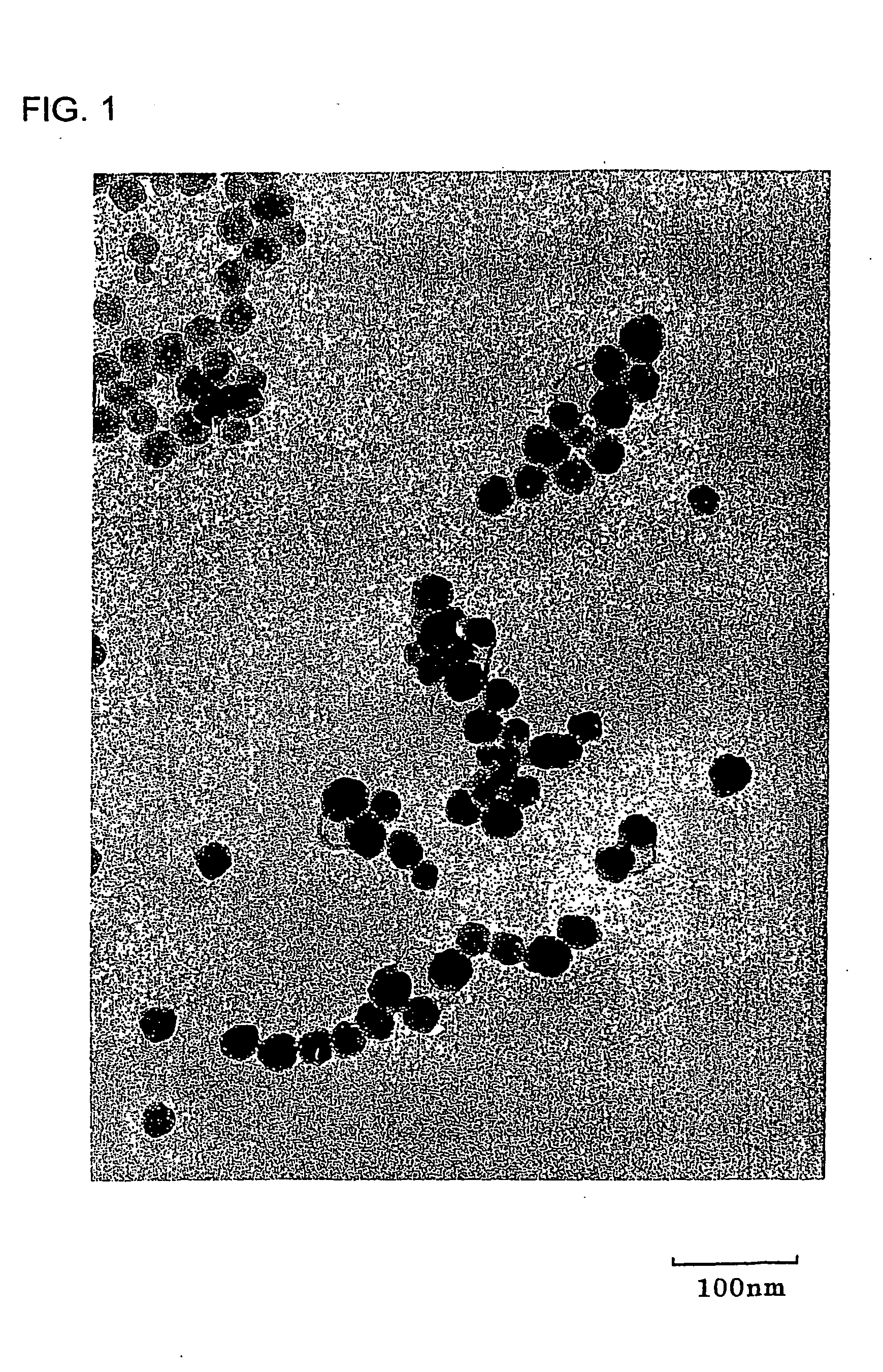
- A method involving a chelating agent mixing process with nitrogen or phosphorus-containing chelating agents followed by an anion exchanger contact process to remove metal impurities adsorbed on the surface of colloidal silica particles and dissolved in the dispersion medium.
Composite sol, process for producing the same, and ink-jet recording medium
PatentInactiveUS20080268152A1
Innovation
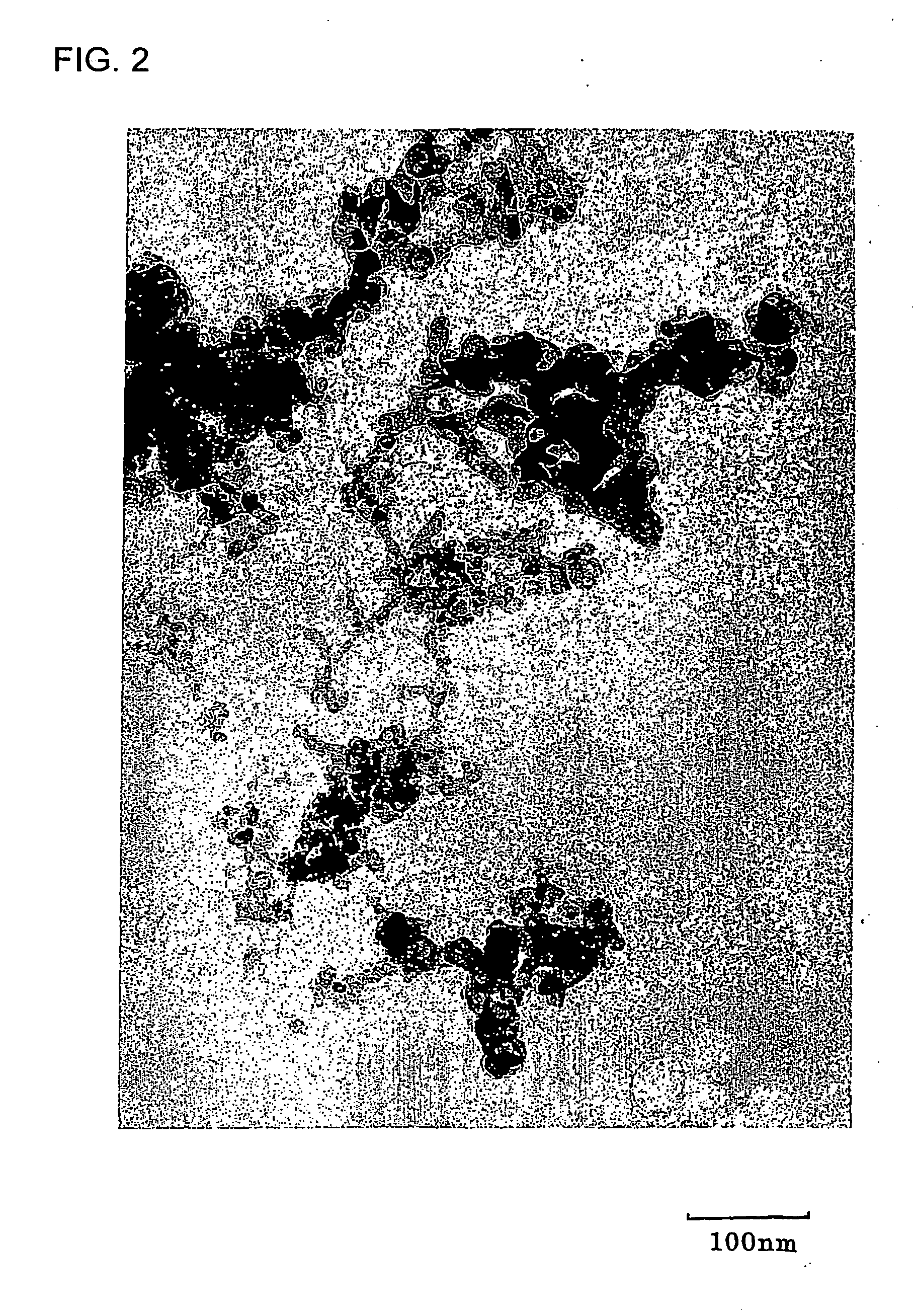
- A composite sol is developed comprising colloidal silica particles bonded or coated with aluminum phosphate, which enhances film-forming properties, porosity, and ink absorptivity by controlling the shape and surface modification of colloidal silica particles, and a process for producing this sol is described, involving the addition of phosphoric acid and an aluminum salt to an aqueous silica sol, followed by maturation to create stable colloidal composite particles.
Quality Control Standards and Certification Requirements
Quality control standards for colloidal silica purity determination using titration methods are governed by several international and industry-specific frameworks. The International Organization for Standardization (ISO) has established ISO 9001 quality management systems that provide general guidelines for consistent product quality, while more specific standards like ISO 14887 address sample preparation of dispersions for particle size analysis. These standards ensure reliability and reproducibility of titration results across different laboratories and manufacturing facilities.
The American Society for Testing and Materials (ASTM) offers detailed protocols specifically for silica analysis, including ASTM D5219 for silica in water and ASTM C1069 for silica in industrial chemicals. These standards outline precise titration procedures, acceptable reagent purities, equipment calibration requirements, and statistical methods for data analysis. Adherence to these standards is crucial for manufacturers seeking to demonstrate product quality and consistency.
For pharmaceutical and electronic applications where ultra-high purity colloidal silica is required, more stringent standards apply. The United States Pharmacopeia (USP) and European Pharmacopoeia (EP) provide detailed monographs for colloidal silica used in pharmaceutical formulations, specifying maximum allowable impurity levels and mandatory testing methodologies. Similarly, SEMI standards govern semiconductor-grade colloidal silica, where even trace impurities can significantly impact performance.
Certification requirements typically involve third-party verification through accredited laboratories. Manufacturers must demonstrate consistent compliance with relevant standards through documented quality control procedures, regular testing, and proper record-keeping. ISO/IEC 17025 accreditation is often required for testing laboratories performing these analyses, ensuring their technical competence and the validity of their results.
Quality control documentation for colloidal silica should include certificates of analysis (CoA) detailing titration results, impurity profiles, particle size distribution, and pH values. These documents must be traceable to calibrated instruments and reference materials, with clear identification of test methods used. Many industries also require stability testing data to verify that purity levels remain consistent throughout the product's shelf life.
Emerging trends in quality control standards include the integration of real-time monitoring systems and automated titration equipment with digital documentation capabilities. These technologies enable continuous verification of product quality and facilitate compliance with increasingly stringent regulatory requirements across various industries utilizing colloidal silica.
The American Society for Testing and Materials (ASTM) offers detailed protocols specifically for silica analysis, including ASTM D5219 for silica in water and ASTM C1069 for silica in industrial chemicals. These standards outline precise titration procedures, acceptable reagent purities, equipment calibration requirements, and statistical methods for data analysis. Adherence to these standards is crucial for manufacturers seeking to demonstrate product quality and consistency.
For pharmaceutical and electronic applications where ultra-high purity colloidal silica is required, more stringent standards apply. The United States Pharmacopeia (USP) and European Pharmacopoeia (EP) provide detailed monographs for colloidal silica used in pharmaceutical formulations, specifying maximum allowable impurity levels and mandatory testing methodologies. Similarly, SEMI standards govern semiconductor-grade colloidal silica, where even trace impurities can significantly impact performance.
Certification requirements typically involve third-party verification through accredited laboratories. Manufacturers must demonstrate consistent compliance with relevant standards through documented quality control procedures, regular testing, and proper record-keeping. ISO/IEC 17025 accreditation is often required for testing laboratories performing these analyses, ensuring their technical competence and the validity of their results.
Quality control documentation for colloidal silica should include certificates of analysis (CoA) detailing titration results, impurity profiles, particle size distribution, and pH values. These documents must be traceable to calibrated instruments and reference materials, with clear identification of test methods used. Many industries also require stability testing data to verify that purity levels remain consistent throughout the product's shelf life.
Emerging trends in quality control standards include the integration of real-time monitoring systems and automated titration equipment with digital documentation capabilities. These technologies enable continuous verification of product quality and facilitate compliance with increasingly stringent regulatory requirements across various industries utilizing colloidal silica.
Environmental Impact of Titration Reagents and Waste Management
The titration methods used for determining colloidal silica purity involve various chemical reagents that can pose significant environmental concerns if not properly managed. Primary titration reagents such as sodium hydroxide, hydrochloric acid, and indicators like phenolphthalein contain compounds that may be harmful to aquatic ecosystems when discharged without treatment. These chemicals can alter the pH balance of water bodies, potentially leading to adverse effects on aquatic life and disrupting natural ecological processes.
Acidic reagents used in titration procedures can contribute to soil acidification if improperly disposed of, while alkaline substances may increase soil pH beyond optimal levels for vegetation. Both scenarios can negatively impact soil microbial communities and plant growth. Additionally, certain indicators and complexing agents employed in specialized titration methods for colloidal silica analysis contain heavy metals or persistent organic compounds that can bioaccumulate in the food chain.
Waste management strategies for titration laboratories should incorporate a hierarchical approach prioritizing waste minimization at the source. This includes implementing micro-scale titration techniques that reduce reagent volumes while maintaining analytical precision. Modern automated titrators can significantly decrease reagent consumption compared to traditional manual methods, offering both environmental and economic benefits through reduced waste generation.
Proper neutralization of acidic and basic waste streams before disposal is essential, with pH adjustment to within acceptable regulatory limits (typically 6-9). Specialized treatment may be required for wastes containing heavy metals or other hazardous components used in certain titration procedures. Many facilities implement waste segregation protocols to prevent incompatible chemicals from mixing and to facilitate appropriate treatment pathways.
Recovery and recycling opportunities exist for certain titration reagents, particularly for high-purity acids and bases that can be reclaimed through distillation processes. Closed-loop systems that capture and reuse reagents represent an emerging sustainable practice in analytical laboratories focused on colloidal silica analysis.
Regulatory compliance frameworks vary globally but generally require detailed documentation of waste generation, treatment, and disposal. Organizations conducting colloidal silica purity testing must maintain comprehensive chemical inventories and waste manifests to demonstrate adherence to environmental protection standards. Many jurisdictions mandate specific training requirements for laboratory personnel handling and disposing of titration-related chemicals.
Acidic reagents used in titration procedures can contribute to soil acidification if improperly disposed of, while alkaline substances may increase soil pH beyond optimal levels for vegetation. Both scenarios can negatively impact soil microbial communities and plant growth. Additionally, certain indicators and complexing agents employed in specialized titration methods for colloidal silica analysis contain heavy metals or persistent organic compounds that can bioaccumulate in the food chain.
Waste management strategies for titration laboratories should incorporate a hierarchical approach prioritizing waste minimization at the source. This includes implementing micro-scale titration techniques that reduce reagent volumes while maintaining analytical precision. Modern automated titrators can significantly decrease reagent consumption compared to traditional manual methods, offering both environmental and economic benefits through reduced waste generation.
Proper neutralization of acidic and basic waste streams before disposal is essential, with pH adjustment to within acceptable regulatory limits (typically 6-9). Specialized treatment may be required for wastes containing heavy metals or other hazardous components used in certain titration procedures. Many facilities implement waste segregation protocols to prevent incompatible chemicals from mixing and to facilitate appropriate treatment pathways.
Recovery and recycling opportunities exist for certain titration reagents, particularly for high-purity acids and bases that can be reclaimed through distillation processes. Closed-loop systems that capture and reuse reagents represent an emerging sustainable practice in analytical laboratories focused on colloidal silica analysis.
Regulatory compliance frameworks vary globally but generally require detailed documentation of waste generation, treatment, and disposal. Organizations conducting colloidal silica purity testing must maintain comprehensive chemical inventories and waste manifests to demonstrate adherence to environmental protection standards. Many jurisdictions mandate specific training requirements for laboratory personnel handling and disposing of titration-related chemicals.
Unlock deeper insights with PatSnap Eureka Quick Research — get a full tech report to explore trends and direct your research. Try now!
Generate Your Research Report Instantly with AI Agent
Supercharge your innovation with PatSnap Eureka AI Agent Platform!