
How to Develop Protocols for Runaway Event Management
FEB 26, 20269 MIN READ
Generate Your Research Report Instantly with AI Agent
Patsnap Eureka helps you evaluate technical feasibility & market potential.
Runaway Event Management Background and Objectives
Runaway events in industrial processes represent one of the most critical safety challenges facing modern manufacturing and chemical processing industries. These events occur when a chemical reaction or physical process becomes uncontrollable, leading to rapid increases in temperature, pressure, or reaction rate that can result in catastrophic failures, explosions, toxic releases, or significant equipment damage. The complexity of modern industrial systems, combined with increasingly stringent safety regulations and environmental concerns, has elevated runaway event management from a reactive safety measure to a proactive, systematic approach requiring comprehensive protocol development.
The historical context of runaway event management traces back to several landmark industrial accidents that fundamentally changed how industries approach process safety. The Bhopal disaster of 1984, the Seveso incident of 1976, and more recent events such as the West Fertilizer Company explosion in 2013 have demonstrated the devastating consequences of inadequate runaway reaction control. These incidents catalyzed the development of process safety management systems and highlighted the critical need for robust, scientifically-based protocols that can predict, prevent, and mitigate runaway scenarios.
The evolution of runaway event management has progressed from simple temperature and pressure monitoring systems to sophisticated multi-parameter detection networks incorporating advanced analytics, machine learning algorithms, and real-time process modeling. Early approaches relied heavily on empirical safety factors and basic instrumentation, while contemporary methodologies integrate thermodynamic modeling, kinetic analysis, and probabilistic risk assessment to create more precise and responsive management protocols.
The primary objective of developing comprehensive runaway event management protocols is to establish a systematic framework that enables early detection, accurate prediction, and effective intervention before critical thresholds are exceeded. This involves creating standardized procedures for hazard identification, risk assessment, monitoring system design, emergency response activation, and post-event analysis. The protocols must be adaptable across diverse industrial sectors while maintaining consistency in safety standards and regulatory compliance.
Secondary objectives include optimizing operational efficiency by minimizing false alarms and unnecessary shutdowns, reducing insurance and liability costs through demonstrated risk mitigation, and ensuring seamless integration with existing process control systems and safety management frameworks. The ultimate goal is to create a culture of proactive safety management where runaway event prevention becomes an integral component of operational excellence rather than merely a regulatory requirement.
The historical context of runaway event management traces back to several landmark industrial accidents that fundamentally changed how industries approach process safety. The Bhopal disaster of 1984, the Seveso incident of 1976, and more recent events such as the West Fertilizer Company explosion in 2013 have demonstrated the devastating consequences of inadequate runaway reaction control. These incidents catalyzed the development of process safety management systems and highlighted the critical need for robust, scientifically-based protocols that can predict, prevent, and mitigate runaway scenarios.
The evolution of runaway event management has progressed from simple temperature and pressure monitoring systems to sophisticated multi-parameter detection networks incorporating advanced analytics, machine learning algorithms, and real-time process modeling. Early approaches relied heavily on empirical safety factors and basic instrumentation, while contemporary methodologies integrate thermodynamic modeling, kinetic analysis, and probabilistic risk assessment to create more precise and responsive management protocols.
The primary objective of developing comprehensive runaway event management protocols is to establish a systematic framework that enables early detection, accurate prediction, and effective intervention before critical thresholds are exceeded. This involves creating standardized procedures for hazard identification, risk assessment, monitoring system design, emergency response activation, and post-event analysis. The protocols must be adaptable across diverse industrial sectors while maintaining consistency in safety standards and regulatory compliance.
Secondary objectives include optimizing operational efficiency by minimizing false alarms and unnecessary shutdowns, reducing insurance and liability costs through demonstrated risk mitigation, and ensuring seamless integration with existing process control systems and safety management frameworks. The ultimate goal is to create a culture of proactive safety management where runaway event prevention becomes an integral component of operational excellence rather than merely a regulatory requirement.
Market Demand for Runaway Event Prevention Systems
The global market for runaway event prevention systems is experiencing unprecedented growth driven by increasing industrial complexity and stringent safety regulations across multiple sectors. Chemical processing facilities, pharmaceutical manufacturing plants, and petrochemical refineries represent the primary demand drivers, as these industries face the highest risk exposure to thermal runaway incidents that can result in catastrophic consequences including explosions, toxic releases, and facility destruction.
Regulatory frameworks worldwide are becoming increasingly demanding regarding process safety management. The Process Safety Management (PSM) standards in the United States, SEVESO III Directive in Europe, and similar regulations in Asia-Pacific regions mandate comprehensive runaway event prevention measures. These regulatory requirements create a substantial compliance-driven market demand, compelling organizations to invest in advanced monitoring and prevention technologies regardless of immediate cost considerations.
The pharmaceutical and fine chemicals sectors demonstrate particularly strong demand patterns due to their reliance on complex batch processes involving highly reactive materials. These industries require sophisticated protocol development capabilities to manage diverse reaction profiles and varying operational parameters. The growing trend toward continuous manufacturing in pharmaceuticals further amplifies the need for real-time runaway detection and prevention systems.
Energy sector demand is intensifying as refineries and chemical plants pursue operational efficiency improvements while maintaining safety standards. The integration of advanced process control systems with runaway prevention protocols creates opportunities for comprehensive safety management solutions. Additionally, the expansion of renewable energy storage systems, particularly large-scale battery installations, generates emerging demand for thermal runaway prevention in electrochemical applications.
Market demand extends beyond traditional heavy industries to include emerging sectors such as advanced materials manufacturing, specialty chemicals production, and research laboratories. Academic and research institutions increasingly require standardized runaway event management protocols to ensure safe operation of experimental processes and pilot-scale operations.
The growing emphasis on sustainability and environmental protection amplifies market demand as organizations seek to prevent incidents that could result in environmental contamination or regulatory penalties. Insurance companies increasingly require documented runaway prevention protocols as conditions for coverage, creating additional market pressure for comprehensive safety management systems.
Technological advancement in sensor technologies, data analytics, and artificial intelligence creates opportunities for more sophisticated prevention systems, driving market expansion through enhanced capability offerings. The integration of Internet of Things (IoT) technologies enables remote monitoring and predictive analytics, appealing to organizations seeking comprehensive risk management solutions.
Regulatory frameworks worldwide are becoming increasingly demanding regarding process safety management. The Process Safety Management (PSM) standards in the United States, SEVESO III Directive in Europe, and similar regulations in Asia-Pacific regions mandate comprehensive runaway event prevention measures. These regulatory requirements create a substantial compliance-driven market demand, compelling organizations to invest in advanced monitoring and prevention technologies regardless of immediate cost considerations.
The pharmaceutical and fine chemicals sectors demonstrate particularly strong demand patterns due to their reliance on complex batch processes involving highly reactive materials. These industries require sophisticated protocol development capabilities to manage diverse reaction profiles and varying operational parameters. The growing trend toward continuous manufacturing in pharmaceuticals further amplifies the need for real-time runaway detection and prevention systems.
Energy sector demand is intensifying as refineries and chemical plants pursue operational efficiency improvements while maintaining safety standards. The integration of advanced process control systems with runaway prevention protocols creates opportunities for comprehensive safety management solutions. Additionally, the expansion of renewable energy storage systems, particularly large-scale battery installations, generates emerging demand for thermal runaway prevention in electrochemical applications.
Market demand extends beyond traditional heavy industries to include emerging sectors such as advanced materials manufacturing, specialty chemicals production, and research laboratories. Academic and research institutions increasingly require standardized runaway event management protocols to ensure safe operation of experimental processes and pilot-scale operations.
The growing emphasis on sustainability and environmental protection amplifies market demand as organizations seek to prevent incidents that could result in environmental contamination or regulatory penalties. Insurance companies increasingly require documented runaway prevention protocols as conditions for coverage, creating additional market pressure for comprehensive safety management systems.
Technological advancement in sensor technologies, data analytics, and artificial intelligence creates opportunities for more sophisticated prevention systems, driving market expansion through enhanced capability offerings. The integration of Internet of Things (IoT) technologies enables remote monitoring and predictive analytics, appealing to organizations seeking comprehensive risk management solutions.
Current State and Challenges in Runaway Event Control
Runaway event control in industrial processes represents a critical safety challenge that has evolved significantly over the past decades. Currently, the field encompasses various detection and mitigation technologies, ranging from traditional temperature and pressure monitoring systems to advanced calorimetric analysis and real-time process modeling. The integration of these technologies into comprehensive safety management systems has become increasingly sophisticated, yet significant gaps remain in achieving optimal protection across diverse industrial applications.
The geographical distribution of runaway event control expertise shows notable concentration in regions with mature chemical and pharmaceutical industries. Europe leads in regulatory frameworks and standardization efforts, particularly through SEVESO III directives and related safety protocols. North America demonstrates strength in advanced detection technologies and emergency response systems, while Asia-Pacific regions are rapidly developing capabilities driven by expanding industrial capacity and increasing safety awareness.
Contemporary detection methodologies primarily rely on multi-parameter monitoring systems that track temperature, pressure, gas evolution, and heat generation rates. Advanced installations incorporate differential scanning calorimetry principles and adiabatic calorimeter data for predictive modeling. However, these systems often struggle with complex multi-phase reactions and novel chemical processes where historical data is limited or unavailable.
Major technical constraints include the challenge of distinguishing between normal process variations and genuine runaway initiation. False positive rates remain problematically high in many installations, leading to unnecessary production interruptions and reduced operator confidence in safety systems. Additionally, the time lag between runaway detection and effective intervention often proves insufficient for rapidly developing scenarios, particularly in highly exothermic processes.
Mitigation technologies face substantial limitations in scalability and process-specific adaptation. Emergency cooling systems, while effective in laboratory settings, often prove inadequate for large-scale industrial reactors due to heat transfer limitations and thermal inertia. Chemical inhibition systems require extensive pre-testing and may introduce contamination issues that compromise product quality or create additional safety hazards.
The integration of artificial intelligence and machine learning approaches shows promise but remains largely experimental. Current AI-based systems struggle with the limited availability of actual runaway event data for training purposes, relying heavily on simulated scenarios that may not capture the full complexity of real-world conditions. Furthermore, the regulatory acceptance of AI-driven safety systems remains uncertain in many jurisdictions.
Standardization efforts across different industries and regions continue to face significant challenges. While organizations like CCPS and DIERS have established valuable guidelines, the diversity of chemical processes and industrial contexts makes universal protocol development extremely difficult. This fragmentation results in inconsistent safety levels and complicates technology transfer between different industrial sectors.
The geographical distribution of runaway event control expertise shows notable concentration in regions with mature chemical and pharmaceutical industries. Europe leads in regulatory frameworks and standardization efforts, particularly through SEVESO III directives and related safety protocols. North America demonstrates strength in advanced detection technologies and emergency response systems, while Asia-Pacific regions are rapidly developing capabilities driven by expanding industrial capacity and increasing safety awareness.
Contemporary detection methodologies primarily rely on multi-parameter monitoring systems that track temperature, pressure, gas evolution, and heat generation rates. Advanced installations incorporate differential scanning calorimetry principles and adiabatic calorimeter data for predictive modeling. However, these systems often struggle with complex multi-phase reactions and novel chemical processes where historical data is limited or unavailable.
Major technical constraints include the challenge of distinguishing between normal process variations and genuine runaway initiation. False positive rates remain problematically high in many installations, leading to unnecessary production interruptions and reduced operator confidence in safety systems. Additionally, the time lag between runaway detection and effective intervention often proves insufficient for rapidly developing scenarios, particularly in highly exothermic processes.
Mitigation technologies face substantial limitations in scalability and process-specific adaptation. Emergency cooling systems, while effective in laboratory settings, often prove inadequate for large-scale industrial reactors due to heat transfer limitations and thermal inertia. Chemical inhibition systems require extensive pre-testing and may introduce contamination issues that compromise product quality or create additional safety hazards.
The integration of artificial intelligence and machine learning approaches shows promise but remains largely experimental. Current AI-based systems struggle with the limited availability of actual runaway event data for training purposes, relying heavily on simulated scenarios that may not capture the full complexity of real-world conditions. Furthermore, the regulatory acceptance of AI-driven safety systems remains uncertain in many jurisdictions.
Standardization efforts across different industries and regions continue to face significant challenges. While organizations like CCPS and DIERS have established valuable guidelines, the diversity of chemical processes and industrial contexts makes universal protocol development extremely difficult. This fragmentation results in inconsistent safety levels and complicates technology transfer between different industrial sectors.
Existing Protocols for Runaway Event Management
01 Detection and monitoring systems for runaway events
Systems and methods for detecting and monitoring runaway events through various sensors and monitoring devices. These systems can identify abnormal conditions such as temperature spikes, pressure increases, or velocity changes that indicate a runaway situation. Real-time data collection and analysis enable early detection of potential runaway scenarios, allowing for timely intervention before the situation escalates.- Detection and monitoring systems for runaway events: Systems and methods for detecting and monitoring runaway events through various sensors and monitoring devices. These systems can identify abnormal conditions such as temperature spikes, pressure increases, or unusual process parameters that indicate a potential runaway situation. Real-time data collection and analysis enable early warning capabilities, allowing operators to take preventive action before a critical situation develops.
- Emergency shutdown and control protocols: Automated and manual emergency shutdown procedures designed to halt processes when runaway conditions are detected. These protocols include fail-safe mechanisms, emergency stop buttons, and automated control systems that can quickly terminate operations. The systems incorporate multiple layers of safety controls to ensure rapid response and minimize potential damage during runaway events.
- Thermal management and cooling systems: Methods and apparatus for managing thermal runaway events through active cooling systems and heat dissipation mechanisms. These systems can rapidly reduce temperatures during runaway reactions by implementing emergency cooling protocols, heat exchangers, or quenching systems. The thermal management strategies help prevent escalation of runaway events and protect equipment and personnel.
- Communication and alarm systems for runaway events: Integrated communication networks and alarm systems that alert operators and emergency response teams when runaway conditions are detected. These systems provide real-time notifications through various channels including visual displays, audible alarms, and remote communication devices. The protocols ensure that all relevant personnel are immediately informed of the situation and can coordinate appropriate response actions.
- Risk assessment and predictive modeling for runaway prevention: Advanced analytical tools and methodologies for assessing runaway event risks and predicting potential failure scenarios. These systems utilize historical data, process parameters, and predictive algorithms to identify conditions that may lead to runaway events. The protocols include preventive maintenance schedules, process optimization strategies, and safety margin calculations to minimize the likelihood of runaway occurrences.
02 Emergency shutdown and control mechanisms
Automated emergency shutdown systems and control mechanisms designed to halt operations when runaway conditions are detected. These mechanisms include fail-safe protocols, emergency stop functions, and automated control systems that can quickly terminate processes to prevent escalation. The systems incorporate redundant safety features to ensure reliable operation during critical situations.Expand Specific Solutions03 Communication and alert protocols
Communication systems and alert protocols for notifying relevant personnel and emergency responders during runaway events. These protocols establish clear chains of command and ensure rapid dissemination of critical information. The systems may include automated notification mechanisms, alarm systems, and standardized communication procedures to coordinate emergency response efforts effectively.Expand Specific Solutions04 Containment and mitigation strategies
Methods and systems for containing and mitigating the effects of runaway events once they occur. These strategies include physical barriers, isolation procedures, and containment protocols designed to limit the spread of hazardous conditions. The approaches focus on minimizing damage and protecting personnel through systematic intervention procedures and safety zones.Expand Specific Solutions05 Post-event analysis and recovery procedures
Protocols for analyzing runaway events after occurrence and implementing recovery procedures. These procedures include incident investigation methods, root cause analysis techniques, and systematic approaches to restore normal operations. The protocols also encompass documentation requirements, lessons learned processes, and preventive measures to avoid future occurrences.Expand Specific Solutions
Key Players in Process Safety and Control Systems
The runaway event management protocol development field represents an emerging yet critical technology domain currently in its early-to-mid development stage, driven by increasing safety requirements across industries. The market demonstrates significant growth potential, particularly in battery technology and industrial automation sectors, though comprehensive market size data remains limited due to the nascent nature of specialized protocol development. Technology maturity varies considerably among key players, with established technology giants like IBM, Microsoft, and Siemens leading in foundational infrastructure and AI-driven monitoring systems, while battery manufacturers Contemporary Amperex Technology and BYD focus on application-specific safety protocols. Telecommunications leaders including Huawei, Nokia, and Ericsson contribute network-based monitoring solutions, whereas automotive companies like China FAW integrate vehicle-specific runaway prevention systems. The competitive landscape shows a convergence of traditional safety system providers with emerging cloud and AI specialists, creating a diverse ecosystem where established industrial players compete alongside innovative technology companies to develop comprehensive runaway event management frameworks.
International Business Machines Corp.
Technical Solution: IBM develops comprehensive runaway event management protocols through their AI-powered monitoring systems and automated response frameworks. Their approach integrates real-time anomaly detection using machine learning algorithms that can identify deviation patterns in system behavior within milliseconds. The protocol includes multi-layered containment strategies with automated shutdown procedures, resource isolation mechanisms, and cascading failure prevention systems. IBM's solution incorporates predictive analytics to forecast potential runaway scenarios before they occur, enabling proactive intervention. Their framework supports distributed system architectures and provides standardized APIs for integration with existing infrastructure management tools.
Strengths: Advanced AI-driven predictive capabilities and enterprise-grade scalability. Weaknesses: High implementation complexity and significant computational resource requirements.
Siemens AG
Technical Solution: Siemens develops industrial-grade runaway event management protocols specifically designed for critical infrastructure and manufacturing environments. Their approach focuses on fail-safe mechanisms and redundant safety systems that can handle catastrophic failure scenarios. The protocol incorporates real-time process monitoring with hardware-level safety interlocks and emergency shutdown procedures. Siemens integrates their solution with industrial control systems and SCADA networks, providing deterministic response times for time-critical applications. Their framework includes comprehensive risk assessment modules and compliance reporting features for regulatory requirements in industrial settings.
Strengths: Proven reliability in critical industrial applications and hardware-integrated safety mechanisms. Weaknesses: Limited flexibility for non-industrial use cases and higher deployment costs.
Core Technologies in Runaway Detection and Mitigation
Method and apparatus for protocol event management
PatentInactiveUS20120084432A1
Innovation
- Implementing protocol event management capabilities that include local logging of protocol events by network elements and suppression rules, allowing for efficient capture and suppression of events, reducing messaging overhead and enhancing scalability.


Hierarchical connected graph model for implementation of event management design
PatentInactiveUS20050144624A1
Innovation
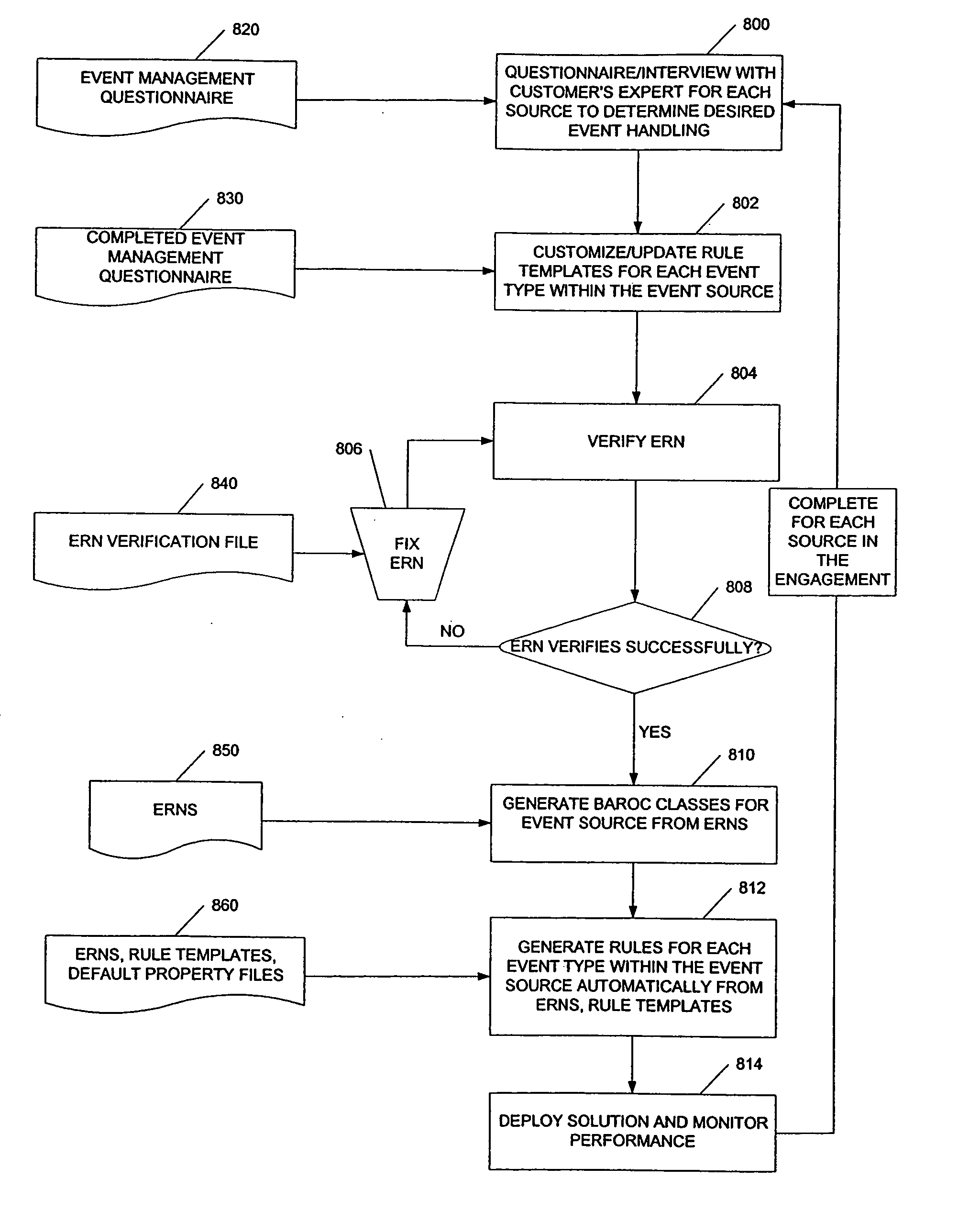
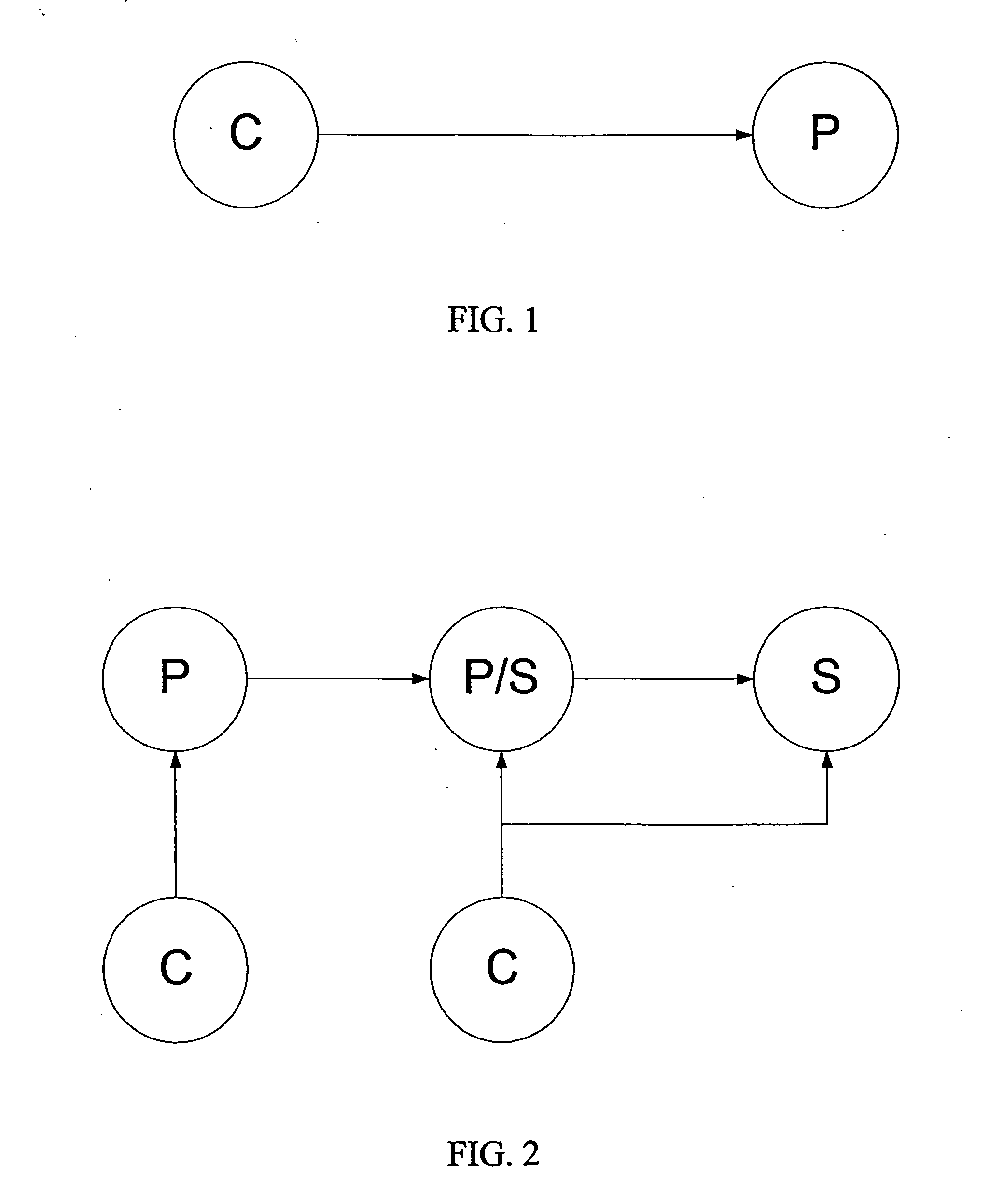
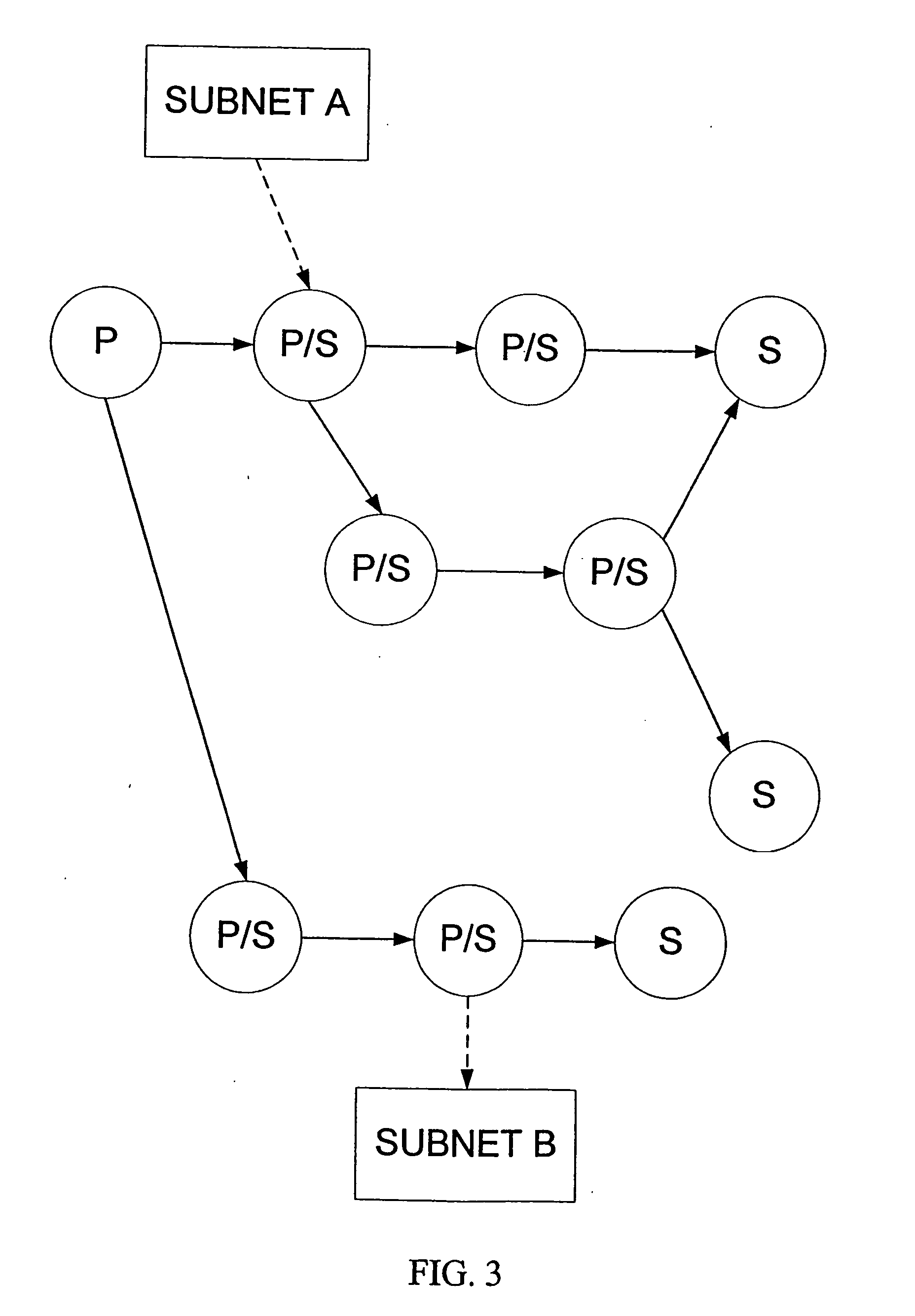
- A set of linked activities and automation tools that analyze and document distributed computing network monitoring and event processing requirements, including Event Management Design (EMD) processes, which define policies and procedures for event flow management, filtering, and correlation analysis, supported by personal computer-based analysis and documentation tools, and extended to include spreadsheet-based development of Basic Recording of Objects in C (BAROC) files and generation of Tivoli Enterprise Console rules.

Safety Regulations and Standards for Runaway Events
The regulatory landscape for runaway event management is governed by a comprehensive framework of international, national, and industry-specific standards that establish minimum safety requirements for chemical process industries. The International Electrotechnical Commission (IEC) 61511 standard serves as the foundational framework for functional safety in process industries, specifically addressing safety instrumented systems designed to prevent or mitigate runaway reactions. This standard mandates systematic hazard analysis and risk assessment procedures that must be integrated into process design phases.
The American Institute of Chemical Engineers (AIChE) Guidelines for Chemical Process Quantitative Risk Analysis provides detailed methodologies for evaluating runaway reaction scenarios, establishing risk tolerance criteria, and implementing appropriate safeguards. These guidelines emphasize the importance of consequence modeling and probability assessment in determining adequate protection levels for personnel and surrounding communities.
Occupational Safety and Health Administration (OSHA) Process Safety Management (PSM) regulations under 29 CFR 1910.119 require comprehensive process hazard analyses that specifically address thermal runaway scenarios in reactive chemical processes. The regulation mandates documentation of safety procedures, employee training programs, and emergency response protocols tailored to potential runaway events.
The European Union's Seveso III Directive (2012/18/EU) establishes stringent requirements for major accident prevention in establishments handling dangerous substances. This directive requires operators to demonstrate adequate measures for preventing runaway reactions and limiting their consequences through detailed safety reports and emergency planning procedures.
Industry-specific standards such as NFPA 68 for explosion protection by deflagration venting and NFPA 69 for explosion prevention systems provide technical specifications for engineering controls designed to manage runaway event consequences. These standards define minimum design criteria for pressure relief systems, emergency cooling systems, and containment structures.
The Center for Chemical Process Safety (CCPS) Guidelines for Safe Process Operations and Maintenance establish operational protocols that complement regulatory requirements, focusing on real-time monitoring systems, operator training requirements, and maintenance procedures critical for runaway event prevention and response.
The American Institute of Chemical Engineers (AIChE) Guidelines for Chemical Process Quantitative Risk Analysis provides detailed methodologies for evaluating runaway reaction scenarios, establishing risk tolerance criteria, and implementing appropriate safeguards. These guidelines emphasize the importance of consequence modeling and probability assessment in determining adequate protection levels for personnel and surrounding communities.
Occupational Safety and Health Administration (OSHA) Process Safety Management (PSM) regulations under 29 CFR 1910.119 require comprehensive process hazard analyses that specifically address thermal runaway scenarios in reactive chemical processes. The regulation mandates documentation of safety procedures, employee training programs, and emergency response protocols tailored to potential runaway events.
The European Union's Seveso III Directive (2012/18/EU) establishes stringent requirements for major accident prevention in establishments handling dangerous substances. This directive requires operators to demonstrate adequate measures for preventing runaway reactions and limiting their consequences through detailed safety reports and emergency planning procedures.
Industry-specific standards such as NFPA 68 for explosion protection by deflagration venting and NFPA 69 for explosion prevention systems provide technical specifications for engineering controls designed to manage runaway event consequences. These standards define minimum design criteria for pressure relief systems, emergency cooling systems, and containment structures.
The Center for Chemical Process Safety (CCPS) Guidelines for Safe Process Operations and Maintenance establish operational protocols that complement regulatory requirements, focusing on real-time monitoring systems, operator training requirements, and maintenance procedures critical for runaway event prevention and response.
Risk Assessment Methodologies for Runaway Scenarios
Risk assessment methodologies for runaway scenarios represent a critical foundation for developing effective management protocols in chemical process industries. These methodologies encompass systematic approaches to identify, evaluate, and quantify the likelihood and consequences of thermal runaway events across various industrial processes.
Quantitative risk assessment techniques form the cornerstone of runaway scenario evaluation. Fault tree analysis and event tree analysis provide structured frameworks for mapping potential failure pathways that could lead to runaway conditions. These methods enable engineers to systematically examine equipment failures, human errors, and process deviations that might trigger exothermic reactions beyond controllable limits.
Thermal hazard evaluation methodologies utilize specialized testing equipment such as differential scanning calorimetry, accelerating rate calorimetry, and reaction calorimetry to characterize material behavior under various temperature and pressure conditions. These experimental approaches generate critical data on onset temperatures, heat generation rates, and pressure development patterns essential for scenario modeling.
Probabilistic risk assessment frameworks integrate failure frequency data with consequence modeling to establish comprehensive risk profiles. Monte Carlo simulation techniques allow for uncertainty propagation through complex process models, providing statistical distributions of potential outcomes rather than single-point estimates. This approach enables more robust decision-making under uncertainty conditions.
Consequence modeling methodologies employ computational fluid dynamics and dispersion models to predict the spatial and temporal evolution of runaway events. These models incorporate heat transfer mechanisms, pressure wave propagation, and potential secondary effects such as vapor cloud formation or toxic gas release.
Layer of protection analysis serves as a semi-quantitative methodology specifically designed for process safety applications. This approach systematically evaluates independent protection layers including basic process control systems, safety instrumented systems, physical protection measures, and emergency response procedures to determine overall risk reduction effectiveness.
Human reliability analysis methodologies address the critical role of operator actions in both preventing and responding to runaway scenarios. These techniques quantify the probability of human error under various stress conditions and time constraints, incorporating factors such as training adequacy, procedural clarity, and environmental conditions during emergency situations.
Quantitative risk assessment techniques form the cornerstone of runaway scenario evaluation. Fault tree analysis and event tree analysis provide structured frameworks for mapping potential failure pathways that could lead to runaway conditions. These methods enable engineers to systematically examine equipment failures, human errors, and process deviations that might trigger exothermic reactions beyond controllable limits.
Thermal hazard evaluation methodologies utilize specialized testing equipment such as differential scanning calorimetry, accelerating rate calorimetry, and reaction calorimetry to characterize material behavior under various temperature and pressure conditions. These experimental approaches generate critical data on onset temperatures, heat generation rates, and pressure development patterns essential for scenario modeling.
Probabilistic risk assessment frameworks integrate failure frequency data with consequence modeling to establish comprehensive risk profiles. Monte Carlo simulation techniques allow for uncertainty propagation through complex process models, providing statistical distributions of potential outcomes rather than single-point estimates. This approach enables more robust decision-making under uncertainty conditions.
Consequence modeling methodologies employ computational fluid dynamics and dispersion models to predict the spatial and temporal evolution of runaway events. These models incorporate heat transfer mechanisms, pressure wave propagation, and potential secondary effects such as vapor cloud formation or toxic gas release.
Layer of protection analysis serves as a semi-quantitative methodology specifically designed for process safety applications. This approach systematically evaluates independent protection layers including basic process control systems, safety instrumented systems, physical protection measures, and emergency response procedures to determine overall risk reduction effectiveness.
Human reliability analysis methodologies address the critical role of operator actions in both preventing and responding to runaway scenarios. These techniques quantify the probability of human error under various stress conditions and time constraints, incorporating factors such as training adequacy, procedural clarity, and environmental conditions during emergency situations.
Unlock deeper insights with Patsnap Eureka Quick Research — get a full tech report to explore trends and direct your research. Try now!
Generate Your Research Report Instantly with AI Agent
Supercharge your innovation with Patsnap Eureka AI Agent Platform!