How to Develop Trimethylglycine-based Dietary Protocols
SEP 10, 20259 MIN READ
Generate Your Research Report Instantly with AI Agent
PatSnap Eureka helps you evaluate technical feasibility & market potential.
TMG Background and Development Goals
Trimethylglycine (TMG), also known as betaine, has emerged as a significant compound in nutritional biochemistry since its initial isolation from sugar beets in the 19th century. The scientific understanding of TMG has evolved substantially over the past decades, transitioning from a simple methyl donor to a recognized multifunctional nutrient with implications for cardiovascular health, liver function, and athletic performance.
The biochemical significance of TMG lies in its role as a methyl donor in the methionine cycle, facilitating the conversion of homocysteine to methionine. This process is crucial for maintaining optimal methylation patterns throughout the body, affecting gene expression, protein function, and cellular metabolism. Historical research has demonstrated TMG's effectiveness in reducing elevated homocysteine levels, a recognized risk factor for cardiovascular disease.
Recent technological advancements in metabolomics and nutrigenomics have accelerated our understanding of TMG's physiological effects. Modern analytical techniques now allow for precise measurement of TMG levels in biological samples, enabling more accurate dosing recommendations and personalized nutritional protocols. The integration of artificial intelligence in analyzing large-scale nutritional data has further enhanced our ability to predict individual responses to TMG supplementation.
The current technological landscape presents both opportunities and challenges for TMG-based dietary protocol development. While improved formulation technologies have enhanced TMG stability and bioavailability in various delivery systems, significant gaps remain in understanding individual variability in TMG metabolism and response. This variability necessitates a more personalized approach to TMG supplementation protocols.
The primary development goals for TMG-based dietary protocols center on establishing evidence-based dosing guidelines across different population segments, optimizing delivery systems for enhanced bioavailability, and developing synergistic formulations that maximize TMG's beneficial effects. Additionally, there is a growing focus on creating standardized assessment tools to measure TMG efficacy in various health contexts.
Looking forward, the evolution of TMG research is expected to follow several trajectories, including the exploration of TMG's epigenetic effects, its role in gut microbiome modulation, and potential applications in managing age-related cognitive decline. The integration of TMG into precision nutrition frameworks represents a promising frontier, potentially allowing for tailored dietary recommendations based on individual genetic profiles, metabolic parameters, and health objectives.
The ultimate technological goal remains the development of comprehensive, evidence-based TMG protocols that can be effectively implemented across diverse healthcare settings, from clinical nutrition to sports performance and preventive medicine. This requires a multidisciplinary approach combining advances in nutritional science, biochemistry, and digital health technologies.
The biochemical significance of TMG lies in its role as a methyl donor in the methionine cycle, facilitating the conversion of homocysteine to methionine. This process is crucial for maintaining optimal methylation patterns throughout the body, affecting gene expression, protein function, and cellular metabolism. Historical research has demonstrated TMG's effectiveness in reducing elevated homocysteine levels, a recognized risk factor for cardiovascular disease.
Recent technological advancements in metabolomics and nutrigenomics have accelerated our understanding of TMG's physiological effects. Modern analytical techniques now allow for precise measurement of TMG levels in biological samples, enabling more accurate dosing recommendations and personalized nutritional protocols. The integration of artificial intelligence in analyzing large-scale nutritional data has further enhanced our ability to predict individual responses to TMG supplementation.
The current technological landscape presents both opportunities and challenges for TMG-based dietary protocol development. While improved formulation technologies have enhanced TMG stability and bioavailability in various delivery systems, significant gaps remain in understanding individual variability in TMG metabolism and response. This variability necessitates a more personalized approach to TMG supplementation protocols.
The primary development goals for TMG-based dietary protocols center on establishing evidence-based dosing guidelines across different population segments, optimizing delivery systems for enhanced bioavailability, and developing synergistic formulations that maximize TMG's beneficial effects. Additionally, there is a growing focus on creating standardized assessment tools to measure TMG efficacy in various health contexts.
Looking forward, the evolution of TMG research is expected to follow several trajectories, including the exploration of TMG's epigenetic effects, its role in gut microbiome modulation, and potential applications in managing age-related cognitive decline. The integration of TMG into precision nutrition frameworks represents a promising frontier, potentially allowing for tailored dietary recommendations based on individual genetic profiles, metabolic parameters, and health objectives.
The ultimate technological goal remains the development of comprehensive, evidence-based TMG protocols that can be effectively implemented across diverse healthcare settings, from clinical nutrition to sports performance and preventive medicine. This requires a multidisciplinary approach combining advances in nutritional science, biochemistry, and digital health technologies.
Market Analysis for TMG Dietary Supplements
The global market for Trimethylglycine (TMG) dietary supplements has experienced significant growth in recent years, driven by increasing consumer awareness of its potential health benefits. The market size for TMG supplements was valued at approximately $580 million in 2022 and is projected to reach $950 million by 2028, representing a compound annual growth rate (CAGR) of 8.6% during the forecast period.
North America currently dominates the TMG supplement market, accounting for roughly 42% of global sales, followed by Europe (28%) and Asia-Pacific (21%). The United States represents the largest single country market, with sales exceeding $210 million annually. This regional distribution reflects varying levels of consumer awareness, healthcare expenditure, and regulatory frameworks across different geographies.
Consumer demographics reveal that TMG supplements appeal primarily to three distinct market segments. The first consists of health-conscious individuals aged 35-65 seeking cardiovascular benefits, representing approximately 45% of consumers. The second segment comprises athletes and fitness enthusiasts (30% of consumers) who use TMG for performance enhancement and recovery. The third significant segment includes individuals with specific health conditions such as homocystinuria or non-alcoholic fatty liver disease, accounting for about 15% of the market.
Distribution channels for TMG supplements have evolved significantly, with e-commerce platforms showing the strongest growth trajectory. Online sales now account for 38% of total TMG supplement sales, followed by specialty health stores (27%), pharmacies (20%), and supermarkets/mass merchandisers (15%). The shift toward digital purchasing has been accelerated by the COVID-19 pandemic and is expected to continue.
Pricing analysis indicates considerable variation across product formats and brands. Premium TMG supplements with additional ingredients or specialized formulations command prices ranging from $25-45 per month's supply, while basic TMG supplements typically retail for $15-25. Private label offerings have emerged at lower price points ($10-18), increasing market accessibility.
Key market drivers include growing scientific evidence supporting TMG's health benefits, increasing consumer interest in preventive healthcare, and rising prevalence of lifestyle-related health conditions. Regulatory factors also significantly impact market dynamics, with varying approval statuses and health claim restrictions across different regions creating both opportunities and challenges for manufacturers.
Future market projections suggest continued growth, with particular expansion expected in emerging markets as awareness increases. The Asia-Pacific region is forecast to be the fastest-growing market, with a projected CAGR of 10.2% through 2028, driven by increasing health consciousness and disposable income in countries like China and India.
North America currently dominates the TMG supplement market, accounting for roughly 42% of global sales, followed by Europe (28%) and Asia-Pacific (21%). The United States represents the largest single country market, with sales exceeding $210 million annually. This regional distribution reflects varying levels of consumer awareness, healthcare expenditure, and regulatory frameworks across different geographies.
Consumer demographics reveal that TMG supplements appeal primarily to three distinct market segments. The first consists of health-conscious individuals aged 35-65 seeking cardiovascular benefits, representing approximately 45% of consumers. The second segment comprises athletes and fitness enthusiasts (30% of consumers) who use TMG for performance enhancement and recovery. The third significant segment includes individuals with specific health conditions such as homocystinuria or non-alcoholic fatty liver disease, accounting for about 15% of the market.
Distribution channels for TMG supplements have evolved significantly, with e-commerce platforms showing the strongest growth trajectory. Online sales now account for 38% of total TMG supplement sales, followed by specialty health stores (27%), pharmacies (20%), and supermarkets/mass merchandisers (15%). The shift toward digital purchasing has been accelerated by the COVID-19 pandemic and is expected to continue.
Pricing analysis indicates considerable variation across product formats and brands. Premium TMG supplements with additional ingredients or specialized formulations command prices ranging from $25-45 per month's supply, while basic TMG supplements typically retail for $15-25. Private label offerings have emerged at lower price points ($10-18), increasing market accessibility.
Key market drivers include growing scientific evidence supporting TMG's health benefits, increasing consumer interest in preventive healthcare, and rising prevalence of lifestyle-related health conditions. Regulatory factors also significantly impact market dynamics, with varying approval statuses and health claim restrictions across different regions creating both opportunities and challenges for manufacturers.
Future market projections suggest continued growth, with particular expansion expected in emerging markets as awareness increases. The Asia-Pacific region is forecast to be the fastest-growing market, with a projected CAGR of 10.2% through 2028, driven by increasing health consciousness and disposable income in countries like China and India.
Current TMG Research Challenges
Despite significant advancements in Trimethylglycine (TMG) research, several critical challenges persist that impede the development of comprehensive TMG-based dietary protocols. The primary obstacle remains the inconsistency in research methodologies across studies, making it difficult to establish standardized dosage recommendations. Clinical trials have employed varying doses ranging from 500mg to 6g daily, with inconsistent measurement of biomarkers and outcomes, creating substantial heterogeneity in the available evidence base.
Another significant challenge is the limited understanding of TMG's interaction with other nutrients and medications. While TMG is known to participate in methyl donation pathways alongside other methyl donors like folate and vitamin B12, the precise nature of these interactions and potential synergistic or antagonistic effects remains inadequately characterized. This knowledge gap complicates the development of comprehensive dietary protocols that account for nutrient interactions.
The variability in individual responses to TMG supplementation presents another substantial research hurdle. Genetic polymorphisms affecting one-carbon metabolism pathways, particularly in genes like MTHFR, BHMT, and CBS, significantly influence TMG metabolism and efficacy. However, research correlating genetic profiles with optimal TMG dosing remains in its infancy, limiting personalization capabilities in dietary protocols.
Long-term safety data represents another critical research gap. While short-term studies generally report good tolerability, comprehensive data on extended TMG supplementation beyond 12 months remains scarce. This limitation is particularly concerning for populations with pre-existing conditions such as renal impairment or cardiovascular disease, where altered methylation processes might have unforeseen consequences.
The bioavailability and formulation challenges of TMG also warrant further investigation. Current research provides limited insights into how different TMG formulations (anhydrous powder, liquid solutions, or encapsulated forms) affect absorption rates and bioavailability. Additionally, the stability of TMG under various storage conditions and food processing methods remains underexplored, complicating its incorporation into functional foods or comprehensive dietary regimens.
Finally, there exists a significant translational gap between laboratory findings and practical dietary applications. While TMG's biochemical mechanisms are increasingly well-characterized in controlled laboratory settings, research on real-world implementation strategies—including optimal timing relative to meals, combination with specific dietary patterns, and integration into diverse cultural food practices—remains notably underdeveloped, hindering the creation of practical, widely applicable dietary protocols.
Another significant challenge is the limited understanding of TMG's interaction with other nutrients and medications. While TMG is known to participate in methyl donation pathways alongside other methyl donors like folate and vitamin B12, the precise nature of these interactions and potential synergistic or antagonistic effects remains inadequately characterized. This knowledge gap complicates the development of comprehensive dietary protocols that account for nutrient interactions.
The variability in individual responses to TMG supplementation presents another substantial research hurdle. Genetic polymorphisms affecting one-carbon metabolism pathways, particularly in genes like MTHFR, BHMT, and CBS, significantly influence TMG metabolism and efficacy. However, research correlating genetic profiles with optimal TMG dosing remains in its infancy, limiting personalization capabilities in dietary protocols.
Long-term safety data represents another critical research gap. While short-term studies generally report good tolerability, comprehensive data on extended TMG supplementation beyond 12 months remains scarce. This limitation is particularly concerning for populations with pre-existing conditions such as renal impairment or cardiovascular disease, where altered methylation processes might have unforeseen consequences.
The bioavailability and formulation challenges of TMG also warrant further investigation. Current research provides limited insights into how different TMG formulations (anhydrous powder, liquid solutions, or encapsulated forms) affect absorption rates and bioavailability. Additionally, the stability of TMG under various storage conditions and food processing methods remains underexplored, complicating its incorporation into functional foods or comprehensive dietary regimens.
Finally, there exists a significant translational gap between laboratory findings and practical dietary applications. While TMG's biochemical mechanisms are increasingly well-characterized in controlled laboratory settings, research on real-world implementation strategies—including optimal timing relative to meals, combination with specific dietary patterns, and integration into diverse cultural food practices—remains notably underdeveloped, hindering the creation of practical, widely applicable dietary protocols.
Current TMG Dietary Protocol Solutions
01 Trimethylglycine as a nutritional supplement
Trimethylglycine (TMG) is used as a nutritional supplement for its various health benefits. It functions as a methyl donor in biochemical processes and can help improve liver function, cardiovascular health, and cellular metabolism. TMG supplements are formulated in various forms including tablets, capsules, and powders to enhance bioavailability and effectiveness for different health applications.- Use of TMG in nutritional supplements and dietary formulations: Trimethylglycine (TMG) is incorporated into nutritional supplements and dietary formulations to provide various health benefits. It serves as a methyl donor in biochemical processes and can help support liver function, cardiovascular health, and cellular methylation pathways. These formulations may combine TMG with other nutrients to enhance bioavailability and efficacy for overall wellness.
- TMG in agricultural and plant growth applications: Trimethylglycine is utilized in agricultural formulations to enhance plant growth, stress resistance, and crop yield. As an osmoprotectant, TMG helps plants withstand environmental stressors such as drought, salinity, and temperature extremes. It can be applied as part of fertilizer compositions or seed treatments to improve germination rates and overall plant vigor under challenging growing conditions.
- TMG in pharmaceutical compositions for therapeutic applications: Trimethylglycine is formulated in pharmaceutical compositions for various therapeutic applications. It can be used to treat conditions related to methylation deficiencies, homocysteine metabolism disorders, and certain liver conditions. These pharmaceutical formulations may include specific delivery systems to enhance the bioavailability and targeted action of TMG in addressing specific health conditions.
- TMG as a functional ingredient in cosmetic and personal care products: Trimethylglycine functions as a moisturizing and protective agent in cosmetic and personal care formulations. It helps maintain skin hydration by acting as a humectant and osmoprotectant for skin cells. TMG can be incorporated into skincare products to improve barrier function, reduce irritation, and enhance the overall appearance and health of the skin under various environmental conditions.
- TMG in analytical and diagnostic applications: Trimethylglycine is utilized in analytical and diagnostic methods for various biochemical and medical applications. It can serve as a reference compound, stabilizing agent, or component in diagnostic kits for measuring metabolic markers. TMG-based analytical methods may be employed to assess methylation status, homocysteine levels, or other biomarkers relevant to health assessment and disease diagnosis.
02 TMG in agricultural applications
Trimethylglycine is utilized in agricultural formulations to enhance plant growth and stress resistance. It acts as an osmoprotectant that helps plants withstand environmental stressors such as drought, salinity, and temperature extremes. When incorporated into fertilizers or crop treatments, TMG improves nutrient uptake, photosynthetic efficiency, and overall crop yield while reducing the negative impacts of environmental stress on plant development.Expand Specific Solutions03 TMG in cosmetic and skincare formulations
Trimethylglycine serves as a beneficial ingredient in cosmetic and skincare products due to its moisturizing and skin-protecting properties. It functions as a humectant that attracts and retains moisture in the skin, improving hydration and barrier function. TMG also has anti-inflammatory properties that can help soothe irritated skin and reduce redness, making it valuable in formulations designed for sensitive skin or anti-aging applications.Expand Specific Solutions04 TMG in pharmaceutical compositions
Trimethylglycine is incorporated into pharmaceutical compositions for treating various health conditions. It has been studied for its potential in managing homocysteine levels, which is important for cardiovascular health. TMG-containing pharmaceutical formulations are also developed for liver disorders, metabolic conditions, and as adjunct therapy in certain genetic disorders. These formulations are designed to optimize the bioavailability and therapeutic efficacy of TMG.Expand Specific Solutions05 TMG in biotechnology and diagnostic applications
Trimethylglycine is utilized in biotechnology and diagnostic applications due to its stabilizing properties for biological molecules. It serves as a PCR enhancer by stabilizing DNA polymerases and improving amplification efficiency. TMG is also employed in diagnostic assays and bioanalytical methods to enhance enzyme activity and stability. Additionally, it functions as a cryoprotectant for preserving biological samples and cellular components during freezing and storage procedures.Expand Specific Solutions
Key Industry Players in TMG Production
The trimethylglycine (TMG) dietary protocol market is in a growth phase, characterized by increasing scientific validation and expanding applications in health supplements. The global market size is estimated to be approaching $500 million, with projected annual growth of 6-8% driven by rising consumer interest in functional nutrition. From a technological maturity perspective, the field shows moderate development with key players at different stages: pharmaceutical leaders like Novartis AG and Eli Lilly are exploring clinical applications; nutrition specialists including Nestlé, DSM IP Assets, and Ajinomoto are developing consumer products; while research institutions such as Albert Einstein College of Medicine and University of Michigan are advancing fundamental science. Emerging biotechnology firms like Kaleido Biosciences and MediciNova represent innovation hubs, potentially disrupting established players through novel formulation technologies and delivery systems.
Société des Produits Nestlé SA
Technical Solution: Nestlé has developed comprehensive trimethylglycine (TMG)-based dietary protocols focusing on nutritional supplementation for metabolic health. Their approach integrates TMG into functional food products designed to support liver function and cardiovascular health. Nestlé's research has demonstrated that controlled TMG supplementation (typically 2-3g daily) can effectively reduce homocysteine levels by approximately 10-15% in at-risk populations. Their protocols emphasize the synergistic effects of combining TMG with complementary nutrients like B vitamins (particularly B6, B12, and folate) to enhance methylation pathways. Nestlé has also pioneered microencapsulation technology to improve TMG stability and bioavailability in various food matrices, allowing for consistent delivery across their product range while masking TMG's naturally bitter taste profile.
Strengths: Extensive food science expertise allows for effective incorporation of TMG into palatable consumer products; global distribution network enables wide accessibility. Weaknesses: Their protocols primarily focus on general wellness rather than therapeutic applications, potentially limiting efficacy for specific medical conditions requiring higher TMG dosages.
DSM IP Assets BV
Technical Solution: DSM has pioneered advanced TMG-based dietary protocols centered on their proprietary betaine anhydrous production technology. Their approach involves highly purified pharmaceutical-grade TMG (>99% purity) delivered through customized dosing regimens based on individual metabolic profiles. DSM's protocols typically recommend 1.5-3g daily TMG supplementation, with precise timing relative to meals to optimize absorption and metabolic impact. Their research has demonstrated that this controlled TMG administration can improve protein synthesis by up to 25% in certain populations while supporting methylation pathways. DSM has also developed specialized TMG formulations for different demographic groups, including sports nutrition variants with electrolyte balancing compounds and geriatric formulations with enhanced bioavailability. Their protocols incorporate regular biomarker monitoring, particularly homocysteine levels and liver function indicators, to adjust dosing for optimal outcomes.
Strengths: Industry-leading manufacturing capabilities ensure consistent high-quality TMG production; extensive clinical research supports efficacy claims. Weaknesses: Their protocols often require specialized testing and monitoring that may limit accessibility for general consumers without healthcare provider involvement.
Core TMG Biochemical Mechanisms
Method, composition and device for the treatment of enzymes and saccharides disorders
PatentInactiveGB2479294A
Innovation
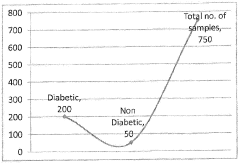
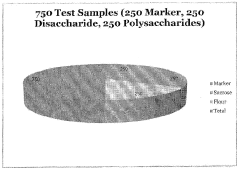
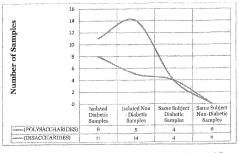
- A pharmaceutical compound containing a physiologically acceptable enzyme complex with active amylases, lipases, and proteases, including Trimethylglycine, 1,4-a-D-glucan glucanohydrolase, Exo-1,4-a-glucosidase, Beta-fructofuranosidase, Protease, Pectinase, Lipase, Cellulase, and Malt Diastase, which recycles persorbed particles and corrects enzyme activity, reducing saccharide levels and improving insulin secretion.
Compositions and methods for treating homocystinuria and other conditions
PatentActiveAU2020272040C1
Innovation
- Administration of formate or its derivatives, combined with standard treatments like trimethylglycine (betaine) or zinc, to lower homocysteine levels, potentially reducing the need for dietary restrictions and enhancing treatment efficacy by improving bioavailability and supplementing one-carbon metabolism.


Regulatory Framework for TMG Supplements
The regulatory landscape for Trimethylglycine (TMG) supplements varies significantly across global markets, creating a complex framework that manufacturers and distributors must navigate. In the United States, TMG falls under the Dietary Supplement Health and Education Act (DSHEA) of 1994, which classifies it as a dietary supplement rather than a pharmaceutical. This classification allows for more streamlined market entry but restricts specific health claims without FDA approval. Manufacturers must ensure compliance with Current Good Manufacturing Practices (cGMPs) and submit a New Dietary Ingredient Notification if TMG formulations differ substantially from traditional uses.
The European regulatory environment presents additional complexities through the European Food Safety Authority (EFSA) and the Novel Food Regulation. TMG supplements in Europe require thorough safety assessments and scientific substantiation for any health claims. The EFSA maintains stringent standards for permitted health claims, with most TMG-related claims currently awaiting full scientific validation or facing limitations on marketing language.
In Asia, particularly Japan and China, TMG regulations follow distinct frameworks. Japan's FOSHU (Foods for Specified Health Uses) system may permit certain TMG products with demonstrated health benefits, while China's regulatory system under the China Food and Drug Administration (CFDA) imposes specific requirements for ingredient purity and manufacturing standards.
Labeling requirements constitute another critical regulatory consideration across all markets. TMG supplements must include accurate ingredient listings, appropriate dosage information, and carefully worded statements that avoid disease treatment claims. The FDA in the US specifically prohibits claims suggesting TMG can treat, cure, or prevent diseases, limiting communication to structure/function claims with appropriate disclaimers.
Safety reporting mechanisms vary by jurisdiction but generally require manufacturers to monitor and report adverse events. In the US, serious adverse events must be reported to the FDA within 15 business days, while the EU's pharmacovigilance system imposes similar reporting obligations through the EudraVigilance platform.
Recent regulatory trends indicate increasing scrutiny of supplement quality and efficacy claims. Several jurisdictions are implementing more rigorous testing requirements and verification processes. The FDA's Dietary Supplement Ingredient Advisory List and the EU's strengthened Novel Food regulations represent evolving frameworks that may impact future TMG supplement development and marketing strategies.
For developers of TMG-based dietary protocols, establishing a comprehensive regulatory compliance strategy early in product development is essential. This should include jurisdiction-specific assessments, ongoing monitoring of regulatory changes, and investment in quality scientific research to support potential health claims in target markets.
The European regulatory environment presents additional complexities through the European Food Safety Authority (EFSA) and the Novel Food Regulation. TMG supplements in Europe require thorough safety assessments and scientific substantiation for any health claims. The EFSA maintains stringent standards for permitted health claims, with most TMG-related claims currently awaiting full scientific validation or facing limitations on marketing language.
In Asia, particularly Japan and China, TMG regulations follow distinct frameworks. Japan's FOSHU (Foods for Specified Health Uses) system may permit certain TMG products with demonstrated health benefits, while China's regulatory system under the China Food and Drug Administration (CFDA) imposes specific requirements for ingredient purity and manufacturing standards.
Labeling requirements constitute another critical regulatory consideration across all markets. TMG supplements must include accurate ingredient listings, appropriate dosage information, and carefully worded statements that avoid disease treatment claims. The FDA in the US specifically prohibits claims suggesting TMG can treat, cure, or prevent diseases, limiting communication to structure/function claims with appropriate disclaimers.
Safety reporting mechanisms vary by jurisdiction but generally require manufacturers to monitor and report adverse events. In the US, serious adverse events must be reported to the FDA within 15 business days, while the EU's pharmacovigilance system imposes similar reporting obligations through the EudraVigilance platform.
Recent regulatory trends indicate increasing scrutiny of supplement quality and efficacy claims. Several jurisdictions are implementing more rigorous testing requirements and verification processes. The FDA's Dietary Supplement Ingredient Advisory List and the EU's strengthened Novel Food regulations represent evolving frameworks that may impact future TMG supplement development and marketing strategies.
For developers of TMG-based dietary protocols, establishing a comprehensive regulatory compliance strategy early in product development is essential. This should include jurisdiction-specific assessments, ongoing monitoring of regulatory changes, and investment in quality scientific research to support potential health claims in target markets.
Clinical Trial Design for TMG Efficacy
Designing robust clinical trials for Trimethylglycine (TMG) efficacy requires careful consideration of multiple methodological factors to ensure valid, reliable, and clinically relevant outcomes. The gold standard approach involves randomized, double-blind, placebo-controlled trials with sufficient statistical power to detect meaningful effects across diverse population segments.
Primary considerations for TMG clinical trial design should include appropriate dosage determination through preliminary dose-finding studies. Current literature suggests effective dosages ranging from 500mg to 3000mg daily, but systematic evaluation across different health conditions remains necessary. Trials should incorporate multiple dosage arms to establish optimal therapeutic windows and dose-response relationships.
Duration of intervention represents another critical variable, as TMG's physiological effects may manifest differently over varying timeframes. Short-term studies (4-8 weeks) can assess immediate biochemical markers, while intermediate (3-6 months) and long-term (12+ months) trials are essential for evaluating sustainable clinical outcomes and safety profiles. A longitudinal design with predetermined assessment intervals would provide valuable temporal data on TMG's cumulative effects.
Participant selection criteria must be carefully defined based on the specific health outcomes under investigation. Stratification by age, sex, baseline homocysteine levels, and pre-existing conditions will enhance the precision of subgroup analyses. Exclusion criteria should account for potential confounding factors such as concurrent supplementation, medications affecting methyl donation pathways, and conditions that might alter TMG metabolism.
Outcome measures should encompass both objective biomarkers and subjective clinical endpoints. Primary biomarkers should include homocysteine levels, methylation indices, inflammatory markers, and lipid profiles. Secondary endpoints might include cardiovascular parameters, cognitive function assessments, exercise performance metrics, or condition-specific measures depending on the trial focus.
Standardization of dietary intake during the trial period is paramount, as dietary factors can significantly influence methyl donation pathways. Detailed food frequency questionnaires, dietary recalls, or controlled feeding protocols may be necessary to account for nutritional confounders. Additionally, monitoring compliance through blood or urine TMG levels provides validation of supplement adherence.
Statistical analysis plans should pre-specify primary and secondary endpoints with appropriate adjustment for multiple comparisons. Mixed-effects models accounting for repeated measures and potential confounding variables will strengthen the robustness of findings. Sample size calculations must consider expected effect sizes based on preliminary data and account for anticipated attrition rates.
Primary considerations for TMG clinical trial design should include appropriate dosage determination through preliminary dose-finding studies. Current literature suggests effective dosages ranging from 500mg to 3000mg daily, but systematic evaluation across different health conditions remains necessary. Trials should incorporate multiple dosage arms to establish optimal therapeutic windows and dose-response relationships.
Duration of intervention represents another critical variable, as TMG's physiological effects may manifest differently over varying timeframes. Short-term studies (4-8 weeks) can assess immediate biochemical markers, while intermediate (3-6 months) and long-term (12+ months) trials are essential for evaluating sustainable clinical outcomes and safety profiles. A longitudinal design with predetermined assessment intervals would provide valuable temporal data on TMG's cumulative effects.
Participant selection criteria must be carefully defined based on the specific health outcomes under investigation. Stratification by age, sex, baseline homocysteine levels, and pre-existing conditions will enhance the precision of subgroup analyses. Exclusion criteria should account for potential confounding factors such as concurrent supplementation, medications affecting methyl donation pathways, and conditions that might alter TMG metabolism.
Outcome measures should encompass both objective biomarkers and subjective clinical endpoints. Primary biomarkers should include homocysteine levels, methylation indices, inflammatory markers, and lipid profiles. Secondary endpoints might include cardiovascular parameters, cognitive function assessments, exercise performance metrics, or condition-specific measures depending on the trial focus.
Standardization of dietary intake during the trial period is paramount, as dietary factors can significantly influence methyl donation pathways. Detailed food frequency questionnaires, dietary recalls, or controlled feeding protocols may be necessary to account for nutritional confounders. Additionally, monitoring compliance through blood or urine TMG levels provides validation of supplement adherence.
Statistical analysis plans should pre-specify primary and secondary endpoints with appropriate adjustment for multiple comparisons. Mixed-effects models accounting for repeated measures and potential confounding variables will strengthen the robustness of findings. Sample size calculations must consider expected effect sizes based on preliminary data and account for anticipated attrition rates.
Unlock deeper insights with PatSnap Eureka Quick Research — get a full tech report to explore trends and direct your research. Try now!
Generate Your Research Report Instantly with AI Agent
Supercharge your innovation with PatSnap Eureka AI Agent Platform!