

How to Enhance Multiplexer Reliability in Harsh Environments?
JUL 13, 202510 MIN READ
Generate Your Research Report Instantly with AI Agent
PatSnap Eureka helps you evaluate technical feasibility & market potential.
Multiplexer Reliability Challenges and Objectives
Multiplexers play a crucial role in modern electronic systems, enabling efficient data transmission and signal routing. However, when deployed in harsh environments, these devices face significant challenges that can compromise their reliability and performance. Harsh environments, characterized by extreme temperatures, high humidity, electromagnetic interference, and mechanical stress, pose severe threats to the integrity and functionality of multiplexers.
The primary objective of enhancing multiplexer reliability in harsh environments is to ensure consistent and accurate signal transmission under adverse conditions. This goal encompasses several key aspects, including improving the device's resilience to temperature fluctuations, enhancing its resistance to moisture and corrosion, and fortifying its ability to withstand electromagnetic interference and mechanical shocks.
One of the main challenges in achieving this objective is the development of materials and manufacturing processes that can withstand extreme conditions without degrading performance. Traditional semiconductor materials and packaging techniques may not be sufficient to protect multiplexers from the harsh realities of industrial, aerospace, or military applications. Consequently, research efforts are focused on exploring novel materials, such as wide-bandgap semiconductors and advanced composites, that offer superior thermal and electrical properties.
Another significant challenge lies in designing multiplexers that can maintain signal integrity and minimize crosstalk in the presence of electromagnetic interference. Harsh environments often include sources of electromagnetic noise that can disrupt the operation of sensitive electronic components. Addressing this issue requires innovative shielding techniques, improved circuit layouts, and advanced signal processing algorithms to filter out unwanted interference.
The evolution of multiplexer technology has been driven by the increasing demand for higher data rates, greater channel density, and improved reliability. As such, the development of next-generation multiplexers must not only address the challenges posed by harsh environments but also meet the ever-growing requirements for bandwidth and integration. This necessitates a holistic approach to design, considering both the physical robustness of the device and its electrical performance characteristics.
To achieve these objectives, researchers and engineers are exploring various avenues, including the integration of self-diagnostic and self-healing capabilities into multiplexer designs. These advanced features would allow devices to detect potential failures before they occur and potentially mitigate issues in real-time, thereby extending the operational lifespan of multiplexers in harsh environments.
In conclusion, enhancing multiplexer reliability in harsh environments is a multifaceted challenge that requires advancements in materials science, circuit design, and system-level integration. The successful achievement of this objective will not only improve the performance and longevity of electronic systems in critical applications but also pave the way for the deployment of advanced technologies in previously inaccessible environments.
The primary objective of enhancing multiplexer reliability in harsh environments is to ensure consistent and accurate signal transmission under adverse conditions. This goal encompasses several key aspects, including improving the device's resilience to temperature fluctuations, enhancing its resistance to moisture and corrosion, and fortifying its ability to withstand electromagnetic interference and mechanical shocks.
One of the main challenges in achieving this objective is the development of materials and manufacturing processes that can withstand extreme conditions without degrading performance. Traditional semiconductor materials and packaging techniques may not be sufficient to protect multiplexers from the harsh realities of industrial, aerospace, or military applications. Consequently, research efforts are focused on exploring novel materials, such as wide-bandgap semiconductors and advanced composites, that offer superior thermal and electrical properties.
Another significant challenge lies in designing multiplexers that can maintain signal integrity and minimize crosstalk in the presence of electromagnetic interference. Harsh environments often include sources of electromagnetic noise that can disrupt the operation of sensitive electronic components. Addressing this issue requires innovative shielding techniques, improved circuit layouts, and advanced signal processing algorithms to filter out unwanted interference.
The evolution of multiplexer technology has been driven by the increasing demand for higher data rates, greater channel density, and improved reliability. As such, the development of next-generation multiplexers must not only address the challenges posed by harsh environments but also meet the ever-growing requirements for bandwidth and integration. This necessitates a holistic approach to design, considering both the physical robustness of the device and its electrical performance characteristics.
To achieve these objectives, researchers and engineers are exploring various avenues, including the integration of self-diagnostic and self-healing capabilities into multiplexer designs. These advanced features would allow devices to detect potential failures before they occur and potentially mitigate issues in real-time, thereby extending the operational lifespan of multiplexers in harsh environments.
In conclusion, enhancing multiplexer reliability in harsh environments is a multifaceted challenge that requires advancements in materials science, circuit design, and system-level integration. The successful achievement of this objective will not only improve the performance and longevity of electronic systems in critical applications but also pave the way for the deployment of advanced technologies in previously inaccessible environments.
Market Demand for Robust Multiplexers
The demand for robust multiplexers capable of operating in harsh environments has seen a significant uptick in recent years, driven by the expanding needs of various industries operating in challenging conditions. Industries such as aerospace, defense, oil and gas exploration, and deep-sea operations require multiplexers that can withstand extreme temperatures, high pressure, corrosive atmospheres, and intense vibrations.
In the aerospace sector, the market for reliable multiplexers is growing steadily due to the increasing complexity of avionics systems and the push for more electric aircraft. These multiplexers must perform flawlessly in environments with rapid temperature changes, low air pressure, and high electromagnetic interference. The defense industry similarly demands multiplexers that can operate in battlefield conditions, withstanding shock, dust, and extreme weather.
The oil and gas industry presents another substantial market for robust multiplexers. As exploration moves into deeper waters and more remote locations, the need for multiplexers that can function in high-pressure, high-temperature environments has become critical. These devices must maintain signal integrity in subsea installations where temperatures can range from near-freezing to over 200°C and pressures can exceed 1000 atmospheres.
In the automotive sector, the rise of electric and autonomous vehicles has created a new demand for reliable multiplexers. These vehicles require multiplexers that can handle the increased data flow from numerous sensors and control systems while operating in environments subject to wide temperature variations, vibrations, and electromagnetic interference.
The industrial automation sector also contributes significantly to the market demand for robust multiplexers. As factories become increasingly digitized and interconnected, the need for reliable data transmission in harsh industrial environments has grown. Multiplexers in this sector must withstand exposure to chemicals, dust, and electromagnetic noise while maintaining high-speed, error-free data transmission.
Market analysts project that the global demand for ruggedized multiplexers will continue to grow at a compound annual growth rate of over 7% in the coming years. This growth is fueled not only by the expansion of existing applications but also by the emergence of new fields such as smart cities and Internet of Things (IoT) deployments in challenging environments.
The increasing focus on reliability and performance in extreme conditions has also led to a trend towards customized solutions. Many end-users are seeking multiplexers tailored to their specific operational environments, driving innovation in materials science and design methodologies. This trend is expected to create new opportunities for manufacturers who can offer flexible, application-specific multiplexer solutions.
In the aerospace sector, the market for reliable multiplexers is growing steadily due to the increasing complexity of avionics systems and the push for more electric aircraft. These multiplexers must perform flawlessly in environments with rapid temperature changes, low air pressure, and high electromagnetic interference. The defense industry similarly demands multiplexers that can operate in battlefield conditions, withstanding shock, dust, and extreme weather.
The oil and gas industry presents another substantial market for robust multiplexers. As exploration moves into deeper waters and more remote locations, the need for multiplexers that can function in high-pressure, high-temperature environments has become critical. These devices must maintain signal integrity in subsea installations where temperatures can range from near-freezing to over 200°C and pressures can exceed 1000 atmospheres.
In the automotive sector, the rise of electric and autonomous vehicles has created a new demand for reliable multiplexers. These vehicles require multiplexers that can handle the increased data flow from numerous sensors and control systems while operating in environments subject to wide temperature variations, vibrations, and electromagnetic interference.
The industrial automation sector also contributes significantly to the market demand for robust multiplexers. As factories become increasingly digitized and interconnected, the need for reliable data transmission in harsh industrial environments has grown. Multiplexers in this sector must withstand exposure to chemicals, dust, and electromagnetic noise while maintaining high-speed, error-free data transmission.
Market analysts project that the global demand for ruggedized multiplexers will continue to grow at a compound annual growth rate of over 7% in the coming years. This growth is fueled not only by the expansion of existing applications but also by the emergence of new fields such as smart cities and Internet of Things (IoT) deployments in challenging environments.
The increasing focus on reliability and performance in extreme conditions has also led to a trend towards customized solutions. Many end-users are seeking multiplexers tailored to their specific operational environments, driving innovation in materials science and design methodologies. This trend is expected to create new opportunities for manufacturers who can offer flexible, application-specific multiplexer solutions.
Current State and Limitations of Multiplexers in Harsh Environments
Multiplexers play a crucial role in various industries, particularly in environments characterized by extreme conditions such as high temperatures, intense vibrations, and corrosive atmospheres. These harsh environments pose significant challenges to the reliability and performance of multiplexers, necessitating a comprehensive understanding of their current state and limitations.
In the present landscape, multiplexers designed for harsh environments typically employ robust materials and advanced manufacturing techniques to withstand extreme conditions. However, despite these improvements, several limitations persist. One of the primary challenges is the degradation of signal integrity under prolonged exposure to harsh conditions. This degradation can manifest as increased signal attenuation, crosstalk between channels, and reduced bandwidth capacity.
Thermal management remains a critical issue for multiplexers operating in high-temperature environments. Excessive heat can lead to component failure, reduced lifespan, and compromised performance. Current cooling solutions, while effective to some extent, often struggle to maintain optimal operating temperatures in the most extreme scenarios.
Vibration and shock resistance represent another area of concern. Although modern multiplexers incorporate various damping mechanisms and reinforced structures, prolonged exposure to intense vibrations can still result in mechanical failures, loose connections, and misalignments that affect signal quality and overall reliability.
Corrosion resistance is a significant challenge, particularly in marine or chemical processing environments. While protective coatings and corrosion-resistant materials are widely used, they may not provide adequate protection over extended periods, leading to gradual deterioration of multiplexer components and connections.
The miniaturization trend in electronics poses additional challenges for multiplexers in harsh environments. As devices become smaller, the task of incorporating robust protection mechanisms without compromising performance or increasing size becomes increasingly complex.
Power consumption and efficiency are also areas of concern, especially in remote or battery-powered applications. Current multiplexers often struggle to maintain low power consumption while simultaneously providing the necessary performance and reliability in harsh conditions.
Electromagnetic interference (EMI) and electromagnetic compatibility (EMC) issues are exacerbated in harsh environments, where strong electromagnetic fields may be present. Existing shielding and filtering techniques may not always provide sufficient protection, leading to signal degradation and potential system failures.
Lastly, the cost of developing and manufacturing highly reliable multiplexers for harsh environments remains a significant limitation. The specialized materials, advanced manufacturing processes, and extensive testing required often result in high production costs, limiting widespread adoption in cost-sensitive applications.
In the present landscape, multiplexers designed for harsh environments typically employ robust materials and advanced manufacturing techniques to withstand extreme conditions. However, despite these improvements, several limitations persist. One of the primary challenges is the degradation of signal integrity under prolonged exposure to harsh conditions. This degradation can manifest as increased signal attenuation, crosstalk between channels, and reduced bandwidth capacity.
Thermal management remains a critical issue for multiplexers operating in high-temperature environments. Excessive heat can lead to component failure, reduced lifespan, and compromised performance. Current cooling solutions, while effective to some extent, often struggle to maintain optimal operating temperatures in the most extreme scenarios.
Vibration and shock resistance represent another area of concern. Although modern multiplexers incorporate various damping mechanisms and reinforced structures, prolonged exposure to intense vibrations can still result in mechanical failures, loose connections, and misalignments that affect signal quality and overall reliability.
Corrosion resistance is a significant challenge, particularly in marine or chemical processing environments. While protective coatings and corrosion-resistant materials are widely used, they may not provide adequate protection over extended periods, leading to gradual deterioration of multiplexer components and connections.
The miniaturization trend in electronics poses additional challenges for multiplexers in harsh environments. As devices become smaller, the task of incorporating robust protection mechanisms without compromising performance or increasing size becomes increasingly complex.
Power consumption and efficiency are also areas of concern, especially in remote or battery-powered applications. Current multiplexers often struggle to maintain low power consumption while simultaneously providing the necessary performance and reliability in harsh conditions.
Electromagnetic interference (EMI) and electromagnetic compatibility (EMC) issues are exacerbated in harsh environments, where strong electromagnetic fields may be present. Existing shielding and filtering techniques may not always provide sufficient protection, leading to signal degradation and potential system failures.
Lastly, the cost of developing and manufacturing highly reliable multiplexers for harsh environments remains a significant limitation. The specialized materials, advanced manufacturing processes, and extensive testing required often result in high production costs, limiting widespread adoption in cost-sensitive applications.
Existing Solutions for Enhancing Multiplexer Reliability
01 Redundancy and fault tolerance
Implementing redundancy and fault tolerance mechanisms in multiplexer designs can significantly improve reliability. This includes using backup components, error detection and correction techniques, and failover systems to ensure continuous operation even in the event of component failures.- Redundancy and fault tolerance: Implementing redundancy and fault tolerance mechanisms in multiplexer designs can significantly improve reliability. This includes using backup components, error detection and correction techniques, and failover systems to ensure continuous operation even in the event of component failures.
- Signal integrity and noise reduction: Enhancing signal integrity and reducing noise in multiplexer circuits is crucial for improving reliability. This can be achieved through advanced circuit design techniques, proper shielding, and the use of high-quality components to minimize signal degradation and interference.
- Thermal management and environmental protection: Implementing effective thermal management strategies and environmental protection measures can enhance multiplexer reliability. This includes using heat sinks, cooling systems, and protective enclosures to safeguard components from temperature fluctuations and environmental factors.
- Power management and voltage stabilization: Optimizing power management and voltage stabilization in multiplexer designs can improve overall reliability. This involves implementing efficient power distribution systems, voltage regulators, and protection circuits to ensure stable operation and prevent damage from power fluctuations.
- Testing and quality assurance: Implementing comprehensive testing and quality assurance procedures throughout the design and manufacturing process can significantly enhance multiplexer reliability. This includes conducting thorough functional tests, stress tests, and long-term reliability assessments to identify and address potential issues before deployment.
02 Signal integrity and noise reduction
Enhancing signal integrity and reducing noise in multiplexer circuits is crucial for improving reliability. This can be achieved through advanced circuit design techniques, proper shielding, and the use of high-quality components to minimize signal degradation and interference.Expand Specific Solutions03 Thermal management and power optimization
Effective thermal management and power optimization strategies are essential for ensuring the long-term reliability of multiplexers. This includes implementing efficient cooling systems, optimizing power consumption, and using low-power components to reduce heat generation and prevent thermal-related failures.Expand Specific Solutions04 Self-testing and diagnostics
Incorporating self-testing and diagnostic capabilities into multiplexer designs can help identify potential issues before they lead to failures. This includes built-in self-test (BIST) circuits, error logging mechanisms, and real-time monitoring of critical parameters to ensure early detection and resolution of problems.Expand Specific Solutions05 Environmental hardening
Improving the environmental resilience of multiplexers is crucial for reliability in harsh operating conditions. This involves using ruggedized components, implementing protective enclosures, and designing circuits that can withstand extreme temperatures, humidity, vibration, and electromagnetic interference.Expand Specific Solutions
Key Players in Multiplexer Manufacturing and Research
The multiplexer reliability enhancement in harsh environments is a critical technological challenge in a mature market with significant growth potential. The industry is in a consolidation phase, with established players like NEC Corp., Mitsubishi Electric Corp., and Hitachi Ltd. leading the way. These companies have demonstrated advanced capabilities in developing robust multiplexer solutions for extreme conditions. The market size is expanding due to increasing demand in sectors such as aerospace, defense, and industrial automation. Technological maturity varies, with some firms like Applied Materials and Fujitsu pushing boundaries in semiconductor-based multiplexer designs, while others focus on improving existing technologies for enhanced reliability and performance in harsh environments.
NEC Corp.
Technical Solution: NEC Corporation has developed advanced multiplexer technologies to enhance reliability in harsh environments. Their approach includes the use of radiation-hardened components and redundant architectures. NEC's multiplexers employ Silicon-on-Insulator (SOI) technology, which provides improved resistance to radiation effects and high temperatures[1]. They have also implemented Error Correction Coding (ECC) techniques to mitigate bit errors caused by environmental factors. NEC's multiplexers feature adaptive power management systems that adjust performance based on environmental conditions, ensuring optimal operation while minimizing power consumption[3]. Additionally, NEC has incorporated advanced thermal management solutions, including heat-spreading materials and innovative cooling designs, to maintain stable operation in extreme temperature conditions[5].
Strengths: Radiation resistance, thermal management, and adaptive performance. Weaknesses: Potentially higher cost due to specialized components and complex design.
Mitsubishi Electric Corp.
Technical Solution: Mitsubishi Electric has developed robust multiplexer solutions for harsh environments, focusing on aerospace and industrial applications. Their approach includes the use of hermetically sealed packages to protect against moisture and contaminants. Mitsubishi's multiplexers incorporate gallium nitride (GaN) technology, which offers superior performance in high-temperature and high-radiation environments compared to traditional silicon-based devices[2]. They have also implemented advanced fault detection and isolation mechanisms, allowing for real-time monitoring and rapid response to potential failures. Mitsubishi's multiplexers feature redundant power supplies and signal paths to ensure continuous operation even in the event of component failure[4]. Furthermore, they have developed proprietary coating technologies to enhance resistance to corrosion and chemical exposure[6].
Strengths: Hermetic sealing, GaN technology, and fault tolerance. Weaknesses: Potentially limited flexibility due to specialized design for specific harsh environments.
Core Innovations in Harsh Environment-Resistant Multiplexers
Driving method and apparatus for a multiplexed display with normal working mode and standby mode
PatentInactiveEP1143405A1
Innovation
- A method and device that control multiplexed displays by adjusting the multiplexing rate and voltage levels to optimize the activation and deactivation of pixels, reducing the number of switchings and energy consumption, while maintaining optimal display control through strategic use of activation and non-activation voltages.


Multilayer optical device
PatentInactiveCN101019044A
Innovation
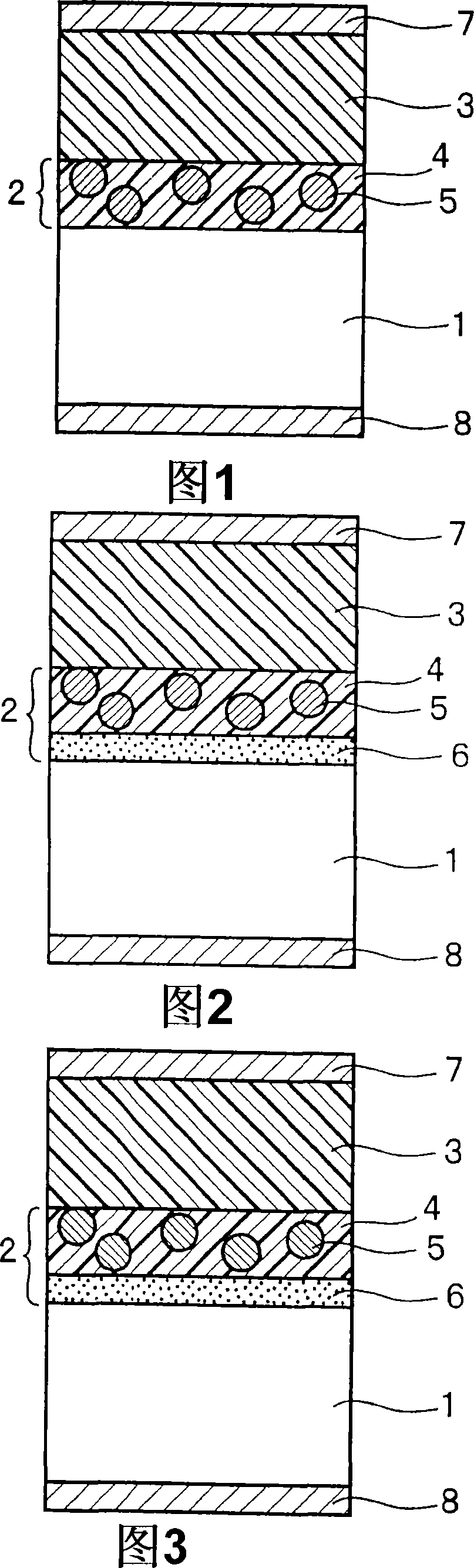
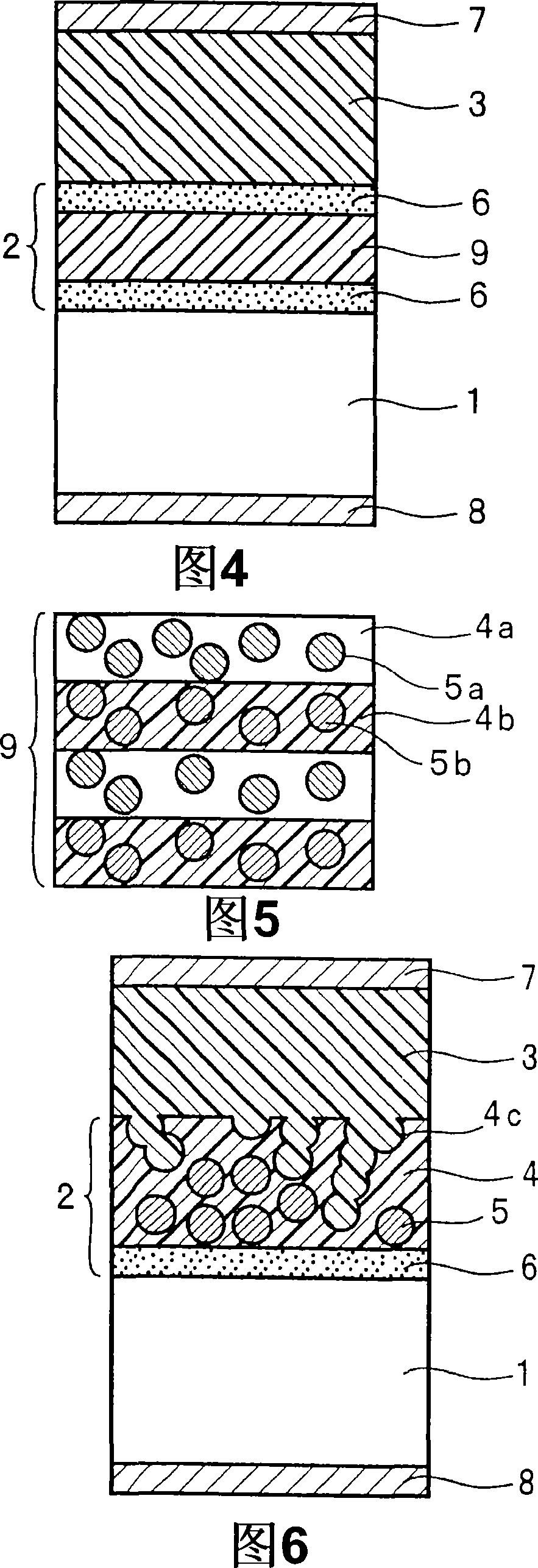
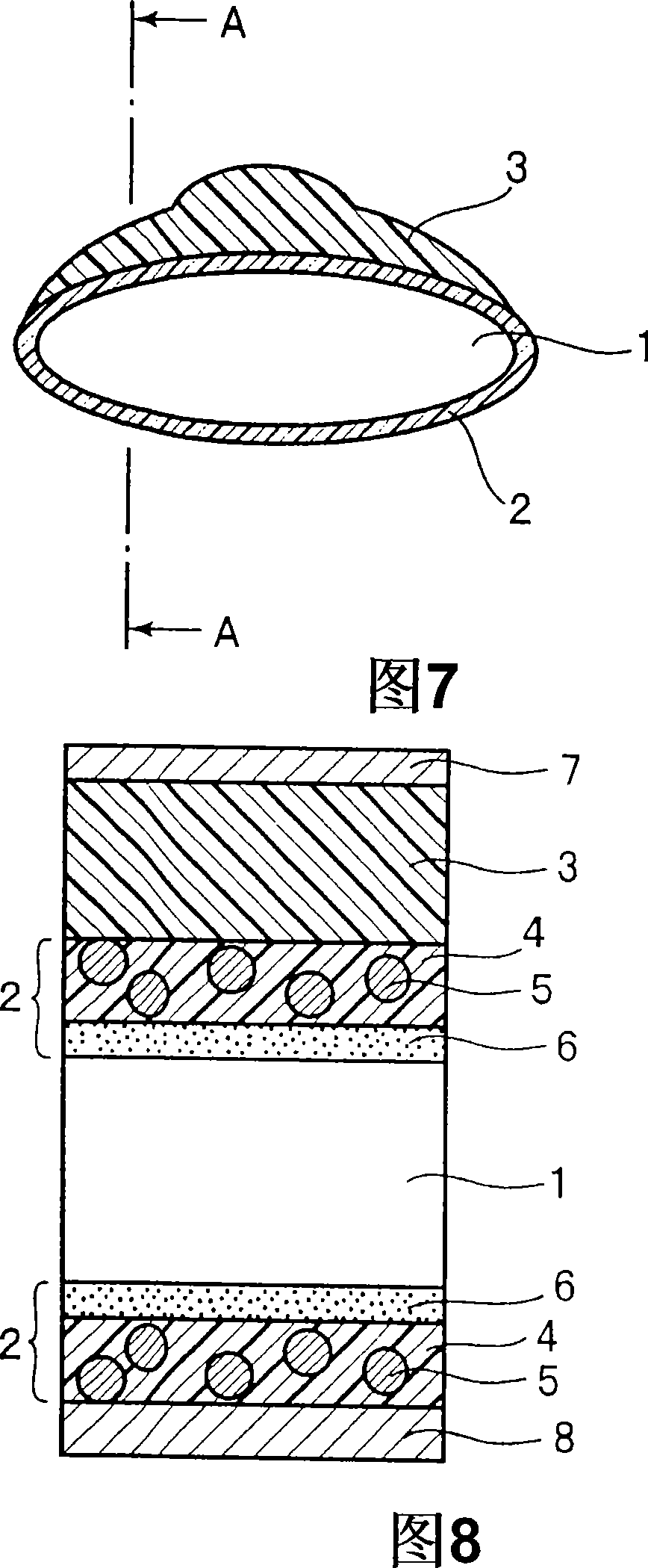
- A resin layer using an organic metal polymer with -M-O-M- bonds and a urethane bond is used, combined with a structure in which the middle layer is composed of metal oxide fine particles dispersed in the matrix resin, and is laminated through a fine particle layer and a coupling layer Designed to improve the adhesion and adhesion between the optical substrate and the resin layer.

Environmental Impact of Multiplexer Materials
The environmental impact of multiplexer materials is a critical consideration in enhancing the reliability of these devices in harsh environments. The choice of materials used in multiplexer construction significantly influences their performance, durability, and ecological footprint. Traditional materials such as silicon and gallium arsenide have long been the mainstay of multiplexer fabrication, but their environmental implications are becoming increasingly scrutinized.
Silicon-based multiplexers, while widely used, require energy-intensive manufacturing processes that contribute to greenhouse gas emissions. The production of high-purity silicon involves the reduction of silica in electric arc furnaces, consuming substantial amounts of electricity. Additionally, the etching and doping processes used in silicon chip fabrication often employ hazardous chemicals, posing potential risks to the environment if not properly managed.
Gallium arsenide, another common material in high-frequency multiplexers, presents its own set of environmental challenges. The mining and refining of gallium and arsenic can lead to soil and water contamination if not carefully controlled. Moreover, the disposal of gallium arsenide components at the end of their lifecycle requires specialized handling to prevent the release of toxic substances into the environment.
In response to these concerns, researchers are exploring alternative materials with reduced environmental impact. Organic semiconductors, for instance, offer the potential for biodegradable electronic components. These materials, derived from carbon-based compounds, can be synthesized using less energy-intensive methods and may decompose more readily in landfills, reducing long-term environmental burden.
Another promising avenue is the development of multiplexers based on two-dimensional materials such as graphene and transition metal dichalcogenides. These materials can be produced in extremely thin layers, potentially reducing the overall material consumption in device fabrication. Their unique properties also allow for more efficient operation, which could lead to lower power consumption and extended device lifespans, further mitigating environmental impact.
The use of recycled and reclaimed materials in multiplexer production is gaining traction as well. By incorporating recycled metals and semiconductors, manufacturers can reduce the demand for raw material extraction and processing. This circular economy approach not only conserves resources but also minimizes the energy and emissions associated with primary material production.
As environmental regulations become more stringent, the multiplexer industry is increasingly focusing on life cycle assessments to evaluate the full environmental impact of their products. This holistic approach considers everything from raw material sourcing to end-of-life disposal, driving innovations in material selection and manufacturing processes that aim to minimize ecological footprints while maintaining or improving device performance in harsh environments.
Silicon-based multiplexers, while widely used, require energy-intensive manufacturing processes that contribute to greenhouse gas emissions. The production of high-purity silicon involves the reduction of silica in electric arc furnaces, consuming substantial amounts of electricity. Additionally, the etching and doping processes used in silicon chip fabrication often employ hazardous chemicals, posing potential risks to the environment if not properly managed.
Gallium arsenide, another common material in high-frequency multiplexers, presents its own set of environmental challenges. The mining and refining of gallium and arsenic can lead to soil and water contamination if not carefully controlled. Moreover, the disposal of gallium arsenide components at the end of their lifecycle requires specialized handling to prevent the release of toxic substances into the environment.
In response to these concerns, researchers are exploring alternative materials with reduced environmental impact. Organic semiconductors, for instance, offer the potential for biodegradable electronic components. These materials, derived from carbon-based compounds, can be synthesized using less energy-intensive methods and may decompose more readily in landfills, reducing long-term environmental burden.
Another promising avenue is the development of multiplexers based on two-dimensional materials such as graphene and transition metal dichalcogenides. These materials can be produced in extremely thin layers, potentially reducing the overall material consumption in device fabrication. Their unique properties also allow for more efficient operation, which could lead to lower power consumption and extended device lifespans, further mitigating environmental impact.
The use of recycled and reclaimed materials in multiplexer production is gaining traction as well. By incorporating recycled metals and semiconductors, manufacturers can reduce the demand for raw material extraction and processing. This circular economy approach not only conserves resources but also minimizes the energy and emissions associated with primary material production.
As environmental regulations become more stringent, the multiplexer industry is increasingly focusing on life cycle assessments to evaluate the full environmental impact of their products. This holistic approach considers everything from raw material sourcing to end-of-life disposal, driving innovations in material selection and manufacturing processes that aim to minimize ecological footprints while maintaining or improving device performance in harsh environments.
Standardization and Testing Protocols for Harsh Environment Multiplexers
Standardization and testing protocols play a crucial role in ensuring the reliability of multiplexers operating in harsh environments. These protocols provide a systematic approach to evaluate and validate the performance of multiplexers under extreme conditions, enabling manufacturers and end-users to assess their suitability for specific applications.
One of the key aspects of standardization is the development of comprehensive test procedures that simulate real-world harsh environments. These procedures typically include exposure to extreme temperatures, high humidity, vibration, shock, and electromagnetic interference. By subjecting multiplexers to these controlled conditions, manufacturers can identify potential weaknesses and implement necessary improvements.
Temperature cycling tests are particularly important for harsh environment multiplexers. These tests involve exposing the devices to rapid temperature fluctuations, often ranging from -55°C to +125°C or beyond, depending on the intended application. Such tests help evaluate the multiplexer's ability to withstand thermal stress and maintain consistent performance across a wide temperature range.
Humidity testing is another critical component of standardization protocols. Multiplexers are subjected to high humidity levels, typically 85% relative humidity or higher, for extended periods. This helps assess their resistance to moisture ingress and potential corrosion issues that may arise in humid environments.
Vibration and shock testing protocols are essential for multiplexers used in applications with significant mechanical stress. These tests simulate the effects of transportation, handling, and operational conditions, ensuring that the multiplexers can maintain their integrity and functionality under such circumstances.
Electromagnetic compatibility (EMC) testing is crucial for multiplexers operating in environments with high levels of electromagnetic interference. Standardized EMC tests evaluate the device's susceptibility to external electromagnetic fields and its ability to function without emitting excessive electromagnetic radiation.
To ensure consistency and comparability of results, standardization efforts often involve the development of reference multiplexers. These devices serve as benchmarks for performance evaluation and help calibrate test equipment across different laboratories and manufacturing facilities.
Reliability prediction models and accelerated life testing protocols are also integral parts of standardization efforts. These tools enable manufacturers to estimate the long-term reliability of multiplexers and predict their expected lifespan under harsh conditions. By incorporating these models into the design and testing process, manufacturers can optimize their products for enhanced reliability.
Standardization initiatives often involve collaboration between industry stakeholders, research institutions, and regulatory bodies. This collaborative approach ensures that the developed protocols are comprehensive, relevant, and widely accepted within the industry. Regular reviews and updates of these standards are necessary to keep pace with technological advancements and evolving environmental challenges.
One of the key aspects of standardization is the development of comprehensive test procedures that simulate real-world harsh environments. These procedures typically include exposure to extreme temperatures, high humidity, vibration, shock, and electromagnetic interference. By subjecting multiplexers to these controlled conditions, manufacturers can identify potential weaknesses and implement necessary improvements.
Temperature cycling tests are particularly important for harsh environment multiplexers. These tests involve exposing the devices to rapid temperature fluctuations, often ranging from -55°C to +125°C or beyond, depending on the intended application. Such tests help evaluate the multiplexer's ability to withstand thermal stress and maintain consistent performance across a wide temperature range.
Humidity testing is another critical component of standardization protocols. Multiplexers are subjected to high humidity levels, typically 85% relative humidity or higher, for extended periods. This helps assess their resistance to moisture ingress and potential corrosion issues that may arise in humid environments.
Vibration and shock testing protocols are essential for multiplexers used in applications with significant mechanical stress. These tests simulate the effects of transportation, handling, and operational conditions, ensuring that the multiplexers can maintain their integrity and functionality under such circumstances.
Electromagnetic compatibility (EMC) testing is crucial for multiplexers operating in environments with high levels of electromagnetic interference. Standardized EMC tests evaluate the device's susceptibility to external electromagnetic fields and its ability to function without emitting excessive electromagnetic radiation.
To ensure consistency and comparability of results, standardization efforts often involve the development of reference multiplexers. These devices serve as benchmarks for performance evaluation and help calibrate test equipment across different laboratories and manufacturing facilities.
Reliability prediction models and accelerated life testing protocols are also integral parts of standardization efforts. These tools enable manufacturers to estimate the long-term reliability of multiplexers and predict their expected lifespan under harsh conditions. By incorporating these models into the design and testing process, manufacturers can optimize their products for enhanced reliability.
Standardization initiatives often involve collaboration between industry stakeholders, research institutions, and regulatory bodies. This collaborative approach ensures that the developed protocols are comprehensive, relevant, and widely accepted within the industry. Regular reviews and updates of these standards are necessary to keep pace with technological advancements and evolving environmental challenges.
Unlock deeper insights with PatSnap Eureka Quick Research — get a full tech report to explore trends and direct your research. Try now!
Generate Your Research Report Instantly with AI Agent
Supercharge your innovation with PatSnap Eureka AI Agent Platform!