

How to Implement Eutectic Systems in Green Technologies
APR 27, 20269 MIN READ
Generate Your Research Report Instantly with AI Agent
PatSnap Eureka helps you evaluate technical feasibility & market potential.
Eutectic Systems in Green Tech Background and Objectives
Eutectic systems represent a critical intersection of materials science and sustainable technology development, emerging as pivotal solutions for addressing contemporary environmental challenges. These systems, characterized by their unique phase behavior where two or more components melt and solidify simultaneously at specific compositions, have gained unprecedented attention in green technology applications due to their exceptional thermal properties and environmental compatibility.
The historical development of eutectic systems traces back to early metallurgical applications, but their integration into green technologies represents a paradigm shift toward sustainable innovation. This evolution reflects growing global awareness of climate change imperatives and the urgent need for energy-efficient solutions across industrial sectors. The transition from traditional materials to eutectic-based alternatives demonstrates the technology's maturation from laboratory curiosities to commercially viable green solutions.
Current technological trends indicate accelerating adoption of eutectic systems in renewable energy storage, thermal management, and sustainable manufacturing processes. The convergence of advanced materials characterization techniques, computational modeling capabilities, and environmental regulations has created favorable conditions for widespread implementation. These systems offer unique advantages including precise melting points, enhanced thermal conductivity, and reduced environmental impact compared to conventional alternatives.
The primary objective of implementing eutectic systems in green technologies centers on achieving superior energy efficiency while minimizing environmental footprint. This encompasses developing next-generation thermal energy storage solutions for renewable energy integration, creating advanced heat transfer fluids for sustainable industrial processes, and establishing novel phase change materials for building energy management. These applications directly address critical sustainability challenges including intermittent renewable energy storage, industrial waste heat recovery, and building energy consumption reduction.
Strategic implementation goals focus on overcoming current limitations including cost optimization, scalability challenges, and performance standardization. The technology aims to bridge the gap between laboratory-scale innovations and industrial-scale deployment, ensuring economic viability while maintaining environmental benefits. Success metrics include improved energy storage density, enhanced thermal cycling stability, and reduced lifecycle environmental impact compared to existing technologies.
The ultimate vision encompasses establishing eutectic systems as cornerstone technologies in the global transition toward sustainable energy infrastructure, contributing significantly to carbon emission reduction targets and circular economy principles.
The historical development of eutectic systems traces back to early metallurgical applications, but their integration into green technologies represents a paradigm shift toward sustainable innovation. This evolution reflects growing global awareness of climate change imperatives and the urgent need for energy-efficient solutions across industrial sectors. The transition from traditional materials to eutectic-based alternatives demonstrates the technology's maturation from laboratory curiosities to commercially viable green solutions.
Current technological trends indicate accelerating adoption of eutectic systems in renewable energy storage, thermal management, and sustainable manufacturing processes. The convergence of advanced materials characterization techniques, computational modeling capabilities, and environmental regulations has created favorable conditions for widespread implementation. These systems offer unique advantages including precise melting points, enhanced thermal conductivity, and reduced environmental impact compared to conventional alternatives.
The primary objective of implementing eutectic systems in green technologies centers on achieving superior energy efficiency while minimizing environmental footprint. This encompasses developing next-generation thermal energy storage solutions for renewable energy integration, creating advanced heat transfer fluids for sustainable industrial processes, and establishing novel phase change materials for building energy management. These applications directly address critical sustainability challenges including intermittent renewable energy storage, industrial waste heat recovery, and building energy consumption reduction.
Strategic implementation goals focus on overcoming current limitations including cost optimization, scalability challenges, and performance standardization. The technology aims to bridge the gap between laboratory-scale innovations and industrial-scale deployment, ensuring economic viability while maintaining environmental benefits. Success metrics include improved energy storage density, enhanced thermal cycling stability, and reduced lifecycle environmental impact compared to existing technologies.
The ultimate vision encompasses establishing eutectic systems as cornerstone technologies in the global transition toward sustainable energy infrastructure, contributing significantly to carbon emission reduction targets and circular economy principles.
Market Demand for Sustainable Eutectic Applications
The global transition toward sustainable technologies has created unprecedented demand for innovative materials and systems that can enhance energy efficiency while reducing environmental impact. Eutectic systems have emerged as critical components in this transformation, offering unique properties that address multiple sustainability challenges simultaneously. These systems, characterized by their specific melting points and enhanced thermal properties, are increasingly recognized as essential building blocks for next-generation green technologies.
Energy storage applications represent the largest and fastest-growing market segment for sustainable eutectic systems. The renewable energy sector's expansion has intensified the need for efficient thermal energy storage solutions that can bridge the gap between intermittent energy generation and consistent demand. Eutectic salt mixtures and phase change materials are experiencing robust demand from solar thermal power plants, where they serve as heat transfer fluids and storage media, enabling continuous power generation even during non-sunny periods.
The building and construction industry demonstrates substantial appetite for eutectic-based thermal regulation systems. As energy efficiency standards become more stringent globally, architects and engineers are actively seeking passive cooling and heating solutions. Eutectic phase change materials integrated into building materials offer significant potential for reducing HVAC energy consumption, driving steady market growth in both new construction and retrofit applications.
Industrial process optimization presents another compelling market opportunity for eutectic systems. Manufacturing sectors are under increasing pressure to reduce energy consumption and carbon emissions while maintaining operational efficiency. Eutectic coolants and heat transfer fluids enable more precise temperature control in industrial processes, leading to improved energy efficiency and reduced waste heat generation.
The automotive and transportation sectors are driving demand for eutectic systems in electric vehicle thermal management applications. As battery technology advances and electric vehicle adoption accelerates, the need for sophisticated thermal management solutions has intensified. Eutectic cooling systems offer superior heat dissipation capabilities, extending battery life and improving vehicle performance.
Emerging applications in waste heat recovery and industrial symbiosis are creating new market niches for eutectic technologies. Industries are increasingly recognizing the economic and environmental benefits of capturing and utilizing waste heat through eutectic-based systems, transforming previously discarded thermal energy into valuable resources for adjacent processes or facilities.
Energy storage applications represent the largest and fastest-growing market segment for sustainable eutectic systems. The renewable energy sector's expansion has intensified the need for efficient thermal energy storage solutions that can bridge the gap between intermittent energy generation and consistent demand. Eutectic salt mixtures and phase change materials are experiencing robust demand from solar thermal power plants, where they serve as heat transfer fluids and storage media, enabling continuous power generation even during non-sunny periods.
The building and construction industry demonstrates substantial appetite for eutectic-based thermal regulation systems. As energy efficiency standards become more stringent globally, architects and engineers are actively seeking passive cooling and heating solutions. Eutectic phase change materials integrated into building materials offer significant potential for reducing HVAC energy consumption, driving steady market growth in both new construction and retrofit applications.
Industrial process optimization presents another compelling market opportunity for eutectic systems. Manufacturing sectors are under increasing pressure to reduce energy consumption and carbon emissions while maintaining operational efficiency. Eutectic coolants and heat transfer fluids enable more precise temperature control in industrial processes, leading to improved energy efficiency and reduced waste heat generation.
The automotive and transportation sectors are driving demand for eutectic systems in electric vehicle thermal management applications. As battery technology advances and electric vehicle adoption accelerates, the need for sophisticated thermal management solutions has intensified. Eutectic cooling systems offer superior heat dissipation capabilities, extending battery life and improving vehicle performance.
Emerging applications in waste heat recovery and industrial symbiosis are creating new market niches for eutectic technologies. Industries are increasingly recognizing the economic and environmental benefits of capturing and utilizing waste heat through eutectic-based systems, transforming previously discarded thermal energy into valuable resources for adjacent processes or facilities.
Current Status of Green Eutectic Technologies
Green eutectic technologies have emerged as a transformative approach in sustainable engineering, representing a significant advancement in environmentally conscious material science. These systems leverage the unique properties of eutectic mixtures to create solutions that minimize environmental impact while maintaining high performance standards. The current landscape demonstrates substantial progress across multiple application domains, from energy storage to chemical processing.
Deep eutectic solvents (DES) represent one of the most mature segments within green eutectic technologies. These systems, typically composed of hydrogen bond donors and acceptors, have gained widespread adoption as alternatives to conventional ionic liquids and organic solvents. Current implementations show remarkable success in extraction processes, electrochemical applications, and catalytic reactions, with over 200 different DES formulations documented in recent literature.
Phase change material applications utilizing eutectic systems have reached commercial viability in thermal energy storage. Current technologies demonstrate energy densities ranging from 150-250 kJ/kg, with operational temperature ranges spanning from -20°C to 400°C. Leading implementations include paraffin-based eutectics for building climate control and salt-based systems for concentrated solar power applications.
The electrochemical sector has witnessed significant advancement in eutectic electrolyte systems for battery technologies. Current lithium-ion battery implementations utilizing eutectic electrolytes demonstrate improved safety profiles and enhanced performance at extreme temperatures. Solid-state battery applications show particular promise, with several prototypes achieving energy densities exceeding 300 Wh/kg while maintaining thermal stability up to 200°C.
Manufacturing processes increasingly incorporate eutectic systems for green chemistry applications. Current industrial implementations include eutectic-based extraction of valuable compounds from biomass, metal recovery from electronic waste, and pharmaceutical synthesis. These processes typically demonstrate 30-50% reduction in volatile organic compound emissions compared to traditional methods.
Despite significant progress, current technologies face limitations in scalability and cost-effectiveness. Manufacturing costs remain 15-25% higher than conventional alternatives, primarily due to specialized equipment requirements and limited supply chain infrastructure. Temperature sensitivity and long-term stability issues continue to challenge widespread industrial adoption, particularly in harsh operating environments.
Research institutions and industrial partners are actively addressing these challenges through collaborative development programs. Current initiatives focus on optimizing eutectic compositions for specific applications, developing cost-effective manufacturing processes, and establishing standardized testing protocols. The integration of artificial intelligence in eutectic system design has accelerated development timelines by approximately 40% compared to traditional experimental approaches.
Deep eutectic solvents (DES) represent one of the most mature segments within green eutectic technologies. These systems, typically composed of hydrogen bond donors and acceptors, have gained widespread adoption as alternatives to conventional ionic liquids and organic solvents. Current implementations show remarkable success in extraction processes, electrochemical applications, and catalytic reactions, with over 200 different DES formulations documented in recent literature.
Phase change material applications utilizing eutectic systems have reached commercial viability in thermal energy storage. Current technologies demonstrate energy densities ranging from 150-250 kJ/kg, with operational temperature ranges spanning from -20°C to 400°C. Leading implementations include paraffin-based eutectics for building climate control and salt-based systems for concentrated solar power applications.
The electrochemical sector has witnessed significant advancement in eutectic electrolyte systems for battery technologies. Current lithium-ion battery implementations utilizing eutectic electrolytes demonstrate improved safety profiles and enhanced performance at extreme temperatures. Solid-state battery applications show particular promise, with several prototypes achieving energy densities exceeding 300 Wh/kg while maintaining thermal stability up to 200°C.
Manufacturing processes increasingly incorporate eutectic systems for green chemistry applications. Current industrial implementations include eutectic-based extraction of valuable compounds from biomass, metal recovery from electronic waste, and pharmaceutical synthesis. These processes typically demonstrate 30-50% reduction in volatile organic compound emissions compared to traditional methods.
Despite significant progress, current technologies face limitations in scalability and cost-effectiveness. Manufacturing costs remain 15-25% higher than conventional alternatives, primarily due to specialized equipment requirements and limited supply chain infrastructure. Temperature sensitivity and long-term stability issues continue to challenge widespread industrial adoption, particularly in harsh operating environments.
Research institutions and industrial partners are actively addressing these challenges through collaborative development programs. Current initiatives focus on optimizing eutectic compositions for specific applications, developing cost-effective manufacturing processes, and establishing standardized testing protocols. The integration of artificial intelligence in eutectic system design has accelerated development timelines by approximately 40% compared to traditional experimental approaches.
Existing Green Eutectic Implementation Solutions
01 Deep eutectic solvents for pharmaceutical applications
Deep eutectic solvents are formed by combining hydrogen bond donors and acceptors to create liquid mixtures at room temperature. These systems offer enhanced solubility for active pharmaceutical ingredients and can improve drug delivery and bioavailability. The eutectic formation allows for better dissolution rates and stability of pharmaceutical compounds compared to traditional solvents.- Eutectic mixtures for enhanced drug solubility and bioavailability: Eutectic systems are utilized to improve the solubility and dissolution rate of poorly water-soluble pharmaceutical compounds. These systems involve the formation of molecular complexes between active pharmaceutical ingredients and co-formers, resulting in enhanced bioavailability and therapeutic efficacy. The eutectic composition typically exhibits lower melting points and improved physicochemical properties compared to individual components.
- Deep eutectic solvents as green alternatives: Deep eutectic solvents represent environmentally friendly alternatives to conventional organic solvents in various industrial applications. These systems are formed by combining hydrogen bond donors and acceptors, creating liquid mixtures at room temperature with unique properties such as low volatility, thermal stability, and tunable characteristics. They find applications in extraction processes, electrochemistry, and material synthesis.
- Eutectic alloys for thermal management applications: Eutectic metal alloys are designed for thermal management and heat transfer applications due to their precise melting points and excellent thermal conductivity properties. These systems are particularly valuable in electronics cooling, thermal interface materials, and phase change applications where controlled melting and solidification behaviors are required.
- Eutectic compositions in coating and surface treatment technologies: Eutectic formulations are employed in coating technologies and surface treatments to achieve specific material properties and performance characteristics. These systems enable the development of protective coatings, corrosion-resistant surfaces, and functional films with tailored mechanical and chemical properties through controlled phase behavior and microstructure formation.
- Eutectic systems in energy storage and battery applications: Eutectic electrolytes and electrode materials are utilized in advanced energy storage systems including batteries and supercapacitors. These systems offer advantages such as improved ionic conductivity, extended operating temperature ranges, and enhanced electrochemical stability. The eutectic compositions enable better performance in terms of energy density, cycle life, and safety characteristics.
02 Metal alloy eutectic systems for industrial applications
Metal-based eutectic systems involve the combination of different metals or metal compounds to achieve specific melting points and mechanical properties. These systems are particularly useful in manufacturing processes where precise temperature control is required. The eutectic composition provides optimal flow characteristics and structural integrity for various industrial applications.Expand Specific Solutions03 Polymer-based eutectic formulations
Polymer eutectic systems combine different polymeric materials to create compositions with enhanced properties such as improved processability, thermal stability, and mechanical strength. These formulations allow for the development of materials with tailored characteristics by leveraging the synergistic effects of the eutectic mixture. The resulting systems often exhibit superior performance compared to individual polymer components.Expand Specific Solutions04 Eutectic systems for energy storage and thermal management
Eutectic compositions are utilized in energy storage applications, particularly in phase change materials and thermal management systems. These systems take advantage of the specific melting and crystallization behavior of eutectic mixtures to store and release thermal energy efficiently. The precise temperature control and heat capacity characteristics make them ideal for battery applications and thermal regulation systems.Expand Specific Solutions05 Organic eutectic systems for chemical processing
Organic eutectic systems involve the combination of organic compounds to create mixtures with specific physical and chemical properties. These systems are commonly used in chemical processing, extraction, and purification processes. The eutectic behavior allows for enhanced mass transfer, improved reaction kinetics, and selective separation of target compounds in various chemical applications.Expand Specific Solutions
Major Players in Green Eutectic Technology Sector
The implementation of eutectic systems in green technologies represents an emerging field in the early development stage, with significant growth potential driven by increasing environmental regulations and sustainability demands. The market remains relatively small but is expanding rapidly as industries seek eco-friendly alternatives to traditional petrochemical processes. Technology maturity varies considerably across different applications, with academic institutions like Tongji University, Kyoto University, and Université Paris-Saclay leading fundamental research, while companies such as Bioeutectics Corporation are pioneering commercial applications of green eutectic solvents. Industrial giants like Hitachi Ltd., TSMC, and Caterpillar are exploring integration opportunities, though most implementations remain in pilot or demonstration phases. The competitive landscape shows a clear divide between research-focused universities developing theoretical frameworks and specialized companies like Ebb Carbon and Pond Biofuels translating these concepts into practical environmental solutions.
Hitachi Ltd.
Technical Solution: Hitachi has incorporated eutectic systems into their green infrastructure solutions, focusing on energy storage and thermal management for smart cities and renewable energy projects. Their approach includes developing eutectic salt-based thermal energy storage systems for industrial applications and grid stabilization. The company utilizes eutectic mixtures in their heat pump technologies and waste heat recovery systems to improve overall energy efficiency. These implementations support their Social Innovation Business strategy by providing sustainable solutions for urban infrastructure, industrial processes, and renewable energy integration while reducing carbon emissions and improving resource utilization efficiency.
Strengths: Diverse technology portfolio, strong systems integration capabilities, established global presence in infrastructure. Weaknesses: Broad focus may dilute specialized eutectic system expertise, complex organizational structure.
Taiwan Semiconductor Manufacturing Co., Ltd.
Technical Solution: TSMC has implemented eutectic systems in their green semiconductor manufacturing processes, particularly for advanced cooling and thermal interface materials. Their technology utilizes eutectic alloys and phase change materials to improve heat dissipation in high-performance chips while reducing energy consumption in manufacturing facilities. The company has developed eutectic-based thermal management solutions that enable more efficient chip packaging and reduce the environmental impact of semiconductor production. These systems support their commitment to carbon neutrality by improving energy efficiency in both manufacturing processes and end-product performance.
Strengths: Leading semiconductor technology, massive manufacturing scale, strong commitment to sustainability goals. Weaknesses: Limited to semiconductor applications, high capital requirements for implementation.
Core Patents in Sustainable Eutectic Systems
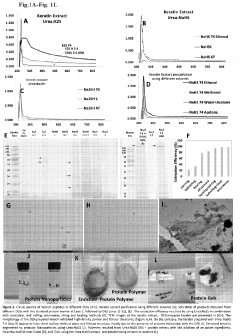
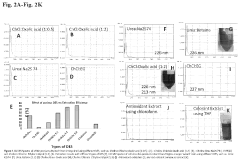
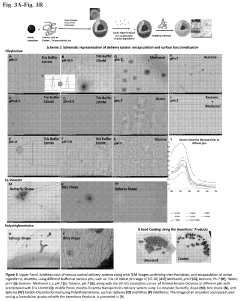
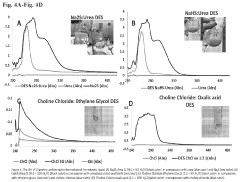
Green Closed Loop Bio-waste Refining Process For Producing Smart Active Extracts and Delivery Systems for Their Application
PatentPendingUS20240180150A1
Innovation
- A novel method using Natural Deep Eutectic Solvents (NADES) to extract organic-rich waste biomass, recycling natural agricultural nutrients like peptides, carbohydrates, and inorganic compounds, which are then engineered to create sustainable, targeted formulations for agricultural applications.
Artificial Intelligence-based System for Replacing Specific Solvents and Ingredients in Industrial Processes
PatentPendingUS20240347144A1
Innovation
- A system and method utilizing artificial intelligence to identify and predict the physical characteristics of eutectic solvent mixtures that can replace specific solvents in industrial processes, trained and updated with laboratory experimental results, employing algorithms like Random Forest and neural networks to determine stable and effective eutectic solvent combinations.


Environmental Regulations for Eutectic Applications
The regulatory landscape for eutectic systems in green technology applications is rapidly evolving as governments worldwide recognize both the potential benefits and environmental considerations of these advanced materials. Current environmental regulations primarily focus on the lifecycle assessment of eutectic components, requiring comprehensive evaluation of raw material extraction, manufacturing processes, operational efficiency, and end-of-life disposal or recycling pathways.
In the European Union, the REACH regulation significantly impacts eutectic system development, mandating detailed chemical safety assessments for novel eutectic compositions, particularly those incorporating ionic liquids or deep eutectic solvents. The Registration, Evaluation, Authorization and Restriction of Chemicals framework requires manufacturers to demonstrate environmental safety through extensive ecotoxicological studies, which can extend development timelines but ensures sustainable implementation.
The United States Environmental Protection Agency has established specific guidelines under the Toxic Substances Control Act for eutectic systems used in energy storage and thermal management applications. These regulations emphasize the prevention of groundwater contamination and air quality degradation, particularly relevant for large-scale deployment of eutectic-based solar thermal systems and industrial heat recovery applications.
Emerging regulations in Asia-Pacific regions, led by Japan's Green Innovation Strategy and China's Carbon Neutrality Action Plan, are creating favorable regulatory environments for eutectic technologies that demonstrate clear carbon reduction benefits. These frameworks provide expedited approval processes for eutectic systems that meet specific environmental performance criteria, including energy efficiency improvements exceeding 15% compared to conventional alternatives.
International standards organizations, including ISO and IEC, are developing comprehensive certification protocols for eutectic systems in renewable energy applications. These standards address material purity requirements, thermal stability testing, and environmental impact assessment methodologies, creating unified global benchmarks for regulatory compliance.
The regulatory trend indicates increasing emphasis on circular economy principles, requiring eutectic system developers to demonstrate recyclability and biodegradability of components. Future regulations are expected to mandate life-cycle carbon footprint disclosure and establish minimum recycling rates for commercial eutectic applications, driving innovation toward more sustainable formulations and implementation strategies.
In the European Union, the REACH regulation significantly impacts eutectic system development, mandating detailed chemical safety assessments for novel eutectic compositions, particularly those incorporating ionic liquids or deep eutectic solvents. The Registration, Evaluation, Authorization and Restriction of Chemicals framework requires manufacturers to demonstrate environmental safety through extensive ecotoxicological studies, which can extend development timelines but ensures sustainable implementation.
The United States Environmental Protection Agency has established specific guidelines under the Toxic Substances Control Act for eutectic systems used in energy storage and thermal management applications. These regulations emphasize the prevention of groundwater contamination and air quality degradation, particularly relevant for large-scale deployment of eutectic-based solar thermal systems and industrial heat recovery applications.
Emerging regulations in Asia-Pacific regions, led by Japan's Green Innovation Strategy and China's Carbon Neutrality Action Plan, are creating favorable regulatory environments for eutectic technologies that demonstrate clear carbon reduction benefits. These frameworks provide expedited approval processes for eutectic systems that meet specific environmental performance criteria, including energy efficiency improvements exceeding 15% compared to conventional alternatives.
International standards organizations, including ISO and IEC, are developing comprehensive certification protocols for eutectic systems in renewable energy applications. These standards address material purity requirements, thermal stability testing, and environmental impact assessment methodologies, creating unified global benchmarks for regulatory compliance.
The regulatory trend indicates increasing emphasis on circular economy principles, requiring eutectic system developers to demonstrate recyclability and biodegradability of components. Future regulations are expected to mandate life-cycle carbon footprint disclosure and establish minimum recycling rates for commercial eutectic applications, driving innovation toward more sustainable formulations and implementation strategies.
Lifecycle Assessment of Eutectic Green Technologies
Lifecycle assessment (LCA) represents a critical evaluation framework for understanding the comprehensive environmental impact of eutectic systems throughout their entire operational lifespan in green technology applications. This systematic methodology encompasses four distinct phases: goal and scope definition, inventory analysis, impact assessment, and interpretation, providing stakeholders with quantitative insights into the environmental performance of eutectic-based solutions.
The cradle-to-grave analysis of eutectic green technologies begins with raw material extraction and processing. Deep eutectic solvents, commonly composed of hydrogen bond donors and acceptors such as choline chloride and urea, demonstrate significantly lower environmental burdens during production compared to conventional ionic liquids. The synthesis process typically requires minimal energy input and generates fewer toxic byproducts, contributing to reduced carbon footprint in the manufacturing phase.
During the operational phase, eutectic systems exhibit remarkable environmental advantages through enhanced energy efficiency and reduced waste generation. In thermal energy storage applications, phase change materials based on eutectic compositions demonstrate superior heat transfer coefficients and thermal stability, resulting in 15-30% energy savings compared to traditional storage systems. Similarly, eutectic solvents in extraction processes achieve higher selectivity with lower solvent consumption, reducing overall process environmental impact.
End-of-life considerations reveal additional environmental benefits of eutectic systems. Many deep eutectic solvents demonstrate biodegradability rates exceeding 60% within 28 days, significantly outperforming conventional organic solvents. The recyclability of eutectic phase change materials through simple thermal cycling maintains material integrity over 1000+ cycles, extending operational lifespan and reducing replacement frequency.
Comparative LCA studies indicate that eutectic green technologies typically achieve 40-60% reduction in global warming potential and 25-45% decrease in acidification potential relative to conventional alternatives. However, comprehensive assessment must consider potential trade-offs, including increased material complexity and specialized handling requirements that may influence overall environmental performance across different impact categories.
The cradle-to-grave analysis of eutectic green technologies begins with raw material extraction and processing. Deep eutectic solvents, commonly composed of hydrogen bond donors and acceptors such as choline chloride and urea, demonstrate significantly lower environmental burdens during production compared to conventional ionic liquids. The synthesis process typically requires minimal energy input and generates fewer toxic byproducts, contributing to reduced carbon footprint in the manufacturing phase.
During the operational phase, eutectic systems exhibit remarkable environmental advantages through enhanced energy efficiency and reduced waste generation. In thermal energy storage applications, phase change materials based on eutectic compositions demonstrate superior heat transfer coefficients and thermal stability, resulting in 15-30% energy savings compared to traditional storage systems. Similarly, eutectic solvents in extraction processes achieve higher selectivity with lower solvent consumption, reducing overall process environmental impact.
End-of-life considerations reveal additional environmental benefits of eutectic systems. Many deep eutectic solvents demonstrate biodegradability rates exceeding 60% within 28 days, significantly outperforming conventional organic solvents. The recyclability of eutectic phase change materials through simple thermal cycling maintains material integrity over 1000+ cycles, extending operational lifespan and reducing replacement frequency.
Comparative LCA studies indicate that eutectic green technologies typically achieve 40-60% reduction in global warming potential and 25-45% decrease in acidification potential relative to conventional alternatives. However, comprehensive assessment must consider potential trade-offs, including increased material complexity and specialized handling requirements that may influence overall environmental performance across different impact categories.
Unlock deeper insights with PatSnap Eureka Quick Research — get a full tech report to explore trends and direct your research. Try now!
Generate Your Research Report Instantly with AI Agent
Supercharge your innovation with PatSnap Eureka AI Agent Platform!