

How to Implement Front Suspension Upgrades for Efficiency Improvements
MAR 31, 20269 MIN READ
Generate Your Research Report Instantly with AI Agent
Patsnap Eureka helps you evaluate technical feasibility & market potential.
Front Suspension Technology Background and Efficiency Goals
Front suspension systems have undergone significant evolution since the early days of automotive engineering, transitioning from basic leaf spring configurations to sophisticated multi-link assemblies with adaptive damping capabilities. The fundamental purpose of front suspension remains consistent: to manage wheel movement, maintain tire contact with road surfaces, and provide vehicle stability while absorbing road irregularities. However, modern efficiency demands have transformed suspension design priorities beyond mere comfort and handling.
Traditional suspension systems primarily focused on ride quality and vehicle control, often at the expense of energy efficiency. Early designs featured heavy steel components with fixed damping characteristics that could not adapt to varying road conditions or driving scenarios. The introduction of independent front suspension marked a pivotal advancement, allowing individual wheel movement and improved road holding capabilities while reducing unsprung weight.
Contemporary efficiency goals in front suspension technology encompass multiple performance dimensions that directly impact vehicle energy consumption. Aerodynamic efficiency represents a critical target, as suspension geometry influences vehicle ride height, wheel alignment, and overall aerodynamic profile. Optimized suspension settings can reduce drag coefficients by maintaining consistent vehicle stance and minimizing air turbulence around wheel wells.
Weight reduction constitutes another fundamental efficiency objective, driving the adoption of lightweight materials such as aluminum alloys, carbon fiber composites, and advanced high-strength steels. Modern suspension components aim to achieve maximum structural integrity while minimizing mass, directly contributing to improved fuel economy and reduced emissions through decreased inertial loads.
Energy recovery and adaptive control systems represent emerging efficiency frontiers in suspension technology. Active and semi-active suspension systems can now harvest energy from suspension movement while optimizing damping characteristics in real-time based on road conditions and driving patterns. These systems enable precise control over vehicle dynamics while potentially recovering energy that would otherwise be dissipated as heat.
The integration of electronic control systems has enabled predictive suspension management, where sensors and algorithms anticipate road conditions and pre-adjust suspension parameters for optimal efficiency. This technological convergence allows suspension systems to contribute actively to overall vehicle energy management strategies, supporting hybrid and electric vehicle efficiency objectives through coordinated powertrain and chassis control.
Traditional suspension systems primarily focused on ride quality and vehicle control, often at the expense of energy efficiency. Early designs featured heavy steel components with fixed damping characteristics that could not adapt to varying road conditions or driving scenarios. The introduction of independent front suspension marked a pivotal advancement, allowing individual wheel movement and improved road holding capabilities while reducing unsprung weight.
Contemporary efficiency goals in front suspension technology encompass multiple performance dimensions that directly impact vehicle energy consumption. Aerodynamic efficiency represents a critical target, as suspension geometry influences vehicle ride height, wheel alignment, and overall aerodynamic profile. Optimized suspension settings can reduce drag coefficients by maintaining consistent vehicle stance and minimizing air turbulence around wheel wells.
Weight reduction constitutes another fundamental efficiency objective, driving the adoption of lightweight materials such as aluminum alloys, carbon fiber composites, and advanced high-strength steels. Modern suspension components aim to achieve maximum structural integrity while minimizing mass, directly contributing to improved fuel economy and reduced emissions through decreased inertial loads.
Energy recovery and adaptive control systems represent emerging efficiency frontiers in suspension technology. Active and semi-active suspension systems can now harvest energy from suspension movement while optimizing damping characteristics in real-time based on road conditions and driving patterns. These systems enable precise control over vehicle dynamics while potentially recovering energy that would otherwise be dissipated as heat.
The integration of electronic control systems has enabled predictive suspension management, where sensors and algorithms anticipate road conditions and pre-adjust suspension parameters for optimal efficiency. This technological convergence allows suspension systems to contribute actively to overall vehicle energy management strategies, supporting hybrid and electric vehicle efficiency objectives through coordinated powertrain and chassis control.
Market Demand for Enhanced Suspension Performance Systems
The automotive industry is experiencing unprecedented demand for enhanced suspension performance systems, driven by evolving consumer expectations and technological advancements. Modern vehicle owners increasingly prioritize ride quality, handling precision, and overall driving experience, creating substantial market opportunities for front suspension upgrade solutions. This demand spans across multiple vehicle segments, from performance enthusiasts seeking track-ready capabilities to everyday drivers desiring improved comfort and safety.
Consumer preferences have shifted significantly toward vehicles offering superior dynamic performance characteristics. The growing popularity of performance-oriented driving experiences has expanded beyond traditional sports car markets into mainstream passenger vehicles and SUVs. Vehicle owners are actively seeking suspension upgrades that deliver measurable improvements in cornering stability, braking performance, and overall vehicle control while maintaining acceptable comfort levels for daily use.
The aftermarket suspension components sector represents a rapidly expanding market segment, with increasing consumer willingness to invest in performance modifications. This growth is particularly pronounced in regions with established automotive enthusiast communities and developed aftermarket infrastructure. The market encompasses various customer segments, including performance tuning shops, racing teams, and individual consumers seeking enhanced vehicle capabilities.
Technological convergence between OEM and aftermarket solutions has created new market dynamics. Advanced materials, electronic damping systems, and adaptive suspension technologies previously exclusive to luxury vehicles are becoming accessible through aftermarket channels. This democratization of advanced suspension technology has broadened the addressable market and increased consumer expectations for upgrade performance.
Commercial vehicle applications present additional market opportunities, where suspension efficiency improvements directly impact operational costs and cargo protection. Fleet operators increasingly recognize the economic benefits of enhanced suspension systems, including reduced maintenance costs, improved fuel efficiency, and extended vehicle service life.
The market demand is further amplified by regulatory trends emphasizing vehicle safety and emissions reduction. Enhanced suspension systems contribute to improved tire contact patch management, potentially reducing rolling resistance and supporting fuel efficiency objectives. These regulatory drivers create additional incentives for both manufacturers and consumers to adopt advanced suspension technologies.
Regional market variations reflect different driving conditions, regulatory environments, and consumer preferences. Markets with challenging road conditions or performance-oriented driving cultures demonstrate particularly strong demand for suspension enhancement solutions, creating targeted opportunities for specialized product development and market entry strategies.
Consumer preferences have shifted significantly toward vehicles offering superior dynamic performance characteristics. The growing popularity of performance-oriented driving experiences has expanded beyond traditional sports car markets into mainstream passenger vehicles and SUVs. Vehicle owners are actively seeking suspension upgrades that deliver measurable improvements in cornering stability, braking performance, and overall vehicle control while maintaining acceptable comfort levels for daily use.
The aftermarket suspension components sector represents a rapidly expanding market segment, with increasing consumer willingness to invest in performance modifications. This growth is particularly pronounced in regions with established automotive enthusiast communities and developed aftermarket infrastructure. The market encompasses various customer segments, including performance tuning shops, racing teams, and individual consumers seeking enhanced vehicle capabilities.
Technological convergence between OEM and aftermarket solutions has created new market dynamics. Advanced materials, electronic damping systems, and adaptive suspension technologies previously exclusive to luxury vehicles are becoming accessible through aftermarket channels. This democratization of advanced suspension technology has broadened the addressable market and increased consumer expectations for upgrade performance.
Commercial vehicle applications present additional market opportunities, where suspension efficiency improvements directly impact operational costs and cargo protection. Fleet operators increasingly recognize the economic benefits of enhanced suspension systems, including reduced maintenance costs, improved fuel efficiency, and extended vehicle service life.
The market demand is further amplified by regulatory trends emphasizing vehicle safety and emissions reduction. Enhanced suspension systems contribute to improved tire contact patch management, potentially reducing rolling resistance and supporting fuel efficiency objectives. These regulatory drivers create additional incentives for both manufacturers and consumers to adopt advanced suspension technologies.
Regional market variations reflect different driving conditions, regulatory environments, and consumer preferences. Markets with challenging road conditions or performance-oriented driving cultures demonstrate particularly strong demand for suspension enhancement solutions, creating targeted opportunities for specialized product development and market entry strategies.
Current Suspension Technology Status and Upgrade Challenges
Current front suspension technology encompasses several established systems, each with distinct characteristics and performance profiles. Traditional MacPherson strut systems dominate the automotive market due to their cost-effectiveness and compact design, utilizing a single strut assembly that combines the shock absorber and coil spring. Double wishbone configurations offer superior handling characteristics through better wheel control geometry but require more complex packaging and higher manufacturing costs.
Active suspension systems represent the technological frontier, employing electronically controlled dampers and air springs to continuously adjust suspension parameters. These systems utilize sensors to monitor road conditions, vehicle dynamics, and driver inputs, enabling real-time optimization of ride comfort and handling performance. Semi-active systems provide a middle ground, offering variable damping control without the complexity of fully active systems.
The integration of lightweight materials has emerged as a critical advancement area. Carbon fiber components, aluminum alloys, and advanced high-strength steels are increasingly replacing traditional materials to reduce unsprung weight. This weight reduction directly translates to improved efficiency through reduced energy consumption and enhanced vehicle dynamics.
Several significant challenges impede widespread suspension upgrade implementation. Cost considerations remain paramount, as advanced suspension technologies often carry substantial price premiums that limit market adoption. The complexity of modern suspension systems requires specialized knowledge and equipment for installation and maintenance, creating barriers for both consumers and service providers.
Packaging constraints present another major obstacle, particularly in existing vehicle platforms not originally designed for advanced suspension systems. Space limitations in engine bays and wheel wells often prevent direct retrofitting of more sophisticated suspension components without extensive modifications.
Durability and reliability concerns affect long-term adoption rates. Advanced suspension systems incorporate numerous electronic components and sensors that must withstand harsh automotive environments while maintaining consistent performance over extended service intervals. The integration of multiple subsystems increases potential failure points and diagnostic complexity.
Regulatory compliance adds another layer of complexity, as suspension modifications must meet safety standards and emissions requirements across different markets. The certification process for aftermarket suspension upgrades can be lengthy and expensive, particularly for systems that significantly alter vehicle dynamics or incorporate active control elements.
Active suspension systems represent the technological frontier, employing electronically controlled dampers and air springs to continuously adjust suspension parameters. These systems utilize sensors to monitor road conditions, vehicle dynamics, and driver inputs, enabling real-time optimization of ride comfort and handling performance. Semi-active systems provide a middle ground, offering variable damping control without the complexity of fully active systems.
The integration of lightweight materials has emerged as a critical advancement area. Carbon fiber components, aluminum alloys, and advanced high-strength steels are increasingly replacing traditional materials to reduce unsprung weight. This weight reduction directly translates to improved efficiency through reduced energy consumption and enhanced vehicle dynamics.
Several significant challenges impede widespread suspension upgrade implementation. Cost considerations remain paramount, as advanced suspension technologies often carry substantial price premiums that limit market adoption. The complexity of modern suspension systems requires specialized knowledge and equipment for installation and maintenance, creating barriers for both consumers and service providers.
Packaging constraints present another major obstacle, particularly in existing vehicle platforms not originally designed for advanced suspension systems. Space limitations in engine bays and wheel wells often prevent direct retrofitting of more sophisticated suspension components without extensive modifications.
Durability and reliability concerns affect long-term adoption rates. Advanced suspension systems incorporate numerous electronic components and sensors that must withstand harsh automotive environments while maintaining consistent performance over extended service intervals. The integration of multiple subsystems increases potential failure points and diagnostic complexity.
Regulatory compliance adds another layer of complexity, as suspension modifications must meet safety standards and emissions requirements across different markets. The certification process for aftermarket suspension upgrades can be lengthy and expensive, particularly for systems that significantly alter vehicle dynamics or incorporate active control elements.
Current Front Suspension Upgrade Solutions
01 Independent suspension systems with optimized geometry
Front suspension efficiency can be improved through independent suspension designs that optimize wheel geometry and kinematics. These systems allow each wheel to move independently, reducing body roll and improving handling characteristics. The geometric configuration of control arms, pivot points, and mounting positions are carefully designed to maintain optimal wheel alignment throughout the suspension travel, enhancing ride comfort and vehicle stability.- Independent suspension systems with optimized geometry: Front suspension efficiency can be improved through independent suspension designs that optimize wheel geometry and kinematics. These systems utilize specific linkage arrangements and pivot points to maintain optimal wheel alignment during compression and rebound, reducing tire scrub and improving handling characteristics. The geometric configuration allows for better control of camber, caster, and toe angles throughout the suspension travel range.
- Active suspension control systems: Active suspension technologies employ sensors and actuators to dynamically adjust suspension parameters in real-time based on road conditions and driving situations. These systems can actively control damping forces, spring rates, and ride height to optimize comfort and handling. Electronic control units process input data to make instantaneous adjustments that improve overall suspension performance and efficiency.
- Lightweight suspension components and materials: Reducing unsprung mass through the use of lightweight materials and optimized component designs significantly enhances suspension efficiency. Advanced materials and manufacturing techniques allow for the creation of suspension arms, knuckles, and other components that maintain structural integrity while minimizing weight. This reduction in mass improves suspension response time and reduces energy losses during operation.
- Damper and spring optimization: Suspension efficiency is enhanced through careful tuning and optimization of damping characteristics and spring rates. Advanced damper designs incorporate variable orifice systems and multi-stage valving to provide optimal damping across different operating conditions. Spring selection and progressive rate designs work in conjunction with dampers to maximize energy absorption and minimize oscillations.
- Integrated suspension mounting and isolation systems: Efficient mounting systems and isolation technologies reduce vibration transmission and improve suspension performance. These systems utilize specially designed bushings, mounts, and isolation elements that allow controlled movement while filtering unwanted vibrations. The integration of these components with the suspension structure optimizes load paths and reduces energy losses through the suspension system.
02 Active and adaptive suspension control systems
Implementation of active or adaptive suspension control mechanisms can significantly enhance front suspension efficiency. These systems utilize sensors and electronic control units to monitor road conditions and vehicle dynamics in real-time, automatically adjusting damping forces and suspension characteristics. This technology enables optimal performance across varying driving conditions, improving both comfort and handling efficiency.Expand Specific Solutions03 Lightweight materials and structural optimization
Utilizing advanced lightweight materials and optimized structural designs in front suspension components reduces unsprung mass, which directly improves suspension efficiency and vehicle dynamics. The reduction in weight allows for faster response to road irregularities and reduces energy consumption. Material selection and structural engineering focus on maintaining strength while minimizing mass.Expand Specific Solutions04 Multi-link and double wishbone configurations
Advanced multi-link and double wishbone suspension architectures provide superior control over wheel motion and alignment parameters. These configurations use multiple connection points and control arms to precisely manage camber, caster, and toe angles during suspension movement. The complex geometry allows for better separation of longitudinal and lateral forces, resulting in improved handling precision and tire contact with the road surface.Expand Specific Solutions05 Integrated damping and spring rate optimization
Optimizing the relationship between spring rates and damping characteristics is crucial for front suspension efficiency. This involves careful tuning of shock absorbers and spring constants to match vehicle weight distribution and intended use. Progressive rate springs and variable damping systems can be employed to provide optimal performance across different load conditions and driving scenarios, balancing comfort with dynamic response.Expand Specific Solutions
Major Players in Suspension Upgrade Industry
The front suspension upgrade technology sector is experiencing significant growth driven by increasing demand for vehicle efficiency and performance optimization. The market encompasses both traditional automotive manufacturers and emerging electric vehicle companies, indicating a mature yet evolving technological landscape. Established players like Toyota Motor Corp., BMW, Ford Global Technologies, and Hyundai Motor demonstrate advanced suspension technologies through decades of R&D investment. Chinese manufacturers including BYD Co., Great Wall Motor, Geely Holding Group, and China FAW Co. are rapidly advancing their capabilities, particularly in electric vehicle applications. Component specialists such as Robert Bosch GmbH, ZF Friedrichshafen AG, and Cummins Inc. provide critical technological foundations. The technology maturity varies significantly, with premium manufacturers like BMW and Toyota leading in adaptive systems, while emerging companies focus on cost-effective solutions for mass market applications.
Bayerische Motoren Werke AG
Technical Solution: BMW has developed innovative front suspension systems featuring their Adaptive M Suspension technology with electronically controlled dampers and active anti-roll bars. Their latest front suspension upgrades incorporate carbon fiber reinforced plastic (CFRP) components and aluminum space frame construction that reduces unsprung weight by up to 25% while maintaining structural integrity. BMW's efficiency-oriented suspension design includes predictive suspension control that uses GPS data and front-facing cameras to anticipate road conditions and adjust damping characteristics proactively. The system features variable spring rates and active geometry control that optimizes wheel alignment for different driving scenarios, resulting in reduced tire wear and improved fuel efficiency through minimized rolling resistance and enhanced aerodynamic performance.
Strengths: Premium materials and construction, sophisticated predictive algorithms, excellent integration with performance systems. Weaknesses: High cost and complexity, requires specialized maintenance, limited scalability to mass market vehicles.
Toyota Motor Corp.
Technical Solution: Toyota has developed advanced front suspension systems featuring adaptive variable suspension (AVS) technology that automatically adjusts damping force based on road conditions and driving modes. Their multi-link front suspension design incorporates lightweight aluminum components and optimized geometry to reduce unsprung weight by approximately 15% compared to traditional steel systems. The company's latest front suspension upgrades include active stabilizer bars and electronically controlled shock absorbers that improve fuel efficiency by reducing rolling resistance and optimizing wheel alignment during various driving conditions. Toyota's suspension tuning focuses on minimizing energy loss through friction reduction and enhanced aerodynamic integration.
Strengths: Proven reliability, extensive R&D capabilities, strong integration with hybrid powertrains. Weaknesses: Conservative approach may limit breakthrough innovations, higher manufacturing costs for advanced materials.
Core Technologies in Suspension Efficiency Enhancement
Front suspension and vehicle
PatentWO2025044394A1
Innovation
- An integrated mount is designed to directly install the front suspension upper swing arm, lower swing arm, front shock absorber and steering arm on the integrated mount, and indirectly install the front fork assembly and steering rod through the integrated mount.


Front suspension for vehicles with front steerable wheel
PatentInactiveUS7159883B2
Innovation
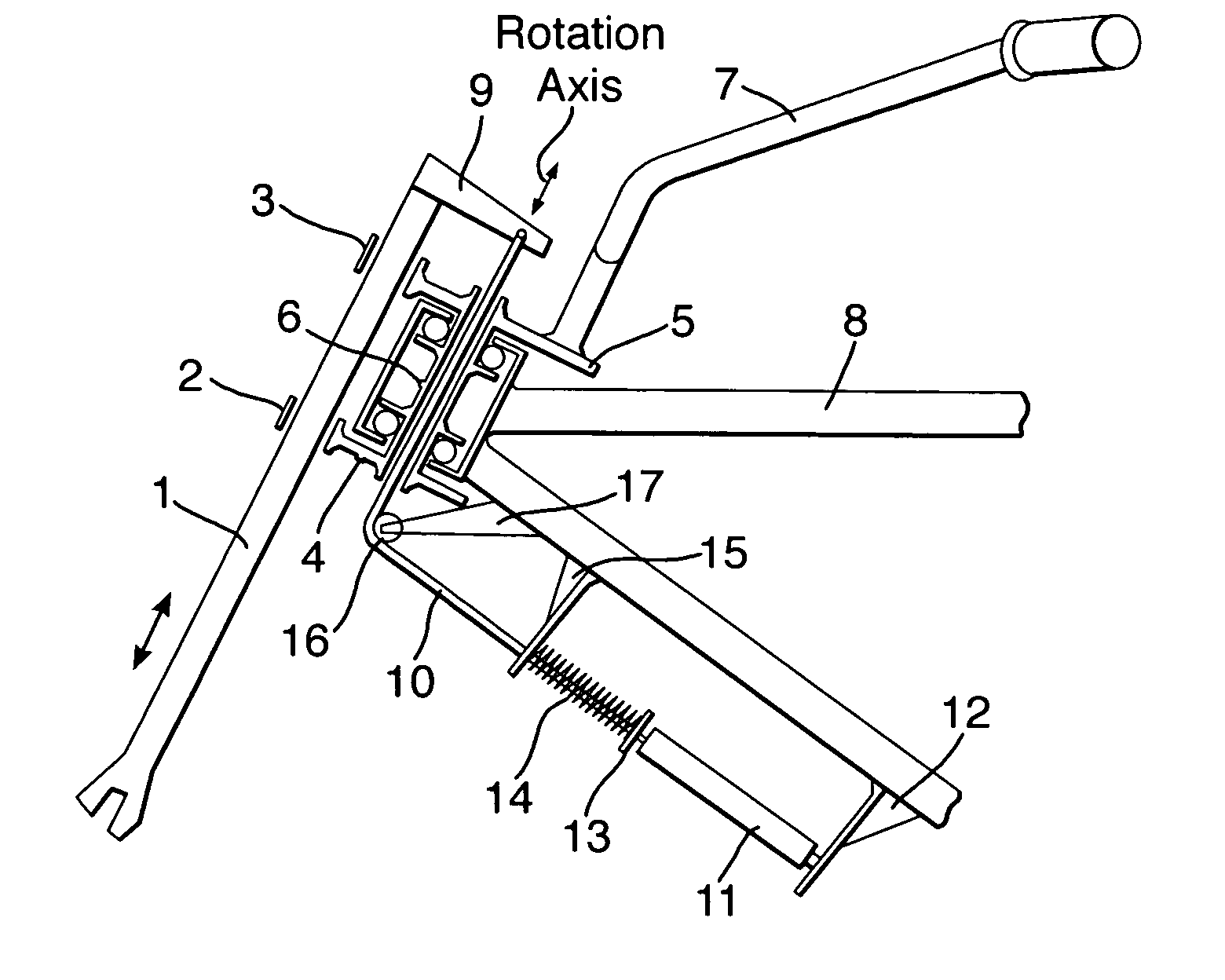
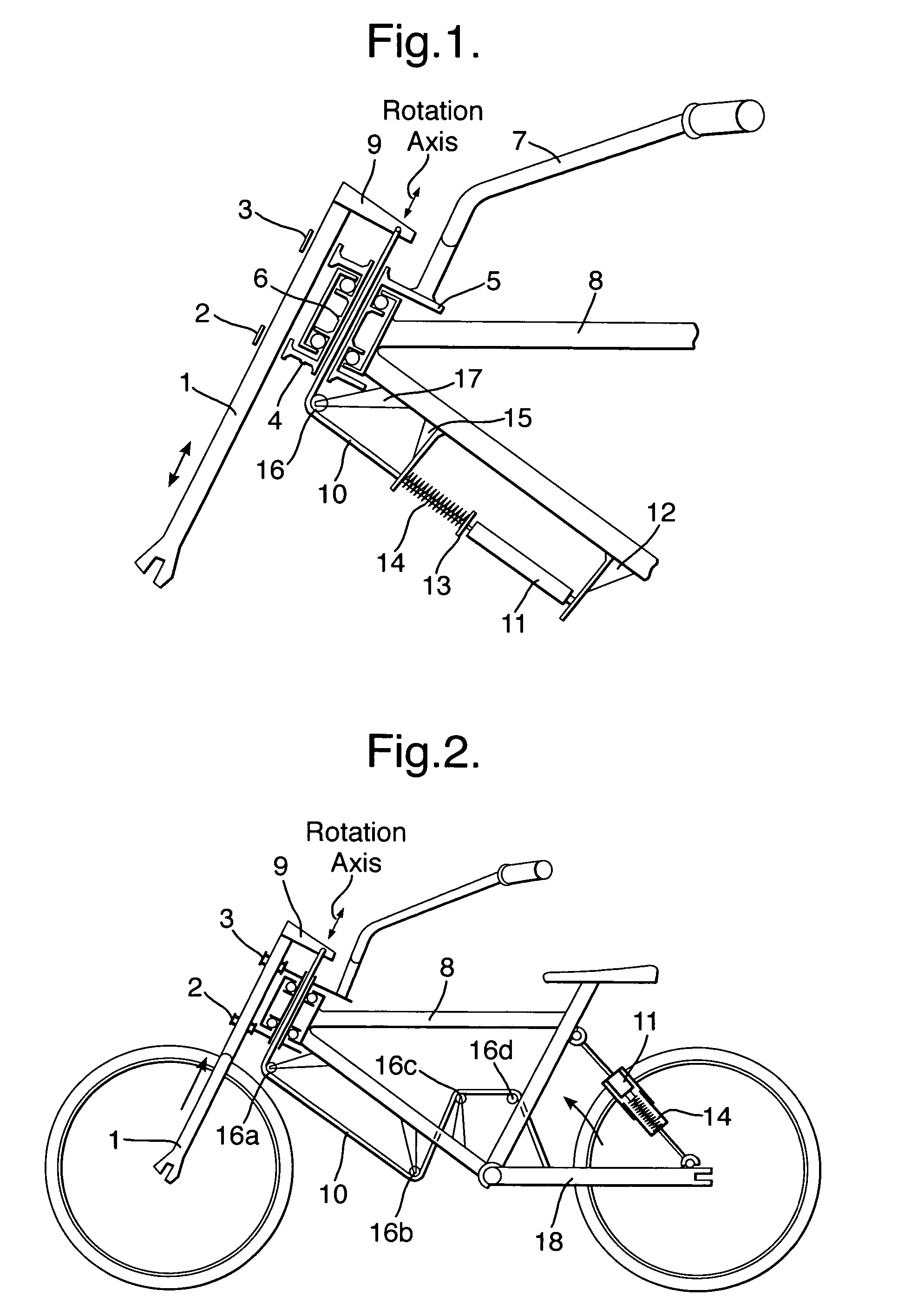
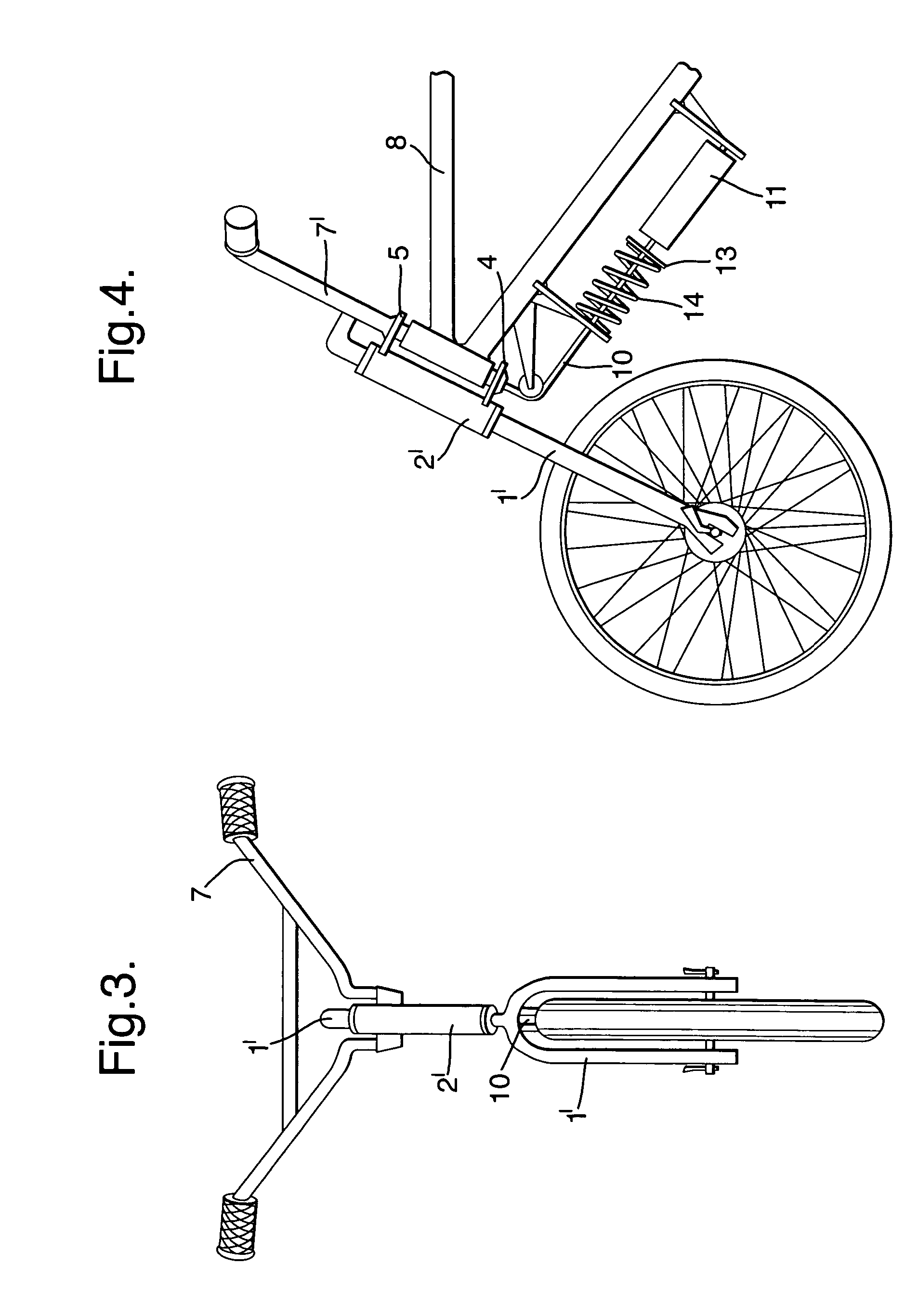
- A front suspension system with a cable connected to the upper part of the front wheel fork, running through the handle bar steering axis, and supported by the vehicle frame, which reduces the strength requirements of unsprung elements and stabilizes the vehicle by coupling front and rear suspension shifts, using elastic and damping elements placed on the springing side.

Safety Standards and Regulations for Suspension Modifications
Front suspension modifications must comply with stringent safety standards established by regulatory bodies worldwide. The Federal Motor Vehicle Safety Standards (FMVSS) in the United States, European Union regulations under ECE standards, and similar frameworks in other jurisdictions define critical parameters for suspension system performance. These regulations specify minimum requirements for vehicle stability, braking performance, and structural integrity that must be maintained throughout any modification process.
Vehicle manufacturers typically design suspension systems with specific load ratings, geometric constraints, and performance characteristics that align with original equipment specifications. Any deviation from these parameters requires careful evaluation against established safety criteria. The Society of Automotive Engineers (SAE) provides comprehensive guidelines through standards such as SAE J1401 for road load data acquisition and SAE J1478 for suspension durability testing protocols.
Certification processes for suspension modifications vary significantly across different markets and vehicle categories. In many jurisdictions, substantial suspension changes require engineering certification from qualified professionals who can validate that modifications maintain or improve upon original safety performance metrics. This certification process typically involves comprehensive testing of handling characteristics, emergency braking scenarios, and structural load distribution under various operating conditions.
Insurance and liability considerations represent critical factors in suspension modification projects. Many insurance providers require disclosure of significant vehicle modifications, and coverage may be affected if modifications are not properly documented or certified. Legal liability issues can arise if modified vehicles are involved in accidents where suspension performance becomes a contributing factor.
Quality assurance protocols must be established throughout the modification process to ensure compliance with applicable standards. This includes verification of component specifications, installation procedures, and post-modification testing to validate performance against regulatory requirements. Documentation of all modifications, including part numbers, installation procedures, and test results, becomes essential for regulatory compliance and future maintenance requirements.
Regular inspection and maintenance schedules may require adjustment following suspension modifications to ensure continued compliance with safety standards. Modified systems often require more frequent monitoring of component wear patterns, alignment specifications, and performance characteristics compared to original equipment configurations.
Vehicle manufacturers typically design suspension systems with specific load ratings, geometric constraints, and performance characteristics that align with original equipment specifications. Any deviation from these parameters requires careful evaluation against established safety criteria. The Society of Automotive Engineers (SAE) provides comprehensive guidelines through standards such as SAE J1401 for road load data acquisition and SAE J1478 for suspension durability testing protocols.
Certification processes for suspension modifications vary significantly across different markets and vehicle categories. In many jurisdictions, substantial suspension changes require engineering certification from qualified professionals who can validate that modifications maintain or improve upon original safety performance metrics. This certification process typically involves comprehensive testing of handling characteristics, emergency braking scenarios, and structural load distribution under various operating conditions.
Insurance and liability considerations represent critical factors in suspension modification projects. Many insurance providers require disclosure of significant vehicle modifications, and coverage may be affected if modifications are not properly documented or certified. Legal liability issues can arise if modified vehicles are involved in accidents where suspension performance becomes a contributing factor.
Quality assurance protocols must be established throughout the modification process to ensure compliance with applicable standards. This includes verification of component specifications, installation procedures, and post-modification testing to validate performance against regulatory requirements. Documentation of all modifications, including part numbers, installation procedures, and test results, becomes essential for regulatory compliance and future maintenance requirements.
Regular inspection and maintenance schedules may require adjustment following suspension modifications to ensure continued compliance with safety standards. Modified systems often require more frequent monitoring of component wear patterns, alignment specifications, and performance characteristics compared to original equipment configurations.
Environmental Impact of Suspension Upgrade Materials
The environmental implications of front suspension upgrade materials represent a critical consideration in modern automotive engineering, particularly as the industry shifts toward sustainable practices. Traditional suspension components, primarily manufactured from steel and aluminum alloys, present significant environmental challenges throughout their lifecycle. Steel production generates approximately 1.85 tons of CO2 per ton of finished product, while aluminum processing, despite being recyclable, requires substantial energy input during initial extraction and refinement processes.
Advanced composite materials, including carbon fiber reinforced polymers and glass fiber composites, offer superior performance characteristics but introduce complex environmental trade-offs. Carbon fiber production is notably energy-intensive, consuming up to 286 MJ per kilogram during manufacturing. However, these materials provide substantial weight reduction benefits, potentially improving vehicle fuel efficiency by 3-7% when applied to suspension systems, thereby offsetting initial production emissions over the vehicle's operational lifetime.
Emerging bio-based composite materials present promising alternatives for certain suspension components. Natural fiber reinforced polymers, utilizing flax, hemp, or kenaf fibers, demonstrate comparable mechanical properties to synthetic alternatives while reducing carbon footprint by up to 40%. These materials show particular promise for non-critical suspension elements such as covers, brackets, and secondary structural components.
The end-of-life management of suspension upgrade materials poses additional environmental considerations. Steel components maintain excellent recyclability rates exceeding 90%, while aluminum recycling requires only 5% of the energy needed for primary production. Conversely, thermoset composites present recycling challenges, though emerging chemical recycling technologies and thermoplastic alternatives are addressing these limitations.
Manufacturing process innovations significantly influence environmental impact. Additive manufacturing techniques for suspension components can reduce material waste by up to 60% compared to traditional subtractive methods. Additionally, localized production capabilities minimize transportation-related emissions while enabling on-demand manufacturing strategies.
Lifecycle assessment studies indicate that material selection decisions should consider regional energy grids, transportation distances, and local recycling infrastructure. The optimal environmental choice varies significantly based on these factors, emphasizing the importance of comprehensive environmental impact evaluation during suspension upgrade planning and implementation phases.
Advanced composite materials, including carbon fiber reinforced polymers and glass fiber composites, offer superior performance characteristics but introduce complex environmental trade-offs. Carbon fiber production is notably energy-intensive, consuming up to 286 MJ per kilogram during manufacturing. However, these materials provide substantial weight reduction benefits, potentially improving vehicle fuel efficiency by 3-7% when applied to suspension systems, thereby offsetting initial production emissions over the vehicle's operational lifetime.
Emerging bio-based composite materials present promising alternatives for certain suspension components. Natural fiber reinforced polymers, utilizing flax, hemp, or kenaf fibers, demonstrate comparable mechanical properties to synthetic alternatives while reducing carbon footprint by up to 40%. These materials show particular promise for non-critical suspension elements such as covers, brackets, and secondary structural components.
The end-of-life management of suspension upgrade materials poses additional environmental considerations. Steel components maintain excellent recyclability rates exceeding 90%, while aluminum recycling requires only 5% of the energy needed for primary production. Conversely, thermoset composites present recycling challenges, though emerging chemical recycling technologies and thermoplastic alternatives are addressing these limitations.
Manufacturing process innovations significantly influence environmental impact. Additive manufacturing techniques for suspension components can reduce material waste by up to 60% compared to traditional subtractive methods. Additionally, localized production capabilities minimize transportation-related emissions while enabling on-demand manufacturing strategies.
Lifecycle assessment studies indicate that material selection decisions should consider regional energy grids, transportation distances, and local recycling infrastructure. The optimal environmental choice varies significantly based on these factors, emphasizing the importance of comprehensive environmental impact evaluation during suspension upgrade planning and implementation phases.
Unlock deeper insights with Patsnap Eureka Quick Research — get a full tech report to explore trends and direct your research. Try now!
Generate Your Research Report Instantly with AI Agent
Supercharge your innovation with Patsnap Eureka AI Agent Platform!