How to Improve Machine Olfaction Component Longevity
APR 29, 20269 MIN READ
Generate Your Research Report Instantly with AI Agent
PatSnap Eureka helps you evaluate technical feasibility & market potential.
Machine Olfaction Component Durability Background and Goals
Machine olfaction technology has emerged as a critical sensing modality across diverse industrial applications, from environmental monitoring and food quality assessment to medical diagnostics and security screening. However, the widespread adoption of electronic nose systems has been significantly hindered by the limited operational lifespan of their core sensing components, particularly chemical sensors and detection elements.
The fundamental challenge lies in the inherent vulnerability of olfactory sensors to environmental degradation, chemical poisoning, and drift phenomena. Unlike traditional sensors that measure physical parameters, machine olfaction components must interact directly with target molecules, leading to inevitable chemical and physical changes that compromise their sensitivity and selectivity over time. This degradation manifests as baseline drift, reduced response magnitude, altered selectivity patterns, and eventual sensor failure.
Current machine olfaction systems typically exhibit operational lifespans ranging from several months to a few years, depending on application conditions and sensor technologies employed. This limited durability creates substantial barriers to commercial viability, as frequent sensor replacement increases maintenance costs, system downtime, and operational complexity. Industries requiring continuous monitoring capabilities are particularly affected by these reliability constraints.
The economic implications of component longevity extend beyond direct replacement costs. Shortened sensor lifespans necessitate frequent recalibration procedures, specialized maintenance protocols, and often require complete system retraining to accommodate new sensor characteristics. These factors collectively contribute to elevated total cost of ownership and reduced return on investment for machine olfaction deployments.
The primary objective of improving machine olfaction component longevity centers on extending operational lifespans to match or exceed conventional sensor technologies, targeting minimum operational periods of five to ten years under normal operating conditions. This goal encompasses maintaining stable baseline performance, preserving sensitivity levels within acceptable tolerance ranges, and ensuring consistent selectivity patterns throughout the extended operational period.
Secondary objectives include developing predictive maintenance capabilities to anticipate component degradation, implementing self-diagnostic features for real-time performance monitoring, and establishing standardized longevity testing protocols for comparative evaluation. Additionally, the development of cost-effective sensor regeneration techniques and modular replacement strategies represents crucial supporting goals for achieving practical long-term deployment scenarios.
Achieving these durability targets requires addressing multiple technical challenges simultaneously, including material science innovations, protective packaging solutions, signal processing algorithms for drift compensation, and system-level design optimizations that minimize environmental stress on sensitive components while maintaining detection performance standards.
The fundamental challenge lies in the inherent vulnerability of olfactory sensors to environmental degradation, chemical poisoning, and drift phenomena. Unlike traditional sensors that measure physical parameters, machine olfaction components must interact directly with target molecules, leading to inevitable chemical and physical changes that compromise their sensitivity and selectivity over time. This degradation manifests as baseline drift, reduced response magnitude, altered selectivity patterns, and eventual sensor failure.
Current machine olfaction systems typically exhibit operational lifespans ranging from several months to a few years, depending on application conditions and sensor technologies employed. This limited durability creates substantial barriers to commercial viability, as frequent sensor replacement increases maintenance costs, system downtime, and operational complexity. Industries requiring continuous monitoring capabilities are particularly affected by these reliability constraints.
The economic implications of component longevity extend beyond direct replacement costs. Shortened sensor lifespans necessitate frequent recalibration procedures, specialized maintenance protocols, and often require complete system retraining to accommodate new sensor characteristics. These factors collectively contribute to elevated total cost of ownership and reduced return on investment for machine olfaction deployments.
The primary objective of improving machine olfaction component longevity centers on extending operational lifespans to match or exceed conventional sensor technologies, targeting minimum operational periods of five to ten years under normal operating conditions. This goal encompasses maintaining stable baseline performance, preserving sensitivity levels within acceptable tolerance ranges, and ensuring consistent selectivity patterns throughout the extended operational period.
Secondary objectives include developing predictive maintenance capabilities to anticipate component degradation, implementing self-diagnostic features for real-time performance monitoring, and establishing standardized longevity testing protocols for comparative evaluation. Additionally, the development of cost-effective sensor regeneration techniques and modular replacement strategies represents crucial supporting goals for achieving practical long-term deployment scenarios.
Achieving these durability targets requires addressing multiple technical challenges simultaneously, including material science innovations, protective packaging solutions, signal processing algorithms for drift compensation, and system-level design optimizations that minimize environmental stress on sensitive components while maintaining detection performance standards.
Market Demand for Long-lasting Electronic Nose Systems
The global electronic nose market is experiencing substantial growth driven by increasing demand for reliable, long-lasting chemical sensing solutions across multiple industries. Healthcare applications represent a significant portion of this demand, where electronic nose systems are being deployed for disease diagnosis, breath analysis, and pathogen detection. The medical sector particularly values longevity in these systems due to the high costs associated with frequent replacements and the critical nature of continuous monitoring applications.
Industrial process monitoring constitutes another major market segment demanding durable machine olfaction systems. Manufacturing facilities, petrochemical plants, and pharmaceutical companies require sensors that can operate continuously for extended periods without degradation in performance. These environments often expose sensors to harsh conditions, making component longevity a primary purchasing criterion rather than a secondary consideration.
Food and beverage industries are increasingly adopting electronic nose technologies for quality control, freshness monitoring, and contamination detection. The economic impact of sensor failure in these applications can be substantial, as production lines may need to halt operations for sensor replacement or recalibration. This has created strong market pressure for systems with extended operational lifespans and reduced maintenance requirements.
Environmental monitoring applications, including air quality assessment and pollution detection, represent a rapidly expanding market segment. These systems often operate in remote or challenging locations where maintenance access is limited and costly. Regulatory compliance requirements in many regions mandate continuous monitoring, making system reliability and longevity critical factors in procurement decisions.
The defense and security sectors have emerged as significant drivers of demand for robust, long-lasting electronic nose systems. Applications include explosive detection, chemical warfare agent identification, and perimeter security monitoring. These use cases typically require systems capable of operating reliably for years without maintenance while maintaining high sensitivity and selectivity.
Market research indicates that procurement decisions increasingly prioritize total cost of ownership over initial purchase price. Organizations are willing to invest in higher-cost systems that demonstrate superior longevity, as the reduced maintenance, replacement, and downtime costs provide substantial long-term value. This shift in purchasing behavior has created strong market incentives for manufacturers to focus on component durability and system longevity as key competitive differentiators.
Industrial process monitoring constitutes another major market segment demanding durable machine olfaction systems. Manufacturing facilities, petrochemical plants, and pharmaceutical companies require sensors that can operate continuously for extended periods without degradation in performance. These environments often expose sensors to harsh conditions, making component longevity a primary purchasing criterion rather than a secondary consideration.
Food and beverage industries are increasingly adopting electronic nose technologies for quality control, freshness monitoring, and contamination detection. The economic impact of sensor failure in these applications can be substantial, as production lines may need to halt operations for sensor replacement or recalibration. This has created strong market pressure for systems with extended operational lifespans and reduced maintenance requirements.
Environmental monitoring applications, including air quality assessment and pollution detection, represent a rapidly expanding market segment. These systems often operate in remote or challenging locations where maintenance access is limited and costly. Regulatory compliance requirements in many regions mandate continuous monitoring, making system reliability and longevity critical factors in procurement decisions.
The defense and security sectors have emerged as significant drivers of demand for robust, long-lasting electronic nose systems. Applications include explosive detection, chemical warfare agent identification, and perimeter security monitoring. These use cases typically require systems capable of operating reliably for years without maintenance while maintaining high sensitivity and selectivity.
Market research indicates that procurement decisions increasingly prioritize total cost of ownership over initial purchase price. Organizations are willing to invest in higher-cost systems that demonstrate superior longevity, as the reduced maintenance, replacement, and downtime costs provide substantial long-term value. This shift in purchasing behavior has created strong market incentives for manufacturers to focus on component durability and system longevity as key competitive differentiators.
Current Limitations in Olfactory Sensor Component Lifespan
Machine olfaction systems face significant operational lifespan challenges that fundamentally limit their commercial viability and widespread adoption. Current olfactory sensor components typically demonstrate operational lifespans ranging from several months to a maximum of two to three years under optimal conditions, falling substantially short of the decade-long reliability expected in industrial applications.
Sensor degradation represents the most critical limitation affecting component longevity. Metal oxide semiconductor sensors, widely used in electronic nose systems, experience gradual drift in baseline resistance and sensitivity over time due to continuous exposure to target analytes and environmental contaminants. This degradation manifests as reduced signal-to-noise ratios and compromised detection accuracy, ultimately rendering sensors unreliable for precise odor identification tasks.
Environmental stress factors significantly accelerate component deterioration. Temperature fluctuations, humidity variations, and exposure to corrosive compounds cause irreversible changes to sensor surface chemistry and structural integrity. High-temperature operations, often necessary for enhanced sensitivity, accelerate thermal degradation of sensing materials, while moisture infiltration leads to corrosion of electrical contacts and signal pathways.
Poisoning effects from interfering compounds pose another substantial challenge to sensor longevity. Sulfur-containing compounds, silicones, and heavy metals can permanently bind to sensor surfaces, creating irreversible changes in sensing characteristics. These poisoning effects are particularly problematic in industrial environments where sensors encounter complex chemical mixtures that gradually accumulate on sensing surfaces.
Cross-sensitivity issues compound longevity problems by requiring frequent recalibration cycles that stress sensor components. The inability to maintain stable baseline responses over extended periods necessitates regular maintenance interventions, increasing operational costs and system downtime. Current calibration procedures often involve exposure to high concentrations of reference compounds, which paradoxically contribute to accelerated sensor aging.
Manufacturing inconsistencies in sensor production create additional reliability concerns. Variations in sensing material deposition, electrode fabrication, and packaging quality result in unpredictable failure modes and inconsistent operational lifespans across sensor batches. These manufacturing limitations make it difficult to establish reliable maintenance schedules and replacement protocols for large-scale deployments.
The economic implications of these limitations are substantial, as frequent sensor replacement costs often exceed the initial system investment over typical industrial application timeframes. This economic burden significantly hampers the adoption of machine olfaction technology in cost-sensitive applications where long-term reliability is paramount for achieving acceptable return on investment.
Sensor degradation represents the most critical limitation affecting component longevity. Metal oxide semiconductor sensors, widely used in electronic nose systems, experience gradual drift in baseline resistance and sensitivity over time due to continuous exposure to target analytes and environmental contaminants. This degradation manifests as reduced signal-to-noise ratios and compromised detection accuracy, ultimately rendering sensors unreliable for precise odor identification tasks.
Environmental stress factors significantly accelerate component deterioration. Temperature fluctuations, humidity variations, and exposure to corrosive compounds cause irreversible changes to sensor surface chemistry and structural integrity. High-temperature operations, often necessary for enhanced sensitivity, accelerate thermal degradation of sensing materials, while moisture infiltration leads to corrosion of electrical contacts and signal pathways.
Poisoning effects from interfering compounds pose another substantial challenge to sensor longevity. Sulfur-containing compounds, silicones, and heavy metals can permanently bind to sensor surfaces, creating irreversible changes in sensing characteristics. These poisoning effects are particularly problematic in industrial environments where sensors encounter complex chemical mixtures that gradually accumulate on sensing surfaces.
Cross-sensitivity issues compound longevity problems by requiring frequent recalibration cycles that stress sensor components. The inability to maintain stable baseline responses over extended periods necessitates regular maintenance interventions, increasing operational costs and system downtime. Current calibration procedures often involve exposure to high concentrations of reference compounds, which paradoxically contribute to accelerated sensor aging.
Manufacturing inconsistencies in sensor production create additional reliability concerns. Variations in sensing material deposition, electrode fabrication, and packaging quality result in unpredictable failure modes and inconsistent operational lifespans across sensor batches. These manufacturing limitations make it difficult to establish reliable maintenance schedules and replacement protocols for large-scale deployments.
The economic implications of these limitations are substantial, as frequent sensor replacement costs often exceed the initial system investment over typical industrial application timeframes. This economic burden significantly hampers the adoption of machine olfaction technology in cost-sensitive applications where long-term reliability is paramount for achieving acceptable return on investment.
Existing Solutions for Extending Olfactory Component Life
01 Sensor calibration and drift compensation techniques
Methods for maintaining sensor accuracy over extended periods through calibration algorithms and drift compensation mechanisms. These techniques involve periodic recalibration procedures, baseline correction methods, and adaptive algorithms that account for sensor degradation over time to ensure consistent performance throughout the component's operational lifetime.- Sensor calibration and drift compensation techniques: Methods for maintaining the accuracy and reliability of olfactory sensors over extended periods through calibration algorithms and drift compensation mechanisms. These techniques help counteract sensor degradation and environmental factors that can affect measurement precision, ensuring consistent performance throughout the component's operational lifetime.
- Protective coating and encapsulation methods: Application of specialized protective materials and encapsulation techniques to shield sensitive olfactory components from environmental degradation, moisture, and chemical contamination. These protective measures significantly extend component lifespan by preventing physical and chemical damage to sensing elements.
- Advanced material selection for enhanced durability: Development and implementation of robust materials with superior chemical resistance, thermal stability, and mechanical properties for olfactory sensing components. These materials are specifically engineered to withstand harsh operating conditions and maintain functionality over extended periods.
- Self-diagnostic and health monitoring systems: Integration of intelligent monitoring systems that continuously assess component health, predict failure modes, and provide early warning indicators for maintenance requirements. These systems enable proactive maintenance scheduling and help optimize component replacement intervals.
- Temperature and humidity control mechanisms: Implementation of environmental control systems that regulate temperature, humidity, and other atmospheric conditions to minimize stress on olfactory components. These control mechanisms help maintain optimal operating conditions and prevent accelerated aging due to environmental fluctuations.
02 Environmental protection and encapsulation methods
Protective measures to shield olfactory sensors from environmental factors that could degrade performance. These include specialized housing designs, protective coatings, moisture barriers, and temperature control systems that prevent contamination and physical degradation of sensitive components while maintaining optimal operating conditions.Expand Specific Solutions03 Material selection and surface treatment optimization
Advanced materials and surface modifications designed to enhance the durability and stability of olfactory sensing elements. This involves the use of specialized substrates, protective layers, and surface treatments that resist chemical degradation, reduce fouling, and maintain sensitivity over extended operational periods.Expand Specific Solutions04 Self-cleaning and maintenance mechanisms
Automated systems for maintaining sensor cleanliness and functionality without manual intervention. These mechanisms include thermal cleaning cycles, chemical purging systems, and automated maintenance routines that remove contaminants and restore sensor baseline performance to extend operational lifetime.Expand Specific Solutions05 Signal processing and lifetime prediction algorithms
Computational methods for monitoring component health and predicting remaining useful life. These algorithms analyze sensor response patterns, detect performance degradation indicators, and implement predictive maintenance strategies to optimize component replacement timing and ensure reliable operation throughout the expected service life.Expand Specific Solutions
Key Players in Electronic Nose and Sensor Durability
The machine olfaction component longevity sector represents an emerging technology field currently in its early development stage, characterized by fragmented market participation across diverse industries. The market encompasses consumer goods giants like Nestlé, Procter & Gamble, and Haier Smart Home integrating olfactory sensing into smart appliances, fragrance specialists Firmenich and Takasago developing advanced scent delivery systems, and technology leaders Sony and NEC exploring digital scent applications. Academic institutions including Cornell University, Brown University, and Zhejiang University contribute fundamental research, while specialized companies like Aromajoin and NoseOption focus on dedicated olfactory solutions. Technology maturity varies significantly, with established players leveraging existing manufacturing capabilities while startups like Aromajoin pioneer novel digital scent technologies. The competitive landscape reflects nascent market conditions with substantial growth potential as sensor durability, material science, and integration challenges drive innovation across multiple application domains from smart homes to immersive media experiences.
Firmenich SA
Technical Solution: Firmenich leverages its extensive fragrance and flavor expertise to develop robust machine olfaction systems with enhanced longevity through specialized sensor materials and protective coatings. The company focuses on bio-inspired sensor designs that mimic natural olfactory mechanisms, incorporating regenerative sensing elements and self-cleaning capabilities. Their technology utilizes proprietary molecular recognition materials and advanced signal processing algorithms to maintain sensitivity while reducing sensor drift over time. Firmenich's approach includes predictive maintenance protocols and adaptive recalibration systems that automatically adjust for component aging, ensuring consistent performance in industrial and consumer applications.
Strengths: Deep understanding of molecular interactions and fragrance chemistry expertise. Weaknesses: Primarily focused on fragrance applications rather than broader industrial sensing needs.
Haier Smart Home Co., Ltd.
Technical Solution: Haier has integrated machine olfaction technology into smart home appliances with focus on component longevity through environmental protection and intelligent maintenance systems. Their approach includes sealed sensor chambers with controlled atmospheres, automated cleaning cycles, and predictive replacement algorithms. The company develops modular sensor designs that allow for easy component replacement and upgrade, while implementing IoT-based monitoring systems that track sensor performance and predict maintenance needs. Haier's technology incorporates adaptive algorithms that compensate for sensor aging and environmental factors, ensuring reliable odor detection in kitchen appliances and air quality monitoring systems over extended periods.
Strengths: Integration expertise in consumer appliances and IoT connectivity for maintenance monitoring. Weaknesses: Limited core sensor technology development compared to specialized sensor manufacturers.
Core Innovations in Sensor Longevity Enhancement
Perfume precursor
PatentActiveUS11802258B2
Innovation
- A fragrance precursor that releases a phenol or phenol derivative through the action of a hydrolase or microorganism, such as Staphylococcus aureus, to enhance scent longevity and deodorization timing, while maintaining skin health by using specific compounds like geranyl benzoate and citronellyl phenylacetate in products like deodorants and laundry care items.


Method and agent for enhancing diffusivity and long-lasting property of fragrance
PatentInactiveUS7538081B2
Innovation
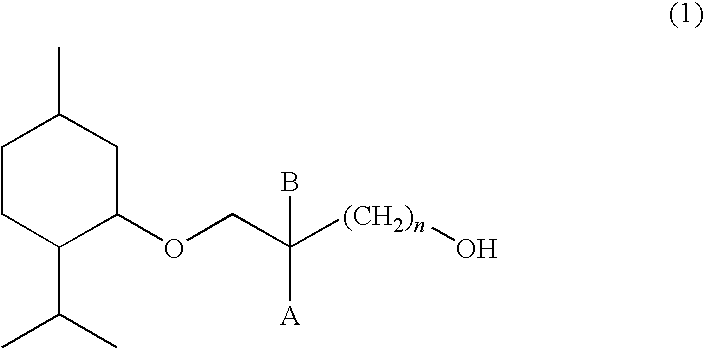
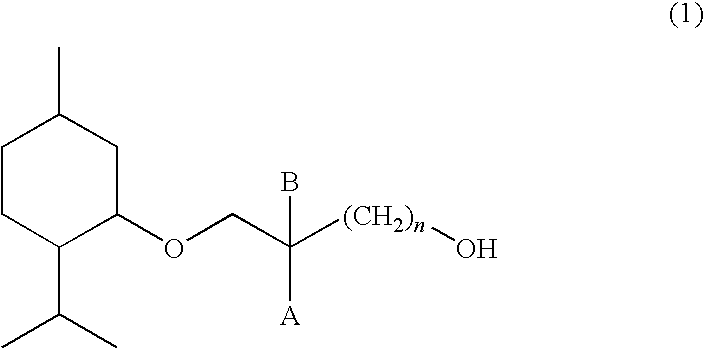
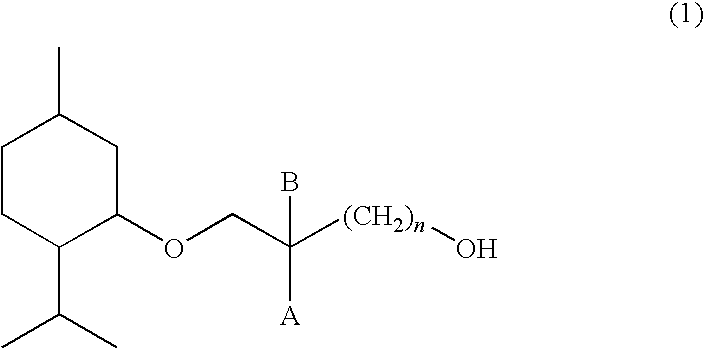
- Incorporation of specific compounds, such as 2-(menthoxy)ethane-1-ol and 3-(menthoxy)propane-1,2-diol, into fragrance compositions and products to improve diffusivity and long-lasting properties without safety issues.

Environmental Impact of Electronic Nose Waste
The proliferation of electronic nose technologies across industries has introduced significant environmental concerns regarding the disposal and lifecycle management of these sophisticated sensing devices. Electronic nose systems contain various components including metal oxide sensors, conducting polymers, piezoelectric crystals, and complex electronic circuitry, many of which incorporate rare earth elements and potentially hazardous materials that pose environmental risks when improperly disposed.
Current electronic waste management infrastructure faces substantial challenges in processing electronic nose devices due to their specialized sensor arrays and miniaturized components. Traditional e-waste recycling facilities often lack the technical capability to safely extract and process the diverse materials found in olfactory sensors, leading to inefficient recovery rates and potential environmental contamination. The complex integration of organic and inorganic materials in modern sensor designs further complicates separation and recycling processes.
The environmental footprint extends beyond end-of-life disposal to encompass the entire manufacturing lifecycle. Production of electronic nose components requires energy-intensive processes and generates chemical byproducts, particularly in the fabrication of nanomaterials and specialized coatings used in sensor elements. Manufacturing facilities must manage volatile organic compounds and metal-containing waste streams that can impact local ecosystems if not properly controlled.
Emerging regulatory frameworks worldwide are beginning to address electronic nose waste through extended producer responsibility programs and stricter e-waste classification standards. The European Union's WEEE Directive and similar legislation in other regions now encompass specialized sensing equipment, requiring manufacturers to establish take-back programs and achieve specific recycling targets for electronic nose products.
Industry initiatives are developing sustainable design approaches that prioritize component longevity while minimizing environmental impact. These include modular architectures that enable selective component replacement, biodegradable sensor substrates for certain applications, and standardized interfaces that facilitate refurbishment and reuse. Additionally, closed-loop manufacturing systems are being explored to recover valuable materials from decommissioned devices for use in new sensor production, reducing both waste generation and raw material consumption.
Current electronic waste management infrastructure faces substantial challenges in processing electronic nose devices due to their specialized sensor arrays and miniaturized components. Traditional e-waste recycling facilities often lack the technical capability to safely extract and process the diverse materials found in olfactory sensors, leading to inefficient recovery rates and potential environmental contamination. The complex integration of organic and inorganic materials in modern sensor designs further complicates separation and recycling processes.
The environmental footprint extends beyond end-of-life disposal to encompass the entire manufacturing lifecycle. Production of electronic nose components requires energy-intensive processes and generates chemical byproducts, particularly in the fabrication of nanomaterials and specialized coatings used in sensor elements. Manufacturing facilities must manage volatile organic compounds and metal-containing waste streams that can impact local ecosystems if not properly controlled.
Emerging regulatory frameworks worldwide are beginning to address electronic nose waste through extended producer responsibility programs and stricter e-waste classification standards. The European Union's WEEE Directive and similar legislation in other regions now encompass specialized sensing equipment, requiring manufacturers to establish take-back programs and achieve specific recycling targets for electronic nose products.
Industry initiatives are developing sustainable design approaches that prioritize component longevity while minimizing environmental impact. These include modular architectures that enable selective component replacement, biodegradable sensor substrates for certain applications, and standardized interfaces that facilitate refurbishment and reuse. Additionally, closed-loop manufacturing systems are being explored to recover valuable materials from decommissioned devices for use in new sensor production, reducing both waste generation and raw material consumption.
Cost-Benefit Analysis of Component Longevity Improvements
The economic evaluation of machine olfaction component longevity improvements requires a comprehensive assessment of initial investment costs versus long-term operational benefits. Component enhancement strategies typically involve upgrading sensor materials, implementing protective coatings, and developing advanced signal processing algorithms. While these improvements demand substantial upfront capital expenditure, ranging from 15-40% above standard component costs, the extended operational lifespan significantly reduces total cost of ownership over the system's lifecycle.
Direct cost benefits manifest through reduced replacement frequency and maintenance intervals. Enhanced sensor components with improved longevity can extend operational life from typical 2-3 years to 5-7 years, effectively reducing annual replacement costs by 60-70%. Additionally, improved component stability minimizes calibration requirements, reducing maintenance labor costs by approximately 30-45% annually. These savings compound over time, creating substantial operational cost reductions that typically offset initial investments within 18-24 months.
Indirect economic benefits include improved system reliability and reduced downtime costs. Enhanced component longevity translates to fewer system failures and unplanned maintenance events, which can cost enterprises $5,000-$50,000 per incident depending on application criticality. In industrial monitoring applications, improved sensor reliability prevents costly production shutdowns and quality control failures, generating savings that often exceed direct component costs by 3-5 times.
The return on investment calculation must consider application-specific factors including operating environment severity, usage intensity, and replacement complexity. High-temperature or chemically aggressive environments demonstrate accelerated payback periods due to extreme component stress, while standard laboratory conditions may extend payback timelines. Critical applications such as safety monitoring or pharmaceutical quality control justify higher initial investments due to the substantial costs associated with system failures.
Market analysis indicates that longevity improvements become increasingly cost-effective as sensor deployment scales increase. Large-scale implementations with hundreds or thousands of sensors demonstrate economies of scale that reduce per-unit enhancement costs while amplifying cumulative savings. The break-even point typically occurs at deployment scales exceeding 50-100 sensors, making longevity improvements particularly attractive for industrial and smart city applications.
Direct cost benefits manifest through reduced replacement frequency and maintenance intervals. Enhanced sensor components with improved longevity can extend operational life from typical 2-3 years to 5-7 years, effectively reducing annual replacement costs by 60-70%. Additionally, improved component stability minimizes calibration requirements, reducing maintenance labor costs by approximately 30-45% annually. These savings compound over time, creating substantial operational cost reductions that typically offset initial investments within 18-24 months.
Indirect economic benefits include improved system reliability and reduced downtime costs. Enhanced component longevity translates to fewer system failures and unplanned maintenance events, which can cost enterprises $5,000-$50,000 per incident depending on application criticality. In industrial monitoring applications, improved sensor reliability prevents costly production shutdowns and quality control failures, generating savings that often exceed direct component costs by 3-5 times.
The return on investment calculation must consider application-specific factors including operating environment severity, usage intensity, and replacement complexity. High-temperature or chemically aggressive environments demonstrate accelerated payback periods due to extreme component stress, while standard laboratory conditions may extend payback timelines. Critical applications such as safety monitoring or pharmaceutical quality control justify higher initial investments due to the substantial costs associated with system failures.
Market analysis indicates that longevity improvements become increasingly cost-effective as sensor deployment scales increase. Large-scale implementations with hundreds or thousands of sensors demonstrate economies of scale that reduce per-unit enhancement costs while amplifying cumulative savings. The break-even point typically occurs at deployment scales exceeding 50-100 sensors, making longevity improvements particularly attractive for industrial and smart city applications.
Unlock deeper insights with PatSnap Eureka Quick Research — get a full tech report to explore trends and direct your research. Try now!
Generate Your Research Report Instantly with AI Agent
Supercharge your innovation with PatSnap Eureka AI Agent Platform!