How To Improve Overcurrent Detection Accuracy In Solid-State Circuit Breakers
MAY 14, 20269 MIN READ
Generate Your Research Report Instantly with AI Agent
PatSnap Eureka helps you evaluate technical feasibility & market potential.
Solid-State Breaker Overcurrent Detection Background and Goals
Solid-state circuit breakers represent a paradigm shift from traditional electromechanical protection devices, emerging as critical components in modern electrical systems where rapid response and precise control are paramount. Unlike conventional breakers that rely on mechanical contacts and arc extinction chambers, solid-state breakers utilize semiconductor switching devices such as IGBTs, MOSFETs, or thyristors to interrupt current flow within microseconds. This fundamental difference in operating principles has revolutionized circuit protection capabilities but simultaneously introduced new challenges in overcurrent detection accuracy.
The evolution of solid-state circuit breaker technology has been driven by the increasing demands of power electronics applications, renewable energy systems, and smart grid infrastructure. Early implementations in the 1980s focused primarily on achieving fast switching speeds, but as applications became more sophisticated, the need for precise overcurrent detection became evident. The transition from analog to digital control systems in the 1990s marked a significant milestone, enabling more complex detection algorithms and improved accuracy through advanced signal processing techniques.
Current overcurrent detection challenges in solid-state breakers stem from several inherent characteristics of semiconductor-based switching. High-frequency switching operations introduce electromagnetic interference that can corrupt current sensing signals, while the extremely fast response times required leave minimal margin for detection errors. Additionally, the wide range of operating conditions, from low-level standby currents to high-magnitude fault currents, demands detection systems capable of maintaining accuracy across multiple decades of current magnitude.
The primary technical objectives for improving overcurrent detection accuracy encompass several critical performance parameters. Achieving sub-millisecond detection times while maintaining measurement accuracy within ±2% across the full operating range represents a fundamental goal. Enhanced noise immunity and electromagnetic compatibility are essential for reliable operation in industrial environments with high levels of electrical interference.
Temperature compensation and long-term stability constitute additional objectives, as semiconductor-based current sensors exhibit temperature-dependent characteristics that can drift over time. The integration of adaptive algorithms capable of distinguishing between transient inrush currents and genuine fault conditions represents another crucial goal, minimizing false triggering while ensuring reliable protection.
Furthermore, the development of self-diagnostic capabilities and predictive maintenance features aligns with modern Industry 4.0 requirements, enabling proactive system management and reduced downtime. These objectives collectively aim to establish solid-state circuit breakers as the preferred solution for next-generation electrical protection systems.
The evolution of solid-state circuit breaker technology has been driven by the increasing demands of power electronics applications, renewable energy systems, and smart grid infrastructure. Early implementations in the 1980s focused primarily on achieving fast switching speeds, but as applications became more sophisticated, the need for precise overcurrent detection became evident. The transition from analog to digital control systems in the 1990s marked a significant milestone, enabling more complex detection algorithms and improved accuracy through advanced signal processing techniques.
Current overcurrent detection challenges in solid-state breakers stem from several inherent characteristics of semiconductor-based switching. High-frequency switching operations introduce electromagnetic interference that can corrupt current sensing signals, while the extremely fast response times required leave minimal margin for detection errors. Additionally, the wide range of operating conditions, from low-level standby currents to high-magnitude fault currents, demands detection systems capable of maintaining accuracy across multiple decades of current magnitude.
The primary technical objectives for improving overcurrent detection accuracy encompass several critical performance parameters. Achieving sub-millisecond detection times while maintaining measurement accuracy within ±2% across the full operating range represents a fundamental goal. Enhanced noise immunity and electromagnetic compatibility are essential for reliable operation in industrial environments with high levels of electrical interference.
Temperature compensation and long-term stability constitute additional objectives, as semiconductor-based current sensors exhibit temperature-dependent characteristics that can drift over time. The integration of adaptive algorithms capable of distinguishing between transient inrush currents and genuine fault conditions represents another crucial goal, minimizing false triggering while ensuring reliable protection.
Furthermore, the development of self-diagnostic capabilities and predictive maintenance features aligns with modern Industry 4.0 requirements, enabling proactive system management and reduced downtime. These objectives collectively aim to establish solid-state circuit breakers as the preferred solution for next-generation electrical protection systems.
Market Demand for Advanced Solid-State Circuit Protection
The global electrical infrastructure is experiencing unprecedented transformation driven by electrification trends, renewable energy integration, and smart grid deployment. Traditional mechanical circuit breakers face increasing limitations in modern electrical systems that demand faster response times, higher switching frequencies, and enhanced reliability. This technological gap has created substantial market demand for advanced solid-state circuit protection solutions that can deliver superior overcurrent detection accuracy and rapid fault isolation capabilities.
Industrial automation and manufacturing sectors represent primary growth drivers for advanced circuit protection technologies. Modern production facilities require uninterrupted power supply and precise fault detection to prevent costly equipment damage and production downtime. The semiconductor manufacturing industry, in particular, demands extremely reliable power protection systems where even microsecond-level detection improvements can prevent millions of dollars in equipment losses and production delays.
Data centers and cloud computing infrastructure constitute another significant demand segment for enhanced solid-state protection systems. The exponential growth in digital services and artificial intelligence applications has intensified requirements for power system reliability and fault detection precision. These facilities cannot tolerate traditional circuit breaker response delays, creating strong market pull for solid-state solutions with improved overcurrent detection algorithms and faster switching capabilities.
Electric vehicle charging infrastructure development has emerged as a critical market driver requiring advanced protection technologies. High-power charging stations demand precise current monitoring and rapid fault detection to ensure user safety and equipment protection. The expanding EV market necessitates circuit protection systems capable of handling dynamic load conditions while maintaining accurate overcurrent detection across varying operational scenarios.
Renewable energy integration challenges have amplified demand for sophisticated circuit protection solutions. Solar and wind power systems introduce complex current patterns and fault characteristics that traditional protection methods struggle to handle effectively. Grid operators increasingly require advanced solid-state protection systems with enhanced detection accuracy to manage distributed energy resources and maintain system stability.
The aerospace and defense sectors drive demand for high-reliability circuit protection with superior detection capabilities. Mission-critical applications require protection systems that can distinguish between normal operational transients and actual fault conditions with exceptional accuracy. These applications justify premium pricing for advanced solid-state solutions that deliver enhanced performance and reliability compared to conventional alternatives.
Industrial automation and manufacturing sectors represent primary growth drivers for advanced circuit protection technologies. Modern production facilities require uninterrupted power supply and precise fault detection to prevent costly equipment damage and production downtime. The semiconductor manufacturing industry, in particular, demands extremely reliable power protection systems where even microsecond-level detection improvements can prevent millions of dollars in equipment losses and production delays.
Data centers and cloud computing infrastructure constitute another significant demand segment for enhanced solid-state protection systems. The exponential growth in digital services and artificial intelligence applications has intensified requirements for power system reliability and fault detection precision. These facilities cannot tolerate traditional circuit breaker response delays, creating strong market pull for solid-state solutions with improved overcurrent detection algorithms and faster switching capabilities.
Electric vehicle charging infrastructure development has emerged as a critical market driver requiring advanced protection technologies. High-power charging stations demand precise current monitoring and rapid fault detection to ensure user safety and equipment protection. The expanding EV market necessitates circuit protection systems capable of handling dynamic load conditions while maintaining accurate overcurrent detection across varying operational scenarios.
Renewable energy integration challenges have amplified demand for sophisticated circuit protection solutions. Solar and wind power systems introduce complex current patterns and fault characteristics that traditional protection methods struggle to handle effectively. Grid operators increasingly require advanced solid-state protection systems with enhanced detection accuracy to manage distributed energy resources and maintain system stability.
The aerospace and defense sectors drive demand for high-reliability circuit protection with superior detection capabilities. Mission-critical applications require protection systems that can distinguish between normal operational transients and actual fault conditions with exceptional accuracy. These applications justify premium pricing for advanced solid-state solutions that deliver enhanced performance and reliability compared to conventional alternatives.
Current Overcurrent Detection Limitations in SSCBs
Solid-state circuit breakers face significant challenges in achieving precise overcurrent detection due to inherent limitations in their sensing mechanisms and signal processing capabilities. Traditional current sensing methods, including Hall effect sensors and current transformers, exhibit measurement uncertainties that can range from 1-3% under optimal conditions, but may deteriorate to 5-10% in harsh operating environments with temperature variations, electromagnetic interference, and component aging.
The analog-to-digital conversion process introduces quantization errors that become particularly problematic when detecting subtle overcurrent conditions near threshold values. Most commercial SSCBs utilize 12-bit or 16-bit ADCs, which provide insufficient resolution for distinguishing between normal load variations and incipient fault conditions, especially in applications requiring high sensitivity such as semiconductor protection circuits.
Temperature-induced drift represents another critical limitation affecting detection accuracy. Current sensing elements experience thermal coefficients that can shift baseline measurements by 0.1-0.5% per degree Celsius. In industrial environments where SSCBs operate across temperature ranges of -40°C to +85°C, this thermal drift can accumulate to significant measurement errors that compromise protection reliability.
Signal conditioning circuits introduce additional sources of inaccuracy through amplifier offset voltages, gain variations, and frequency response limitations. The bandwidth constraints of typical sensing circuits, often limited to several kilohertz, may fail to capture fast-rising fault currents or high-frequency transients that characterize certain overcurrent events in power electronic systems.
Electromagnetic interference poses substantial challenges in high-power applications where SSCBs must operate in electrically noisy environments. Common-mode voltages, switching transients from adjacent power devices, and radiated emissions can corrupt current measurements, leading to false triggering or failure to detect actual overcurrent conditions.
The digital processing algorithms employed in current SSCB designs often rely on simple threshold-based detection methods that lack sophistication in distinguishing between legitimate load transients and fault conditions. These algorithms typically use fixed time-current characteristics that may not adapt optimally to varying load profiles or system conditions.
Calibration drift over operational lifetime further compounds accuracy limitations. Component aging, particularly in sensing elements and reference circuits, gradually degrades measurement precision. Most existing SSCBs lack real-time calibration capabilities, requiring periodic manual recalibration that is often impractical in deployed systems.
The analog-to-digital conversion process introduces quantization errors that become particularly problematic when detecting subtle overcurrent conditions near threshold values. Most commercial SSCBs utilize 12-bit or 16-bit ADCs, which provide insufficient resolution for distinguishing between normal load variations and incipient fault conditions, especially in applications requiring high sensitivity such as semiconductor protection circuits.
Temperature-induced drift represents another critical limitation affecting detection accuracy. Current sensing elements experience thermal coefficients that can shift baseline measurements by 0.1-0.5% per degree Celsius. In industrial environments where SSCBs operate across temperature ranges of -40°C to +85°C, this thermal drift can accumulate to significant measurement errors that compromise protection reliability.
Signal conditioning circuits introduce additional sources of inaccuracy through amplifier offset voltages, gain variations, and frequency response limitations. The bandwidth constraints of typical sensing circuits, often limited to several kilohertz, may fail to capture fast-rising fault currents or high-frequency transients that characterize certain overcurrent events in power electronic systems.
Electromagnetic interference poses substantial challenges in high-power applications where SSCBs must operate in electrically noisy environments. Common-mode voltages, switching transients from adjacent power devices, and radiated emissions can corrupt current measurements, leading to false triggering or failure to detect actual overcurrent conditions.
The digital processing algorithms employed in current SSCB designs often rely on simple threshold-based detection methods that lack sophistication in distinguishing between legitimate load transients and fault conditions. These algorithms typically use fixed time-current characteristics that may not adapt optimally to varying load profiles or system conditions.
Calibration drift over operational lifetime further compounds accuracy limitations. Component aging, particularly in sensing elements and reference circuits, gradually degrades measurement precision. Most existing SSCBs lack real-time calibration capabilities, requiring periodic manual recalibration that is often impractical in deployed systems.
Existing Overcurrent Detection Solutions for SSCBs
01 Current sensing and measurement techniques for overcurrent detection
Advanced current sensing methods are employed in solid-state circuit breakers to accurately measure electrical current flow. These techniques utilize various sensor technologies including Hall effect sensors, current transformers, and shunt resistors to provide precise current measurements. The accuracy of overcurrent detection relies heavily on the precision and response time of these sensing mechanisms, which must operate effectively across different current ranges and environmental conditions.- Current sensing and measurement techniques for overcurrent detection: Advanced current sensing methods are employed in solid-state circuit breakers to accurately measure electrical current flow. These techniques utilize various sensor technologies including Hall effect sensors, current transformers, and shunt resistors to provide precise current measurements. The accuracy of overcurrent detection relies heavily on the precision and response time of these sensing mechanisms, which must operate effectively across different current ranges and environmental conditions.
- Digital signal processing algorithms for fault detection: Sophisticated digital signal processing algorithms are implemented to analyze current waveforms and identify overcurrent conditions with high accuracy. These algorithms can distinguish between normal load variations and actual fault conditions by analyzing current patterns, harmonics, and transient behaviors. The processing systems incorporate filtering techniques and pattern recognition to minimize false triggering while ensuring rapid detection of genuine overcurrent events.
- Calibration and compensation methods for detection accuracy: Calibration techniques are essential for maintaining the accuracy of overcurrent detection systems throughout their operational lifetime. These methods include temperature compensation, drift correction, and periodic recalibration procedures to account for component aging and environmental variations. Advanced compensation algorithms adjust detection thresholds and sensitivity parameters to ensure consistent performance under varying operating conditions.
- Multi-threshold detection systems with adaptive settings: Multi-level threshold detection systems provide enhanced accuracy by implementing multiple current thresholds for different types of overcurrent conditions. These systems can differentiate between short-term overloads and persistent overcurrent situations, allowing for appropriate response strategies. Adaptive threshold adjustment capabilities enable the system to modify detection parameters based on load characteristics and historical performance data.
- Real-time monitoring and diagnostic capabilities: Real-time monitoring systems continuously assess the performance and accuracy of overcurrent detection mechanisms. These diagnostic capabilities include self-testing functions, performance verification routines, and health monitoring of sensing components. The systems provide feedback on detection accuracy and can identify potential degradation in sensor performance or calibration drift before it affects protection reliability.
02 Digital signal processing algorithms for fault detection
Sophisticated digital signal processing algorithms are implemented to analyze current waveforms and identify overcurrent conditions with high accuracy. These algorithms can distinguish between normal load variations and actual fault conditions by analyzing current patterns, harmonics, and transient behaviors. The processing systems incorporate filtering techniques and pattern recognition to minimize false triggering while ensuring rapid detection of genuine overcurrent events.Expand Specific Solutions03 Calibration and compensation methods for detection accuracy
Calibration techniques are essential for maintaining the accuracy of overcurrent detection systems throughout their operational lifetime. These methods include temperature compensation, aging compensation, and periodic recalibration procedures to account for component drift and environmental variations. Advanced compensation algorithms adjust detection thresholds and sensitivity parameters to ensure consistent performance under varying operating conditions.Expand Specific Solutions04 Multi-threshold detection systems with adaptive settings
Multi-level threshold detection systems provide enhanced accuracy by implementing multiple detection levels for different types of overcurrent conditions. These systems can differentiate between short-term overloads and persistent fault conditions, allowing for appropriate response strategies. Adaptive threshold adjustment capabilities enable the system to modify detection parameters based on load characteristics and historical performance data.Expand Specific Solutions05 Real-time monitoring and diagnostic capabilities
Real-time monitoring systems continuously assess the performance and accuracy of overcurrent detection mechanisms. These diagnostic capabilities include self-testing functions, performance verification routines, and health monitoring of sensing components. The systems provide feedback on detection accuracy and can identify potential degradation in sensor performance or calibration drift before it affects protection reliability.Expand Specific Solutions
Key Players in SSCB and Current Sensing Industry
The solid-state circuit breaker overcurrent detection market is experiencing rapid growth driven by increasing demand for advanced electrical protection systems across industrial, automotive, and renewable energy sectors. The industry is in an expansion phase with significant market potential, particularly in electric vehicle infrastructure and smart grid applications. Technology maturity varies considerably among market participants, with established industrial giants like ABB Ltd., Siemens AG, and Mitsubishi Electric Corp. leading in proven power electronics solutions, while companies such as Littelfuse Inc. and Texas Instruments Incorporated excel in specialized semiconductor-based detection technologies. Asian manufacturers including Fuji Electric, ROHM Co., and Toshiba Electronic Devices demonstrate strong capabilities in power semiconductor integration. Emerging players like TOLL Microelectronics and Zgmicro represent the next generation focusing on advanced analog detection circuits and smart sensing solutions, indicating a competitive landscape where traditional electrical equipment manufacturers compete alongside specialized semiconductor companies and innovative startups.
Mitsubishi Electric Corp.
Technical Solution: Mitsubishi Electric has developed solid-state circuit breakers with enhanced overcurrent detection using proprietary current sensing technology based on magnetoresistive sensors. Their approach combines high-speed analog-to-digital conversion with sophisticated digital signal processing algorithms to achieve precise current measurement. The system features adaptive threshold setting capabilities that automatically adjust based on load characteristics and operating conditions. Mitsubishi's technology incorporates advanced filtering techniques to minimize false triggering while maintaining sensitivity to actual fault conditions. Their solution includes temperature drift compensation and aging compensation algorithms to maintain long-term accuracy. The system can detect overcurrent conditions with response times as low as 10 microseconds while maintaining detection accuracy above 97% across various operating scenarios.
Strengths: Proprietary magnetoresistive sensing technology provides high accuracy, excellent temperature stability, strong presence in Asian markets. Weaknesses: Limited global market penetration compared to European competitors, higher complexity in system integration.
ABB Ltd.
Technical Solution: ABB has developed advanced solid-state circuit breaker technology featuring high-precision current sensing algorithms and digital signal processing capabilities. Their solution incorporates Hall effect sensors combined with Rogowski coils for accurate current measurement across wide frequency ranges. The system utilizes adaptive threshold algorithms that can distinguish between normal load variations, inrush currents, and actual fault conditions. ABB's technology includes temperature compensation mechanisms and real-time calibration features to maintain accuracy over varying operating conditions. Their solid-state breakers integrate machine learning algorithms for predictive fault detection and can achieve overcurrent detection accuracy of over 99.5% with response times under 1 microsecond.
Strengths: Industry-leading accuracy and ultra-fast response times, comprehensive temperature compensation, established market presence in power systems. Weaknesses: Higher cost compared to traditional solutions, complex calibration requirements for optimal performance.
Core Innovations in High-Precision Current Sensing
Overcurrent detection device, control device, and overcurrent detection method
PatentWO2019077895A1
Innovation
- An overcurrent detection device and method that includes a gate current detection section, a sense current detection section, and an adjustment unit, which compares gate and sense currents to reference values, and adjusts the sense current detection resistor to prevent erroneous detection by reducing the detected sense current when the gate current exceeds the reference, thereby improving detection accuracy.


Over-current detection circuit and method for power-supply device
PatentInactiveUS20070188958A1
Innovation
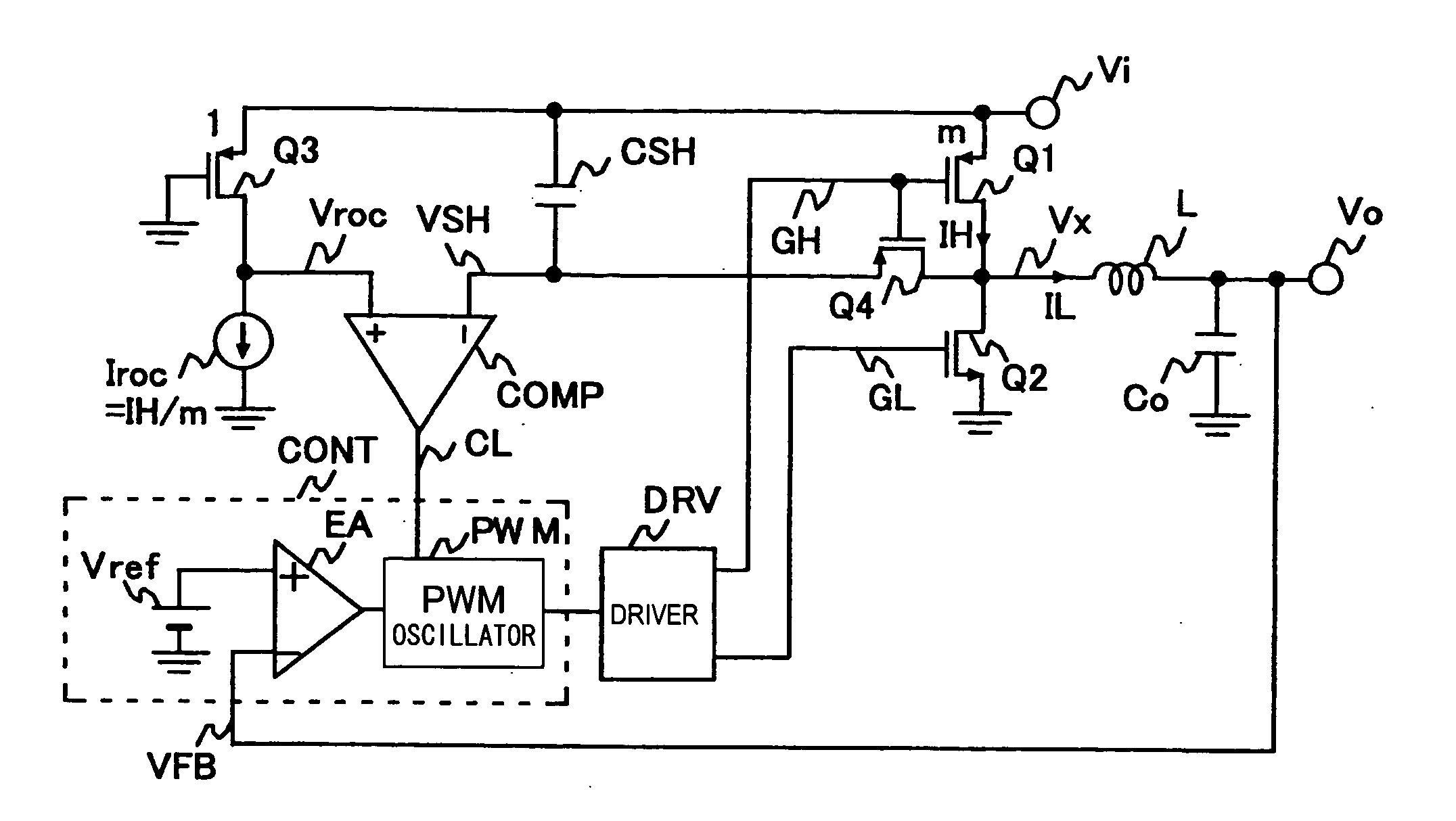
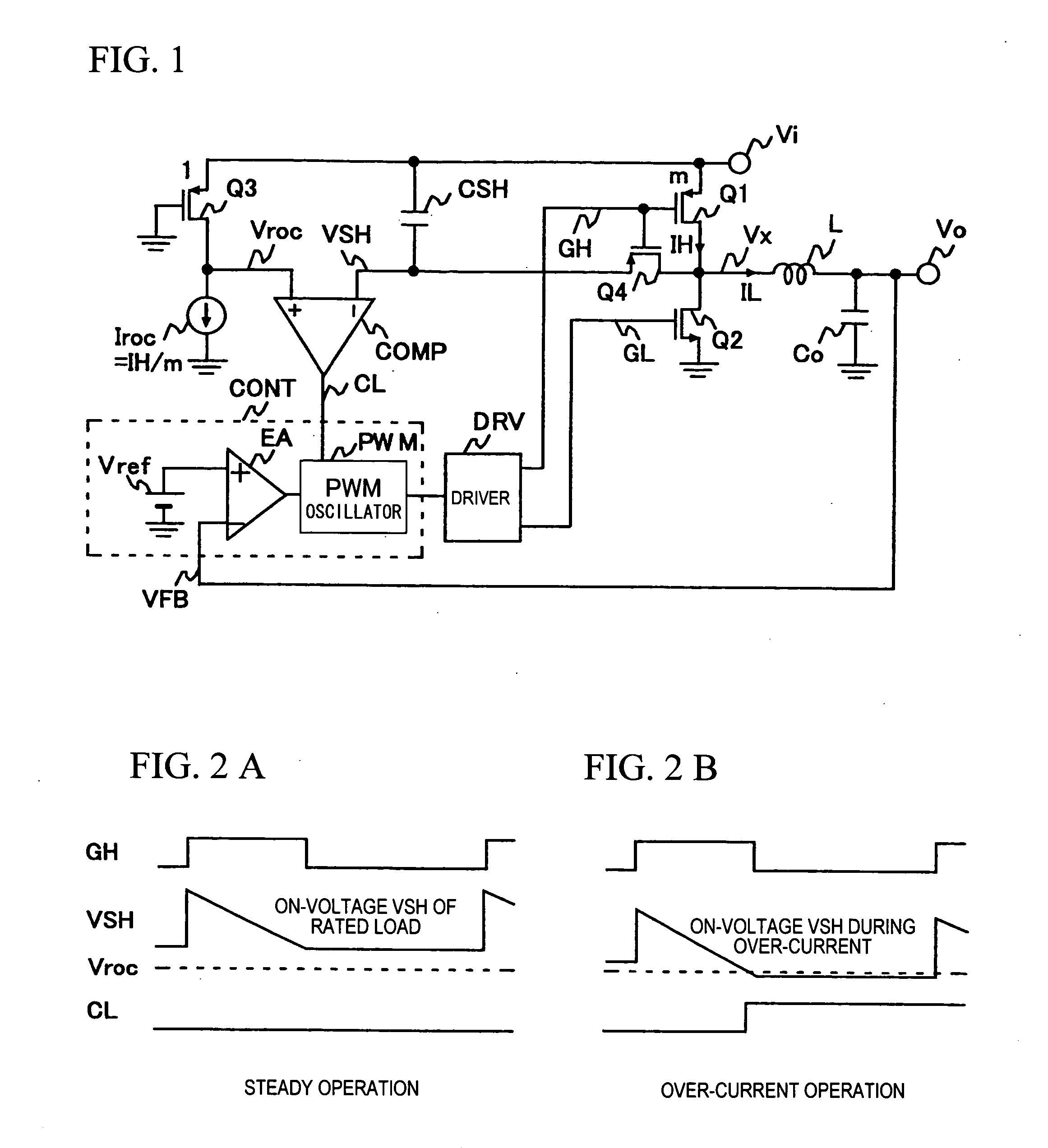
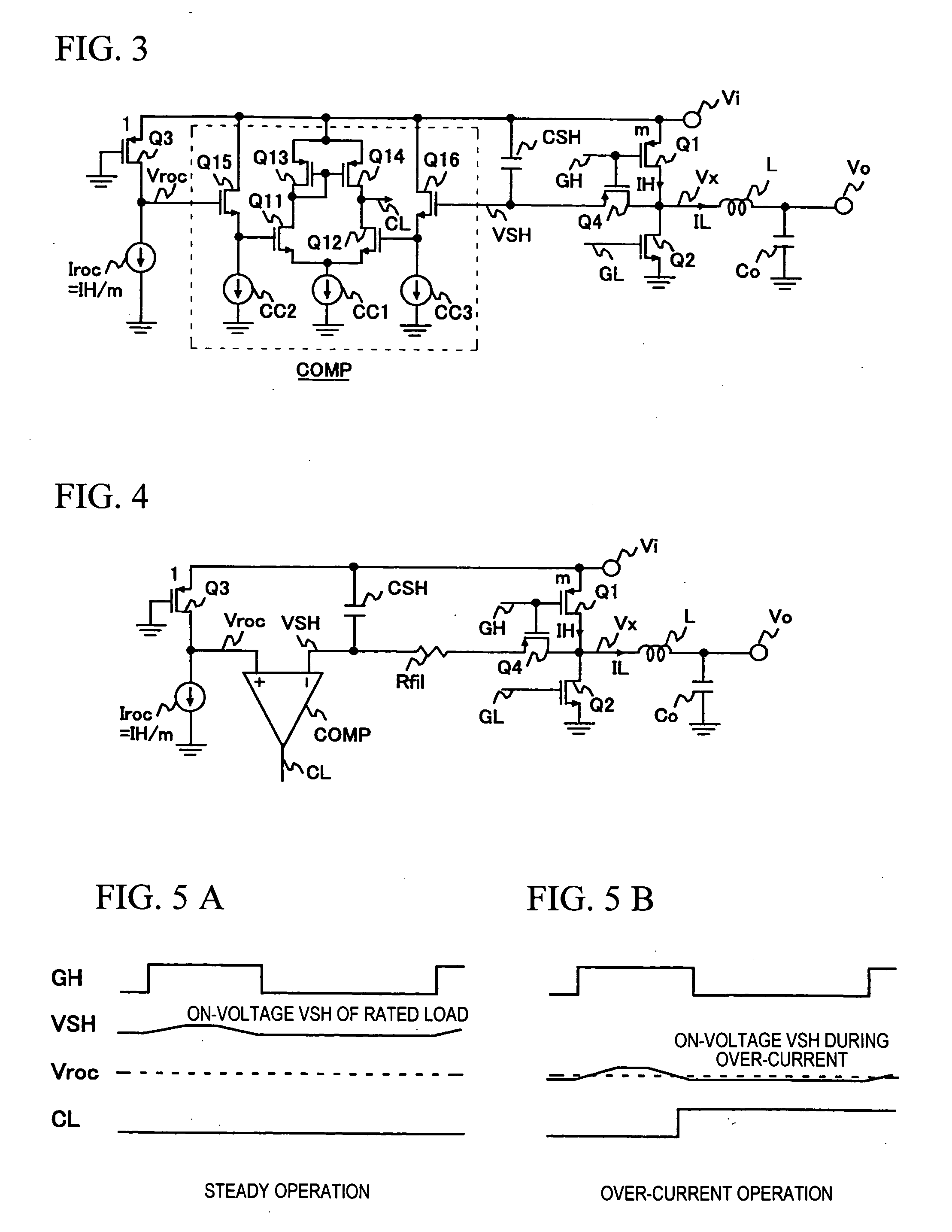
- An over-current detection circuit with a sense power semiconductor switching component of 1/m size, mounted on the same chip as the high side power semiconductor switching component, uses a comparator with level-shift circuits and a differential pair to compare DC voltages, reducing the influence of ON-resistance variations and switching noise, and includes a sample-and-hold circuit with a resistor to stabilize the detection.

Safety Standards for Solid-State Circuit Protection
Safety standards for solid-state circuit protection represent a critical framework governing the development and deployment of advanced overcurrent detection systems. These standards establish fundamental requirements for accuracy, reliability, and performance metrics that directly impact the effectiveness of solid-state circuit breakers in protecting electrical systems from overcurrent conditions.
The International Electrotechnical Commission (IEC) 62477 series provides comprehensive guidelines for semiconductor power converters and their protection systems, establishing minimum accuracy requirements for current sensing and detection mechanisms. These standards mandate that overcurrent detection systems maintain accuracy within ±5% under normal operating conditions and ±10% under extreme environmental conditions. Additionally, the IEEE C37.90 standard series defines electromagnetic compatibility requirements and surge withstand capabilities for protective relay systems, which directly applies to solid-state circuit breaker control systems.
UL 489 and IEC 60947-2 standards establish specific testing protocols for circuit breaker performance, including response time requirements for overcurrent conditions. These standards require that solid-state circuit breakers demonstrate consistent tripping characteristics across temperature ranges from -40°C to +85°C, ensuring reliable protection under diverse operating environments. The standards also mandate comprehensive testing for electromagnetic interference immunity, as solid-state devices are inherently more susceptible to EMI-induced false triggering compared to traditional mechanical breakers.
Functional safety standards, particularly IEC 61508 and its application-specific derivative IEC 61511, establish Safety Integrity Level (SIL) requirements for protective systems. For critical applications, solid-state circuit protection systems must achieve SIL 2 or SIL 3 ratings, requiring systematic failure rates below 10^-7 per hour and diagnostic coverage exceeding 90%. These requirements directly influence the design of overcurrent detection algorithms and redundancy mechanisms.
Recent updates to safety standards have begun addressing cybersecurity concerns in smart circuit protection systems. IEC 62351 provides guidelines for secure communication protocols in power system protection devices, while NIST Cybersecurity Framework principles are increasingly being incorporated into solid-state circuit breaker design requirements. These evolving standards recognize that modern solid-state protection systems often incorporate network connectivity and remote monitoring capabilities, creating new vulnerability vectors that must be addressed through comprehensive security measures.
The International Electrotechnical Commission (IEC) 62477 series provides comprehensive guidelines for semiconductor power converters and their protection systems, establishing minimum accuracy requirements for current sensing and detection mechanisms. These standards mandate that overcurrent detection systems maintain accuracy within ±5% under normal operating conditions and ±10% under extreme environmental conditions. Additionally, the IEEE C37.90 standard series defines electromagnetic compatibility requirements and surge withstand capabilities for protective relay systems, which directly applies to solid-state circuit breaker control systems.
UL 489 and IEC 60947-2 standards establish specific testing protocols for circuit breaker performance, including response time requirements for overcurrent conditions. These standards require that solid-state circuit breakers demonstrate consistent tripping characteristics across temperature ranges from -40°C to +85°C, ensuring reliable protection under diverse operating environments. The standards also mandate comprehensive testing for electromagnetic interference immunity, as solid-state devices are inherently more susceptible to EMI-induced false triggering compared to traditional mechanical breakers.
Functional safety standards, particularly IEC 61508 and its application-specific derivative IEC 61511, establish Safety Integrity Level (SIL) requirements for protective systems. For critical applications, solid-state circuit protection systems must achieve SIL 2 or SIL 3 ratings, requiring systematic failure rates below 10^-7 per hour and diagnostic coverage exceeding 90%. These requirements directly influence the design of overcurrent detection algorithms and redundancy mechanisms.
Recent updates to safety standards have begun addressing cybersecurity concerns in smart circuit protection systems. IEC 62351 provides guidelines for secure communication protocols in power system protection devices, while NIST Cybersecurity Framework principles are increasingly being incorporated into solid-state circuit breaker design requirements. These evolving standards recognize that modern solid-state protection systems often incorporate network connectivity and remote monitoring capabilities, creating new vulnerability vectors that must be addressed through comprehensive security measures.
Cost-Performance Trade-offs in SSCB Implementation
The implementation of solid-state circuit breakers presents a complex landscape of cost-performance considerations that directly impact overcurrent detection accuracy. Traditional mechanical circuit breakers, while cost-effective, lack the precision and speed required for modern electrical systems. SSCBs offer superior performance but at significantly higher initial costs, creating a fundamental trade-off that influences design decisions and market adoption.
Component selection represents the most critical cost-performance decision in SSCB implementation. High-precision current sensors, such as Rogowski coils or fiber-optic current transformers, provide exceptional accuracy for overcurrent detection but can increase system costs by 30-40%. Conversely, traditional current transformers offer adequate performance at lower costs but may compromise detection accuracy in transient conditions. The choice between silicon-based and wide-bandgap semiconductors further exemplifies this trade-off, with SiC and GaN devices offering faster switching speeds and better thermal performance at premium prices.
Processing capabilities directly correlate with detection accuracy and system cost. Advanced digital signal processors enable sophisticated algorithms for fault discrimination and noise filtering, improving overcurrent detection precision. However, these high-performance processors can account for 15-20% of total system costs. Alternative approaches using dedicated analog circuits or lower-cost microcontrollers reduce expenses but may limit algorithmic complexity and real-time processing capabilities.
Manufacturing scale significantly influences cost-performance ratios in SSCB implementation. Low-volume production typically results in unit costs 3-5 times higher than mass production scenarios. This economic reality often forces manufacturers to optimize designs for specific market segments, potentially sacrificing universal applicability for cost competitiveness. Custom integrated circuits can improve both performance and long-term costs but require substantial upfront investment and minimum order quantities.
Market positioning strategies reflect different approaches to cost-performance optimization. Premium SSCB solutions target critical applications where detection accuracy justifies higher costs, such as data centers and industrial automation. Mid-range products balance performance and affordability for commercial applications, while cost-optimized variants focus on residential markets where price sensitivity is paramount. Each segment requires different compromises in overcurrent detection capabilities, influencing the overall technology development trajectory and adoption rates across various applications.
Component selection represents the most critical cost-performance decision in SSCB implementation. High-precision current sensors, such as Rogowski coils or fiber-optic current transformers, provide exceptional accuracy for overcurrent detection but can increase system costs by 30-40%. Conversely, traditional current transformers offer adequate performance at lower costs but may compromise detection accuracy in transient conditions. The choice between silicon-based and wide-bandgap semiconductors further exemplifies this trade-off, with SiC and GaN devices offering faster switching speeds and better thermal performance at premium prices.
Processing capabilities directly correlate with detection accuracy and system cost. Advanced digital signal processors enable sophisticated algorithms for fault discrimination and noise filtering, improving overcurrent detection precision. However, these high-performance processors can account for 15-20% of total system costs. Alternative approaches using dedicated analog circuits or lower-cost microcontrollers reduce expenses but may limit algorithmic complexity and real-time processing capabilities.
Manufacturing scale significantly influences cost-performance ratios in SSCB implementation. Low-volume production typically results in unit costs 3-5 times higher than mass production scenarios. This economic reality often forces manufacturers to optimize designs for specific market segments, potentially sacrificing universal applicability for cost competitiveness. Custom integrated circuits can improve both performance and long-term costs but require substantial upfront investment and minimum order quantities.
Market positioning strategies reflect different approaches to cost-performance optimization. Premium SSCB solutions target critical applications where detection accuracy justifies higher costs, such as data centers and industrial automation. Mid-range products balance performance and affordability for commercial applications, while cost-optimized variants focus on residential markets where price sensitivity is paramount. Each segment requires different compromises in overcurrent detection capabilities, influencing the overall technology development trajectory and adoption rates across various applications.
Unlock deeper insights with PatSnap Eureka Quick Research — get a full tech report to explore trends and direct your research. Try now!
Generate Your Research Report Instantly with AI Agent
Supercharge your innovation with PatSnap Eureka AI Agent Platform!