How to Improve Rotary Engine Emissions
FEB 25, 20269 MIN READ
Generate Your Research Report Instantly with AI Agent
Patsnap Eureka helps you evaluate technical feasibility & market potential.
Rotary Engine Emissions Background and Objectives
The rotary engine, also known as the Wankel engine, represents a unique approach to internal combustion engine design that has faced persistent challenges with emissions control throughout its development history. First conceived by Felix Wankel in the 1950s and commercialized by NSU and Mazda in subsequent decades, this engine type employs a triangular rotor moving within an epitrochoidal chamber to convert fuel energy into rotational motion. Despite its compact design and high power-to-weight ratio advantages, the rotary engine has struggled with inherently higher emissions compared to conventional reciprocating engines.
The fundamental combustion chamber geometry of rotary engines creates elongated, crescent-shaped combustion spaces that result in incomplete fuel burning and increased hydrocarbon emissions. The engine's sealing system, which relies on apex seals at the rotor tips, contributes to oil consumption issues that further elevate emissions levels. These characteristics have historically made rotary engines challenging to comply with increasingly stringent environmental regulations worldwide.
Current environmental standards demand significant reductions in nitrogen oxides, carbon monoxide, unburned hydrocarbons, and particulate matter emissions from automotive powertrains. The European Union's Euro 7 standards and similar regulations in other markets are pushing emission limits to levels that require innovative solutions for rotary engine applications. Additionally, growing concerns about carbon dioxide emissions and fuel efficiency are driving the need for cleaner combustion technologies.
The primary objective of improving rotary engine emissions centers on developing comprehensive solutions that address the engine's inherent combustion inefficiencies while maintaining its performance advantages. Key technical goals include optimizing combustion chamber design to promote complete fuel burning, enhancing sealing technologies to reduce oil consumption, and implementing advanced fuel injection and ignition systems for precise combustion control.
Secondary objectives involve integrating modern exhaust aftertreatment systems specifically tailored for rotary engine exhaust characteristics, developing alternative fuel compatibility to reduce carbon footprint, and exploring hybrid powertrain integration possibilities. These improvements aim to position rotary engines as viable alternatives for future mobility applications while meeting environmental compliance requirements and consumer expectations for clean, efficient transportation solutions.
The fundamental combustion chamber geometry of rotary engines creates elongated, crescent-shaped combustion spaces that result in incomplete fuel burning and increased hydrocarbon emissions. The engine's sealing system, which relies on apex seals at the rotor tips, contributes to oil consumption issues that further elevate emissions levels. These characteristics have historically made rotary engines challenging to comply with increasingly stringent environmental regulations worldwide.
Current environmental standards demand significant reductions in nitrogen oxides, carbon monoxide, unburned hydrocarbons, and particulate matter emissions from automotive powertrains. The European Union's Euro 7 standards and similar regulations in other markets are pushing emission limits to levels that require innovative solutions for rotary engine applications. Additionally, growing concerns about carbon dioxide emissions and fuel efficiency are driving the need for cleaner combustion technologies.
The primary objective of improving rotary engine emissions centers on developing comprehensive solutions that address the engine's inherent combustion inefficiencies while maintaining its performance advantages. Key technical goals include optimizing combustion chamber design to promote complete fuel burning, enhancing sealing technologies to reduce oil consumption, and implementing advanced fuel injection and ignition systems for precise combustion control.
Secondary objectives involve integrating modern exhaust aftertreatment systems specifically tailored for rotary engine exhaust characteristics, developing alternative fuel compatibility to reduce carbon footprint, and exploring hybrid powertrain integration possibilities. These improvements aim to position rotary engines as viable alternatives for future mobility applications while meeting environmental compliance requirements and consumer expectations for clean, efficient transportation solutions.
Market Demand for Clean Rotary Engine Technology
The global automotive industry is experiencing unprecedented pressure to reduce emissions and improve environmental performance, creating substantial market demand for clean rotary engine technology. Stringent emission regulations across major markets, including Euro 7 standards in Europe, California's Advanced Clean Cars II program, and China's National VI emission standards, are driving manufacturers to seek innovative solutions that can meet increasingly strict NOx, particulate matter, and hydrocarbon emission limits.
Traditional piston engines face inherent limitations in achieving ultra-low emissions while maintaining performance characteristics. This regulatory landscape has opened significant opportunities for advanced rotary engine technologies that can demonstrate superior emission control capabilities. The market particularly values solutions that can achieve compliance without compromising power density or fuel efficiency.
The aerospace and unmanned aerial vehicle sectors represent rapidly expanding markets for clean rotary engines. These applications demand lightweight, compact powerplants with minimal environmental impact, especially for operations in sensitive areas or urban environments. Military and civilian drone manufacturers are actively seeking rotary engine solutions that can meet strict emission requirements while delivering the high power-to-weight ratios essential for extended flight operations.
Marine propulsion applications constitute another growing market segment, driven by International Maritime Organization regulations targeting sulfur emissions and greenhouse gas reductions. Small watercraft and auxiliary power units require compact, reliable engines with reduced environmental footprint, positioning clean rotary technology as an attractive alternative to conventional marine engines.
The distributed power generation market shows increasing interest in rotary engine technology for backup power systems and remote applications. Clean-burning rotary engines offer advantages in noise reduction and emission control compared to traditional reciprocating generators, particularly valuable in urban or environmentally sensitive installations.
Emerging markets in developing countries present significant opportunities as these regions implement stricter emission standards while seeking cost-effective propulsion solutions. The simplicity and manufacturing advantages of rotary engines, combined with improved emission control technology, align well with market needs for affordable yet environmentally compliant powerplants.
Market research indicates strong demand from original equipment manufacturers seeking differentiated products that can command premium pricing through superior environmental performance. This demand extends beyond regulatory compliance to encompass corporate sustainability initiatives and consumer preferences for cleaner technology solutions.
Traditional piston engines face inherent limitations in achieving ultra-low emissions while maintaining performance characteristics. This regulatory landscape has opened significant opportunities for advanced rotary engine technologies that can demonstrate superior emission control capabilities. The market particularly values solutions that can achieve compliance without compromising power density or fuel efficiency.
The aerospace and unmanned aerial vehicle sectors represent rapidly expanding markets for clean rotary engines. These applications demand lightweight, compact powerplants with minimal environmental impact, especially for operations in sensitive areas or urban environments. Military and civilian drone manufacturers are actively seeking rotary engine solutions that can meet strict emission requirements while delivering the high power-to-weight ratios essential for extended flight operations.
Marine propulsion applications constitute another growing market segment, driven by International Maritime Organization regulations targeting sulfur emissions and greenhouse gas reductions. Small watercraft and auxiliary power units require compact, reliable engines with reduced environmental footprint, positioning clean rotary technology as an attractive alternative to conventional marine engines.
The distributed power generation market shows increasing interest in rotary engine technology for backup power systems and remote applications. Clean-burning rotary engines offer advantages in noise reduction and emission control compared to traditional reciprocating generators, particularly valuable in urban or environmentally sensitive installations.
Emerging markets in developing countries present significant opportunities as these regions implement stricter emission standards while seeking cost-effective propulsion solutions. The simplicity and manufacturing advantages of rotary engines, combined with improved emission control technology, align well with market needs for affordable yet environmentally compliant powerplants.
Market research indicates strong demand from original equipment manufacturers seeking differentiated products that can command premium pricing through superior environmental performance. This demand extends beyond regulatory compliance to encompass corporate sustainability initiatives and consumer preferences for cleaner technology solutions.
Current Emissions Challenges in Rotary Engines
Rotary engines face significant emissions challenges that stem from their unique combustion chamber geometry and operational characteristics. The elongated combustion chamber shape creates uneven flame propagation, resulting in incomplete fuel combustion and higher hydrocarbon emissions compared to conventional piston engines. This geometric constraint leads to fuel-rich zones that fail to achieve complete oxidation during the combustion process.
The sealing system presents another critical challenge, as apex seals and side seals experience continuous wear against the rotor housing. Deteriorating seals allow unburned fuel-air mixture to escape into the exhaust system, contributing to elevated hydrocarbon emissions. Additionally, oil consumption remains problematic due to the engine's lubrication requirements, where oil must be injected directly into the combustion chamber to maintain seal integrity.
Thermal efficiency limitations compound these emissions issues. Rotary engines typically achieve lower thermal efficiency than reciprocating engines, ranging from 25-30% compared to 35-40% for modern piston engines. This reduced efficiency necessitates higher fuel consumption to produce equivalent power output, directly correlating with increased carbon dioxide emissions and overall environmental impact.
The combustion process itself presents unique difficulties. The moving combustion chamber creates challenges in achieving optimal air-fuel mixing, leading to stratified charge conditions that promote incomplete combustion. Temperature variations across the combustion chamber result in localized hot spots and cool zones, creating conditions favorable for both nitrogen oxide formation and unburned hydrocarbon production.
Exhaust gas recirculation implementation proves more complex in rotary engines due to their continuous intake process, making traditional EGR strategies less effective. The absence of distinct intake and exhaust strokes complicates the integration of conventional emissions control technologies that rely on cyclic pressure variations.
Modern emissions regulations, particularly Euro 6 and EPA Tier 3 standards, impose stringent limits on nitrogen oxides, particulate matter, and hydrocarbon emissions that rotary engines struggle to meet without extensive aftertreatment systems. These regulatory pressures have significantly limited rotary engine applications in passenger vehicles, despite their advantages in power-to-weight ratio and compact design.
The sealing system presents another critical challenge, as apex seals and side seals experience continuous wear against the rotor housing. Deteriorating seals allow unburned fuel-air mixture to escape into the exhaust system, contributing to elevated hydrocarbon emissions. Additionally, oil consumption remains problematic due to the engine's lubrication requirements, where oil must be injected directly into the combustion chamber to maintain seal integrity.
Thermal efficiency limitations compound these emissions issues. Rotary engines typically achieve lower thermal efficiency than reciprocating engines, ranging from 25-30% compared to 35-40% for modern piston engines. This reduced efficiency necessitates higher fuel consumption to produce equivalent power output, directly correlating with increased carbon dioxide emissions and overall environmental impact.
The combustion process itself presents unique difficulties. The moving combustion chamber creates challenges in achieving optimal air-fuel mixing, leading to stratified charge conditions that promote incomplete combustion. Temperature variations across the combustion chamber result in localized hot spots and cool zones, creating conditions favorable for both nitrogen oxide formation and unburned hydrocarbon production.
Exhaust gas recirculation implementation proves more complex in rotary engines due to their continuous intake process, making traditional EGR strategies less effective. The absence of distinct intake and exhaust strokes complicates the integration of conventional emissions control technologies that rely on cyclic pressure variations.
Modern emissions regulations, particularly Euro 6 and EPA Tier 3 standards, impose stringent limits on nitrogen oxides, particulate matter, and hydrocarbon emissions that rotary engines struggle to meet without extensive aftertreatment systems. These regulatory pressures have significantly limited rotary engine applications in passenger vehicles, despite their advantages in power-to-weight ratio and compact design.
Existing Emission Reduction Solutions
01 Exhaust gas recirculation systems for rotary engines
Exhaust gas recirculation (EGR) systems can be implemented in rotary engines to reduce emissions by recirculating a portion of the exhaust gases back into the combustion chamber. This technique helps lower combustion temperatures and reduces the formation of nitrogen oxides. The recirculated exhaust gases dilute the air-fuel mixture, leading to more complete combustion and reduced harmful emissions.- Exhaust gas recirculation systems for rotary engines: Exhaust gas recirculation (EGR) systems can be implemented in rotary engines to reduce emissions by recirculating a portion of the exhaust gases back into the combustion chamber. This technique helps lower combustion temperatures and reduces the formation of nitrogen oxides. The recirculated exhaust gases dilute the air-fuel mixture, leading to more complete combustion and reduced harmful emissions.
- Catalytic converter and aftertreatment systems: Catalytic converters and advanced aftertreatment systems can be integrated into rotary engine exhaust systems to reduce harmful emissions. These systems use catalytic reactions to convert pollutants such as carbon monoxide, hydrocarbons, and nitrogen oxides into less harmful substances like carbon dioxide, water, and nitrogen. The design and placement of these converters are optimized for the unique exhaust characteristics of rotary engines.
- Fuel injection and combustion optimization: Advanced fuel injection systems and combustion optimization techniques can significantly reduce emissions in rotary engines. Direct injection systems provide precise control over fuel delivery timing and quantity, enabling more complete combustion and reduced unburned hydrocarbons. Optimizing the air-fuel ratio and combustion chamber design helps minimize the production of pollutants while maintaining engine performance and efficiency.
- Sealing and lubrication improvements: Enhanced sealing systems and lubrication methods in rotary engines can reduce oil consumption and associated hydrocarbon emissions. Improved apex seals, side seals, and oil control mechanisms minimize oil leakage into the combustion chamber, which is a significant source of emissions in rotary engines. Advanced lubrication strategies ensure proper seal function while reducing the amount of oil burned during combustion.
- Thermal management and cooling systems: Effective thermal management and cooling systems help control combustion temperatures in rotary engines, which directly impacts emission levels. Optimized cooling strategies maintain ideal operating temperatures that promote complete combustion while preventing the formation of excessive nitrogen oxides. Advanced cooling designs address the unique thermal characteristics of rotary engines, including the high surface-to-volume ratio of the combustion chamber.
02 Catalytic converter systems for emission control
Catalytic converters can be integrated into rotary engine exhaust systems to chemically convert harmful pollutants into less harmful substances. These systems utilize catalytic materials to facilitate oxidation and reduction reactions that transform carbon monoxide, hydrocarbons, and nitrogen oxides into carbon dioxide, water, and nitrogen. The design and placement of catalytic converters are optimized for the unique exhaust characteristics of rotary engines.Expand Specific Solutions03 Advanced fuel injection and combustion control
Precise fuel injection timing and combustion control strategies can significantly reduce emissions in rotary engines. Advanced electronic control systems monitor various engine parameters and adjust fuel delivery to optimize combustion efficiency. These systems help minimize unburned hydrocarbons and carbon monoxide while maintaining engine performance. Direct injection technologies and stratified charge combustion methods can be employed to achieve cleaner combustion.Expand Specific Solutions04 Thermal management and cooling systems
Effective thermal management systems help control combustion chamber temperatures in rotary engines, which directly impacts emission levels. Optimized cooling systems maintain ideal operating temperatures that promote complete fuel combustion while preventing the formation of excessive pollutants. Advanced cooling designs address the unique thermal characteristics of rotary engines, including apex seal cooling and rotor housing temperature control.Expand Specific Solutions05 Air intake and mixture preparation optimization
Optimizing air intake systems and air-fuel mixture preparation can improve combustion efficiency and reduce emissions in rotary engines. Enhanced intake designs ensure better air distribution and mixing with fuel, leading to more uniform combustion. Variable intake systems can adapt to different operating conditions to maintain optimal mixture ratios. These improvements help reduce particulate matter and gaseous emissions across various engine speeds and loads.Expand Specific Solutions
Key Players in Rotary Engine Development
The rotary engine emissions improvement sector represents a niche but technically challenging market within the broader automotive powertrain industry. The field is currently in a mature development stage, with limited commercial applications primarily centered around Mazda's continued Wankel engine development. Market size remains relatively small compared to conventional piston engines, reflecting the specialized nature of rotary technology. Technical maturity varies significantly across stakeholders, with established automotive manufacturers like Mazda Motor Corp., Mercedes-Benz Group AG, Ford Global Technologies LLC, and Nissan Motor Co. leading practical implementation efforts. Research institutions including Beijing University of Technology, Xi'an Jiaotong University, and Karlsruher Institut für Technologie contribute fundamental combustion and emissions research. Component suppliers such as Continental Automotive GmbH and Cummins Inc. provide supporting technologies, while specialized firms like dynaCERT Inc. offer aftermarket emission reduction solutions, creating a fragmented but innovation-driven competitive landscape.
Ford Global Technologies LLC
Technical Solution: Ford has developed emission control strategies focusing on advanced exhaust gas recirculation (EGR) systems and catalytic converter optimization specifically designed for rotary engine characteristics. Their approach includes implementing variable geometry intake systems to improve combustion efficiency and reduce emissions formation. Ford's research includes development of specialized three-way catalysts optimized for the unique exhaust gas composition of rotary engines, along with secondary air injection systems to promote complete oxidation of unburned hydrocarbons in the exhaust stream.
Strengths: Extensive automotive emission control expertise and global R&D capabilities with advanced testing facilities. Weaknesses: Limited recent focus on rotary engines, primarily concentrated on conventional piston engine technologies and electrification.
Tenneco Automotive Operating Co., Inc.
Technical Solution: Tenneco has developed specialized exhaust aftertreatment systems for rotary engines including advanced catalytic converters designed to handle high hydrocarbon concentrations typical of rotary engines. Their solutions include multi-stage catalytic systems with optimized catalyst formulations and substrate designs to maximize conversion efficiency of unburned hydrocarbons and carbon monoxide. The company has also developed thermal management systems to maintain optimal catalyst operating temperatures and reduce cold-start emissions, which are particularly challenging for rotary engines due to their combustion characteristics.
Strengths: Specialized expertise in exhaust systems and emission control with extensive automotive industry experience. Weaknesses: Limited specific experience with rotary engines compared to conventional piston engines, requiring customization of existing technologies.
Core Technologies for Rotary Engine Clean Combustion
Rotary engine
PatentWO2017111311A1
Innovation
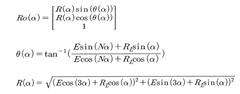
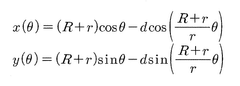
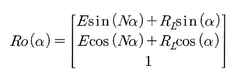
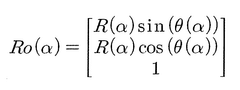
- A rotary engine design featuring a housing with N lobe accommodating parts, a rotor with N-1 lobes, and a combustion control unit that limits the combustion range by contacting the lobe during compression and expansion, reducing the internal surface area and using an elastic support member to move the mixture into the combustion chamber without additional driving force.
Rotary engine
PatentInactiveUS4064697A
Innovation
- Remote location of combustion chambers and spark plugs away from pistons and cylinders, creating thermal separation that allows components to operate in a cooler environment.
- Cam-controlled compression chamber valves integrated with radially reciprocating pistons to improve combustion efficiency and reduce emissions.
- Thermal isolation design that minimizes oil consumption and component wear while maximizing torque output and fuel efficiency.
Environmental Regulations for Automotive Emissions
The automotive industry operates under increasingly stringent environmental regulations designed to reduce harmful emissions and combat climate change. These regulations directly impact rotary engine development and deployment, as manufacturers must ensure compliance with evolving standards across different global markets.
The European Union's Euro 7 standards, expected to be implemented by 2025, will impose even stricter limits on nitrogen oxides (NOx), particulate matter (PM), and carbon monoxide (CO) emissions. These regulations specifically target real-world driving conditions rather than laboratory testing alone, presenting significant challenges for rotary engines, which traditionally exhibit higher hydrocarbon emissions due to their combustion chamber geometry and sealing characteristics.
In the United States, the Environmental Protection Agency (EPA) continues to tighten Corporate Average Fuel Economy (CAFE) standards, requiring fleet-wide fuel efficiency improvements of 5% annually through 2026. The California Air Resources Board (CARB) has established Zero Emission Vehicle (ZEV) mandates, pushing manufacturers toward electrification while maintaining strict emission standards for internal combustion engines during the transition period.
China's National VI emission standards, fully implemented since 2021, align closely with Euro 6 requirements but include additional provisions for on-board diagnostics and real-world emission monitoring. These regulations particularly impact rotary engine applications in the Chinese market, where manufacturers must demonstrate compliance through extensive testing protocols.
The regulatory landscape also encompasses lifecycle emissions assessments, requiring manufacturers to consider the environmental impact of fuel production, vehicle manufacturing, and end-of-life disposal. This holistic approach affects rotary engine development strategies, as engineers must optimize not only tailpipe emissions but also overall carbon footprint throughout the vehicle's operational life.
Compliance mechanisms include emissions trading systems, where manufacturers can offset higher-emitting vehicles through credits earned from low-emission or zero-emission vehicles. However, these systems are becoming more restrictive, with reduced credit availability and stricter baseline requirements, forcing manufacturers to achieve actual emission reductions rather than relying solely on regulatory flexibility.
Future regulatory trends indicate a continued tightening of emission standards, with particular focus on real-world performance, cold-start emissions, and particulate number limits. These evolving requirements necessitate innovative approaches to rotary engine design, including advanced combustion strategies, aftertreatment systems, and hybrid integration to meet increasingly demanding environmental standards.
The European Union's Euro 7 standards, expected to be implemented by 2025, will impose even stricter limits on nitrogen oxides (NOx), particulate matter (PM), and carbon monoxide (CO) emissions. These regulations specifically target real-world driving conditions rather than laboratory testing alone, presenting significant challenges for rotary engines, which traditionally exhibit higher hydrocarbon emissions due to their combustion chamber geometry and sealing characteristics.
In the United States, the Environmental Protection Agency (EPA) continues to tighten Corporate Average Fuel Economy (CAFE) standards, requiring fleet-wide fuel efficiency improvements of 5% annually through 2026. The California Air Resources Board (CARB) has established Zero Emission Vehicle (ZEV) mandates, pushing manufacturers toward electrification while maintaining strict emission standards for internal combustion engines during the transition period.
China's National VI emission standards, fully implemented since 2021, align closely with Euro 6 requirements but include additional provisions for on-board diagnostics and real-world emission monitoring. These regulations particularly impact rotary engine applications in the Chinese market, where manufacturers must demonstrate compliance through extensive testing protocols.
The regulatory landscape also encompasses lifecycle emissions assessments, requiring manufacturers to consider the environmental impact of fuel production, vehicle manufacturing, and end-of-life disposal. This holistic approach affects rotary engine development strategies, as engineers must optimize not only tailpipe emissions but also overall carbon footprint throughout the vehicle's operational life.
Compliance mechanisms include emissions trading systems, where manufacturers can offset higher-emitting vehicles through credits earned from low-emission or zero-emission vehicles. However, these systems are becoming more restrictive, with reduced credit availability and stricter baseline requirements, forcing manufacturers to achieve actual emission reductions rather than relying solely on regulatory flexibility.
Future regulatory trends indicate a continued tightening of emission standards, with particular focus on real-world performance, cold-start emissions, and particulate number limits. These evolving requirements necessitate innovative approaches to rotary engine design, including advanced combustion strategies, aftertreatment systems, and hybrid integration to meet increasingly demanding environmental standards.
Alternative Fuel Applications in Rotary Engines
Alternative fuel applications represent a promising pathway for addressing rotary engine emissions challenges through fundamental combustion chemistry modifications. Unlike conventional piston engines, rotary engines possess unique combustion chamber geometries and thermal characteristics that create both opportunities and constraints for alternative fuel implementation. The elongated combustion chamber shape and continuous combustion process of rotary engines can be leveraged to optimize alternative fuel burning patterns, potentially reducing harmful emissions while maintaining performance characteristics.
Hydrogen emerges as the most compelling alternative fuel candidate for rotary engines due to its rapid flame propagation and clean combustion properties. The wide flammability limits of hydrogen align well with rotary engine operating conditions, enabling lean-burn strategies that significantly reduce nitrogen oxide formation. Hydrogen's high flame speed helps address the incomplete combustion issues commonly associated with rotary engines, particularly in the trailing regions of the combustion chamber where conventional fuels often fail to burn completely.
Alcohol-based fuels, including methanol and ethanol, offer practical near-term solutions for rotary engine emissions reduction. These fuels demonstrate superior anti-knock characteristics and higher octane ratings compared to gasoline, allowing for optimized ignition timing and combustion phasing. The oxygen content in alcohol fuels promotes more complete combustion, reducing carbon monoxide and unburned hydrocarbon emissions. Additionally, the cooling effect of alcohol fuel injection can help manage the thermal challenges inherent in rotary engine designs.
Natural gas and propane applications in rotary engines show significant potential for emissions reduction, particularly in stationary and fleet applications. The homogeneous air-fuel mixing characteristics of gaseous fuels complement the rotary engine's continuous intake process, resulting in more uniform combustion and reduced emission hotspots. The lower carbon-to-hydrogen ratio of these fuels directly translates to reduced carbon dioxide emissions per unit of energy produced.
Biofuel integration presents opportunities for carbon-neutral operation while addressing specific rotary engine combustion challenges. Advanced biofuels with tailored molecular structures can be engineered to optimize burning characteristics for rotary engine geometries. The renewable nature of biofuels, combined with their potential for customized combustion properties, positions them as viable long-term solutions for sustainable rotary engine operation with minimized environmental impact.
Hydrogen emerges as the most compelling alternative fuel candidate for rotary engines due to its rapid flame propagation and clean combustion properties. The wide flammability limits of hydrogen align well with rotary engine operating conditions, enabling lean-burn strategies that significantly reduce nitrogen oxide formation. Hydrogen's high flame speed helps address the incomplete combustion issues commonly associated with rotary engines, particularly in the trailing regions of the combustion chamber where conventional fuels often fail to burn completely.
Alcohol-based fuels, including methanol and ethanol, offer practical near-term solutions for rotary engine emissions reduction. These fuels demonstrate superior anti-knock characteristics and higher octane ratings compared to gasoline, allowing for optimized ignition timing and combustion phasing. The oxygen content in alcohol fuels promotes more complete combustion, reducing carbon monoxide and unburned hydrocarbon emissions. Additionally, the cooling effect of alcohol fuel injection can help manage the thermal challenges inherent in rotary engine designs.
Natural gas and propane applications in rotary engines show significant potential for emissions reduction, particularly in stationary and fleet applications. The homogeneous air-fuel mixing characteristics of gaseous fuels complement the rotary engine's continuous intake process, resulting in more uniform combustion and reduced emission hotspots. The lower carbon-to-hydrogen ratio of these fuels directly translates to reduced carbon dioxide emissions per unit of energy produced.
Biofuel integration presents opportunities for carbon-neutral operation while addressing specific rotary engine combustion challenges. Advanced biofuels with tailored molecular structures can be engineered to optimize burning characteristics for rotary engine geometries. The renewable nature of biofuels, combined with their potential for customized combustion properties, positions them as viable long-term solutions for sustainable rotary engine operation with minimized environmental impact.
Unlock deeper insights with Patsnap Eureka Quick Research — get a full tech report to explore trends and direct your research. Try now!
Generate Your Research Report Instantly with AI Agent
Supercharge your innovation with Patsnap Eureka AI Agent Platform!