
How to Integrate Oscillator-Based Clocks into Smart Grids
MAR 13, 20269 MIN READ
Generate Your Research Report Instantly with AI Agent
Patsnap Eureka helps you evaluate technical feasibility & market potential.
Oscillator Clock Integration in Smart Grid Background and Objectives
The integration of oscillator-based clocks into smart grids represents a critical technological advancement addressing the fundamental challenge of precise time synchronization across distributed energy systems. As power grids evolve from centralized, unidirectional networks to decentralized, bidirectional smart grids incorporating renewable energy sources, energy storage systems, and intelligent devices, the demand for microsecond-level timing accuracy has become paramount for ensuring system stability and operational efficiency.
Traditional power grid infrastructure relied on relatively simple timing mechanisms adequate for conventional generation and distribution models. However, the proliferation of distributed energy resources, including solar photovoltaic systems, wind turbines, and battery storage facilities, has introduced unprecedented complexity in grid management. These distributed assets require precise coordination to maintain power quality, prevent islanding conditions, and optimize energy flow across the network.
The emergence of phasor measurement units, smart inverters, and advanced protection systems has further amplified the necessity for high-precision timing solutions. These technologies depend on synchronized measurements across geographically dispersed locations to enable real-time grid monitoring, fault detection, and automated response mechanisms. Current timing solutions often struggle to meet the stringent requirements of next-generation grid applications, particularly in scenarios involving rapid load changes and dynamic grid reconfiguration.
Oscillator-based clock technologies offer promising solutions to these timing challenges through their inherent stability, scalability, and resilience to environmental factors. Unlike GPS-dependent timing systems that may experience signal degradation or intentional interference, oscillator-based approaches provide autonomous timing references capable of maintaining accuracy even during communication disruptions.
The primary objective of integrating oscillator-based clocks into smart grids encompasses achieving sub-microsecond synchronization accuracy across all grid components while maintaining cost-effectiveness and operational reliability. This integration aims to enable advanced grid functionalities including precise load forecasting, optimal power flow management, enhanced cybersecurity through time-stamped authentication, and seamless integration of electric vehicle charging infrastructure.
Furthermore, this technological integration seeks to establish a foundation for future grid innovations, including vehicle-to-grid communication protocols, peer-to-peer energy trading platforms, and autonomous microgrid operations, all of which require unprecedented levels of timing precision and coordination.
Traditional power grid infrastructure relied on relatively simple timing mechanisms adequate for conventional generation and distribution models. However, the proliferation of distributed energy resources, including solar photovoltaic systems, wind turbines, and battery storage facilities, has introduced unprecedented complexity in grid management. These distributed assets require precise coordination to maintain power quality, prevent islanding conditions, and optimize energy flow across the network.
The emergence of phasor measurement units, smart inverters, and advanced protection systems has further amplified the necessity for high-precision timing solutions. These technologies depend on synchronized measurements across geographically dispersed locations to enable real-time grid monitoring, fault detection, and automated response mechanisms. Current timing solutions often struggle to meet the stringent requirements of next-generation grid applications, particularly in scenarios involving rapid load changes and dynamic grid reconfiguration.
Oscillator-based clock technologies offer promising solutions to these timing challenges through their inherent stability, scalability, and resilience to environmental factors. Unlike GPS-dependent timing systems that may experience signal degradation or intentional interference, oscillator-based approaches provide autonomous timing references capable of maintaining accuracy even during communication disruptions.
The primary objective of integrating oscillator-based clocks into smart grids encompasses achieving sub-microsecond synchronization accuracy across all grid components while maintaining cost-effectiveness and operational reliability. This integration aims to enable advanced grid functionalities including precise load forecasting, optimal power flow management, enhanced cybersecurity through time-stamped authentication, and seamless integration of electric vehicle charging infrastructure.
Furthermore, this technological integration seeks to establish a foundation for future grid innovations, including vehicle-to-grid communication protocols, peer-to-peer energy trading platforms, and autonomous microgrid operations, all of which require unprecedented levels of timing precision and coordination.
Market Demand for Precise Timing in Smart Grid Systems
The global smart grid market is experiencing unprecedented growth driven by the critical need for enhanced grid reliability, efficiency, and resilience. Modern power systems require microsecond-level timing accuracy to maintain synchronization across distributed energy resources, renewable energy integration points, and automated control systems. This precision timing demand has created a substantial market opportunity for oscillator-based clock solutions specifically designed for smart grid applications.
Utility companies worldwide are investing heavily in grid modernization initiatives to accommodate the increasing penetration of renewable energy sources such as solar and wind power. These intermittent energy sources require sophisticated synchronization mechanisms to ensure seamless integration with traditional power generation systems. The timing requirements for phasor measurement units, protective relaying systems, and wide-area monitoring systems have become increasingly stringent, driving demand for high-precision oscillator-based timing solutions.
The market demand is particularly pronounced in developed economies where aging grid infrastructure requires comprehensive upgrades. North American and European utilities are leading the adoption of precision timing systems, with significant investments in synchrophasor networks and advanced metering infrastructure. These deployments require distributed timing solutions that can maintain accuracy even during GPS signal disruptions or cyber attacks.
Industrial and commercial customers represent another significant demand segment, as they seek to optimize energy consumption through real-time monitoring and control systems. Smart manufacturing facilities, data centers, and large commercial buildings require precise timing coordination between energy management systems, demand response programs, and distributed energy resources such as battery storage and rooftop solar installations.
The emergence of microgrids and virtual power plants has further amplified the market demand for precise timing solutions. These distributed energy systems require sophisticated coordination mechanisms to operate autonomously while maintaining grid stability. Oscillator-based clocks provide the necessary timing reference for islanding operations, load balancing, and seamless reconnection to the main grid.
Regulatory frameworks and grid codes are increasingly mandating stricter timing accuracy requirements for grid-connected devices. Standards such as IEEE C37.118 for synchrophasor measurements and IEC 61850 for substation automation specify precise timing requirements that drive the adoption of high-performance oscillator-based clock systems across the power industry ecosystem.
Utility companies worldwide are investing heavily in grid modernization initiatives to accommodate the increasing penetration of renewable energy sources such as solar and wind power. These intermittent energy sources require sophisticated synchronization mechanisms to ensure seamless integration with traditional power generation systems. The timing requirements for phasor measurement units, protective relaying systems, and wide-area monitoring systems have become increasingly stringent, driving demand for high-precision oscillator-based timing solutions.
The market demand is particularly pronounced in developed economies where aging grid infrastructure requires comprehensive upgrades. North American and European utilities are leading the adoption of precision timing systems, with significant investments in synchrophasor networks and advanced metering infrastructure. These deployments require distributed timing solutions that can maintain accuracy even during GPS signal disruptions or cyber attacks.
Industrial and commercial customers represent another significant demand segment, as they seek to optimize energy consumption through real-time monitoring and control systems. Smart manufacturing facilities, data centers, and large commercial buildings require precise timing coordination between energy management systems, demand response programs, and distributed energy resources such as battery storage and rooftop solar installations.
The emergence of microgrids and virtual power plants has further amplified the market demand for precise timing solutions. These distributed energy systems require sophisticated coordination mechanisms to operate autonomously while maintaining grid stability. Oscillator-based clocks provide the necessary timing reference for islanding operations, load balancing, and seamless reconnection to the main grid.
Regulatory frameworks and grid codes are increasingly mandating stricter timing accuracy requirements for grid-connected devices. Standards such as IEEE C37.118 for synchrophasor measurements and IEC 61850 for substation automation specify precise timing requirements that drive the adoption of high-performance oscillator-based clock systems across the power industry ecosystem.
Current State and Challenges of Grid Timing Synchronization
Grid timing synchronization represents a critical infrastructure component in modern power systems, where precise time coordination enables optimal operation of distributed energy resources, protection systems, and grid automation functions. Current synchronization architectures predominantly rely on Global Positioning System (GPS) signals and IEEE 1588 Precision Time Protocol (PTP) implementations, achieving microsecond-level accuracy across wide-area networks. However, these systems face increasing demands for sub-microsecond precision as smart grid deployments expand and renewable energy integration intensifies.
The existing synchronization landscape reveals significant geographical disparities in implementation maturity. North American utilities have achieved widespread GPS-based synchronization deployment, with over 80% of transmission substations equipped with synchronized phasor measurement units. European grids demonstrate advanced PTP adoption through IEC 61850-based substation automation, while Asian markets show rapid growth in hybrid synchronization approaches combining satellite and terrestrial timing sources.
Contemporary grid synchronization confronts multiple technical challenges that limit performance and reliability. GPS vulnerability to jamming, spoofing, and atmospheric interference creates single points of failure in critical infrastructure. Signal degradation during severe weather events or solar activity can compromise timing accuracy precisely when grid stability is most threatened. Urban canyon effects and electromagnetic interference from high-voltage equipment further degrade satellite signal quality in substation environments.
Network-based synchronization through PTP faces distinct limitations including packet delay variation, network congestion, and asymmetric communication paths that introduce timing errors. Temperature fluctuations affect crystal oscillator stability in existing timing equipment, causing frequency drift that accumulates over extended periods. The lack of redundant timing sources in many installations creates operational risks during primary synchronization system failures.
Emerging grid applications demand increasingly stringent timing requirements that challenge current capabilities. Microgrid islanding operations require sub-100 nanosecond synchronization for seamless transitions, while advanced protection schemes need coordinated measurements within 10-microsecond windows. Real-time market operations and demand response systems depend on precise time-stamping for transaction validation and grid state estimation.
The integration of oscillator-based timing solutions presents opportunities to address these limitations through enhanced local timekeeping capabilities, reduced dependency on external signals, and improved resilience against interference. However, successful implementation requires overcoming challenges related to oscillator aging, environmental sensitivity, and cost-effective deployment across diverse grid infrastructure configurations.
The existing synchronization landscape reveals significant geographical disparities in implementation maturity. North American utilities have achieved widespread GPS-based synchronization deployment, with over 80% of transmission substations equipped with synchronized phasor measurement units. European grids demonstrate advanced PTP adoption through IEC 61850-based substation automation, while Asian markets show rapid growth in hybrid synchronization approaches combining satellite and terrestrial timing sources.
Contemporary grid synchronization confronts multiple technical challenges that limit performance and reliability. GPS vulnerability to jamming, spoofing, and atmospheric interference creates single points of failure in critical infrastructure. Signal degradation during severe weather events or solar activity can compromise timing accuracy precisely when grid stability is most threatened. Urban canyon effects and electromagnetic interference from high-voltage equipment further degrade satellite signal quality in substation environments.
Network-based synchronization through PTP faces distinct limitations including packet delay variation, network congestion, and asymmetric communication paths that introduce timing errors. Temperature fluctuations affect crystal oscillator stability in existing timing equipment, causing frequency drift that accumulates over extended periods. The lack of redundant timing sources in many installations creates operational risks during primary synchronization system failures.
Emerging grid applications demand increasingly stringent timing requirements that challenge current capabilities. Microgrid islanding operations require sub-100 nanosecond synchronization for seamless transitions, while advanced protection schemes need coordinated measurements within 10-microsecond windows. Real-time market operations and demand response systems depend on precise time-stamping for transaction validation and grid state estimation.
The integration of oscillator-based timing solutions presents opportunities to address these limitations through enhanced local timekeeping capabilities, reduced dependency on external signals, and improved resilience against interference. However, successful implementation requires overcoming challenges related to oscillator aging, environmental sensitivity, and cost-effective deployment across diverse grid infrastructure configurations.
Existing Solutions for Grid Clock Integration
01 Crystal oscillator-based timekeeping mechanisms
Crystal oscillators, particularly quartz crystals, serve as the fundamental frequency reference in modern clocks. These oscillators utilize the piezoelectric properties of crystals to generate stable, precise oscillations. The crystal vibrates at a specific resonant frequency when electrical voltage is applied, providing a highly accurate time base. Electronic circuits divide this high-frequency signal down to standard timekeeping intervals, enabling precise time measurement with minimal drift over extended periods.- Crystal oscillator-based timekeeping mechanisms: Crystal oscillators, particularly quartz crystals, serve as the fundamental frequency reference in modern clocks. These oscillators utilize the piezoelectric properties of crystals to generate stable, precise oscillations. The crystal vibrates at a specific resonant frequency when electrical voltage is applied, providing a highly accurate time base. Electronic circuits divide this high-frequency signal down to standard timekeeping intervals, enabling precise time measurement with minimal drift over extended periods.
- Temperature compensation in oscillator circuits: Temperature variations significantly affect oscillator frequency stability, necessitating compensation techniques. Temperature-compensated oscillator designs incorporate various methods to maintain frequency accuracy across operating temperature ranges. These include temperature-sensing elements that adjust circuit parameters, specialized crystal cuts with reduced temperature coefficients, and digital correction algorithms. Such compensation mechanisms ensure consistent timekeeping performance in diverse environmental conditions, critical for precision clock applications.
- Atomic oscillator integration for enhanced accuracy: Advanced clock systems integrate atomic oscillators, such as cesium or rubidium standards, to achieve superior frequency stability and accuracy. These systems utilize atomic transitions as frequency references, offering stability orders of magnitude better than crystal oscillators. The atomic oscillator output serves as a master reference that can discipline secondary oscillators or directly drive timekeeping circuits. This technology enables applications requiring extreme precision, including scientific instrumentation and telecommunications infrastructure.
- Digital frequency synthesis and division circuits: Digital circuits process oscillator signals to generate various clock frequencies and timing signals required for timekeeping functions. Frequency dividers reduce high-frequency oscillator outputs to standard time intervals, while phase-locked loops and direct digital synthesis techniques generate precise derivative frequencies. Microcontroller-based implementations provide flexible frequency manipulation, enabling features such as programmable alarms, multiple time zones, and calendar functions. These digital processing techniques form the bridge between raw oscillator signals and user-readable time displays.
- Power management and low-power oscillator designs: Battery-operated clocks require oscillator circuits optimized for minimal power consumption while maintaining adequate frequency stability. Low-power design techniques include duty-cycled operation, reduced supply voltages, and specialized low-current oscillator topologies. Energy harvesting integration and intelligent power management circuits extend operational lifetime. These designs balance the competing requirements of accuracy, stability, and power efficiency, particularly important for portable timepieces, wireless sensors, and embedded timing applications.
02 Temperature compensation in oscillator circuits
Temperature variations significantly affect oscillator frequency stability, necessitating compensation techniques. Temperature-compensated oscillator designs incorporate various methods to maintain frequency accuracy across operating temperature ranges. These include temperature-sensing elements that adjust circuit parameters, specialized crystal cuts with reduced temperature coefficients, and digital correction algorithms. Such compensation mechanisms ensure consistent timekeeping performance in diverse environmental conditions, critical for precision clock applications.Expand Specific Solutions03 Atomic oscillator integration for enhanced accuracy
Advanced clock systems integrate atomic oscillators, such as cesium or rubidium standards, to achieve superior frequency stability and accuracy. These systems utilize atomic transitions as frequency references, offering stability orders of magnitude better than crystal oscillators. The atomic oscillator output serves as a master reference, often disciplining secondary crystal oscillators for practical timekeeping. This hierarchical approach combines the exceptional long-term stability of atomic standards with the cost-effectiveness of crystal oscillators.Expand Specific Solutions04 Digital frequency synthesis and division circuits
Digital circuits process oscillator signals to generate various timekeeping frequencies and display formats. Frequency divider chains systematically reduce the oscillator frequency to produce standard time intervals such as seconds, minutes, and hours. Phase-locked loops and direct digital synthesis techniques enable flexible frequency generation with high resolution. These digital processing methods allow precise frequency control, synchronization capabilities, and the generation of multiple output frequencies from a single oscillator source.Expand Specific Solutions05 Power management and low-power oscillator designs
Energy-efficient oscillator circuits are essential for battery-operated and portable clock applications. Low-power design techniques include optimized oscillator drive levels, duty-cycled operation modes, and power-down states during inactive periods. Advanced designs incorporate sleep modes where the oscillator continues running at reduced power while other circuits are disabled. Efficient power management extends battery life significantly while maintaining timekeeping accuracy, particularly important for wearable devices and remote timing applications.Expand Specific Solutions
Key Players in Smart Grid and Timing Solution Industry
The integration of oscillator-based clocks into smart grids represents a rapidly evolving technological landscape driven by the increasing demand for precise timing synchronization in distributed energy systems. The market is experiencing significant growth as utilities modernize their infrastructure to accommodate renewable energy sources and bidirectional power flows. Leading semiconductor companies including Silicon Laboratories, Texas Instruments, Samsung Electronics, and Analog Devices are advancing clock generation technologies with enhanced stability and low-power consumption capabilities. Companies like IBM and Bosch are developing system-level integration solutions, while Xilinx and Renesas focus on programmable timing architectures. The technology maturity varies across applications, with established players like Micron and STMicroelectronics providing foundational components, while emerging solutions from specialized firms address grid-specific timing challenges requiring sub-microsecond accuracy for optimal smart grid performance.
Silicon Laboratories, Inc.
Technical Solution: Silicon Labs provides precision timing solutions for smart grid applications through their Si5xx series oscillators and clock generators. Their technology features ultra-low jitter performance with sub-100 femtoseconds RMS jitter[1], enabling precise synchronization across distributed grid infrastructure. The company's clock solutions support IEEE 1588 Precision Time Protocol (PTP) and SyncE standards essential for smart grid communications[2]. Their oscillators offer frequency stability of ±20ppm over industrial temperature ranges and integrate seamlessly with power line communication systems and advanced metering infrastructure[3].
Strengths: Industry-leading low jitter performance, comprehensive timing portfolio, strong smart grid market presence. Weaknesses: Higher cost compared to basic oscillator solutions, complex integration requirements for legacy systems.
Texas Instruments Incorporated
Technical Solution: Texas Instruments offers integrated timing solutions for smart grid applications through their LMK series clock generators and CDC series clock distributors. Their solutions provide sub-picosecond jitter performance and support multiple output frequencies simultaneously[4]. TI's timing devices feature integrated phase-locked loops (PLLs) and voltage-controlled oscillators (VCOs) optimized for grid synchronization applications[5]. The company's clock solutions support both wired and wireless smart grid communication protocols, including power line carrier and RF mesh networks, with power consumption as low as 150mW for battery-powered grid sensors[6].
Strengths: Comprehensive analog and mixed-signal expertise, cost-effective solutions, extensive application support. Weaknesses: Limited specialized smart grid timing products compared to dedicated timing companies.
Core Innovations in Oscillator-Based Grid Timing
System for Adjusting Frequency of Electrical Output Pulses Derived from an Oscillator
PatentInactiveUS20060071724A1
Innovation
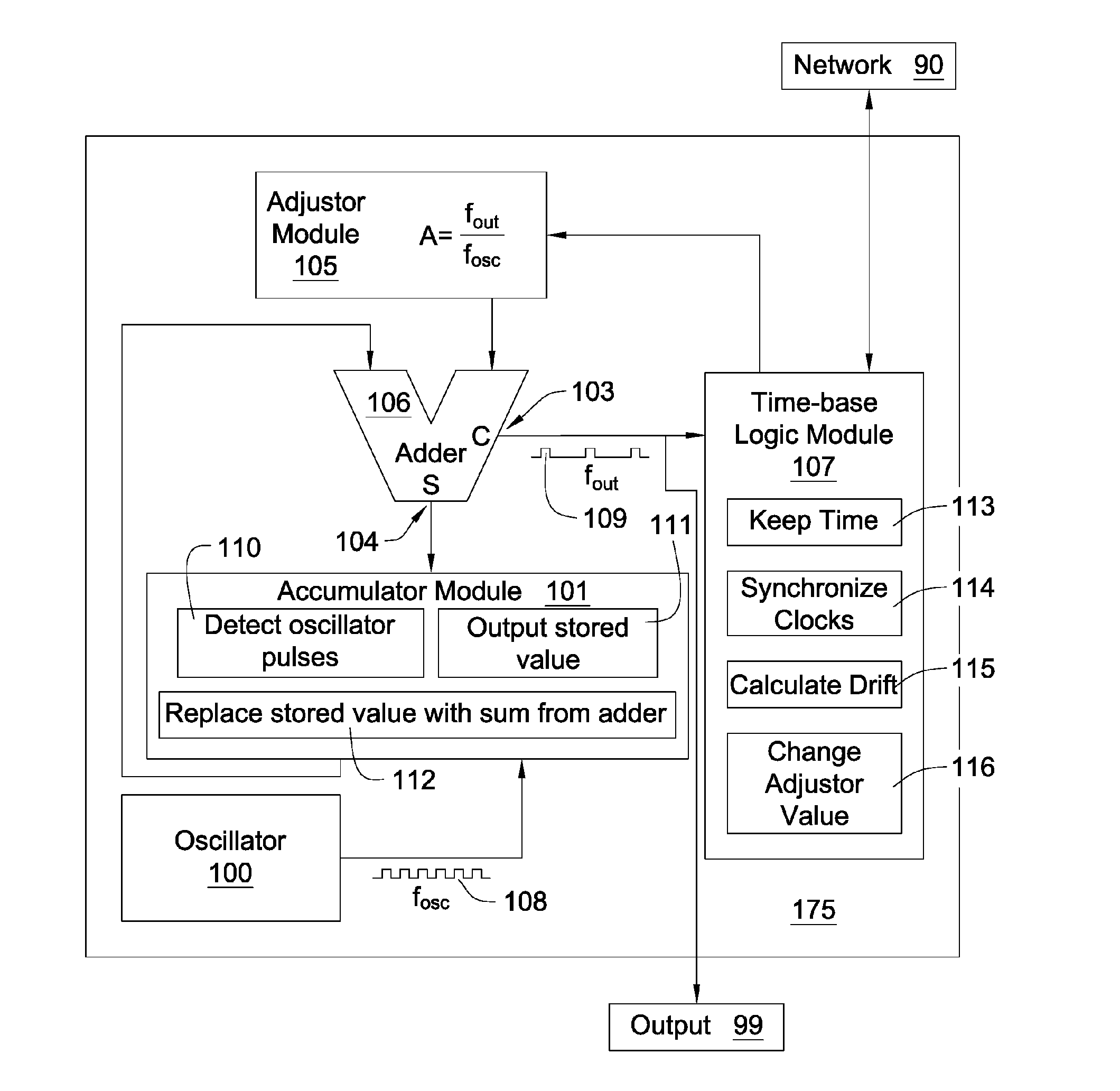
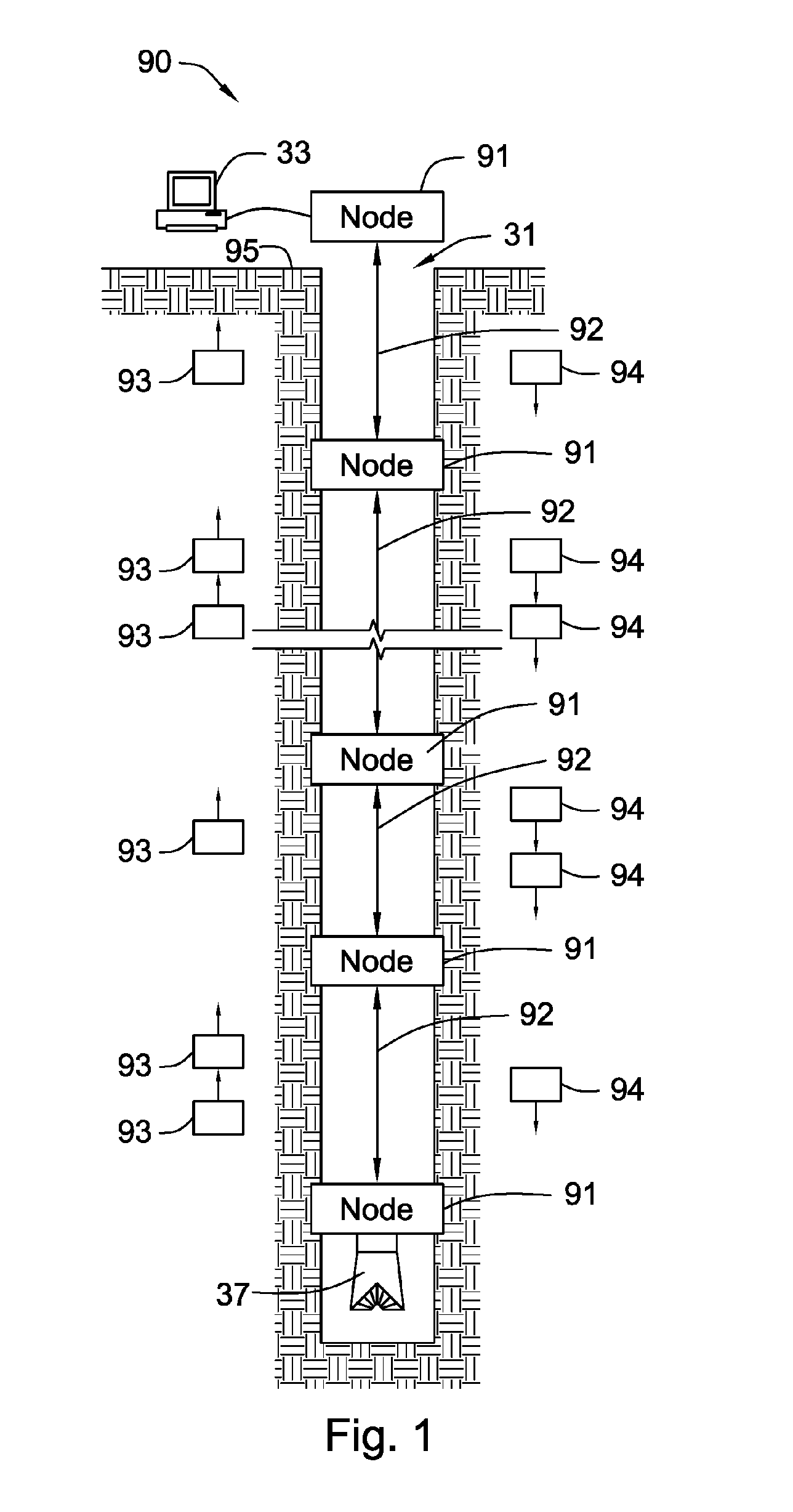
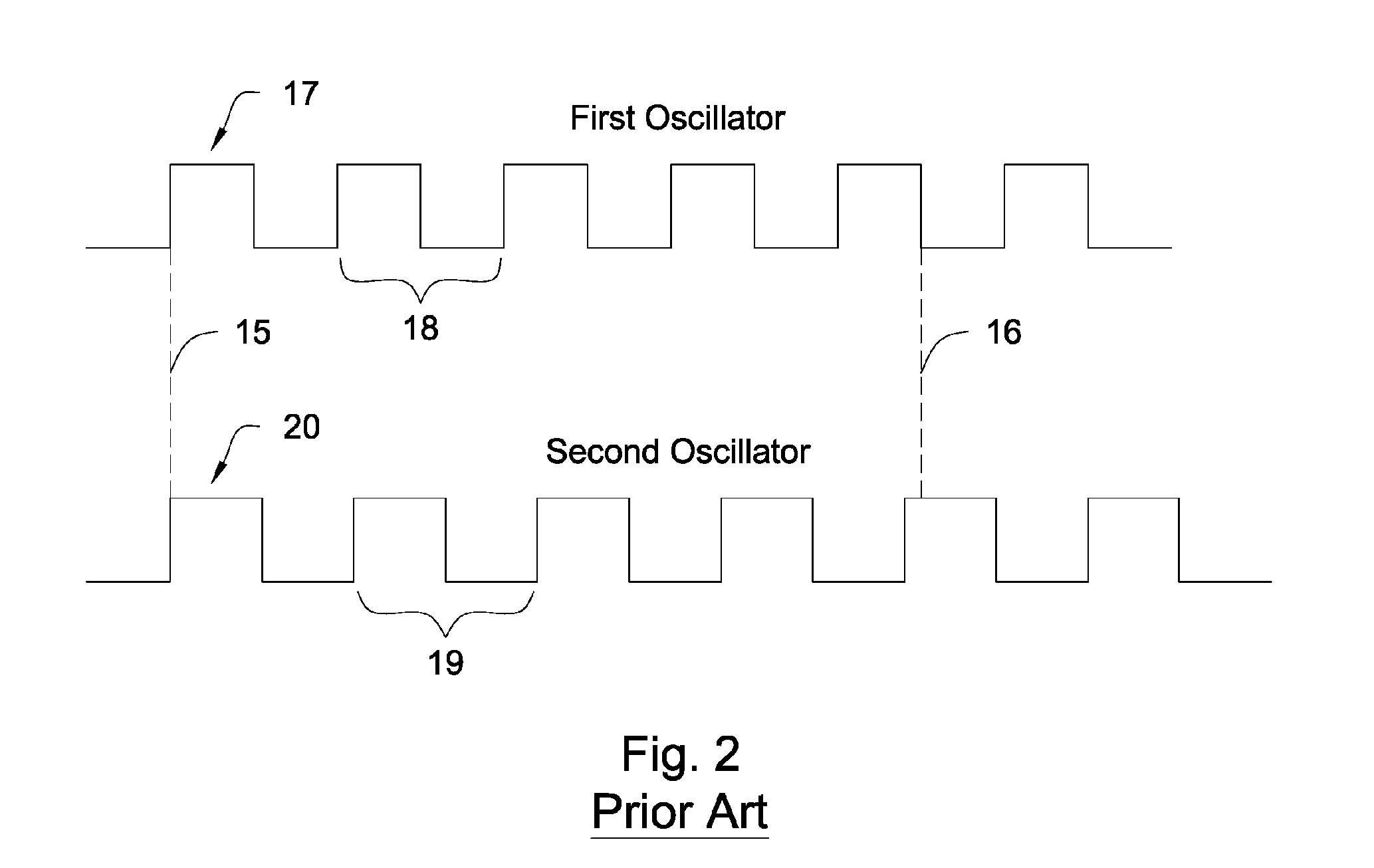
- A system comprising an accumulator module, digital adder, adjustor module, and logic module that adjusts the frequency of electrical output pulses by digitally adding an accumulated value to an adjustor value, allowing for compensation of oscillator drift and synchronization with global time, thereby correcting frequency and baud rate as needed.

Oscillator circuit and method for generating a clock signal
PatentActiveUS20200044629A1
Innovation
- The proposed oscillator circuit employs two integrator-comparator units operating in counter-phase, with a logic circuit to generate clock signals and measurement signals that allow for precise determination and cancellation of propagation delays, reducing systematic errors and dependencies on process variations.


Grid Standards and Timing Protocol Compliance
The integration of oscillator-based clocks into smart grids necessitates strict adherence to established grid standards and timing protocols to ensure reliable and synchronized operation across distributed energy systems. The IEEE 1588 Precision Time Protocol (PTP) serves as the foundational timing standard for smart grid applications, providing sub-microsecond accuracy requirements essential for coordinated grid operations. This protocol enables oscillator-based timing systems to maintain phase-locked synchronization across geographically dispersed grid components.
IEC 61850 standards define the communication protocols and timing requirements for substation automation systems, mandating specific timing accuracy levels for different operational functions. Protection and control applications require timing precision within 1-4 milliseconds, while synchrophasor measurements demand sub-microsecond accuracy. Oscillator-based clock systems must demonstrate compliance with these stringent timing windows through rigorous testing and validation procedures.
The North American Electric Reliability Corporation (NERC) standards, particularly CIP-002 through CIP-014, establish cybersecurity frameworks that directly impact timing system implementations. These standards require secure time synchronization sources and mandate backup timing mechanisms to prevent grid instability during primary timing system failures. Oscillator-based solutions must incorporate encrypted time distribution protocols and tamper-resistant hardware designs to meet these security requirements.
Grid codes across different regions impose varying synchronization tolerances, with European Network Codes requiring frequency stability within ±50 mHz and phase angle accuracy better than 1 degree. The integration process must account for these regional variations while maintaining interoperability standards. Oscillator drift compensation algorithms and automatic calibration mechanisms become critical for sustained compliance across diverse operating conditions.
Emerging standards such as IEEE 2030 series address smart grid interoperability requirements, emphasizing the need for standardized timing interfaces between legacy grid infrastructure and modern digital systems. The compliance framework must accommodate both traditional SCADA systems operating on slower timing cycles and advanced applications requiring real-time responsiveness. This dual-mode operation presents unique challenges for oscillator-based timing architectures in maintaining backward compatibility while supporting next-generation grid functionalities.
IEC 61850 standards define the communication protocols and timing requirements for substation automation systems, mandating specific timing accuracy levels for different operational functions. Protection and control applications require timing precision within 1-4 milliseconds, while synchrophasor measurements demand sub-microsecond accuracy. Oscillator-based clock systems must demonstrate compliance with these stringent timing windows through rigorous testing and validation procedures.
The North American Electric Reliability Corporation (NERC) standards, particularly CIP-002 through CIP-014, establish cybersecurity frameworks that directly impact timing system implementations. These standards require secure time synchronization sources and mandate backup timing mechanisms to prevent grid instability during primary timing system failures. Oscillator-based solutions must incorporate encrypted time distribution protocols and tamper-resistant hardware designs to meet these security requirements.
Grid codes across different regions impose varying synchronization tolerances, with European Network Codes requiring frequency stability within ±50 mHz and phase angle accuracy better than 1 degree. The integration process must account for these regional variations while maintaining interoperability standards. Oscillator drift compensation algorithms and automatic calibration mechanisms become critical for sustained compliance across diverse operating conditions.
Emerging standards such as IEEE 2030 series address smart grid interoperability requirements, emphasizing the need for standardized timing interfaces between legacy grid infrastructure and modern digital systems. The compliance framework must accommodate both traditional SCADA systems operating on slower timing cycles and advanced applications requiring real-time responsiveness. This dual-mode operation presents unique challenges for oscillator-based timing architectures in maintaining backward compatibility while supporting next-generation grid functionalities.
Cybersecurity Considerations for Grid Timing Infrastructure
The integration of oscillator-based clocks into smart grids introduces significant cybersecurity vulnerabilities that require comprehensive protection strategies. Time synchronization infrastructure becomes a critical attack vector, as compromised timing systems can disrupt grid operations, cause cascading failures, and enable sophisticated cyber attacks targeting power distribution networks.
Authentication and encryption protocols represent the first line of defense for grid timing infrastructure. Oscillator-based clock systems must implement robust cryptographic mechanisms to verify the authenticity of timing signals and prevent unauthorized access to synchronization networks. Advanced encryption standards should protect communication channels between timing sources and grid components, while digital signatures ensure the integrity of time reference data transmitted across the network.
Network segmentation and access control measures are essential for isolating timing infrastructure from potential attack vectors. Critical timing systems should operate on dedicated, air-gapped networks with strict access controls and monitoring capabilities. Multi-factor authentication, role-based access permissions, and continuous network surveillance help prevent unauthorized intrusion into timing control systems that could compromise grid synchronization accuracy.
Spoofing and jamming attacks pose particular threats to oscillator-based timing systems, especially those relying on external reference sources like GPS signals. Protective measures include implementing redundant timing sources, deploying anti-jamming technologies, and establishing backup synchronization protocols that can maintain grid timing integrity during signal disruption events. Signal authentication techniques help distinguish legitimate timing references from malicious spoofed signals.
Continuous monitoring and anomaly detection systems are crucial for identifying potential cybersecurity breaches in timing infrastructure. Real-time analysis of timing signal patterns, network traffic monitoring, and behavioral analytics can detect unusual activities that may indicate cyber attacks or system compromises. Automated response mechanisms should trigger immediate protective actions when security threats are identified.
Regular security assessments, penetration testing, and vulnerability management programs ensure ongoing protection of grid timing infrastructure. These proactive measures help identify potential security gaps before they can be exploited by malicious actors, maintaining the integrity and reliability of oscillator-based clock systems within smart grid environments.
Authentication and encryption protocols represent the first line of defense for grid timing infrastructure. Oscillator-based clock systems must implement robust cryptographic mechanisms to verify the authenticity of timing signals and prevent unauthorized access to synchronization networks. Advanced encryption standards should protect communication channels between timing sources and grid components, while digital signatures ensure the integrity of time reference data transmitted across the network.
Network segmentation and access control measures are essential for isolating timing infrastructure from potential attack vectors. Critical timing systems should operate on dedicated, air-gapped networks with strict access controls and monitoring capabilities. Multi-factor authentication, role-based access permissions, and continuous network surveillance help prevent unauthorized intrusion into timing control systems that could compromise grid synchronization accuracy.
Spoofing and jamming attacks pose particular threats to oscillator-based timing systems, especially those relying on external reference sources like GPS signals. Protective measures include implementing redundant timing sources, deploying anti-jamming technologies, and establishing backup synchronization protocols that can maintain grid timing integrity during signal disruption events. Signal authentication techniques help distinguish legitimate timing references from malicious spoofed signals.
Continuous monitoring and anomaly detection systems are crucial for identifying potential cybersecurity breaches in timing infrastructure. Real-time analysis of timing signal patterns, network traffic monitoring, and behavioral analytics can detect unusual activities that may indicate cyber attacks or system compromises. Automated response mechanisms should trigger immediate protective actions when security threats are identified.
Regular security assessments, penetration testing, and vulnerability management programs ensure ongoing protection of grid timing infrastructure. These proactive measures help identify potential security gaps before they can be exploited by malicious actors, maintaining the integrity and reliability of oscillator-based clock systems within smart grid environments.
Unlock deeper insights with Patsnap Eureka Quick Research — get a full tech report to explore trends and direct your research. Try now!
Generate Your Research Report Instantly with AI Agent
Supercharge your innovation with Patsnap Eureka AI Agent Platform!