
Oscillator Synchronization Errors: Identification and Prevention
MAR 13, 20269 MIN READ
Generate Your Research Report Instantly with AI Agent
Patsnap Eureka helps you evaluate technical feasibility & market potential.
Oscillator Tech Background and Sync Goals
Oscillator technology has evolved significantly since the early 20th century, beginning with simple mechanical pendulum systems and progressing to sophisticated electronic and atomic-based solutions. The fundamental principle underlying all oscillators involves the generation of repetitive, periodic signals that serve as timing references for various applications. Early vacuum tube oscillators gave way to crystal-controlled systems in the 1920s, which provided unprecedented frequency stability and accuracy.
The development trajectory accelerated with the introduction of quartz crystal oscillators, followed by temperature-compensated crystal oscillators (TCXOs) and oven-controlled crystal oscillators (OCXOs). These advancements addressed critical stability requirements across temperature variations and environmental conditions. The emergence of atomic clocks in the 1950s marked a revolutionary leap, utilizing cesium, rubidium, and hydrogen atoms to achieve extraordinary precision levels.
Modern oscillator applications span telecommunications, navigation systems, data centers, financial trading networks, and scientific instrumentation. Each application domain demands specific performance characteristics, including frequency accuracy, phase noise performance, temperature stability, and aging characteristics. The proliferation of 5G networks, Internet of Things devices, and high-frequency trading systems has intensified requirements for synchronization precision.
Synchronization objectives in contemporary systems focus on maintaining coherent timing relationships across distributed networks and devices. Primary goals include minimizing phase drift between multiple oscillators, ensuring frequency accuracy within specified tolerances, and maintaining stable timing references under varying operational conditions. Advanced synchronization protocols such as IEEE 1588 Precision Time Protocol and Network Time Protocol have emerged to address these requirements.
The pursuit of improved synchronization encompasses reducing jitter, eliminating frequency offsets, and compensating for environmental influences. Modern systems target synchronization accuracies in the sub-nanosecond range for critical applications, while maintaining cost-effectiveness for commercial implementations. These objectives drive continuous innovation in oscillator design, control algorithms, and synchronization methodologies.
The development trajectory accelerated with the introduction of quartz crystal oscillators, followed by temperature-compensated crystal oscillators (TCXOs) and oven-controlled crystal oscillators (OCXOs). These advancements addressed critical stability requirements across temperature variations and environmental conditions. The emergence of atomic clocks in the 1950s marked a revolutionary leap, utilizing cesium, rubidium, and hydrogen atoms to achieve extraordinary precision levels.
Modern oscillator applications span telecommunications, navigation systems, data centers, financial trading networks, and scientific instrumentation. Each application domain demands specific performance characteristics, including frequency accuracy, phase noise performance, temperature stability, and aging characteristics. The proliferation of 5G networks, Internet of Things devices, and high-frequency trading systems has intensified requirements for synchronization precision.
Synchronization objectives in contemporary systems focus on maintaining coherent timing relationships across distributed networks and devices. Primary goals include minimizing phase drift between multiple oscillators, ensuring frequency accuracy within specified tolerances, and maintaining stable timing references under varying operational conditions. Advanced synchronization protocols such as IEEE 1588 Precision Time Protocol and Network Time Protocol have emerged to address these requirements.
The pursuit of improved synchronization encompasses reducing jitter, eliminating frequency offsets, and compensating for environmental influences. Modern systems target synchronization accuracies in the sub-nanosecond range for critical applications, while maintaining cost-effectiveness for commercial implementations. These objectives drive continuous innovation in oscillator design, control algorithms, and synchronization methodologies.
Market Demand for Precise Oscillator Synchronization
The telecommunications industry represents the largest market segment driving demand for precise oscillator synchronization solutions. Network infrastructure providers require ultra-stable frequency references to maintain signal integrity across fiber optic networks, wireless base stations, and data centers. The proliferation of 5G networks has intensified synchronization requirements, as these systems demand phase accuracy within nanoseconds to support advanced features like beamforming and massive MIMO technologies.
Financial markets constitute another critical demand driver, where high-frequency trading systems rely on precise time synchronization to execute transactions within microsecond windows. Trading platforms, market data feeds, and regulatory compliance systems all require synchronized oscillators to maintain competitive advantages and meet stringent regulatory timing requirements. The growing adoption of algorithmic trading strategies has further amplified the need for precision timing solutions.
Industrial automation and manufacturing sectors increasingly depend on synchronized oscillator networks to coordinate complex production processes. Smart factories implementing Industry 4.0 principles require precise timing coordination between robotic systems, sensor networks, and control systems. The integration of Internet of Things devices in manufacturing environments has created new synchronization challenges that demand robust oscillator solutions.
The aerospace and defense industries maintain consistent demand for high-precision oscillator synchronization in navigation systems, satellite communications, and radar applications. Global positioning systems, inertial navigation units, and electronic warfare systems all require extremely stable frequency references to maintain operational effectiveness. Military communication networks particularly emphasize synchronization reliability under adverse conditions.
Scientific research facilities, including particle accelerators, radio telescopes, and quantum computing laboratories, represent specialized but high-value market segments. These applications often require custom synchronization solutions with exceptional stability and phase coherence characteristics that exceed commercial standards.
The automotive sector is emerging as a significant growth market, driven by autonomous vehicle development and vehicle-to-everything communication systems. Advanced driver assistance systems and autonomous navigation platforms require precise timing coordination between multiple sensors, communication modules, and processing units to ensure safe operation.
Market growth is further supported by the increasing complexity of distributed systems across various industries, where maintaining coherent timing references becomes critical for system performance and reliability.
Financial markets constitute another critical demand driver, where high-frequency trading systems rely on precise time synchronization to execute transactions within microsecond windows. Trading platforms, market data feeds, and regulatory compliance systems all require synchronized oscillators to maintain competitive advantages and meet stringent regulatory timing requirements. The growing adoption of algorithmic trading strategies has further amplified the need for precision timing solutions.
Industrial automation and manufacturing sectors increasingly depend on synchronized oscillator networks to coordinate complex production processes. Smart factories implementing Industry 4.0 principles require precise timing coordination between robotic systems, sensor networks, and control systems. The integration of Internet of Things devices in manufacturing environments has created new synchronization challenges that demand robust oscillator solutions.
The aerospace and defense industries maintain consistent demand for high-precision oscillator synchronization in navigation systems, satellite communications, and radar applications. Global positioning systems, inertial navigation units, and electronic warfare systems all require extremely stable frequency references to maintain operational effectiveness. Military communication networks particularly emphasize synchronization reliability under adverse conditions.
Scientific research facilities, including particle accelerators, radio telescopes, and quantum computing laboratories, represent specialized but high-value market segments. These applications often require custom synchronization solutions with exceptional stability and phase coherence characteristics that exceed commercial standards.
The automotive sector is emerging as a significant growth market, driven by autonomous vehicle development and vehicle-to-everything communication systems. Advanced driver assistance systems and autonomous navigation platforms require precise timing coordination between multiple sensors, communication modules, and processing units to ensure safe operation.
Market growth is further supported by the increasing complexity of distributed systems across various industries, where maintaining coherent timing references becomes critical for system performance and reliability.
Current Sync Error Challenges in Oscillator Systems
Oscillator synchronization errors represent one of the most persistent and complex challenges in modern electronic systems, particularly as frequency requirements become increasingly stringent across telecommunications, computing, and precision measurement applications. The fundamental challenge stems from the inherent instability of oscillator circuits, which are susceptible to various environmental and operational factors that can cause frequency drift, phase noise, and timing jitter.
Phase noise emerges as a primary concern in high-frequency oscillator systems, manifesting as random fluctuations in the oscillator's output phase. This phenomenon becomes particularly problematic in applications requiring precise timing synchronization, such as 5G base stations and high-speed data communication systems. The noise floor limitations of current oscillator technologies create significant barriers to achieving the sub-picosecond timing accuracy demanded by next-generation applications.
Temperature-induced frequency variations continue to plague oscillator stability across diverse operating environments. Despite advances in temperature compensation techniques, achieving consistent performance across extended temperature ranges remains challenging. Crystal oscillators, while offering excellent short-term stability, exhibit temperature coefficients that can cause frequency deviations exceeding acceptable tolerances in critical applications.
Supply voltage fluctuations introduce another layer of complexity to synchronization error management. Modern electronic systems often operate with varying power supply conditions, and oscillators must maintain stable output frequencies despite these variations. The coupling between power supply noise and oscillator performance creates unpredictable synchronization errors that are difficult to characterize and compensate.
Aging effects in oscillator components present long-term stability challenges that compound over operational lifetimes. Quartz crystals and semiconductor components experience gradual changes in their electrical characteristics, leading to systematic frequency drift that can accumulate to significant synchronization errors over months or years of operation.
Multi-oscillator systems face additional challenges related to mutual coupling and interference. When multiple oscillators operate in proximity, electromagnetic coupling can introduce spurious signals and phase perturbations that degrade overall system synchronization performance. The complexity increases exponentially with the number of oscillators in the system.
Manufacturing tolerances and component variations create inherent limitations in achieving consistent oscillator performance across production volumes. Even with tight manufacturing controls, slight variations in crystal parameters, circuit components, and assembly processes result in unit-to-unit performance differences that must be addressed through calibration or compensation techniques.
Environmental factors beyond temperature, including humidity, mechanical vibration, and electromagnetic interference, contribute to synchronization error accumulation. These factors often interact in complex ways, making it difficult to predict and prevent synchronization degradation in real-world operating conditions.
Phase noise emerges as a primary concern in high-frequency oscillator systems, manifesting as random fluctuations in the oscillator's output phase. This phenomenon becomes particularly problematic in applications requiring precise timing synchronization, such as 5G base stations and high-speed data communication systems. The noise floor limitations of current oscillator technologies create significant barriers to achieving the sub-picosecond timing accuracy demanded by next-generation applications.
Temperature-induced frequency variations continue to plague oscillator stability across diverse operating environments. Despite advances in temperature compensation techniques, achieving consistent performance across extended temperature ranges remains challenging. Crystal oscillators, while offering excellent short-term stability, exhibit temperature coefficients that can cause frequency deviations exceeding acceptable tolerances in critical applications.
Supply voltage fluctuations introduce another layer of complexity to synchronization error management. Modern electronic systems often operate with varying power supply conditions, and oscillators must maintain stable output frequencies despite these variations. The coupling between power supply noise and oscillator performance creates unpredictable synchronization errors that are difficult to characterize and compensate.
Aging effects in oscillator components present long-term stability challenges that compound over operational lifetimes. Quartz crystals and semiconductor components experience gradual changes in their electrical characteristics, leading to systematic frequency drift that can accumulate to significant synchronization errors over months or years of operation.
Multi-oscillator systems face additional challenges related to mutual coupling and interference. When multiple oscillators operate in proximity, electromagnetic coupling can introduce spurious signals and phase perturbations that degrade overall system synchronization performance. The complexity increases exponentially with the number of oscillators in the system.
Manufacturing tolerances and component variations create inherent limitations in achieving consistent oscillator performance across production volumes. Even with tight manufacturing controls, slight variations in crystal parameters, circuit components, and assembly processes result in unit-to-unit performance differences that must be addressed through calibration or compensation techniques.
Environmental factors beyond temperature, including humidity, mechanical vibration, and electromagnetic interference, contribute to synchronization error accumulation. These factors often interact in complex ways, making it difficult to predict and prevent synchronization degradation in real-world operating conditions.
Existing Sync Error Detection and Prevention Methods
01 Phase-locked loop (PLL) based synchronization error correction
Phase-locked loops are widely used to detect and correct oscillator synchronization errors by comparing the phase of the input signal with a reference signal. The phase detector generates an error signal that is filtered and used to adjust the voltage-controlled oscillator frequency, thereby maintaining synchronization. Advanced PLL architectures incorporate digital control loops and adaptive filtering mechanisms to improve lock time and reduce jitter in the presence of noise and frequency variations.- Phase-locked loop (PLL) based synchronization error correction: Phase-locked loops are widely used to detect and correct oscillator synchronization errors by comparing the phase of the input signal with a reference signal. The PLL adjusts the oscillator frequency to minimize phase differences, thereby reducing synchronization errors. This technique is particularly effective in communication systems and clock recovery circuits where precise timing is critical.
- Digital compensation and calibration techniques: Digital signal processing methods can be employed to compensate for oscillator synchronization errors through calibration algorithms. These techniques involve measuring the error characteristics and applying correction factors in the digital domain. Advanced algorithms can adaptively adjust for temperature variations, aging effects, and other factors that contribute to synchronization drift.
- Multiple oscillator redundancy and selection: Systems can utilize multiple oscillators with selection mechanisms to mitigate synchronization errors. By comparing outputs from different oscillators and selecting the most accurate or averaging their signals, the overall system reliability and synchronization accuracy can be improved. This approach provides fault tolerance and reduces the impact of individual oscillator drift.
- Temperature compensation circuits: Temperature-compensated oscillator designs incorporate circuits that adjust oscillator parameters based on temperature measurements to minimize frequency drift. These circuits can include temperature sensors and compensation networks that counteract the temperature-dependent characteristics of oscillator components. This approach is essential for maintaining synchronization accuracy across varying environmental conditions.
- Synchronization error detection and monitoring systems: Dedicated monitoring circuits and systems can continuously detect and measure oscillator synchronization errors in real-time. These systems employ various detection methods including phase comparators, frequency counters, and timing analyzers to identify deviations from expected synchronization. Early detection enables timely correction and prevents system failures due to accumulated timing errors.
02 Clock synchronization in distributed systems
In distributed systems and networks, oscillator synchronization errors can accumulate across multiple nodes, leading to timing misalignment. Techniques involve implementing master-slave clock architectures, where a master clock provides reference timing to slave oscillators. Compensation algorithms account for propagation delays and frequency offsets between nodes. Time-stamping mechanisms and periodic resynchronization protocols help maintain coherent timing across the system.Expand Specific Solutions03 Frequency offset detection and compensation
Frequency offset between oscillators causes gradual phase drift and synchronization errors over time. Detection methods include cross-correlation analysis, frequency discriminators, and digital signal processing techniques that measure the rate of phase change. Compensation involves adjusting the local oscillator frequency through digital or analog control mechanisms, including direct digital synthesis and fractional-N frequency synthesis, to match the reference frequency and minimize accumulated phase error.Expand Specific Solutions04 Temperature and environmental compensation for oscillator stability
Environmental factors such as temperature variations cause oscillator frequency drift, leading to synchronization errors. Temperature-compensated crystal oscillators and oven-controlled crystal oscillators provide improved stability. Calibration techniques involve measuring temperature-frequency characteristics and applying correction factors through lookup tables or polynomial compensation algorithms. Additional environmental sensors monitor voltage and aging effects to maintain long-term synchronization accuracy.Expand Specific Solutions05 Digital synchronization error measurement and monitoring
Digital measurement techniques quantify synchronization errors through time interval counters, phase comparators, and statistical analysis of timing deviations. Real-time monitoring systems track metrics such as time interval error, maximum time interval error, and Allan deviation to characterize oscillator performance. Diagnostic algorithms identify error sources including phase noise, frequency drift, and intermittent disturbances, enabling adaptive correction strategies and predictive maintenance.Expand Specific Solutions
Key Players in Oscillator and Timing Solutions Industry
The oscillator synchronization errors field represents a mature technology domain within the broader semiconductor and precision timing industry, currently experiencing steady growth driven by increasing demands for high-frequency applications and IoT connectivity. The market demonstrates significant scale, with established players like Samsung Electronics, Qualcomm, and Sony Group leading consumer electronics integration, while specialized companies such as Seiko Epson and Yokogawa Electric focus on precision timing solutions. Technology maturity varies across segments, with companies like Toshiba, Fujitsu, and NXP Semiconductors advancing sophisticated error correction algorithms, while emerging players like MediaTek and ZTE drive innovation in wireless synchronization applications. The competitive landscape shows consolidation around key patent holders including Xilinx, Altera, and Advantest, who control critical intellectual property for synchronization methodologies. Industrial automation leaders such as Siemens and Robert Bosch are integrating advanced synchronization technologies into manufacturing systems, indicating strong cross-industry adoption and technological convergence.
Toshiba Corp.
Technical Solution: Toshiba employs sophisticated oscillator synchronization error prevention through their proprietary crystal oscillator control systems that integrate temperature-compensated crystal oscillators (TCXOs) with digital signal processing units. Their technology features continuous monitoring of oscillator frequency stability using reference comparison methods and implements automatic frequency control (AFC) loops to maintain synchronization accuracy within ±1ppm tolerance. The system includes predictive error detection algorithms that analyze oscillator aging patterns and environmental factors to anticipate potential synchronization failures before they occur, enabling preventive maintenance scheduling and reducing system downtime.
Strengths: Excellent temperature stability control, mature semiconductor manufacturing capabilities, strong integration with power management systems. Weaknesses: Higher power consumption compared to newer low-power alternatives, limited flexibility in software-defined timing applications.
Samsung Electronics Co., Ltd.
Technical Solution: Samsung implements oscillator synchronization error management through their integrated circuit designs that feature on-chip phase-locked loops with advanced jitter reduction capabilities. Their solutions incorporate machine learning algorithms for predictive oscillator behavior analysis, enabling early identification of potential synchronization issues before they impact system performance. The technology includes adaptive clock distribution networks that can dynamically adjust timing relationships across multiple clock domains while maintaining synchronization integrity. Samsung's approach utilizes redundant timing references and automatic switchover mechanisms to ensure continuous operation even when primary oscillators experience instability or failure conditions.
Strengths: Advanced semiconductor process technology, strong integration capabilities with memory and processing systems, cost-effective mass production capabilities. Weaknesses: Less specialized in high-precision timing compared to dedicated oscillator manufacturers, solutions may prioritize cost over ultimate precision requirements.
Core Patents in Oscillator Synchronization Error Control
Systems and methods for clock synchronization in a data acquisition system
PatentWO2015200274A1
Innovation
- A system comprising a sampling circuit, temperature calibration system, phase detector, virtual phase-locked loop, and sample rate converter is used to generate a corrected series of digitally-sampled data by interpolating temperature-based timing compensation and clock errors, reducing the need for significant memory and power consumption.


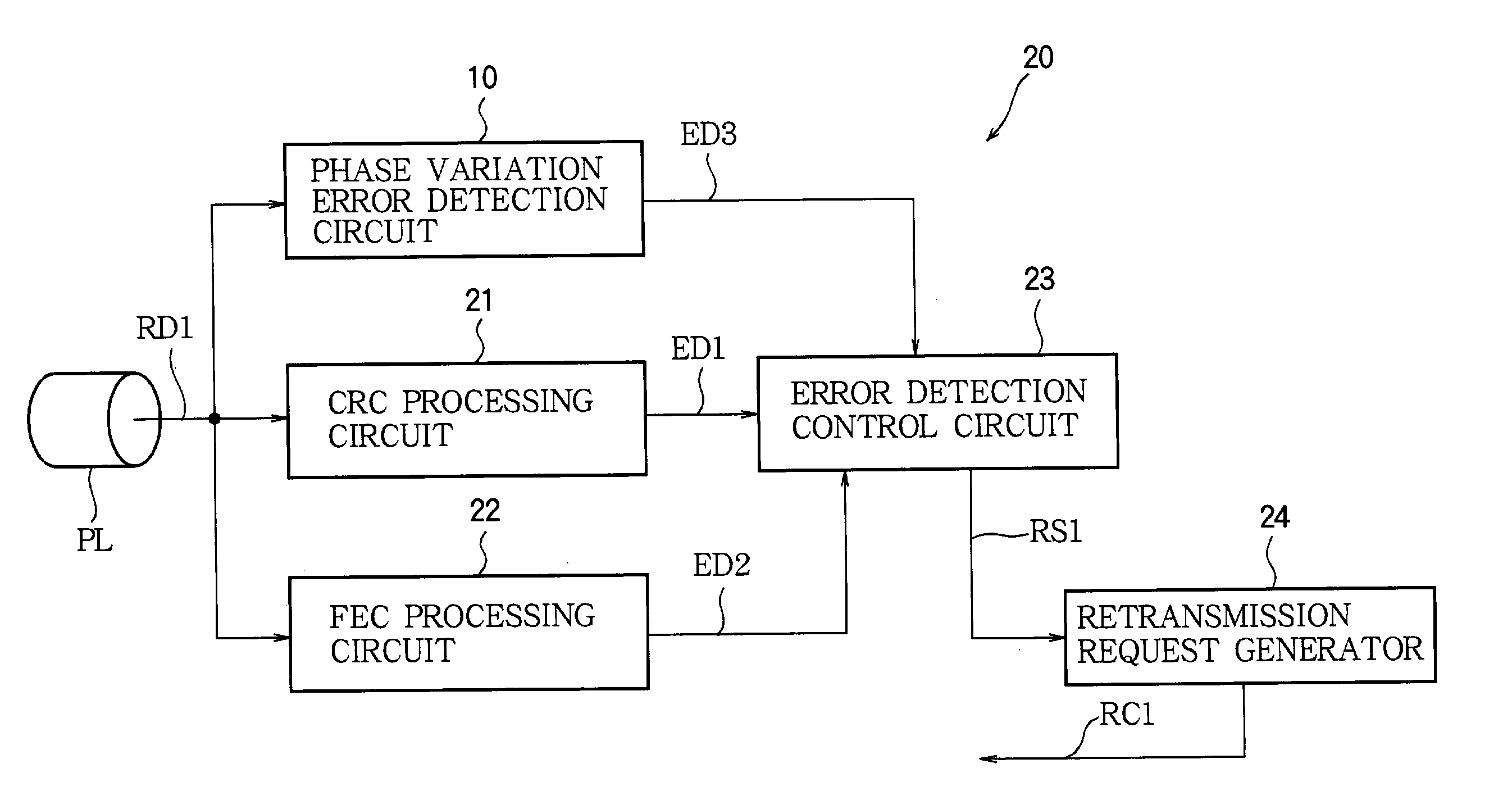
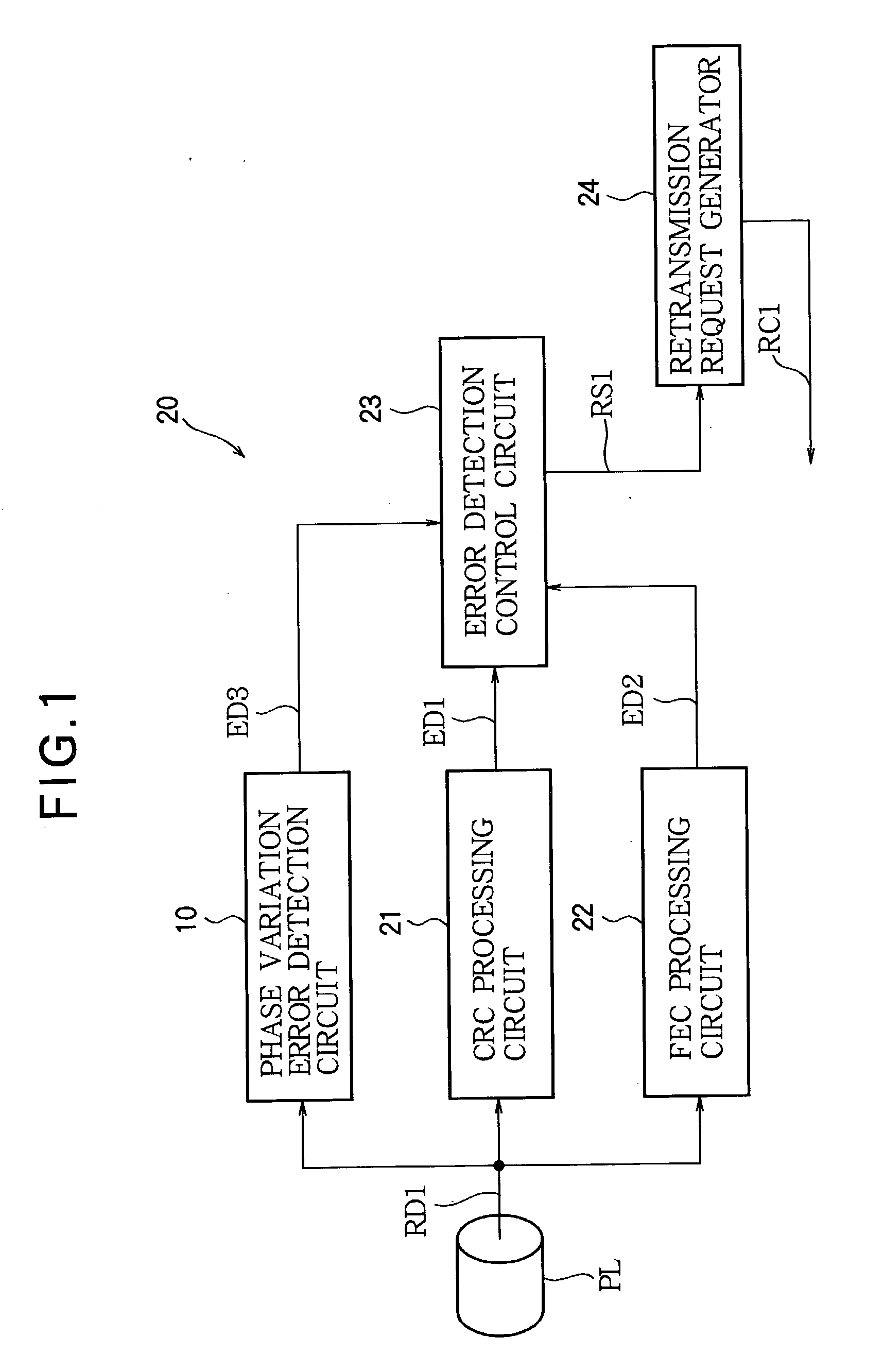
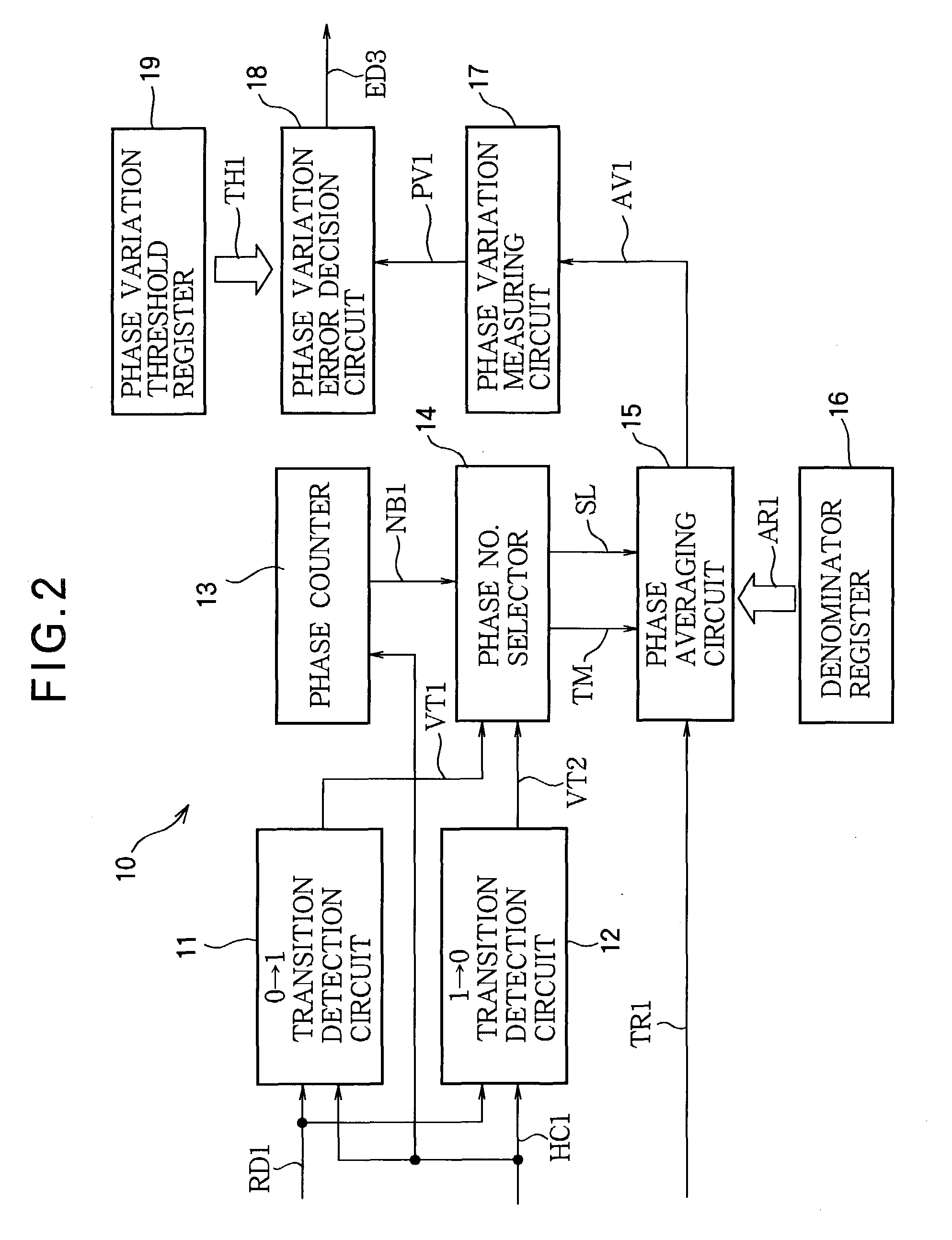
Synchronization error detection circuit
PatentInactiveUS20040078737A1
Innovation
- A synchronization error detection circuit that includes a transition detector and a cyclic number generator to identify rising and falling transitions, calculating average values or pulse widths to detect synchronization errors, and a retransmission request generator to manage errors, thereby improving communication quality.

Standards and Compliance for Timing Systems
The regulatory landscape for timing systems has evolved significantly to address the critical nature of oscillator synchronization in modern applications. International standards organizations have established comprehensive frameworks that define acceptable performance parameters, testing methodologies, and compliance requirements for timing equipment across various industries.
IEEE 1588 Precision Time Protocol (PTP) represents one of the most influential standards in this domain, establishing stringent requirements for clock synchronization accuracy and defining maximum allowable synchronization errors. The standard mandates specific performance metrics including time deviation limits, frequency stability requirements, and synchronization accuracy thresholds that directly impact oscillator design and implementation strategies.
Telecommunications infrastructure operates under ITU-T recommendations, particularly G.8261, G.8262, and G.8264, which specify synchronization requirements for packet-based networks. These standards define Enhanced Primary Reference Clock (ePRC) specifications and establish maximum time interval error (MTIE) limits that oscillator systems must maintain to ensure network reliability and service quality.
The aerospace and defense sectors adhere to MIL-STD-188 series standards, which impose rigorous timing accuracy requirements for mission-critical applications. These specifications mandate extremely low phase noise characteristics and exceptional frequency stability, driving the development of advanced oscillator technologies and synchronization error prevention mechanisms.
Financial trading systems must comply with regulatory requirements such as MiFID II in Europe and similar regulations globally, which demand microsecond-level timestamp accuracy. These compliance frameworks necessitate the implementation of robust oscillator synchronization systems with comprehensive error detection and correction capabilities.
Industrial automation and smart grid applications follow IEC 61850 standards, which specify precise timing requirements for protection and control systems. The standard defines synchronization accuracy requirements that directly influence oscillator selection criteria and system architecture decisions.
Emerging 5G networks operate under 3GPP specifications that establish unprecedented timing accuracy requirements, with synchronization error tolerances measured in nanoseconds. These stringent requirements drive continuous innovation in oscillator technology and synchronization error prevention methodologies, establishing new benchmarks for timing system performance and reliability across all application domains.
IEEE 1588 Precision Time Protocol (PTP) represents one of the most influential standards in this domain, establishing stringent requirements for clock synchronization accuracy and defining maximum allowable synchronization errors. The standard mandates specific performance metrics including time deviation limits, frequency stability requirements, and synchronization accuracy thresholds that directly impact oscillator design and implementation strategies.
Telecommunications infrastructure operates under ITU-T recommendations, particularly G.8261, G.8262, and G.8264, which specify synchronization requirements for packet-based networks. These standards define Enhanced Primary Reference Clock (ePRC) specifications and establish maximum time interval error (MTIE) limits that oscillator systems must maintain to ensure network reliability and service quality.
The aerospace and defense sectors adhere to MIL-STD-188 series standards, which impose rigorous timing accuracy requirements for mission-critical applications. These specifications mandate extremely low phase noise characteristics and exceptional frequency stability, driving the development of advanced oscillator technologies and synchronization error prevention mechanisms.
Financial trading systems must comply with regulatory requirements such as MiFID II in Europe and similar regulations globally, which demand microsecond-level timestamp accuracy. These compliance frameworks necessitate the implementation of robust oscillator synchronization systems with comprehensive error detection and correction capabilities.
Industrial automation and smart grid applications follow IEC 61850 standards, which specify precise timing requirements for protection and control systems. The standard defines synchronization accuracy requirements that directly influence oscillator selection criteria and system architecture decisions.
Emerging 5G networks operate under 3GPP specifications that establish unprecedented timing accuracy requirements, with synchronization error tolerances measured in nanoseconds. These stringent requirements drive continuous innovation in oscillator technology and synchronization error prevention methodologies, establishing new benchmarks for timing system performance and reliability across all application domains.
Cost-Benefit Analysis of Sync Error Solutions
The economic evaluation of oscillator synchronization error solutions requires a comprehensive assessment of implementation costs versus operational benefits. Initial capital expenditures typically include hardware upgrades, software licensing, and system integration costs. Advanced synchronization solutions such as precision crystal oscillators, GPS-disciplined oscillators, or atomic clock references represent significant upfront investments ranging from thousands to hundreds of thousands of dollars depending on accuracy requirements and system scale.
Implementation costs extend beyond hardware procurement to encompass engineering resources, testing procedures, and potential system downtime during deployment. Organizations must factor in training expenses for technical personnel, documentation updates, and certification processes required for critical applications. The complexity of integration with existing infrastructure often drives additional consulting fees and extended project timelines.
Operational benefits manifest through reduced system failures, improved performance reliability, and decreased maintenance requirements. Quantifiable advantages include minimized data corruption incidents, reduced network retransmission overhead, and enhanced signal processing accuracy. In telecommunications applications, improved synchronization directly translates to increased channel capacity and reduced bit error rates, generating measurable revenue improvements.
Long-term cost savings emerge from reduced troubleshooting efforts, fewer emergency repairs, and extended equipment lifespan. Preventive synchronization solutions typically demonstrate return on investment within 18-36 months through avoided downtime costs and improved operational efficiency. Critical applications in aerospace, defense, and financial trading systems justify premium solutions due to the catastrophic costs associated with synchronization failures.
Risk mitigation represents an often-overlooked benefit category, encompassing regulatory compliance assurance, reputation protection, and business continuity preservation. The cost of synchronization errors in mission-critical systems frequently exceeds solution implementation costs by orders of magnitude, making robust error prevention economically compelling despite higher initial investments.
Implementation costs extend beyond hardware procurement to encompass engineering resources, testing procedures, and potential system downtime during deployment. Organizations must factor in training expenses for technical personnel, documentation updates, and certification processes required for critical applications. The complexity of integration with existing infrastructure often drives additional consulting fees and extended project timelines.
Operational benefits manifest through reduced system failures, improved performance reliability, and decreased maintenance requirements. Quantifiable advantages include minimized data corruption incidents, reduced network retransmission overhead, and enhanced signal processing accuracy. In telecommunications applications, improved synchronization directly translates to increased channel capacity and reduced bit error rates, generating measurable revenue improvements.
Long-term cost savings emerge from reduced troubleshooting efforts, fewer emergency repairs, and extended equipment lifespan. Preventive synchronization solutions typically demonstrate return on investment within 18-36 months through avoided downtime costs and improved operational efficiency. Critical applications in aerospace, defense, and financial trading systems justify premium solutions due to the catastrophic costs associated with synchronization failures.
Risk mitigation represents an often-overlooked benefit category, encompassing regulatory compliance assurance, reputation protection, and business continuity preservation. The cost of synchronization errors in mission-critical systems frequently exceeds solution implementation costs by orders of magnitude, making robust error prevention economically compelling despite higher initial investments.
Unlock deeper insights with Patsnap Eureka Quick Research — get a full tech report to explore trends and direct your research. Try now!
Generate Your Research Report Instantly with AI Agent
Supercharge your innovation with Patsnap Eureka AI Agent Platform!