
How to Mitigate Risk in Electromagnetic Induction Deployments
FEB 25, 20269 MIN READ
Generate Your Research Report Instantly with AI Agent
Patsnap Eureka helps you evaluate technical feasibility & market potential.
Electromagnetic Induction Technology Background and Risk Mitigation Goals
Electromagnetic induction technology has evolved significantly since Michael Faraday's groundbreaking discovery in 1831, establishing the fundamental principle that changing magnetic fields generate electric currents. This phenomenon has become the cornerstone of numerous modern applications, from power generation and wireless charging systems to industrial heating and medical devices. The technology's development trajectory has been marked by continuous refinement in efficiency, precision, and safety protocols.
The historical progression of electromagnetic induction applications reveals a pattern of increasing complexity and integration into critical infrastructure systems. Early implementations focused primarily on basic power generation and transformation, while contemporary deployments encompass sophisticated wireless power transfer systems, inductive heating processes, and electromagnetic field therapy devices. This evolution has introduced new operational paradigms that demand comprehensive risk assessment and mitigation strategies.
Current electromagnetic induction deployments face multifaceted challenges that extend beyond traditional electrical safety concerns. These systems operate across diverse environments, from consumer electronics requiring minimal interference to industrial applications handling substantial power loads. The proliferation of electromagnetic induction technology in sectors such as automotive, healthcare, and telecommunications has amplified the potential impact of system failures or operational anomalies.
The primary risk mitigation goals for electromagnetic induction deployments center on ensuring electromagnetic compatibility, preventing thermal hazards, and maintaining operational reliability under varying environmental conditions. Electromagnetic interference represents a critical concern, as inductive systems can disrupt nearby electronic devices or communication systems. Thermal management emerges as another fundamental objective, given that inefficient energy transfer can generate excessive heat, potentially damaging components or creating safety hazards.
Safety standardization efforts have established frameworks for acceptable exposure limits to electromagnetic fields, particularly in applications involving human proximity. These guidelines aim to prevent biological effects while maintaining system performance. Additionally, risk mitigation strategies must address mechanical integrity concerns, as electromagnetic forces can induce vibrations or structural stress in system components.
The overarching goal of contemporary risk mitigation approaches involves developing predictive maintenance capabilities and real-time monitoring systems that can identify potential failures before they manifest as operational disruptions. This proactive stance represents a shift from reactive troubleshooting to preventive risk management, enabling more reliable and safer electromagnetic induction deployments across various industrial and consumer applications.
The historical progression of electromagnetic induction applications reveals a pattern of increasing complexity and integration into critical infrastructure systems. Early implementations focused primarily on basic power generation and transformation, while contemporary deployments encompass sophisticated wireless power transfer systems, inductive heating processes, and electromagnetic field therapy devices. This evolution has introduced new operational paradigms that demand comprehensive risk assessment and mitigation strategies.
Current electromagnetic induction deployments face multifaceted challenges that extend beyond traditional electrical safety concerns. These systems operate across diverse environments, from consumer electronics requiring minimal interference to industrial applications handling substantial power loads. The proliferation of electromagnetic induction technology in sectors such as automotive, healthcare, and telecommunications has amplified the potential impact of system failures or operational anomalies.
The primary risk mitigation goals for electromagnetic induction deployments center on ensuring electromagnetic compatibility, preventing thermal hazards, and maintaining operational reliability under varying environmental conditions. Electromagnetic interference represents a critical concern, as inductive systems can disrupt nearby electronic devices or communication systems. Thermal management emerges as another fundamental objective, given that inefficient energy transfer can generate excessive heat, potentially damaging components or creating safety hazards.
Safety standardization efforts have established frameworks for acceptable exposure limits to electromagnetic fields, particularly in applications involving human proximity. These guidelines aim to prevent biological effects while maintaining system performance. Additionally, risk mitigation strategies must address mechanical integrity concerns, as electromagnetic forces can induce vibrations or structural stress in system components.
The overarching goal of contemporary risk mitigation approaches involves developing predictive maintenance capabilities and real-time monitoring systems that can identify potential failures before they manifest as operational disruptions. This proactive stance represents a shift from reactive troubleshooting to preventive risk management, enabling more reliable and safer electromagnetic induction deployments across various industrial and consumer applications.
Market Demand for Safe Electromagnetic Induction Applications
The global electromagnetic induction market is experiencing unprecedented growth driven by increasing demand for wireless power transfer solutions across multiple industries. Electric vehicle charging infrastructure represents the largest segment, with automotive manufacturers and charging network operators seeking safer, more reliable induction systems to address consumer concerns about electromagnetic exposure and equipment reliability. The healthcare sector demonstrates significant demand for safe electromagnetic induction applications, particularly in medical device charging and implantable device power systems where patient safety is paramount.
Industrial automation and manufacturing sectors are driving substantial market demand for contactless power transfer solutions that minimize workplace hazards associated with traditional electrical connections. Smart home and consumer electronics markets show growing appetite for wireless charging solutions that meet stringent safety standards, with manufacturers prioritizing products that demonstrate minimal electromagnetic interference and reduced health risks.
The renewable energy sector presents emerging opportunities for safe electromagnetic induction applications, particularly in offshore wind power transmission and grid-scale energy storage systems where traditional cable connections pose maintenance and safety challenges. Aerospace and defense industries require highly reliable, interference-resistant electromagnetic induction systems for mission-critical applications where failure mitigation is essential.
Market research indicates strong correlation between safety certification levels and commercial adoption rates, with end-users increasingly willing to pay premium prices for electromagnetic induction solutions that demonstrate comprehensive risk mitigation capabilities. Regulatory compliance requirements across different regions are creating standardized demand for safety-enhanced electromagnetic induction technologies.
The telecommunications infrastructure market shows growing interest in electromagnetic induction solutions for powering remote equipment installations, where safety considerations and maintenance accessibility drive purchasing decisions. Transportation infrastructure beyond automotive applications, including rail systems and maritime operations, represents expanding market segments seeking proven safe electromagnetic induction deployment strategies.
Consumer awareness of electromagnetic field exposure risks is creating market pressure for transparent safety documentation and third-party validation of electromagnetic induction products, influencing procurement decisions across both commercial and residential applications.
Industrial automation and manufacturing sectors are driving substantial market demand for contactless power transfer solutions that minimize workplace hazards associated with traditional electrical connections. Smart home and consumer electronics markets show growing appetite for wireless charging solutions that meet stringent safety standards, with manufacturers prioritizing products that demonstrate minimal electromagnetic interference and reduced health risks.
The renewable energy sector presents emerging opportunities for safe electromagnetic induction applications, particularly in offshore wind power transmission and grid-scale energy storage systems where traditional cable connections pose maintenance and safety challenges. Aerospace and defense industries require highly reliable, interference-resistant electromagnetic induction systems for mission-critical applications where failure mitigation is essential.
Market research indicates strong correlation between safety certification levels and commercial adoption rates, with end-users increasingly willing to pay premium prices for electromagnetic induction solutions that demonstrate comprehensive risk mitigation capabilities. Regulatory compliance requirements across different regions are creating standardized demand for safety-enhanced electromagnetic induction technologies.
The telecommunications infrastructure market shows growing interest in electromagnetic induction solutions for powering remote equipment installations, where safety considerations and maintenance accessibility drive purchasing decisions. Transportation infrastructure beyond automotive applications, including rail systems and maritime operations, represents expanding market segments seeking proven safe electromagnetic induction deployment strategies.
Consumer awareness of electromagnetic field exposure risks is creating market pressure for transparent safety documentation and third-party validation of electromagnetic induction products, influencing procurement decisions across both commercial and residential applications.
Current EMI Deployment Challenges and Risk Factors
Electromagnetic induction (EMI) deployments face significant technical challenges that create substantial operational risks across multiple domains. The primary challenge stems from electromagnetic interference patterns that can disrupt both the induction systems themselves and surrounding electronic infrastructure. These interference issues manifest as signal degradation, unexpected power fluctuations, and cross-talk between adjacent systems, particularly in dense deployment environments where multiple EMI devices operate simultaneously.
Power management represents another critical challenge area, as electromagnetic induction systems require precise control of magnetic field strength and frequency to maintain optimal performance. Variations in load conditions, environmental factors, and component aging can lead to power delivery inconsistencies that compromise system reliability. The risk of thermal runaway in high-power applications poses additional safety concerns, especially when cooling systems fail or operate below design specifications.
Environmental factors significantly impact EMI deployment success rates. Temperature variations affect the magnetic permeability of core materials, while humidity can cause insulation breakdown and corrosion of critical components. Vibration and mechanical stress in industrial applications can lead to coil displacement and core misalignment, resulting in reduced efficiency and potential system failure. These environmental challenges are particularly pronounced in outdoor installations and harsh industrial environments.
Safety risks constitute a major concern in EMI deployments, particularly regarding human exposure to electromagnetic fields. High-intensity magnetic fields can pose health risks to personnel and interfere with medical devices such as pacemakers. Additionally, the risk of electrical shock from high-voltage components and the potential for fire hazards due to overheating or insulation failure require comprehensive safety protocols and monitoring systems.
Integration complexity presents ongoing challenges when incorporating EMI systems into existing infrastructure. Legacy systems may lack compatibility with modern induction technologies, requiring extensive retrofitting or complete replacement. Communication protocol mismatches and control system incompatibilities can lead to operational disruptions and increased maintenance requirements.
Regulatory compliance adds another layer of complexity, as EMI deployments must meet stringent electromagnetic compatibility standards and safety regulations that vary across different jurisdictions. Non-compliance risks include project delays, costly redesigns, and potential legal liabilities that can significantly impact deployment timelines and budgets.
Power management represents another critical challenge area, as electromagnetic induction systems require precise control of magnetic field strength and frequency to maintain optimal performance. Variations in load conditions, environmental factors, and component aging can lead to power delivery inconsistencies that compromise system reliability. The risk of thermal runaway in high-power applications poses additional safety concerns, especially when cooling systems fail or operate below design specifications.
Environmental factors significantly impact EMI deployment success rates. Temperature variations affect the magnetic permeability of core materials, while humidity can cause insulation breakdown and corrosion of critical components. Vibration and mechanical stress in industrial applications can lead to coil displacement and core misalignment, resulting in reduced efficiency and potential system failure. These environmental challenges are particularly pronounced in outdoor installations and harsh industrial environments.
Safety risks constitute a major concern in EMI deployments, particularly regarding human exposure to electromagnetic fields. High-intensity magnetic fields can pose health risks to personnel and interfere with medical devices such as pacemakers. Additionally, the risk of electrical shock from high-voltage components and the potential for fire hazards due to overheating or insulation failure require comprehensive safety protocols and monitoring systems.
Integration complexity presents ongoing challenges when incorporating EMI systems into existing infrastructure. Legacy systems may lack compatibility with modern induction technologies, requiring extensive retrofitting or complete replacement. Communication protocol mismatches and control system incompatibilities can lead to operational disruptions and increased maintenance requirements.
Regulatory compliance adds another layer of complexity, as EMI deployments must meet stringent electromagnetic compatibility standards and safety regulations that vary across different jurisdictions. Non-compliance risks include project delays, costly redesigns, and potential legal liabilities that can significantly impact deployment timelines and budgets.
Existing Risk Mitigation Solutions for EMI Deployments
01 Electromagnetic shielding and protection structures
Technologies focused on physical shielding structures and materials designed to protect against electromagnetic interference and induction risks. These solutions include specialized enclosures, shielding layers, and protective barriers that prevent unwanted electromagnetic coupling and reduce exposure to electromagnetic fields in sensitive equipment and environments.- Electromagnetic shielding and protection structures: Technologies focused on physical shielding structures and materials designed to block or reduce electromagnetic interference and induction risks. These solutions include shielding enclosures, conductive layers, and protective housings that prevent electromagnetic fields from affecting sensitive electronic components or human exposure. The shielding materials may incorporate metal meshes, conductive coatings, or composite materials with specific electromagnetic absorption properties.
- Detection and monitoring of electromagnetic fields: Systems and methods for detecting, measuring, and monitoring electromagnetic field levels to assess potential induction risks. These technologies employ sensors, detection circuits, and monitoring devices that can identify hazardous electromagnetic exposure levels and provide warnings or alerts. The detection systems may be integrated into electronic devices or deployed as standalone monitoring equipment for safety compliance.
- Active electromagnetic interference suppression circuits: Circuit designs and control methods that actively suppress or cancel electromagnetic induction through electronic means. These solutions utilize feedback control, signal processing, and compensation techniques to reduce unwanted electromagnetic coupling and interference. The active suppression approaches may include filtering circuits, noise cancellation algorithms, and adaptive control systems that dynamically respond to varying electromagnetic conditions.
- Wireless power transfer safety mechanisms: Safety features and control strategies specifically designed for wireless power transfer systems to mitigate electromagnetic induction risks. These technologies address concerns related to electromagnetic field exposure during wireless charging and power transmission, incorporating power control, distance detection, and foreign object detection capabilities. The safety mechanisms ensure compliance with electromagnetic exposure limits while maintaining efficient power transfer.
- Medical device electromagnetic compatibility: Specialized solutions for protecting medical devices and implantable systems from electromagnetic induction risks. These technologies address the unique challenges of ensuring medical device functionality and patient safety in the presence of electromagnetic fields from various sources. The approaches include electromagnetic compatibility design, filtering techniques, and risk assessment methods tailored to medical applications and regulatory requirements.
02 Detection and monitoring systems for electromagnetic risks
Systems and methods for detecting, measuring, and monitoring electromagnetic induction phenomena and associated risks. These technologies enable real-time assessment of electromagnetic field levels, identification of potential hazards, and continuous surveillance to ensure safety compliance and prevent electromagnetic interference in various applications.Expand Specific Solutions03 Mitigation techniques for electromagnetic interference
Active and passive mitigation methods to reduce electromagnetic induction risks through circuit design, filtering, grounding techniques, and compensation mechanisms. These approaches minimize the impact of electromagnetic interference on electronic systems and improve electromagnetic compatibility through innovative engineering solutions.Expand Specific Solutions04 Safety standards and compliance mechanisms
Technologies and systems designed to ensure compliance with electromagnetic safety standards and regulations. These solutions incorporate safety protocols, automatic shutdown mechanisms, and protective features that activate when electromagnetic field levels exceed predetermined thresholds, ensuring user safety and regulatory compliance.Expand Specific Solutions05 Electromagnetic induction risk assessment in wireless power systems
Specialized technologies addressing electromagnetic induction risks in wireless charging and power transfer applications. These innovations focus on optimizing power transfer efficiency while minimizing stray electromagnetic fields, preventing overheating, and ensuring safe operation of wireless power systems through advanced control algorithms and adaptive mechanisms.Expand Specific Solutions
Key Players in EMI Safety and Risk Mitigation Industry
The electromagnetic induction deployment risk mitigation market represents a mature yet evolving technological landscape driven by increasing electrification across industries. The market demonstrates substantial growth potential, particularly in automotive, industrial automation, and power infrastructure sectors, with established players like Siemens AG, BMW, and Continental Automotive leading traditional applications while emerging companies such as Electricfish Energy and EMP Shield address specialized risk mitigation needs. Technology maturity varies significantly across segments, with companies like TSMC and Panasonic providing foundational semiconductor solutions, while specialized firms like Schweitzer Engineering Laboratories and Conductix-Wampfler offer advanced protection systems. The competitive landscape shows convergence between traditional industrial giants and innovative startups, indicating a transitional phase where established electromagnetic compatibility standards meet next-generation deployment challenges in electric vehicles, renewable energy systems, and smart infrastructure applications.
Siemens AG
Technical Solution: Siemens implements comprehensive electromagnetic compatibility (EMC) design principles in their electromagnetic induction systems, incorporating advanced shielding technologies and filtering mechanisms to minimize electromagnetic interference. Their approach includes multi-layered risk assessment protocols that evaluate potential EMI sources, susceptible equipment identification, and implementation of grounding strategies. The company utilizes sophisticated modeling software to predict electromagnetic field distributions and optimize system layouts to reduce exposure risks. Their industrial automation solutions feature robust EMC testing procedures and compliance with international standards such as IEC 61000 series, ensuring reliable operation in harsh electromagnetic environments while maintaining safety margins for personnel and sensitive equipment.
Strengths: Extensive industrial experience and comprehensive EMC standards compliance. Weaknesses: Solutions may be complex and costly for smaller deployments.
Schweitzer Engineering Laboratories, Inc.
Technical Solution: SEL specializes in electromagnetic pulse (EMP) and electromagnetic interference mitigation for critical power systems and protective relaying equipment. Their approach focuses on hardening electrical infrastructure through specialized surge protection devices, electromagnetic shielding enclosures, and filtered power conditioning systems. The company develops custom solutions for utilities and industrial facilities that include comprehensive risk assessment methodologies, equipment vulnerability analysis, and implementation of protective measures such as Faraday cage designs and transient voltage surge suppressors. Their systems are designed to maintain operational continuity during electromagnetic disturbances while protecting sensitive electronic components from permanent damage.
Strengths: Specialized expertise in power system protection and proven track record in critical infrastructure. Weaknesses: Limited to power system applications and may require significant infrastructure modifications.
Core Innovations in Electromagnetic Safety Technologies
Method and reconfigurable inline systems for protection from transient electromagnetic energy disturbance
PatentPendingUS20240079868A1
Innovation
- A reconfigurable surge protection system with inline installation of transient surge suppression assemblies, utilizing components like transient voltage suppressors, metal oxide varistors, and gas discharge tubes, connected directly to power lines to absorb and shunt electromagnetic pulse-induced surges without introducing propagation delays, ensuring protection against HEMP, IEMI, and geomagnetic disturbances.


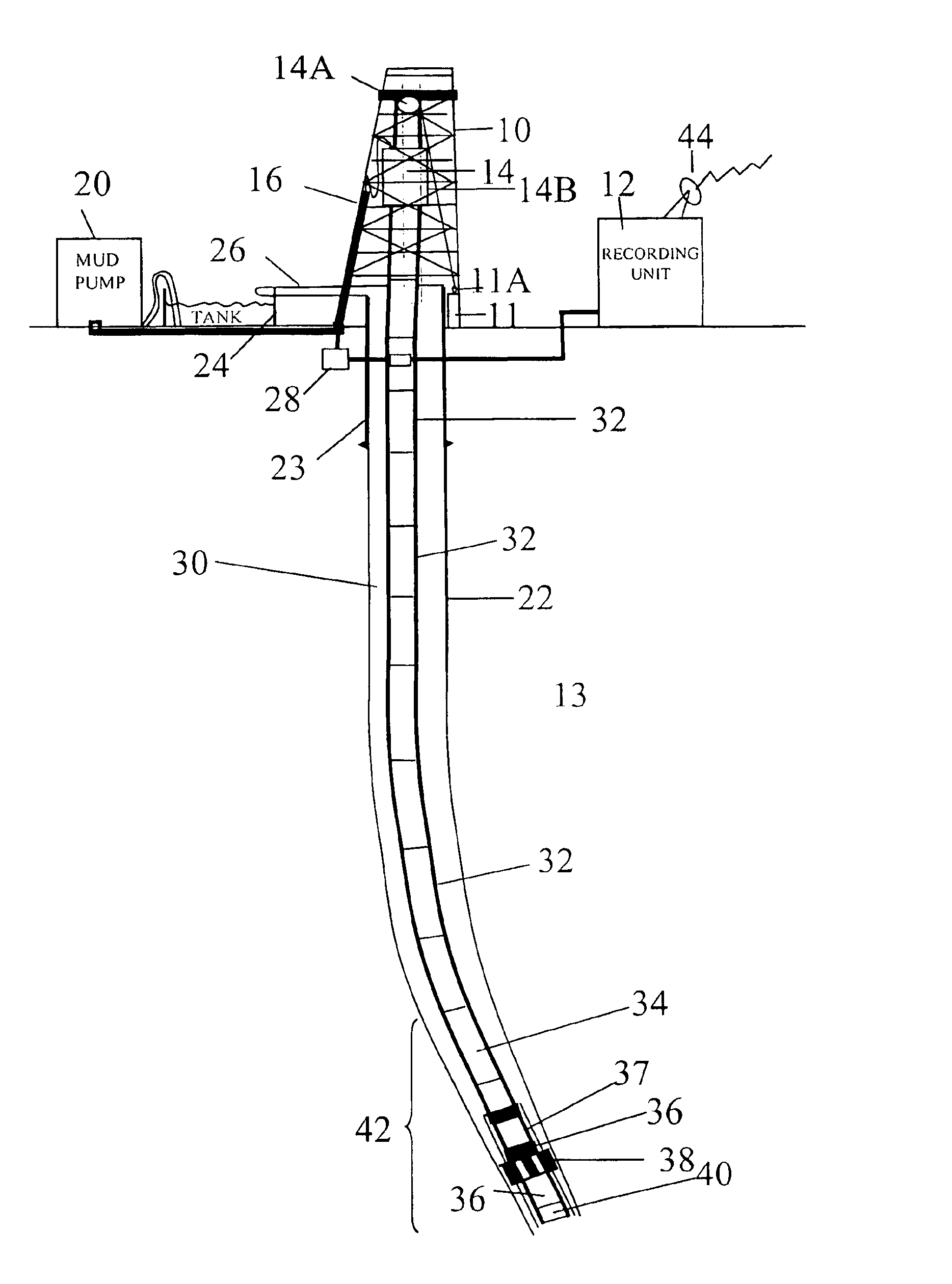
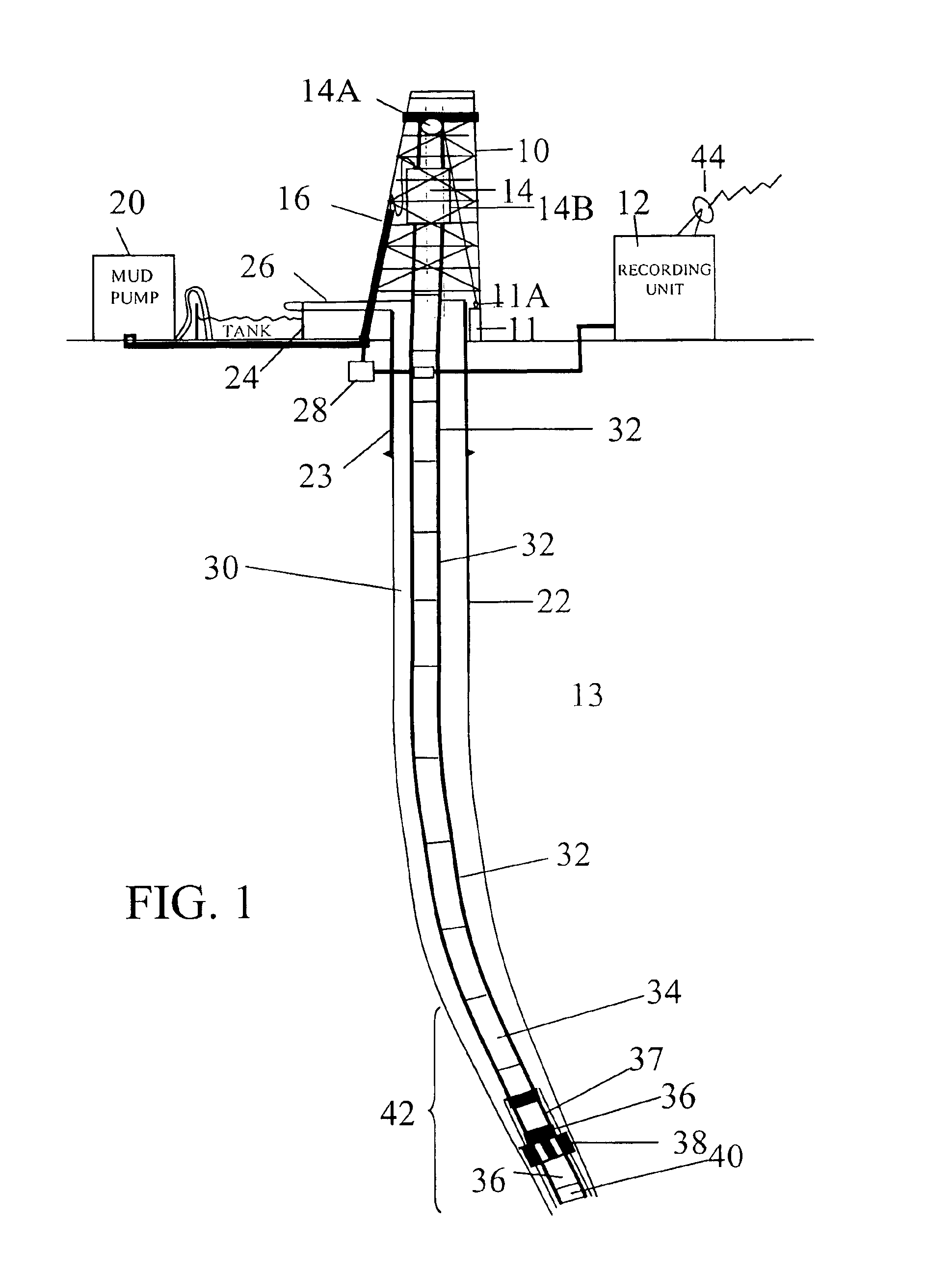
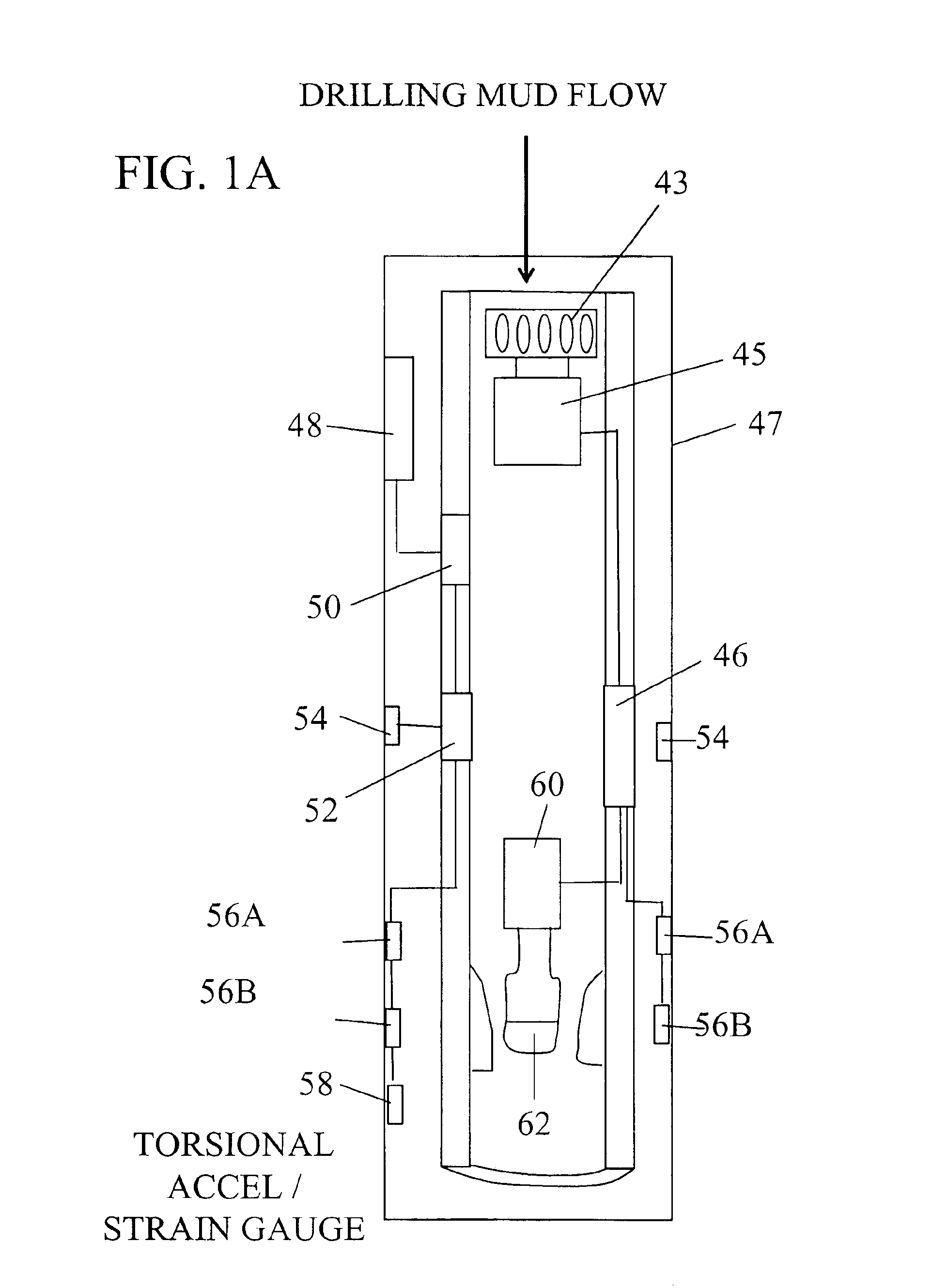
Method for attenuating conductive sonde mandrel effects in an electromagnetic induction well logging apparatus
PatentInactiveUS6891376B2
Innovation
- The method involves deconvolution techniques to adjust the response of electromagnetic induction logging instruments with electrically conductive supports, using convolution and deconvolution operators to match the response of instruments without conductive supports, allowing for accurate measurements despite conductive housing effects.

Safety Standards and Regulations for EMI Deployments
The regulatory landscape for electromagnetic induction (EMI) deployments encompasses a complex framework of international, national, and industry-specific standards designed to ensure safe operation and minimize potential risks. These standards primarily focus on electromagnetic compatibility (EMC), human exposure limits, and equipment safety requirements that directly impact deployment strategies and risk mitigation approaches.
International standards form the foundation of EMI deployment regulations, with the International Electrotechnical Commission (IEC) providing comprehensive guidelines through IEC 61000 series standards. These standards establish electromagnetic compatibility requirements, emission limits, and immunity criteria that EMI systems must meet. The IEEE C95.1 standard specifically addresses human exposure to radiofrequency electromagnetic fields, setting specific absorption rate (SAR) limits and power density thresholds that are critical for EMI deployment planning.
Regional regulatory bodies have developed complementary frameworks that often exceed international baseline requirements. The Federal Communications Commission (FCC) in the United States enforces strict emission standards through Part 15 and Part 18 regulations, while the European Union's EMC Directive 2014/30/EU mandates conformity assessment procedures for electromagnetic compatibility. These regulations require comprehensive testing and certification processes before commercial deployment, significantly influencing risk assessment methodologies.
Industry-specific standards provide additional layers of regulatory compliance, particularly in sectors such as medical devices, automotive, and aerospace applications. The ISO 14708 series for active implantable medical devices and ISO 11452 for automotive EMC testing establish sector-specific requirements that must be integrated into EMI deployment risk management strategies. These standards often require more stringent testing protocols and documentation procedures.
Compliance verification mechanisms include mandatory testing procedures, certification requirements, and ongoing monitoring obligations. Type approval processes require extensive electromagnetic compatibility testing in accredited laboratories, while post-deployment monitoring ensures continued compliance with emission limits and safety thresholds. Non-compliance penalties range from deployment restrictions to significant financial sanctions, making regulatory adherence a critical component of risk mitigation strategies.
Emerging regulatory trends reflect technological advancement and increased awareness of electromagnetic exposure risks. Recent updates to exposure guidelines incorporate new research on biological effects, while proposed regulations for wireless power transfer systems establish specific requirements for EMI deployments in consumer applications. These evolving standards require continuous monitoring and adaptation of deployment strategies to maintain regulatory compliance and minimize operational risks.
International standards form the foundation of EMI deployment regulations, with the International Electrotechnical Commission (IEC) providing comprehensive guidelines through IEC 61000 series standards. These standards establish electromagnetic compatibility requirements, emission limits, and immunity criteria that EMI systems must meet. The IEEE C95.1 standard specifically addresses human exposure to radiofrequency electromagnetic fields, setting specific absorption rate (SAR) limits and power density thresholds that are critical for EMI deployment planning.
Regional regulatory bodies have developed complementary frameworks that often exceed international baseline requirements. The Federal Communications Commission (FCC) in the United States enforces strict emission standards through Part 15 and Part 18 regulations, while the European Union's EMC Directive 2014/30/EU mandates conformity assessment procedures for electromagnetic compatibility. These regulations require comprehensive testing and certification processes before commercial deployment, significantly influencing risk assessment methodologies.
Industry-specific standards provide additional layers of regulatory compliance, particularly in sectors such as medical devices, automotive, and aerospace applications. The ISO 14708 series for active implantable medical devices and ISO 11452 for automotive EMC testing establish sector-specific requirements that must be integrated into EMI deployment risk management strategies. These standards often require more stringent testing protocols and documentation procedures.
Compliance verification mechanisms include mandatory testing procedures, certification requirements, and ongoing monitoring obligations. Type approval processes require extensive electromagnetic compatibility testing in accredited laboratories, while post-deployment monitoring ensures continued compliance with emission limits and safety thresholds. Non-compliance penalties range from deployment restrictions to significant financial sanctions, making regulatory adherence a critical component of risk mitigation strategies.
Emerging regulatory trends reflect technological advancement and increased awareness of electromagnetic exposure risks. Recent updates to exposure guidelines incorporate new research on biological effects, while proposed regulations for wireless power transfer systems establish specific requirements for EMI deployments in consumer applications. These evolving standards require continuous monitoring and adaptation of deployment strategies to maintain regulatory compliance and minimize operational risks.
Environmental Impact Assessment of Electromagnetic Systems
Electromagnetic induction systems present multifaceted environmental challenges that require comprehensive assessment frameworks to ensure sustainable deployment. The environmental impact evaluation encompasses electromagnetic field emissions, thermal effects, material lifecycle considerations, and ecosystem interactions that collectively determine the ecological footprint of these technologies.
Electromagnetic field emissions constitute the primary environmental concern, as these systems generate varying levels of electromagnetic radiation across different frequency spectra. The assessment must evaluate both near-field and far-field emissions, considering their potential effects on wildlife navigation systems, particularly migratory birds and marine species that rely on Earth's magnetic field for orientation. Studies indicate that high-intensity electromagnetic fields can disrupt biological compass mechanisms, potentially affecting migration patterns and breeding behaviors.
Thermal environmental impacts emerge from energy losses inherent in electromagnetic induction processes. Heat generation affects local microclimates, soil temperature profiles, and aquatic environments where underwater systems operate. Temperature elevation can alter soil chemistry, affect root systems of vegetation, and influence microbial communities essential for ecosystem balance. In marine applications, thermal discharge may impact water temperature gradients and dissolved oxygen levels.
Material extraction and manufacturing processes for electromagnetic systems create upstream environmental impacts often overlooked in deployment assessments. Rare earth elements required for high-performance magnets involve environmentally intensive mining operations, while copper conductors demand significant energy inputs during production. The assessment framework must incorporate lifecycle analysis methodologies to quantify these embedded environmental costs.
Ecosystem interaction studies reveal complex relationships between electromagnetic infrastructure and biological communities. Electromagnetic fields can influence pollinator behavior, with research suggesting potential disruption to bee navigation systems. Additionally, electromagnetic noise may interfere with animal communication systems, particularly affecting species that utilize bioelectric fields for hunting or social interaction.
Long-term environmental monitoring protocols are essential for comprehensive impact assessment, requiring baseline establishment, continuous monitoring systems, and adaptive management strategies. These protocols must address cumulative effects from multiple electromagnetic sources and consider synergistic interactions with other environmental stressors to provide accurate environmental impact evaluations for electromagnetic induction deployments.
Electromagnetic field emissions constitute the primary environmental concern, as these systems generate varying levels of electromagnetic radiation across different frequency spectra. The assessment must evaluate both near-field and far-field emissions, considering their potential effects on wildlife navigation systems, particularly migratory birds and marine species that rely on Earth's magnetic field for orientation. Studies indicate that high-intensity electromagnetic fields can disrupt biological compass mechanisms, potentially affecting migration patterns and breeding behaviors.
Thermal environmental impacts emerge from energy losses inherent in electromagnetic induction processes. Heat generation affects local microclimates, soil temperature profiles, and aquatic environments where underwater systems operate. Temperature elevation can alter soil chemistry, affect root systems of vegetation, and influence microbial communities essential for ecosystem balance. In marine applications, thermal discharge may impact water temperature gradients and dissolved oxygen levels.
Material extraction and manufacturing processes for electromagnetic systems create upstream environmental impacts often overlooked in deployment assessments. Rare earth elements required for high-performance magnets involve environmentally intensive mining operations, while copper conductors demand significant energy inputs during production. The assessment framework must incorporate lifecycle analysis methodologies to quantify these embedded environmental costs.
Ecosystem interaction studies reveal complex relationships between electromagnetic infrastructure and biological communities. Electromagnetic fields can influence pollinator behavior, with research suggesting potential disruption to bee navigation systems. Additionally, electromagnetic noise may interfere with animal communication systems, particularly affecting species that utilize bioelectric fields for hunting or social interaction.
Long-term environmental monitoring protocols are essential for comprehensive impact assessment, requiring baseline establishment, continuous monitoring systems, and adaptive management strategies. These protocols must address cumulative effects from multiple electromagnetic sources and consider synergistic interactions with other environmental stressors to provide accurate environmental impact evaluations for electromagnetic induction deployments.
Unlock deeper insights with Patsnap Eureka Quick Research — get a full tech report to explore trends and direct your research. Try now!
Generate Your Research Report Instantly with AI Agent
Supercharge your innovation with Patsnap Eureka AI Agent Platform!