

How to Troubleshoot Electromagnetic Induction System Failures
FEB 25, 20269 MIN READ
Generate Your Research Report Instantly with AI Agent
PatSnap Eureka helps you evaluate technical feasibility & market potential.
Electromagnetic Induction System Background and Objectives
Electromagnetic induction systems represent a fundamental technology that harnesses the principles of electromagnetic fields to enable energy transfer, heating, and various industrial applications. These systems operate on Faraday's law of electromagnetic induction, where changing magnetic fields generate electric currents in conductive materials. The technology has evolved from basic laboratory demonstrations in the 19th century to sophisticated industrial solutions spanning manufacturing, automotive, medical, and consumer electronics sectors.
The historical development of electromagnetic induction systems traces back to Michael Faraday's groundbreaking discoveries in 1831, followed by significant advances during the industrial revolution. Modern applications have expanded dramatically, encompassing induction heating for metallurgy, wireless power transfer for electric vehicles, induction cooking appliances, and magnetic resonance imaging systems. Each application domain has driven specialized technological refinements and performance optimization requirements.
Contemporary electromagnetic induction systems face increasing demands for higher efficiency, precise control, and enhanced reliability. The integration of advanced power electronics, digital control systems, and smart sensing technologies has transformed these systems from simple electromagnetic devices into complex, interconnected platforms. This evolution has simultaneously introduced new failure modes and diagnostic challenges that require sophisticated troubleshooting methodologies.
The primary objective of developing comprehensive troubleshooting frameworks for electromagnetic induction system failures centers on minimizing operational downtime and maintaining system performance integrity. Industrial applications particularly demand rapid fault identification and resolution capabilities, as system failures can result in significant production losses and safety hazards. The complexity of modern induction systems necessitates systematic diagnostic approaches that can effectively isolate problems across multiple subsystems including power supplies, control circuits, magnetic components, and thermal management systems.
Advanced troubleshooting objectives also encompass predictive maintenance capabilities, enabling proactive identification of potential failure conditions before they manifest as system malfunctions. This proactive approach requires sophisticated monitoring technologies and data analytics frameworks that can interpret system behavior patterns and identify anomalous conditions. The ultimate goal involves establishing comprehensive diagnostic protocols that combine traditional electrical testing methods with modern condition monitoring techniques, ensuring optimal system availability and performance across diverse operational environments.
The historical development of electromagnetic induction systems traces back to Michael Faraday's groundbreaking discoveries in 1831, followed by significant advances during the industrial revolution. Modern applications have expanded dramatically, encompassing induction heating for metallurgy, wireless power transfer for electric vehicles, induction cooking appliances, and magnetic resonance imaging systems. Each application domain has driven specialized technological refinements and performance optimization requirements.
Contemporary electromagnetic induction systems face increasing demands for higher efficiency, precise control, and enhanced reliability. The integration of advanced power electronics, digital control systems, and smart sensing technologies has transformed these systems from simple electromagnetic devices into complex, interconnected platforms. This evolution has simultaneously introduced new failure modes and diagnostic challenges that require sophisticated troubleshooting methodologies.
The primary objective of developing comprehensive troubleshooting frameworks for electromagnetic induction system failures centers on minimizing operational downtime and maintaining system performance integrity. Industrial applications particularly demand rapid fault identification and resolution capabilities, as system failures can result in significant production losses and safety hazards. The complexity of modern induction systems necessitates systematic diagnostic approaches that can effectively isolate problems across multiple subsystems including power supplies, control circuits, magnetic components, and thermal management systems.
Advanced troubleshooting objectives also encompass predictive maintenance capabilities, enabling proactive identification of potential failure conditions before they manifest as system malfunctions. This proactive approach requires sophisticated monitoring technologies and data analytics frameworks that can interpret system behavior patterns and identify anomalous conditions. The ultimate goal involves establishing comprehensive diagnostic protocols that combine traditional electrical testing methods with modern condition monitoring techniques, ensuring optimal system availability and performance across diverse operational environments.
Market Demand for Reliable Induction System Solutions
The global electromagnetic induction systems market demonstrates substantial growth momentum driven by increasing industrial automation and the widespread adoption of induction heating technologies across manufacturing sectors. Industries such as automotive, aerospace, electronics, and metallurgy rely heavily on electromagnetic induction systems for processes including metal hardening, brazing, melting, and surface treatment applications.
Manufacturing facilities face significant operational challenges when electromagnetic induction systems experience unexpected failures. Unplanned downtime in production lines can result in substantial financial losses, particularly in high-volume manufacturing environments where continuous operation is critical. The automotive industry, for instance, depends on induction heating systems for component hardening processes, where system failures directly impact production schedules and quality standards.
The demand for reliable troubleshooting solutions has intensified as electromagnetic induction systems become more sophisticated and integrated into complex manufacturing workflows. Modern induction systems incorporate advanced power electronics, digital control systems, and sophisticated monitoring capabilities, creating multiple potential failure points that require specialized diagnostic expertise.
Industrial maintenance teams increasingly seek comprehensive troubleshooting methodologies that can rapidly identify root causes of system failures. The complexity of modern induction systems necessitates systematic diagnostic approaches that address electrical, mechanical, thermal, and control system components. Organizations prioritize solutions that minimize diagnostic time while ensuring accurate fault identification.
The market shows growing preference for predictive maintenance approaches over reactive troubleshooting strategies. Companies invest in condition monitoring technologies and diagnostic tools that can detect potential failures before they occur, reducing the frequency of emergency troubleshooting situations. This shift reflects the broader industry trend toward proactive maintenance philosophies.
Service providers specializing in electromagnetic induction system maintenance report increasing demand for rapid response troubleshooting services. The critical nature of these systems in production environments drives requirements for immediate technical support and expert diagnostic capabilities. Remote diagnostic technologies and augmented reality troubleshooting tools are gaining traction as solutions that can provide immediate expert guidance to on-site maintenance personnel.
The market also demonstrates strong demand for training programs and knowledge transfer solutions that enhance internal troubleshooting capabilities. Organizations seek to develop in-house expertise to reduce dependence on external service providers while improving response times to system failures.
Manufacturing facilities face significant operational challenges when electromagnetic induction systems experience unexpected failures. Unplanned downtime in production lines can result in substantial financial losses, particularly in high-volume manufacturing environments where continuous operation is critical. The automotive industry, for instance, depends on induction heating systems for component hardening processes, where system failures directly impact production schedules and quality standards.
The demand for reliable troubleshooting solutions has intensified as electromagnetic induction systems become more sophisticated and integrated into complex manufacturing workflows. Modern induction systems incorporate advanced power electronics, digital control systems, and sophisticated monitoring capabilities, creating multiple potential failure points that require specialized diagnostic expertise.
Industrial maintenance teams increasingly seek comprehensive troubleshooting methodologies that can rapidly identify root causes of system failures. The complexity of modern induction systems necessitates systematic diagnostic approaches that address electrical, mechanical, thermal, and control system components. Organizations prioritize solutions that minimize diagnostic time while ensuring accurate fault identification.
The market shows growing preference for predictive maintenance approaches over reactive troubleshooting strategies. Companies invest in condition monitoring technologies and diagnostic tools that can detect potential failures before they occur, reducing the frequency of emergency troubleshooting situations. This shift reflects the broader industry trend toward proactive maintenance philosophies.
Service providers specializing in electromagnetic induction system maintenance report increasing demand for rapid response troubleshooting services. The critical nature of these systems in production environments drives requirements for immediate technical support and expert diagnostic capabilities. Remote diagnostic technologies and augmented reality troubleshooting tools are gaining traction as solutions that can provide immediate expert guidance to on-site maintenance personnel.
The market also demonstrates strong demand for training programs and knowledge transfer solutions that enhance internal troubleshooting capabilities. Organizations seek to develop in-house expertise to reduce dependence on external service providers while improving response times to system failures.
Current State and Challenges in Induction System Diagnostics
Electromagnetic induction systems currently face significant diagnostic challenges that stem from the complex interplay of electrical, magnetic, and thermal phenomena within these devices. Traditional diagnostic approaches often rely on reactive maintenance strategies, where failures are addressed only after they occur, leading to costly downtime and potential safety hazards in industrial applications.
The present state of induction system diagnostics is characterized by fragmented monitoring approaches that typically focus on individual parameters such as temperature, vibration, or electrical current. However, these isolated measurements fail to capture the holistic behavior of electromagnetic systems, where multiple failure modes can manifest simultaneously or cascade from one subsystem to another.
One of the primary technical challenges lies in the detection of incipient failures in electromagnetic coils and core materials. Insulation degradation, partial discharge phenomena, and magnetic core saturation often develop gradually over extended periods, making early detection extremely difficult with conventional monitoring techniques. Current diagnostic tools frequently lack the sensitivity required to identify these subtle changes before they progress to catastrophic failures.
Thermal management represents another critical challenge in modern induction systems. As power densities continue to increase in industrial applications, thermal stress becomes a dominant failure mechanism. Existing thermal monitoring solutions often provide only surface temperature measurements, failing to capture internal hot spots or thermal gradients that can lead to localized material degradation and eventual system failure.
The integration of multiple diagnostic technologies presents additional complexity. While advanced techniques such as partial discharge analysis, thermographic imaging, and vibration signature analysis offer valuable insights, combining these disparate data streams into coherent diagnostic conclusions remains challenging. The lack of standardized diagnostic protocols and interpretation guidelines further complicates the implementation of comprehensive monitoring systems.
Electromagnetic interference and noise present ongoing obstacles to accurate fault detection. Industrial environments typically contain multiple electromagnetic sources that can mask or distort diagnostic signals, making it difficult to distinguish between actual system anomalies and external interference. This challenge is particularly pronounced in high-power applications where electromagnetic fields can significantly impact sensor performance and data quality.
The geographical distribution of diagnostic expertise reveals significant disparities between developed and emerging markets. Advanced diagnostic capabilities are predominantly concentrated in North America, Europe, and parts of Asia, while many industrial regions lack access to sophisticated monitoring technologies and trained personnel capable of implementing comprehensive diagnostic programs.
The present state of induction system diagnostics is characterized by fragmented monitoring approaches that typically focus on individual parameters such as temperature, vibration, or electrical current. However, these isolated measurements fail to capture the holistic behavior of electromagnetic systems, where multiple failure modes can manifest simultaneously or cascade from one subsystem to another.
One of the primary technical challenges lies in the detection of incipient failures in electromagnetic coils and core materials. Insulation degradation, partial discharge phenomena, and magnetic core saturation often develop gradually over extended periods, making early detection extremely difficult with conventional monitoring techniques. Current diagnostic tools frequently lack the sensitivity required to identify these subtle changes before they progress to catastrophic failures.
Thermal management represents another critical challenge in modern induction systems. As power densities continue to increase in industrial applications, thermal stress becomes a dominant failure mechanism. Existing thermal monitoring solutions often provide only surface temperature measurements, failing to capture internal hot spots or thermal gradients that can lead to localized material degradation and eventual system failure.
The integration of multiple diagnostic technologies presents additional complexity. While advanced techniques such as partial discharge analysis, thermographic imaging, and vibration signature analysis offer valuable insights, combining these disparate data streams into coherent diagnostic conclusions remains challenging. The lack of standardized diagnostic protocols and interpretation guidelines further complicates the implementation of comprehensive monitoring systems.
Electromagnetic interference and noise present ongoing obstacles to accurate fault detection. Industrial environments typically contain multiple electromagnetic sources that can mask or distort diagnostic signals, making it difficult to distinguish between actual system anomalies and external interference. This challenge is particularly pronounced in high-power applications where electromagnetic fields can significantly impact sensor performance and data quality.
The geographical distribution of diagnostic expertise reveals significant disparities between developed and emerging markets. Advanced diagnostic capabilities are predominantly concentrated in North America, Europe, and parts of Asia, while many industrial regions lack access to sophisticated monitoring technologies and trained personnel capable of implementing comprehensive diagnostic programs.
Existing Troubleshooting Solutions for Induction Failures
01 Fault detection and diagnosis methods for electromagnetic induction systems
Various methods and systems are employed to detect and diagnose failures in electromagnetic induction systems. These approaches include monitoring electrical parameters, analyzing signal patterns, and implementing diagnostic algorithms to identify abnormal operating conditions. Advanced detection techniques can identify issues such as coil failures, circuit malfunctions, and component degradation before they lead to complete system failure.- Fault detection and diagnosis methods for electromagnetic induction systems: Various methods and systems are employed to detect and diagnose failures in electromagnetic induction systems. These approaches include monitoring electrical parameters, analyzing signal patterns, and implementing diagnostic algorithms to identify abnormal operating conditions. Advanced detection techniques can identify issues such as coil failures, circuit malfunctions, and component degradation before they lead to complete system failure.
- Protection circuits and safety mechanisms: Protection circuits are integrated into electromagnetic induction systems to prevent damage from overcurrent, overvoltage, and thermal conditions. These safety mechanisms include automatic shutdown features, current limiting circuits, and thermal monitoring systems that activate when abnormal conditions are detected. Such protective measures help prevent catastrophic failures and extend system lifespan.
- Monitoring and control systems for operational reliability: Sophisticated monitoring and control systems are implemented to ensure reliable operation of electromagnetic induction systems. These systems continuously track performance parameters, detect deviations from normal operation, and provide real-time feedback for system adjustments. Control algorithms can automatically compensate for minor faults and alert operators to potential issues requiring maintenance.
- Component failure prevention and redundancy design: Design strategies focus on preventing component failures through redundancy, robust construction, and quality materials. Systems may incorporate backup components, parallel circuits, and fail-safe mechanisms to maintain operation even when individual components fail. These approaches improve overall system reliability and reduce downtime.
- Maintenance and troubleshooting procedures: Systematic maintenance procedures and troubleshooting protocols are established to address electromagnetic induction system failures. These include regular inspection schedules, testing procedures, and repair methodologies. Diagnostic tools and techniques enable technicians to quickly identify root causes of failures and implement appropriate corrective actions to restore system functionality.
02 Protection circuits and safety mechanisms
Protection circuits are integrated into electromagnetic induction systems to prevent damage from overcurrent, overvoltage, and thermal conditions. These safety mechanisms include automatic shutdown features, current limiting circuits, and thermal monitoring systems that activate when abnormal conditions are detected. Such protective measures help prevent catastrophic failures and extend system lifespan.Expand Specific Solutions03 Monitoring and control systems for operational reliability
Comprehensive monitoring and control systems are implemented to ensure reliable operation of electromagnetic induction systems. These systems continuously track performance parameters, detect deviations from normal operation, and provide real-time feedback for system adjustments. Advanced control algorithms can compensate for minor faults and maintain system stability during transient conditions.Expand Specific Solutions04 Component failure prevention and redundancy design
Design strategies focus on preventing component failures through redundancy, robust component selection, and fail-safe mechanisms. These approaches include using backup systems, implementing redundant power paths, and designing components with adequate safety margins. Preventive maintenance protocols and component health monitoring help identify potential failures before they occur.Expand Specific Solutions05 System recovery and fault tolerance mechanisms
Fault tolerance mechanisms enable electromagnetic induction systems to continue operating despite component failures or system faults. These mechanisms include automatic reconfiguration, backup mode operation, and graceful degradation strategies. Recovery systems can restore normal operation after temporary faults and minimize downtime through rapid fault isolation and system restart procedures.Expand Specific Solutions
Key Players in Induction System and Diagnostic Equipment
The electromagnetic induction system troubleshooting market represents a mature technology sector experiencing steady growth driven by increasing automation and electrification across industries. The market spans automotive, industrial automation, energy, and medical device sectors, with significant scale reflected in the diverse player ecosystem. Technology maturity varies considerably among market participants, with established leaders like Siemens AG, Robert Bosch GmbH, and Toyota Motor Corp. demonstrating advanced diagnostic capabilities and comprehensive system integration expertise. Automotive giants including BMW, Nissan, and Continental Automotive leverage sophisticated electromagnetic systems in electric vehicles and advanced driver assistance systems. Industrial specialists such as DENSO Corp., Panasonic Holdings, and Endress+Hauser Flowtec AG provide specialized troubleshooting solutions for manufacturing environments. The competitive landscape shows consolidation around companies with strong R&D capabilities and integrated hardware-software platforms, while emerging players like AMOSENSE focus on IoT-enabled diagnostic solutions, indicating ongoing technological evolution toward predictive maintenance and remote monitoring capabilities.
Robert Bosch GmbH
Technical Solution: Bosch has developed sophisticated electromagnetic induction troubleshooting methodologies specifically for automotive applications, focusing on wireless charging systems and inductive sensors. Their diagnostic approach combines hardware-based testing equipment with software algorithms that can identify coil misalignment, foreign object detection failures, and power transfer efficiency issues. The system utilizes frequency domain analysis and impedance measurements to characterize system performance and identify root causes of failures. Bosch's solution includes automated test sequences, real-time parameter monitoring, and integration with vehicle diagnostic systems for comprehensive electromagnetic induction system health assessment.
Strengths: Strong automotive industry expertise with proven diagnostic solutions and integration capabilities with existing vehicle systems. Weaknesses: Primarily focused on automotive applications with limited applicability to other industrial electromagnetic induction systems.
Siemens AG
Technical Solution: Siemens has developed comprehensive electromagnetic induction system troubleshooting solutions incorporating advanced diagnostic algorithms and real-time monitoring capabilities. Their approach utilizes multi-sensor fusion technology to detect anomalies in magnetic field patterns, temperature variations, and electrical parameter deviations. The system employs machine learning algorithms to predict potential failures before they occur, analyzing historical data patterns and current operational parameters. Their diagnostic platform includes automated fault isolation procedures, step-by-step troubleshooting guides, and remote monitoring capabilities that enable predictive maintenance strategies for industrial electromagnetic induction systems.
Strengths: Comprehensive diagnostic capabilities with predictive analytics and extensive industrial automation experience. Weaknesses: High implementation costs and complexity requiring specialized technical expertise for operation and maintenance.
Core Technologies in Electromagnetic Fault Detection
System and method for detecting fault in an ac machine
PatentActiveUS20120001580A1
Innovation
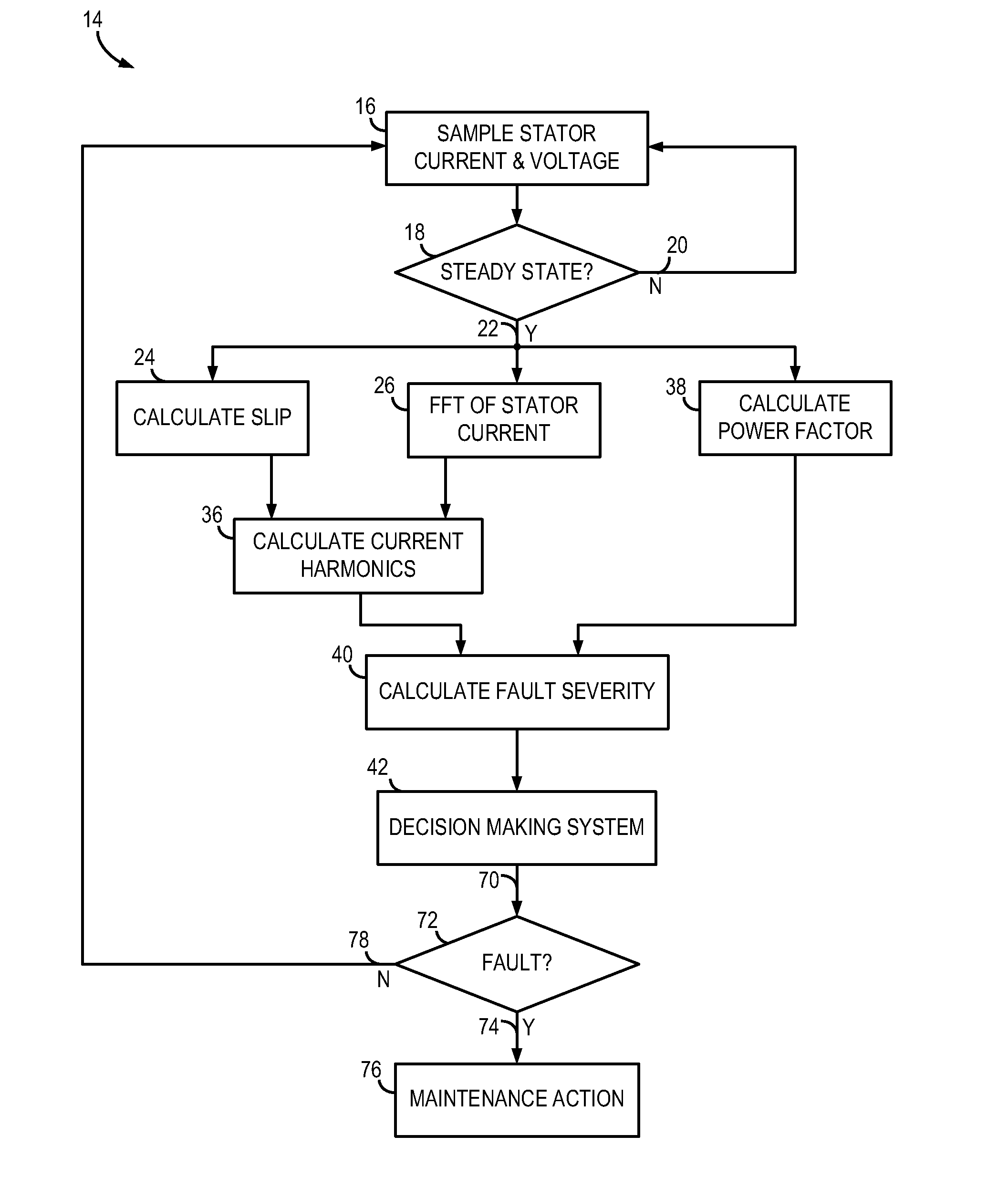
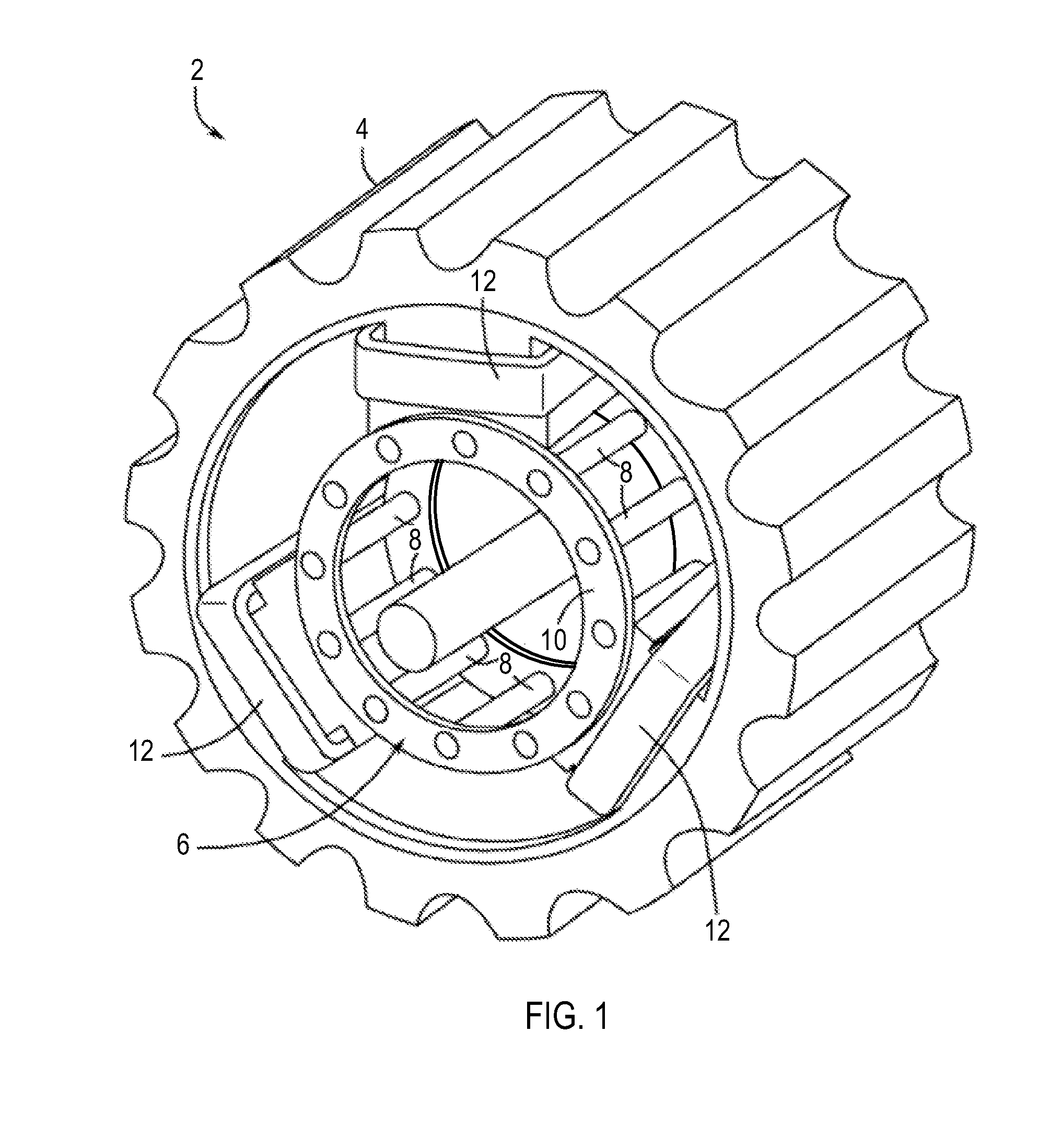
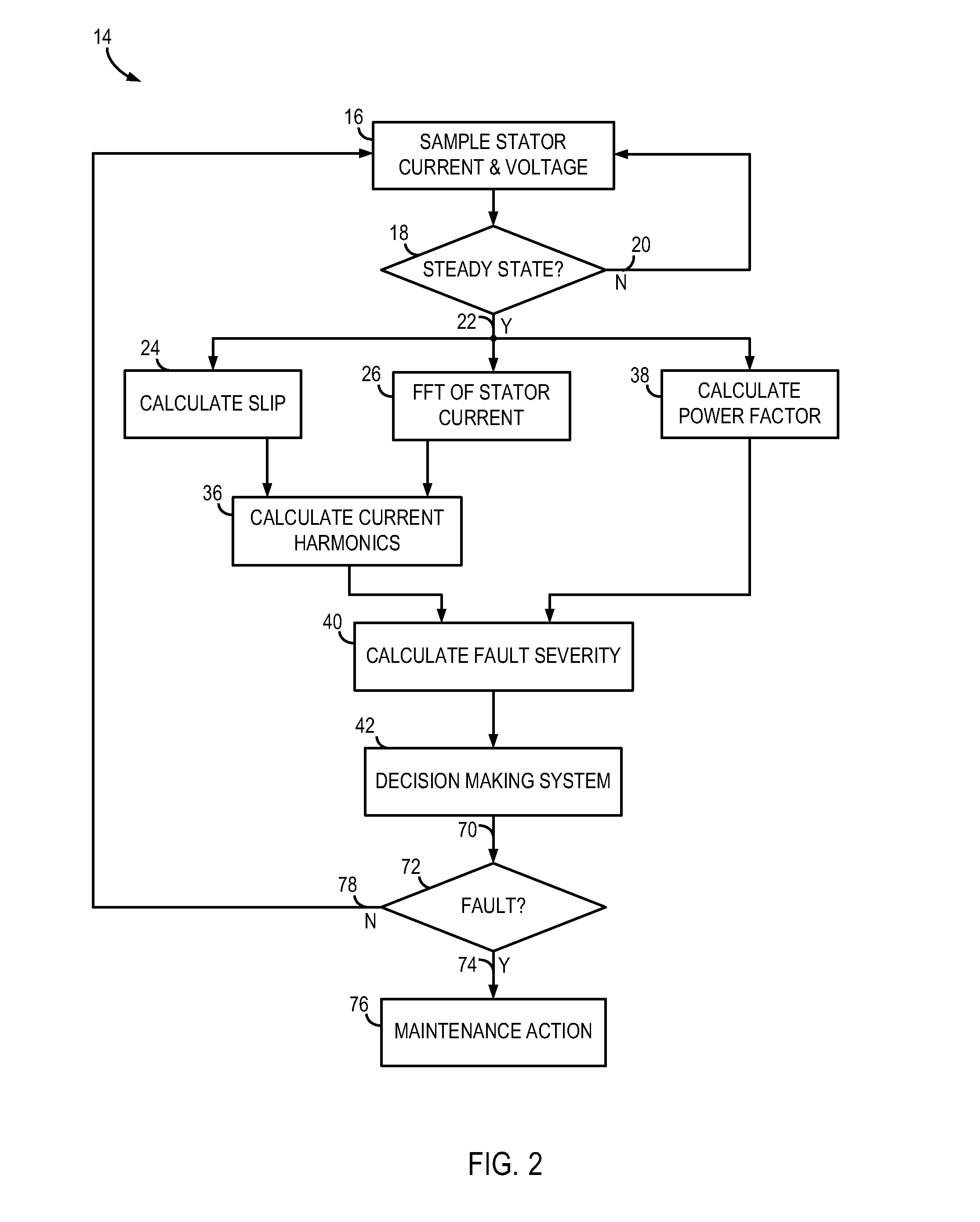
- A system and method that uses a controller to analyze voltage and current data to generate a current frequency spectrum, identify rotor-fault related harmonics, calculate a fault severity indicator, and determine the possibility of a rotor fault, with adaptive filtering and fuzzy logic to reduce false alarms and improve detection accuracy.

Electromagnetic induction apparatus
PatentWO2014030299A1
Innovation
- The electromagnetic induction device features power receiving coils arranged in a plane, with a load device section, including the drive unit, positioned vertically above the power receiving section, and a power receiving coil with a larger area than the transmitting coil to capture leakage magnetic flux, along with a circuit board and metal frame for improved alignment and reduced electromagnetic leakage, and includes air intake/exhaust ports to manage heat.


Safety Standards and Regulations for Induction Systems
Electromagnetic induction systems operate under stringent safety frameworks established by multiple international and national regulatory bodies. The International Electrotechnical Commission (IEC) provides foundational standards through IEC 61000 series for electromagnetic compatibility and IEC 60335 for household appliances incorporating induction technology. These standards define electromagnetic field exposure limits, electrical safety requirements, and interference mitigation protocols essential for system compliance.
National regulatory authorities enforce region-specific safety mandates that directly impact troubleshooting procedures. The Federal Communications Commission (FCC) in the United States regulates electromagnetic emissions through Part 15 and Part 18 regulations, while the European Union enforces the Electromagnetic Compatibility Directive 2014/30/EU and Low Voltage Directive 2014/35/EU. These regulations establish mandatory testing protocols, certification requirements, and operational parameters that technicians must consider during failure analysis.
Safety standards specifically address human exposure to electromagnetic fields through guidelines established by the International Commission on Non-Ionizing Radiation Protection (ICNIRP). These standards define specific absorption rate limits and exposure duration thresholds that influence system design and troubleshooting approaches. Compliance verification requires specialized measurement equipment and documented testing procedures during maintenance operations.
Industrial safety regulations encompass workplace safety protocols defined by organizations such as OSHA in the United States and similar bodies globally. These regulations mandate proper personal protective equipment, lockout/tagout procedures, and electrical safety practices during system maintenance and troubleshooting activities. Technicians must follow established safety protocols when accessing high-voltage components or working near active electromagnetic fields.
Quality management standards including ISO 9001 and industry-specific certifications establish documentation requirements for troubleshooting procedures and failure analysis reports. These standards ensure traceability of maintenance activities, proper record-keeping of safety incidents, and continuous improvement of troubleshooting methodologies. Compliance with these standards is often mandatory for manufacturers and service providers operating in regulated industries such as medical devices, automotive, and aerospace applications.
National regulatory authorities enforce region-specific safety mandates that directly impact troubleshooting procedures. The Federal Communications Commission (FCC) in the United States regulates electromagnetic emissions through Part 15 and Part 18 regulations, while the European Union enforces the Electromagnetic Compatibility Directive 2014/30/EU and Low Voltage Directive 2014/35/EU. These regulations establish mandatory testing protocols, certification requirements, and operational parameters that technicians must consider during failure analysis.
Safety standards specifically address human exposure to electromagnetic fields through guidelines established by the International Commission on Non-Ionizing Radiation Protection (ICNIRP). These standards define specific absorption rate limits and exposure duration thresholds that influence system design and troubleshooting approaches. Compliance verification requires specialized measurement equipment and documented testing procedures during maintenance operations.
Industrial safety regulations encompass workplace safety protocols defined by organizations such as OSHA in the United States and similar bodies globally. These regulations mandate proper personal protective equipment, lockout/tagout procedures, and electrical safety practices during system maintenance and troubleshooting activities. Technicians must follow established safety protocols when accessing high-voltage components or working near active electromagnetic fields.
Quality management standards including ISO 9001 and industry-specific certifications establish documentation requirements for troubleshooting procedures and failure analysis reports. These standards ensure traceability of maintenance activities, proper record-keeping of safety incidents, and continuous improvement of troubleshooting methodologies. Compliance with these standards is often mandatory for manufacturers and service providers operating in regulated industries such as medical devices, automotive, and aerospace applications.
Cost-Benefit Analysis of Advanced Diagnostic Technologies
The economic evaluation of advanced diagnostic technologies for electromagnetic induction system troubleshooting reveals significant variations in cost-effectiveness across different technological approaches. Traditional diagnostic methods, while cost-efficient in terms of initial investment, often result in extended downtime periods and higher long-term operational costs due to their reactive nature and limited precision in fault identification.
Advanced thermal imaging systems represent a moderate investment tier, typically requiring initial capital expenditure ranging from $15,000 to $50,000 for industrial-grade equipment. The return on investment becomes apparent through reduced diagnostic time, with fault identification periods decreasing from hours to minutes. The technology demonstrates particular cost-effectiveness in high-value production environments where downtime costs exceed $1,000 per hour.
Artificial intelligence-powered diagnostic platforms command higher initial investments, often exceeding $100,000 for comprehensive implementation including software licensing, hardware integration, and personnel training. However, these systems deliver substantial long-term benefits through predictive maintenance capabilities, reducing unexpected failures by up to 70% and extending equipment lifespan by 15-20%.
Real-time monitoring systems with IoT integration present scalable investment options, with costs varying from $5,000 for basic implementations to $200,000 for enterprise-wide deployments. The technology's value proposition lies in continuous system health assessment, enabling proactive maintenance scheduling and preventing catastrophic failures that could result in equipment replacement costs exceeding $500,000.
The analysis indicates that organizations with annual electromagnetic induction system maintenance budgets exceeding $250,000 achieve optimal cost-benefit ratios when implementing hybrid diagnostic approaches combining multiple advanced technologies. Smaller operations benefit most from targeted thermal imaging solutions, while large-scale industrial facilities justify comprehensive AI-driven diagnostic ecosystems through substantial downtime cost avoidance and improved operational efficiency metrics.
Advanced thermal imaging systems represent a moderate investment tier, typically requiring initial capital expenditure ranging from $15,000 to $50,000 for industrial-grade equipment. The return on investment becomes apparent through reduced diagnostic time, with fault identification periods decreasing from hours to minutes. The technology demonstrates particular cost-effectiveness in high-value production environments where downtime costs exceed $1,000 per hour.
Artificial intelligence-powered diagnostic platforms command higher initial investments, often exceeding $100,000 for comprehensive implementation including software licensing, hardware integration, and personnel training. However, these systems deliver substantial long-term benefits through predictive maintenance capabilities, reducing unexpected failures by up to 70% and extending equipment lifespan by 15-20%.
Real-time monitoring systems with IoT integration present scalable investment options, with costs varying from $5,000 for basic implementations to $200,000 for enterprise-wide deployments. The technology's value proposition lies in continuous system health assessment, enabling proactive maintenance scheduling and preventing catastrophic failures that could result in equipment replacement costs exceeding $500,000.
The analysis indicates that organizations with annual electromagnetic induction system maintenance budgets exceeding $250,000 achieve optimal cost-benefit ratios when implementing hybrid diagnostic approaches combining multiple advanced technologies. Smaller operations benefit most from targeted thermal imaging solutions, while large-scale industrial facilities justify comprehensive AI-driven diagnostic ecosystems through substantial downtime cost avoidance and improved operational efficiency metrics.
Unlock deeper insights with PatSnap Eureka Quick Research — get a full tech report to explore trends and direct your research. Try now!
Generate Your Research Report Instantly with AI Agent
Supercharge your innovation with PatSnap Eureka AI Agent Platform!