How to Reduce Design Iterations Using Simulation-Driven Design
MAR 6, 20269 MIN READ
Generate Your Research Report Instantly with AI Agent
Patsnap Eureka helps you evaluate technical feasibility & market potential.
Simulation-Driven Design Evolution and Objectives
Simulation-driven design has undergone a remarkable transformation since its inception in the 1960s, evolving from basic finite element analysis tools to sophisticated multi-physics simulation platforms that fundamentally reshape product development methodologies. The early computational methods were primarily limited to structural analysis and required extensive computational resources, making them accessible only to aerospace and automotive industries with substantial research budgets.
The evolution accelerated significantly during the 1980s and 1990s with the advent of personal computing and graphical user interfaces, democratizing simulation tools across various engineering disciplines. This period witnessed the integration of computer-aided design with simulation capabilities, enabling engineers to perform iterative analyses directly within their design environments. The introduction of parametric modeling and automated mesh generation further streamlined the simulation workflow, reducing setup time and technical barriers.
Modern simulation-driven design represents a paradigm shift from traditional trial-and-error approaches to predictive engineering methodologies. Contemporary platforms leverage cloud computing, artificial intelligence, and machine learning algorithms to accelerate simulation processes and provide intelligent design recommendations. The integration of real-time simulation feedback with design modifications has created closed-loop optimization systems that can automatically refine designs based on performance criteria.
The primary objective of implementing simulation-driven design is to minimize physical prototyping cycles while maximizing design confidence and product performance. Organizations seek to achieve first-time-right designs by identifying potential issues early in the development process, when modifications are less costly and time-consuming. This approach enables engineers to explore broader design spaces and evaluate multiple concepts simultaneously, leading to more innovative and optimized solutions.
Current technological trends indicate a movement toward immersive simulation experiences through virtual and augmented reality interfaces, allowing design teams to interact with simulation results in three-dimensional environments. The integration of Internet of Things sensors with simulation models creates digital twins that continuously validate and update predictive models based on real-world performance data, establishing a foundation for predictive maintenance and lifecycle optimization strategies.
The evolution accelerated significantly during the 1980s and 1990s with the advent of personal computing and graphical user interfaces, democratizing simulation tools across various engineering disciplines. This period witnessed the integration of computer-aided design with simulation capabilities, enabling engineers to perform iterative analyses directly within their design environments. The introduction of parametric modeling and automated mesh generation further streamlined the simulation workflow, reducing setup time and technical barriers.
Modern simulation-driven design represents a paradigm shift from traditional trial-and-error approaches to predictive engineering methodologies. Contemporary platforms leverage cloud computing, artificial intelligence, and machine learning algorithms to accelerate simulation processes and provide intelligent design recommendations. The integration of real-time simulation feedback with design modifications has created closed-loop optimization systems that can automatically refine designs based on performance criteria.
The primary objective of implementing simulation-driven design is to minimize physical prototyping cycles while maximizing design confidence and product performance. Organizations seek to achieve first-time-right designs by identifying potential issues early in the development process, when modifications are less costly and time-consuming. This approach enables engineers to explore broader design spaces and evaluate multiple concepts simultaneously, leading to more innovative and optimized solutions.
Current technological trends indicate a movement toward immersive simulation experiences through virtual and augmented reality interfaces, allowing design teams to interact with simulation results in three-dimensional environments. The integration of Internet of Things sensors with simulation models creates digital twins that continuously validate and update predictive models based on real-world performance data, establishing a foundation for predictive maintenance and lifecycle optimization strategies.
Market Demand for Reduced Design Iteration Cycles
The global manufacturing landscape is experiencing unprecedented pressure to accelerate product development cycles while maintaining quality standards and controlling costs. Traditional design methodologies, characterized by multiple physical prototyping phases and iterative testing cycles, are increasingly viewed as bottlenecks in competitive markets where time-to-market advantages can determine commercial success.
Automotive manufacturers face particularly acute challenges, with vehicle development cycles traditionally spanning four to six years. The industry's shift toward electric vehicles and autonomous systems has intensified the need for rapid design validation, as companies race to establish market positions in emerging segments. Similar pressures exist in aerospace, where certification requirements demand extensive validation while project timelines compress due to competitive dynamics.
Consumer electronics markets demonstrate the most aggressive iteration reduction demands. Product lifecycles have shortened dramatically, with smartphone manufacturers now operating on annual refresh cycles and wearable device companies launching multiple variants within single calendar years. This acceleration has created substantial market opportunities for simulation technologies that can replace physical testing phases.
The semiconductor industry represents another critical demand driver, where design iteration costs escalate exponentially with each fabrication run. Advanced node processes require simulation-driven approaches not merely for efficiency but for economic viability, as physical prototyping costs can reach millions of dollars per iteration.
Industrial equipment manufacturers increasingly recognize simulation-driven design as essential for managing complexity in connected and automated systems. The integration of IoT capabilities and predictive maintenance features has expanded design parameter spaces beyond what traditional iterative approaches can efficiently explore.
Market research indicates that companies implementing comprehensive simulation-driven design methodologies report significant competitive advantages in bid processes and customer acquisition. The ability to demonstrate design confidence through validated simulation results has become a differentiating factor in B2B sales cycles, particularly for custom engineering solutions.
The demand extends beyond traditional engineering sectors into emerging fields such as renewable energy systems, where rapid technology evolution and cost optimization pressures create strong incentives for simulation-based design validation. Wind turbine manufacturers and solar panel developers increasingly rely on simulation to optimize performance parameters without extensive field testing phases.
Automotive manufacturers face particularly acute challenges, with vehicle development cycles traditionally spanning four to six years. The industry's shift toward electric vehicles and autonomous systems has intensified the need for rapid design validation, as companies race to establish market positions in emerging segments. Similar pressures exist in aerospace, where certification requirements demand extensive validation while project timelines compress due to competitive dynamics.
Consumer electronics markets demonstrate the most aggressive iteration reduction demands. Product lifecycles have shortened dramatically, with smartphone manufacturers now operating on annual refresh cycles and wearable device companies launching multiple variants within single calendar years. This acceleration has created substantial market opportunities for simulation technologies that can replace physical testing phases.
The semiconductor industry represents another critical demand driver, where design iteration costs escalate exponentially with each fabrication run. Advanced node processes require simulation-driven approaches not merely for efficiency but for economic viability, as physical prototyping costs can reach millions of dollars per iteration.
Industrial equipment manufacturers increasingly recognize simulation-driven design as essential for managing complexity in connected and automated systems. The integration of IoT capabilities and predictive maintenance features has expanded design parameter spaces beyond what traditional iterative approaches can efficiently explore.
Market research indicates that companies implementing comprehensive simulation-driven design methodologies report significant competitive advantages in bid processes and customer acquisition. The ability to demonstrate design confidence through validated simulation results has become a differentiating factor in B2B sales cycles, particularly for custom engineering solutions.
The demand extends beyond traditional engineering sectors into emerging fields such as renewable energy systems, where rapid technology evolution and cost optimization pressures create strong incentives for simulation-based design validation. Wind turbine manufacturers and solar panel developers increasingly rely on simulation to optimize performance parameters without extensive field testing phases.
Current Simulation Technology Limitations and Challenges
Despite significant advances in simulation technology, several fundamental limitations continue to hinder the full realization of simulation-driven design objectives. Computational complexity remains one of the most persistent challenges, particularly when dealing with multi-physics simulations that require coupling of different physical phenomena such as fluid dynamics, structural mechanics, and thermal analysis. These complex simulations often demand substantial computational resources and extended processing times, creating bottlenecks in the design iteration cycle.
Accuracy and validation issues present another critical challenge in current simulation frameworks. Many simulation models rely on simplified assumptions and approximations that may not fully capture real-world conditions. The gap between simulated results and actual physical behavior can lead to design decisions based on incomplete or potentially misleading information, ultimately requiring additional physical testing and validation cycles.
Model fidelity versus computational efficiency represents a persistent trade-off that designers must navigate. High-fidelity models that accurately represent complex geometries and material properties often require prohibitive computational resources, while simplified models may miss critical design insights. This balance becomes particularly challenging when attempting to simulate large assemblies or systems with multiple interacting components.
Integration and interoperability challenges plague many organizations attempting to implement comprehensive simulation-driven design workflows. Different simulation tools often use incompatible data formats, requiring time-consuming data translation processes that introduce potential errors and inefficiencies. The lack of seamless integration between CAD systems, simulation software, and design optimization tools creates workflow disruptions that can negate the time-saving benefits of simulation-driven approaches.
User expertise requirements constitute a significant barrier to widespread adoption of advanced simulation technologies. Many sophisticated simulation tools require specialized knowledge and extensive training, limiting their accessibility to expert users. This expertise gap can create organizational bottlenecks where simulation capabilities are concentrated among a small number of specialists, potentially slowing down the overall design process.
Uncertainty quantification and sensitivity analysis capabilities remain underdeveloped in many commercial simulation platforms. Understanding how input parameter variations and uncertainties propagate through simulation models is crucial for making robust design decisions, yet many current tools provide limited support for comprehensive uncertainty analysis, leaving designers with incomplete information about the reliability of their simulation results.
Accuracy and validation issues present another critical challenge in current simulation frameworks. Many simulation models rely on simplified assumptions and approximations that may not fully capture real-world conditions. The gap between simulated results and actual physical behavior can lead to design decisions based on incomplete or potentially misleading information, ultimately requiring additional physical testing and validation cycles.
Model fidelity versus computational efficiency represents a persistent trade-off that designers must navigate. High-fidelity models that accurately represent complex geometries and material properties often require prohibitive computational resources, while simplified models may miss critical design insights. This balance becomes particularly challenging when attempting to simulate large assemblies or systems with multiple interacting components.
Integration and interoperability challenges plague many organizations attempting to implement comprehensive simulation-driven design workflows. Different simulation tools often use incompatible data formats, requiring time-consuming data translation processes that introduce potential errors and inefficiencies. The lack of seamless integration between CAD systems, simulation software, and design optimization tools creates workflow disruptions that can negate the time-saving benefits of simulation-driven approaches.
User expertise requirements constitute a significant barrier to widespread adoption of advanced simulation technologies. Many sophisticated simulation tools require specialized knowledge and extensive training, limiting their accessibility to expert users. This expertise gap can create organizational bottlenecks where simulation capabilities are concentrated among a small number of specialists, potentially slowing down the overall design process.
Uncertainty quantification and sensitivity analysis capabilities remain underdeveloped in many commercial simulation platforms. Understanding how input parameter variations and uncertainties propagate through simulation models is crucial for making robust design decisions, yet many current tools provide limited support for comprehensive uncertainty analysis, leaving designers with incomplete information about the reliability of their simulation results.
Existing Simulation-Based Design Optimization Solutions
01 Iterative design optimization using simulation feedback
Methods and systems for performing iterative design modifications based on simulation results to optimize product performance. The design process involves running simulations, analyzing results, automatically or manually adjusting design parameters, and re-simulating until desired performance criteria are met. This iterative approach enables rapid exploration of design alternatives and convergence toward optimal solutions without physical prototyping.- Iterative design optimization using simulation feedback: Methods and systems for performing iterative design optimization by utilizing simulation results to guide successive design modifications. The process involves running simulations on initial designs, analyzing performance metrics, and automatically or semi-automatically adjusting design parameters based on simulation feedback. This iterative loop continues until design objectives are met or optimized, enabling efficient exploration of design spaces and convergence toward optimal solutions.
- Automated design iteration workflows with simulation integration: Systems that automate the design iteration process by integrating simulation tools within the design workflow. These systems can automatically generate design variants, execute simulations, evaluate results against predefined criteria, and propose or implement design changes. The automation reduces manual intervention, accelerates the design cycle, and ensures consistent application of design rules and optimization strategies throughout multiple iterations.
- Multi-physics simulation for comprehensive design evaluation: Approaches that employ multi-physics simulations during design iterations to evaluate multiple performance aspects simultaneously. These methods consider various physical phenomena such as structural, thermal, electromagnetic, and fluid dynamics in an integrated manner. By analyzing interactions between different physical domains during each iteration, designers can identify trade-offs and optimize designs for overall performance rather than isolated characteristics.
- Parametric modeling and sensitivity analysis in iterative design: Techniques that utilize parametric modeling combined with sensitivity analysis to guide design iterations. These methods identify which design parameters have the most significant impact on performance through simulation-based sensitivity studies. By focusing iterative efforts on the most influential parameters, the design process becomes more efficient and targeted, reducing the number of iterations needed to achieve desired performance levels.
- Machine learning-enhanced simulation-driven design iteration: Advanced systems that incorporate machine learning algorithms to enhance simulation-driven design iterations. These systems learn from previous simulation results and design outcomes to predict performance, suggest promising design directions, and reduce computational costs by creating surrogate models. The machine learning component enables faster convergence, intelligent exploration of design spaces, and identification of non-obvious design solutions that might be missed through conventional iterative approaches.
02 Automated design iteration through machine learning and AI
Systems that employ artificial intelligence and machine learning algorithms to automate the design iteration process. These systems learn from previous simulation results to predict optimal design modifications, reducing the number of iterations required. The automated approach accelerates the design cycle by intelligently proposing design changes based on performance objectives and constraints.Expand Specific Solutions03 Multi-physics simulation integration for comprehensive design evaluation
Approaches that integrate multiple simulation domains such as structural, thermal, fluid dynamics, and electromagnetic analyses within the iterative design process. This comprehensive evaluation enables designers to understand complex interactions between different physical phenomena and optimize designs considering multiple performance aspects simultaneously during each iteration cycle.Expand Specific Solutions04 Parametric modeling and design space exploration
Techniques utilizing parametric models that allow systematic exploration of design spaces through automated variation of design parameters. These methods enable efficient iteration through numerous design configurations by defining relationships between parameters and automatically generating design variants for simulation. The approach facilitates identification of optimal parameter combinations and understanding of design sensitivities.Expand Specific Solutions05 Real-time simulation and interactive design modification
Systems providing real-time or near-real-time simulation capabilities that enable designers to interactively modify designs and immediately observe simulation results. This rapid feedback loop accelerates the iteration process by allowing designers to quickly evaluate design changes and make informed decisions. The interactive approach enhances designer productivity and facilitates intuitive design exploration.Expand Specific Solutions
Leading Simulation Software and Engineering Companies
The simulation-driven design market is experiencing rapid growth as industries increasingly adopt digital transformation strategies to accelerate product development cycles. The market spans multiple sectors including semiconductor design, automotive engineering, and industrial manufacturing, with significant expansion driven by demand for reduced time-to-market and cost optimization. Technology maturity varies considerably across market segments, with established EDA leaders like Cadence Design Systems, Synopsys, and ANSYS offering sophisticated simulation platforms, while emerging players such as Silimate and Axion introduce AI-powered solutions for next-generation design automation. Traditional industrial giants including Siemens, Autodesk, and IBM provide comprehensive simulation suites, while automotive manufacturers like BMW, Renault, and China FAW increasingly integrate simulation-driven methodologies into their design processes. The competitive landscape reflects a maturing industry where established simulation software providers compete alongside innovative startups leveraging artificial intelligence and machine learning to further reduce design iterations and enhance predictive accuracy.
Cadence Design Systems, Inc.
Technical Solution: Cadence implements simulation-driven design primarily in electronic systems through its Virtuoso platform and system-level design tools. Their approach combines circuit simulation, electromagnetic analysis, and thermal modeling to optimize semiconductor and PCB designs before fabrication. The platform features advanced Monte Carlo analysis, process variation modeling, and AI-driven design optimization that can reduce design spins by 40-60%. Cadence's digital twin technology for electronic systems enables predictive analysis of performance, power, and reliability, allowing engineers to identify and resolve design issues in the virtual domain rather than through multiple silicon iterations.
Strengths: Leading position in electronic design automation, excellent process technology integration, strong AI/ML capabilities. Weaknesses: Primarily focused on electronics domain, high complexity for non-expert users, expensive licensing model.
Synopsys, Inc.
Technical Solution: Synopsys delivers simulation-driven design solutions through its comprehensive EDA suite, focusing on semiconductor and software design optimization. Their platform integrates circuit simulation, physical verification, and system-level modeling to minimize design iterations in chip development. The company's AI-enhanced design space optimization (DSO) technology can reduce design closure time by up to 50% through intelligent parameter sweeping and machine learning-based prediction models. Synopsys' virtual prototyping solutions enable software development and system validation before hardware availability, significantly reducing overall product development cycles and eliminating costly respins in semiconductor manufacturing.
Strengths: Comprehensive semiconductor design coverage, advanced AI integration, strong IP portfolio. Weaknesses: Highly specialized for semiconductor industry, steep learning curve, significant computational resource requirements.
Advanced Simulation Algorithms and Validation Techniques
Generative design based on reverse and forward modeling machine learning
PatentActiveCN114391150A
Innovation
- Use machine learning networks for generative design, optimize design parameters through the combination of reverse models and proxy models, quickly explore multiple design options, and reduce design and analysis time.


Hierarchical system design
PatentInactiveUS7657416B1
Innovation
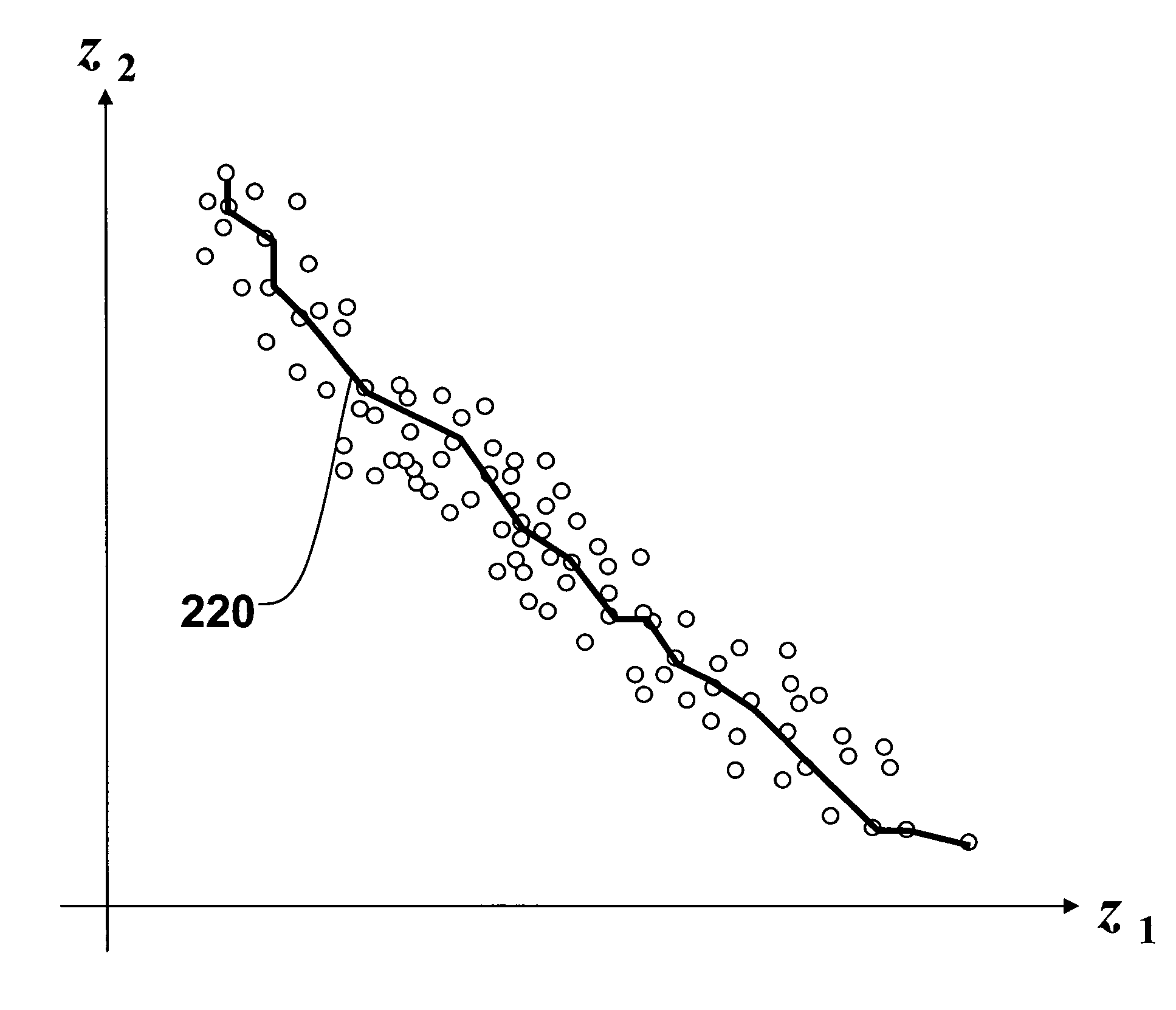
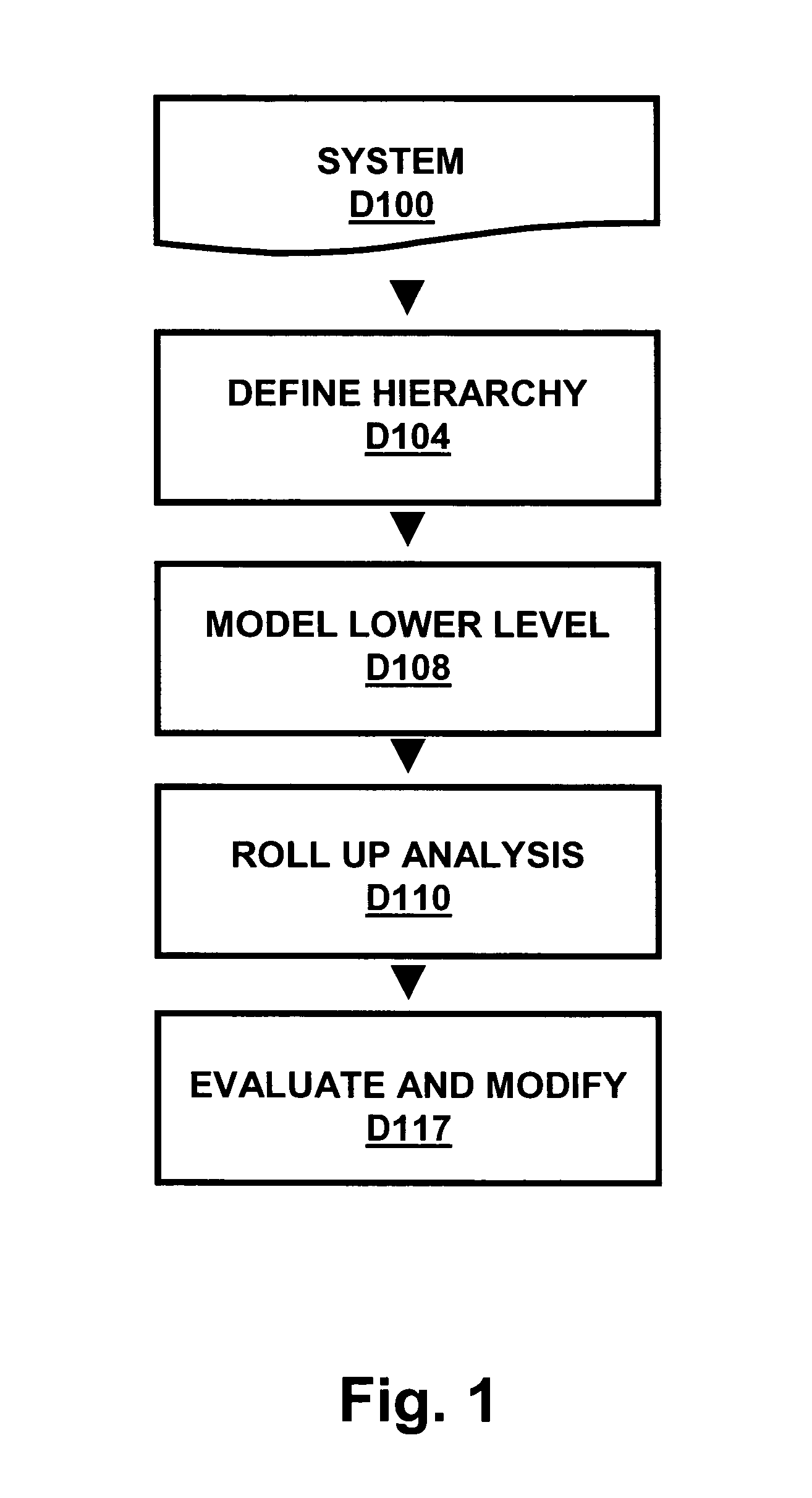
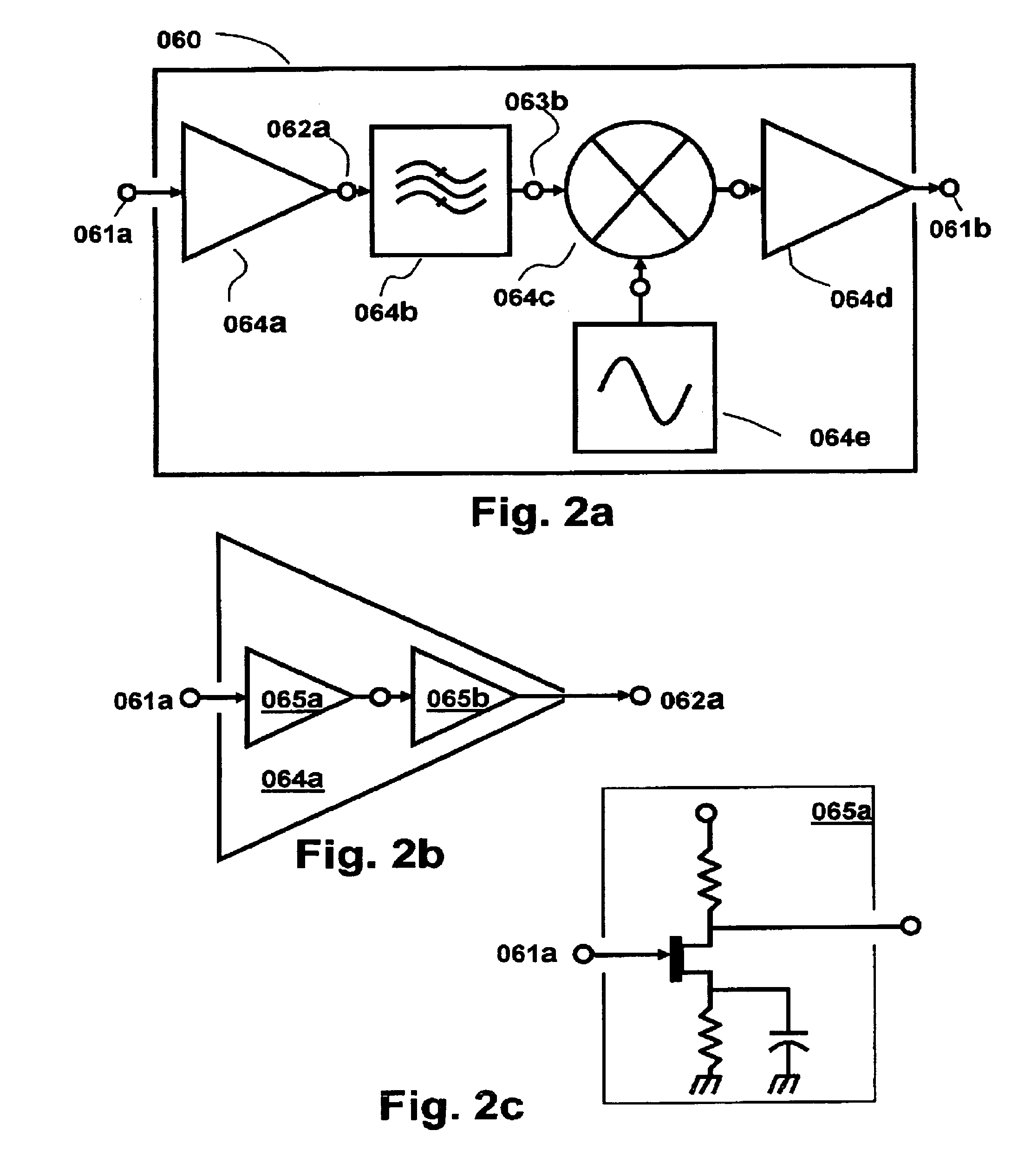
- The method involves hierarchically partitioning a system into top-level and subcircuits with fewer variables, allowing for independent design sub-spaces exploration, reducing simulation time, and facilitating parallel processing, while utilizing techniques like PCA and data visualization to guide the design space exploration.

Industry Standards for Simulation Accuracy and Validation
The establishment of robust industry standards for simulation accuracy and validation represents a critical foundation for implementing effective simulation-driven design methodologies. These standards provide the necessary framework to ensure that simulation results can be trusted for making design decisions, thereby reducing the need for multiple physical prototyping cycles and design iterations.
International organizations such as ASME, AIAA, and ISO have developed comprehensive guidelines that define acceptable accuracy thresholds for different types of simulations. The ASME V&V 10 standard for computational solid mechanics and ASME V&V 20 for computational fluid dynamics establish systematic approaches for verification and validation processes. These standards typically require simulation results to demonstrate accuracy within 5-15% of experimental data, depending on the application complexity and safety requirements.
Verification procedures focus on ensuring that mathematical models are correctly implemented in simulation software, while validation confirms that these models accurately represent real-world physics. Industry standards mandate specific protocols for mesh convergence studies, boundary condition verification, and solution independence testing. These procedures help identify and eliminate sources of numerical error that could lead to unreliable simulation predictions.
Validation benchmarks have been established across various industries, with aerospace and automotive sectors leading in standardization efforts. The NASA Standard for Models and Simulations provides rigorous validation requirements for flight-critical applications, while automotive industry standards like ISO 26262 incorporate simulation validation requirements for functional safety assessments. These benchmarks ensure consistent quality across different organizations and simulation tools.
Certification processes for simulation software and methodologies have emerged as essential components of industry standards. Major simulation software vendors now undergo third-party validation testing to demonstrate compliance with industry requirements. This certification framework provides confidence in simulation results and enables regulatory acceptance of simulation-based design decisions, ultimately supporting the reduction of physical testing requirements and design iteration cycles.
International organizations such as ASME, AIAA, and ISO have developed comprehensive guidelines that define acceptable accuracy thresholds for different types of simulations. The ASME V&V 10 standard for computational solid mechanics and ASME V&V 20 for computational fluid dynamics establish systematic approaches for verification and validation processes. These standards typically require simulation results to demonstrate accuracy within 5-15% of experimental data, depending on the application complexity and safety requirements.
Verification procedures focus on ensuring that mathematical models are correctly implemented in simulation software, while validation confirms that these models accurately represent real-world physics. Industry standards mandate specific protocols for mesh convergence studies, boundary condition verification, and solution independence testing. These procedures help identify and eliminate sources of numerical error that could lead to unreliable simulation predictions.
Validation benchmarks have been established across various industries, with aerospace and automotive sectors leading in standardization efforts. The NASA Standard for Models and Simulations provides rigorous validation requirements for flight-critical applications, while automotive industry standards like ISO 26262 incorporate simulation validation requirements for functional safety assessments. These benchmarks ensure consistent quality across different organizations and simulation tools.
Certification processes for simulation software and methodologies have emerged as essential components of industry standards. Major simulation software vendors now undergo third-party validation testing to demonstrate compliance with industry requirements. This certification framework provides confidence in simulation results and enables regulatory acceptance of simulation-based design decisions, ultimately supporting the reduction of physical testing requirements and design iteration cycles.
Cost-Benefit Analysis of Simulation Investment Strategies
The economic evaluation of simulation investment strategies requires a comprehensive framework that balances upfront costs against long-term benefits in design iteration reduction. Organizations must consider both direct financial impacts and indirect value creation when determining optimal simulation deployment approaches.
Initial investment costs encompass software licensing, hardware infrastructure, and personnel training expenses. High-fidelity simulation platforms typically require substantial computational resources, with costs ranging from hundreds of thousands to millions of dollars depending on complexity and scale. Training investments are equally critical, as effective simulation-driven design demands specialized expertise that may require 6-12 months of skill development per engineer.
The primary financial benefits emerge through reduced physical prototyping costs and accelerated time-to-market. Traditional design processes often require multiple physical prototypes costing tens of thousands of dollars each, while simulation can eliminate 60-80% of these iterations. Time compression benefits are equally significant, with simulation-driven approaches potentially reducing development cycles by 20-40%, translating to substantial revenue acceleration in competitive markets.
Risk mitigation represents another crucial benefit category. Early identification of design flaws through simulation prevents costly late-stage modifications that can exceed initial simulation investments by orders of magnitude. This preventive value becomes particularly pronounced in industries with high safety requirements or regulatory compliance costs.
Different investment strategies yield varying return profiles. Phased implementation approaches spread costs over time while building organizational capability gradually. Comprehensive deployment strategies require higher initial investments but deliver faster returns through immediate iteration reduction across all projects.
The break-even analysis typically shows positive returns within 18-36 months for organizations with regular product development cycles. Companies with annual development budgets exceeding $10 million often achieve break-even within the first year due to scale advantages and multiple project benefits.
Strategic considerations must also account for competitive positioning and future capability requirements. Organizations that delay simulation adoption may face increasing competitive disadvantages as simulation-driven design becomes industry standard, making early investment a strategic imperative beyond immediate financial returns.
Initial investment costs encompass software licensing, hardware infrastructure, and personnel training expenses. High-fidelity simulation platforms typically require substantial computational resources, with costs ranging from hundreds of thousands to millions of dollars depending on complexity and scale. Training investments are equally critical, as effective simulation-driven design demands specialized expertise that may require 6-12 months of skill development per engineer.
The primary financial benefits emerge through reduced physical prototyping costs and accelerated time-to-market. Traditional design processes often require multiple physical prototypes costing tens of thousands of dollars each, while simulation can eliminate 60-80% of these iterations. Time compression benefits are equally significant, with simulation-driven approaches potentially reducing development cycles by 20-40%, translating to substantial revenue acceleration in competitive markets.
Risk mitigation represents another crucial benefit category. Early identification of design flaws through simulation prevents costly late-stage modifications that can exceed initial simulation investments by orders of magnitude. This preventive value becomes particularly pronounced in industries with high safety requirements or regulatory compliance costs.
Different investment strategies yield varying return profiles. Phased implementation approaches spread costs over time while building organizational capability gradually. Comprehensive deployment strategies require higher initial investments but deliver faster returns through immediate iteration reduction across all projects.
The break-even analysis typically shows positive returns within 18-36 months for organizations with regular product development cycles. Companies with annual development budgets exceeding $10 million often achieve break-even within the first year due to scale advantages and multiple project benefits.
Strategic considerations must also account for competitive positioning and future capability requirements. Organizations that delay simulation adoption may face increasing competitive disadvantages as simulation-driven design becomes industry standard, making early investment a strategic imperative beyond immediate financial returns.
Unlock deeper insights with Patsnap Eureka Quick Research — get a full tech report to explore trends and direct your research. Try now!
Generate Your Research Report Instantly with AI Agent
Supercharge your innovation with Patsnap Eureka AI Agent Platform!