How to Troubleshoot Active Memory Expansion Systems
MAR 7, 20268 MIN READ
Generate Your Research Report Instantly with AI Agent
Patsnap Eureka helps you evaluate technical feasibility & market potential.
Active Memory Expansion Background and Technical Objectives
Active Memory Expansion (AME) technology represents a critical evolution in modern computing architecture, addressing the persistent challenge of memory bottlenecks that limit system performance and scalability. This technology emerged from the fundamental need to bridge the growing gap between processor speeds and memory capacity, particularly in data-intensive applications such as artificial intelligence, high-performance computing, and enterprise virtualization environments.
The historical development of AME systems traces back to early memory management techniques in mainframe computers, where virtual memory concepts first demonstrated the potential for expanding available memory beyond physical limitations. However, contemporary AME implementations leverage advanced hardware-software integration, incorporating technologies such as memory compression, intelligent caching algorithms, and dynamic memory allocation strategies to achieve unprecedented levels of memory utilization efficiency.
The primary technical objective of AME systems centers on maximizing effective memory capacity while maintaining optimal performance characteristics. This involves implementing sophisticated algorithms that can dynamically compress and decompress memory contents in real-time, ensuring that frequently accessed data remains readily available while less critical information is stored in compressed formats. The system must achieve this expansion without introducing significant latency penalties that could negate the performance benefits.
Another crucial objective involves ensuring seamless integration with existing operating systems and applications. AME technology must operate transparently, allowing legacy software to benefit from expanded memory capacity without requiring modifications or recompilation. This compatibility requirement drives the development of robust abstraction layers and standardized interfaces that can accommodate diverse software ecosystems.
Performance optimization represents a fundamental goal, requiring AME systems to intelligently predict memory access patterns and proactively manage compression ratios based on workload characteristics. The technology must dynamically balance between memory expansion ratios and system responsiveness, adapting to changing computational demands in real-time.
Reliability and data integrity constitute paramount objectives, as AME systems handle critical system and application data. The technology must incorporate comprehensive error detection and correction mechanisms, ensuring that compression and decompression operations maintain absolute data fidelity while providing robust recovery capabilities in case of system failures or unexpected interruptions.
The historical development of AME systems traces back to early memory management techniques in mainframe computers, where virtual memory concepts first demonstrated the potential for expanding available memory beyond physical limitations. However, contemporary AME implementations leverage advanced hardware-software integration, incorporating technologies such as memory compression, intelligent caching algorithms, and dynamic memory allocation strategies to achieve unprecedented levels of memory utilization efficiency.
The primary technical objective of AME systems centers on maximizing effective memory capacity while maintaining optimal performance characteristics. This involves implementing sophisticated algorithms that can dynamically compress and decompress memory contents in real-time, ensuring that frequently accessed data remains readily available while less critical information is stored in compressed formats. The system must achieve this expansion without introducing significant latency penalties that could negate the performance benefits.
Another crucial objective involves ensuring seamless integration with existing operating systems and applications. AME technology must operate transparently, allowing legacy software to benefit from expanded memory capacity without requiring modifications or recompilation. This compatibility requirement drives the development of robust abstraction layers and standardized interfaces that can accommodate diverse software ecosystems.
Performance optimization represents a fundamental goal, requiring AME systems to intelligently predict memory access patterns and proactively manage compression ratios based on workload characteristics. The technology must dynamically balance between memory expansion ratios and system responsiveness, adapting to changing computational demands in real-time.
Reliability and data integrity constitute paramount objectives, as AME systems handle critical system and application data. The technology must incorporate comprehensive error detection and correction mechanisms, ensuring that compression and decompression operations maintain absolute data fidelity while providing robust recovery capabilities in case of system failures or unexpected interruptions.
Market Demand for Dynamic Memory Solutions
The global memory market is experiencing unprecedented growth driven by the exponential increase in data-intensive applications across multiple sectors. Cloud computing infrastructure, artificial intelligence workloads, and high-performance computing environments are creating substantial demand for flexible memory solutions that can adapt to varying computational requirements. Traditional static memory configurations are increasingly inadequate for modern enterprise applications that experience fluctuating memory demands throughout their operational cycles.
Enterprise data centers are particularly driving the adoption of dynamic memory technologies as organizations seek to optimize resource utilization and reduce operational costs. The shift toward virtualized environments and containerized applications has created scenarios where memory requirements can vary dramatically based on workload patterns, time of day, and seasonal business cycles. This variability has made active memory expansion systems essential for maintaining optimal performance while avoiding over-provisioning of hardware resources.
The emergence of memory-intensive technologies such as in-memory databases, real-time analytics platforms, and machine learning frameworks has further amplified market demand. These applications often require rapid scaling of memory resources to handle peak processing loads, making traditional hardware upgrade approaches both time-consuming and cost-prohibitive. Organizations are increasingly seeking solutions that enable dynamic memory allocation without system downtime or performance degradation.
Financial services, telecommunications, and e-commerce sectors represent the largest market segments for dynamic memory solutions. These industries operate mission-critical applications where memory-related performance issues can result in significant revenue losses and customer dissatisfaction. The ability to troubleshoot and maintain active memory expansion systems has become a critical operational capability for these organizations.
Market research indicates strong growth potential in emerging markets where digital transformation initiatives are driving rapid adoption of cloud-native architectures. Small and medium enterprises are increasingly recognizing the value proposition of dynamic memory solutions as they seek to compete with larger organizations while maintaining cost efficiency. The growing complexity of modern software architectures continues to fuel demand for sophisticated memory management capabilities that can adapt to evolving application requirements.
Enterprise data centers are particularly driving the adoption of dynamic memory technologies as organizations seek to optimize resource utilization and reduce operational costs. The shift toward virtualized environments and containerized applications has created scenarios where memory requirements can vary dramatically based on workload patterns, time of day, and seasonal business cycles. This variability has made active memory expansion systems essential for maintaining optimal performance while avoiding over-provisioning of hardware resources.
The emergence of memory-intensive technologies such as in-memory databases, real-time analytics platforms, and machine learning frameworks has further amplified market demand. These applications often require rapid scaling of memory resources to handle peak processing loads, making traditional hardware upgrade approaches both time-consuming and cost-prohibitive. Organizations are increasingly seeking solutions that enable dynamic memory allocation without system downtime or performance degradation.
Financial services, telecommunications, and e-commerce sectors represent the largest market segments for dynamic memory solutions. These industries operate mission-critical applications where memory-related performance issues can result in significant revenue losses and customer dissatisfaction. The ability to troubleshoot and maintain active memory expansion systems has become a critical operational capability for these organizations.
Market research indicates strong growth potential in emerging markets where digital transformation initiatives are driving rapid adoption of cloud-native architectures. Small and medium enterprises are increasingly recognizing the value proposition of dynamic memory solutions as they seek to compete with larger organizations while maintaining cost efficiency. The growing complexity of modern software architectures continues to fuel demand for sophisticated memory management capabilities that can adapt to evolving application requirements.
Current State and Challenges of Memory Expansion Systems
Active memory expansion systems have emerged as a critical technology to address the growing memory demands of modern computing workloads. These systems enable dynamic memory scaling beyond the physical limitations of traditional DIMM-based architectures, supporting applications ranging from high-performance computing to cloud virtualization. Current implementations primarily utilize memory pooling, disaggregated memory architectures, and persistent memory technologies to achieve seamless capacity expansion.
The technology landscape is dominated by several architectural approaches. Memory fabric solutions create shared memory pools accessible across multiple compute nodes through high-speed interconnects like CXL (Compute Express Link) and Gen-Z protocols. Software-defined memory systems leverage virtualization layers to abstract physical memory resources, enabling dynamic allocation and migration. Persistent memory technologies, including Intel Optane and emerging storage-class memory, bridge the gap between volatile DRAM and traditional storage, providing expanded capacity with acceptable latency characteristics.
Despite significant progress, active memory expansion systems face substantial technical challenges. Latency overhead remains a primary concern, as remote memory access typically introduces 2-10x higher latency compared to local DRAM operations. This performance penalty significantly impacts latency-sensitive applications and requires sophisticated caching mechanisms and predictive prefetching algorithms to mitigate. Memory coherence across distributed systems presents another complex challenge, requiring robust protocols to maintain data consistency while minimizing synchronization overhead.
Scalability limitations constrain current implementations, particularly in maintaining performance linearity as memory pools expand. Network bandwidth bottlenecks become apparent when multiple nodes simultaneously access shared memory resources, creating contention that degrades overall system throughput. Additionally, fault tolerance mechanisms must ensure data integrity and system availability when individual memory nodes fail, requiring sophisticated replication and recovery strategies.
Power consumption and thermal management pose additional constraints, as memory expansion systems often require additional networking infrastructure and memory controllers that increase overall system power draw. The complexity of memory management software also presents deployment challenges, requiring specialized expertise and extensive testing to ensure stable operation across diverse workload patterns and system configurations.
The technology landscape is dominated by several architectural approaches. Memory fabric solutions create shared memory pools accessible across multiple compute nodes through high-speed interconnects like CXL (Compute Express Link) and Gen-Z protocols. Software-defined memory systems leverage virtualization layers to abstract physical memory resources, enabling dynamic allocation and migration. Persistent memory technologies, including Intel Optane and emerging storage-class memory, bridge the gap between volatile DRAM and traditional storage, providing expanded capacity with acceptable latency characteristics.
Despite significant progress, active memory expansion systems face substantial technical challenges. Latency overhead remains a primary concern, as remote memory access typically introduces 2-10x higher latency compared to local DRAM operations. This performance penalty significantly impacts latency-sensitive applications and requires sophisticated caching mechanisms and predictive prefetching algorithms to mitigate. Memory coherence across distributed systems presents another complex challenge, requiring robust protocols to maintain data consistency while minimizing synchronization overhead.
Scalability limitations constrain current implementations, particularly in maintaining performance linearity as memory pools expand. Network bandwidth bottlenecks become apparent when multiple nodes simultaneously access shared memory resources, creating contention that degrades overall system throughput. Additionally, fault tolerance mechanisms must ensure data integrity and system availability when individual memory nodes fail, requiring sophisticated replication and recovery strategies.
Power consumption and thermal management pose additional constraints, as memory expansion systems often require additional networking infrastructure and memory controllers that increase overall system power draw. The complexity of memory management software also presents deployment challenges, requiring specialized expertise and extensive testing to ensure stable operation across diverse workload patterns and system configurations.
Current Troubleshooting Solutions for Memory Systems
01 Virtual memory management and address translation
Systems that expand memory capacity through virtual memory techniques, utilizing address translation mechanisms to map virtual addresses to physical memory locations. These systems enable programs to access more memory than physically available by using page tables and translation lookaside buffers (TLBs) to manage memory addressing efficiently.- Virtual memory expansion using disk storage: Systems that expand available memory by utilizing disk storage as an extension of physical RAM. This approach involves swapping data between main memory and secondary storage to create a larger virtual address space. The technique allows systems to run applications requiring more memory than physically available by managing page tables and implementing efficient swap mechanisms.
- Compressed memory expansion techniques: Methods for expanding effective memory capacity through data compression algorithms. These systems compress inactive or less frequently accessed memory pages to free up physical memory space, effectively increasing the available memory without additional hardware. The approach includes real-time compression and decompression mechanisms that maintain system performance while maximizing memory utilization.
- Hierarchical memory expansion architecture: Multi-tier memory systems that create expanded memory spaces through hierarchical storage arrangements. These architectures utilize different memory technologies with varying speeds and capacities, implementing intelligent caching and data migration strategies between tiers. The system optimizes performance by keeping frequently accessed data in faster memory while expanding capacity through slower but larger storage layers.
- Dynamic memory allocation and expansion: Systems that provide flexible memory expansion through dynamic allocation mechanisms and memory pooling techniques. These solutions allow runtime adjustment of memory resources based on application demands, implementing sophisticated algorithms for memory management and allocation. The approach includes techniques for memory defragmentation, garbage collection, and adaptive memory sizing to optimize resource utilization.
- Hardware-based memory expansion modules: Physical memory expansion solutions utilizing additional hardware components and expansion interfaces. These systems incorporate memory expansion cards, modules, or external memory devices that integrate with the main system through dedicated interfaces. The technology includes hot-pluggable memory modules, memory channel expansion, and controller mechanisms that seamlessly integrate additional memory capacity into the existing system architecture.
02 Memory expansion through external storage devices
Technologies that extend system memory by utilizing external storage devices or secondary memory as an extension of main memory. These systems implement mechanisms to swap data between primary memory and external storage, allowing applications to operate with larger memory footprints than the physical RAM available.Expand Specific Solutions03 Dynamic memory allocation and compression
Methods for expanding effective memory capacity through dynamic allocation strategies and memory compression techniques. These approaches optimize memory usage by compressing inactive data, implementing intelligent caching mechanisms, and dynamically reallocating memory resources based on application demands.Expand Specific Solutions04 Multi-tier memory hierarchy systems
Architectures that implement multiple memory tiers with different performance characteristics to expand overall memory capacity. These systems coordinate between fast cache memory, main memory, and slower storage tiers, automatically migrating data between levels based on access patterns and performance requirements.Expand Specific Solutions05 Memory pooling and shared memory expansion
Technologies that enable memory expansion through pooling resources across multiple systems or processors, allowing shared access to distributed memory resources. These systems implement protocols for coherent memory access across networked or clustered computing environments, effectively expanding available memory beyond individual system boundaries.Expand Specific Solutions
Key Players in Memory Expansion Industry
The active memory expansion systems market is experiencing rapid growth driven by increasing demand for enhanced server performance and memory capacity optimization. The industry is in a mature development stage with established players like Intel, Micron Technology, and AMD leading core memory technology innovation, while companies such as Hewlett Packard Enterprise and Inspur provide comprehensive system integration solutions. Technology maturity varies significantly across the competitive landscape - semiconductor giants like Qualcomm, Taiwan Semiconductor Manufacturing, and Toshiba demonstrate advanced manufacturing capabilities, whereas emerging players like xFusion Digital Technologies and Honor Device focus on specialized applications. The market shows strong consolidation trends with major infrastructure providers including Huawei Technologies, ZTE Corp, and Lenovo expanding their memory system portfolios to capture growing enterprise and cloud computing demands.
Micron Technology, Inc.
Technical Solution: Micron's troubleshooting methodology for active memory expansion systems centers on their DDR5 and emerging memory technologies, implementing advanced error correction codes (ECC) and real-time health monitoring. Their approach includes predictive analytics using machine learning algorithms to identify potential failure patterns before system crashes occur. Micron provides comprehensive testing suites that validate memory controller interactions, thermal management effectiveness, and signal integrity across different expansion configurations. Their diagnostic tools offer granular visibility into memory subsystem performance metrics and automated remediation suggestions.
Strengths: Industry-leading memory technology expertise, proactive failure prediction capabilities, comprehensive testing methodologies. Weaknesses: Solutions primarily optimized for Micron memory products, complex implementation requiring specialized expertise.
Hewlett Packard Enterprise Development LP
Technical Solution: HPE's active memory expansion troubleshooting framework leverages their Intelligent Memory technology and HPE InfoSight predictive analytics platform. Their methodology incorporates automated health assessments, performance baseline comparisons, and intelligent workload optimization recommendations. HPE's approach includes comprehensive system-level diagnostics that analyze memory expansion interactions with storage, networking, and compute resources. Their troubleshooting tools provide real-time telemetry data analysis, automated issue classification, and guided resolution workflows that reduce mean time to resolution significantly.
Strengths: Integrated system-level approach, AI-powered predictive analytics, comprehensive enterprise support ecosystem. Weaknesses: Primarily focused on HPE hardware platforms, requires significant infrastructure investment for full capability utilization.
Core Diagnostic Technologies for Memory Expansion
Monitoring of solid state memory devices in active memory system utilizing redundant devices
PatentInactiveUS7185246B2
Innovation
- The solution involves dynamically transitioning memory address ranges from active solid state memory devices to redundant devices for testing, allowing for active monitoring without interrupting system access, enabling the detection and correction of errors with minimal performance impact and cost efficiency.


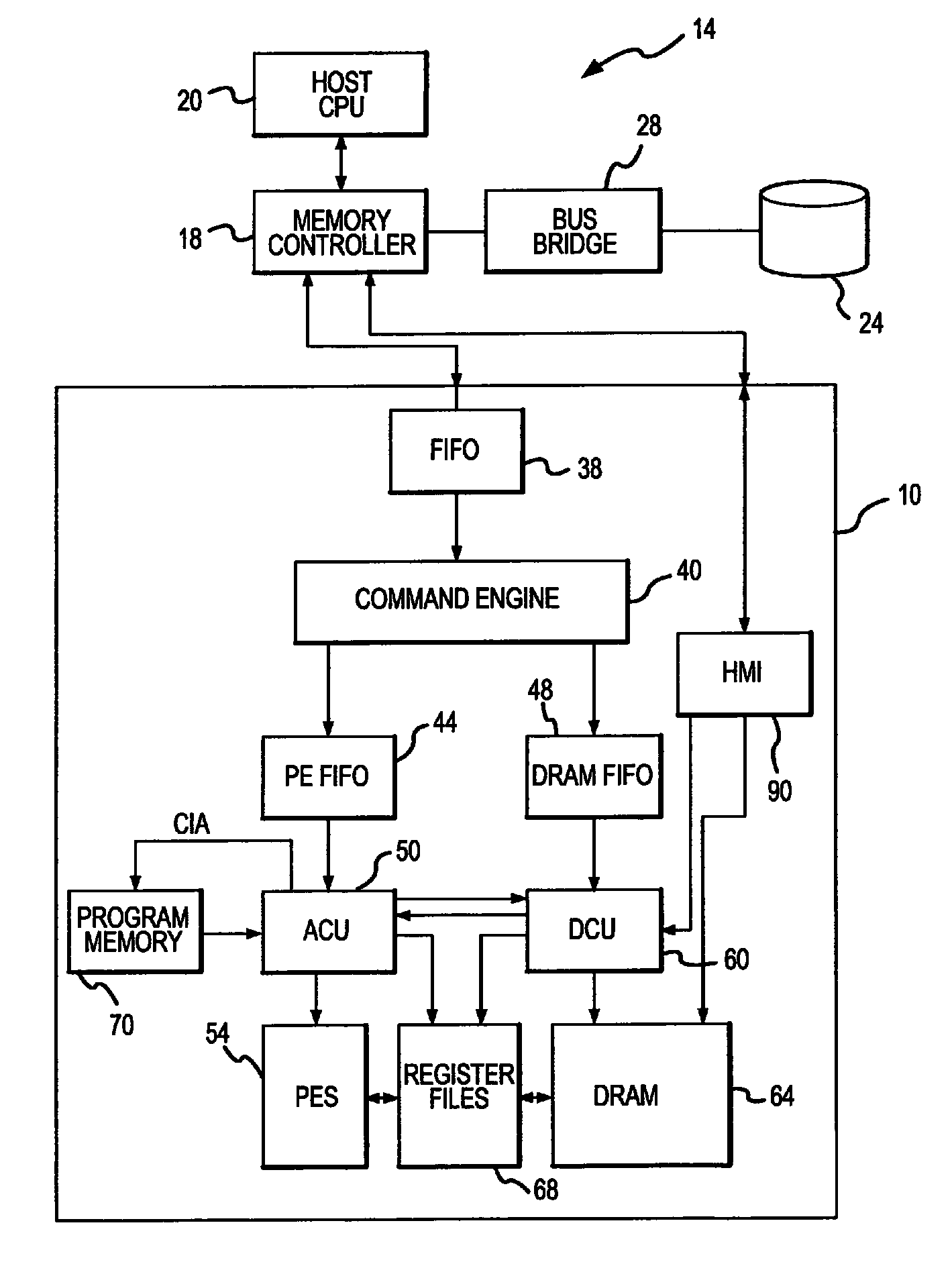
Active memory data compression system and method
PatentActiveUS9015390B2
Innovation
- An integrated circuit active memory device with an array of processing elements, such as SIMD or MIMD processors, compresses and decompresses data through a host/memory interface port, enhancing data bandwidth by executing compression and decompression algorithms stored in program memory, thereby increasing data transfer efficiency.

Performance Standards for Memory Expansion Systems
Performance standards for active memory expansion systems establish critical benchmarks that define acceptable operational parameters and ensure reliable system functionality. These standards encompass multiple dimensions including latency thresholds, bandwidth requirements, error rates, and thermal management specifications that collectively determine system viability in enterprise environments.
Latency performance represents a fundamental metric where memory expansion systems must maintain access times within acceptable ranges compared to native memory configurations. Industry standards typically specify that expanded memory should not exceed 150% of baseline memory latency for sequential operations and 200% for random access patterns. These thresholds ensure that application performance degradation remains within tolerable limits while providing the benefits of increased memory capacity.
Bandwidth utilization standards define minimum throughput requirements that expansion systems must sustain under various workload conditions. Peak bandwidth should achieve at least 80% of the theoretical maximum for the underlying interconnect technology, while sustained bandwidth under mixed workloads should maintain no less than 60% efficiency. These metrics account for protocol overhead and real-world application patterns that differ from synthetic benchmarks.
Error correction and reliability standards mandate specific bit error rates and mean time between failures for expansion memory modules. Acceptable uncorrectable error rates should not exceed one event per 10^17 bits accessed, while correctable errors must remain below one per 10^14 bits. These stringent requirements ensure data integrity across extended memory hierarchies where errors could propagate through multiple system layers.
Thermal and power consumption standards establish operational envelopes that prevent system instability and ensure long-term reliability. Memory expansion modules must operate within specified temperature ranges while maintaining performance characteristics, typically requiring thermal throttling mechanisms that gracefully reduce performance rather than causing system failures when thermal limits approach.
Latency performance represents a fundamental metric where memory expansion systems must maintain access times within acceptable ranges compared to native memory configurations. Industry standards typically specify that expanded memory should not exceed 150% of baseline memory latency for sequential operations and 200% for random access patterns. These thresholds ensure that application performance degradation remains within tolerable limits while providing the benefits of increased memory capacity.
Bandwidth utilization standards define minimum throughput requirements that expansion systems must sustain under various workload conditions. Peak bandwidth should achieve at least 80% of the theoretical maximum for the underlying interconnect technology, while sustained bandwidth under mixed workloads should maintain no less than 60% efficiency. These metrics account for protocol overhead and real-world application patterns that differ from synthetic benchmarks.
Error correction and reliability standards mandate specific bit error rates and mean time between failures for expansion memory modules. Acceptable uncorrectable error rates should not exceed one event per 10^17 bits accessed, while correctable errors must remain below one per 10^14 bits. These stringent requirements ensure data integrity across extended memory hierarchies where errors could propagate through multiple system layers.
Thermal and power consumption standards establish operational envelopes that prevent system instability and ensure long-term reliability. Memory expansion modules must operate within specified temperature ranges while maintaining performance characteristics, typically requiring thermal throttling mechanisms that gracefully reduce performance rather than causing system failures when thermal limits approach.
Cost-Benefit Analysis of Memory Troubleshooting Tools
The economic evaluation of memory troubleshooting tools for active memory expansion systems requires a comprehensive assessment of both direct and indirect costs against measurable benefits. Initial investment costs typically range from $5,000 to $50,000 for enterprise-grade diagnostic suites, depending on the scope of functionality and supported hardware platforms. These tools encompass hardware analyzers, software diagnostic utilities, and specialized testing equipment designed for dynamic memory management systems.
Direct cost components include software licensing fees, hardware procurement, training expenses, and ongoing maintenance contracts. Annual licensing costs for professional memory diagnostic tools average $2,000 to $8,000 per seat, while specialized hardware analyzers can require $15,000 to $30,000 upfront investment. Training costs for technical personnel typically add $1,500 to $3,000 per engineer, representing a significant but necessary expenditure for effective tool utilization.
The benefit analysis reveals substantial returns through reduced system downtime and improved diagnostic efficiency. Organizations report 60-80% reduction in mean time to resolution when utilizing dedicated troubleshooting tools compared to manual diagnostic approaches. This translates to potential savings of $10,000 to $100,000 annually for medium to large-scale deployments, depending on system criticality and operational scale.
Quantifiable benefits include decreased labor costs through automated diagnostic processes, reduced hardware replacement expenses due to accurate fault identification, and minimized business disruption costs. Advanced tools enable predictive maintenance capabilities, allowing organizations to address potential memory expansion issues before they impact production systems. This proactive approach typically reduces emergency maintenance costs by 40-60%.
The return on investment calculation demonstrates positive outcomes within 12-18 months for most enterprise implementations. Organizations with high-availability requirements or large-scale memory expansion deployments often achieve break-even points within 6-12 months. The cost-benefit ratio becomes increasingly favorable as system complexity and scale increase, making these tools essential investments for organizations heavily reliant on active memory expansion technologies.
Direct cost components include software licensing fees, hardware procurement, training expenses, and ongoing maintenance contracts. Annual licensing costs for professional memory diagnostic tools average $2,000 to $8,000 per seat, while specialized hardware analyzers can require $15,000 to $30,000 upfront investment. Training costs for technical personnel typically add $1,500 to $3,000 per engineer, representing a significant but necessary expenditure for effective tool utilization.
The benefit analysis reveals substantial returns through reduced system downtime and improved diagnostic efficiency. Organizations report 60-80% reduction in mean time to resolution when utilizing dedicated troubleshooting tools compared to manual diagnostic approaches. This translates to potential savings of $10,000 to $100,000 annually for medium to large-scale deployments, depending on system criticality and operational scale.
Quantifiable benefits include decreased labor costs through automated diagnostic processes, reduced hardware replacement expenses due to accurate fault identification, and minimized business disruption costs. Advanced tools enable predictive maintenance capabilities, allowing organizations to address potential memory expansion issues before they impact production systems. This proactive approach typically reduces emergency maintenance costs by 40-60%.
The return on investment calculation demonstrates positive outcomes within 12-18 months for most enterprise implementations. Organizations with high-availability requirements or large-scale memory expansion deployments often achieve break-even points within 6-12 months. The cost-benefit ratio becomes increasingly favorable as system complexity and scale increase, making these tools essential investments for organizations heavily reliant on active memory expansion technologies.
Unlock deeper insights with Patsnap Eureka Quick Research — get a full tech report to explore trends and direct your research. Try now!
Generate Your Research Report Instantly with AI Agent
Supercharge your innovation with Patsnap Eureka AI Agent Platform!