

How to Use Machine Learning to Minimize Inter Carrier Interference
MAR 17, 20269 MIN READ
Generate Your Research Report Instantly with AI Agent
Patsnap Eureka helps you evaluate technical feasibility & market potential.
ML-Based ICI Mitigation Background and Objectives
Inter Carrier Interference (ICI) represents one of the most significant technical challenges in modern wireless communication systems, particularly in Orthogonal Frequency Division Multiplexing (OFDM) based networks. This phenomenon occurs when the orthogonality between subcarriers is disrupted due to frequency offset, phase noise, or Doppler shifts caused by mobility, leading to substantial degradation in system performance and data transmission quality.
The evolution of wireless communication standards from 4G LTE to 5G New Radio and beyond has intensified the complexity of ICI mitigation requirements. As communication systems operate at higher frequencies and support increasingly diverse applications ranging from enhanced mobile broadband to ultra-reliable low-latency communications, traditional signal processing approaches have reached their limitations in effectively addressing dynamic interference patterns.
Machine learning emerges as a transformative approach to ICI mitigation, offering adaptive and intelligent solutions that can learn from complex interference patterns and environmental conditions. Unlike conventional mathematical models that rely on predetermined assumptions about channel characteristics, ML-based methods can dynamically adapt to varying interference scenarios and optimize mitigation strategies in real-time.
The primary objective of implementing machine learning for ICI minimization encompasses several critical goals. First, achieving superior interference suppression performance compared to traditional linear and non-linear filtering techniques through intelligent pattern recognition and adaptive signal processing. Second, enabling real-time adaptation to rapidly changing channel conditions and interference environments without requiring extensive manual parameter tuning.
Furthermore, ML-based ICI mitigation aims to optimize spectral efficiency while maintaining acceptable computational complexity for practical implementation in resource-constrained mobile devices and base stations. The approach seeks to leverage deep learning architectures, reinforcement learning algorithms, and hybrid AI techniques to create robust interference cancellation systems that can generalize across diverse deployment scenarios.
The ultimate technical goal involves developing ML frameworks that can predict interference patterns, optimize transmission parameters proactively, and implement intelligent beamforming strategies that minimize ICI impact while maximizing overall system throughput and reliability in next-generation wireless networks.
The evolution of wireless communication standards from 4G LTE to 5G New Radio and beyond has intensified the complexity of ICI mitigation requirements. As communication systems operate at higher frequencies and support increasingly diverse applications ranging from enhanced mobile broadband to ultra-reliable low-latency communications, traditional signal processing approaches have reached their limitations in effectively addressing dynamic interference patterns.
Machine learning emerges as a transformative approach to ICI mitigation, offering adaptive and intelligent solutions that can learn from complex interference patterns and environmental conditions. Unlike conventional mathematical models that rely on predetermined assumptions about channel characteristics, ML-based methods can dynamically adapt to varying interference scenarios and optimize mitigation strategies in real-time.
The primary objective of implementing machine learning for ICI minimization encompasses several critical goals. First, achieving superior interference suppression performance compared to traditional linear and non-linear filtering techniques through intelligent pattern recognition and adaptive signal processing. Second, enabling real-time adaptation to rapidly changing channel conditions and interference environments without requiring extensive manual parameter tuning.
Furthermore, ML-based ICI mitigation aims to optimize spectral efficiency while maintaining acceptable computational complexity for practical implementation in resource-constrained mobile devices and base stations. The approach seeks to leverage deep learning architectures, reinforcement learning algorithms, and hybrid AI techniques to create robust interference cancellation systems that can generalize across diverse deployment scenarios.
The ultimate technical goal involves developing ML frameworks that can predict interference patterns, optimize transmission parameters proactively, and implement intelligent beamforming strategies that minimize ICI impact while maximizing overall system throughput and reliability in next-generation wireless networks.
Market Demand for Advanced ICI Suppression Solutions
The telecommunications industry faces mounting pressure to address inter-carrier interference challenges as network complexity continues to escalate. Traditional ICI mitigation techniques are proving inadequate for modern communication systems, particularly in dense urban environments where multiple carriers operate simultaneously. This inadequacy has created substantial market demand for advanced machine learning-based solutions that can dynamically adapt to changing interference patterns and optimize signal quality in real-time.
Mobile network operators represent the primary market segment driving demand for sophisticated ICI suppression technologies. These operators are experiencing significant revenue losses due to dropped calls, reduced data throughput, and poor service quality caused by interference issues. The proliferation of 5G networks has intensified this problem, as higher frequency bands and increased network density create more opportunities for interference between adjacent carriers.
The satellite communication sector constitutes another critical market segment with urgent ICI suppression needs. Satellite operators managing multiple transponders and frequency bands require intelligent interference management systems to maximize spectrum efficiency and maintain service quality. Machine learning solutions offer the capability to predict and preemptively mitigate interference patterns based on orbital mechanics and traffic patterns.
Enterprise customers in sectors such as broadcasting, aviation, and maritime communications are increasingly seeking advanced ICI suppression solutions. These industries require reliable communication systems with minimal interference tolerance, making them willing to invest in premium machine learning-based technologies that can guarantee consistent performance under challenging conditions.
The market demand is further amplified by regulatory pressures for more efficient spectrum utilization. Government agencies worldwide are mandating stricter interference standards while simultaneously allocating spectrum more densely. This regulatory environment creates compelling business cases for operators to invest in advanced ICI suppression technologies that can help them comply with regulations while maintaining competitive service quality.
Emerging applications in Internet of Things deployments and smart city infrastructure are generating additional market demand. These applications require robust communication links that can operate reliably in electromagnetically noisy environments, driving the need for intelligent interference management solutions that can adapt to diverse and unpredictable interference scenarios.
Mobile network operators represent the primary market segment driving demand for sophisticated ICI suppression technologies. These operators are experiencing significant revenue losses due to dropped calls, reduced data throughput, and poor service quality caused by interference issues. The proliferation of 5G networks has intensified this problem, as higher frequency bands and increased network density create more opportunities for interference between adjacent carriers.
The satellite communication sector constitutes another critical market segment with urgent ICI suppression needs. Satellite operators managing multiple transponders and frequency bands require intelligent interference management systems to maximize spectrum efficiency and maintain service quality. Machine learning solutions offer the capability to predict and preemptively mitigate interference patterns based on orbital mechanics and traffic patterns.
Enterprise customers in sectors such as broadcasting, aviation, and maritime communications are increasingly seeking advanced ICI suppression solutions. These industries require reliable communication systems with minimal interference tolerance, making them willing to invest in premium machine learning-based technologies that can guarantee consistent performance under challenging conditions.
The market demand is further amplified by regulatory pressures for more efficient spectrum utilization. Government agencies worldwide are mandating stricter interference standards while simultaneously allocating spectrum more densely. This regulatory environment creates compelling business cases for operators to invest in advanced ICI suppression technologies that can help them comply with regulations while maintaining competitive service quality.
Emerging applications in Internet of Things deployments and smart city infrastructure are generating additional market demand. These applications require robust communication links that can operate reliably in electromagnetically noisy environments, driving the need for intelligent interference management solutions that can adapt to diverse and unpredictable interference scenarios.
Current ICI Challenges in OFDM Systems
OFDM systems face significant inter-carrier interference challenges that fundamentally stem from the loss of orthogonality between subcarriers. This orthogonality breakdown occurs primarily due to frequency offset errors, timing synchronization issues, and channel impairments that disrupt the precise mathematical relationships required for interference-free transmission.
Frequency offset represents one of the most critical ICI sources in OFDM implementations. Even minor deviations from the expected carrier frequencies can cause substantial spectral leakage between adjacent subcarriers. This phenomenon becomes particularly pronounced in mobile communication scenarios where Doppler shifts introduce dynamic frequency variations that traditional compensation methods struggle to track effectively.
Timing synchronization errors constitute another major challenge, as OFDM systems require precise symbol timing to maintain subcarrier orthogonality. Symbol timing offset and sampling frequency offset create systematic interference patterns that degrade overall system performance. The cyclic prefix, while providing some protection against timing errors, cannot completely eliminate ICI when synchronization tolerances are exceeded.
Channel-induced ICI emerges from time-varying multipath propagation environments where the channel characteristics change within an OFDM symbol duration. Fast fading conditions, particularly common in high-mobility scenarios, violate the assumption of static channel response during symbol transmission, leading to inter-carrier crosstalk that conventional equalization techniques cannot adequately address.
Phase noise from local oscillators introduces additional complexity to ICI mitigation efforts. The random phase variations corrupt the phase relationships between subcarriers, creating both common phase error and inter-carrier interference components. High-frequency phase noise components particularly contribute to ICI generation, requiring sophisticated compensation algorithms.
Multi-antenna OFDM systems face compounded ICI challenges due to antenna-specific channel variations and imperfect channel state information. MIMO-OFDM implementations must contend with spatial correlation effects and antenna coupling that can exacerbate interference between both spatial streams and frequency subcarriers.
Current analytical models for ICI characterization often rely on simplified assumptions that inadequately capture the complex, time-varying nature of real-world interference scenarios. Traditional linear approximation methods fail to account for the nonlinear interactions between multiple interference sources, limiting the effectiveness of conventional mitigation strategies and highlighting the need for more adaptive, intelligent approaches to ICI suppression.
Frequency offset represents one of the most critical ICI sources in OFDM implementations. Even minor deviations from the expected carrier frequencies can cause substantial spectral leakage between adjacent subcarriers. This phenomenon becomes particularly pronounced in mobile communication scenarios where Doppler shifts introduce dynamic frequency variations that traditional compensation methods struggle to track effectively.
Timing synchronization errors constitute another major challenge, as OFDM systems require precise symbol timing to maintain subcarrier orthogonality. Symbol timing offset and sampling frequency offset create systematic interference patterns that degrade overall system performance. The cyclic prefix, while providing some protection against timing errors, cannot completely eliminate ICI when synchronization tolerances are exceeded.
Channel-induced ICI emerges from time-varying multipath propagation environments where the channel characteristics change within an OFDM symbol duration. Fast fading conditions, particularly common in high-mobility scenarios, violate the assumption of static channel response during symbol transmission, leading to inter-carrier crosstalk that conventional equalization techniques cannot adequately address.
Phase noise from local oscillators introduces additional complexity to ICI mitigation efforts. The random phase variations corrupt the phase relationships between subcarriers, creating both common phase error and inter-carrier interference components. High-frequency phase noise components particularly contribute to ICI generation, requiring sophisticated compensation algorithms.
Multi-antenna OFDM systems face compounded ICI challenges due to antenna-specific channel variations and imperfect channel state information. MIMO-OFDM implementations must contend with spatial correlation effects and antenna coupling that can exacerbate interference between both spatial streams and frequency subcarriers.
Current analytical models for ICI characterization often rely on simplified assumptions that inadequately capture the complex, time-varying nature of real-world interference scenarios. Traditional linear approximation methods fail to account for the nonlinear interactions between multiple interference sources, limiting the effectiveness of conventional mitigation strategies and highlighting the need for more adaptive, intelligent approaches to ICI suppression.
Existing ML Approaches for ICI Reduction
01 Machine learning-based channel estimation and equalization
Machine learning algorithms can be employed to estimate channel characteristics and perform equalization in communication systems affected by inter-carrier interference. These techniques utilize neural networks or adaptive algorithms to learn the channel response and compensate for distortions. By training models on received signals, the system can predict and mitigate interference effects, improving signal quality and data throughput in multi-carrier systems.- Machine learning-based channel estimation and equalization: Machine learning algorithms can be employed to estimate channel characteristics and perform equalization in communication systems affected by inter-carrier interference. These techniques utilize neural networks or adaptive algorithms to learn the channel response and compensate for distortions. By training models on received signals, the system can predict and mitigate interference effects, improving signal quality and data transmission reliability in multi-carrier systems.
- Adaptive interference cancellation using learning algorithms: Adaptive interference cancellation techniques leverage machine learning to dynamically identify and suppress inter-carrier interference in real-time. These methods continuously update their parameters based on the changing interference environment, allowing the system to adapt to varying channel conditions. The learning algorithms can detect interference patterns and apply appropriate cancellation strategies to enhance signal reception and reduce error rates.
- Neural network-based signal detection and decoding: Neural networks can be utilized for signal detection and decoding in systems experiencing inter-carrier interference. These networks are trained to recognize complex signal patterns and distinguish between desired signals and interference components. By processing received data through multiple layers, the neural network can extract relevant features and make accurate decisions about transmitted symbols, thereby improving overall system performance in challenging interference scenarios.
- Predictive modeling for interference mitigation: Predictive modeling approaches use machine learning to forecast interference patterns and proactively adjust transmission parameters. These models analyze historical data and current channel conditions to predict future interference levels, enabling the system to optimize resource allocation and modulation schemes. By anticipating interference before it significantly degrades performance, the system can maintain higher data rates and more reliable communications.
- Deep learning for OFDM interference suppression: Deep learning architectures are applied specifically to orthogonal frequency division multiplexing systems to suppress inter-carrier interference. These advanced models can learn complex relationships between subcarriers and identify interference sources that traditional methods might miss. The deep learning approach enables more sophisticated interference suppression by processing multi-dimensional signal representations and extracting high-level features that characterize interference patterns.
02 Adaptive interference cancellation using learning algorithms
Adaptive interference cancellation techniques leverage machine learning to dynamically identify and suppress inter-carrier interference in real-time. These methods continuously update their parameters based on the changing interference environment, allowing the receiver to adapt to varying channel conditions. The learning algorithms can detect interference patterns and apply appropriate cancellation strategies to enhance signal reception quality.Expand Specific Solutions03 Neural network-based signal detection and decoding
Neural networks can be utilized for signal detection and decoding in systems experiencing inter-carrier interference. These networks are trained to recognize patterns in corrupted signals and extract the original transmitted data. Deep learning architectures can learn complex relationships between interfered signals and their clean counterparts, enabling robust detection even under severe interference conditions.Expand Specific Solutions04 Predictive modeling for interference mitigation
Machine learning models can predict the occurrence and characteristics of inter-carrier interference based on historical data and system parameters. These predictive models enable proactive interference mitigation strategies by forecasting interference patterns before they significantly degrade system performance. The predictions can be used to adjust transmission parameters, allocate resources, or apply pre-emptive compensation techniques.Expand Specific Solutions05 Reinforcement learning for dynamic resource allocation
Reinforcement learning techniques can optimize resource allocation in multi-carrier systems to minimize inter-carrier interference. These algorithms learn optimal policies for carrier assignment, power allocation, and scheduling through interaction with the communication environment. By maximizing long-term performance metrics, reinforcement learning can adapt resource allocation strategies to reduce interference and improve overall system efficiency.Expand Specific Solutions
Key Players in ML-Enhanced Communication Systems
The machine learning-based inter-carrier interference minimization technology represents an emerging field within the telecommunications industry, currently in its early-to-mid development stage with significant growth potential. The market is experiencing rapid expansion driven by 5G deployment and increasing spectrum efficiency demands. Technology maturity varies considerably across market participants, with established telecommunications giants like Ericsson, Samsung Electronics, and ZTE Corp. leading advanced research initiatives, while semiconductor specialists including Intel Corp., NXP Semiconductors, and Realtek demonstrate strong foundational capabilities. Network operators such as Orange SA, T-Mobile US, and Verizon Patent & Licensing are actively implementing these solutions. Academic institutions like Beijing Institute of Technology and Institute of Science Tokyo contribute cutting-edge research, while consumer electronics manufacturers including Apple, LG Electronics, and Xiaomi integrate these technologies into mobile devices, creating a diverse competitive landscape with varying technological readiness levels.
Telefonaktiebolaget LM Ericsson
Technical Solution: Ericsson employs advanced machine learning algorithms including deep neural networks and reinforcement learning to predict and mitigate inter-carrier interference in 5G networks. Their solution utilizes real-time channel state information and historical interference patterns to dynamically adjust transmission parameters, power allocation, and beamforming coefficients. The ML models are trained on massive datasets collected from live network deployments, enabling adaptive interference cancellation that can reduce ICI by up to 15-20dB in dense urban environments. Their approach integrates with existing RAN infrastructure and supports both sub-6GHz and mmWave frequency bands.
Strengths: Extensive field deployment experience, comprehensive dataset from global networks, proven interference reduction performance. Weaknesses: High computational complexity, requires significant infrastructure upgrades for full implementation.
ZTE Corp.
Technical Solution: ZTE implements machine learning for ICI mitigation through their CloudRAN architecture, utilizing centralized processing capabilities to deploy sophisticated ML algorithms across multiple base stations simultaneously. Their solution employs deep reinforcement learning agents that continuously learn optimal interference management strategies from network conditions. The system uses graph neural networks to model complex interference relationships between different carriers and cells, enabling coordinated multi-point transmission and reception. ZTE's approach includes automated feature engineering that adapts to different deployment scenarios, from dense urban areas to rural environments, with reported interference reduction of 10-15dB in typical scenarios.
Strengths: Centralized processing enables sophisticated algorithms, strong performance in diverse deployment scenarios, cost-effective cloud-based architecture. Weaknesses: Dependence on centralized infrastructure, potential latency issues in distributed deployments.
Core ML Algorithms for ICI Suppression
Low noise inter-symbol and inter-carrier interference cancellation for multi-carrier modulation receivers
PatentActiveUS7711059B2
Innovation
- The proposed solution involves identifying subsets of sub-carriers with negligible and significant interference, performing equalization and interference cancellation separately to minimize cross-coupling, and using channel identification to obtain optimal FEQ/IC coefficients, thereby enhancing cancellation efficiency.
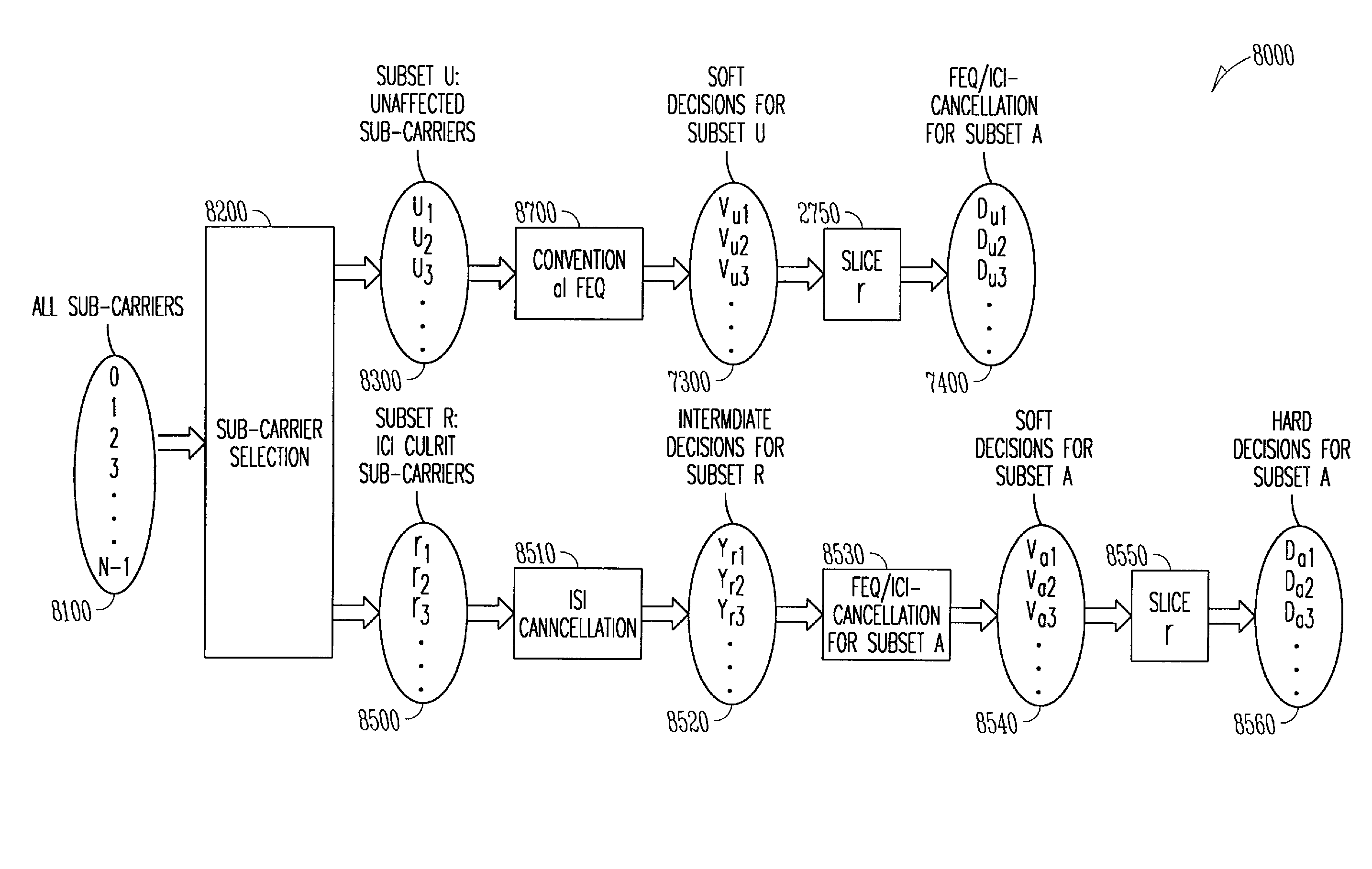
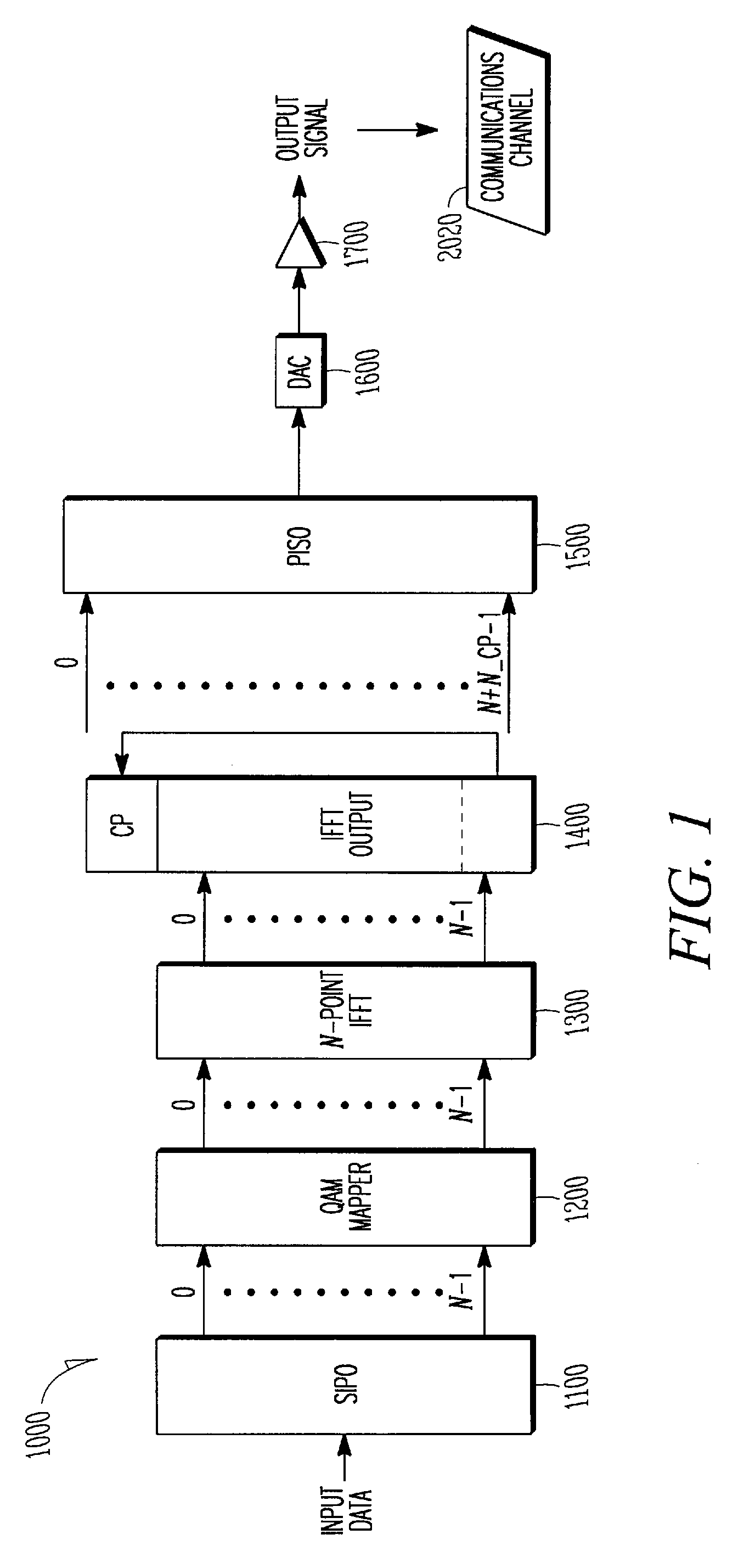
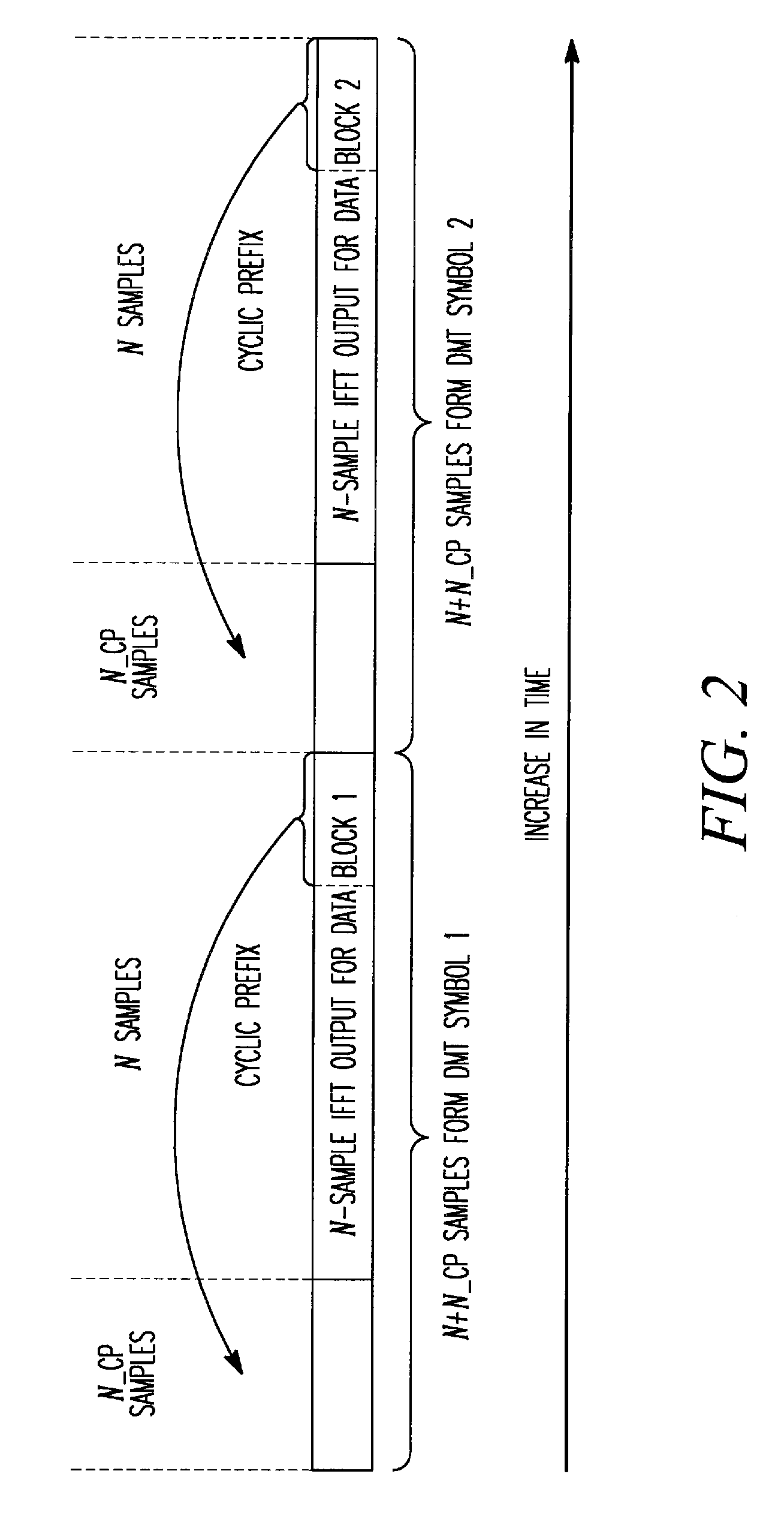

Inter-symbol and inter-carrier interference canceller for multi-carrier modulation receivers
PatentActiveUS20070019746A1
Innovation
- The method involves identifying subsets of tones with negligible and significant interference, applying conventional frequency-domain equalization to the first subset, and performing additional interference cancellation techniques on the second subset, using tone selection and coefficient adjustments to minimize root mean square error between hard and soft decisions.


Spectrum Regulation Impact on ICI Solutions
Spectrum regulation frameworks significantly influence the development and deployment of machine learning-based Inter Carrier Interference (ICI) mitigation solutions. Regulatory bodies worldwide establish frequency allocation policies, power emission limits, and interference thresholds that directly constrain the operational parameters of ML algorithms designed to minimize ICI. These regulations create both opportunities and limitations for innovative interference management approaches.
The Federal Communications Commission (FCC) in the United States and the European Telecommunications Standards Institute (ETSI) have established stringent spectral mask requirements and adjacent channel leakage ratio (ACLR) specifications. These regulatory constraints require ML-based ICI solutions to operate within predefined power spectral density limits, affecting the optimization space available for machine learning algorithms. Dynamic spectrum access regulations further complicate the implementation of adaptive ML models that must continuously adjust to changing regulatory compliance requirements.
International Telecommunication Union (ITU) recommendations for spectrum sharing create additional complexity for ML-driven ICI mitigation systems. The ITU-R M.1545 recommendation for cognitive radio systems establishes interference protection criteria that ML algorithms must incorporate as hard constraints during optimization processes. This regulatory framework necessitates the development of constraint-aware machine learning models that can balance interference minimization with regulatory compliance.
Regional variations in spectrum regulation create challenges for global deployment of ML-based ICI solutions. Different countries maintain varying approaches to unlicensed spectrum usage, cognitive radio deployment, and interference tolerance levels. These regulatory disparities require ML systems to incorporate location-aware compliance mechanisms and adaptive regulatory constraint handling capabilities.
Emerging regulatory trends toward dynamic spectrum sharing and cognitive radio technologies are creating new opportunities for ML-based ICI solutions. The FCC's Citizens Broadband Radio Service (CBRS) framework and similar initiatives in other regions enable more flexible spectrum utilization models that can leverage advanced ML algorithms for real-time interference management. However, these frameworks also introduce complex coordination requirements and protection criteria that ML systems must navigate.
The regulatory approval process for ML-based interference mitigation technologies presents additional considerations. Equipment certification requirements often demand deterministic performance guarantees that can conflict with the probabilistic nature of machine learning systems. This regulatory reality influences the design of ML algorithms toward more interpretable and predictable approaches that can satisfy certification requirements while maintaining effective ICI mitigation performance.
The Federal Communications Commission (FCC) in the United States and the European Telecommunications Standards Institute (ETSI) have established stringent spectral mask requirements and adjacent channel leakage ratio (ACLR) specifications. These regulatory constraints require ML-based ICI solutions to operate within predefined power spectral density limits, affecting the optimization space available for machine learning algorithms. Dynamic spectrum access regulations further complicate the implementation of adaptive ML models that must continuously adjust to changing regulatory compliance requirements.
International Telecommunication Union (ITU) recommendations for spectrum sharing create additional complexity for ML-driven ICI mitigation systems. The ITU-R M.1545 recommendation for cognitive radio systems establishes interference protection criteria that ML algorithms must incorporate as hard constraints during optimization processes. This regulatory framework necessitates the development of constraint-aware machine learning models that can balance interference minimization with regulatory compliance.
Regional variations in spectrum regulation create challenges for global deployment of ML-based ICI solutions. Different countries maintain varying approaches to unlicensed spectrum usage, cognitive radio deployment, and interference tolerance levels. These regulatory disparities require ML systems to incorporate location-aware compliance mechanisms and adaptive regulatory constraint handling capabilities.
Emerging regulatory trends toward dynamic spectrum sharing and cognitive radio technologies are creating new opportunities for ML-based ICI solutions. The FCC's Citizens Broadband Radio Service (CBRS) framework and similar initiatives in other regions enable more flexible spectrum utilization models that can leverage advanced ML algorithms for real-time interference management. However, these frameworks also introduce complex coordination requirements and protection criteria that ML systems must navigate.
The regulatory approval process for ML-based interference mitigation technologies presents additional considerations. Equipment certification requirements often demand deterministic performance guarantees that can conflict with the probabilistic nature of machine learning systems. This regulatory reality influences the design of ML algorithms toward more interpretable and predictable approaches that can satisfy certification requirements while maintaining effective ICI mitigation performance.
Computational Complexity Trade-offs in ML-ICI Systems
The implementation of machine learning algorithms for inter-carrier interference mitigation introduces significant computational complexity considerations that directly impact system performance and practical deployment feasibility. Traditional ICI cancellation methods typically exhibit linear computational complexity, while ML-based approaches often require substantially higher processing power due to their iterative nature and complex mathematical operations.
Deep neural networks employed for ICI suppression demonstrate quadratic or even exponential complexity scaling with the number of subcarriers and training parameters. Convolutional neural networks used for channel estimation and interference prediction require extensive matrix operations, with complexity growing proportionally to the filter size, number of layers, and input dimensions. The training phase particularly demands intensive computational resources, often requiring specialized hardware acceleration.
Real-time processing constraints in communication systems impose strict latency requirements that challenge ML-ICI implementations. While offline training can leverage powerful computing resources, online inference must operate within microsecond timeframes typical of OFDM symbol durations. This temporal constraint necessitates careful algorithm selection and optimization strategies to balance interference suppression effectiveness with computational efficiency.
Several optimization techniques have emerged to address these complexity challenges. Model pruning reduces network parameters by eliminating redundant connections, achieving up to 80% complexity reduction with minimal performance degradation. Quantization techniques convert floating-point operations to fixed-point arithmetic, significantly reducing computational overhead while maintaining acceptable interference cancellation performance.
Hardware-software co-design approaches offer promising solutions by implementing critical ML operations in dedicated processing units. Field-programmable gate arrays and graphics processing units provide parallel processing capabilities that can accelerate matrix computations essential for ML-ICI algorithms. These implementations achieve substantial speedup factors while maintaining energy efficiency requirements for mobile communication devices.
The trade-off between computational complexity and interference suppression performance remains a critical design consideration. Simplified ML models with reduced complexity may achieve 70-85% of the performance obtained by complex deep learning approaches while requiring only 10-20% of the computational resources, making them more suitable for practical deployment scenarios.
Deep neural networks employed for ICI suppression demonstrate quadratic or even exponential complexity scaling with the number of subcarriers and training parameters. Convolutional neural networks used for channel estimation and interference prediction require extensive matrix operations, with complexity growing proportionally to the filter size, number of layers, and input dimensions. The training phase particularly demands intensive computational resources, often requiring specialized hardware acceleration.
Real-time processing constraints in communication systems impose strict latency requirements that challenge ML-ICI implementations. While offline training can leverage powerful computing resources, online inference must operate within microsecond timeframes typical of OFDM symbol durations. This temporal constraint necessitates careful algorithm selection and optimization strategies to balance interference suppression effectiveness with computational efficiency.
Several optimization techniques have emerged to address these complexity challenges. Model pruning reduces network parameters by eliminating redundant connections, achieving up to 80% complexity reduction with minimal performance degradation. Quantization techniques convert floating-point operations to fixed-point arithmetic, significantly reducing computational overhead while maintaining acceptable interference cancellation performance.
Hardware-software co-design approaches offer promising solutions by implementing critical ML operations in dedicated processing units. Field-programmable gate arrays and graphics processing units provide parallel processing capabilities that can accelerate matrix computations essential for ML-ICI algorithms. These implementations achieve substantial speedup factors while maintaining energy efficiency requirements for mobile communication devices.
The trade-off between computational complexity and interference suppression performance remains a critical design consideration. Simplified ML models with reduced complexity may achieve 70-85% of the performance obtained by complex deep learning approaches while requiring only 10-20% of the computational resources, making them more suitable for practical deployment scenarios.
Unlock deeper insights with Patsnap Eureka Quick Research — get a full tech report to explore trends and direct your research. Try now!
Generate Your Research Report Instantly with AI Agent
Supercharge your innovation with Patsnap Eureka AI Agent Platform!