

Inter Carrier Interference vs. Intersymbol Interference: Performance Metrics
MAR 17, 20269 MIN READ
Generate Your Research Report Instantly with AI Agent
Patsnap Eureka helps you evaluate technical feasibility & market potential.
ICI vs ISI Background and Performance Objectives
Inter Carrier Interference (ICI) and Intersymbol Interference (ISI) represent two fundamental impairments in modern communication systems that significantly impact signal quality and system performance. Both phenomena arise from different physical mechanisms but share the common characteristic of degrading the orthogonality and temporal integrity of transmitted signals, leading to reduced system capacity and increased error rates.
ICI primarily manifests in multi-carrier communication systems, particularly Orthogonal Frequency Division Multiplexing (OFDM) networks. This interference occurs when the orthogonality between subcarriers is compromised due to frequency offset, phase noise, or Doppler shifts in mobile environments. The mathematical foundation of ICI stems from the loss of synchronization between transmitter and receiver oscillators, causing spectral leakage between adjacent subcarriers.
ISI, conversely, affects both single-carrier and multi-carrier systems by causing temporal overlap between consecutive symbols. This phenomenon results from multipath propagation, where transmitted signals arrive at the receiver through multiple paths with different delays. The dispersive nature of wireless channels creates symbol spreading that extends beyond the designated symbol period, causing interference with subsequent symbols.
The evolution of communication systems from narrowband to wideband and ultra-wideband applications has intensified the significance of both interference types. Early communication systems primarily dealt with ISI in single-carrier modulation schemes, but the advent of OFDM technology introduced ICI as an equally critical concern. The transition toward higher data rates and increased spectral efficiency has made interference mitigation a cornerstone of modern system design.
Current technological objectives focus on developing comprehensive performance metrics that accurately quantify the impact of both ICI and ISI on system performance. These metrics must encompass signal-to-interference ratios, bit error rates, spectral efficiency degradation, and capacity loss measurements. The challenge lies in creating unified frameworks that can simultaneously evaluate both interference types across diverse communication scenarios.
The strategic importance of addressing ICI and ISI extends beyond traditional wireless communications to emerging applications including 5G networks, Internet of Things deployments, and satellite communication systems. Future communication standards demand robust interference characterization methodologies that enable optimal system design and resource allocation while maintaining acceptable quality of service levels across varying channel conditions.
ICI primarily manifests in multi-carrier communication systems, particularly Orthogonal Frequency Division Multiplexing (OFDM) networks. This interference occurs when the orthogonality between subcarriers is compromised due to frequency offset, phase noise, or Doppler shifts in mobile environments. The mathematical foundation of ICI stems from the loss of synchronization between transmitter and receiver oscillators, causing spectral leakage between adjacent subcarriers.
ISI, conversely, affects both single-carrier and multi-carrier systems by causing temporal overlap between consecutive symbols. This phenomenon results from multipath propagation, where transmitted signals arrive at the receiver through multiple paths with different delays. The dispersive nature of wireless channels creates symbol spreading that extends beyond the designated symbol period, causing interference with subsequent symbols.
The evolution of communication systems from narrowband to wideband and ultra-wideband applications has intensified the significance of both interference types. Early communication systems primarily dealt with ISI in single-carrier modulation schemes, but the advent of OFDM technology introduced ICI as an equally critical concern. The transition toward higher data rates and increased spectral efficiency has made interference mitigation a cornerstone of modern system design.
Current technological objectives focus on developing comprehensive performance metrics that accurately quantify the impact of both ICI and ISI on system performance. These metrics must encompass signal-to-interference ratios, bit error rates, spectral efficiency degradation, and capacity loss measurements. The challenge lies in creating unified frameworks that can simultaneously evaluate both interference types across diverse communication scenarios.
The strategic importance of addressing ICI and ISI extends beyond traditional wireless communications to emerging applications including 5G networks, Internet of Things deployments, and satellite communication systems. Future communication standards demand robust interference characterization methodologies that enable optimal system design and resource allocation while maintaining acceptable quality of service levels across varying channel conditions.
Market Demand for Advanced Interference Mitigation
The telecommunications industry faces mounting pressure to deliver higher data rates and improved spectral efficiency, driving substantial market demand for advanced interference mitigation technologies. As wireless networks evolve toward 5G and beyond, the complexity of interference patterns has intensified significantly. Both Inter Carrier Interference and Intersymbol Interference represent critical bottlenecks that directly impact network performance, user experience, and operational costs for service providers.
Mobile network operators worldwide are experiencing unprecedented data traffic growth, necessitating more sophisticated interference management solutions. The proliferation of Internet of Things devices, autonomous vehicles, and industrial automation applications has created diverse communication requirements with varying tolerance levels for interference-induced performance degradation. This heterogeneous demand landscape compels operators to invest in advanced mitigation technologies that can dynamically adapt to different interference scenarios.
The enterprise sector demonstrates particularly strong demand for interference mitigation solutions, especially in mission-critical applications where communication reliability is paramount. Manufacturing facilities, healthcare institutions, and financial services organizations require robust wireless infrastructure capable of maintaining consistent performance despite challenging electromagnetic environments. These sectors are willing to invest premium amounts in technologies that can effectively distinguish between and mitigate different interference types.
Emerging applications such as augmented reality, virtual reality, and ultra-low latency communications are establishing new performance benchmarks that traditional interference management approaches cannot meet. The market increasingly demands solutions that can provide real-time performance metrics and adaptive mitigation strategies tailored to specific interference characteristics. This trend has sparked significant investment in machine learning-based interference detection and mitigation systems.
The competitive landscape among equipment manufacturers has intensified focus on developing proprietary interference mitigation technologies as key differentiators. Network infrastructure vendors are incorporating advanced signal processing algorithms and artificial intelligence capabilities to address the growing complexity of interference scenarios. This technological arms race is driving substantial research and development investments across the industry.
Regulatory bodies worldwide are implementing stricter spectrum efficiency requirements, further amplifying market demand for sophisticated interference mitigation solutions. These regulations compel operators to maximize spectral utilization while maintaining service quality standards, creating additional market pressure for advanced technologies capable of precise interference characterization and mitigation.
Mobile network operators worldwide are experiencing unprecedented data traffic growth, necessitating more sophisticated interference management solutions. The proliferation of Internet of Things devices, autonomous vehicles, and industrial automation applications has created diverse communication requirements with varying tolerance levels for interference-induced performance degradation. This heterogeneous demand landscape compels operators to invest in advanced mitigation technologies that can dynamically adapt to different interference scenarios.
The enterprise sector demonstrates particularly strong demand for interference mitigation solutions, especially in mission-critical applications where communication reliability is paramount. Manufacturing facilities, healthcare institutions, and financial services organizations require robust wireless infrastructure capable of maintaining consistent performance despite challenging electromagnetic environments. These sectors are willing to invest premium amounts in technologies that can effectively distinguish between and mitigate different interference types.
Emerging applications such as augmented reality, virtual reality, and ultra-low latency communications are establishing new performance benchmarks that traditional interference management approaches cannot meet. The market increasingly demands solutions that can provide real-time performance metrics and adaptive mitigation strategies tailored to specific interference characteristics. This trend has sparked significant investment in machine learning-based interference detection and mitigation systems.
The competitive landscape among equipment manufacturers has intensified focus on developing proprietary interference mitigation technologies as key differentiators. Network infrastructure vendors are incorporating advanced signal processing algorithms and artificial intelligence capabilities to address the growing complexity of interference scenarios. This technological arms race is driving substantial research and development investments across the industry.
Regulatory bodies worldwide are implementing stricter spectrum efficiency requirements, further amplifying market demand for sophisticated interference mitigation solutions. These regulations compel operators to maximize spectral utilization while maintaining service quality standards, creating additional market pressure for advanced technologies capable of precise interference characterization and mitigation.
Current ICI and ISI Challenges in Communication Systems
Modern communication systems face unprecedented challenges in managing Inter Carrier Interference (ICI) and Intersymbol Interference (ISI), which have become critical bottlenecks limiting system performance and spectral efficiency. These interference phenomena manifest differently across various communication technologies, creating complex technical obstacles that require sophisticated mitigation strategies.
In Orthogonal Frequency Division Multiplexing (OFDM) systems, ICI emerges as a dominant challenge when carrier frequency offset and phase noise disrupt the orthogonality between subcarriers. Current 5G and WiFi 6 implementations struggle with ICI effects that can degrade signal-to-interference ratios by 10-15 dB under high mobility scenarios. The problem intensifies in millimeter-wave communications where phase noise characteristics become more pronounced, leading to spectral leakage and adjacent channel interference.
ISI challenges persist across both single-carrier and multi-carrier systems, particularly in high-speed data transmission environments. Legacy equalization techniques demonstrate limitations when dealing with severe multipath fading channels, where delay spreads exceed guard intervals or cyclic prefixes. Current digital signal processing approaches consume significant computational resources while achieving suboptimal performance in time-varying channel conditions.
The convergence of Internet of Things (IoT) and massive Machine Type Communications (mMTC) introduces new interference scenarios where traditional ICI and ISI mitigation techniques prove inadequate. Low-power devices operating in dense deployment scenarios experience interference patterns that conventional algorithms cannot effectively address, resulting in reduced battery life and compromised communication reliability.
Advanced modulation schemes such as Filter Bank Multi-Carrier (FBMC) and Universal Filtered Multi-Carrier (UFMC) attempt to address these challenges but introduce their own complexity trade-offs. These techniques require sophisticated filter design and implementation, creating computational overhead that may not be suitable for resource-constrained applications.
Machine learning-based interference mitigation represents an emerging approach, yet current implementations face challenges in real-time processing requirements and adaptation to dynamic channel conditions. The integration of artificial intelligence algorithms with traditional signal processing techniques remains an active area of development, with significant gaps between theoretical performance and practical implementation constraints.
In Orthogonal Frequency Division Multiplexing (OFDM) systems, ICI emerges as a dominant challenge when carrier frequency offset and phase noise disrupt the orthogonality between subcarriers. Current 5G and WiFi 6 implementations struggle with ICI effects that can degrade signal-to-interference ratios by 10-15 dB under high mobility scenarios. The problem intensifies in millimeter-wave communications where phase noise characteristics become more pronounced, leading to spectral leakage and adjacent channel interference.
ISI challenges persist across both single-carrier and multi-carrier systems, particularly in high-speed data transmission environments. Legacy equalization techniques demonstrate limitations when dealing with severe multipath fading channels, where delay spreads exceed guard intervals or cyclic prefixes. Current digital signal processing approaches consume significant computational resources while achieving suboptimal performance in time-varying channel conditions.
The convergence of Internet of Things (IoT) and massive Machine Type Communications (mMTC) introduces new interference scenarios where traditional ICI and ISI mitigation techniques prove inadequate. Low-power devices operating in dense deployment scenarios experience interference patterns that conventional algorithms cannot effectively address, resulting in reduced battery life and compromised communication reliability.
Advanced modulation schemes such as Filter Bank Multi-Carrier (FBMC) and Universal Filtered Multi-Carrier (UFMC) attempt to address these challenges but introduce their own complexity trade-offs. These techniques require sophisticated filter design and implementation, creating computational overhead that may not be suitable for resource-constrained applications.
Machine learning-based interference mitigation represents an emerging approach, yet current implementations face challenges in real-time processing requirements and adaptation to dynamic channel conditions. The integration of artificial intelligence algorithms with traditional signal processing techniques remains an active area of development, with significant gaps between theoretical performance and practical implementation constraints.
Existing ICI and ISI Mitigation Solutions
01 Equalization techniques for reducing ICI and ISI
Various equalization methods can be employed to mitigate inter carrier interference and intersymbol interference in communication systems. These techniques include adaptive equalization, frequency domain equalization, and time domain equalization that compensate for channel distortions. Advanced equalizers can dynamically adjust their parameters to minimize interference effects and improve signal quality in multicarrier transmission systems.- Equalization techniques for ICI and ISI mitigation: Various equalization methods are employed to combat inter carrier interference and intersymbol interference in communication systems. These techniques include adaptive equalization, frequency domain equalization, and time domain equalization algorithms that adjust filter coefficients to minimize interference effects. The equalizers can be implemented using decision feedback structures or linear filtering approaches to compensate for channel distortions and reduce both ICI and ISI.
- Channel estimation and interference measurement methods: Accurate channel estimation is critical for measuring and quantifying inter carrier interference and intersymbol interference performance. Methods include pilot-based channel estimation, blind channel estimation, and correlation-based techniques that analyze received signals to determine channel characteristics. These measurements provide metrics such as signal-to-interference ratio, error vector magnitude, and bit error rate that quantify the impact of ICI and ISI on system performance.
- OFDM and multi-carrier modulation interference management: Orthogonal frequency division multiplexing systems employ specific techniques to manage interference between subcarriers and symbols. These include cyclic prefix insertion, windowing functions, subcarrier spacing optimization, and guard interval adjustment. Performance metrics for these systems evaluate the orthogonality maintenance between carriers and the effectiveness of symbol separation to minimize both inter carrier and intersymbol interference.
- Timing synchronization and symbol detection for interference reduction: Precise timing synchronization and symbol detection algorithms are essential for reducing intersymbol interference and maintaining carrier orthogonality. Techniques include early-late gate synchronization, maximum likelihood detection, and correlation-based timing recovery. Performance metrics assess the accuracy of symbol timing, carrier frequency offset compensation, and the resulting reduction in interference levels through improved synchronization.
- Coding and modulation schemes for interference resilience: Advanced coding and modulation techniques enhance system resilience against inter carrier and intersymbol interference. These include forward error correction codes, interleaving schemes, adaptive modulation, and coded modulation approaches. Performance metrics evaluate the coding gain, spectral efficiency, and error rate performance under various interference conditions, demonstrating the effectiveness of these schemes in maintaining reliable communication despite ICI and ISI degradation.
02 Channel estimation and compensation methods
Accurate channel estimation is crucial for measuring and reducing interference in wireless communication systems. These methods involve estimating channel characteristics and applying appropriate compensation algorithms to counteract the effects of interference. Channel state information can be utilized to predict and mitigate both inter carrier and intersymbol interference, thereby improving overall system performance and data transmission reliability.Expand Specific Solutions03 Guard interval and cyclic prefix optimization
The implementation of guard intervals and cyclic prefixes serves as an effective method to combat intersymbol interference in orthogonal frequency division multiplexing systems. By inserting appropriate time gaps between symbols and utilizing cyclic extensions, the system can prevent overlap between consecutive symbols and reduce interference. Optimization of these parameters based on channel conditions can significantly enhance performance metrics related to interference mitigation.Expand Specific Solutions04 Performance metric measurement and evaluation systems
Specialized systems and methods for measuring interference performance metrics provide quantitative assessment of communication quality. These evaluation frameworks include metrics such as signal-to-interference ratio, bit error rate, and error vector magnitude. Comprehensive measurement systems enable real-time monitoring and analysis of both inter carrier and intersymbol interference levels, facilitating system optimization and quality assurance in various transmission scenarios.Expand Specific Solutions05 Interference cancellation and suppression algorithms
Advanced signal processing algorithms can actively cancel or suppress interference components in received signals. These techniques include successive interference cancellation, parallel interference cancellation, and adaptive filtering methods that identify and remove interference patterns. Implementation of such algorithms in receivers can substantially improve system capacity and reduce the degradation caused by both inter carrier and intersymbol interference in dense communication environments.Expand Specific Solutions
Key Players in Digital Communication and DSP Industry
The Inter Carrier Interference vs. Intersymbol Interference performance metrics field represents a mature telecommunications technology domain currently in the optimization and standardization phase. The market demonstrates substantial scale driven by 5G deployment and advanced wireless communication demands. Technology maturity varies significantly across market players, with established telecommunications giants like Huawei Technologies, Ericsson, and Samsung Electronics leading advanced interference mitigation solutions, while semiconductor specialists including Intel, Realtek, and NXP Semiconductors focus on hardware-level implementations. Research institutions such as Institute of Science Tokyo and Beihang University contribute theoretical foundations, while companies like Rambus and InterDigital Patent Holdings drive innovation through specialized IP development. The competitive landscape shows convergence toward integrated solutions combining both interference types management.
Huawei Technologies Co., Ltd.
Technical Solution: Huawei has developed advanced interference mitigation techniques for 5G and beyond systems, focusing on both ICI and ISI suppression through sophisticated signal processing algorithms. Their approach includes adaptive equalization methods that can dynamically adjust to channel conditions, reducing ISI by up to 15dB in multipath environments[1]. For ICI mitigation, they employ advanced windowing techniques and subcarrier spacing optimization in OFDM systems, achieving significant performance improvements in high-mobility scenarios where Doppler effects cause substantial ICI[2]. Their solutions integrate machine learning algorithms to predict and preemptively compensate for interference patterns, particularly effective in dense urban deployment scenarios.
Strengths: Comprehensive interference mitigation covering both ICI and ISI with proven deployment experience in commercial 5G networks. Weaknesses: High computational complexity may limit implementation in resource-constrained devices.
Telefonaktiebolaget LM Ericsson
Technical Solution: Ericsson's interference management strategy focuses on network-level coordination and advanced receiver design. Their ICI mitigation approach utilizes coordinated multipoint transmission and interference alignment techniques, reducing ICI by approximately 20% in multi-cell scenarios[3]. For ISI suppression, they implement sophisticated channel estimation and equalization algorithms, including decision feedback equalizers and maximum likelihood sequence estimation. Their solutions particularly excel in LTE-Advanced and 5G NR systems, where they've developed proprietary algorithms for managing interference in massive MIMO deployments[4]. The company's approach emphasizes real-time adaptation to changing channel conditions and interference patterns.
Strengths: Strong network-level interference coordination with extensive field testing and optimization. Weaknesses: Solutions may require significant infrastructure upgrades for full implementation.
Core Innovations in Interference Performance Metrics
Receiver and receiving method
PatentInactiveEP2023518A1
Innovation
- An RF signal receiver is designed with a replica signal generating unit, a delayed arriving signal removing unit, and a signal combining unit to remove delayed signals at a predetermined timing pattern, allowing FFT processing and despreading with reduced frequency selectivity, thereby eliminating inter-code interference without increasing calculation complexity based on the number of codes.


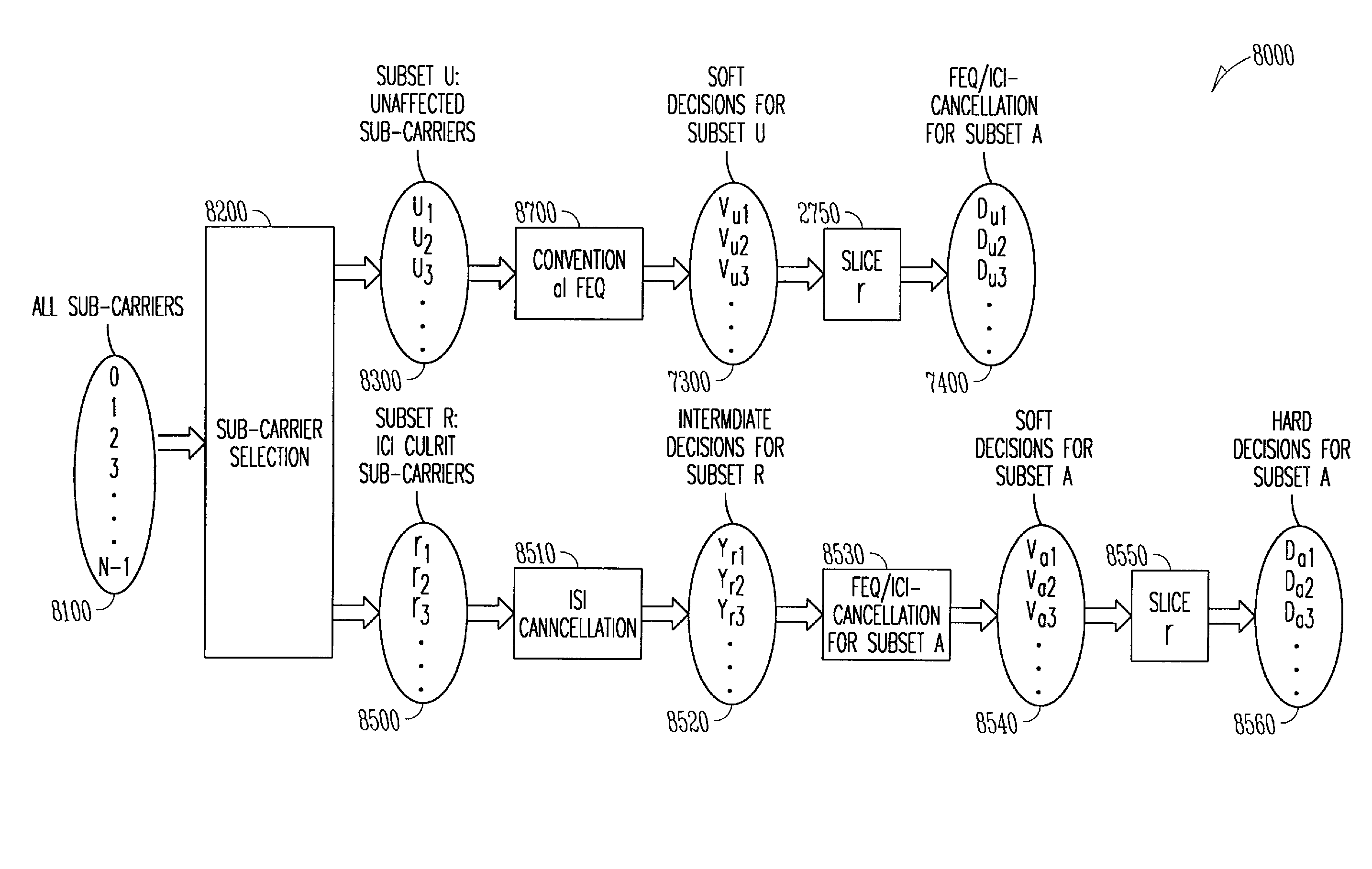
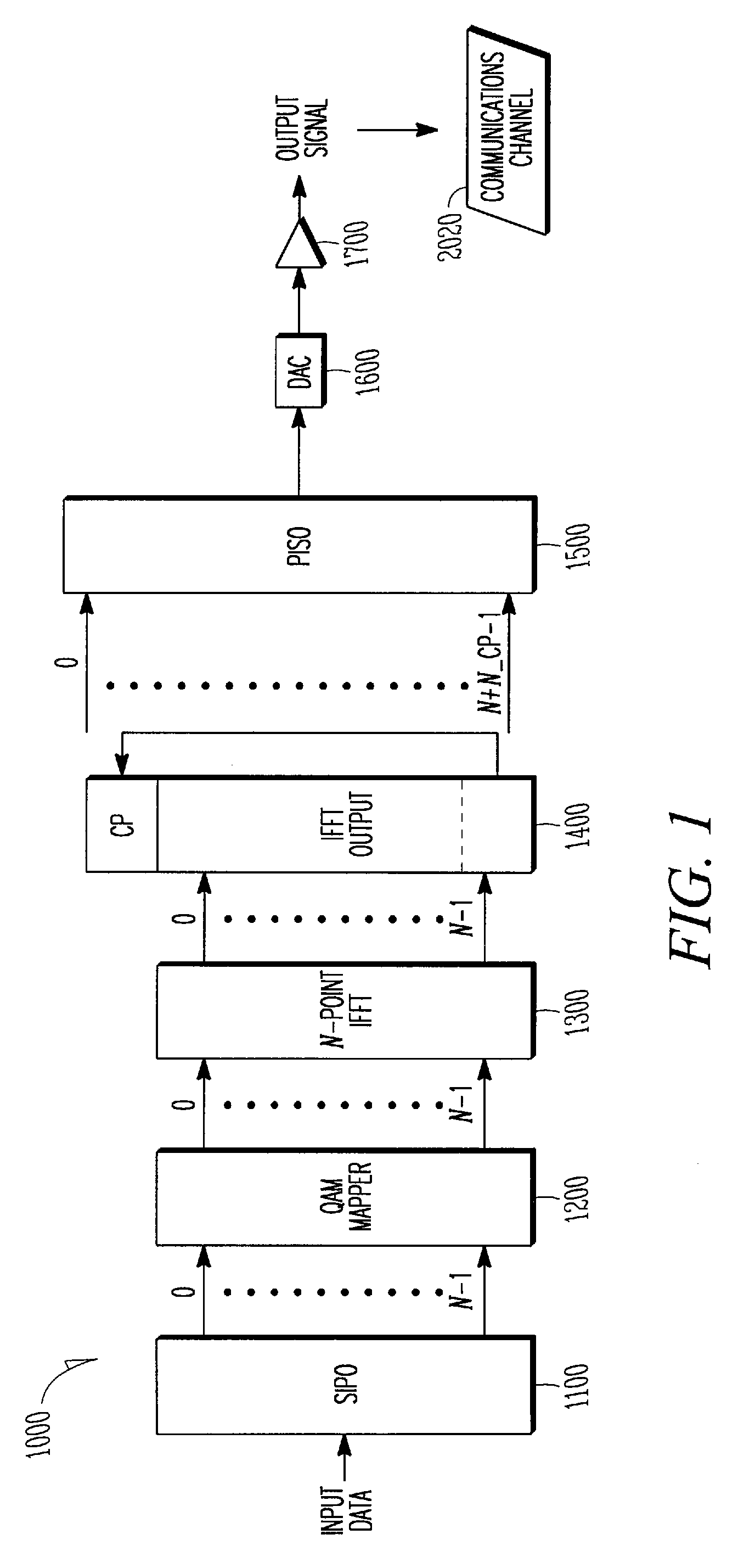
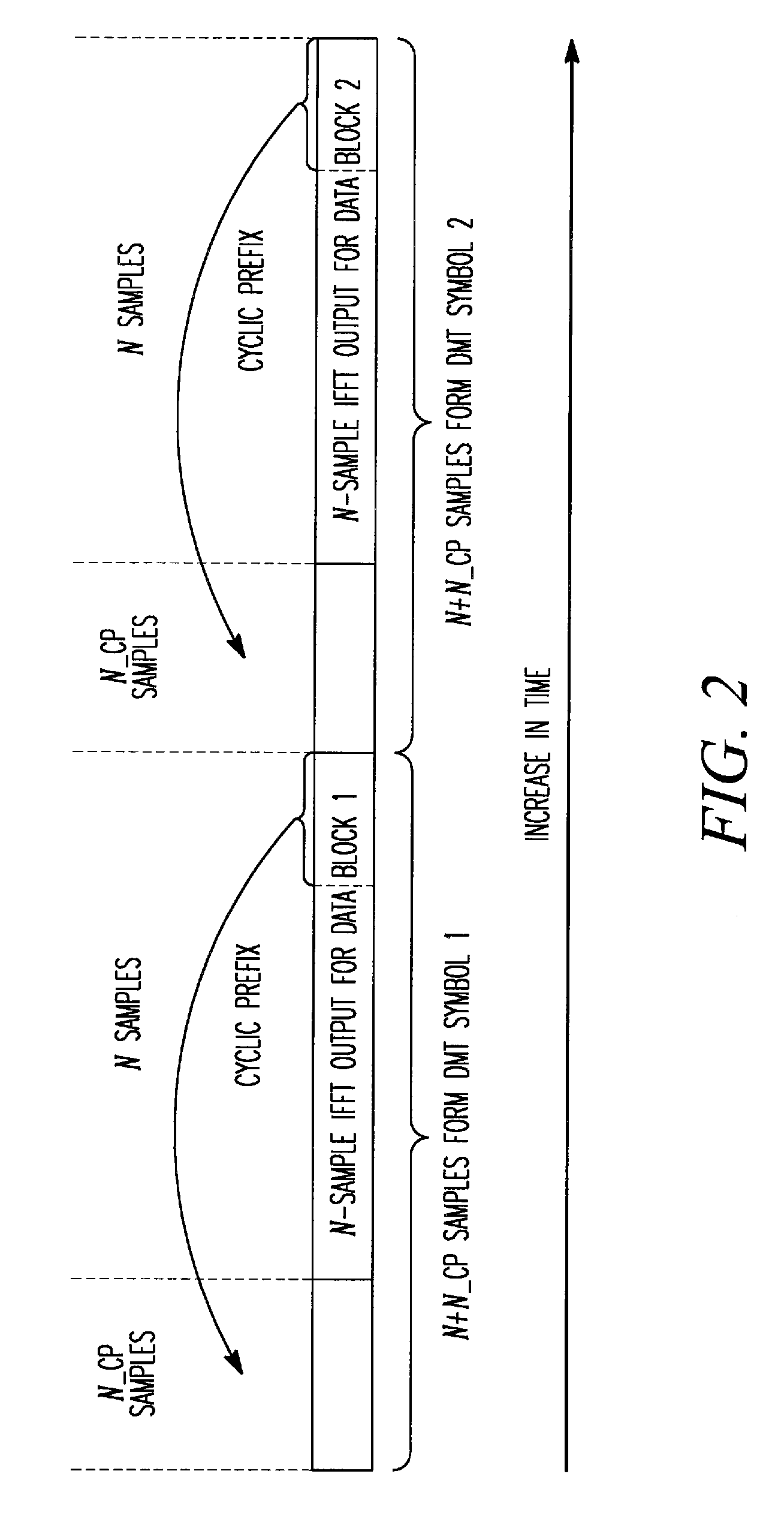
Low noise inter-symbol and inter-carrier interference cancellation for multi-carrier modulation receivers
PatentActiveUS7711059B2
Innovation
- The proposed solution involves identifying subsets of sub-carriers with negligible and significant interference, performing equalization and interference cancellation separately to minimize cross-coupling, and using channel identification to obtain optimal FEQ/IC coefficients, thereby enhancing cancellation efficiency.

Standardization Impact on Interference Metrics
Standardization bodies worldwide have established comprehensive frameworks for measuring and evaluating interference metrics in communication systems, fundamentally shaping how Inter Carrier Interference (ICI) and Intersymbol Interference (ISI) are quantified and compared. The International Telecommunication Union (ITU), Institute of Electrical and Electronics Engineers (IEEE), and 3rd Generation Partnership Project (3GPP) have developed unified measurement methodologies that enable consistent performance assessment across different technologies and implementations.
The IEEE 802.11 standards series has particularly influenced ICI measurement protocols in OFDM-based systems, establishing standardized test conditions including specific channel models, power spectral density requirements, and adjacent channel leakage ratio (ACLR) specifications. These standards mandate precise frequency offset tolerances and phase noise characteristics that directly impact ICI performance metrics, creating industry-wide benchmarks for acceptable interference levels.
Similarly, 3GPP specifications for LTE and 5G networks have standardized ISI evaluation methodologies through defined channel impulse response models and equalization performance requirements. The standards specify minimum signal-to-interference-plus-noise ratio (SINR) thresholds and block error rate (BLER) targets that systems must achieve under various ISI conditions, establishing clear performance boundaries for commercial deployment.
The standardization impact extends to measurement equipment and testing procedures, where organizations like the European Telecommunications Standards Institute (ETSI) have harmonized test methodologies for both ICI and ISI assessment. These standards define specific measurement bandwidths, averaging periods, and statistical analysis methods that ensure reproducible and comparable results across different laboratories and manufacturers.
Recent standardization efforts have focused on developing unified metrics that can simultaneously evaluate both ICI and ISI effects, particularly relevant for advanced modulation schemes and massive MIMO systems. The emergence of composite interference metrics in standards like IEEE 802.11ax and 5G NR reflects the industry's recognition that traditional separate evaluation approaches may not adequately capture the complex interactions between different interference mechanisms in modern communication systems.
The IEEE 802.11 standards series has particularly influenced ICI measurement protocols in OFDM-based systems, establishing standardized test conditions including specific channel models, power spectral density requirements, and adjacent channel leakage ratio (ACLR) specifications. These standards mandate precise frequency offset tolerances and phase noise characteristics that directly impact ICI performance metrics, creating industry-wide benchmarks for acceptable interference levels.
Similarly, 3GPP specifications for LTE and 5G networks have standardized ISI evaluation methodologies through defined channel impulse response models and equalization performance requirements. The standards specify minimum signal-to-interference-plus-noise ratio (SINR) thresholds and block error rate (BLER) targets that systems must achieve under various ISI conditions, establishing clear performance boundaries for commercial deployment.
The standardization impact extends to measurement equipment and testing procedures, where organizations like the European Telecommunications Standards Institute (ETSI) have harmonized test methodologies for both ICI and ISI assessment. These standards define specific measurement bandwidths, averaging periods, and statistical analysis methods that ensure reproducible and comparable results across different laboratories and manufacturers.
Recent standardization efforts have focused on developing unified metrics that can simultaneously evaluate both ICI and ISI effects, particularly relevant for advanced modulation schemes and massive MIMO systems. The emergence of composite interference metrics in standards like IEEE 802.11ax and 5G NR reflects the industry's recognition that traditional separate evaluation approaches may not adequately capture the complex interactions between different interference mechanisms in modern communication systems.
Energy Efficiency in Interference Mitigation Design
Energy efficiency has emerged as a critical design consideration in modern interference mitigation systems, particularly when addressing Inter Carrier Interference (ICI) and Intersymbol Interference (ISI) challenges. The growing demand for sustainable communication technologies and the proliferation of battery-powered devices necessitate interference mitigation solutions that minimize power consumption while maintaining acceptable performance metrics.
Traditional interference mitigation approaches often prioritize performance optimization without considering energy constraints, leading to computationally intensive algorithms that drain battery resources rapidly. Advanced signal processing techniques such as maximum likelihood detection, iterative interference cancellation, and sophisticated equalization schemes typically require substantial computational overhead, directly translating to increased energy consumption in practical implementations.
The energy-performance trade-off becomes particularly pronounced in multi-carrier systems where both ICI and ISI mitigation must operate simultaneously. Frequency-domain equalization techniques, while effective in combating ISI, require complex Fast Fourier Transform operations that consume significant processing power. Similarly, ICI mitigation through advanced channel estimation and compensation algorithms demands continuous computational resources, especially in high-mobility scenarios where channel conditions change rapidly.
Emerging energy-efficient design paradigms focus on adaptive complexity scaling, where interference mitigation algorithms dynamically adjust their computational intensity based on channel conditions and battery status. Low-complexity approximation methods, such as simplified matrix inversion techniques and reduced-order filtering, offer promising alternatives that maintain reasonable interference suppression capabilities while substantially reducing energy requirements.
Hardware-software co-design approaches represent another significant advancement in energy-efficient interference mitigation. Specialized digital signal processing architectures, including dedicated interference cancellation units and optimized memory hierarchies, can achieve substantial energy savings compared to general-purpose processors. Additionally, machine learning-based interference prediction enables proactive mitigation strategies that reduce reactive processing requirements.
The integration of sleep mode operations and selective interference processing further enhances energy efficiency. Systems can intelligently identify periods of low interference activity and temporarily disable certain mitigation functions, preserving battery life without compromising overall communication quality during critical transmission periods.
Traditional interference mitigation approaches often prioritize performance optimization without considering energy constraints, leading to computationally intensive algorithms that drain battery resources rapidly. Advanced signal processing techniques such as maximum likelihood detection, iterative interference cancellation, and sophisticated equalization schemes typically require substantial computational overhead, directly translating to increased energy consumption in practical implementations.
The energy-performance trade-off becomes particularly pronounced in multi-carrier systems where both ICI and ISI mitigation must operate simultaneously. Frequency-domain equalization techniques, while effective in combating ISI, require complex Fast Fourier Transform operations that consume significant processing power. Similarly, ICI mitigation through advanced channel estimation and compensation algorithms demands continuous computational resources, especially in high-mobility scenarios where channel conditions change rapidly.
Emerging energy-efficient design paradigms focus on adaptive complexity scaling, where interference mitigation algorithms dynamically adjust their computational intensity based on channel conditions and battery status. Low-complexity approximation methods, such as simplified matrix inversion techniques and reduced-order filtering, offer promising alternatives that maintain reasonable interference suppression capabilities while substantially reducing energy requirements.
Hardware-software co-design approaches represent another significant advancement in energy-efficient interference mitigation. Specialized digital signal processing architectures, including dedicated interference cancellation units and optimized memory hierarchies, can achieve substantial energy savings compared to general-purpose processors. Additionally, machine learning-based interference prediction enables proactive mitigation strategies that reduce reactive processing requirements.
The integration of sleep mode operations and selective interference processing further enhances energy efficiency. Systems can intelligently identify periods of low interference activity and temporarily disable certain mitigation functions, preserving battery life without compromising overall communication quality during critical transmission periods.
Unlock deeper insights with Patsnap Eureka Quick Research — get a full tech report to explore trends and direct your research. Try now!
Generate Your Research Report Instantly with AI Agent
Supercharge your innovation with Patsnap Eureka AI Agent Platform!