

How to Utilize Fuzzy Logic in Control Engineering Applications
MAR 27, 20269 MIN READ
Generate Your Research Report Instantly with AI Agent
Patsnap Eureka helps you evaluate technical feasibility & market potential.
Fuzzy Logic Control Background and Engineering Objectives
Fuzzy logic emerged in the 1960s through the pioneering work of Lotfi Zadeh at the University of California, Berkeley, who introduced the concept of fuzzy sets to handle uncertainty and imprecision in mathematical modeling. Unlike classical binary logic that operates on crisp true/false values, fuzzy logic allows for degrees of truth between 0 and 1, enabling systems to process linguistic variables and approximate reasoning similar to human decision-making processes.
The evolution of fuzzy logic in control engineering has been marked by several significant milestones. The first practical fuzzy control system was implemented in the 1970s for cement kiln control, demonstrating superior performance compared to conventional controllers. Throughout the 1980s and 1990s, fuzzy logic gained substantial traction in industrial automation, particularly in Japan and Europe, where it was successfully applied to subway systems, washing machines, and automotive applications.
Modern fuzzy control systems have evolved to incorporate advanced computational techniques, including adaptive fuzzy controllers, neuro-fuzzy networks, and type-2 fuzzy systems. These developments address the limitations of traditional fuzzy controllers by providing enhanced learning capabilities, improved robustness against uncertainties, and better handling of noise and disturbances in real-world applications.
The primary engineering objectives of implementing fuzzy logic in control systems center on achieving robust performance under uncertain conditions where traditional mathematical models prove inadequate or overly complex. Fuzzy controllers excel in managing nonlinear, time-varying, and poorly understood systems by leveraging expert knowledge and linguistic rules rather than precise mathematical relationships.
Key technical goals include developing control strategies that can handle imprecise sensor data, accommodate system parameter variations, and maintain stable performance across wide operating ranges. Fuzzy logic controllers aim to reduce the dependency on accurate system models while providing intuitive tuning mechanisms through rule-based structures that mirror human reasoning processes.
Contemporary research focuses on hybrid approaches that combine fuzzy logic with machine learning algorithms, enabling self-tuning capabilities and automatic rule generation. These advanced systems target improved convergence rates, enhanced disturbance rejection, and optimized energy efficiency in complex industrial processes, positioning fuzzy control as a critical technology for next-generation autonomous systems and smart manufacturing applications.
The evolution of fuzzy logic in control engineering has been marked by several significant milestones. The first practical fuzzy control system was implemented in the 1970s for cement kiln control, demonstrating superior performance compared to conventional controllers. Throughout the 1980s and 1990s, fuzzy logic gained substantial traction in industrial automation, particularly in Japan and Europe, where it was successfully applied to subway systems, washing machines, and automotive applications.
Modern fuzzy control systems have evolved to incorporate advanced computational techniques, including adaptive fuzzy controllers, neuro-fuzzy networks, and type-2 fuzzy systems. These developments address the limitations of traditional fuzzy controllers by providing enhanced learning capabilities, improved robustness against uncertainties, and better handling of noise and disturbances in real-world applications.
The primary engineering objectives of implementing fuzzy logic in control systems center on achieving robust performance under uncertain conditions where traditional mathematical models prove inadequate or overly complex. Fuzzy controllers excel in managing nonlinear, time-varying, and poorly understood systems by leveraging expert knowledge and linguistic rules rather than precise mathematical relationships.
Key technical goals include developing control strategies that can handle imprecise sensor data, accommodate system parameter variations, and maintain stable performance across wide operating ranges. Fuzzy logic controllers aim to reduce the dependency on accurate system models while providing intuitive tuning mechanisms through rule-based structures that mirror human reasoning processes.
Contemporary research focuses on hybrid approaches that combine fuzzy logic with machine learning algorithms, enabling self-tuning capabilities and automatic rule generation. These advanced systems target improved convergence rates, enhanced disturbance rejection, and optimized energy efficiency in complex industrial processes, positioning fuzzy control as a critical technology for next-generation autonomous systems and smart manufacturing applications.
Market Demand for Fuzzy Control Systems
The global market for fuzzy control systems has experienced substantial growth driven by increasing demand for intelligent automation solutions across multiple industrial sectors. Manufacturing industries, particularly automotive, aerospace, and consumer electronics, represent the largest market segments where fuzzy logic controllers provide superior performance in handling nonlinear and uncertain system behaviors compared to traditional control methods.
Industrial automation stands as the primary driver of market demand, with fuzzy control systems offering enhanced precision in process control applications such as temperature regulation, motor speed control, and robotic positioning systems. The ability of fuzzy logic to handle imprecise inputs and provide smooth control responses makes it particularly valuable in applications where traditional PID controllers struggle with system complexity and parameter variations.
The automotive sector demonstrates significant adoption of fuzzy control technologies, particularly in engine management systems, anti-lock braking systems, and automatic transmission control. Modern vehicles increasingly rely on fuzzy logic controllers for fuel injection optimization, idle speed control, and climate control systems, where the technology's ability to mimic human reasoning patterns provides more intuitive and efficient control responses.
Consumer electronics and home appliance markets have emerged as rapidly growing segments for fuzzy control applications. Washing machines, air conditioners, rice cookers, and vacuum cleaners increasingly incorporate fuzzy logic controllers to optimize performance based on varying operating conditions and user preferences. This trend reflects consumer demand for smarter, more adaptive household devices that can automatically adjust their operation without manual intervention.
The renewable energy sector presents expanding opportunities for fuzzy control systems, particularly in wind turbine control, solar panel tracking systems, and energy storage management. As renewable energy installations continue to grow globally, the need for sophisticated control systems capable of handling variable environmental conditions and optimizing energy conversion efficiency drives demand for fuzzy logic solutions.
Emerging markets in Asia-Pacific regions show particularly strong growth potential, driven by rapid industrialization and increasing adoption of automation technologies. The region's manufacturing expansion, coupled with growing investments in smart infrastructure and Industry 4.0 initiatives, creates substantial demand for advanced control systems including fuzzy logic applications.
Healthcare and medical device applications represent a specialized but growing market segment, where fuzzy control systems are utilized in patient monitoring equipment, drug delivery systems, and prosthetic device control. The technology's ability to handle uncertain biological parameters and provide safe, adaptive responses aligns well with medical application requirements.
Industrial automation stands as the primary driver of market demand, with fuzzy control systems offering enhanced precision in process control applications such as temperature regulation, motor speed control, and robotic positioning systems. The ability of fuzzy logic to handle imprecise inputs and provide smooth control responses makes it particularly valuable in applications where traditional PID controllers struggle with system complexity and parameter variations.
The automotive sector demonstrates significant adoption of fuzzy control technologies, particularly in engine management systems, anti-lock braking systems, and automatic transmission control. Modern vehicles increasingly rely on fuzzy logic controllers for fuel injection optimization, idle speed control, and climate control systems, where the technology's ability to mimic human reasoning patterns provides more intuitive and efficient control responses.
Consumer electronics and home appliance markets have emerged as rapidly growing segments for fuzzy control applications. Washing machines, air conditioners, rice cookers, and vacuum cleaners increasingly incorporate fuzzy logic controllers to optimize performance based on varying operating conditions and user preferences. This trend reflects consumer demand for smarter, more adaptive household devices that can automatically adjust their operation without manual intervention.
The renewable energy sector presents expanding opportunities for fuzzy control systems, particularly in wind turbine control, solar panel tracking systems, and energy storage management. As renewable energy installations continue to grow globally, the need for sophisticated control systems capable of handling variable environmental conditions and optimizing energy conversion efficiency drives demand for fuzzy logic solutions.
Emerging markets in Asia-Pacific regions show particularly strong growth potential, driven by rapid industrialization and increasing adoption of automation technologies. The region's manufacturing expansion, coupled with growing investments in smart infrastructure and Industry 4.0 initiatives, creates substantial demand for advanced control systems including fuzzy logic applications.
Healthcare and medical device applications represent a specialized but growing market segment, where fuzzy control systems are utilized in patient monitoring equipment, drug delivery systems, and prosthetic device control. The technology's ability to handle uncertain biological parameters and provide safe, adaptive responses aligns well with medical application requirements.
Current State and Challenges of Fuzzy Logic Implementation
Fuzzy logic implementation in control engineering has reached a mature stage of development, with widespread adoption across various industrial sectors. The technology demonstrates particular strength in applications where traditional control methods struggle with nonlinearity, uncertainty, and complex system dynamics. Current implementations span automotive systems, process control, robotics, and consumer electronics, with fuzzy controllers successfully managing everything from anti-lock braking systems to washing machine operations.
The geographical distribution of fuzzy logic expertise shows concentrated development in Japan, Europe, and North America. Japanese manufacturers have been pioneers in commercial fuzzy logic applications, particularly in consumer appliances and automotive systems. European research institutions have contributed significantly to theoretical foundations and industrial process applications, while North American companies have focused on aerospace and defense applications.
Despite its maturity, fuzzy logic implementation faces several persistent challenges that limit broader adoption. The primary technical constraint remains the complexity of rule base design and optimization. Creating effective fuzzy rule sets requires deep domain expertise and extensive trial-and-error processes, making system development time-consuming and costly. The curse of dimensionality becomes particularly problematic when dealing with multiple input variables, as the number of required rules grows exponentially.
Computational efficiency presents another significant challenge, especially in real-time control applications. While modern processors have largely mitigated this concern for simple systems, complex fuzzy controllers with numerous inputs and sophisticated inference mechanisms still struggle to meet strict timing requirements in high-speed applications. This limitation particularly affects applications in high-frequency trading systems, rapid manufacturing processes, and real-time signal processing.
Integration with existing control infrastructure poses practical implementation challenges. Many industrial facilities operate legacy control systems that lack native fuzzy logic support, requiring costly upgrades or complex interfacing solutions. The lack of standardized development tools and programming environments further complicates implementation efforts, forcing engineers to rely on proprietary solutions or custom-built frameworks.
Validation and verification of fuzzy control systems remain problematic due to the inherent imprecision of fuzzy reasoning. Traditional control theory provides well-established methods for stability analysis and performance prediction, while fuzzy systems often require extensive simulation and empirical testing to ensure reliable operation. This uncertainty creates reluctance among conservative industries to adopt fuzzy control solutions for critical applications.
The shortage of skilled personnel familiar with fuzzy logic principles represents a human resource challenge. Many control engineers lack adequate training in fuzzy set theory and approximate reasoning, creating a knowledge gap that impedes widespread implementation. Educational institutions have been slow to integrate comprehensive fuzzy logic curricula into engineering programs, perpetuating this skills shortage.
The geographical distribution of fuzzy logic expertise shows concentrated development in Japan, Europe, and North America. Japanese manufacturers have been pioneers in commercial fuzzy logic applications, particularly in consumer appliances and automotive systems. European research institutions have contributed significantly to theoretical foundations and industrial process applications, while North American companies have focused on aerospace and defense applications.
Despite its maturity, fuzzy logic implementation faces several persistent challenges that limit broader adoption. The primary technical constraint remains the complexity of rule base design and optimization. Creating effective fuzzy rule sets requires deep domain expertise and extensive trial-and-error processes, making system development time-consuming and costly. The curse of dimensionality becomes particularly problematic when dealing with multiple input variables, as the number of required rules grows exponentially.
Computational efficiency presents another significant challenge, especially in real-time control applications. While modern processors have largely mitigated this concern for simple systems, complex fuzzy controllers with numerous inputs and sophisticated inference mechanisms still struggle to meet strict timing requirements in high-speed applications. This limitation particularly affects applications in high-frequency trading systems, rapid manufacturing processes, and real-time signal processing.
Integration with existing control infrastructure poses practical implementation challenges. Many industrial facilities operate legacy control systems that lack native fuzzy logic support, requiring costly upgrades or complex interfacing solutions. The lack of standardized development tools and programming environments further complicates implementation efforts, forcing engineers to rely on proprietary solutions or custom-built frameworks.
Validation and verification of fuzzy control systems remain problematic due to the inherent imprecision of fuzzy reasoning. Traditional control theory provides well-established methods for stability analysis and performance prediction, while fuzzy systems often require extensive simulation and empirical testing to ensure reliable operation. This uncertainty creates reluctance among conservative industries to adopt fuzzy control solutions for critical applications.
The shortage of skilled personnel familiar with fuzzy logic principles represents a human resource challenge. Many control engineers lack adequate training in fuzzy set theory and approximate reasoning, creating a knowledge gap that impedes widespread implementation. Educational institutions have been slow to integrate comprehensive fuzzy logic curricula into engineering programs, perpetuating this skills shortage.
Existing Fuzzy Control Solutions and Methodologies
01 Fuzzy logic control systems for industrial processes
Fuzzy logic controllers are implemented in industrial automation and process control systems to handle imprecise or uncertain input data. These systems use fuzzy inference engines and membership functions to make control decisions based on linguistic variables rather than precise numerical values. The fuzzy logic approach allows for more flexible and adaptive control in complex industrial environments where traditional binary logic may be insufficient.- Fuzzy logic control systems for industrial processes: Fuzzy logic controllers are implemented in industrial automation and process control systems to handle imprecise or uncertain input data. These systems use fuzzy inference engines and membership functions to make control decisions based on linguistic variables rather than precise numerical values. The fuzzy logic approach allows for more flexible and adaptive control in complex industrial environments where traditional binary logic may be insufficient.
- Fuzzy logic inference engines and rule-based systems: Implementation of fuzzy inference mechanisms that process fuzzy rules and membership functions to derive conclusions from imprecise inputs. These systems utilize rule bases containing IF-THEN statements with fuzzy predicates, allowing for reasoning under uncertainty. The inference engines employ various defuzzification methods to convert fuzzy outputs into crisp values for practical applications.
- Fuzzy logic applications in pattern recognition and classification: Utilization of fuzzy logic techniques for pattern matching, image recognition, and data classification tasks. These applications leverage fuzzy set theory to handle ambiguous boundaries between different classes or categories. The fuzzy approach enables more nuanced classification decisions by allowing partial membership in multiple categories simultaneously, improving recognition accuracy in complex scenarios.
- Fuzzy logic neural networks and adaptive learning systems: Integration of fuzzy logic with neural network architectures to create hybrid intelligent systems capable of learning and adaptation. These systems combine the reasoning capabilities of fuzzy logic with the learning abilities of neural networks, enabling automatic tuning of membership functions and rule bases. The adaptive mechanisms allow the systems to improve performance over time based on training data and operational feedback.
- Fuzzy logic hardware implementations and processors: Development of specialized hardware architectures and processors designed specifically for executing fuzzy logic operations efficiently. These implementations include dedicated fuzzy logic chips, coprocessors, and circuit designs optimized for parallel processing of fuzzy inference operations. Hardware-based solutions provide faster execution speeds and lower power consumption compared to software implementations for real-time fuzzy logic applications.
02 Fuzzy logic inference engines and rule-based systems
Implementation of fuzzy inference mechanisms that process fuzzy rules and membership functions to derive conclusions from imprecise inputs. These systems utilize rule bases containing IF-THEN statements with fuzzy predicates, allowing for reasoning under uncertainty. The inference engines employ various defuzzification methods to convert fuzzy outputs into crisp values for practical applications.Expand Specific Solutions03 Fuzzy logic applications in pattern recognition and classification
Utilization of fuzzy logic techniques for pattern matching, image recognition, and data classification tasks. These applications leverage fuzzy set theory to handle ambiguous boundaries between different classes or categories. The fuzzy approach enables more nuanced classification decisions by allowing partial membership in multiple categories simultaneously, improving recognition accuracy in complex scenarios.Expand Specific Solutions04 Fuzzy logic neural networks and adaptive learning systems
Integration of fuzzy logic with neural network architectures to create hybrid intelligent systems capable of learning and adaptation. These systems combine the reasoning capabilities of fuzzy logic with the learning abilities of neural networks, enabling automatic tuning of membership functions and rule bases. The adaptive mechanisms allow the systems to improve performance over time based on training data and operational feedback.Expand Specific Solutions05 Fuzzy logic hardware implementations and processors
Development of specialized hardware architectures and processors designed specifically for executing fuzzy logic operations efficiently. These implementations include dedicated fuzzy logic chips, coprocessors, and circuit designs optimized for parallel processing of fuzzy inference operations. Hardware-based solutions provide faster execution speeds and lower power consumption compared to software implementations, making them suitable for real-time embedded applications.Expand Specific Solutions
Key Players in Fuzzy Logic Control Industry
The fuzzy logic control engineering market represents a mature yet evolving technological landscape, currently in its consolidation phase with steady growth driven by industrial automation demands. The market demonstrates significant scale across multiple sectors, with established industrial giants like Siemens AG and Samsung Electronics leading commercial implementations, while companies such as Fisher-Rosemount Systems and GE Vernova Technology integrate fuzzy logic into process control solutions. Technology maturity varies considerably across applications - highly developed in traditional control systems through Siemens' industrial automation platforms, while emerging applications in semiconductor manufacturing by companies like Micron Technology and Yangtze Memory Technologies show promising advancement. Academic institutions including Zhejiang University, Beihang University, and Chongqing University contribute substantial research momentum, particularly in theoretical foundations and novel applications. The competitive landscape features a hybrid ecosystem where established automation leaders maintain market dominance through proven solutions, while specialized technology providers and research institutions drive innovation in next-generation applications, creating opportunities for both incremental improvements and breakthrough developments.
Siemens AG
Technical Solution: Siemens implements fuzzy logic control systems through their SIMATIC automation platform, integrating fuzzy inference engines with traditional PID controllers for industrial process optimization. Their approach combines linguistic variables with membership functions to handle uncertain and imprecise control scenarios, particularly in manufacturing automation and power systems. The company's fuzzy logic solutions enable adaptive control strategies that can automatically tune parameters based on real-time system behavior, improving process stability and reducing manual intervention requirements in complex industrial environments.
Strengths: Extensive industrial automation experience and robust integration capabilities. Weaknesses: High implementation costs and complexity for smaller applications.
GE Vernova Technology GmbH
Technical Solution: GE Vernova applies fuzzy logic control in power generation and grid management systems, particularly for wind turbine control and power plant optimization. Their fuzzy control algorithms manage turbine pitch angles and generator torque to maximize energy capture while minimizing mechanical stress under varying wind conditions. The system incorporates weather prediction data with fuzzy rule-based decision making to optimize power output and grid stability, enabling more efficient renewable energy integration and reducing operational costs through intelligent load balancing and predictive maintenance strategies.
Strengths: Strong expertise in power systems and renewable energy applications. Weaknesses: Focus primarily on large-scale power applications with limited applicability to other domains.
Core Innovations in Fuzzy Logic Control Algorithms
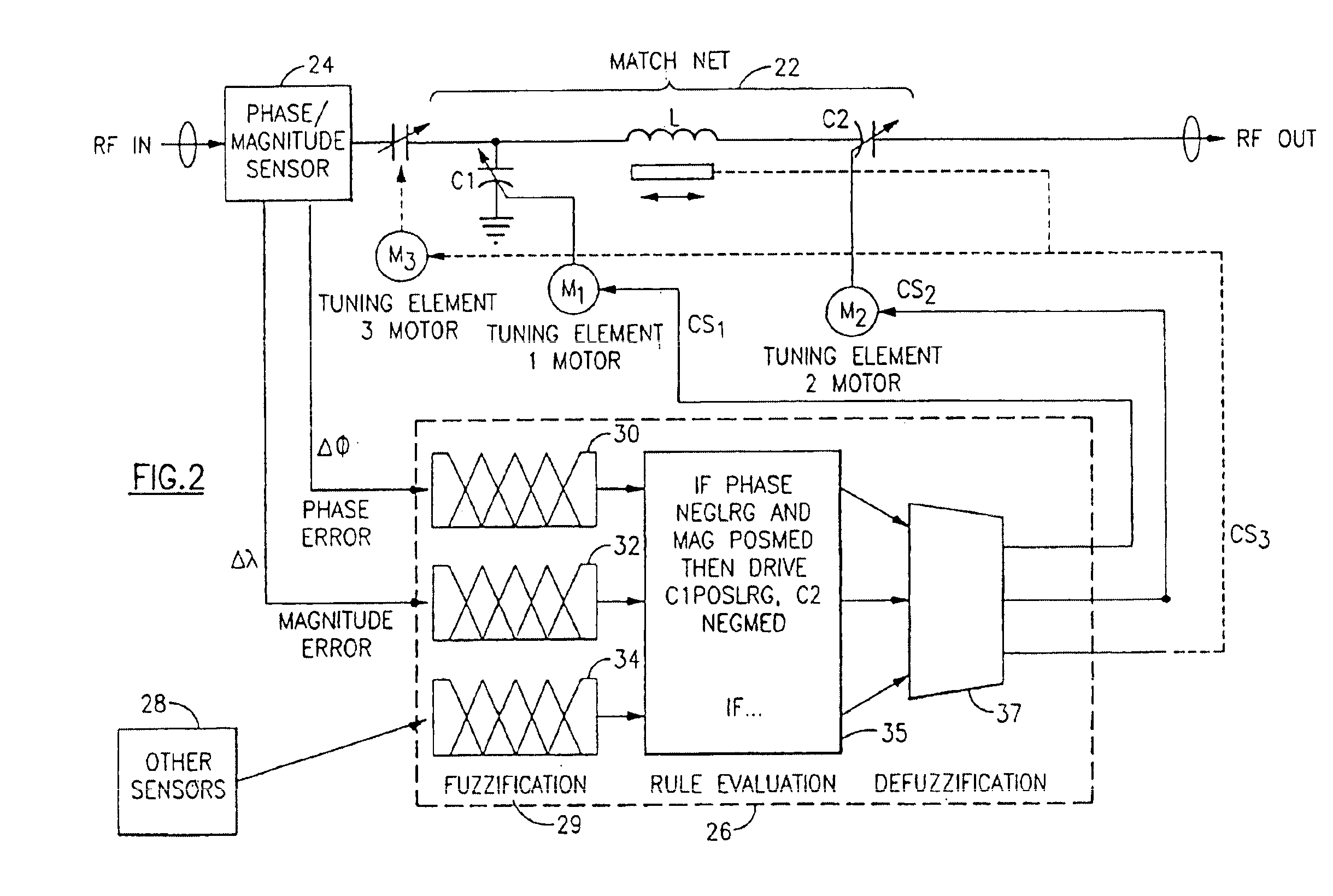
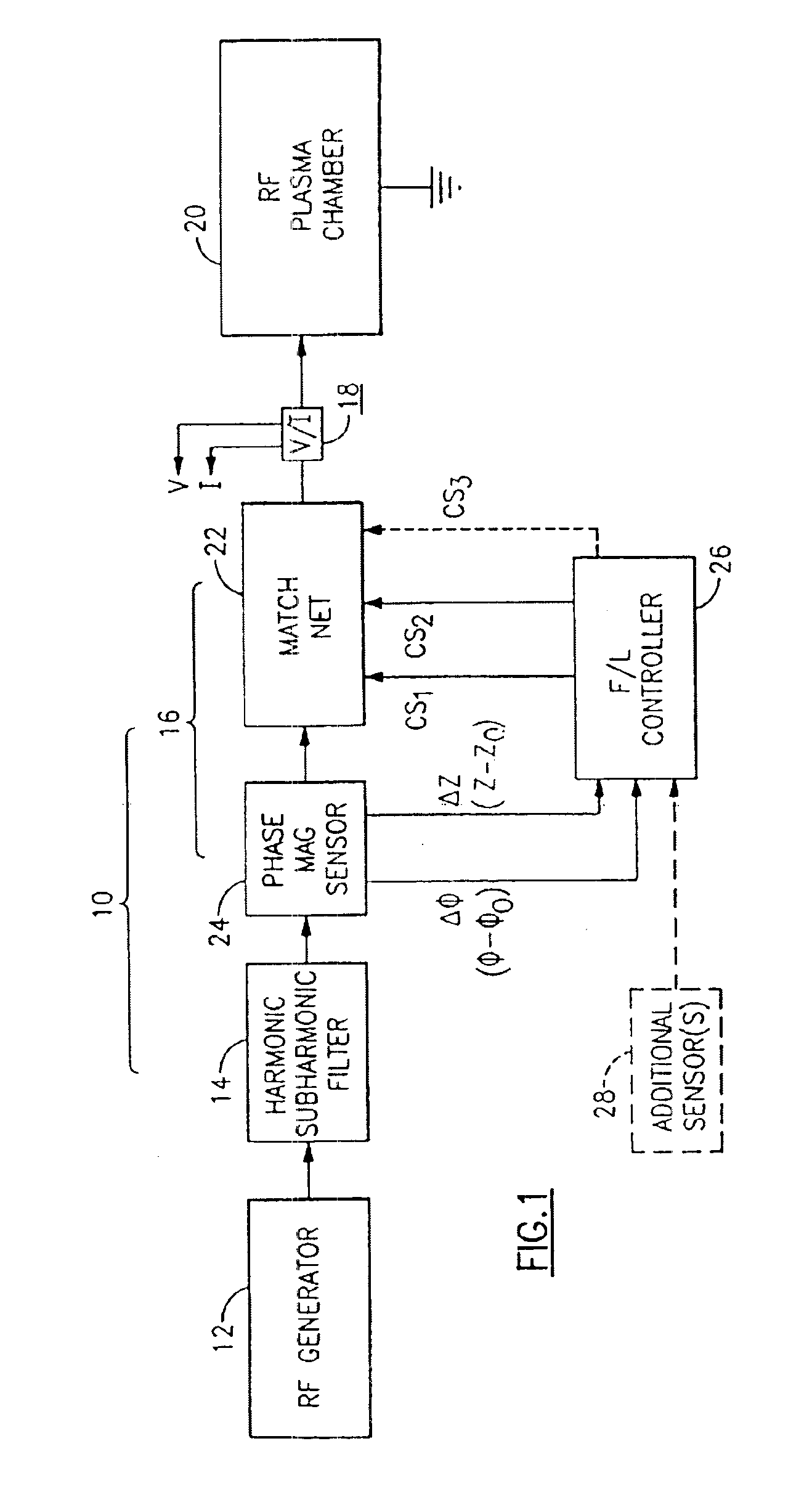
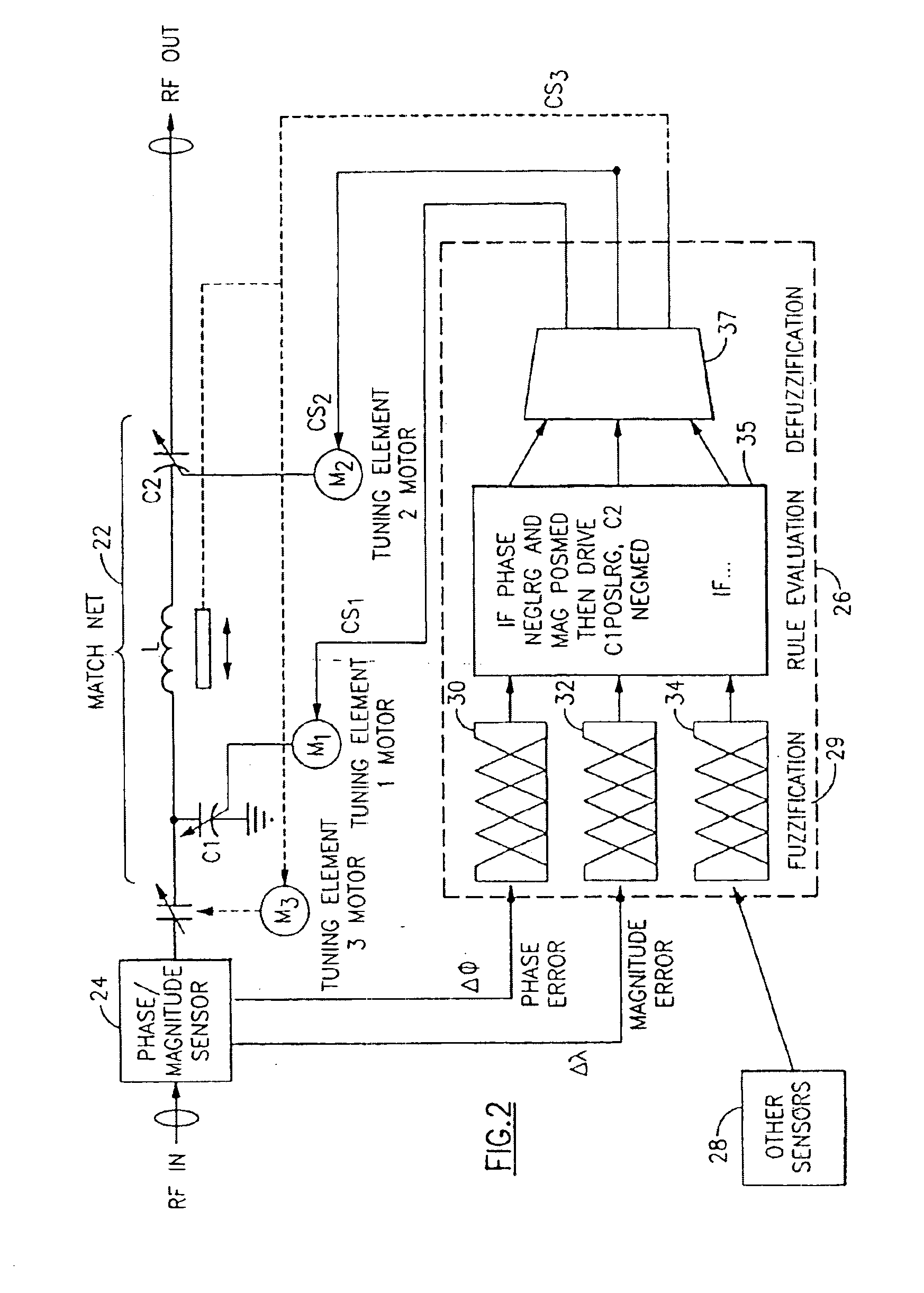
Fuzzy logic tuning of RF matching network
PatentInactiveUSRE39051E1
Innovation
- The implementation of a fuzzy logic control technique that utilizes both phase and magnitude error signals to control multiple variable impedance elements, allowing for overlapping fuzzy sets and weighted drive signals to efficiently adjust the tuning elements, thereby avoiding the limitations of prior art.

Method and apparatus for fuzzy logic control with automatic tuning
PatentInactiveEP0713587B1
Innovation
- An automatically tunable fuzzy logic controller system that determines dynamic process characteristics through controlled induced oscillation, calculating fuzzy control parameters to optimize process control without requiring a process model or changing existing controller parameters.


Industrial Standards for Fuzzy Control Systems
The standardization of fuzzy control systems has become increasingly critical as these technologies transition from academic research to widespread industrial deployment. Current industrial standards for fuzzy control systems are primarily governed by the International Electrotechnical Commission (IEC) 61131-7 standard, which provides comprehensive guidelines for fuzzy control programming within programmable logic controllers. This standard establishes fundamental requirements for fuzzy logic implementation, including linguistic variable definitions, membership function specifications, and rule base structures that ensure consistency across different platforms and manufacturers.
The IEEE Standards Association has also contributed significantly through IEEE 1855-2016, which defines the standard for fuzzy markup language and fuzzy control programming interfaces. This standard facilitates interoperability between different fuzzy control development environments and enables seamless integration of fuzzy logic modules into existing control architectures. The standard specifies XML-based representations for fuzzy systems, allowing for portable and vendor-independent implementations that can be deployed across various industrial automation platforms.
Safety and reliability standards play a crucial role in fuzzy control system certification, particularly in critical applications such as nuclear power plants, aerospace systems, and medical devices. The IEC 61508 functional safety standard provides frameworks for incorporating fuzzy logic controllers into safety-instrumented systems, establishing requirements for systematic capability, hardware fault tolerance, and software development lifecycle processes. These standards mandate rigorous verification and validation procedures, including formal methods for proving fuzzy system behavior under specified operating conditions.
Emerging standardization efforts focus on cybersecurity aspects of fuzzy control systems, addressing vulnerabilities introduced by networked industrial control environments. The IEC 62443 series provides security guidelines that encompass fuzzy logic implementations, establishing protocols for secure communication, access control, and intrusion detection within fuzzy control networks. Additionally, industry-specific standards such as ISO 26262 for automotive applications and DO-178C for aerospace systems are being extended to accommodate fuzzy logic controllers, ensuring compliance with domain-specific safety and performance requirements while maintaining the adaptive advantages of fuzzy control methodologies.
The IEEE Standards Association has also contributed significantly through IEEE 1855-2016, which defines the standard for fuzzy markup language and fuzzy control programming interfaces. This standard facilitates interoperability between different fuzzy control development environments and enables seamless integration of fuzzy logic modules into existing control architectures. The standard specifies XML-based representations for fuzzy systems, allowing for portable and vendor-independent implementations that can be deployed across various industrial automation platforms.
Safety and reliability standards play a crucial role in fuzzy control system certification, particularly in critical applications such as nuclear power plants, aerospace systems, and medical devices. The IEC 61508 functional safety standard provides frameworks for incorporating fuzzy logic controllers into safety-instrumented systems, establishing requirements for systematic capability, hardware fault tolerance, and software development lifecycle processes. These standards mandate rigorous verification and validation procedures, including formal methods for proving fuzzy system behavior under specified operating conditions.
Emerging standardization efforts focus on cybersecurity aspects of fuzzy control systems, addressing vulnerabilities introduced by networked industrial control environments. The IEC 62443 series provides security guidelines that encompass fuzzy logic implementations, establishing protocols for secure communication, access control, and intrusion detection within fuzzy control networks. Additionally, industry-specific standards such as ISO 26262 for automotive applications and DO-178C for aerospace systems are being extended to accommodate fuzzy logic controllers, ensuring compliance with domain-specific safety and performance requirements while maintaining the adaptive advantages of fuzzy control methodologies.
AI Integration with Fuzzy Logic Control
The integration of artificial intelligence with fuzzy logic control systems represents a paradigmatic shift in control engineering, combining the interpretability of fuzzy reasoning with the adaptive capabilities of modern AI techniques. This convergence addresses fundamental limitations in traditional control approaches while enhancing system performance through intelligent decision-making mechanisms.
Machine learning algorithms, particularly neural networks, have been successfully integrated with fuzzy logic controllers to create adaptive neuro-fuzzy inference systems (ANFIS). These hybrid architectures leverage neural networks' learning capabilities to automatically tune fuzzy membership functions and rule bases, eliminating the need for manual parameter adjustment. The integration enables controllers to adapt to changing system dynamics and environmental conditions in real-time.
Deep learning integration has emerged as a significant advancement, where convolutional neural networks extract features from sensor data to inform fuzzy rule generation. This approach proves particularly valuable in complex control scenarios such as autonomous vehicle navigation and industrial process control, where traditional rule-based systems struggle with high-dimensional input spaces.
Reinforcement learning combined with fuzzy logic creates intelligent control agents capable of learning optimal control policies through interaction with their environment. The fuzzy component provides interpretable action selection mechanisms, while reinforcement learning optimizes long-term performance objectives. This integration has shown remarkable success in robotics applications, where explainable decision-making is crucial for safety-critical operations.
Genetic algorithms and evolutionary computation techniques optimize fuzzy controller parameters, including membership function shapes and rule weights. These AI-driven optimization methods systematically explore the parameter space to identify configurations that maximize control performance metrics while maintaining system stability.
The integration also encompasses predictive analytics, where AI models forecast system behavior to enable proactive fuzzy control adjustments. Machine learning algorithms analyze historical performance data to predict potential system failures or performance degradation, allowing fuzzy controllers to implement preventive measures. This predictive capability significantly enhances system reliability and reduces maintenance costs in industrial applications.
Machine learning algorithms, particularly neural networks, have been successfully integrated with fuzzy logic controllers to create adaptive neuro-fuzzy inference systems (ANFIS). These hybrid architectures leverage neural networks' learning capabilities to automatically tune fuzzy membership functions and rule bases, eliminating the need for manual parameter adjustment. The integration enables controllers to adapt to changing system dynamics and environmental conditions in real-time.
Deep learning integration has emerged as a significant advancement, where convolutional neural networks extract features from sensor data to inform fuzzy rule generation. This approach proves particularly valuable in complex control scenarios such as autonomous vehicle navigation and industrial process control, where traditional rule-based systems struggle with high-dimensional input spaces.
Reinforcement learning combined with fuzzy logic creates intelligent control agents capable of learning optimal control policies through interaction with their environment. The fuzzy component provides interpretable action selection mechanisms, while reinforcement learning optimizes long-term performance objectives. This integration has shown remarkable success in robotics applications, where explainable decision-making is crucial for safety-critical operations.
Genetic algorithms and evolutionary computation techniques optimize fuzzy controller parameters, including membership function shapes and rule weights. These AI-driven optimization methods systematically explore the parameter space to identify configurations that maximize control performance metrics while maintaining system stability.
The integration also encompasses predictive analytics, where AI models forecast system behavior to enable proactive fuzzy control adjustments. Machine learning algorithms analyze historical performance data to predict potential system failures or performance degradation, allowing fuzzy controllers to implement preventive measures. This predictive capability significantly enhances system reliability and reduces maintenance costs in industrial applications.
Unlock deeper insights with Patsnap Eureka Quick Research — get a full tech report to explore trends and direct your research. Try now!
Generate Your Research Report Instantly with AI Agent
Supercharge your innovation with Patsnap Eureka AI Agent Platform!