

Hydrogel Actuators vs Electroactive Polymers: Energy Input Requirements
MAY 12, 20269 MIN READ
Generate Your Research Report Instantly with AI Agent
Patsnap Eureka helps you evaluate technical feasibility & market potential.
Hydrogel and EAP Actuator Technology Background and Objectives
Hydrogel actuators and electroactive polymers (EAPs) represent two distinct paradigms in the field of soft robotics and biomimetic systems, each offering unique mechanisms for converting energy into mechanical motion. These technologies have emerged as promising alternatives to traditional rigid actuators, particularly in applications requiring biocompatibility, flexibility, and silent operation.
Hydrogel actuators operate through volume phase transitions triggered by environmental stimuli such as temperature, pH, ionic strength, or electric fields. These three-dimensional polymer networks can undergo substantial volumetric changes, often exceeding 1000% volume expansion or contraction. The actuation mechanism relies on osmotic pressure differences and polymer chain conformational changes, enabling these materials to generate significant forces while maintaining their soft, tissue-like properties.
Electroactive polymers encompass a broader category of materials that deform when subjected to electrical stimulation. This family includes ionic EAPs such as conducting polymers and ionic polymer-metal composites, as well as electronic EAPs like dielectric elastomers and piezoelectric polymers. Each subtype exhibits distinct energy conversion mechanisms, from ion migration and redox reactions to electrostatic forces and piezoelectric effects.
The evolution of these technologies has been driven by the growing demand for actuators that can seamlessly integrate with biological systems, operate in aqueous environments, and provide human-safe interaction capabilities. Traditional electromagnetic motors and pneumatic systems, while highly efficient, often lack the compliance and biocompatibility required for emerging applications in medical devices, wearable technologies, and bio-inspired robotics.
Current research objectives focus on addressing the fundamental energy efficiency challenges that limit widespread adoption of both hydrogel and EAP actuators. For hydrogel systems, the primary goal involves developing rapid response mechanisms while minimizing energy consumption during phase transitions. This includes optimizing polymer network architectures and exploring novel stimuli-responsive chemistries that can achieve faster actuation cycles with reduced energy input.
In the EAP domain, research efforts concentrate on enhancing energy conversion efficiency while extending operational lifetimes. Key objectives include developing new polymer formulations that reduce energy losses during electromechanical conversion, improving electrode designs to minimize resistive losses, and creating hybrid systems that combine the advantages of different EAP mechanisms.
The comparative analysis of energy input requirements between these two actuator technologies aims to establish performance benchmarks and identify optimal application domains for each approach, ultimately guiding future development strategies in the soft actuator field.
Hydrogel actuators operate through volume phase transitions triggered by environmental stimuli such as temperature, pH, ionic strength, or electric fields. These three-dimensional polymer networks can undergo substantial volumetric changes, often exceeding 1000% volume expansion or contraction. The actuation mechanism relies on osmotic pressure differences and polymer chain conformational changes, enabling these materials to generate significant forces while maintaining their soft, tissue-like properties.
Electroactive polymers encompass a broader category of materials that deform when subjected to electrical stimulation. This family includes ionic EAPs such as conducting polymers and ionic polymer-metal composites, as well as electronic EAPs like dielectric elastomers and piezoelectric polymers. Each subtype exhibits distinct energy conversion mechanisms, from ion migration and redox reactions to electrostatic forces and piezoelectric effects.
The evolution of these technologies has been driven by the growing demand for actuators that can seamlessly integrate with biological systems, operate in aqueous environments, and provide human-safe interaction capabilities. Traditional electromagnetic motors and pneumatic systems, while highly efficient, often lack the compliance and biocompatibility required for emerging applications in medical devices, wearable technologies, and bio-inspired robotics.
Current research objectives focus on addressing the fundamental energy efficiency challenges that limit widespread adoption of both hydrogel and EAP actuators. For hydrogel systems, the primary goal involves developing rapid response mechanisms while minimizing energy consumption during phase transitions. This includes optimizing polymer network architectures and exploring novel stimuli-responsive chemistries that can achieve faster actuation cycles with reduced energy input.
In the EAP domain, research efforts concentrate on enhancing energy conversion efficiency while extending operational lifetimes. Key objectives include developing new polymer formulations that reduce energy losses during electromechanical conversion, improving electrode designs to minimize resistive losses, and creating hybrid systems that combine the advantages of different EAP mechanisms.
The comparative analysis of energy input requirements between these two actuator technologies aims to establish performance benchmarks and identify optimal application domains for each approach, ultimately guiding future development strategies in the soft actuator field.
Market Demand Analysis for Soft Actuator Technologies
The global soft actuator market is experiencing unprecedented growth driven by increasing demand for biomimetic robotics, medical devices, and human-machine interfaces. Traditional rigid actuators face limitations in applications requiring flexibility, compliance, and biocompatibility, creating substantial opportunities for soft actuator technologies. The convergence of robotics, healthcare, and consumer electronics sectors has amplified the need for actuators that can operate safely in close proximity to humans while delivering precise, controlled motion.
Healthcare applications represent the largest market segment for soft actuators, particularly in minimally invasive surgical instruments, prosthetics, and rehabilitation devices. The aging global population and rising prevalence of chronic diseases are driving demand for advanced medical technologies that can provide gentle, adaptive assistance. Soft actuators enable the development of surgical robots capable of navigating delicate anatomical structures and prosthetic devices that can restore natural movement patterns.
The robotics industry is increasingly adopting soft actuator technologies to create more versatile and safer robotic systems. Industrial automation, service robotics, and collaborative robots require actuators that can handle delicate objects, adapt to irregular surfaces, and operate safely alongside human workers. This shift toward soft robotics is particularly pronounced in food handling, packaging, and assembly operations where traditional rigid systems prove inadequate.
Consumer electronics and wearable technology sectors are emerging as significant growth drivers for soft actuators. The development of haptic feedback systems, flexible displays, and smart textiles requires actuators that can integrate seamlessly into compact, lightweight devices. Virtual reality, augmented reality, and gaming applications demand sophisticated tactile feedback mechanisms that soft actuators can uniquely provide.
Automotive and aerospace industries are exploring soft actuator applications for adaptive surfaces, morphing structures, and human-centered interfaces. The push toward autonomous vehicles and advanced cockpit designs creates opportunities for actuators that can provide intuitive feedback and adaptive control surfaces.
Market growth is further accelerated by advances in materials science, manufacturing processes, and control systems that have improved the performance and reduced the costs of soft actuator technologies. The increasing availability of specialized polymers, hydrogel formulations, and fabrication techniques has made commercial deployment more feasible across diverse applications.
Healthcare applications represent the largest market segment for soft actuators, particularly in minimally invasive surgical instruments, prosthetics, and rehabilitation devices. The aging global population and rising prevalence of chronic diseases are driving demand for advanced medical technologies that can provide gentle, adaptive assistance. Soft actuators enable the development of surgical robots capable of navigating delicate anatomical structures and prosthetic devices that can restore natural movement patterns.
The robotics industry is increasingly adopting soft actuator technologies to create more versatile and safer robotic systems. Industrial automation, service robotics, and collaborative robots require actuators that can handle delicate objects, adapt to irregular surfaces, and operate safely alongside human workers. This shift toward soft robotics is particularly pronounced in food handling, packaging, and assembly operations where traditional rigid systems prove inadequate.
Consumer electronics and wearable technology sectors are emerging as significant growth drivers for soft actuators. The development of haptic feedback systems, flexible displays, and smart textiles requires actuators that can integrate seamlessly into compact, lightweight devices. Virtual reality, augmented reality, and gaming applications demand sophisticated tactile feedback mechanisms that soft actuators can uniquely provide.
Automotive and aerospace industries are exploring soft actuator applications for adaptive surfaces, morphing structures, and human-centered interfaces. The push toward autonomous vehicles and advanced cockpit designs creates opportunities for actuators that can provide intuitive feedback and adaptive control surfaces.
Market growth is further accelerated by advances in materials science, manufacturing processes, and control systems that have improved the performance and reduced the costs of soft actuator technologies. The increasing availability of specialized polymers, hydrogel formulations, and fabrication techniques has made commercial deployment more feasible across diverse applications.
Current Status and Energy Efficiency Challenges in Soft Actuators
Soft actuators represent a rapidly evolving field within robotics and materials science, with hydrogel actuators and electroactive polymers (EAPs) emerging as two dominant technological approaches. Both technologies have achieved significant milestones in laboratory settings, demonstrating remarkable capabilities in biomimetic applications, medical devices, and soft robotics systems. However, the transition from research prototypes to commercially viable products remains hindered by substantial energy efficiency challenges that fundamentally limit their practical deployment.
Hydrogel actuators currently operate through various stimuli-responsive mechanisms, including thermal, pH, ionic strength, and electric field activation. The most advanced systems demonstrate actuation strains exceeding 400% in controlled laboratory environments. However, these impressive performance metrics come at the cost of substantial energy consumption, particularly in thermally-activated systems that require continuous heating and cooling cycles. Current thermal hydrogel actuators typically consume 50-200 mW/g of active material, with response times ranging from seconds to minutes depending on the hydrogel thickness and cross-linking density.
Electroactive polymers have achieved notable progress in both ionic and electronic variants. Ionic EAPs, including conducting polymers and ionic polymer-metal composites, operate at relatively low voltages (1-5V) but suffer from slow response times and limited operational lifetime in air environments. Electronic EAPs, such as dielectric elastomers and piezoelectric polymers, can achieve rapid response times under milliseconds but require high driving voltages ranging from hundreds to thousands of volts, necessitating complex power management systems.
The energy efficiency challenge manifests differently across these technologies. Hydrogel actuators face fundamental thermodynamic limitations in stimulus-response cycles, where energy losses occur through heat dissipation and irreversible molecular rearrangements. Current research indicates that only 5-15% of input energy translates to useful mechanical work in most hydrogel systems. EAPs encounter efficiency bottlenecks through dielectric losses, ionic migration inefficiencies, and parasitic capacitance effects, with typical energy conversion efficiencies remaining below 20% for most practical applications.
Manufacturing scalability presents additional constraints on energy performance optimization. Laboratory-scale actuators often employ specialized materials and fabrication techniques that become prohibitively expensive or technically unfeasible at industrial scales. The integration of energy harvesting systems, power electronics, and control circuits further compounds the overall system energy requirements, often increasing total power consumption by 200-500% compared to the bare actuator element.
Current industry efforts focus on hybrid approaches combining multiple actuation mechanisms, advanced material formulations with enhanced energy coupling, and intelligent control algorithms that optimize energy utilization patterns. However, breakthrough solutions addressing the fundamental energy conversion limitations remain elusive, representing the primary technological barrier preventing widespread commercial adoption of soft actuator technologies.
Hydrogel actuators currently operate through various stimuli-responsive mechanisms, including thermal, pH, ionic strength, and electric field activation. The most advanced systems demonstrate actuation strains exceeding 400% in controlled laboratory environments. However, these impressive performance metrics come at the cost of substantial energy consumption, particularly in thermally-activated systems that require continuous heating and cooling cycles. Current thermal hydrogel actuators typically consume 50-200 mW/g of active material, with response times ranging from seconds to minutes depending on the hydrogel thickness and cross-linking density.
Electroactive polymers have achieved notable progress in both ionic and electronic variants. Ionic EAPs, including conducting polymers and ionic polymer-metal composites, operate at relatively low voltages (1-5V) but suffer from slow response times and limited operational lifetime in air environments. Electronic EAPs, such as dielectric elastomers and piezoelectric polymers, can achieve rapid response times under milliseconds but require high driving voltages ranging from hundreds to thousands of volts, necessitating complex power management systems.
The energy efficiency challenge manifests differently across these technologies. Hydrogel actuators face fundamental thermodynamic limitations in stimulus-response cycles, where energy losses occur through heat dissipation and irreversible molecular rearrangements. Current research indicates that only 5-15% of input energy translates to useful mechanical work in most hydrogel systems. EAPs encounter efficiency bottlenecks through dielectric losses, ionic migration inefficiencies, and parasitic capacitance effects, with typical energy conversion efficiencies remaining below 20% for most practical applications.
Manufacturing scalability presents additional constraints on energy performance optimization. Laboratory-scale actuators often employ specialized materials and fabrication techniques that become prohibitively expensive or technically unfeasible at industrial scales. The integration of energy harvesting systems, power electronics, and control circuits further compounds the overall system energy requirements, often increasing total power consumption by 200-500% compared to the bare actuator element.
Current industry efforts focus on hybrid approaches combining multiple actuation mechanisms, advanced material formulations with enhanced energy coupling, and intelligent control algorithms that optimize energy utilization patterns. However, breakthrough solutions addressing the fundamental energy conversion limitations remain elusive, representing the primary technological barrier preventing widespread commercial adoption of soft actuator technologies.
Current Energy Input Solutions for Soft Actuator Systems
01 Low voltage actuation mechanisms for electroactive polymers
Development of electroactive polymer systems that can operate efficiently at reduced voltage levels to minimize energy consumption. These mechanisms focus on optimizing the electrical field distribution and polymer structure to achieve maximum actuation response with minimal power input. The approach involves engineering the polymer matrix and electrode configurations to enhance electromechanical coupling efficiency.- Low voltage actuation mechanisms for electroactive polymers: Development of electroactive polymer systems that can operate effectively at reduced voltage levels to minimize energy consumption. These mechanisms focus on optimizing the polymer structure and electrode configuration to achieve significant actuation with lower electrical input requirements, making them more practical for portable and battery-powered applications.
- Energy harvesting and self-powered hydrogel actuator systems: Integration of energy harvesting capabilities within hydrogel actuator systems to reduce external power requirements. These systems can capture energy from environmental sources such as mechanical vibrations, thermal gradients, or chemical reactions to power the actuation process, creating autonomous or semi-autonomous actuator devices.
- Optimized power management and control circuits: Development of specialized electronic control systems that efficiently manage power delivery to electroactive polymer actuators. These circuits include pulse width modulation, capacitive energy storage, and smart switching mechanisms to minimize power consumption while maintaining precise control over actuator performance and response characteristics.
- Material composition optimization for reduced energy requirements: Enhancement of hydrogel and electroactive polymer materials through chemical modification and composite structures to achieve lower activation thresholds and improved energy efficiency. These approaches involve incorporating conductive fillers, ionic additives, and crosslinking modifications that reduce the electrical energy needed for actuation while maintaining mechanical performance.
- Hybrid actuation systems combining multiple energy sources: Implementation of multi-modal actuation approaches that combine electrical, thermal, chemical, and mechanical energy inputs to optimize overall system efficiency. These hybrid systems can switch between different actuation modes based on available energy sources and required performance, providing flexibility in energy management and operational capabilities.
02 Energy harvesting and self-powered hydrogel actuator systems
Integration of energy harvesting capabilities within hydrogel actuator systems to reduce external power requirements. These systems can capture ambient energy from sources such as mechanical vibrations, thermal gradients, or electromagnetic fields to power the actuation mechanisms. The technology enables autonomous operation and reduces dependency on external power sources.Expand Specific Solutions03 Optimized power management and control circuits
Advanced electronic control systems designed to minimize energy consumption in electroactive polymer actuators through intelligent power management strategies. These circuits employ techniques such as pulse width modulation, adaptive voltage control, and energy recovery systems to optimize power delivery and reduce overall energy requirements during operation cycles.Expand Specific Solutions04 Material composition optimization for reduced energy requirements
Development of novel polymer compositions and hydrogel formulations that exhibit enhanced electromechanical properties while requiring lower activation energies. These materials incorporate conductive additives, plasticizers, and cross-linking agents that improve ionic conductivity and mechanical response, thereby reducing the energy threshold needed for actuation.Expand Specific Solutions05 Hybrid actuation systems combining multiple energy input methods
Integration of multiple actuation mechanisms within single systems to optimize energy efficiency and performance characteristics. These hybrid approaches combine electrical, thermal, chemical, and mechanical energy inputs to achieve desired actuation responses while minimizing overall power consumption through synergistic effects between different activation methods.Expand Specific Solutions
Major Players in Hydrogel and EAP Actuator Development
The hydrogel actuators versus electroactive polymers energy input requirements field represents an emerging technology sector in early development stages with significant growth potential. The market remains relatively small but shows promising expansion driven by applications in medical devices, consumer electronics, and industrial automation. Technology maturity varies considerably across key players, with established corporations like Sony Group Corp., Covestro Deutschland AG, and Robert Bosch GmbH leveraging their polymer expertise and manufacturing capabilities to advance commercial applications. Research institutions including Zhejiang Sci-Tech University, North Carolina State University, and Technical University of Denmark are driving fundamental breakthroughs in energy efficiency and material properties. Specialized companies such as Eamex Corp. and Garwood Medical Devices LLC focus on niche applications, while chemical giants like BASF Corp. and Kuraray Co., Ltd. contribute advanced material solutions. The competitive landscape indicates a technology transition phase where academic research is increasingly translating into commercial prototypes, suggesting imminent market maturation.
Sony Group Corp.
Technical Solution: Sony has invested heavily in electroactive polymer actuators for consumer electronics and robotics applications, focusing on miniaturization and energy efficiency. Their EAP technology utilizes ionic polymer-metal composites (IPMCs) that operate at low voltages of 1-5V, significantly reducing energy requirements compared to traditional dielectric EAPs. Sony's actuators achieve bending strains up to 15% with power consumption as low as 10-50 mW, making them suitable for battery-powered devices. The company has also developed proprietary manufacturing processes that enable mass production of EAP components with consistent performance characteristics and reduced material costs.
Strengths: Low voltage operation, mass production capabilities, consumer electronics integration expertise. Weaknesses: Limited force output, sensitivity to environmental conditions like humidity.
Covestro Deutschland AG
Technical Solution: Covestro has developed advanced thermoplastic polyurethane (TPU) based electroactive polymers with optimized energy input characteristics for industrial applications. Their Desmopan series includes specialized grades designed for EAP applications that operate efficiently at voltages between 2-6 kV while providing strain rates up to 120%. The company's material science expertise has led to the development of TPU formulations with enhanced dielectric properties and reduced energy losses during cyclic operation. Covestro's EAP materials demonstrate energy efficiency improvements of 25-40% over standard elastomers through optimized molecular architecture and additive packages that minimize hysteresis losses.
Strengths: Advanced material science capabilities, industrial-scale production, optimized polymer formulations. Weaknesses: Still requires moderate to high voltage operation, limited to specific polymer chemistries.
Core Energy Optimization Patents in Hydrogel vs EAP Technologies
Energy efficient electroactive polymers and electroactive polymer devices
PatentInactiveUS6911764B2
Innovation
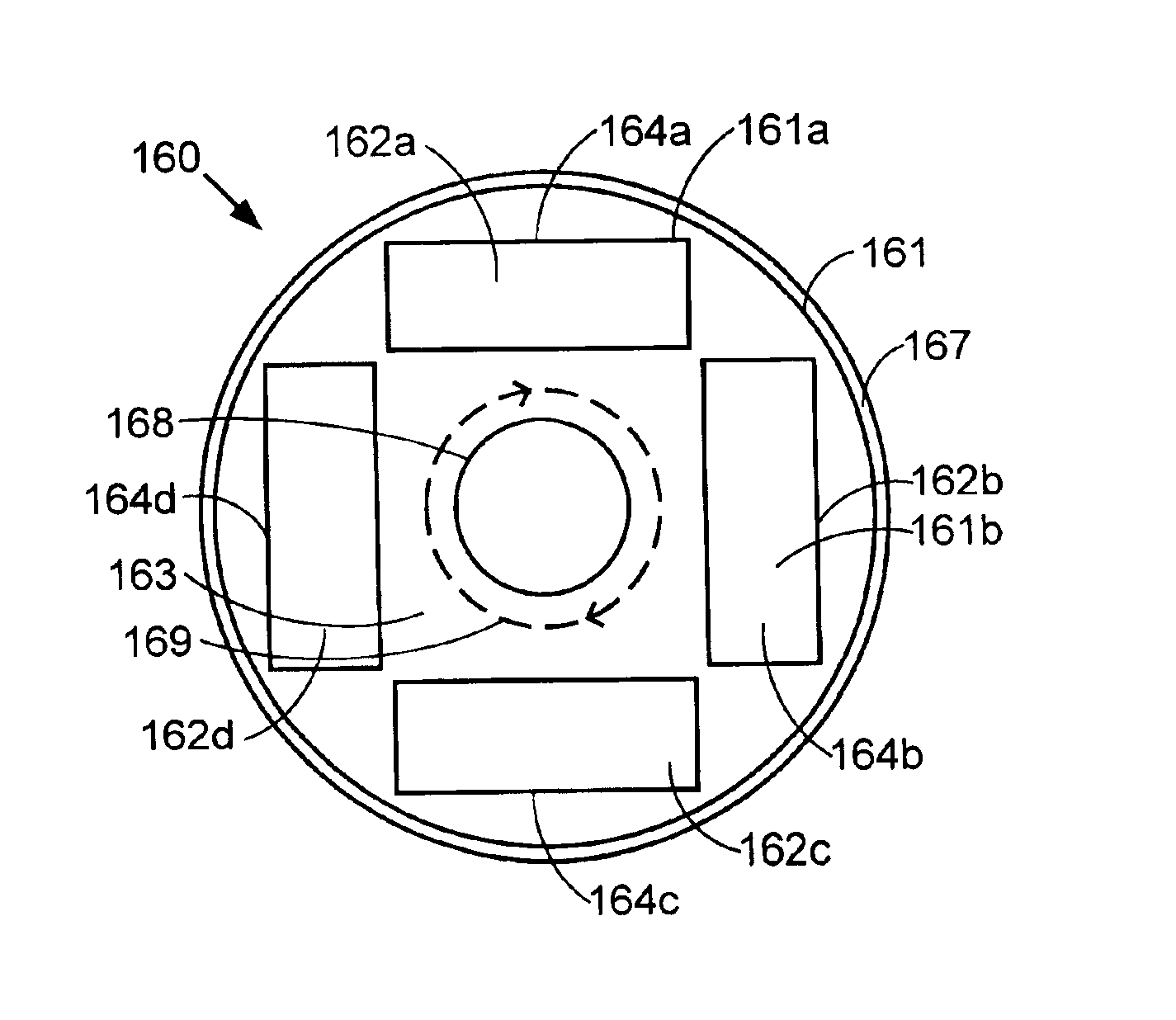
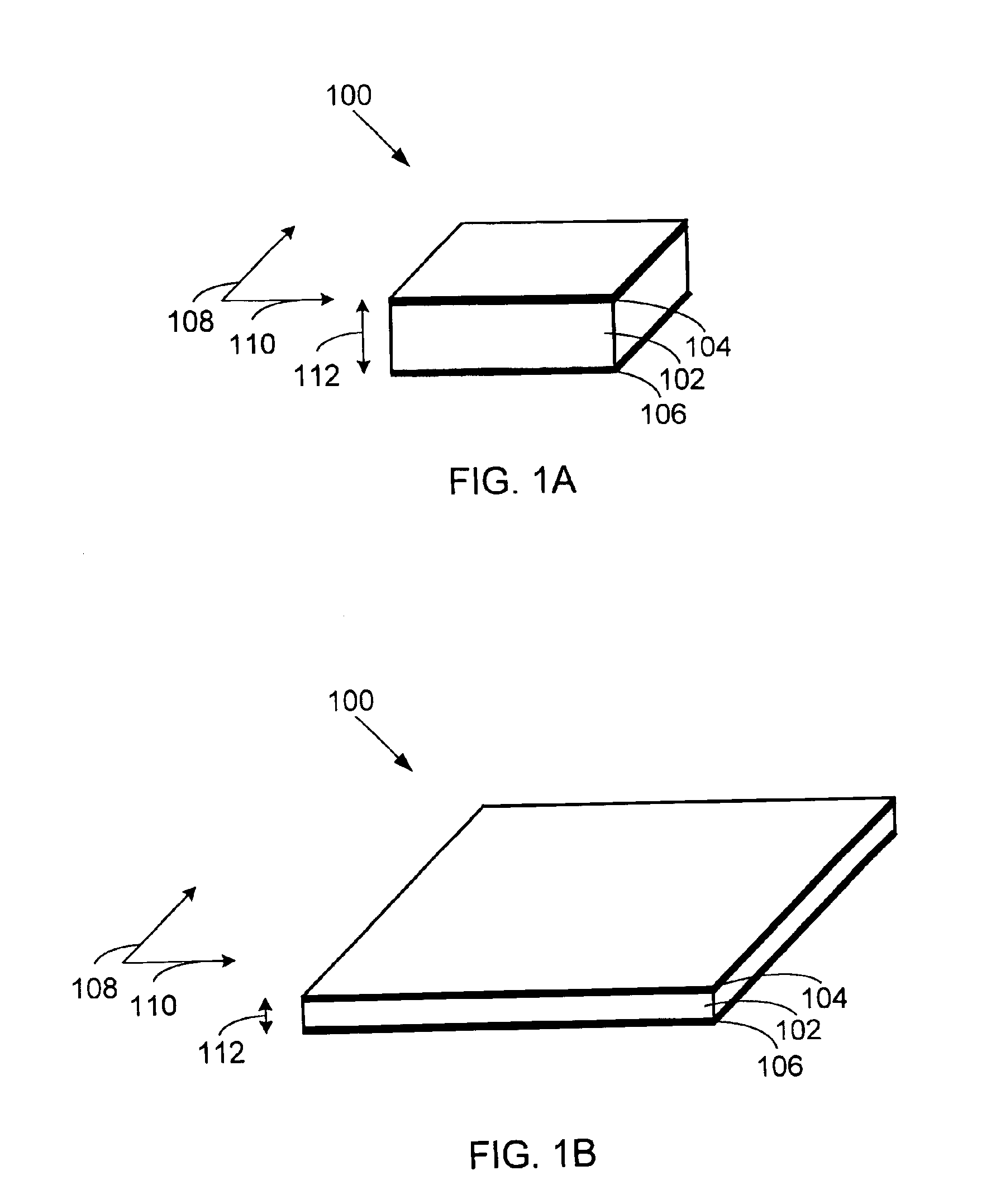
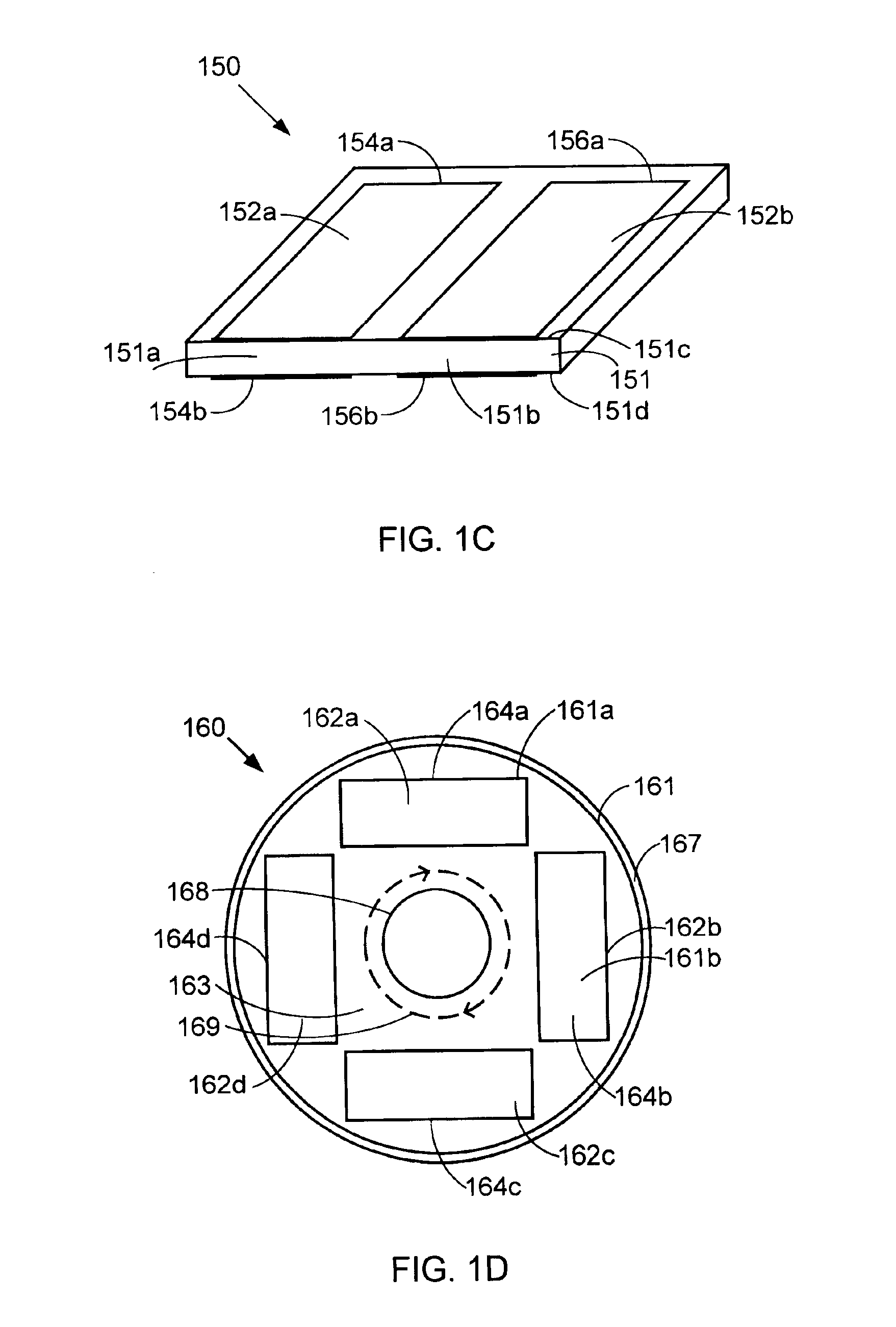
- Electroactive polymers that deflect in response to voltage changes, allowing for mechanical work or electrical energy generation, with multiple active areas and mechanical input energy assistance to enhance deflection and energy conversion efficiency, while maintaining constant elastic potential energy.

Polymer actuator
PatentInactiveUS20060050189A1
Innovation
- A polymer actuator comprising multiple gel/electrode complexes with acidic or basic functional groups in an electrolytic solution, allowing for volume change and force generation through voltage application, eliminating the need for heating and cooling units and enabling linear expansion and contraction like skeletal muscles.


Environmental Impact Assessment of Actuator Energy Consumption
The environmental implications of energy consumption in actuator technologies represent a critical consideration in the comparative assessment of hydrogel actuators and electroactive polymers. The energy efficiency disparities between these technologies translate directly into varying environmental footprints throughout their operational lifecycles.
Hydrogel actuators typically demonstrate superior energy efficiency due to their ability to achieve significant mechanical responses with minimal electrical input. This characteristic stems from their water-based swelling mechanisms, which require relatively low activation energies. The reduced energy demands result in lower carbon emissions during operation, particularly when considering grid electricity sources with fossil fuel components. Additionally, the biocompatible nature of many hydrogel materials contributes to reduced environmental toxicity concerns during manufacturing and disposal phases.
Electroactive polymers, while offering rapid response times and precise control, generally require higher energy inputs to achieve comparable actuation forces. The increased power consumption translates to elevated greenhouse gas emissions over extended operational periods. However, certain EAP variants, particularly dielectric elastomers, have shown promising improvements in energy efficiency through advanced material formulations and optimized electrode configurations.
The manufacturing phase environmental impact varies significantly between these technologies. Hydrogel production often involves water-intensive processes and may require specialized cross-linking agents, contributing to chemical waste streams. Conversely, EAP manufacturing typically involves more energy-intensive polymerization processes and may utilize solvents with higher environmental persistence.
Lifecycle assessment considerations reveal that hydrogel actuators generally exhibit lower cumulative environmental impact due to their biodegradable nature and reduced operational energy requirements. The disposal phase particularly favors hydrogel systems, as many formulations can undergo natural decomposition without generating persistent pollutants.
Regional energy grid compositions significantly influence the environmental impact calculations. In areas with high renewable energy penetration, the operational environmental benefits of energy-efficient hydrogel actuators become less pronounced, while regions dependent on fossil fuel-based electricity generation show more substantial environmental advantages for low-energy consumption actuator technologies.
Hydrogel actuators typically demonstrate superior energy efficiency due to their ability to achieve significant mechanical responses with minimal electrical input. This characteristic stems from their water-based swelling mechanisms, which require relatively low activation energies. The reduced energy demands result in lower carbon emissions during operation, particularly when considering grid electricity sources with fossil fuel components. Additionally, the biocompatible nature of many hydrogel materials contributes to reduced environmental toxicity concerns during manufacturing and disposal phases.
Electroactive polymers, while offering rapid response times and precise control, generally require higher energy inputs to achieve comparable actuation forces. The increased power consumption translates to elevated greenhouse gas emissions over extended operational periods. However, certain EAP variants, particularly dielectric elastomers, have shown promising improvements in energy efficiency through advanced material formulations and optimized electrode configurations.
The manufacturing phase environmental impact varies significantly between these technologies. Hydrogel production often involves water-intensive processes and may require specialized cross-linking agents, contributing to chemical waste streams. Conversely, EAP manufacturing typically involves more energy-intensive polymerization processes and may utilize solvents with higher environmental persistence.
Lifecycle assessment considerations reveal that hydrogel actuators generally exhibit lower cumulative environmental impact due to their biodegradable nature and reduced operational energy requirements. The disposal phase particularly favors hydrogel systems, as many formulations can undergo natural decomposition without generating persistent pollutants.
Regional energy grid compositions significantly influence the environmental impact calculations. In areas with high renewable energy penetration, the operational environmental benefits of energy-efficient hydrogel actuators become less pronounced, while regions dependent on fossil fuel-based electricity generation show more substantial environmental advantages for low-energy consumption actuator technologies.
Safety Standards for Low-Power Soft Actuator Applications
The development of safety standards for low-power soft actuator applications represents a critical regulatory framework that addresses the unique characteristics and operational requirements of hydrogel actuators and electroactive polymers. Current safety protocols primarily focus on electrical safety parameters, biocompatibility requirements, and mechanical failure prevention mechanisms specific to soft actuator technologies operating under minimal energy consumption conditions.
Electrical safety standards for low-power soft actuators establish voltage and current thresholds that ensure safe operation in human-interactive environments. For hydrogel actuators, these standards typically limit operating voltages to below 50V DC to prevent electrical hazards while maintaining adequate actuation performance. Electroactive polymers require similar voltage constraints, with additional considerations for dielectric breakdown prevention and charge accumulation management during prolonged operation cycles.
Biocompatibility standards become particularly relevant when soft actuators are deployed in medical devices, wearable technologies, or direct human contact applications. ISO 10993 series standards provide the foundation for evaluating material safety, with specific adaptations for hydrogel-based systems that may release ionic species during operation. These standards mandate comprehensive cytotoxicity testing, skin sensitization assessments, and long-term biocompatibility validation protocols.
Mechanical safety requirements address the unique failure modes associated with soft actuator systems, including material fatigue, swelling-induced pressure buildup in hydrogels, and delamination risks in multilayer electroactive polymer structures. Safety standards specify maximum stress limits, cyclic loading parameters, and containment requirements to prevent mechanical failures that could compromise user safety or system integrity.
Environmental safety considerations encompass operating temperature ranges, humidity tolerance, and chemical exposure limits that ensure reliable performance across diverse application scenarios. These standards also address disposal and recycling requirements for soft actuator materials, particularly focusing on the environmental impact of hydrogel degradation products and polymer waste management protocols.
Emerging regulatory frameworks are incorporating energy efficiency metrics as safety parameters, recognizing that excessive power consumption in battery-operated soft actuator systems can lead to thermal hazards and reduced operational reliability. These evolving standards establish maximum power density limits and thermal management requirements specific to low-power soft actuator applications.
Electrical safety standards for low-power soft actuators establish voltage and current thresholds that ensure safe operation in human-interactive environments. For hydrogel actuators, these standards typically limit operating voltages to below 50V DC to prevent electrical hazards while maintaining adequate actuation performance. Electroactive polymers require similar voltage constraints, with additional considerations for dielectric breakdown prevention and charge accumulation management during prolonged operation cycles.
Biocompatibility standards become particularly relevant when soft actuators are deployed in medical devices, wearable technologies, or direct human contact applications. ISO 10993 series standards provide the foundation for evaluating material safety, with specific adaptations for hydrogel-based systems that may release ionic species during operation. These standards mandate comprehensive cytotoxicity testing, skin sensitization assessments, and long-term biocompatibility validation protocols.
Mechanical safety requirements address the unique failure modes associated with soft actuator systems, including material fatigue, swelling-induced pressure buildup in hydrogels, and delamination risks in multilayer electroactive polymer structures. Safety standards specify maximum stress limits, cyclic loading parameters, and containment requirements to prevent mechanical failures that could compromise user safety or system integrity.
Environmental safety considerations encompass operating temperature ranges, humidity tolerance, and chemical exposure limits that ensure reliable performance across diverse application scenarios. These standards also address disposal and recycling requirements for soft actuator materials, particularly focusing on the environmental impact of hydrogel degradation products and polymer waste management protocols.
Emerging regulatory frameworks are incorporating energy efficiency metrics as safety parameters, recognizing that excessive power consumption in battery-operated soft actuator systems can lead to thermal hazards and reduced operational reliability. These evolving standards establish maximum power density limits and thermal management requirements specific to low-power soft actuator applications.
Unlock deeper insights with Patsnap Eureka Quick Research — get a full tech report to explore trends and direct your research. Try now!
Generate Your Research Report Instantly with AI Agent
Supercharge your innovation with Patsnap Eureka AI Agent Platform!