Identify Areas for Improvement in Simulation-Driven Design
MAR 6, 20269 MIN READ
Generate Your Research Report Instantly with AI Agent
PatSnap Eureka helps you evaluate technical feasibility & market potential.
Simulation-Driven Design Background and Objectives
Simulation-driven design has emerged as a transformative methodology that fundamentally reshapes how products and systems are conceived, developed, and optimized across multiple industries. This approach leverages advanced computational models and virtual testing environments to predict real-world performance before physical prototypes are constructed, enabling engineers and designers to explore design spaces more comprehensively and cost-effectively.
The evolution of simulation-driven design traces back to the early computational fluid dynamics and finite element analysis applications in the 1960s and 1970s. Initially confined to aerospace and automotive industries due to computational limitations, the methodology has expanded dramatically with advances in computing power, algorithmic sophistication, and software accessibility. Today's simulation capabilities encompass multiphysics phenomena, complex material behaviors, and system-level interactions that were previously impossible to model accurately.
Modern simulation-driven design integrates multiple disciplines including computational mechanics, materials science, optimization theory, and artificial intelligence. The methodology enables virtual experimentation across various scales, from molecular dynamics simulations for material properties to full-scale system performance analysis. This multi-scale approach allows designers to understand how microscopic phenomena influence macroscopic behavior, leading to more informed design decisions.
The primary objective of advancing simulation-driven design is to achieve higher fidelity predictions while reducing computational costs and time-to-market. Current efforts focus on developing more accurate material models, improving solver efficiency, and creating seamless integration between different simulation tools. Enhanced predictive capabilities aim to minimize the gap between virtual and physical testing, ultimately reducing reliance on expensive experimental validation.
Another critical objective involves democratizing simulation access through user-friendly interfaces and automated workflows. This includes developing intelligent meshing algorithms, automated boundary condition detection, and result interpretation assistance. The goal is to enable broader adoption across organizations of varying technical sophistication levels.
Integration with emerging technologies represents a key strategic direction. Coupling simulation with machine learning enables predictive modeling based on historical data patterns, while integration with Internet of Things sensors allows real-time model validation and updating. Digital twin concepts exemplify this convergence, creating persistent virtual representations that evolve with their physical counterparts.
The ultimate vision encompasses fully autonomous design optimization, where simulation tools can independently explore design spaces, identify optimal solutions, and even suggest novel design concepts. This requires advancing multi-objective optimization algorithms, uncertainty quantification methods, and robust design methodologies that account for manufacturing variabilities and operational uncertainties.
The evolution of simulation-driven design traces back to the early computational fluid dynamics and finite element analysis applications in the 1960s and 1970s. Initially confined to aerospace and automotive industries due to computational limitations, the methodology has expanded dramatically with advances in computing power, algorithmic sophistication, and software accessibility. Today's simulation capabilities encompass multiphysics phenomena, complex material behaviors, and system-level interactions that were previously impossible to model accurately.
Modern simulation-driven design integrates multiple disciplines including computational mechanics, materials science, optimization theory, and artificial intelligence. The methodology enables virtual experimentation across various scales, from molecular dynamics simulations for material properties to full-scale system performance analysis. This multi-scale approach allows designers to understand how microscopic phenomena influence macroscopic behavior, leading to more informed design decisions.
The primary objective of advancing simulation-driven design is to achieve higher fidelity predictions while reducing computational costs and time-to-market. Current efforts focus on developing more accurate material models, improving solver efficiency, and creating seamless integration between different simulation tools. Enhanced predictive capabilities aim to minimize the gap between virtual and physical testing, ultimately reducing reliance on expensive experimental validation.
Another critical objective involves democratizing simulation access through user-friendly interfaces and automated workflows. This includes developing intelligent meshing algorithms, automated boundary condition detection, and result interpretation assistance. The goal is to enable broader adoption across organizations of varying technical sophistication levels.
Integration with emerging technologies represents a key strategic direction. Coupling simulation with machine learning enables predictive modeling based on historical data patterns, while integration with Internet of Things sensors allows real-time model validation and updating. Digital twin concepts exemplify this convergence, creating persistent virtual representations that evolve with their physical counterparts.
The ultimate vision encompasses fully autonomous design optimization, where simulation tools can independently explore design spaces, identify optimal solutions, and even suggest novel design concepts. This requires advancing multi-objective optimization algorithms, uncertainty quantification methods, and robust design methodologies that account for manufacturing variabilities and operational uncertainties.
Market Demand for Advanced Simulation Technologies
The global simulation software market has experienced substantial growth driven by increasing complexity in product development across multiple industries. Manufacturing sectors, particularly automotive and aerospace, represent the largest demand segments for advanced simulation technologies. These industries require sophisticated virtual testing capabilities to reduce physical prototyping costs and accelerate time-to-market for new products.
Digital transformation initiatives across enterprises have created unprecedented demand for simulation-driven design solutions. Organizations seek to minimize physical testing requirements while maintaining product quality and performance standards. This shift has been accelerated by supply chain disruptions and the need for more agile development processes that can adapt to changing market conditions.
The automotive industry demonstrates particularly strong demand for advanced simulation capabilities, especially with the transition to electric vehicles and autonomous driving systems. Traditional mechanical simulation is expanding to include electromagnetic, thermal, and multi-physics modeling requirements. Battery design, electric motor optimization, and thermal management systems require sophisticated simulation tools that can handle complex interdisciplinary interactions.
Aerospace and defense sectors continue to drive demand for high-fidelity simulation technologies. The increasing complexity of aircraft systems, satellite designs, and defense applications requires advanced computational fluid dynamics, structural analysis, and electromagnetic simulation capabilities. Regulatory requirements and safety standards further intensify the need for comprehensive virtual validation processes.
Healthcare and biomedical industries represent emerging high-growth segments for simulation technologies. Medical device development, pharmaceutical research, and personalized medicine applications require specialized simulation tools for biological systems, drug interactions, and medical device performance. Regulatory approval processes increasingly accept simulation-based evidence, expanding market opportunities.
Energy sector transformation, including renewable energy systems and smart grid technologies, creates substantial demand for advanced simulation capabilities. Wind turbine design, solar panel optimization, and energy storage systems require sophisticated modeling tools that can predict performance under varying environmental conditions.
The semiconductor industry faces increasing pressure for advanced simulation technologies as chip designs become more complex and manufacturing processes approach physical limits. Electronic design automation tools incorporating advanced simulation capabilities are essential for next-generation processor and memory device development.
Cloud-based simulation platforms are experiencing rapid market adoption as organizations seek scalable computing resources and collaborative design environments. This trend democratizes access to high-performance simulation capabilities for smaller organizations while enabling larger enterprises to optimize resource utilization and reduce infrastructure costs.
Digital transformation initiatives across enterprises have created unprecedented demand for simulation-driven design solutions. Organizations seek to minimize physical testing requirements while maintaining product quality and performance standards. This shift has been accelerated by supply chain disruptions and the need for more agile development processes that can adapt to changing market conditions.
The automotive industry demonstrates particularly strong demand for advanced simulation capabilities, especially with the transition to electric vehicles and autonomous driving systems. Traditional mechanical simulation is expanding to include electromagnetic, thermal, and multi-physics modeling requirements. Battery design, electric motor optimization, and thermal management systems require sophisticated simulation tools that can handle complex interdisciplinary interactions.
Aerospace and defense sectors continue to drive demand for high-fidelity simulation technologies. The increasing complexity of aircraft systems, satellite designs, and defense applications requires advanced computational fluid dynamics, structural analysis, and electromagnetic simulation capabilities. Regulatory requirements and safety standards further intensify the need for comprehensive virtual validation processes.
Healthcare and biomedical industries represent emerging high-growth segments for simulation technologies. Medical device development, pharmaceutical research, and personalized medicine applications require specialized simulation tools for biological systems, drug interactions, and medical device performance. Regulatory approval processes increasingly accept simulation-based evidence, expanding market opportunities.
Energy sector transformation, including renewable energy systems and smart grid technologies, creates substantial demand for advanced simulation capabilities. Wind turbine design, solar panel optimization, and energy storage systems require sophisticated modeling tools that can predict performance under varying environmental conditions.
The semiconductor industry faces increasing pressure for advanced simulation technologies as chip designs become more complex and manufacturing processes approach physical limits. Electronic design automation tools incorporating advanced simulation capabilities are essential for next-generation processor and memory device development.
Cloud-based simulation platforms are experiencing rapid market adoption as organizations seek scalable computing resources and collaborative design environments. This trend democratizes access to high-performance simulation capabilities for smaller organizations while enabling larger enterprises to optimize resource utilization and reduce infrastructure costs.
Current State and Challenges in Simulation-Driven Design
Simulation-driven design has emerged as a cornerstone methodology across multiple industries, fundamentally transforming how products are conceived, developed, and optimized. Currently, this approach spans aerospace, automotive, electronics, biomedical, and manufacturing sectors, where virtual prototyping and computational modeling have become integral to the design process. The technology leverages advanced computational fluid dynamics, finite element analysis, multiphysics simulations, and machine learning algorithms to predict product behavior before physical prototyping.
The global simulation software market has experienced substantial growth, reaching approximately $8.5 billion in 2023, with projections indicating continued expansion at a compound annual growth rate of 8-10% through 2030. Major players including ANSYS, Siemens, Dassault Systèmes, and Altair have established dominant positions, while emerging cloud-based platforms are democratizing access to sophisticated simulation capabilities for smaller enterprises.
Despite significant technological advances, simulation-driven design faces several critical challenges that limit its full potential. Computational complexity remains a primary constraint, as high-fidelity simulations often require extensive processing time and substantial computational resources. This limitation particularly affects real-time design optimization and iterative development cycles, where rapid feedback is essential for efficient decision-making.
Model accuracy and validation present another significant challenge. While simulation tools have become increasingly sophisticated, ensuring that virtual models accurately represent real-world behavior remains problematic. Discrepancies between simulated and actual performance can lead to costly design errors, particularly in safety-critical applications where precision is paramount.
Integration complexity across different simulation domains poses additional difficulties. Modern products often require multiphysics analysis combining thermal, structural, electromagnetic, and fluid dynamics simulations. Achieving seamless data exchange and maintaining consistency across these diverse simulation environments remains technically challenging and resource-intensive.
The skills gap represents a human capital challenge, as effective simulation-driven design requires specialized expertise in both domain-specific engineering knowledge and advanced computational methods. Many organizations struggle to recruit and retain qualified personnel capable of leveraging these sophisticated tools effectively.
Furthermore, uncertainty quantification and sensitivity analysis capabilities remain underdeveloped in many current simulation frameworks. Understanding how input parameter variations affect output reliability is crucial for robust design decisions, yet many existing tools provide limited support for comprehensive uncertainty assessment and risk evaluation in the design process.
The global simulation software market has experienced substantial growth, reaching approximately $8.5 billion in 2023, with projections indicating continued expansion at a compound annual growth rate of 8-10% through 2030. Major players including ANSYS, Siemens, Dassault Systèmes, and Altair have established dominant positions, while emerging cloud-based platforms are democratizing access to sophisticated simulation capabilities for smaller enterprises.
Despite significant technological advances, simulation-driven design faces several critical challenges that limit its full potential. Computational complexity remains a primary constraint, as high-fidelity simulations often require extensive processing time and substantial computational resources. This limitation particularly affects real-time design optimization and iterative development cycles, where rapid feedback is essential for efficient decision-making.
Model accuracy and validation present another significant challenge. While simulation tools have become increasingly sophisticated, ensuring that virtual models accurately represent real-world behavior remains problematic. Discrepancies between simulated and actual performance can lead to costly design errors, particularly in safety-critical applications where precision is paramount.
Integration complexity across different simulation domains poses additional difficulties. Modern products often require multiphysics analysis combining thermal, structural, electromagnetic, and fluid dynamics simulations. Achieving seamless data exchange and maintaining consistency across these diverse simulation environments remains technically challenging and resource-intensive.
The skills gap represents a human capital challenge, as effective simulation-driven design requires specialized expertise in both domain-specific engineering knowledge and advanced computational methods. Many organizations struggle to recruit and retain qualified personnel capable of leveraging these sophisticated tools effectively.
Furthermore, uncertainty quantification and sensitivity analysis capabilities remain underdeveloped in many current simulation frameworks. Understanding how input parameter variations affect output reliability is crucial for robust design decisions, yet many existing tools provide limited support for comprehensive uncertainty assessment and risk evaluation in the design process.
Current Simulation-Driven Design Solutions
01 Simulation-based optimization and design methodology
Methods and systems for using simulation tools to optimize design parameters and configurations. This approach involves iterative simulation processes to evaluate multiple design alternatives, analyze performance characteristics, and identify optimal solutions. The methodology integrates computational modeling with design workflows to reduce physical prototyping costs and accelerate development cycles.- Simulation-based optimization and design methodology: Methods and systems for using simulation tools to optimize design parameters and configurations. This approach involves iterative simulation processes to evaluate multiple design alternatives, analyze performance metrics, and identify optimal solutions. The methodology enables designers to explore design spaces efficiently, reduce physical prototyping costs, and improve product performance through computational analysis before manufacturing.
- Computer-aided design integration with simulation engines: Systems that integrate computer-aided design platforms with simulation engines to enable real-time design validation and analysis. These systems allow designers to perform simulations directly within the design environment, providing immediate feedback on design modifications. The integration streamlines the design workflow by eliminating the need to transfer data between separate design and simulation tools, thereby reducing errors and accelerating the design process.
- Multi-physics simulation for complex system design: Techniques for conducting multi-physics simulations that account for interactions between different physical phenomena such as thermal, mechanical, electrical, and fluid dynamics. These methods enable comprehensive analysis of complex systems where multiple physical domains interact. The approach provides more accurate predictions of system behavior and helps identify potential issues that might not be apparent when analyzing individual physical aspects in isolation.
- Automated design space exploration using simulation: Automated systems and methods for exploring large design spaces through systematic simulation-based analysis. These systems employ algorithms to automatically generate design variants, execute simulations, and evaluate results against specified criteria. The automation enables exploration of thousands of design alternatives that would be impractical to evaluate manually, leading to discovery of innovative solutions and optimal designs that might otherwise be overlooked.
- Simulation-driven parametric modeling and optimization: Methods for creating parametric design models that are directly linked to simulation results, enabling optimization based on performance criteria. These techniques allow designers to define relationships between design parameters and performance outcomes, facilitating automated optimization processes. The parametric approach enables rapid design iterations and helps identify optimal parameter values that satisfy multiple design objectives and constraints simultaneously.
02 Multi-physics simulation integration for product design
Systems that combine multiple simulation domains such as structural, thermal, fluid dynamics, and electromagnetic analysis to provide comprehensive design evaluation. This integrated approach enables designers to understand complex interactions between different physical phenomena and make informed design decisions based on holistic performance predictions.Expand Specific Solutions03 Automated design space exploration using simulation
Automated methods for exploring large design spaces through parametric simulation studies. These systems employ algorithms to systematically vary design parameters, execute simulations, and analyze results to identify promising design regions. The automation reduces manual effort and enables exploration of design possibilities that might otherwise be overlooked.Expand Specific Solutions04 Real-time simulation for interactive design
Technologies enabling real-time or near-real-time simulation feedback during the design process. These systems use simplified models, parallel computing, or specialized algorithms to provide immediate performance predictions as designers modify parameters. This interactive capability allows for rapid design iteration and immediate validation of design concepts.Expand Specific Solutions05 Simulation-driven generative design and topology optimization
Advanced design methods that use simulation results to automatically generate or optimize component geometry and topology. These approaches employ optimization algorithms guided by simulation-based performance metrics to create innovative designs that meet specified requirements while minimizing material usage or maximizing performance criteria.Expand Specific Solutions
Key Players in Simulation Software and CAE Industry
The simulation-driven design landscape represents a mature, rapidly expanding market currently in its growth-to-maturity transition phase, with global market size exceeding billions annually across automotive, semiconductor, and industrial sectors. The competitive environment demonstrates high technological sophistication, dominated by established players like Siemens AG, Siemens Industry Software, and Autodesk providing comprehensive simulation platforms, while specialized firms such as Synopsys focus on semiconductor-specific solutions. Technology maturity varies significantly across applications - semiconductor simulation tools from companies like TSMC and GLOBALFOUNDRIES represent highly advanced capabilities, whereas automotive simulation solutions from players like Guangzhou Automobile Group and China Automotive Engineering Research Institute show emerging sophistication. The market exhibits strong consolidation trends with major acquisitions, while newer entrants like Agilesoda bring AI-enhanced simulation capabilities, indicating ongoing innovation despite overall market maturity.
Siemens Corp.
Technical Solution: Siemens has developed comprehensive simulation-driven design solutions through their Digital Industries portfolio, focusing on digital twin technology and model-based systems engineering. Their approach integrates multi-physics simulation with real-time data analytics to identify performance gaps in product development cycles. The company leverages AI-enhanced simulation models that can predict system behavior under various operating conditions, enabling early detection of design flaws and optimization opportunities. Their simulation platform supports concurrent engineering processes, allowing teams to iterate designs rapidly while maintaining quality standards. Key improvement areas identified include reducing simulation-to-reality gaps through enhanced model fidelity and implementing automated design optimization algorithms.
Strengths: Comprehensive digital twin ecosystem, strong integration capabilities across engineering domains. Weaknesses: High implementation complexity, significant computational resource requirements for large-scale simulations.
Synopsys, Inc.
Technical Solution: Synopsys provides advanced electronic design automation (EDA) tools that enable simulation-driven design for semiconductor and software development. Their simulation framework incorporates machine learning algorithms to identify design bottlenecks and suggest optimization strategies automatically. The platform offers multi-level simulation capabilities from system-level modeling down to transistor-level analysis, enabling comprehensive design validation. Their approach focuses on reducing design iterations through predictive modeling and early verification techniques. Key improvement areas include enhancing simulation accuracy for emerging technologies like quantum computing and neuromorphic chips, as well as developing more efficient algorithms for handling increasing design complexity in modern semiconductor devices.
Strengths: Industry-leading EDA tools, strong AI integration for design optimization. Weaknesses: Limited to semiconductor domain, requires specialized expertise for effective utilization.
Core Technologies in Advanced Simulation Methods
Method for automatically decomposing dynamic system models into submodels
PatentInactiveUS7194726B2
Innovation
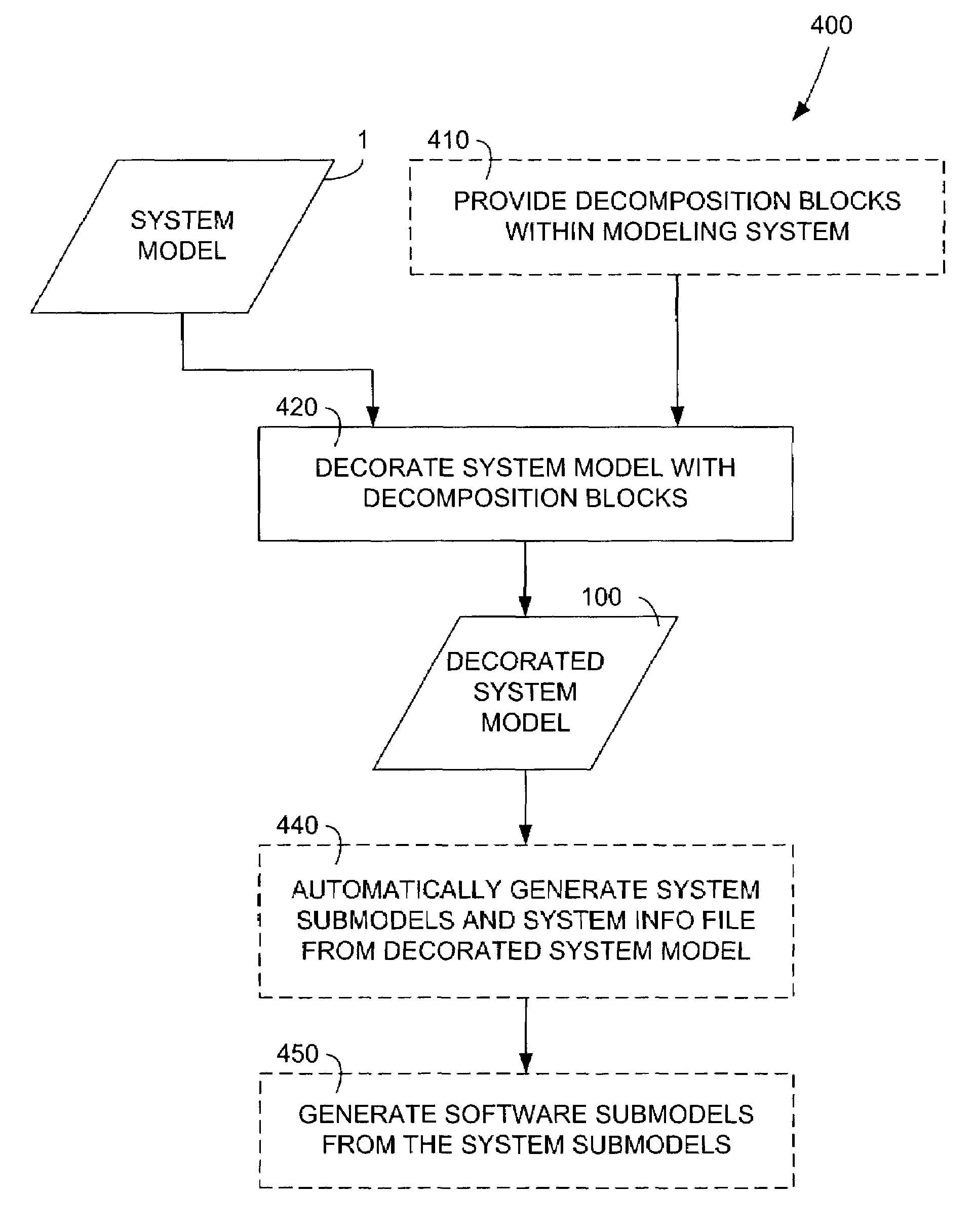
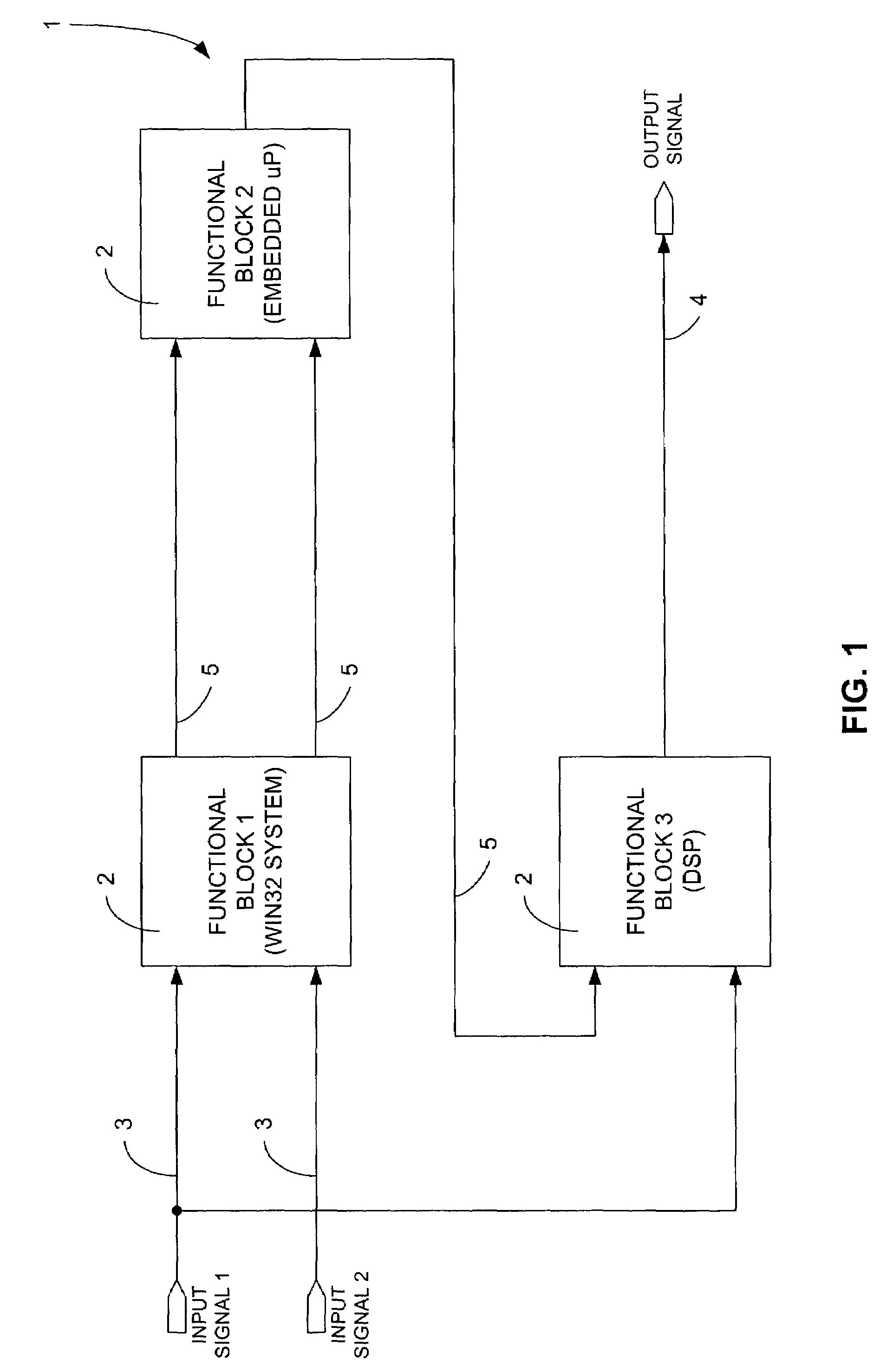
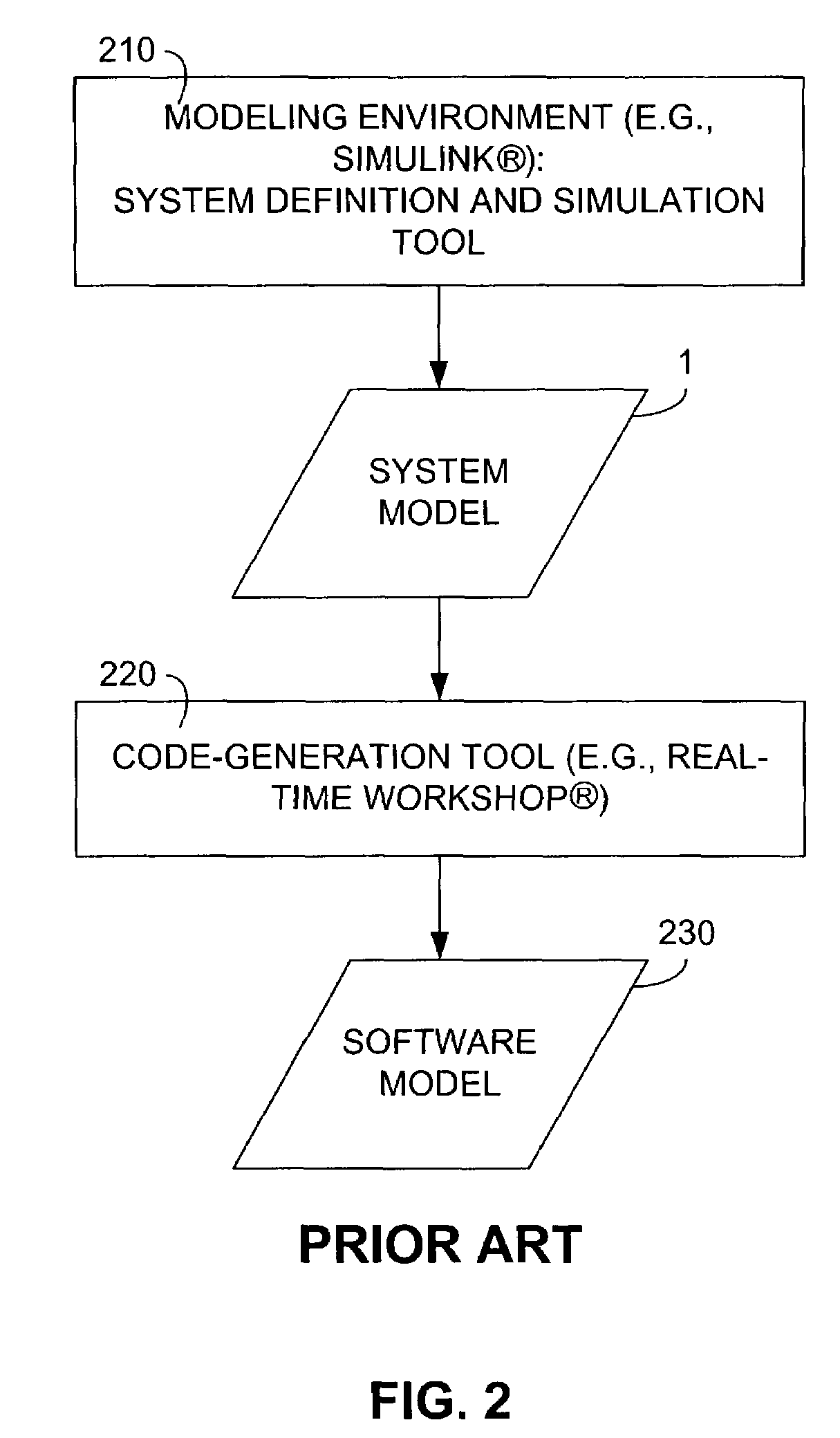
- A method for automatically decomposing a system model into submodels, using decomposition functional blocks and code generation to maintain consistent timing parameters and block priorities, facilitating communication between submodels, and enabling simultaneous simulation across diverse target platforms.

Method for providing enhanced dynamic system simulation capability outside the original modeling environment
PatentInactiveUS7340717B2
Innovation
- Generating interface software that exposes internal variables and allows control of software models, enabling programmatic access and execution outside the modeling environment through a software client, using technologies like C++ wrapper classes, COM servers, and DLLs to create a standardized interface for accessing and controlling dynamic system models.


Computational Resource and Infrastructure Requirements
Simulation-driven design demands substantial computational resources that scale exponentially with model complexity and fidelity requirements. High-performance computing clusters equipped with multi-core processors, specialized GPUs, and extensive memory configurations form the backbone of modern simulation infrastructure. Organizations typically require computing power ranging from hundreds of teraflops for basic simulations to petaflop-scale systems for complex multi-physics modeling and real-time optimization scenarios.
Memory and storage infrastructure represents a critical bottleneck in simulation workflows. Large-scale simulations generate massive datasets requiring high-speed storage solutions with capacities measured in petabytes. Solid-state drives and parallel file systems ensure rapid data access during iterative design cycles, while hierarchical storage management systems balance performance with cost-effectiveness for long-term data retention and analysis.
Network architecture significantly impacts simulation efficiency, particularly in distributed computing environments. High-bandwidth, low-latency interconnects such as InfiniBand or high-speed Ethernet enable seamless communication between compute nodes and storage systems. Cloud-based infrastructure offers scalable alternatives, allowing organizations to access on-demand computing resources without substantial capital investments in physical hardware.
Specialized software licensing and middleware requirements add complexity to infrastructure planning. Commercial simulation packages often demand floating licenses that scale with concurrent users, while parallel processing frameworks require careful configuration to optimize resource utilization. Container orchestration platforms and workflow management systems streamline deployment and resource allocation across heterogeneous computing environments.
Infrastructure monitoring and resource management tools ensure optimal performance and cost control. Real-time monitoring systems track resource utilization, identify bottlenecks, and enable predictive maintenance scheduling. Automated resource provisioning and job scheduling algorithms maximize throughput while minimizing idle time, particularly important for organizations managing diverse simulation workloads with varying computational demands and priority levels.
Memory and storage infrastructure represents a critical bottleneck in simulation workflows. Large-scale simulations generate massive datasets requiring high-speed storage solutions with capacities measured in petabytes. Solid-state drives and parallel file systems ensure rapid data access during iterative design cycles, while hierarchical storage management systems balance performance with cost-effectiveness for long-term data retention and analysis.
Network architecture significantly impacts simulation efficiency, particularly in distributed computing environments. High-bandwidth, low-latency interconnects such as InfiniBand or high-speed Ethernet enable seamless communication between compute nodes and storage systems. Cloud-based infrastructure offers scalable alternatives, allowing organizations to access on-demand computing resources without substantial capital investments in physical hardware.
Specialized software licensing and middleware requirements add complexity to infrastructure planning. Commercial simulation packages often demand floating licenses that scale with concurrent users, while parallel processing frameworks require careful configuration to optimize resource utilization. Container orchestration platforms and workflow management systems streamline deployment and resource allocation across heterogeneous computing environments.
Infrastructure monitoring and resource management tools ensure optimal performance and cost control. Real-time monitoring systems track resource utilization, identify bottlenecks, and enable predictive maintenance scheduling. Automated resource provisioning and job scheduling algorithms maximize throughput while minimizing idle time, particularly important for organizations managing diverse simulation workloads with varying computational demands and priority levels.
Integration Challenges with Digital Twin Technologies
The integration of digital twin technologies with simulation-driven design presents significant technical and operational challenges that require careful consideration and strategic planning. These challenges stem from the fundamental differences between traditional simulation approaches and the dynamic, real-time nature of digital twin systems.
Data synchronization represents one of the most critical integration challenges. Digital twins require continuous data streams from physical assets to maintain accuracy and relevance, while traditional simulation-driven design typically operates on static datasets. The temporal mismatch between real-time sensor data and simulation cycles creates synchronization issues that can compromise the reliability of design insights. Establishing robust data pipelines that can handle varying data frequencies and formats while maintaining data integrity remains a complex technical hurdle.
Computational complexity escalates dramatically when integrating digital twin capabilities into existing simulation frameworks. The need to process real-time data while simultaneously running complex simulations demands significantly higher computational resources than traditional approaches. This challenge is compounded by the requirement for low-latency responses in many digital twin applications, forcing organizations to balance computational accuracy with performance requirements.
Interoperability issues arise from the diverse technological ecosystems involved in digital twin integration. Simulation software, IoT platforms, cloud infrastructure, and enterprise systems often utilize different data formats, communication protocols, and architectural paradigms. Creating seamless integration between these disparate systems requires extensive middleware development and standardization efforts that can significantly extend implementation timelines.
Model validation and verification become increasingly complex in digital twin environments. Unlike traditional simulation models that can be validated against known datasets, digital twin-integrated simulations must continuously adapt to changing real-world conditions. Establishing confidence in model accuracy when dealing with dynamic, evolving systems presents unique challenges for validation methodologies and quality assurance processes.
Security and data governance concerns intensify with digital twin integration due to the increased connectivity and data exchange requirements. The expanded attack surface created by real-time data connections between physical assets and simulation environments introduces new cybersecurity risks that must be addressed through comprehensive security frameworks and protocols.
Data synchronization represents one of the most critical integration challenges. Digital twins require continuous data streams from physical assets to maintain accuracy and relevance, while traditional simulation-driven design typically operates on static datasets. The temporal mismatch between real-time sensor data and simulation cycles creates synchronization issues that can compromise the reliability of design insights. Establishing robust data pipelines that can handle varying data frequencies and formats while maintaining data integrity remains a complex technical hurdle.
Computational complexity escalates dramatically when integrating digital twin capabilities into existing simulation frameworks. The need to process real-time data while simultaneously running complex simulations demands significantly higher computational resources than traditional approaches. This challenge is compounded by the requirement for low-latency responses in many digital twin applications, forcing organizations to balance computational accuracy with performance requirements.
Interoperability issues arise from the diverse technological ecosystems involved in digital twin integration. Simulation software, IoT platforms, cloud infrastructure, and enterprise systems often utilize different data formats, communication protocols, and architectural paradigms. Creating seamless integration between these disparate systems requires extensive middleware development and standardization efforts that can significantly extend implementation timelines.
Model validation and verification become increasingly complex in digital twin environments. Unlike traditional simulation models that can be validated against known datasets, digital twin-integrated simulations must continuously adapt to changing real-world conditions. Establishing confidence in model accuracy when dealing with dynamic, evolving systems presents unique challenges for validation methodologies and quality assurance processes.
Security and data governance concerns intensify with digital twin integration due to the increased connectivity and data exchange requirements. The expanded attack surface created by real-time data connections between physical assets and simulation environments introduces new cybersecurity risks that must be addressed through comprehensive security frameworks and protocols.
Unlock deeper insights with PatSnap Eureka Quick Research — get a full tech report to explore trends and direct your research. Try now!
Generate Your Research Report Instantly with AI Agent
Supercharge your innovation with PatSnap Eureka AI Agent Platform!