
Identify Best Underfill for Harsh Environment Adaptation
APR 7, 20269 MIN READ
Generate Your Research Report Instantly with AI Agent
Patsnap Eureka helps you evaluate technical feasibility & market potential.
Underfill Technology Background and Harsh Environment Goals
Underfill materials have emerged as critical components in electronic packaging, serving as protective barriers between semiconductor chips and substrates. These polymer-based materials flow beneath flip-chip assemblies during manufacturing, creating a mechanical bond that redistributes stress and enhances reliability. The technology originated in the 1990s as semiconductor packages became increasingly miniaturized and performance demands intensified.
The fundamental purpose of underfill is to compensate for the coefficient of thermal expansion (CTE) mismatch between silicon chips and organic substrates. Without proper underfill protection, solder joints experience cyclic stress during temperature fluctuations, leading to fatigue failures and reduced device lifespan. Traditional underfill formulations consist of epoxy resins filled with silica particles, designed to achieve optimal flow characteristics and curing properties.
Harsh environment applications present unprecedented challenges that extend far beyond conventional operating conditions. These environments encompass extreme temperature ranges from -55°C to +200°C, high humidity levels exceeding 85% relative humidity, corrosive chemical exposure, intense vibration and shock conditions, and prolonged thermal cycling. Aerospace, automotive, oil and gas, military, and industrial automation sectors represent primary markets demanding enhanced environmental resilience.
The evolution toward harsh environment adaptation has driven significant technological advancement in underfill chemistry and formulation. Modern requirements demand materials that maintain mechanical integrity under extreme thermal stress while providing superior adhesion strength and chemical resistance. Moisture absorption characteristics become particularly critical, as water ingress can compromise electrical performance and accelerate degradation mechanisms.
Current research focuses on developing underfill materials with enhanced glass transition temperatures, improved elastic modulus stability, and superior interfacial adhesion properties. Advanced filler systems incorporating ceramic nanoparticles and specialized coupling agents enable better stress distribution and thermal management. The integration of barrier properties to prevent moisture and chemical penetration represents another crucial development area.
The primary technical objectives for harsh environment underfill adaptation include achieving thermal stability across extended temperature ranges, maintaining low moisture absorption rates below 0.5%, ensuring chemical compatibility with diverse substrate materials, and providing long-term reliability under accelerated aging conditions. These goals necessitate comprehensive material characterization and validation through rigorous environmental testing protocols.
Success in harsh environment underfill development requires balancing multiple performance parameters while maintaining manufacturing feasibility. The ultimate goal involves creating materials that extend electronic device operational lifetimes in challenging conditions while meeting cost-effectiveness requirements for commercial viability.
The fundamental purpose of underfill is to compensate for the coefficient of thermal expansion (CTE) mismatch between silicon chips and organic substrates. Without proper underfill protection, solder joints experience cyclic stress during temperature fluctuations, leading to fatigue failures and reduced device lifespan. Traditional underfill formulations consist of epoxy resins filled with silica particles, designed to achieve optimal flow characteristics and curing properties.
Harsh environment applications present unprecedented challenges that extend far beyond conventional operating conditions. These environments encompass extreme temperature ranges from -55°C to +200°C, high humidity levels exceeding 85% relative humidity, corrosive chemical exposure, intense vibration and shock conditions, and prolonged thermal cycling. Aerospace, automotive, oil and gas, military, and industrial automation sectors represent primary markets demanding enhanced environmental resilience.
The evolution toward harsh environment adaptation has driven significant technological advancement in underfill chemistry and formulation. Modern requirements demand materials that maintain mechanical integrity under extreme thermal stress while providing superior adhesion strength and chemical resistance. Moisture absorption characteristics become particularly critical, as water ingress can compromise electrical performance and accelerate degradation mechanisms.
Current research focuses on developing underfill materials with enhanced glass transition temperatures, improved elastic modulus stability, and superior interfacial adhesion properties. Advanced filler systems incorporating ceramic nanoparticles and specialized coupling agents enable better stress distribution and thermal management. The integration of barrier properties to prevent moisture and chemical penetration represents another crucial development area.
The primary technical objectives for harsh environment underfill adaptation include achieving thermal stability across extended temperature ranges, maintaining low moisture absorption rates below 0.5%, ensuring chemical compatibility with diverse substrate materials, and providing long-term reliability under accelerated aging conditions. These goals necessitate comprehensive material characterization and validation through rigorous environmental testing protocols.
Success in harsh environment underfill development requires balancing multiple performance parameters while maintaining manufacturing feasibility. The ultimate goal involves creating materials that extend electronic device operational lifetimes in challenging conditions while meeting cost-effectiveness requirements for commercial viability.
Market Demand for Harsh Environment Electronic Packaging
The global electronics industry faces unprecedented challenges as devices increasingly operate in extreme environmental conditions, driving substantial demand for advanced electronic packaging solutions. Harsh environment applications span multiple critical sectors including aerospace, automotive, defense, oil and gas exploration, and renewable energy systems. These applications require electronic components to withstand temperature extremes ranging from cryogenic conditions to elevated temperatures exceeding 200°C, combined with exposure to corrosive chemicals, high humidity, mechanical vibrations, and radiation.
Aerospace and defense sectors represent the most demanding market segments, where electronic systems must maintain reliability in space environments, military vehicles, and aircraft operating under severe conditions. The automotive industry's transition toward electric vehicles and autonomous driving systems has created new requirements for electronics that can endure engine compartment heat, road salt exposure, and thermal cycling. Similarly, renewable energy installations, particularly offshore wind farms and solar arrays in desert environments, demand robust electronic packaging capable of long-term operation without maintenance access.
The oil and gas industry continues to push electronic systems deeper into hostile environments, including downhole drilling applications where temperatures exceed 175°C and pressures reach extreme levels. Industrial automation in chemical processing plants requires electronics that resist corrosive atmospheres while maintaining precise control functions. Medical device applications, particularly implantable systems, demand biocompatible packaging that ensures decades of reliable operation within the human body.
Market drivers include the proliferation of Internet of Things devices in industrial settings, increased electrification across transportation sectors, and growing deployment of electronics in previously inaccessible environments. The miniaturization trend compounds these challenges, as smaller form factors concentrate heat generation while reducing available space for protective packaging. Regulatory requirements for safety-critical applications further intensify the need for proven reliability in harsh conditions.
Current packaging solutions often fall short of meeting these evolving demands, creating significant market opportunities for advanced underfill materials and packaging technologies. The convergence of multiple industry trends toward harsh environment deployment has established electronic packaging reliability as a critical competitive differentiator, driving sustained investment in next-generation materials and processes.
Aerospace and defense sectors represent the most demanding market segments, where electronic systems must maintain reliability in space environments, military vehicles, and aircraft operating under severe conditions. The automotive industry's transition toward electric vehicles and autonomous driving systems has created new requirements for electronics that can endure engine compartment heat, road salt exposure, and thermal cycling. Similarly, renewable energy installations, particularly offshore wind farms and solar arrays in desert environments, demand robust electronic packaging capable of long-term operation without maintenance access.
The oil and gas industry continues to push electronic systems deeper into hostile environments, including downhole drilling applications where temperatures exceed 175°C and pressures reach extreme levels. Industrial automation in chemical processing plants requires electronics that resist corrosive atmospheres while maintaining precise control functions. Medical device applications, particularly implantable systems, demand biocompatible packaging that ensures decades of reliable operation within the human body.
Market drivers include the proliferation of Internet of Things devices in industrial settings, increased electrification across transportation sectors, and growing deployment of electronics in previously inaccessible environments. The miniaturization trend compounds these challenges, as smaller form factors concentrate heat generation while reducing available space for protective packaging. Regulatory requirements for safety-critical applications further intensify the need for proven reliability in harsh conditions.
Current packaging solutions often fall short of meeting these evolving demands, creating significant market opportunities for advanced underfill materials and packaging technologies. The convergence of multiple industry trends toward harsh environment deployment has established electronic packaging reliability as a critical competitive differentiator, driving sustained investment in next-generation materials and processes.
Current Underfill Limitations in Extreme Conditions
Traditional underfill materials face significant performance degradation when exposed to extreme environmental conditions, creating substantial reliability challenges for electronic assemblies in demanding applications. Current epoxy-based underfills, while adequate for standard operating conditions, exhibit pronounced limitations when subjected to temperature extremes ranging from -55°C to +150°C or beyond.
Thermal cycling represents one of the most critical failure mechanisms for existing underfill solutions. Repeated expansion and contraction cycles cause interfacial delamination between the underfill and substrate materials due to coefficient of thermal expansion (CTE) mismatches. This phenomenon is particularly pronounced in automotive and aerospace applications where components experience rapid temperature transitions, leading to crack propagation and eventual electrical failures.
Moisture absorption poses another fundamental limitation for conventional underfill materials. Standard epoxy formulations can absorb up to 2-3% moisture by weight under high humidity conditions, resulting in reduced glass transition temperatures, plasticization effects, and compromised mechanical properties. The absorbed moisture also contributes to popcorn cracking during reflow processes and accelerates corrosion of underlying metallization layers.
Chemical resistance deficiencies become apparent when underfills encounter aggressive environments containing acids, bases, or organic solvents. Many current formulations lack adequate cross-link density and chemical stability, leading to polymer degradation, swelling, and loss of adhesion. This limitation severely restricts deployment in industrial processing equipment, oil and gas exploration tools, and chemical sensing applications.
Mechanical stress tolerance represents another critical weakness in existing underfill technologies. High-frequency vibrations, shock loads, and sustained mechanical stresses can induce fatigue failures in brittle epoxy matrices. The inherently rigid nature of conventional underfills provides insufficient energy dissipation mechanisms, making them unsuitable for applications involving continuous mechanical loading or impact conditions.
UV radiation exposure further compounds these limitations, particularly in outdoor or space-based applications. Standard underfill materials lack adequate UV stabilizers and exhibit polymer chain scission, leading to embrittlement, discoloration, and progressive loss of mechanical integrity over extended exposure periods.
Thermal cycling represents one of the most critical failure mechanisms for existing underfill solutions. Repeated expansion and contraction cycles cause interfacial delamination between the underfill and substrate materials due to coefficient of thermal expansion (CTE) mismatches. This phenomenon is particularly pronounced in automotive and aerospace applications where components experience rapid temperature transitions, leading to crack propagation and eventual electrical failures.
Moisture absorption poses another fundamental limitation for conventional underfill materials. Standard epoxy formulations can absorb up to 2-3% moisture by weight under high humidity conditions, resulting in reduced glass transition temperatures, plasticization effects, and compromised mechanical properties. The absorbed moisture also contributes to popcorn cracking during reflow processes and accelerates corrosion of underlying metallization layers.
Chemical resistance deficiencies become apparent when underfills encounter aggressive environments containing acids, bases, or organic solvents. Many current formulations lack adequate cross-link density and chemical stability, leading to polymer degradation, swelling, and loss of adhesion. This limitation severely restricts deployment in industrial processing equipment, oil and gas exploration tools, and chemical sensing applications.
Mechanical stress tolerance represents another critical weakness in existing underfill technologies. High-frequency vibrations, shock loads, and sustained mechanical stresses can induce fatigue failures in brittle epoxy matrices. The inherently rigid nature of conventional underfills provides insufficient energy dissipation mechanisms, making them unsuitable for applications involving continuous mechanical loading or impact conditions.
UV radiation exposure further compounds these limitations, particularly in outdoor or space-based applications. Standard underfill materials lack adequate UV stabilizers and exhibit polymer chain scission, leading to embrittlement, discoloration, and progressive loss of mechanical integrity over extended exposure periods.
Existing Underfill Solutions for Harsh Environment Applications
01 Underfill material composition for thermal cycling resistance
Underfill materials can be formulated with specific resin systems and fillers to enhance thermal cycling resistance and environmental stability. The composition may include epoxy resins, silicone-based materials, or hybrid systems that provide improved coefficient of thermal expansion matching with substrates. These formulations help prevent delamination and cracking under temperature variations, ensuring long-term reliability in harsh environmental conditions.- Underfill material composition for thermal cycling resistance: Underfill materials can be formulated with specific resin systems, fillers, and additives to enhance their resistance to thermal cycling and temperature variations. The composition may include epoxy resins, silica fillers, and coupling agents that improve adhesion and reduce coefficient of thermal expansion mismatch. These formulations help maintain structural integrity under repeated temperature changes and prevent delamination or cracking in harsh environmental conditions.
- Moisture resistance and humidity adaptation: Underfill materials can be designed with moisture-resistant properties to withstand high humidity environments. This involves incorporating hydrophobic components, moisture barriers, and specialized curing agents that prevent water absorption and maintain electrical insulation properties. The formulations help protect semiconductor devices from corrosion and electrical failures in humid conditions.
- Low temperature curing and processing flexibility: Underfill formulations can be developed to cure at lower temperatures, providing better compatibility with temperature-sensitive components and substrates. These materials utilize catalysts and curing agents that enable processing at reduced temperatures while maintaining mechanical strength and adhesion properties. This approach minimizes thermal stress during manufacturing and improves overall reliability.
- Coefficient of thermal expansion matching: Underfill materials can be engineered to match the coefficient of thermal expansion of adjacent materials in the package assembly. This is achieved through careful selection of filler types, sizes, and loading levels that optimize thermal mechanical properties. Proper CTE matching reduces stress at interfaces during temperature excursions and improves long-term reliability across various environmental conditions.
- Chemical resistance and contamination protection: Underfill formulations can incorporate chemical-resistant polymers and protective additives to withstand exposure to various chemicals, solvents, and contaminants in the operating environment. These materials provide a robust barrier that prevents degradation from chemical attack while maintaining electrical and mechanical properties. The formulations are particularly important for applications in automotive, industrial, and outdoor environments.
02 Moisture resistance enhancement in underfill applications
Underfill materials can be designed with moisture barrier properties to protect electronic assemblies from humidity and water ingress. This involves incorporating hydrophobic additives, moisture scavengers, or barrier coatings that prevent moisture-induced failures such as corrosion and delamination. The enhanced moisture resistance ensures stable performance in high-humidity environments and extends the operational lifetime of electronic devices.Expand Specific Solutions03 Low-stress underfill formulations for mechanical reliability
Low-stress underfill materials are developed to minimize mechanical stress on delicate components and solder joints during thermal excursions. These formulations typically feature lower modulus materials or stress-relief mechanisms that accommodate differential thermal expansion without inducing damage. Such materials are particularly beneficial for applications with large die sizes or mismatched substrate materials, improving overall mechanical reliability under environmental stress.Expand Specific Solutions04 Fast-cure underfill systems for manufacturing efficiency
Fast-cure underfill materials are engineered to reduce processing time while maintaining environmental durability. These systems utilize accelerated curing mechanisms through thermal, UV, or moisture-activated catalysts that enable rapid solidification. The quick curing process improves manufacturing throughput without compromising the material's ability to withstand environmental stresses such as temperature fluctuations and humidity exposure.Expand Specific Solutions05 Reworkable underfill materials for repair and maintenance
Reworkable underfill materials are designed to allow component removal and replacement while maintaining environmental protection capabilities. These materials can be softened or dissolved through thermal or chemical means, enabling repair operations without damaging the substrate or adjacent components. After rework, the materials can be reapplied to restore environmental protection, making them suitable for applications requiring field serviceability and long-term maintenance.Expand Specific Solutions
Key Players in Underfill and Electronic Packaging Industry
The underfill materials market for harsh environment applications is experiencing significant growth, driven by increasing demand from automotive, aerospace, and industrial electronics sectors. The industry is in a mature development stage with established players like Namics Corp., 3M Innovative Properties Co., and BorgWarner Inc. leading technological advancement. Market size continues expanding as electronic devices require enhanced protection in extreme conditions. Technology maturity varies across segments, with companies like Darbond Technology, Guangzhou Pochely New Materials, and Shenzhen Cooteck Electronic Material Technology focusing on specialized formulations for temperature resistance, chemical stability, and mechanical durability. Research institutions including University of Science & Technology Beijing and Nanjing University contribute to innovation through advanced material science research, while manufacturers like Wuhan Sanxuan Technology and Dongguan Yaju Electronic Material drive commercialization of next-generation underfill solutions for demanding applications.
Commonwealth Scientific & Industrial Research Organisation
Technical Solution: CSIRO has conducted extensive research on novel underfill materials for extreme environment applications, developing bio-inspired formulations and hybrid organic-inorganic systems. Their research focuses on creating underfills with self-healing properties and adaptive thermal management capabilities for applications in mining, aerospace, and remote sensing equipment. The organization has pioneered the use of graphene and carbon nanotube reinforcements in underfill matrices to achieve superior thermal conductivity and mechanical properties while maintaining processability and cost-effectiveness for harsh environment electronics.
Strengths: Cutting-edge research capabilities, innovative material approaches, strong collaboration with industry partners. Weaknesses: Research-focused organization with limited commercial manufacturing capabilities, longer development timelines for technology transfer.
Schlumberger Technologies, Inc.
Technical Solution: Schlumberger has developed ruggedized underfill solutions specifically for downhole electronics and harsh industrial environments, incorporating thermally conductive fillers and corrosion inhibitors. Their underfill materials are designed to withstand extreme temperatures up to 175°C, high pressure conditions, and exposure to aggressive chemicals commonly found in oil and gas operations. The formulations feature enhanced adhesion promoters and stress-relief properties to maintain electronic component integrity during severe mechanical shock and vibration encountered in drilling and logging applications.
Strengths: Extensive experience in harsh environment applications, proven performance in oil & gas industry, excellent high-temperature stability. Weaknesses: Limited availability for non-industrial applications, specialized formulations may have longer lead times.
Core Innovations in Advanced Underfill Material Science
Underfill for high density interconnect FLIP chips
PatentWO2011032120A2
Innovation
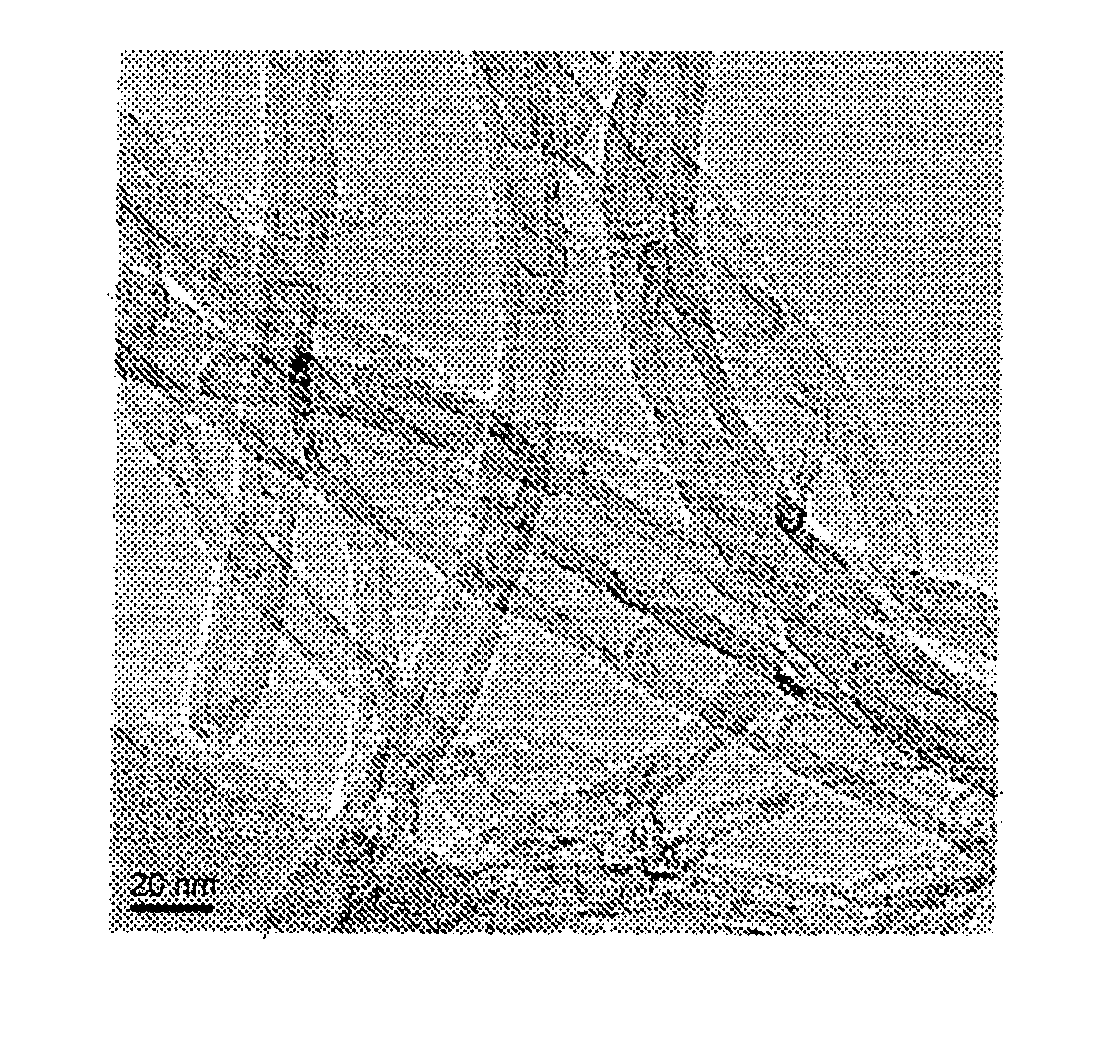
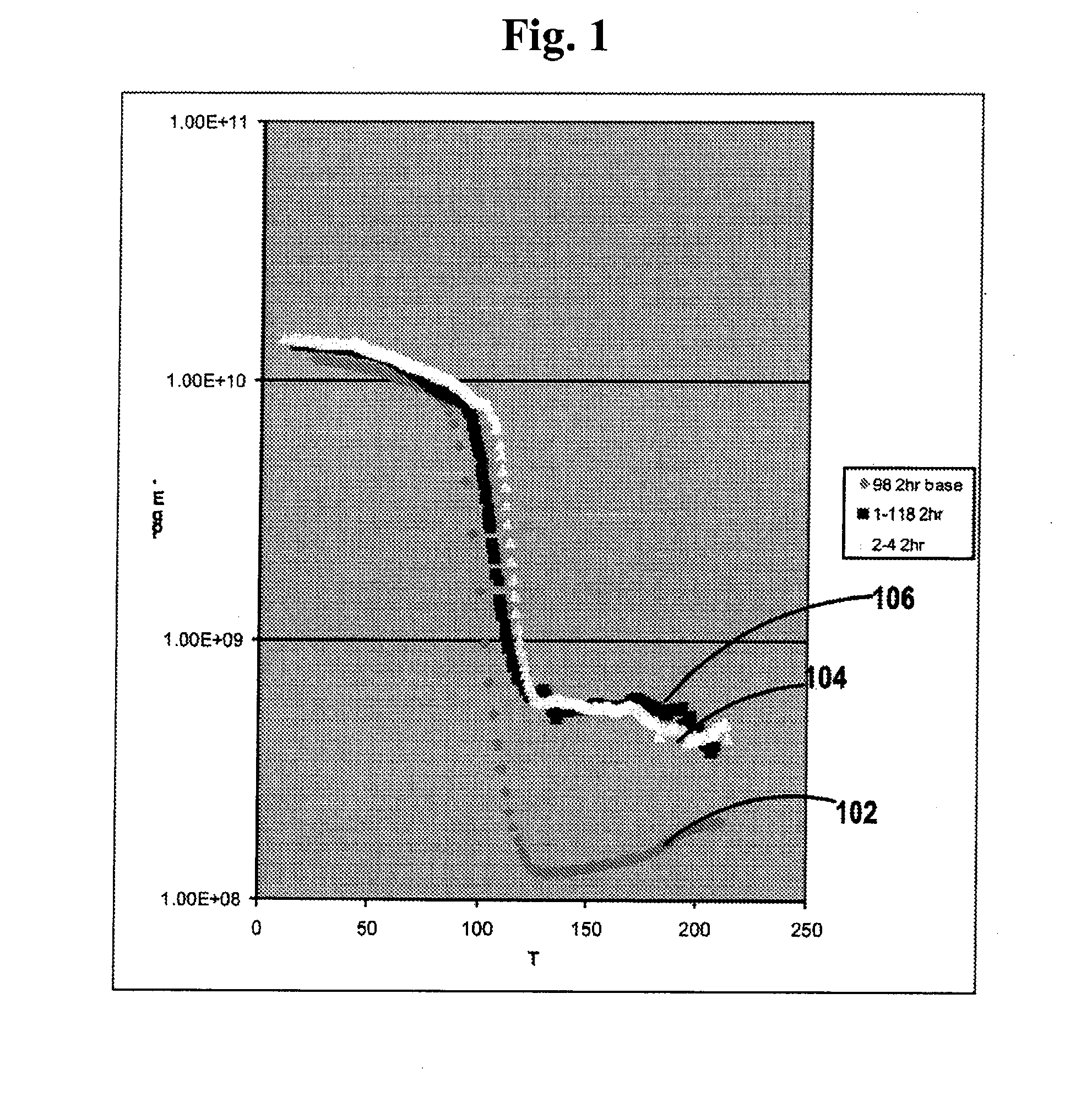
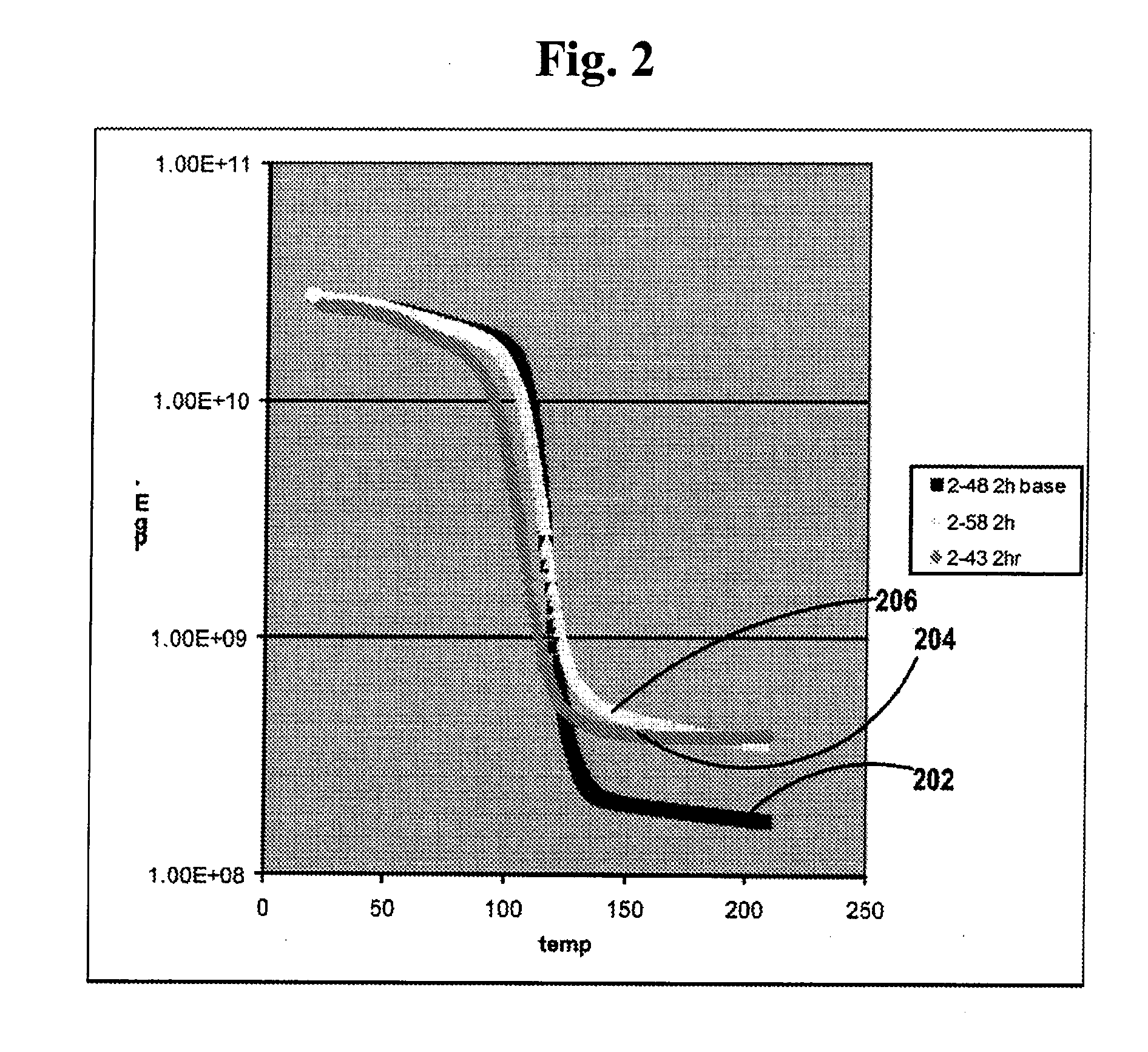
- An underfill composition comprising an epoxy resin, a curing agent, and polyhedral oligomeric silsesquioxane, with optional additives such as organo clay, carbon nanotubes, and zinc oxide, which enhances the modulus of elasticity above the glass transition temperature without significantly increasing viscosity or altering the glass transition temperature.


Underfill for high density interconnect flip chips
PatentInactiveUS20120172495A1
Innovation
- An underfill composition comprising an epoxy resin, a curing agent, and polyhedral oligomeric silsesquioxane, with specific weight ratios and optional additives like organo clay, carbon nanotubes, and zinc oxide, which enhances the modulus of elasticity above the glass transition temperature without significantly increasing viscosity or altering the glass transition temperature.

Environmental Testing Standards and Certification Requirements
Environmental testing standards for underfill materials in harsh environments are governed by multiple international and industry-specific certification bodies. The primary standards include IPC-5704 for underfill materials, JEDEC JESD22 series for semiconductor reliability testing, and MIL-STD-810 for military applications. These standards establish comprehensive testing protocols that evaluate material performance under extreme temperature cycling, humidity exposure, thermal shock, vibration, and chemical resistance conditions.
Temperature cycling requirements typically mandate testing between -55°C to +150°C for automotive applications and -40°C to +125°C for consumer electronics, with specific ramp rates and dwell times defined by JEDEC JESD22-A104. Humidity testing follows JEDEC JESD22-A101 standards, requiring 85°C/85% relative humidity exposure for extended periods ranging from 168 to 1000 hours depending on application criticality. Thermal shock testing per JEDEC JESD22-A106 evaluates rapid temperature transitions that simulate real-world operational stress.
Certification pathways vary significantly across industries, with automotive applications requiring AEC-Q100 qualification for semiconductor packages, which includes specific underfill performance criteria. Aerospace and defense applications mandate compliance with MIL-STD-883 and AS9100 quality management systems. Medical device applications must meet ISO 13485 requirements with additional biocompatibility testing per ISO 10993 standards.
Testing methodologies encompass both accelerated life testing and real-time environmental exposure protocols. Accelerated testing employs elevated stress conditions to predict long-term reliability within compressed timeframes, typically using Arrhenius models for temperature acceleration and Peck's model for humidity acceleration. Key performance metrics include adhesion strength retention, coefficient of thermal expansion stability, glass transition temperature maintenance, and ionic contamination levels.
Certification documentation requirements include detailed test reports, statistical analysis of failure modes, material composition disclosure, and manufacturing process validation. Third-party testing laboratories such as those accredited by A2LA or NVLAP provide independent verification of compliance with relevant standards, ensuring market acceptance and regulatory approval for harsh environment applications.
Temperature cycling requirements typically mandate testing between -55°C to +150°C for automotive applications and -40°C to +125°C for consumer electronics, with specific ramp rates and dwell times defined by JEDEC JESD22-A104. Humidity testing follows JEDEC JESD22-A101 standards, requiring 85°C/85% relative humidity exposure for extended periods ranging from 168 to 1000 hours depending on application criticality. Thermal shock testing per JEDEC JESD22-A106 evaluates rapid temperature transitions that simulate real-world operational stress.
Certification pathways vary significantly across industries, with automotive applications requiring AEC-Q100 qualification for semiconductor packages, which includes specific underfill performance criteria. Aerospace and defense applications mandate compliance with MIL-STD-883 and AS9100 quality management systems. Medical device applications must meet ISO 13485 requirements with additional biocompatibility testing per ISO 10993 standards.
Testing methodologies encompass both accelerated life testing and real-time environmental exposure protocols. Accelerated testing employs elevated stress conditions to predict long-term reliability within compressed timeframes, typically using Arrhenius models for temperature acceleration and Peck's model for humidity acceleration. Key performance metrics include adhesion strength retention, coefficient of thermal expansion stability, glass transition temperature maintenance, and ionic contamination levels.
Certification documentation requirements include detailed test reports, statistical analysis of failure modes, material composition disclosure, and manufacturing process validation. Third-party testing laboratories such as those accredited by A2LA or NVLAP provide independent verification of compliance with relevant standards, ensuring market acceptance and regulatory approval for harsh environment applications.
Reliability Assessment Methods for Underfill Performance
Reliability assessment of underfill materials for harsh environment applications requires comprehensive evaluation methodologies that can accurately predict long-term performance under extreme conditions. Traditional assessment approaches often fall short when dealing with the complex stress interactions present in challenging operational environments, necessitating advanced testing protocols and analytical frameworks.
Accelerated aging tests form the cornerstone of underfill reliability assessment, employing elevated temperature, humidity, and thermal cycling conditions to simulate years of field exposure within compressed timeframes. Temperature cycling tests typically range from -40°C to 150°C with varying ramp rates and dwell times, while humidity testing maintains 85°C/85% relative humidity conditions for extended periods. These protocols help identify failure mechanisms such as delamination, cracking, and adhesion loss that may occur during actual service life.
Mechanical stress testing evaluates underfill performance under various loading conditions including tensile, shear, and flexural stresses. Drop shock and vibration testing simulate mechanical impacts encountered in automotive, aerospace, and industrial applications. Advanced techniques such as four-point bending tests and die shear measurements provide quantitative data on interfacial adhesion strength and bulk material properties under controlled stress states.
Thermal characterization methods assess critical parameters including glass transition temperature, coefficient of thermal expansion, and thermal conductivity across the operational temperature range. Dynamic mechanical analysis reveals viscoelastic behavior changes that influence stress distribution and crack propagation resistance. Thermogravimetric analysis identifies decomposition temperatures and weight loss patterns that indicate material stability limits.
Electrical performance evaluation monitors insulation resistance, dielectric strength, and capacitance changes throughout accelerated aging cycles. Electrochemical migration testing under bias voltage and humidity exposure identifies potential failure modes in high-density packaging applications. Ion chromatography analysis detects ionic contamination levels that could compromise long-term electrical reliability.
Non-destructive evaluation techniques including acoustic microscopy, X-ray imaging, and optical inspection enable real-time monitoring of underfill integrity without sample destruction. These methods facilitate failure mode identification and progression tracking throughout reliability testing campaigns, providing valuable insights into degradation mechanisms and failure prediction models for harsh environment applications.
Accelerated aging tests form the cornerstone of underfill reliability assessment, employing elevated temperature, humidity, and thermal cycling conditions to simulate years of field exposure within compressed timeframes. Temperature cycling tests typically range from -40°C to 150°C with varying ramp rates and dwell times, while humidity testing maintains 85°C/85% relative humidity conditions for extended periods. These protocols help identify failure mechanisms such as delamination, cracking, and adhesion loss that may occur during actual service life.
Mechanical stress testing evaluates underfill performance under various loading conditions including tensile, shear, and flexural stresses. Drop shock and vibration testing simulate mechanical impacts encountered in automotive, aerospace, and industrial applications. Advanced techniques such as four-point bending tests and die shear measurements provide quantitative data on interfacial adhesion strength and bulk material properties under controlled stress states.
Thermal characterization methods assess critical parameters including glass transition temperature, coefficient of thermal expansion, and thermal conductivity across the operational temperature range. Dynamic mechanical analysis reveals viscoelastic behavior changes that influence stress distribution and crack propagation resistance. Thermogravimetric analysis identifies decomposition temperatures and weight loss patterns that indicate material stability limits.
Electrical performance evaluation monitors insulation resistance, dielectric strength, and capacitance changes throughout accelerated aging cycles. Electrochemical migration testing under bias voltage and humidity exposure identifies potential failure modes in high-density packaging applications. Ion chromatography analysis detects ionic contamination levels that could compromise long-term electrical reliability.
Non-destructive evaluation techniques including acoustic microscopy, X-ray imaging, and optical inspection enable real-time monitoring of underfill integrity without sample destruction. These methods facilitate failure mode identification and progression tracking throughout reliability testing campaigns, providing valuable insights into degradation mechanisms and failure prediction models for harsh environment applications.
Unlock deeper insights with Patsnap Eureka Quick Research — get a full tech report to explore trends and direct your research. Try now!
Generate Your Research Report Instantly with AI Agent
Supercharge your innovation with Patsnap Eureka AI Agent Platform!