
Improve Infrared Light Performance in Low-Visibility Environments
FEB 27, 20269 MIN READ
Generate Your Research Report Instantly with AI Agent
Patsnap Eureka helps you evaluate technical feasibility & market potential.
Infrared Technology Background and Low-Visibility Goals
Infrared technology has evolved significantly since its discovery in 1800 by William Herschel, transitioning from basic thermal detection to sophisticated imaging and sensing systems. The electromagnetic spectrum beyond visible light, particularly the near-infrared (0.7-1.4 μm), short-wave infrared (1.4-3 μm), and long-wave infrared (8-14 μm) bands, has become instrumental in overcoming visibility limitations imposed by atmospheric conditions, darkness, and environmental obstacles.
The development trajectory of infrared systems demonstrates a clear progression from passive thermal imaging to active illumination technologies. Early military applications in the 1940s focused on heat signature detection, while subsequent decades witnessed the integration of semiconductor materials like indium gallium arsenide and mercury cadmium telluride, enabling enhanced sensitivity and spectral response characteristics.
Contemporary infrared performance challenges in low-visibility environments stem from atmospheric attenuation, scattering phenomena, and thermal noise interference. Fog, smoke, dust, and precipitation significantly degrade infrared transmission, with wavelength-dependent absorption coefficients varying dramatically across different atmospheric windows. These limitations necessitate advanced signal processing algorithms and adaptive optics systems to maintain operational effectiveness.
The primary technical objectives for improving infrared performance encompass several critical parameters. Enhanced signal-to-noise ratios through advanced detector cooling and noise reduction techniques represent fundamental requirements. Increased detection range capabilities must account for atmospheric transmission losses while maintaining acceptable image quality metrics. Real-time processing capabilities for dynamic scene analysis and target discrimination constitute essential performance benchmarks.
Spectral optimization strategies focus on exploiting atmospheric transmission windows where infrared radiation experiences minimal attenuation. The 3-5 μm and 8-12 μm atmospheric windows offer superior propagation characteristics compared to intermediate wavelengths, driving sensor design considerations toward these spectral regions. Multi-spectral and hyperspectral approaches enable wavelength diversity techniques that improve robustness against environmental degradation.
Power efficiency considerations become paramount in portable and autonomous systems operating in challenging environments. Advanced illumination sources, including quantum cascade lasers and light-emitting diodes, offer improved wall-plug efficiency compared to traditional thermal sources while providing controllable spectral output characteristics.
The convergence of artificial intelligence and machine learning algorithms with infrared sensing technologies represents a transformative approach to low-visibility performance enhancement. Adaptive filtering, predictive atmospheric compensation, and intelligent scene analysis capabilities enable dynamic optimization of system parameters based on real-time environmental conditions, establishing new paradigms for infrared system effectiveness in degraded visual environments.
The development trajectory of infrared systems demonstrates a clear progression from passive thermal imaging to active illumination technologies. Early military applications in the 1940s focused on heat signature detection, while subsequent decades witnessed the integration of semiconductor materials like indium gallium arsenide and mercury cadmium telluride, enabling enhanced sensitivity and spectral response characteristics.
Contemporary infrared performance challenges in low-visibility environments stem from atmospheric attenuation, scattering phenomena, and thermal noise interference. Fog, smoke, dust, and precipitation significantly degrade infrared transmission, with wavelength-dependent absorption coefficients varying dramatically across different atmospheric windows. These limitations necessitate advanced signal processing algorithms and adaptive optics systems to maintain operational effectiveness.
The primary technical objectives for improving infrared performance encompass several critical parameters. Enhanced signal-to-noise ratios through advanced detector cooling and noise reduction techniques represent fundamental requirements. Increased detection range capabilities must account for atmospheric transmission losses while maintaining acceptable image quality metrics. Real-time processing capabilities for dynamic scene analysis and target discrimination constitute essential performance benchmarks.
Spectral optimization strategies focus on exploiting atmospheric transmission windows where infrared radiation experiences minimal attenuation. The 3-5 μm and 8-12 μm atmospheric windows offer superior propagation characteristics compared to intermediate wavelengths, driving sensor design considerations toward these spectral regions. Multi-spectral and hyperspectral approaches enable wavelength diversity techniques that improve robustness against environmental degradation.
Power efficiency considerations become paramount in portable and autonomous systems operating in challenging environments. Advanced illumination sources, including quantum cascade lasers and light-emitting diodes, offer improved wall-plug efficiency compared to traditional thermal sources while providing controllable spectral output characteristics.
The convergence of artificial intelligence and machine learning algorithms with infrared sensing technologies represents a transformative approach to low-visibility performance enhancement. Adaptive filtering, predictive atmospheric compensation, and intelligent scene analysis capabilities enable dynamic optimization of system parameters based on real-time environmental conditions, establishing new paradigms for infrared system effectiveness in degraded visual environments.
Market Demand for Enhanced Infrared Vision Systems
The global market for enhanced infrared vision systems is experiencing unprecedented growth driven by escalating security concerns, technological advancement requirements, and expanding applications across multiple sectors. Defense and military organizations represent the largest demand segment, requiring sophisticated infrared systems capable of maintaining operational effectiveness in challenging environmental conditions including fog, smoke, dust storms, and extreme weather scenarios.
Commercial aviation and transportation industries are increasingly adopting enhanced infrared vision technologies to improve safety standards and operational reliability. Airport ground operations, maritime navigation, and automotive safety systems require infrared solutions that can penetrate atmospheric interference and provide clear imaging capabilities during adverse weather conditions. The growing emphasis on autonomous vehicle development has further accelerated demand for robust infrared sensing technologies.
Industrial applications constitute another significant market driver, particularly in manufacturing environments where visibility is compromised by steam, chemical vapors, or particulate matter. Oil and gas exploration, mining operations, and chemical processing facilities require infrared systems that maintain performance consistency despite harsh environmental conditions. These sectors prioritize reliability and durability in their infrared vision system specifications.
Emergency response and public safety organizations are expanding their adoption of enhanced infrared technologies for search and rescue operations, firefighting activities, and disaster response scenarios. These applications demand systems capable of penetrating smoke, debris clouds, and other visibility-limiting conditions while maintaining image clarity and detection accuracy.
The healthcare sector presents emerging opportunities for enhanced infrared vision systems, particularly in surgical applications and medical imaging where precision and clarity are paramount. Research institutions and laboratories also contribute to market demand through specialized applications requiring advanced infrared performance capabilities.
Market growth is further supported by increasing regulatory requirements for safety systems across various industries, driving mandatory adoption of enhanced vision technologies. The integration of artificial intelligence and machine learning capabilities with infrared systems is creating new market segments and expanding application possibilities, particularly in automated monitoring and detection systems.
Commercial aviation and transportation industries are increasingly adopting enhanced infrared vision technologies to improve safety standards and operational reliability. Airport ground operations, maritime navigation, and automotive safety systems require infrared solutions that can penetrate atmospheric interference and provide clear imaging capabilities during adverse weather conditions. The growing emphasis on autonomous vehicle development has further accelerated demand for robust infrared sensing technologies.
Industrial applications constitute another significant market driver, particularly in manufacturing environments where visibility is compromised by steam, chemical vapors, or particulate matter. Oil and gas exploration, mining operations, and chemical processing facilities require infrared systems that maintain performance consistency despite harsh environmental conditions. These sectors prioritize reliability and durability in their infrared vision system specifications.
Emergency response and public safety organizations are expanding their adoption of enhanced infrared technologies for search and rescue operations, firefighting activities, and disaster response scenarios. These applications demand systems capable of penetrating smoke, debris clouds, and other visibility-limiting conditions while maintaining image clarity and detection accuracy.
The healthcare sector presents emerging opportunities for enhanced infrared vision systems, particularly in surgical applications and medical imaging where precision and clarity are paramount. Research institutions and laboratories also contribute to market demand through specialized applications requiring advanced infrared performance capabilities.
Market growth is further supported by increasing regulatory requirements for safety systems across various industries, driving mandatory adoption of enhanced vision technologies. The integration of artificial intelligence and machine learning capabilities with infrared systems is creating new market segments and expanding application possibilities, particularly in automated monitoring and detection systems.
Current Infrared Performance Limitations in Low-Visibility
Infrared technology faces significant performance degradation when operating in low-visibility environments, primarily due to atmospheric interference and environmental factors. Dense fog, heavy rain, snow, and dust particles create substantial scattering and absorption of infrared radiation, dramatically reducing detection range and image clarity. These atmospheric conditions can attenuate infrared signals by 50-90%, severely limiting the effectiveness of thermal imaging systems and infrared sensors.
Temperature variations in low-visibility conditions present another critical limitation. Thermal crossover phenomena occur when ambient temperatures approach target temperatures, making it difficult to distinguish objects from their backgrounds. This is particularly problematic during dawn and dusk periods when atmospheric thermal gradients create false readings and reduce target discrimination capabilities.
Current infrared detector sensitivity remains insufficient for optimal performance in challenging environments. Most commercial thermal sensors struggle with noise equivalent temperature difference (NETD) values above 50mK, which limits their ability to detect subtle temperature variations in obscured conditions. Additionally, spectral bandwidth limitations prevent many systems from adapting to varying atmospheric transmission windows.
Optical system constraints further compound performance issues. Traditional infrared lenses and mirrors suffer from condensation, ice formation, and particle accumulation in harsh weather conditions. Anti-reflective coatings degrade over time when exposed to moisture and contaminants, reducing overall system transmission efficiency and image quality.
Signal processing algorithms in existing infrared systems lack sophisticated adaptive capabilities for dynamic environmental conditions. Most current systems employ static gain and offset adjustments that cannot adequately compensate for rapidly changing atmospheric conditions or varying target signatures in low-visibility scenarios.
Power consumption and thermal management represent additional operational limitations. Extended operation in challenging environments requires higher power levels for signal amplification and processing, while maintaining detector cooling becomes increasingly difficult in extreme weather conditions, further degrading system performance and operational endurance.
Temperature variations in low-visibility conditions present another critical limitation. Thermal crossover phenomena occur when ambient temperatures approach target temperatures, making it difficult to distinguish objects from their backgrounds. This is particularly problematic during dawn and dusk periods when atmospheric thermal gradients create false readings and reduce target discrimination capabilities.
Current infrared detector sensitivity remains insufficient for optimal performance in challenging environments. Most commercial thermal sensors struggle with noise equivalent temperature difference (NETD) values above 50mK, which limits their ability to detect subtle temperature variations in obscured conditions. Additionally, spectral bandwidth limitations prevent many systems from adapting to varying atmospheric transmission windows.
Optical system constraints further compound performance issues. Traditional infrared lenses and mirrors suffer from condensation, ice formation, and particle accumulation in harsh weather conditions. Anti-reflective coatings degrade over time when exposed to moisture and contaminants, reducing overall system transmission efficiency and image quality.
Signal processing algorithms in existing infrared systems lack sophisticated adaptive capabilities for dynamic environmental conditions. Most current systems employ static gain and offset adjustments that cannot adequately compensate for rapidly changing atmospheric conditions or varying target signatures in low-visibility scenarios.
Power consumption and thermal management represent additional operational limitations. Extended operation in challenging environments requires higher power levels for signal amplification and processing, while maintaining detector cooling becomes increasingly difficult in extreme weather conditions, further degrading system performance and operational endurance.
Existing Solutions for Infrared Performance Optimization
01 Infrared light blocking and filtering materials
Materials and coatings designed to block or filter infrared radiation are used to reduce heat transmission and improve thermal management. These materials can include specialized films, coatings, or layers that selectively reflect or absorb infrared wavelengths while allowing visible light to pass through. Such materials are particularly useful in applications requiring temperature control and energy efficiency.- Infrared light blocking and filtering materials: Materials and coatings designed to block or filter infrared radiation are used to reduce heat transmission and improve thermal management. These materials can include specialized films, coatings, or layers that selectively reflect or absorb infrared wavelengths while maintaining visible light transmission. Such materials are particularly useful in applications requiring heat control and energy efficiency.
- Infrared light detection and sensing systems: Detection systems utilizing infrared light sensors and detectors are employed for various monitoring and measurement applications. These systems can detect infrared radiation emitted or reflected from objects to gather information about temperature, presence, or composition. The technology enables non-contact measurement and is applicable in security, industrial monitoring, and diagnostic applications.
- Infrared light emitting devices and sources: Devices designed to emit infrared light for illumination, heating, or communication purposes utilize various light-emitting technologies. These sources can include LEDs, lasers, or thermal emitters that produce infrared radiation at specific wavelengths. Applications range from remote controls and data transmission to therapeutic heating and industrial processing.
- Infrared transparent or transmissive optical components: Optical components engineered to transmit infrared light with minimal loss are essential for infrared imaging and sensing systems. These components include lenses, windows, and optical elements made from materials with high infrared transparency. They enable efficient propagation of infrared radiation through optical systems while maintaining signal integrity and minimizing absorption.
- Infrared reflective and heat management coatings: Reflective coatings and surface treatments designed to reflect infrared radiation are used for thermal management and energy conservation. These coatings can be applied to various substrates to reduce heat absorption, improve cooling efficiency, or enhance thermal insulation. The technology is valuable in building materials, automotive applications, and electronic device thermal management.
02 Infrared light detection and sensing systems
Detection systems utilizing infrared sensors and detectors are employed for various applications including thermal imaging, motion detection, and spectroscopic analysis. These systems can incorporate photodetectors, thermal sensors, or camera arrays optimized for infrared wavelength ranges. The technology enables non-contact temperature measurement and object recognition in low-visibility conditions.Expand Specific Solutions03 Infrared transparent or transmissive materials
Specialized materials that exhibit high transmittance in the infrared spectrum are developed for optical windows, lenses, and protective covers. These materials maintain optical clarity in infrared wavelengths while providing mechanical strength and environmental protection. Applications include infrared optical systems, thermal imaging equipment, and sensor protection.Expand Specific Solutions04 Infrared reflective coatings and surfaces
Reflective coatings and surface treatments are designed to maximize infrared reflection for thermal insulation and heat management purposes. These coatings can be applied to various substrates to reduce heat absorption and improve energy efficiency. The technology is applicable in building materials, automotive components, and electronic device thermal management.Expand Specific Solutions05 Infrared emissivity control and thermal radiation management
Technologies for controlling infrared emissivity enable precise management of thermal radiation characteristics of surfaces and materials. These solutions involve engineered surface structures, selective coatings, or composite materials that can modulate infrared emission properties. Applications include thermal camouflage, radiative cooling systems, and temperature regulation in electronic devices.Expand Specific Solutions
Key Players in Infrared and Night Vision Industry
The infrared light performance enhancement market is experiencing rapid growth driven by increasing demand across defense, automotive, and surveillance sectors. The industry is in an expansion phase with significant market opportunities, particularly in autonomous vehicles and security applications. Technology maturity varies considerably among market participants, creating a diverse competitive landscape. Established players like Hikvision, Honeywell, and BAE Systems leverage extensive R&D capabilities and proven track records in defense and surveillance markets. Technology giants including Microsoft, Google, and Apple are integrating advanced infrared solutions into consumer and enterprise products. Automotive leaders such as Bosch, Ford, and Gentex focus on driver assistance and safety applications. Specialized companies like SiOnyx and MicroVision develop cutting-edge infrared technologies, while defense contractors including Elbit Systems, Northrop Grumman, and Airbus Defence provide military-grade solutions. Academic institutions like University of Florida and Xidian University contribute fundamental research, indicating strong innovation pipeline for future technological breakthroughs.
Hangzhou Hikvision Digital Technology Co., Ltd.
Technical Solution: Hikvision has developed advanced infrared thermal imaging technology with multi-spectral fusion capabilities that combine visible light and thermal infrared sensors. Their DarkFighter technology utilizes ultra-low light sensors with enhanced infrared illumination systems, achieving clear imaging in complete darkness with detection ranges up to 500 meters. The company's Smart IR technology automatically adjusts infrared intensity based on object distance, preventing overexposure while maintaining optimal image quality. Their thermal cameras feature advanced noise reduction algorithms and temperature measurement accuracy within ±2°C, making them suitable for security surveillance, perimeter protection, and industrial monitoring in challenging low-visibility conditions.
Strengths: Market-leading thermal imaging technology, extensive product portfolio, strong R&D capabilities. Weaknesses: Limited presence in automotive applications, regulatory challenges in some international markets.
BAE Systems Information & Electronic Sys Integration, Inc.
Technical Solution: BAE Systems specializes in military-grade infrared imaging systems with advanced thermal signature detection capabilities. Their technology incorporates cooled infrared detectors operating in multiple spectral bands (MWIR and LWIR) with sensitivity levels reaching NETD values below 20mK. The systems feature advanced image processing algorithms for target recognition and tracking in adverse weather conditions, including fog, rain, and smoke. Their infrared solutions integrate with digital signal processing units that enhance image contrast and reduce atmospheric interference effects. The technology supports real-time thermal imaging with frame rates up to 60Hz and incorporates adaptive gain control mechanisms to optimize performance across varying temperature ranges and environmental conditions.
Strengths: Military-grade reliability, advanced signal processing, multi-spectral capabilities. Weaknesses: High cost, limited commercial availability, complex integration requirements.
Core Innovations in Low-Visibility Infrared Systems
Infrared laser illuminated imaging systems and methods
PatentActiveUS20070221849A1
Innovation
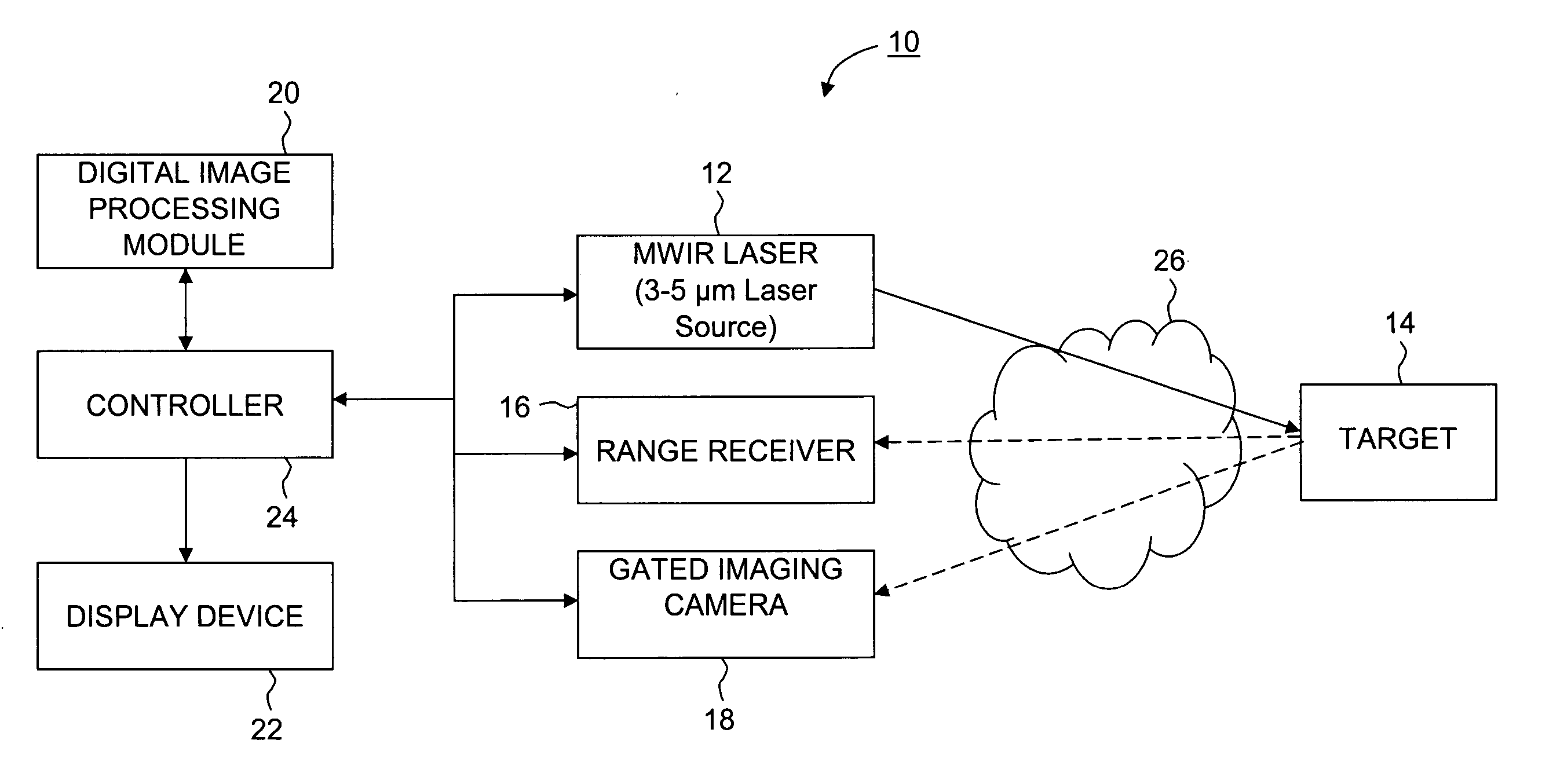
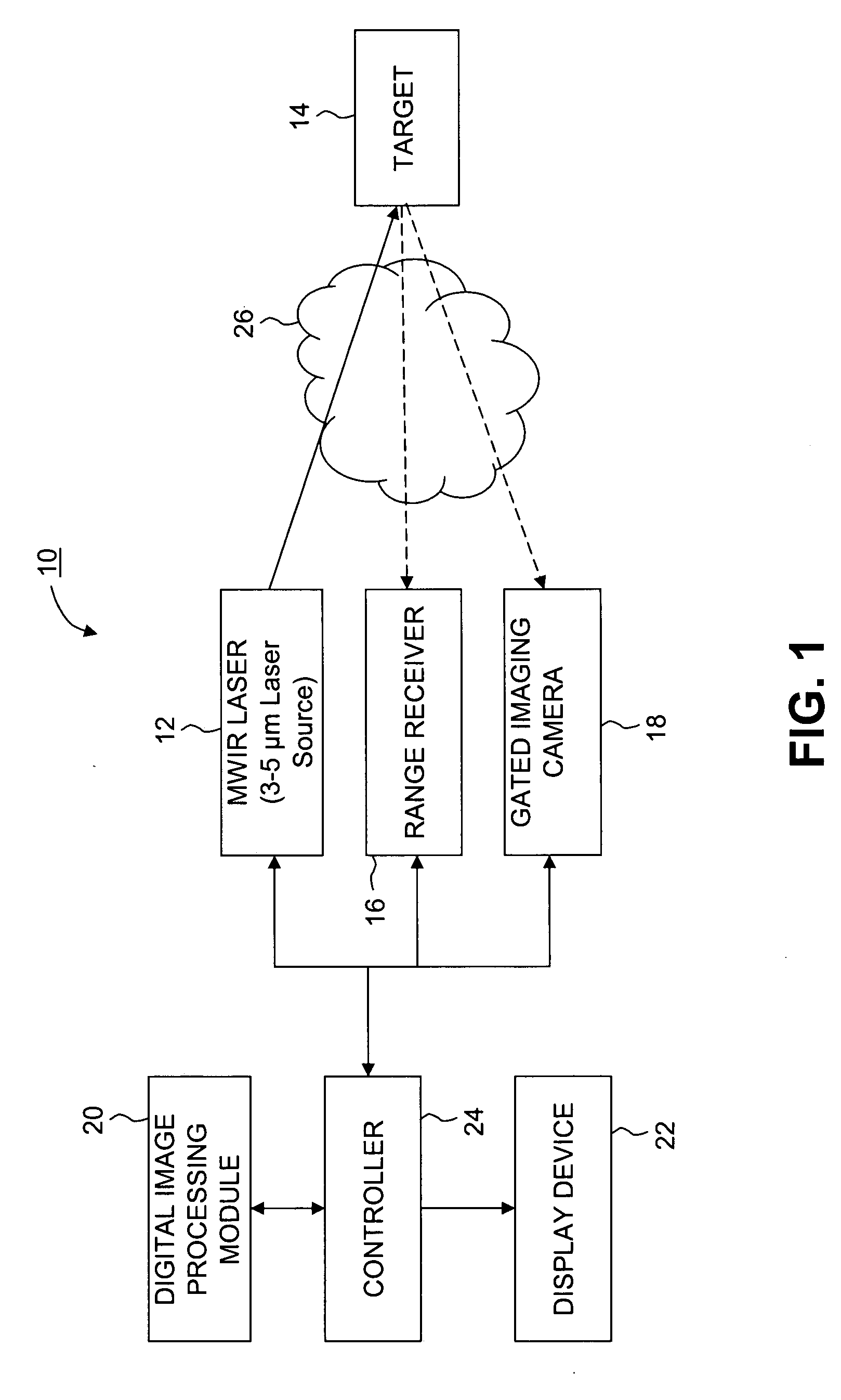
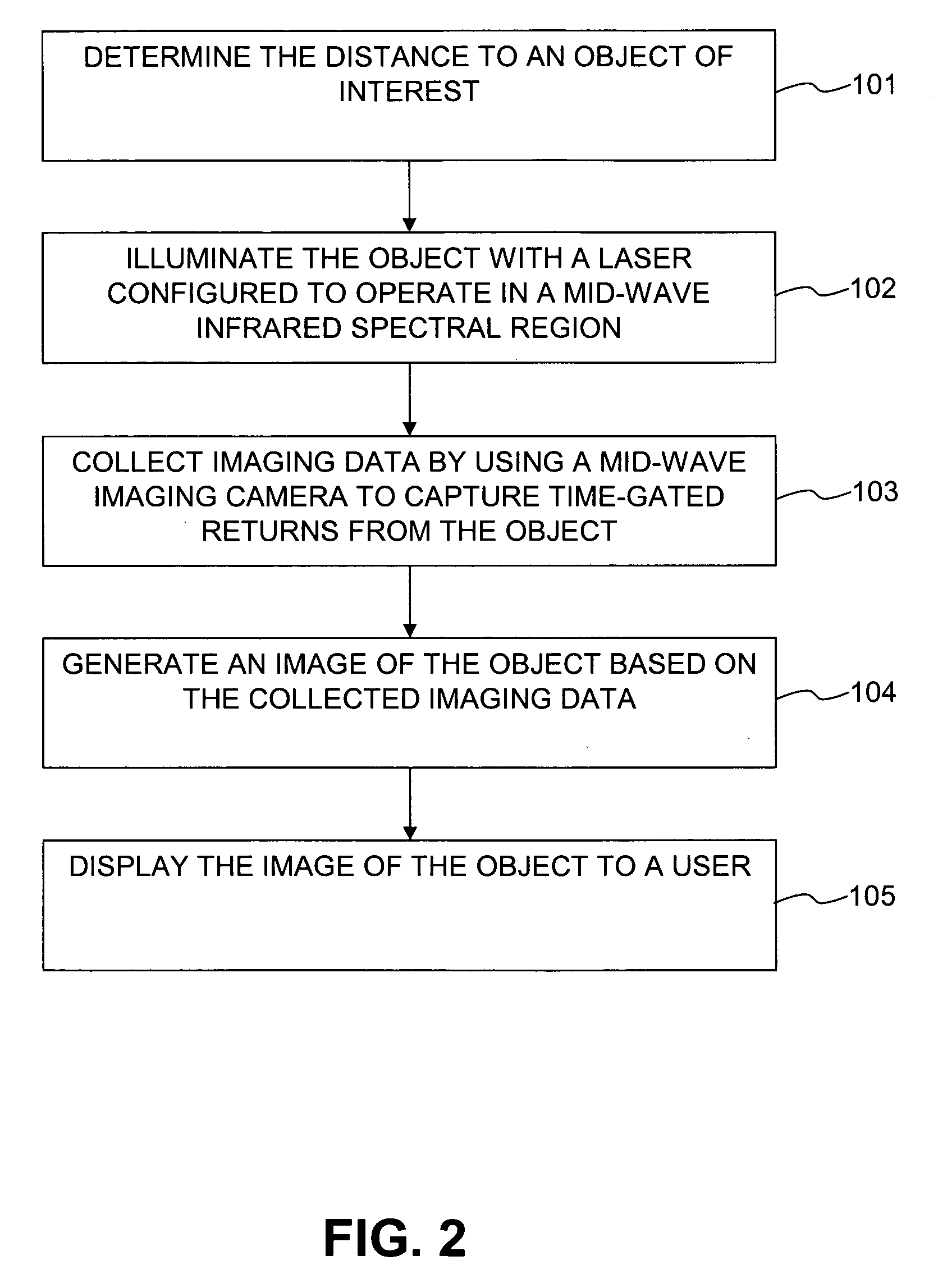
- A mid-wave infrared laser illuminated imaging system that operates in both active and passive modes, using a MWIR laser for illumination and a gated imaging camera to capture images, with a controller coordinating operations to enhance image clarity and distinguish between active and passive mode data.

System for providing night vision at low visibility conditions
PatentWO2011131817A2
Innovation
- A system combining laser-based infrared illumination with high-definition black and white imaging systems, utilizing cameras with resolutions of at least 1280x720 pixels and monitors to display clear images, effectively penetrating through fog, rain, or suspended particles by using coherent infrared light in the 750-1400 nm range.


Military and Defense Applications Regulatory Framework
The regulatory framework governing military and defense applications of infrared technology in low-visibility environments encompasses multiple layers of national and international oversight. Defense procurement regulations establish stringent requirements for infrared systems, mandating compliance with military specifications such as MIL-STD-810 for environmental testing and MIL-STD-461 for electromagnetic compatibility. These standards ensure that infrared enhancement technologies can withstand extreme operational conditions while maintaining performance reliability.
Export control regulations significantly impact the development and deployment of advanced infrared technologies. The International Traffic in Arms Regulations (ITAR) and Export Administration Regulations (EAR) classify many infrared enhancement technologies as dual-use items, requiring special licenses for international collaboration and technology transfer. These restrictions particularly affect thermal imaging systems, night vision devices, and advanced infrared sensors that could enhance military capabilities in low-visibility scenarios.
Safety and operational standards form another critical regulatory dimension. Military infrared systems must comply with laser safety standards such as IEC 60825 and ANSI Z136, especially when incorporating active infrared illumination. Personnel safety protocols mandate specific training requirements for operators of infrared enhancement equipment, while operational guidelines establish rules of engagement for infrared-assisted operations in various combat and surveillance scenarios.
Spectrum management regulations coordinate the electromagnetic spectrum usage for military infrared applications. National telecommunications authorities allocate specific frequency bands for military infrared communications and sensing, preventing interference with civilian systems. These allocations become particularly crucial for infrared systems operating in contested electromagnetic environments where spectrum conflicts could compromise mission effectiveness.
Interoperability standards ensure seamless integration of infrared enhancement technologies across different military platforms and allied forces. NATO standardization agreements (STANAGs) define common interfaces and protocols for infrared systems, enabling coalition operations and equipment sharing. These standards cover data formats, communication protocols, and performance metrics that facilitate joint operations in low-visibility environments.
Emerging regulatory challenges address artificial intelligence integration and autonomous systems incorporating infrared enhancement capabilities. New frameworks are being developed to govern the use of AI-powered infrared analysis systems, establishing accountability measures and ethical guidelines for autonomous decision-making based on infrared sensor data in military applications.
Export control regulations significantly impact the development and deployment of advanced infrared technologies. The International Traffic in Arms Regulations (ITAR) and Export Administration Regulations (EAR) classify many infrared enhancement technologies as dual-use items, requiring special licenses for international collaboration and technology transfer. These restrictions particularly affect thermal imaging systems, night vision devices, and advanced infrared sensors that could enhance military capabilities in low-visibility scenarios.
Safety and operational standards form another critical regulatory dimension. Military infrared systems must comply with laser safety standards such as IEC 60825 and ANSI Z136, especially when incorporating active infrared illumination. Personnel safety protocols mandate specific training requirements for operators of infrared enhancement equipment, while operational guidelines establish rules of engagement for infrared-assisted operations in various combat and surveillance scenarios.
Spectrum management regulations coordinate the electromagnetic spectrum usage for military infrared applications. National telecommunications authorities allocate specific frequency bands for military infrared communications and sensing, preventing interference with civilian systems. These allocations become particularly crucial for infrared systems operating in contested electromagnetic environments where spectrum conflicts could compromise mission effectiveness.
Interoperability standards ensure seamless integration of infrared enhancement technologies across different military platforms and allied forces. NATO standardization agreements (STANAGs) define common interfaces and protocols for infrared systems, enabling coalition operations and equipment sharing. These standards cover data formats, communication protocols, and performance metrics that facilitate joint operations in low-visibility environments.
Emerging regulatory challenges address artificial intelligence integration and autonomous systems incorporating infrared enhancement capabilities. New frameworks are being developed to govern the use of AI-powered infrared analysis systems, establishing accountability measures and ethical guidelines for autonomous decision-making based on infrared sensor data in military applications.
Environmental Impact of Infrared Technology Deployment
The deployment of infrared technology for enhanced performance in low-visibility environments presents a complex array of environmental considerations that require careful evaluation. While infrared systems offer significant operational advantages, their widespread implementation introduces both direct and indirect environmental impacts that must be systematically assessed.
Energy consumption represents a primary environmental concern in infrared technology deployment. Advanced infrared systems, particularly those incorporating active illumination and sophisticated processing capabilities, demand substantial electrical power. This energy requirement translates to increased carbon footprint, especially in regions where electricity generation relies heavily on fossil fuels. The cumulative effect of large-scale infrared system deployment could contribute meaningfully to overall energy demand in critical infrastructure sectors.
Manufacturing processes for infrared components introduce additional environmental challenges. The production of specialized materials such as indium gallium arsenide detectors, germanium lenses, and rare earth elements used in infrared sensors requires energy-intensive extraction and refinement processes. These manufacturing activities generate industrial waste streams and consume significant water resources, while the mining of rare earth materials often involves environmentally disruptive extraction methods.
Electronic waste generation emerges as a growing concern with the rapid evolution of infrared technology. As systems become obsolete or require upgrades, the disposal of complex electronic components containing potentially hazardous materials poses environmental risks. The semiconductor materials and specialized coatings used in infrared devices require proper recycling protocols to prevent soil and water contamination.
However, infrared technology deployment also demonstrates positive environmental impacts through improved operational efficiency. Enhanced visibility capabilities reduce the need for conventional lighting systems in security and surveillance applications, potentially decreasing overall energy consumption. In transportation sectors, improved infrared performance can optimize route planning and reduce fuel consumption through better navigation in adverse weather conditions.
The thermal signature of infrared systems themselves presents minimal environmental disruption compared to alternative technologies. Unlike radar systems that emit electromagnetic radiation or conventional lighting that contributes to light pollution, infrared systems primarily operate as passive receivers, minimizing their electromagnetic footprint in sensitive ecological areas.
Energy consumption represents a primary environmental concern in infrared technology deployment. Advanced infrared systems, particularly those incorporating active illumination and sophisticated processing capabilities, demand substantial electrical power. This energy requirement translates to increased carbon footprint, especially in regions where electricity generation relies heavily on fossil fuels. The cumulative effect of large-scale infrared system deployment could contribute meaningfully to overall energy demand in critical infrastructure sectors.
Manufacturing processes for infrared components introduce additional environmental challenges. The production of specialized materials such as indium gallium arsenide detectors, germanium lenses, and rare earth elements used in infrared sensors requires energy-intensive extraction and refinement processes. These manufacturing activities generate industrial waste streams and consume significant water resources, while the mining of rare earth materials often involves environmentally disruptive extraction methods.
Electronic waste generation emerges as a growing concern with the rapid evolution of infrared technology. As systems become obsolete or require upgrades, the disposal of complex electronic components containing potentially hazardous materials poses environmental risks. The semiconductor materials and specialized coatings used in infrared devices require proper recycling protocols to prevent soil and water contamination.
However, infrared technology deployment also demonstrates positive environmental impacts through improved operational efficiency. Enhanced visibility capabilities reduce the need for conventional lighting systems in security and surveillance applications, potentially decreasing overall energy consumption. In transportation sectors, improved infrared performance can optimize route planning and reduce fuel consumption through better navigation in adverse weather conditions.
The thermal signature of infrared systems themselves presents minimal environmental disruption compared to alternative technologies. Unlike radar systems that emit electromagnetic radiation or conventional lighting that contributes to light pollution, infrared systems primarily operate as passive receivers, minimizing their electromagnetic footprint in sensitive ecological areas.
Unlock deeper insights with Patsnap Eureka Quick Research — get a full tech report to explore trends and direct your research. Try now!
Generate Your Research Report Instantly with AI Agent
Supercharge your innovation with Patsnap Eureka AI Agent Platform!