Improving Fixed Wing Drone Reliability with Fleet Management
FEB 13, 20269 MIN READ
Generate Your Research Report Instantly with AI Agent
Patsnap Eureka helps you evaluate technical feasibility & market potential.
Fixed Wing Drone Reliability Background and Objectives
Fixed-wing drones have emerged as critical assets across diverse sectors including agriculture, infrastructure inspection, logistics, and environmental monitoring. Unlike their multirotor counterparts, fixed-wing platforms offer extended flight endurance, greater payload capacity, and superior coverage efficiency, making them particularly valuable for large-scale operations. However, these advantages come with inherent complexity in aerodynamic design, propulsion systems, and flight control mechanisms, which collectively introduce multiple potential failure points that can compromise mission success and operational safety.
The evolution of fixed-wing drone technology has progressed through distinct phases, beginning with military applications in the early 2000s and gradually transitioning to commercial markets over the past decade. Initial deployments focused primarily on individual aircraft performance optimization, with limited attention to systematic reliability management across multiple units. As commercial adoption accelerated, operators began encountering recurring challenges including premature component degradation, inconsistent performance across fleet units, and insufficient predictive maintenance capabilities. These issues have resulted in increased operational costs, mission failures, and safety incidents that undermine stakeholder confidence.
The integration of fleet management systems represents a paradigm shift in addressing reliability challenges. Rather than treating each drone as an isolated unit, fleet management approaches leverage collective operational data, enabling pattern recognition across multiple aircraft and flight conditions. This systematic perspective allows identification of failure precursors, optimization of maintenance schedules, and implementation of proactive interventions before critical failures occur. Advanced analytics, sensor fusion, and machine learning algorithms now enable real-time health monitoring and predictive diagnostics that were previously unattainable.
The primary objective of this technical investigation is to establish comprehensive methodologies for enhancing fixed-wing drone reliability through integrated fleet management strategies. Specific goals include identifying key reliability metrics and failure modes, evaluating existing fleet management technologies and their effectiveness, and determining optimal data collection and analysis frameworks. Additionally, the research aims to define actionable implementation pathways that balance technical feasibility with operational practicality, ultimately enabling organizations to achieve measurable improvements in fleet availability, mission success rates, and total cost of ownership while maintaining rigorous safety standards.
The evolution of fixed-wing drone technology has progressed through distinct phases, beginning with military applications in the early 2000s and gradually transitioning to commercial markets over the past decade. Initial deployments focused primarily on individual aircraft performance optimization, with limited attention to systematic reliability management across multiple units. As commercial adoption accelerated, operators began encountering recurring challenges including premature component degradation, inconsistent performance across fleet units, and insufficient predictive maintenance capabilities. These issues have resulted in increased operational costs, mission failures, and safety incidents that undermine stakeholder confidence.
The integration of fleet management systems represents a paradigm shift in addressing reliability challenges. Rather than treating each drone as an isolated unit, fleet management approaches leverage collective operational data, enabling pattern recognition across multiple aircraft and flight conditions. This systematic perspective allows identification of failure precursors, optimization of maintenance schedules, and implementation of proactive interventions before critical failures occur. Advanced analytics, sensor fusion, and machine learning algorithms now enable real-time health monitoring and predictive diagnostics that were previously unattainable.
The primary objective of this technical investigation is to establish comprehensive methodologies for enhancing fixed-wing drone reliability through integrated fleet management strategies. Specific goals include identifying key reliability metrics and failure modes, evaluating existing fleet management technologies and their effectiveness, and determining optimal data collection and analysis frameworks. Additionally, the research aims to define actionable implementation pathways that balance technical feasibility with operational practicality, ultimately enabling organizations to achieve measurable improvements in fleet availability, mission success rates, and total cost of ownership while maintaining rigorous safety standards.
Market Demand for Fleet Management Systems
The global market for fleet management systems has experienced substantial growth driven by the rapid expansion of commercial drone operations across multiple industries. Logistics and delivery sectors have emerged as primary adopters, with companies seeking to optimize last-mile delivery operations and reduce operational costs through automated aerial solutions. Agricultural applications represent another significant demand driver, where fixed-wing drones equipped with fleet management capabilities enable large-scale crop monitoring, precision spraying, and yield assessment across extensive farmlands.
Infrastructure inspection and monitoring sectors demonstrate increasing appetite for fleet management solutions, particularly in energy, telecommunications, and transportation industries. These sectors require reliable drone operations for routine inspections of pipelines, power lines, cell towers, and railway networks, where system downtime or equipment failure can result in substantial economic losses and safety risks. The ability to manage multiple drones simultaneously while ensuring operational reliability has become a critical requirement for service providers in these domains.
Emergency response and public safety organizations are recognizing the value of fleet management systems for coordinating drone operations during disaster relief, search and rescue missions, and surveillance activities. The need for real-time monitoring, predictive maintenance, and rapid deployment capabilities drives demand for sophisticated management platforms that can ensure mission-critical reliability.
The defense and security sector continues to represent a substantial market segment, with military and border patrol agencies requiring robust fleet management solutions for reconnaissance and surveillance operations. These applications demand the highest levels of reliability and operational continuity, creating premium market opportunities for advanced fleet management technologies.
Market growth is further accelerated by regulatory developments mandating enhanced safety standards and operational transparency for commercial drone operations. Regulatory bodies worldwide are increasingly requiring operators to demonstrate comprehensive fleet monitoring and maintenance capabilities, effectively making fleet management systems a compliance necessity rather than an optional enhancement. This regulatory push, combined with the economic benefits of reduced downtime and extended asset lifecycles, positions fleet management systems as essential infrastructure for the expanding fixed-wing drone industry.
Infrastructure inspection and monitoring sectors demonstrate increasing appetite for fleet management solutions, particularly in energy, telecommunications, and transportation industries. These sectors require reliable drone operations for routine inspections of pipelines, power lines, cell towers, and railway networks, where system downtime or equipment failure can result in substantial economic losses and safety risks. The ability to manage multiple drones simultaneously while ensuring operational reliability has become a critical requirement for service providers in these domains.
Emergency response and public safety organizations are recognizing the value of fleet management systems for coordinating drone operations during disaster relief, search and rescue missions, and surveillance activities. The need for real-time monitoring, predictive maintenance, and rapid deployment capabilities drives demand for sophisticated management platforms that can ensure mission-critical reliability.
The defense and security sector continues to represent a substantial market segment, with military and border patrol agencies requiring robust fleet management solutions for reconnaissance and surveillance operations. These applications demand the highest levels of reliability and operational continuity, creating premium market opportunities for advanced fleet management technologies.
Market growth is further accelerated by regulatory developments mandating enhanced safety standards and operational transparency for commercial drone operations. Regulatory bodies worldwide are increasingly requiring operators to demonstrate comprehensive fleet monitoring and maintenance capabilities, effectively making fleet management systems a compliance necessity rather than an optional enhancement. This regulatory push, combined with the economic benefits of reduced downtime and extended asset lifecycles, positions fleet management systems as essential infrastructure for the expanding fixed-wing drone industry.
Current Reliability Challenges in Fixed Wing Drone Operations
Fixed wing drones have emerged as critical assets across commercial, agricultural, and surveillance applications, yet their operational reliability remains constrained by multiple technical and operational factors. Unlike rotary-wing counterparts, fixed wing platforms face unique challenges stemming from their aerodynamic complexity, extended flight durations, and demanding launch and recovery procedures. These reliability concerns directly impact mission success rates and operational costs, making them a primary focus for fleet management optimization.
Mechanical failures constitute a significant reliability challenge, particularly affecting propulsion systems, control surfaces, and structural components. Extended flight times expose engines and electronic speed controllers to thermal stress and vibration-induced degradation. Servo mechanisms controlling ailerons, elevators, and rudders experience wear from continuous micro-adjustments during flight, leading to reduced precision and potential failure. Airframe fatigue from repeated launch stresses and landing impacts further compounds structural integrity concerns, especially in composite materials susceptible to delamination and micro-cracking.
Environmental factors introduce substantial operational variability that challenges reliability. Fixed wing drones operating in diverse climatic conditions encounter issues ranging from battery performance degradation in extreme temperatures to sensor malfunction due to moisture ingress. Wind shear and turbulence during autonomous operations can exceed design tolerances, causing control system instability. GPS signal degradation in certain geographical areas compromises navigation accuracy, while electromagnetic interference affects communication links critical for beyond-visual-line-of-sight operations.
Software and autonomy-related challenges represent an evolving reliability frontier. Flight control algorithms must handle edge cases in dynamic environments, yet incomplete testing scenarios often leave vulnerabilities unaddressed until field deployment. Sensor fusion algorithms processing data from IMUs, GPS, and airspeed sensors can produce erroneous state estimates under certain conditions, triggering inappropriate control responses. Firmware bugs and inadequate fail-safe protocols have resulted in loss-of-control incidents, highlighting the critical need for robust software validation processes.
Maintenance prediction and component lifecycle management present operational challenges that directly affect fleet-wide reliability. Current practices often rely on fixed maintenance schedules rather than condition-based approaches, leading to either premature component replacement or unexpected in-flight failures. The lack of comprehensive flight data analytics prevents early detection of degradation patterns, while inconsistent maintenance documentation across fleet operations hinders systematic reliability improvement efforts.
Mechanical failures constitute a significant reliability challenge, particularly affecting propulsion systems, control surfaces, and structural components. Extended flight times expose engines and electronic speed controllers to thermal stress and vibration-induced degradation. Servo mechanisms controlling ailerons, elevators, and rudders experience wear from continuous micro-adjustments during flight, leading to reduced precision and potential failure. Airframe fatigue from repeated launch stresses and landing impacts further compounds structural integrity concerns, especially in composite materials susceptible to delamination and micro-cracking.
Environmental factors introduce substantial operational variability that challenges reliability. Fixed wing drones operating in diverse climatic conditions encounter issues ranging from battery performance degradation in extreme temperatures to sensor malfunction due to moisture ingress. Wind shear and turbulence during autonomous operations can exceed design tolerances, causing control system instability. GPS signal degradation in certain geographical areas compromises navigation accuracy, while electromagnetic interference affects communication links critical for beyond-visual-line-of-sight operations.
Software and autonomy-related challenges represent an evolving reliability frontier. Flight control algorithms must handle edge cases in dynamic environments, yet incomplete testing scenarios often leave vulnerabilities unaddressed until field deployment. Sensor fusion algorithms processing data from IMUs, GPS, and airspeed sensors can produce erroneous state estimates under certain conditions, triggering inappropriate control responses. Firmware bugs and inadequate fail-safe protocols have resulted in loss-of-control incidents, highlighting the critical need for robust software validation processes.
Maintenance prediction and component lifecycle management present operational challenges that directly affect fleet-wide reliability. Current practices often rely on fixed maintenance schedules rather than condition-based approaches, leading to either premature component replacement or unexpected in-flight failures. The lack of comprehensive flight data analytics prevents early detection of degradation patterns, while inconsistent maintenance documentation across fleet operations hinders systematic reliability improvement efforts.
Existing Fleet Management Approaches for Reliability Enhancement
01 Structural design and aerodynamic optimization for enhanced reliability
Fixed-wing drones can achieve improved reliability through optimized structural designs that enhance aerodynamic performance and structural integrity. This includes wing configuration optimization, fuselage design improvements, and the use of lightweight yet durable materials that can withstand various flight conditions. Advanced structural analysis and testing methods ensure that the airframe can maintain stability and performance throughout its operational life, reducing the likelihood of structural failures during flight operations.- Structural design and aerodynamic optimization for enhanced reliability: Fixed-wing drones can achieve improved reliability through optimized structural designs that enhance aerodynamic performance and structural integrity. This includes wing configuration optimization, fuselage design improvements, and the use of lightweight yet durable materials that can withstand various flight conditions. Advanced structural analysis and testing methods ensure that the airframe can maintain stability and performance throughout its operational life, reducing the likelihood of structural failures during flight operations.
- Redundant flight control systems and fail-safe mechanisms: Reliability can be significantly enhanced through the implementation of redundant control systems and fail-safe mechanisms. These systems include backup flight controllers, redundant sensors, and automatic emergency response protocols that activate when primary systems fail. Multiple layers of control redundancy ensure continuous operation even when individual components malfunction, while automated safety protocols can initiate emergency landing procedures or switch to backup systems to maintain flight stability and prevent catastrophic failures.
- Advanced monitoring and diagnostic systems for predictive maintenance: Implementation of comprehensive health monitoring and diagnostic systems enables real-time assessment of drone component conditions and performance parameters. These systems utilize sensors and data analytics to continuously monitor critical components such as motors, batteries, control surfaces, and avionics. Predictive maintenance algorithms can identify potential failures before they occur, allowing for timely interventions and reducing unexpected downtime. This proactive approach to maintenance significantly improves overall system reliability and operational availability.
- Power system reliability and battery management optimization: Enhanced reliability in fixed-wing drones can be achieved through advanced power system designs and intelligent battery management systems. This includes the use of high-reliability power distribution architectures, redundant power sources, and sophisticated battery monitoring systems that track cell health, temperature, and charge states. Optimized energy management algorithms ensure efficient power utilization while preventing over-discharge or thermal issues that could compromise flight safety. Emergency power reserves and backup power systems provide additional safety margins for critical flight operations.
- Communication and navigation system redundancy: Reliable operation of fixed-wing drones depends on robust communication and navigation systems with built-in redundancy. This includes multiple communication links, backup navigation systems such as GPS with inertial navigation system integration, and alternative positioning methods. Redundant communication pathways ensure continuous connectivity with ground control stations even in challenging electromagnetic environments. Advanced navigation systems with multiple sensor fusion capabilities provide accurate positioning and guidance even when individual sensors experience degradation or failure, ensuring mission completion and safe return-to-home capabilities.
02 Redundant control systems and fault-tolerant mechanisms
Reliability in fixed-wing drones can be significantly enhanced through the implementation of redundant control systems and fault-tolerant mechanisms. These systems include backup flight controllers, redundant sensors, and automated failsafe protocols that can detect anomalies and switch to backup systems when primary systems fail. Such mechanisms ensure continued operation even when individual components malfunction, thereby increasing overall system reliability and safety during autonomous or semi-autonomous flight operations.Expand Specific Solutions03 Advanced monitoring and diagnostic systems
Implementation of comprehensive monitoring and diagnostic systems enables real-time assessment of drone health and performance parameters. These systems continuously track critical components such as propulsion systems, battery status, control surfaces, and communication links. By detecting potential issues before they lead to failures, predictive maintenance can be scheduled, and operational decisions can be made to prevent in-flight emergencies. Data logging and analysis capabilities further support post-flight evaluation and continuous improvement of reliability metrics.Expand Specific Solutions04 Power system reliability and energy management
Ensuring reliable power delivery is critical for fixed-wing drone operations. This involves the use of high-quality battery systems, efficient power distribution networks, and intelligent energy management algorithms that optimize power consumption across various flight phases. Backup power sources and power redundancy features can prevent complete power loss scenarios. Advanced battery monitoring systems track cell health, temperature, and charge levels to prevent power-related failures and extend operational endurance while maintaining safety margins.Expand Specific Solutions05 Communication and navigation system reliability
Reliable communication and navigation systems are essential for fixed-wing drone operations, particularly for beyond visual line of sight missions. This includes redundant communication links, GPS and alternative positioning systems, and robust data transmission protocols that can maintain connectivity in challenging environments. Anti-interference capabilities and secure communication channels ensure that command and control functions remain operational. Integration of multiple navigation sources provides position accuracy and reliability even when individual systems experience degradation or failure.Expand Specific Solutions
Major Players in Drone Fleet Management Solutions
The fixed-wing drone fleet management sector is experiencing rapid maturation as the industry transitions from experimental deployments to operational scale. Market growth is driven by increasing demand across defense, commercial delivery, and infrastructure monitoring applications, with established aerospace giants like Boeing, Sikorsky, and Thales competing alongside specialized drone manufacturers such as Skydio, Zipline, and AeroVironment. Technology maturity varies significantly across players: traditional aerospace companies leverage decades of aviation reliability expertise, while innovative startups like Zipline and Skydio pioneer autonomous fleet operations and AI-driven management systems. Chinese entities including Northwestern Polytechnical University, Beihang University, and Xi'an ASN Technology Group demonstrate strong R&D capabilities in unmanned systems. The competitive landscape also features technology integrators like IBM, NEC, and Ericsson providing connectivity and data analytics infrastructure essential for fleet management, indicating convergence between aerospace engineering and digital transformation capabilities as key differentiators in this evolving market.
The Boeing Co.
Technical Solution: Boeing implements comprehensive fleet management systems integrating predictive maintenance analytics, real-time telemetry monitoring, and automated health management for fixed-wing drones. Their approach utilizes digital twin technology to simulate aircraft performance and predict component failures before they occur. The system incorporates machine learning algorithms that analyze flight data patterns, environmental conditions, and structural stress indicators to optimize maintenance schedules and reduce unplanned downtime. Boeing's fleet management platform enables centralized monitoring of multiple drone assets, providing operators with actionable insights on airframe integrity, propulsion system health, and avionics performance degradation trends[1][4].
Strengths: Extensive aerospace engineering expertise and proven reliability frameworks from commercial aviation. Weaknesses: Solutions may be cost-prohibitive for smaller operators and require significant infrastructure investment.
DELAIR SAS
Technical Solution: Delair specializes in fleet management for commercial fixed-wing survey and inspection drones, emphasizing data-driven reliability improvements. Their platform aggregates flight telemetry, sensor performance metrics, and environmental exposure data across distributed operations. The system employs statistical analysis to establish baseline performance parameters and detect deviations indicating potential failures. Delair's fleet management includes automated reporting for regulatory compliance, maintenance workflow management, and spare parts inventory optimization. Their approach integrates with photogrammetry and data processing pipelines to correlate aircraft reliability with mission quality outcomes, enabling operators to balance operational efficiency with data collection requirements[4][10].
Strengths: Strong integration between fleet operations and data collection mission objectives with user-friendly interfaces. Weaknesses: Limited focus on military or high-performance applications may restrict applicability in demanding operational environments.
Core Technologies in Predictive Maintenance and Monitoring
Method for improving the operational availability of an aircraft fleet
PatentInactiveUS20220253768A1
Innovation
- A method involving identifying and executing maintenance schedules that satisfy target fleet operational availability by using a degradation model to predict maintenance events based on aircraft health monitoring and Monte Carlo simulations, selecting maintenance times to minimize downtime and maintain MFOP.

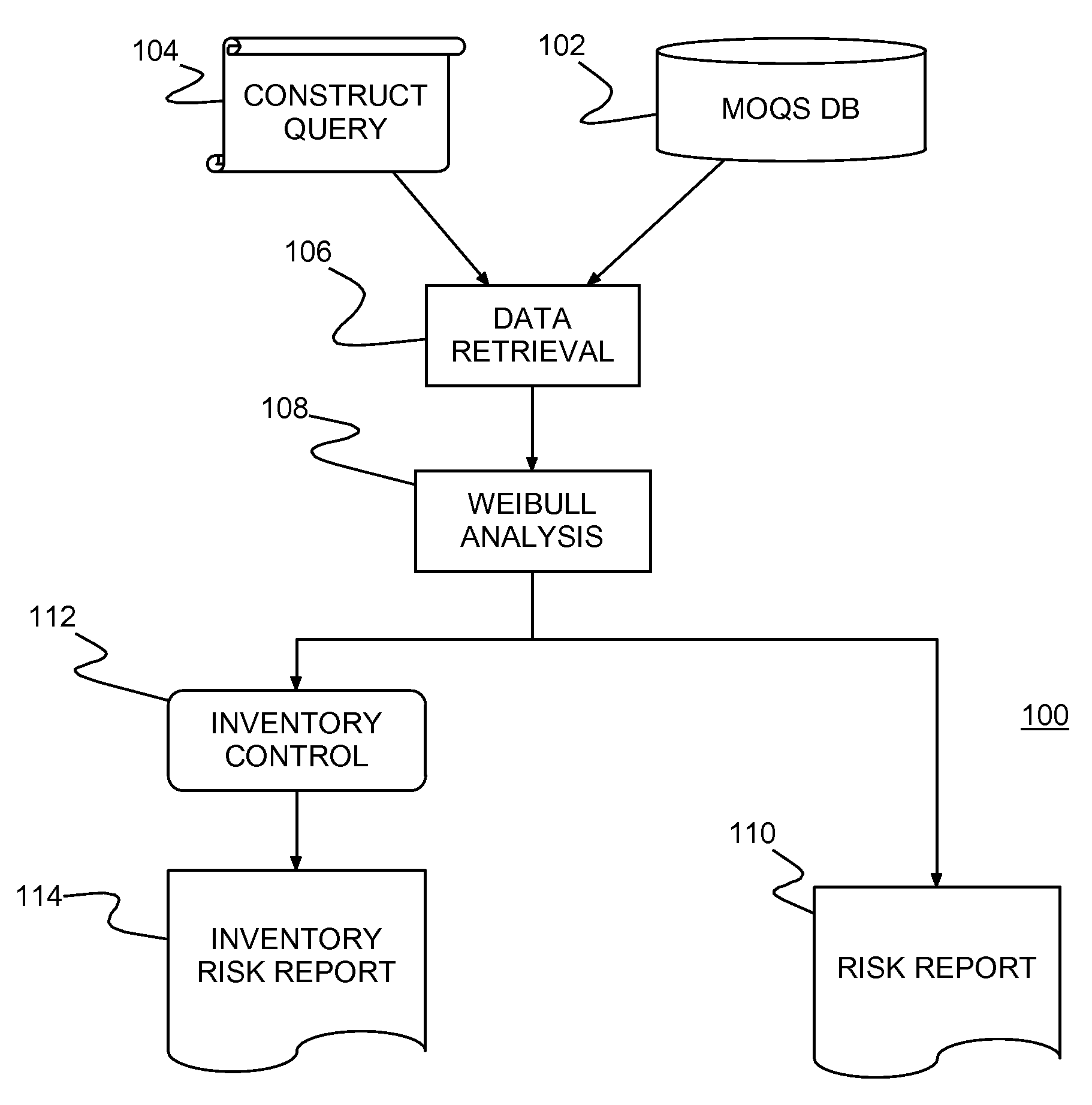
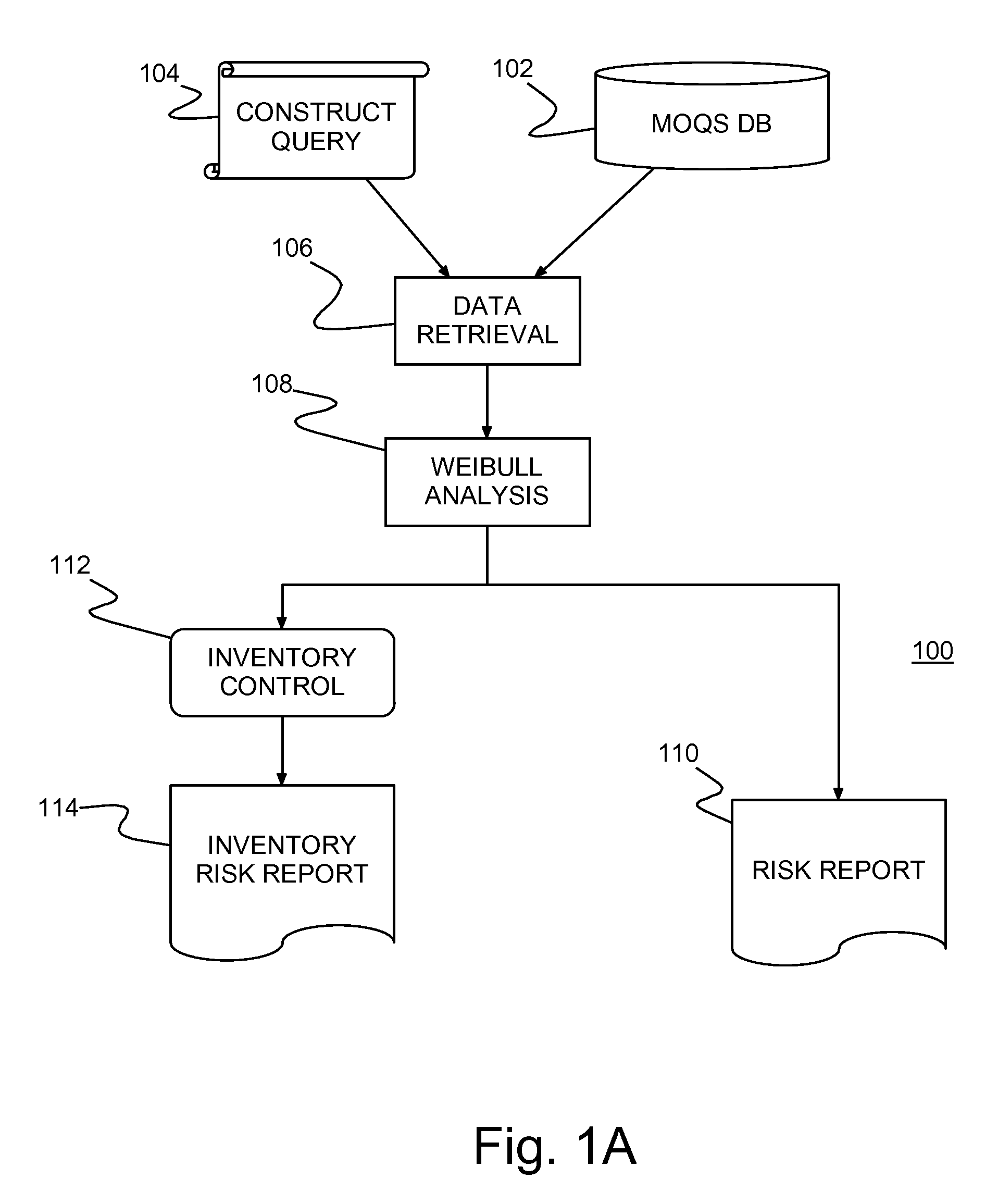
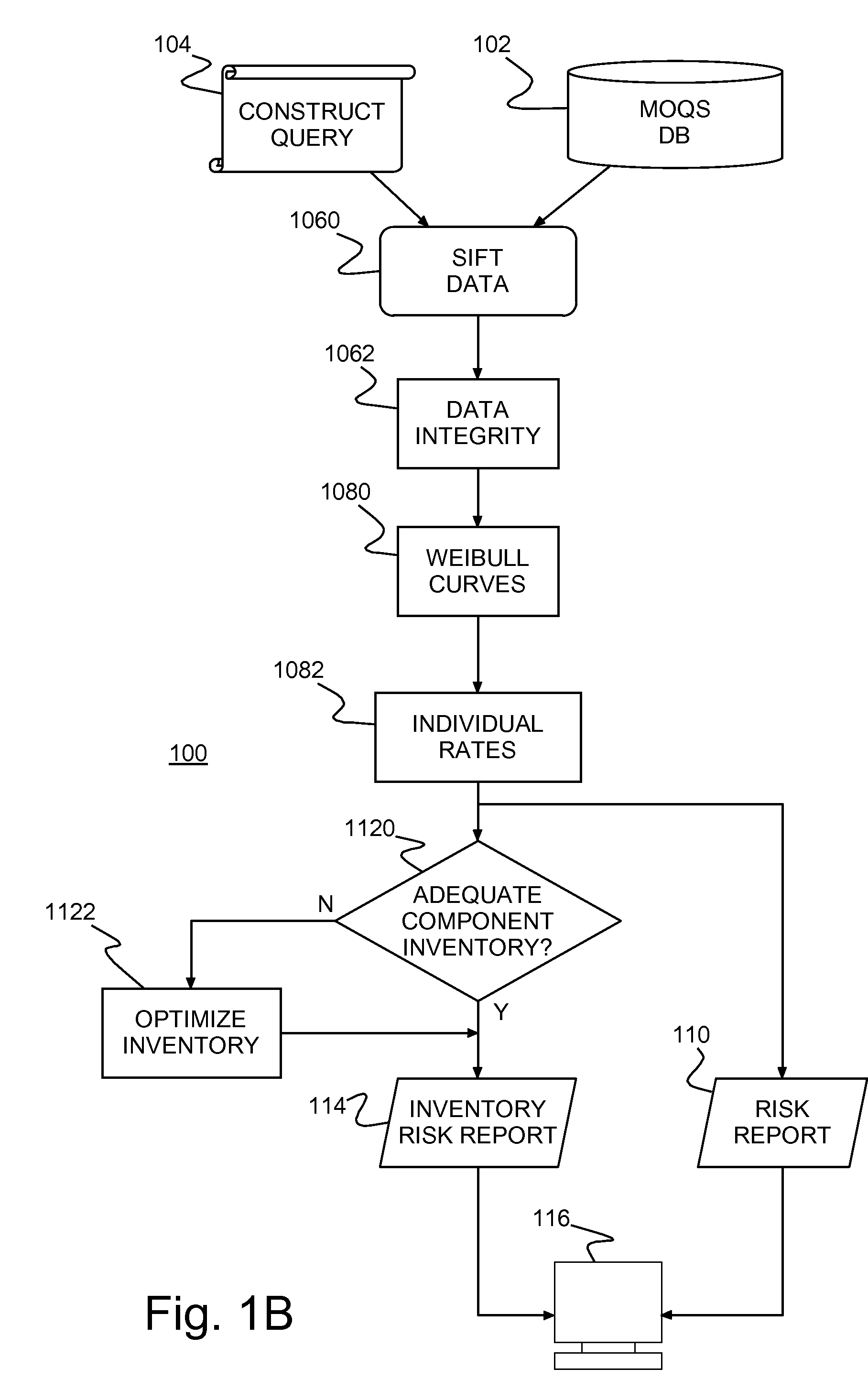
System, method and program product for predicting fleet reliability and maintaining a fleet of vehicles
PatentInactiveUS20080154458A1
Innovation
- A system and method utilizing Weibull analysis on part removal data from a maintenance database to identify components likely to fail, generate risk reports, and optimize inventory by predicting part-level failures and demand, ensuring sufficient spare parts are available where needed.

Airspace Regulations and Compliance Requirements
The operational deployment of fixed-wing drone fleets necessitates comprehensive understanding and adherence to evolving airspace regulations across multiple jurisdictions. Current regulatory frameworks vary significantly between regions, with the Federal Aviation Administration in the United States, the European Union Aviation Safety Agency, and national civil aviation authorities worldwide implementing distinct requirements for unmanned aircraft systems operations. These regulations typically address altitude restrictions, visual line-of-sight requirements, remote identification capabilities, and operational authorization procedures that directly impact fleet management strategies and reliability protocols.
Compliance requirements for fixed-wing drone operations extend beyond basic flight permissions to encompass airworthiness certification, operator licensing, and maintenance documentation standards. Fleet operators must maintain detailed records of aircraft performance, maintenance activities, and pilot qualifications to satisfy regulatory audits. The integration of automated compliance monitoring systems within fleet management platforms has become essential for tracking regulatory changes, managing operational certificates, and ensuring continuous adherence to safety standards across distributed operations.
Geofencing capabilities and real-time airspace awareness systems represent critical technical requirements mandated by regulatory bodies to prevent unauthorized airspace incursions. Fleet management systems must incorporate dynamic airspace data feeds, including temporary flight restrictions, controlled airspace boundaries, and special use airspace designations. The implementation of detect-and-avoid technologies, while still evolving in regulatory frameworks, is increasingly recognized as a fundamental requirement for beyond visual line-of-sight operations that enhance fleet reliability through proactive collision avoidance.
International harmonization efforts, particularly through the International Civil Aviation Organization's standards and recommended practices, are gradually establishing common frameworks for drone operations. However, operators managing cross-border fleets must navigate complex compliance matrices that account for national variations in registration requirements, operational limitations, and data privacy regulations. The development of standardized compliance interfaces within fleet management systems facilitates multi-jurisdictional operations while maintaining the reliability standards necessary for commercial drone deployment at scale.
Compliance requirements for fixed-wing drone operations extend beyond basic flight permissions to encompass airworthiness certification, operator licensing, and maintenance documentation standards. Fleet operators must maintain detailed records of aircraft performance, maintenance activities, and pilot qualifications to satisfy regulatory audits. The integration of automated compliance monitoring systems within fleet management platforms has become essential for tracking regulatory changes, managing operational certificates, and ensuring continuous adherence to safety standards across distributed operations.
Geofencing capabilities and real-time airspace awareness systems represent critical technical requirements mandated by regulatory bodies to prevent unauthorized airspace incursions. Fleet management systems must incorporate dynamic airspace data feeds, including temporary flight restrictions, controlled airspace boundaries, and special use airspace designations. The implementation of detect-and-avoid technologies, while still evolving in regulatory frameworks, is increasingly recognized as a fundamental requirement for beyond visual line-of-sight operations that enhance fleet reliability through proactive collision avoidance.
International harmonization efforts, particularly through the International Civil Aviation Organization's standards and recommended practices, are gradually establishing common frameworks for drone operations. However, operators managing cross-border fleets must navigate complex compliance matrices that account for national variations in registration requirements, operational limitations, and data privacy regulations. The development of standardized compliance interfaces within fleet management systems facilitates multi-jurisdictional operations while maintaining the reliability standards necessary for commercial drone deployment at scale.
Data Security and Privacy in Fleet Operations
Data security and privacy represent critical considerations in fixed-wing drone fleet management systems, where vast amounts of sensitive operational data are continuously collected, transmitted, and stored. Fleet management platforms aggregate telemetry data, flight logs, maintenance records, geographic coordinates, and potentially sensitive payload information from multiple aircraft operating across diverse locations. This centralized data architecture creates significant vulnerabilities that must be addressed through comprehensive security frameworks to protect against unauthorized access, data breaches, and privacy violations that could compromise operational integrity and regulatory compliance.
The transmission of real-time data between drones and ground control stations introduces multiple attack vectors requiring robust encryption protocols. End-to-end encryption using advanced cryptographic standards such as AES-256 ensures that flight data, command signals, and video feeds remain protected during transmission over potentially insecure communication channels. Additionally, implementing secure authentication mechanisms including multi-factor authentication and certificate-based verification prevents unauthorized personnel from accessing fleet management systems or issuing commands to aircraft, thereby reducing risks of hijacking or malicious interference.
Cloud-based fleet management solutions present unique security challenges as operational data resides on third-party infrastructure. Organizations must establish clear data governance policies defining data ownership, retention periods, and access controls while ensuring compliance with regional privacy regulations such as GDPR or CCPA. Implementing role-based access control systems ensures that personnel can only access information necessary for their specific operational responsibilities, minimizing exposure of sensitive data across the organization.
Privacy concerns extend beyond organizational boundaries when drones operate in populated areas or collect imagery that may inadvertently capture personal information. Fleet management systems must incorporate privacy-by-design principles, including automated data anonymization, geofencing capabilities to restrict operations in sensitive zones, and audit trails documenting all data access events. Regular security assessments, penetration testing, and compliance audits ensure that fleet management platforms maintain robust defenses against evolving cyber threats while respecting privacy obligations, ultimately supporting reliable and trustworthy drone operations at scale.
The transmission of real-time data between drones and ground control stations introduces multiple attack vectors requiring robust encryption protocols. End-to-end encryption using advanced cryptographic standards such as AES-256 ensures that flight data, command signals, and video feeds remain protected during transmission over potentially insecure communication channels. Additionally, implementing secure authentication mechanisms including multi-factor authentication and certificate-based verification prevents unauthorized personnel from accessing fleet management systems or issuing commands to aircraft, thereby reducing risks of hijacking or malicious interference.
Cloud-based fleet management solutions present unique security challenges as operational data resides on third-party infrastructure. Organizations must establish clear data governance policies defining data ownership, retention periods, and access controls while ensuring compliance with regional privacy regulations such as GDPR or CCPA. Implementing role-based access control systems ensures that personnel can only access information necessary for their specific operational responsibilities, minimizing exposure of sensitive data across the organization.
Privacy concerns extend beyond organizational boundaries when drones operate in populated areas or collect imagery that may inadvertently capture personal information. Fleet management systems must incorporate privacy-by-design principles, including automated data anonymization, geofencing capabilities to restrict operations in sensitive zones, and audit trails documenting all data access events. Regular security assessments, penetration testing, and compliance audits ensure that fleet management platforms maintain robust defenses against evolving cyber threats while respecting privacy obligations, ultimately supporting reliable and trustworthy drone operations at scale.
Unlock deeper insights with Patsnap Eureka Quick Research — get a full tech report to explore trends and direct your research. Try now!
Generate Your Research Report Instantly with AI Agent
Supercharge your innovation with Patsnap Eureka AI Agent Platform!