
Improving Wireless Controller Usability in Hostile Conditions
MAR 5, 20269 MIN READ
Generate Your Research Report Instantly with AI Agent
Patsnap Eureka helps you evaluate technical feasibility & market potential.
Wireless Controller Hostile Environment Challenges and Goals
Wireless controllers have evolved from simple infrared remote controls to sophisticated radio frequency devices that enable seamless interaction across gaming, industrial automation, and consumer electronics sectors. The technology has progressed through multiple generations, from early 27MHz systems to modern 2.4GHz and 5GHz solutions utilizing advanced protocols like Bluetooth, Wi-Fi, and proprietary low-latency communications. This evolution reflects the growing demand for reliable wireless control in increasingly challenging operational environments.
The hostile environment challenge encompasses a broad spectrum of adverse conditions that significantly impact wireless controller performance. These environments include extreme temperatures ranging from arctic conditions below -40°C to industrial settings exceeding 85°C, high humidity and moisture exposure, electromagnetic interference from industrial machinery and wireless networks, physical shock and vibration in mobile applications, and chemical exposure in manufacturing facilities. Additionally, modern hostile environments include cybersecurity threats and signal jamming attempts that compromise controller reliability and data integrity.
Current technological limitations create substantial barriers to optimal wireless controller performance in these demanding conditions. Signal attenuation and multipath interference reduce communication range and reliability, while temperature extremes affect battery performance and electronic component stability. Electromagnetic interference from industrial equipment, medical devices, and dense wireless networks creates communication dropouts and latency spikes that render controllers unreliable for critical applications.
The primary technical objectives focus on achieving robust communication protocols that maintain sub-10ms latency even under severe interference conditions. Enhanced environmental resilience requires controllers to operate reliably across extended temperature ranges while maintaining consistent performance metrics. Power management optimization aims to extend operational duration in remote or inaccessible locations where battery replacement is challenging or impossible.
Security enhancement represents another critical goal, implementing advanced encryption and authentication mechanisms to prevent unauthorized access and signal manipulation. Adaptive frequency management systems must dynamically adjust communication parameters to maintain optimal performance as environmental conditions change. These objectives collectively aim to establish wireless controllers as dependable solutions for mission-critical applications in aerospace, defense, industrial automation, and emergency response scenarios where failure is not acceptable.
The hostile environment challenge encompasses a broad spectrum of adverse conditions that significantly impact wireless controller performance. These environments include extreme temperatures ranging from arctic conditions below -40°C to industrial settings exceeding 85°C, high humidity and moisture exposure, electromagnetic interference from industrial machinery and wireless networks, physical shock and vibration in mobile applications, and chemical exposure in manufacturing facilities. Additionally, modern hostile environments include cybersecurity threats and signal jamming attempts that compromise controller reliability and data integrity.
Current technological limitations create substantial barriers to optimal wireless controller performance in these demanding conditions. Signal attenuation and multipath interference reduce communication range and reliability, while temperature extremes affect battery performance and electronic component stability. Electromagnetic interference from industrial equipment, medical devices, and dense wireless networks creates communication dropouts and latency spikes that render controllers unreliable for critical applications.
The primary technical objectives focus on achieving robust communication protocols that maintain sub-10ms latency even under severe interference conditions. Enhanced environmental resilience requires controllers to operate reliably across extended temperature ranges while maintaining consistent performance metrics. Power management optimization aims to extend operational duration in remote or inaccessible locations where battery replacement is challenging or impossible.
Security enhancement represents another critical goal, implementing advanced encryption and authentication mechanisms to prevent unauthorized access and signal manipulation. Adaptive frequency management systems must dynamically adjust communication parameters to maintain optimal performance as environmental conditions change. These objectives collectively aim to establish wireless controllers as dependable solutions for mission-critical applications in aerospace, defense, industrial automation, and emergency response scenarios where failure is not acceptable.
Market Demand for Ruggedized Wireless Gaming Controllers
The gaming industry has witnessed unprecedented growth in recent years, with wireless controllers becoming the dominant interface for console and PC gaming. However, traditional consumer-grade controllers face significant limitations when deployed in challenging environments, creating a substantial market opportunity for ruggedized alternatives. Military training facilities, industrial simulation centers, and outdoor gaming installations represent emerging sectors where standard controllers fail to meet operational requirements.
Market research indicates strong demand from defense contractors developing training simulators for military personnel. These applications require controllers that can withstand extreme temperatures, moisture exposure, and repeated impact while maintaining precise input accuracy. The defense simulation market has shown particular interest in wireless solutions that eliminate cable-related failure points during intensive training scenarios.
Industrial applications present another significant growth vector, particularly in mining, oil and gas, and manufacturing sectors where gaming technology is increasingly adopted for equipment operation training. These environments demand controllers capable of functioning in dusty, humid, or chemically aggressive atmospheres while providing reliable wireless connectivity through electromagnetic interference.
The outdoor entertainment and location-based gaming sectors have emerged as unexpected demand drivers. Theme parks, adventure gaming centers, and mobile gaming units require controllers that can operate reliably in varying weather conditions, from desert heat to arctic cold, while maintaining consistent wireless performance across extended operational periods.
Educational institutions utilizing gaming technology for STEM programs and vocational training have also expressed interest in ruggedized solutions. These environments require controllers that can withstand heavy usage by multiple users while maintaining hygiene standards and operational reliability.
Current market analysis reveals that existing ruggedized gaming solutions primarily focus on wired connections, leaving a significant gap in the wireless segment. This presents a substantial opportunity for innovative manufacturers to capture market share by addressing the specific needs of hostile environment applications while maintaining the performance standards expected by professional users.
The convergence of gaming technology with professional training applications has created a unique market niche where traditional consumer electronics standards prove inadequate, driving demand for specialized ruggedized wireless gaming controllers.
Market research indicates strong demand from defense contractors developing training simulators for military personnel. These applications require controllers that can withstand extreme temperatures, moisture exposure, and repeated impact while maintaining precise input accuracy. The defense simulation market has shown particular interest in wireless solutions that eliminate cable-related failure points during intensive training scenarios.
Industrial applications present another significant growth vector, particularly in mining, oil and gas, and manufacturing sectors where gaming technology is increasingly adopted for equipment operation training. These environments demand controllers capable of functioning in dusty, humid, or chemically aggressive atmospheres while providing reliable wireless connectivity through electromagnetic interference.
The outdoor entertainment and location-based gaming sectors have emerged as unexpected demand drivers. Theme parks, adventure gaming centers, and mobile gaming units require controllers that can operate reliably in varying weather conditions, from desert heat to arctic cold, while maintaining consistent wireless performance across extended operational periods.
Educational institutions utilizing gaming technology for STEM programs and vocational training have also expressed interest in ruggedized solutions. These environments require controllers that can withstand heavy usage by multiple users while maintaining hygiene standards and operational reliability.
Current market analysis reveals that existing ruggedized gaming solutions primarily focus on wired connections, leaving a significant gap in the wireless segment. This presents a substantial opportunity for innovative manufacturers to capture market share by addressing the specific needs of hostile environment applications while maintaining the performance standards expected by professional users.
The convergence of gaming technology with professional training applications has created a unique market niche where traditional consumer electronics standards prove inadequate, driving demand for specialized ruggedized wireless gaming controllers.
Current State and Limitations of Controllers in Harsh Conditions
Wireless controllers in harsh environmental conditions face significant operational challenges that severely impact their performance and reliability. Current gaming and industrial controllers demonstrate notable vulnerabilities when exposed to extreme temperatures, high humidity, dust, vibration, and electromagnetic interference. Temperature fluctuations between -20°C to 60°C can cause battery degradation, component expansion, and signal transmission delays, while humidity levels above 85% lead to condensation buildup and potential short circuits.
Signal transmission represents a critical limitation in hostile environments. Standard 2.4GHz wireless protocols experience substantial interference from industrial equipment, military communications, and atmospheric conditions. Current controllers typically maintain reliable connections within 10-15 meters under optimal conditions, but this range drops to 3-5 meters in electromagnetically noisy environments. Latency issues become pronounced, with input delays increasing from standard 5-8ms to 20-40ms in challenging conditions.
Physical durability constraints plague existing controller designs. Most consumer-grade controllers feature IP54 or lower protection ratings, insufficient for industrial or military applications requiring IP67 or higher. Button mechanisms fail after exposure to sand, salt spray, or chemical vapors, while analog sticks develop drift issues when contaminated with particulates. Screen visibility on controllers with displays becomes compromised under direct sunlight or in low-light tactical situations.
Power management limitations significantly restrict operational duration in remote or hostile locations. Current lithium-ion batteries lose 20-30% capacity in extreme cold and face charging difficulties in field conditions. Battery life typically ranges from 8-12 hours under normal use but drops to 4-6 hours when maintaining stronger signal transmission in challenging environments. Replacement or recharging opportunities may be unavailable during extended operations.
Ergonomic challenges emerge when controllers must accommodate protective equipment or specialized gear. Standard controller designs assume bare-handed operation, creating usability issues when operators wear gloves, protective suits, or work in confined spaces. Button spacing, grip texture, and control sensitivity become inadequate for users wearing thick protective equipment or operating under stress conditions.
Current haptic feedback systems fail to function effectively in high-noise environments where tactile confirmation becomes crucial. Vibration motors lack sufficient intensity to penetrate protective equipment, while audio feedback becomes inaudible over ambient noise levels exceeding 85 decibels. These limitations compromise user awareness and response accuracy in critical situations.
Manufacturing standards for ruggedized controllers remain inconsistent across the industry. While military-specification devices exist, they often sacrifice functionality for durability, resulting in limited button configurations and reduced wireless capabilities. Cost considerations frequently drive compromises in component quality, leading to premature failures in demanding applications where reliability is paramount.
Signal transmission represents a critical limitation in hostile environments. Standard 2.4GHz wireless protocols experience substantial interference from industrial equipment, military communications, and atmospheric conditions. Current controllers typically maintain reliable connections within 10-15 meters under optimal conditions, but this range drops to 3-5 meters in electromagnetically noisy environments. Latency issues become pronounced, with input delays increasing from standard 5-8ms to 20-40ms in challenging conditions.
Physical durability constraints plague existing controller designs. Most consumer-grade controllers feature IP54 or lower protection ratings, insufficient for industrial or military applications requiring IP67 or higher. Button mechanisms fail after exposure to sand, salt spray, or chemical vapors, while analog sticks develop drift issues when contaminated with particulates. Screen visibility on controllers with displays becomes compromised under direct sunlight or in low-light tactical situations.
Power management limitations significantly restrict operational duration in remote or hostile locations. Current lithium-ion batteries lose 20-30% capacity in extreme cold and face charging difficulties in field conditions. Battery life typically ranges from 8-12 hours under normal use but drops to 4-6 hours when maintaining stronger signal transmission in challenging environments. Replacement or recharging opportunities may be unavailable during extended operations.
Ergonomic challenges emerge when controllers must accommodate protective equipment or specialized gear. Standard controller designs assume bare-handed operation, creating usability issues when operators wear gloves, protective suits, or work in confined spaces. Button spacing, grip texture, and control sensitivity become inadequate for users wearing thick protective equipment or operating under stress conditions.
Current haptic feedback systems fail to function effectively in high-noise environments where tactile confirmation becomes crucial. Vibration motors lack sufficient intensity to penetrate protective equipment, while audio feedback becomes inaudible over ambient noise levels exceeding 85 decibels. These limitations compromise user awareness and response accuracy in critical situations.
Manufacturing standards for ruggedized controllers remain inconsistent across the industry. While military-specification devices exist, they often sacrifice functionality for durability, resulting in limited button configurations and reduced wireless capabilities. Cost considerations frequently drive compromises in component quality, leading to premature failures in demanding applications where reliability is paramount.
Existing Solutions for Hostile Environment Controller Design
01 Ergonomic design and button layout optimization
Wireless controllers can be designed with ergonomic considerations to improve user comfort and reduce fatigue during extended use. This includes optimizing button placement, grip contours, and weight distribution to enhance the overall handling experience. The controller shape can be adapted to fit naturally in users' hands, with strategically positioned controls that minimize finger strain and maximize accessibility.- Ergonomic design and button layout optimization: Wireless controllers can be designed with ergonomic considerations to improve user comfort and reduce fatigue during extended use. This includes optimizing button placement, grip contours, and weight distribution to enhance the overall handling experience. The design may incorporate textured surfaces, adjustable components, and strategically positioned controls to accommodate different hand sizes and usage preferences.
- Haptic feedback and tactile response mechanisms: Enhanced usability can be achieved through the integration of haptic feedback systems that provide tactile sensations to users during interaction. These mechanisms can include vibration motors, force feedback actuators, and pressure-sensitive controls that deliver physical responses corresponding to on-screen actions. Such features improve user engagement and provide intuitive confirmation of input commands.
- Wireless connectivity and signal stability improvements: Usability of wireless controllers depends significantly on reliable wireless communication protocols and signal transmission quality. Technologies such as Bluetooth, RF communication, and proprietary wireless standards can be optimized to minimize latency, reduce interference, and extend operational range. Power management features and adaptive frequency selection further enhance the wireless connection stability.
- Customizable control mapping and user interface: Wireless controllers can offer enhanced usability through programmable buttons and customizable control schemes that allow users to adapt the device to their specific needs and preferences. This includes software interfaces for remapping controls, creating profiles for different applications, and adjusting sensitivity settings. Such flexibility accommodates diverse user requirements and usage scenarios.
- Battery life optimization and charging solutions: Extended battery life and convenient charging methods are critical factors for wireless controller usability. Implementations may include rechargeable battery systems, low-power consumption circuitry, sleep modes, and efficient power management algorithms. Charging solutions can feature wireless charging capabilities, quick-charge technology, and battery status indicators to ensure uninterrupted usage.
02 Haptic feedback and tactile response mechanisms
Enhanced usability can be achieved through the integration of haptic feedback systems that provide tactile sensations to users during gameplay or operation. These mechanisms can include vibration motors, force feedback actuators, and adaptive triggers that respond to in-game events. The tactile feedback helps users better understand their interactions with the controlled device and improves the immersive experience.Expand Specific Solutions03 Wireless connectivity and signal stability improvements
Improving the wireless communication protocols and signal transmission quality enhances controller responsiveness and reduces input lag. This includes implementing advanced wireless technologies, frequency hopping mechanisms, and interference mitigation techniques to ensure reliable connection between the controller and the controlled device. Enhanced pairing processes and multi-device connectivity options also contribute to improved usability.Expand Specific Solutions04 Battery management and power efficiency
Optimizing power consumption and battery life extends the usability duration of wireless controllers. This involves implementing efficient power management systems, low-power wireless protocols, and rechargeable battery solutions with quick charging capabilities. Indicators for battery status and automatic sleep modes help users manage power effectively and reduce interruptions during use.Expand Specific Solutions05 Customizable controls and adaptive interfaces
Allowing users to customize button mappings, sensitivity settings, and control schemes enhances accessibility and personalization. This includes programmable buttons, adjustable trigger sensitivity, and software interfaces that enable users to configure the controller according to their preferences and specific application requirements. Adaptive features can accommodate users with different skill levels and physical abilities.Expand Specific Solutions
Key Players in Military and Industrial Controller Industry
The wireless controller usability market in hostile conditions represents a mature yet rapidly evolving sector driven by increasing demand across industrial, military, and consumer applications. The industry has reached significant scale, with established players like Apple, Samsung Electronics, Qualcomm, and Huawei leading consumer-focused innovations, while specialized companies such as Motorola, Siemens AG, and Robert Bosch GmbH dominate industrial and enterprise segments. Technology maturity varies significantly across applications, with consumer devices achieving high sophistication through companies like Nintendo and PixArt Imaging's sensor technologies, while harsh environment applications remain challenging. The competitive landscape shows convergence between traditional electronics manufacturers and specialized industrial players, with semiconductor leaders like STMicroelectronics and NXP USA driving underlying component innovations. Market growth is fueled by IoT expansion, autonomous systems, and increasing automation requirements across industries.
Huawei Technologies Co., Ltd.
Technical Solution: Huawei has developed wireless controller technologies that incorporate advanced beamforming and MIMO capabilities to enhance signal reliability in challenging environments. Their solutions feature intelligent channel selection algorithms that automatically detect and avoid interference sources, ensuring optimal performance in crowded spectrum conditions. The company's wireless controllers utilize proprietary signal processing techniques including advanced modulation schemes and adaptive coding to maintain robust connections even in high-noise environments. Their systems also incorporate environmental sensing capabilities that adjust transmission parameters based on detected hostile conditions such as temperature extremes and electromagnetic interference.
Strengths: Strong R&D capabilities in wireless communications with comprehensive end-to-end solutions and advanced signal processing algorithms. Weaknesses: Limited market access in some regions due to regulatory restrictions and potential supply chain constraints.
QUALCOMM, Inc.
Technical Solution: Qualcomm has developed advanced wireless controller solutions featuring adaptive frequency hopping and interference mitigation technologies. Their Snapdragon platforms incorporate robust RF front-end modules with enhanced signal processing capabilities that maintain reliable connectivity in challenging electromagnetic environments. The company's wireless solutions utilize multi-antenna diversity systems and advanced error correction algorithms to ensure stable communication even in the presence of significant interference. Their controllers feature dynamic power management that adjusts transmission power based on environmental conditions, extending battery life while maintaining performance in hostile wireless conditions.
Strengths: Industry-leading RF expertise and comprehensive wireless chipset solutions with proven interference mitigation capabilities. Weaknesses: Higher power consumption compared to specialized low-power solutions and premium pricing for advanced features.
Core Innovations in Environmental Protection Technologies
IMPROVED robustness of WIRELESS COMMUNICATION NETWORK FOR CONTROL OF INDUSTRIAL EQUIPMENT IN inhospitable environments
PatentInactiveBR112015001446A2
Innovation
- A wireless communication network with a head node device facilitating long-range and short-range communication, ensuring reliable communication through a star configuration with intelligent routing and security features, including AES encryption and adaptive channel selection.


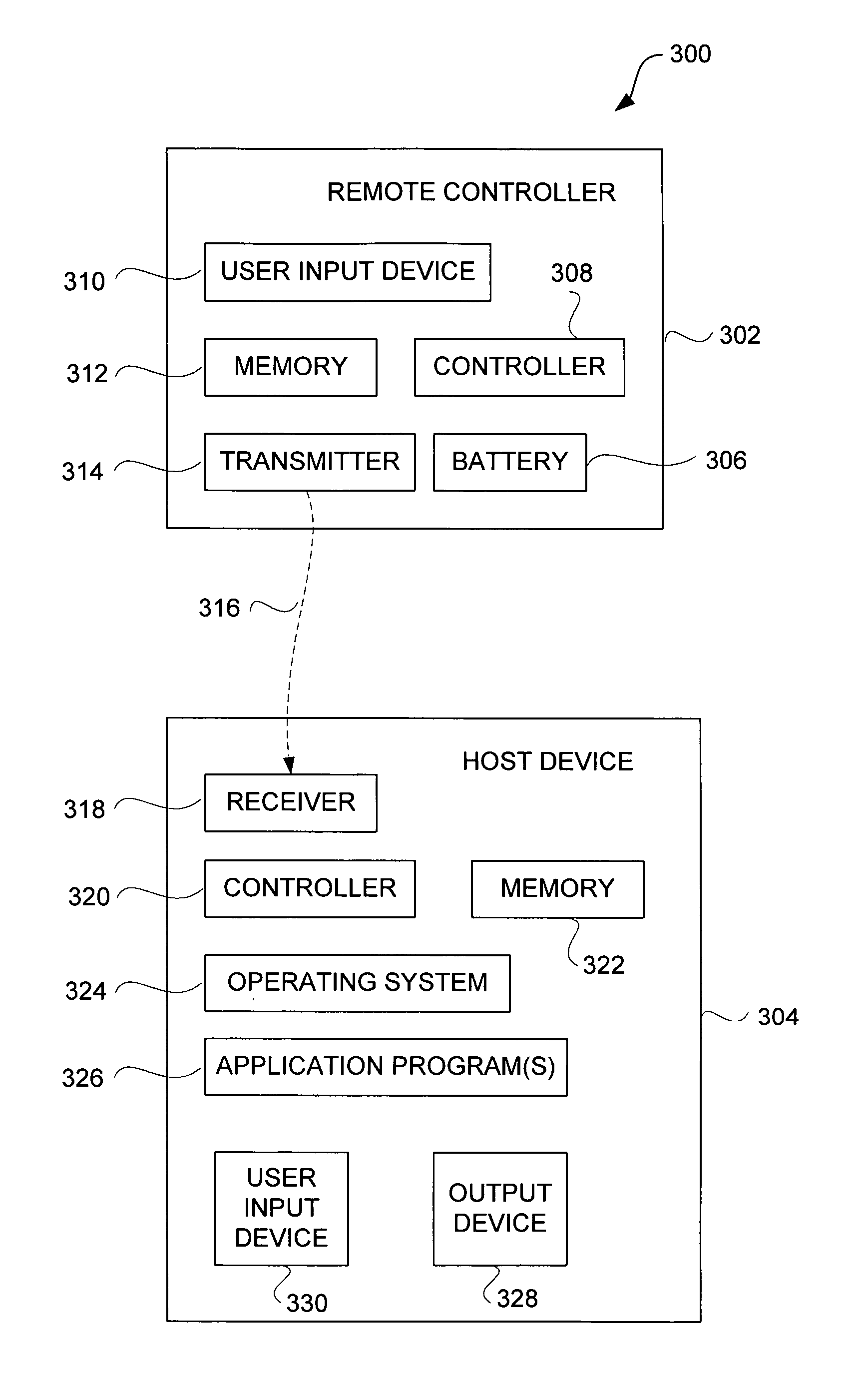
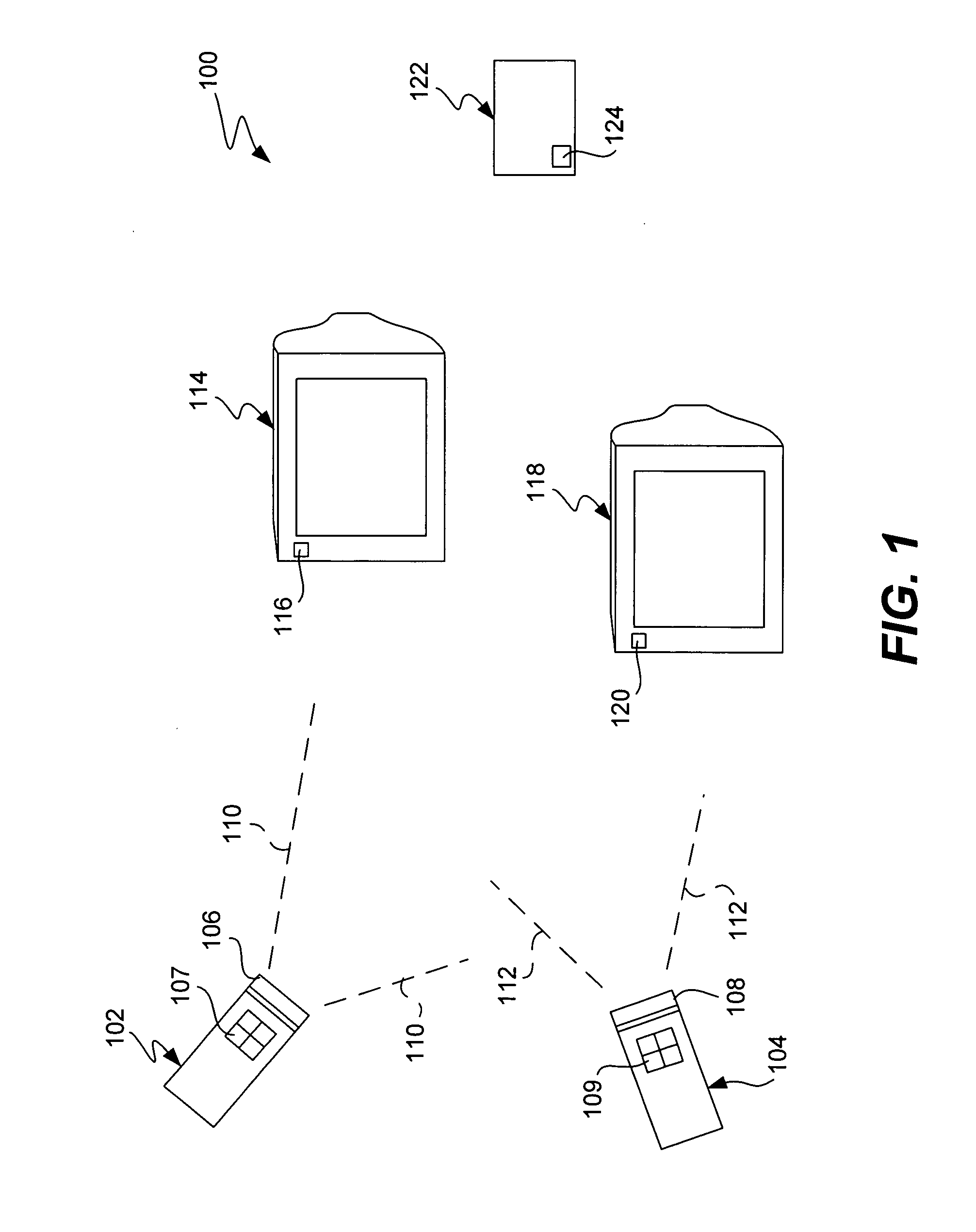
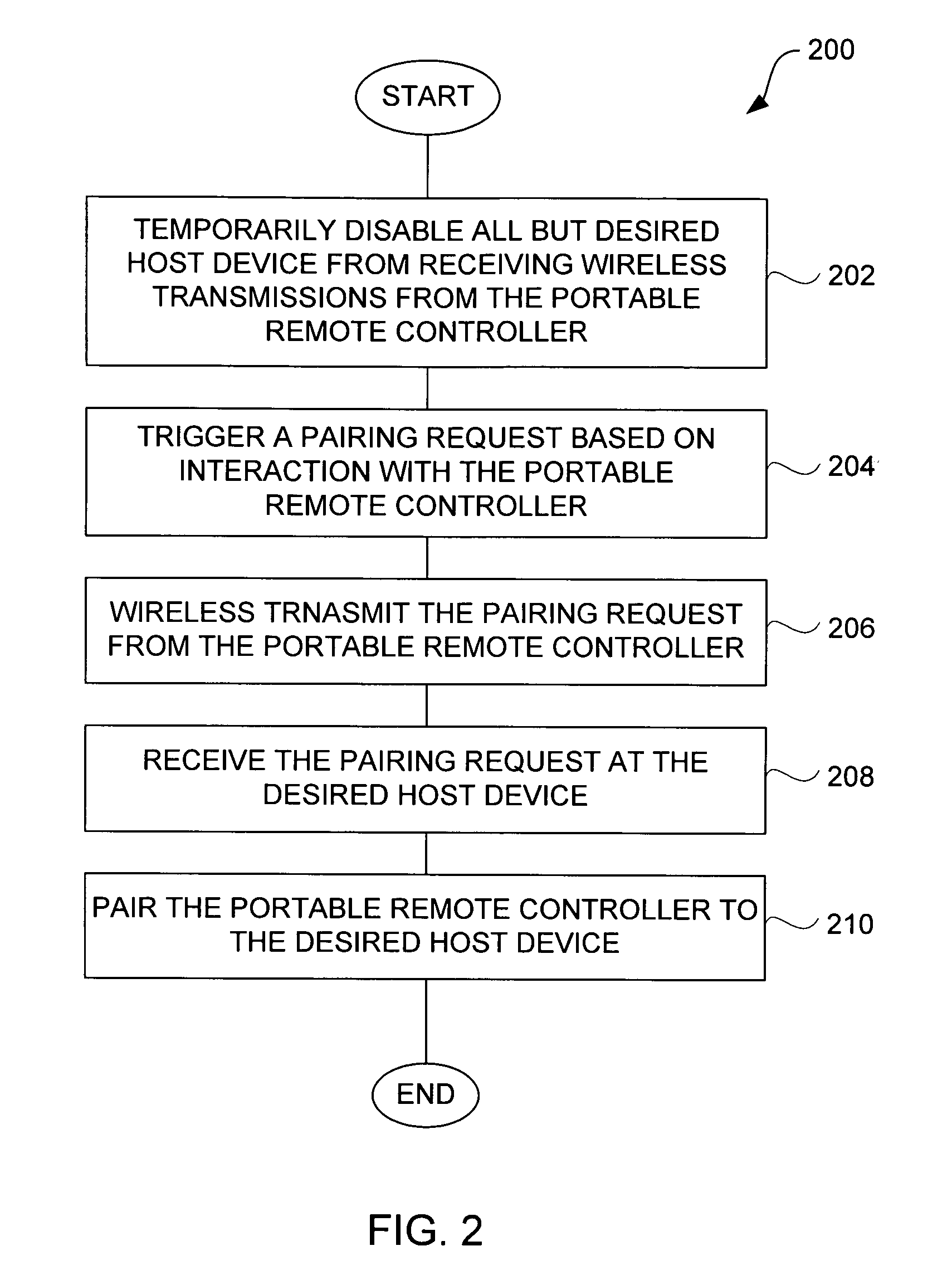
Techniques for pairing remote controllers with host devices
PatentInactiveUS20070080823A1
Innovation
- A method and system for associating a wireless portable remote controller with a specific host device, using a unique device identifier to ensure that only the paired device responds to commands, while ignoring other controllers in the vicinity, and providing low battery indication to notify the host device and user.

Military Standards and Certification Requirements
Wireless controllers operating in hostile environments must comply with stringent military standards to ensure reliable performance under extreme conditions. The primary certification framework governing these devices includes MIL-STD-810, which establishes environmental engineering considerations and laboratory tests for military equipment. This standard encompasses temperature extremes, humidity, vibration, shock, and electromagnetic interference testing protocols that wireless controllers must withstand.
The MIL-STD-461 standard specifically addresses electromagnetic environmental effects requirements and verification procedures. Wireless controllers must demonstrate immunity to electromagnetic pulse (EMP), radio frequency interference (RFI), and conducted emissions while maintaining signal integrity. These requirements are particularly critical for military applications where electromagnetic warfare tactics may be employed to disrupt communication systems.
Temperature qualification represents a fundamental certification requirement, with controllers typically required to operate within -40°C to +85°C ranges according to MIL-STD-810G Method 501. Extended temperature testing may require operation from -55°C to +125°C for storage conditions. Thermal shock testing evaluates the device's ability to withstand rapid temperature transitions that occur in combat scenarios or high-altitude operations.
Vibration and shock resistance standards under MIL-STD-810G Methods 514 and 516 ensure controllers maintain functionality during vehicle transport, aircraft operations, and explosive environments. Random vibration testing simulates operational conditions while pyroshock testing evaluates survival during nearby explosive events. These tests are essential for handheld controllers used in armored vehicles or aircraft cockpits.
Ingress protection ratings following IP67 or IP68 standards are mandatory for controllers exposed to dust, moisture, and liquid immersion. Military applications often require additional testing beyond commercial IP ratings, including resistance to chemical agents, fuel exposure, and saltwater corrosion. The MIL-STD-810 Method 506 rain test and Method 510 sand and dust test provide specific protocols for environmental sealing verification.
Cybersecurity certification requirements have become increasingly important, with controllers needing to comply with FIPS 140-2 encryption standards and Common Criteria evaluations. These certifications ensure secure communication channels and protection against electronic warfare attacks targeting control systems.
The MIL-STD-461 standard specifically addresses electromagnetic environmental effects requirements and verification procedures. Wireless controllers must demonstrate immunity to electromagnetic pulse (EMP), radio frequency interference (RFI), and conducted emissions while maintaining signal integrity. These requirements are particularly critical for military applications where electromagnetic warfare tactics may be employed to disrupt communication systems.
Temperature qualification represents a fundamental certification requirement, with controllers typically required to operate within -40°C to +85°C ranges according to MIL-STD-810G Method 501. Extended temperature testing may require operation from -55°C to +125°C for storage conditions. Thermal shock testing evaluates the device's ability to withstand rapid temperature transitions that occur in combat scenarios or high-altitude operations.
Vibration and shock resistance standards under MIL-STD-810G Methods 514 and 516 ensure controllers maintain functionality during vehicle transport, aircraft operations, and explosive environments. Random vibration testing simulates operational conditions while pyroshock testing evaluates survival during nearby explosive events. These tests are essential for handheld controllers used in armored vehicles or aircraft cockpits.
Ingress protection ratings following IP67 or IP68 standards are mandatory for controllers exposed to dust, moisture, and liquid immersion. Military applications often require additional testing beyond commercial IP ratings, including resistance to chemical agents, fuel exposure, and saltwater corrosion. The MIL-STD-810 Method 506 rain test and Method 510 sand and dust test provide specific protocols for environmental sealing verification.
Cybersecurity certification requirements have become increasingly important, with controllers needing to comply with FIPS 140-2 encryption standards and Common Criteria evaluations. These certifications ensure secure communication channels and protection against electronic warfare attacks targeting control systems.
Human Factors Engineering for Hostile Environment Use
Human factors engineering represents a critical discipline in developing wireless controllers for hostile environments, focusing on the intersection between human capabilities, limitations, and technological systems under extreme conditions. This field emphasizes understanding how environmental stressors affect human performance and designing interfaces that maintain usability despite challenging circumstances.
The fundamental principle of human factors engineering in hostile environments centers on cognitive load management. When operators face extreme temperatures, high stress situations, or protective equipment requirements, their cognitive resources become constrained. Controllers must compensate for reduced mental bandwidth through simplified interaction models, intuitive feedback systems, and error-prevention mechanisms that function reliably under duress.
Anthropometric considerations become paramount when designing for hostile environment use. Protective gear such as gloves, suits, or helmets significantly alters hand dimensions, grip strength, and tactile sensitivity. Controllers must accommodate these changes through enlarged control surfaces, increased button travel distances, and enhanced tactile feedback mechanisms. The design must account for both bare-handed operation and use with various protective equipment configurations.
Sensory adaptation strategies form another crucial aspect of human factors engineering for hostile conditions. Visual displays must remain readable under varying lighting conditions, from complete darkness to intense sunlight. Auditory feedback systems need to penetrate protective equipment and ambient noise while avoiding frequencies that cause fatigue or interference with communication systems.
Stress response mitigation through design represents an advanced application of human factors principles. Controllers should incorporate features that reduce operator stress, such as consistent button layouts that leverage muscle memory, clear status indicators that prevent uncertainty, and fail-safe mechanisms that prevent catastrophic errors during high-pressure situations.
The integration of biometric monitoring capabilities enables real-time adaptation to operator condition. Advanced human factors engineering incorporates physiological feedback to adjust controller sensitivity, modify interface complexity, or trigger alert systems when operator performance degrades due to environmental factors or fatigue.
The fundamental principle of human factors engineering in hostile environments centers on cognitive load management. When operators face extreme temperatures, high stress situations, or protective equipment requirements, their cognitive resources become constrained. Controllers must compensate for reduced mental bandwidth through simplified interaction models, intuitive feedback systems, and error-prevention mechanisms that function reliably under duress.
Anthropometric considerations become paramount when designing for hostile environment use. Protective gear such as gloves, suits, or helmets significantly alters hand dimensions, grip strength, and tactile sensitivity. Controllers must accommodate these changes through enlarged control surfaces, increased button travel distances, and enhanced tactile feedback mechanisms. The design must account for both bare-handed operation and use with various protective equipment configurations.
Sensory adaptation strategies form another crucial aspect of human factors engineering for hostile conditions. Visual displays must remain readable under varying lighting conditions, from complete darkness to intense sunlight. Auditory feedback systems need to penetrate protective equipment and ambient noise while avoiding frequencies that cause fatigue or interference with communication systems.
Stress response mitigation through design represents an advanced application of human factors principles. Controllers should incorporate features that reduce operator stress, such as consistent button layouts that leverage muscle memory, clear status indicators that prevent uncertainty, and fail-safe mechanisms that prevent catastrophic errors during high-pressure situations.
The integration of biometric monitoring capabilities enables real-time adaptation to operator condition. Advanced human factors engineering incorporates physiological feedback to adjust controller sensitivity, modify interface complexity, or trigger alert systems when operator performance degrades due to environmental factors or fatigue.
Unlock deeper insights with Patsnap Eureka Quick Research — get a full tech report to explore trends and direct your research. Try now!
Generate Your Research Report Instantly with AI Agent
Supercharge your innovation with Patsnap Eureka AI Agent Platform!